
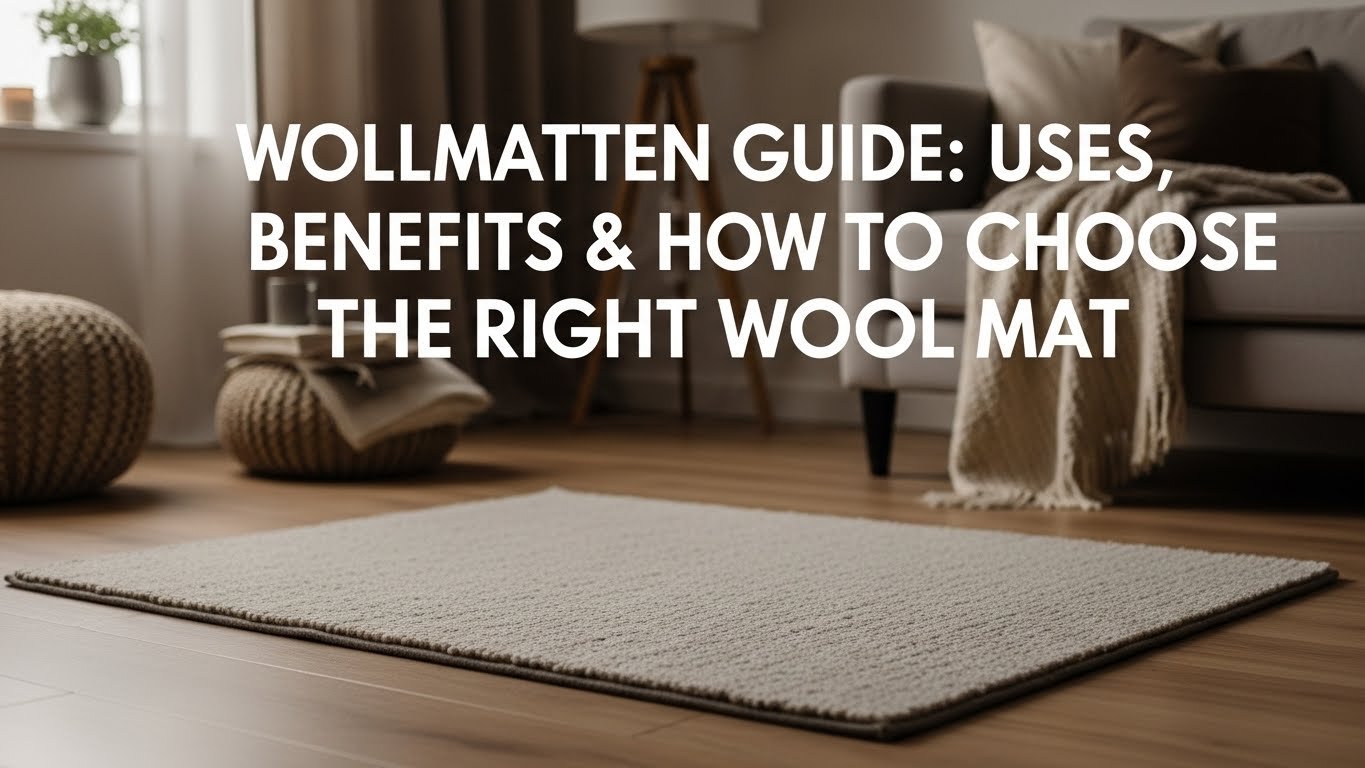
Wollmatten, or wool mats, are becoming an essential element in modern home décor, offering both beauty and functionality. These versatile mats are crafted from natural wool fibers, providing numerous benefits, including durability, insulation, and an eco-friendly alternative to synthetic mats. Whether you are looking to enhance your living space or add comfort to your garden, wool mats are an ideal choice.
In this guide, we’ll dive deep into the world of Wollmatten, from understanding what they are to the practical applications and benefits they offer. By the end, you’ll know how to choose the perfect wool mat to suit your needs and how to maintain them for long-lasting use.
What is Wollmatten?
Wollmatten, often referred to as wool mats, are rugs or floor coverings made from wool fibers. Wool is a natural fiber harvested from sheep and is known for its resilience, moisture-wicking properties, and insulating qualities. Wollmatten are commonly used in homes, gardens, and commercial spaces due to their versatility, durability, and environmental benefits.
History and Origins of Wollmatten
The use of wool mats dates back to ancient civilizations, where people utilized wool in various forms for practical purposes. Early wool mats were crafted by hand, often used in cold climates to provide insulation. Over the centuries, the production methods and uses of wool mats have evolved, with modern techniques incorporating machine manufacturing for consistency and mass production.
Why Wool is Ideal for Mats
Wool’s natural characteristics make it an ideal material for mats:
- Durability: Wool fibers are naturally strong and can withstand wear and tear.
- Insulation: Wool provides excellent thermal insulation, keeping your spaces warm in the winter and cool in the summer.
- Moisture control: Wool absorbs moisture, making it ideal for both dry and humid environments.
- Biodegradability: Unlike synthetic materials, wool is 100% biodegradable, making it an eco-friendly choice.
Natural Science Behind Wool and What It Brings to Mats
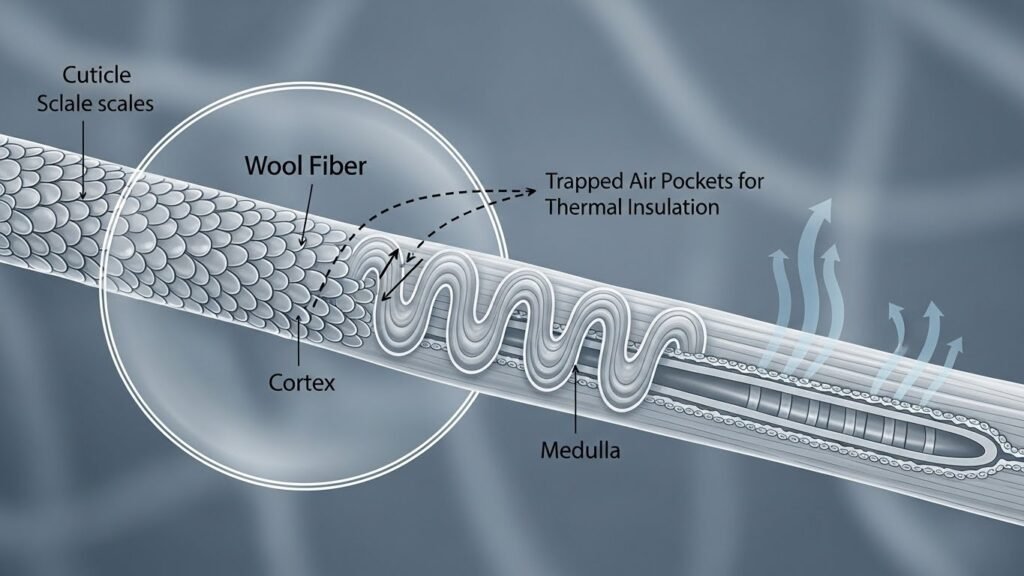
Wool is not just a soft material; it brings a host of benefits to the mats it makes. Let’s explore the natural science behind wool and its advantages.
Wool Fibre Structure and Performance
Wool fibers are made of keratin, a protein that is naturally elastic, durable, and resistant to damage. Each fiber has a unique structure that allows it to bend and stretch without breaking, making it ideal for mats that need to maintain their form. The natural crimp of wool fibers also helps in trapping air, which adds to their insulating properties.
Thermal Insulation, Acoustic Damping, and Moisture Control
One of the primary benefits of Wollmatten is their ability to regulate temperature and moisture. Wool mats naturally insulate against heat and cold, providing comfort year-round. They also absorb sound, which makes them a great addition to spaces requiring noise reduction, like offices or studios. Additionally, wool absorbs moisture and can regulate humidity levels, ensuring that your mats stay fresh and odor-free.
Biodegradability and Environmental Benefits
In today’s world, sustainability is a top priority, and wool offers a renewable resource that is biodegradable. Wool mats contribute to a more sustainable living environment by reducing the need for synthetic, non-biodegradable products. Moreover, wool is produced with minimal impact on the environment, as sheep naturally regrow their wool every year without harming the animal.
Types of Wollmatten
Wollmatten come in a variety of forms and styles to suit different purposes. From luxury home décor to functional outdoor use, there is a wool mat designed for every need.
Natural Wool Mats vs Synthetic Mats
While synthetic mats made from nylon, polyester, or other man-made fibers are popular, natural wool mats have distinct advantages. Synthetic mats tend to break down quicker and may not offer the same level of insulation or sound-damping capabilities as their wool counterparts. Wool, being a natural fiber, offers durability and sustainability, making it a superior choice for long-term use.
Various Wool Types Used in Mats
The type of wool used in the mats can vary, and different kinds of wool offer different qualities:
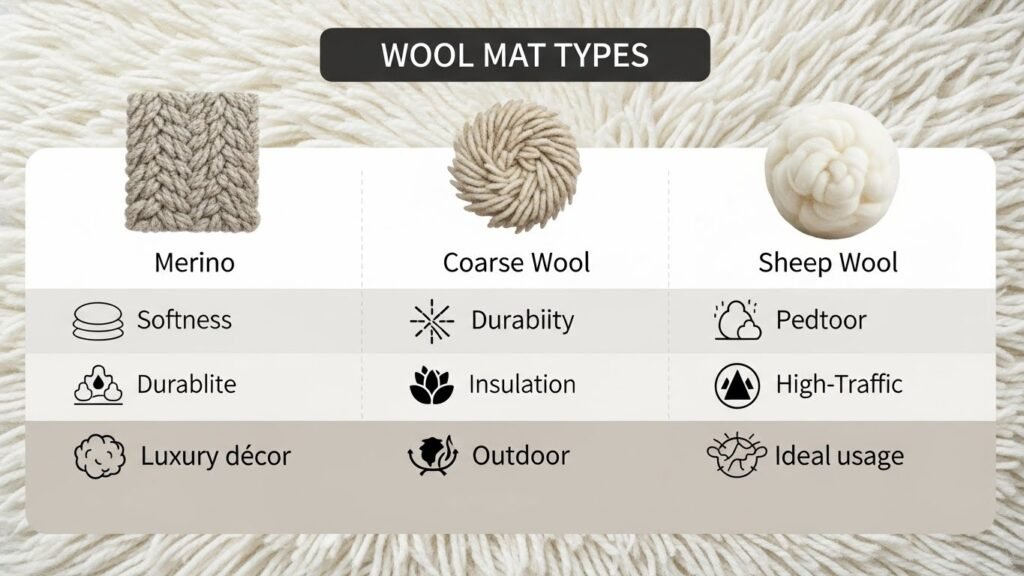
- Merino Wool: Known for its softness and fine texture, merino wool is commonly used in high-end, luxury wool mats.
- Coarse Wool: This type is more durable and commonly used in industrial or outdoor wool mats, providing strength and resilience.
- Sheep Wool: Typically used for more affordable wool mats, offering a good balance of comfort and durability.
Benefits of Different Wool Mat Types for Diverse Applications
Each type of wool offers distinct benefits, so it’s essential to choose the right wool type depending on the intended use of the mat. Merino wool is great for luxurious indoor spaces, while coarse wool mats are ideal for outdoor or high-traffic areas.
How Wool Mats Are Produced: From Fleece to Finished Product
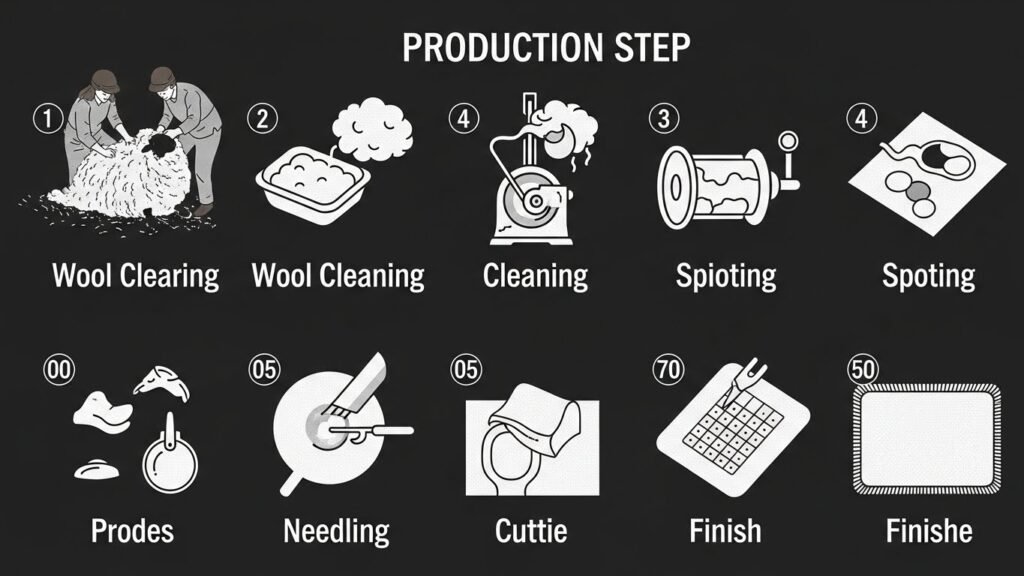
The process of making wool mats is both an art and a science. From sourcing the wool to creating the final product, several steps ensure the mats are of high quality and suitable for their intended purpose.
Wool Sourcing and Cleaning
The journey of a wool mat starts with sourcing the wool. Wool is carefully sheared from sheep, and the fibers are then washed to remove any grease or dirt. The cleaning process is crucial for the quality of the final product.
Felting or Needle-Felting Process
After cleaning, the wool undergoes felting or needle-felting. This process involves matting the wool fibers together to create a solid, durable surface. Needle-felting uses barbed needles to tangle the fibers, while felting relies on moisture and heat to bond the fibers.
Cutting, Shaping, and Finishing
Once the wool is felted, it is cut into the desired shape and size. Wool mats can be customized to fit any space, from small rugs to large area mats. After shaping, the mats are finished with edges to prevent fraying and enhance durability.
Quality Factors to Note
The quality of a wool mat depends on the wool type, the production process, and the finishing techniques used. High-quality wool mats often feature dense fibers that offer better insulation and durability.
Applications of Wool Mats: Home, Garden, and Building
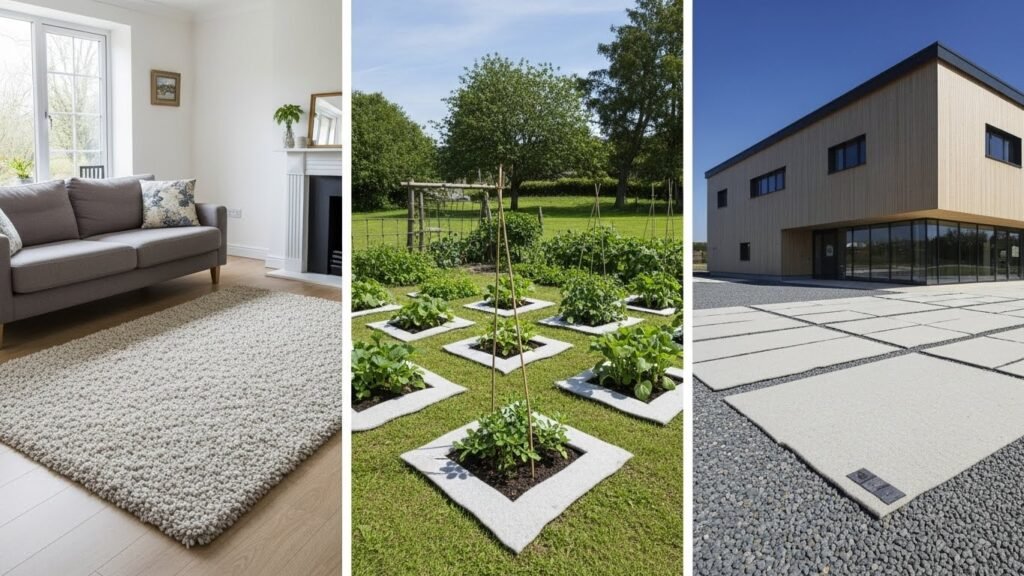
Wollmatten (wool mats) are incredibly versatile, offering benefits for multiple uses, including interior décor, building insulation, and even gardening. Whether you’re aiming to add a touch of elegance to your living room or improve the energy efficiency of your home, wool mats can serve a variety of purposes. Let’s take a closer look at how wool mats are applied in different spaces.
Interior Décor and Rugs
Wollmatten are a fantastic choice for home décor. Their soft texture and natural look make them a perfect fit for living rooms, bedrooms, and offices. Wool mats provide comfort underfoot while enhancing the aesthetic appeal of a room. Whether you opt for a large area rug or smaller decorative pieces, wool mats elevate your space with their warmth and sophistication.
- Benefits:
- Soft and cozy, ideal for colder climates.
- Available in various styles, colors, and designs to complement your interior.
- Naturally fire-resistant, adding an extra layer of safety to your home.
- Soft and cozy, ideal for colder climates.
Building Insulation and Acoustic Panels
Beyond the home, wool mats play a critical role in enhancing building insulation and reducing noise pollution. Their excellent thermal insulation properties make them a great choice for eco-friendly homes. Wool mats are also used in acoustic panels to absorb sound, making them perfect for offices, recording studios, and residential spaces where noise control is essential.
- Benefits:
- Excellent thermal insulation, reducing heating and cooling costs.
- Soundproofing properties that help in noise reduction.
- Eco-friendly alternative to synthetic insulation materials.
- Excellent thermal insulation, reducing heating and cooling costs.
Garden and Horticulture Uses
In gardening and horticulture, wool mats provide sustainable solutions. They are used in garden beds, greenhouses, and as weed barriers. Wool’s moisture-retention properties help maintain the right balance of water for plants, while also keeping the soil insulated during extreme weather conditions.
- Benefits:
- Helps regulate soil temperature, providing a more stable growing environment.
- Prevents weeds naturally without using harmful chemicals.
- Ideal for creating eco-friendly, sustainable gardens.
- Helps regulate soil temperature, providing a more stable growing environment.
Transition Zones and Multi-Purpose Spaces
Wollmatten are also highly effective in transition zones and multi-purpose spaces, such as entryways, corridors, and foyers. These areas benefit from wool mats’ ability to trap dirt and dust, keeping your home cleaner. Their durability and natural fibers make them the perfect choice for spaces that see heavy foot traffic.
- Benefits:
- Durable and long-lasting, perfect for high-traffic areas.
- Adds a cozy, welcoming touch to entryways and hallways.
- Easy to clean and maintain in busy environments.
- Durable and long-lasting, perfect for high-traffic areas.
How to Choose the Right Wool Mat for Your Needs
Choosing the right wool mat requires considering multiple factors, from the environment where it will be placed to the specific needs of your space. Whether you’re looking for something decorative or functional, there are several aspects to keep in mind to ensure you get the best wool mat for your home or business.
Assess Intended Use and Environment
The first step in choosing a wool mat is to assess where it will be used. Are you placing it in a high-traffic area like the living room, or will it be used in a more low-traffic, decorative setting? Understanding the intended use will guide your decision on size, style, and material durability.
- For high-traffic areas: Opt for thicker, more durable wool mats that can withstand wear and tear.
- For decorative areas: Choose lighter wool mats with intricate patterns and colors that complement your interior.
Check Material Composition and Origin
Wool mats come in various qualities depending on the material composition. It’s important to check the type of wool used and the origin of the wool. For example, Merino wool is often used in high-end products, while coarser wool types might be better suited for outdoor or industrial use.
- Tip: Always look for mats that use 100% natural wool, as this will provide the most benefits in terms of insulation, sustainability, and durability.
Dyeing and Treatments
Some wool mats are dyed to achieve specific colors, while others are left in their natural hues. If you are concerned about chemical treatments, look for natural dye options that are free from harmful chemicals. Additionally, some wool mats undergo treatments that enhance their stain resistance or moisture-wicking abilities.
- Tip: Choose untreated wool mats if you prefer a more natural, organic look and feel. If you need a more durable product, look for treatments that enhance water resistance.
Dimensions, Thickness, and Backing
When selecting a wool mat, make sure it fits the space properly. Wool mats come in a variety of sizes, from small accent rugs to large area rugs. Additionally, check the thickness of the mat to ensure it provides the comfort and insulation you need. The backing of the mat is also important to prevent slipping and ensure longevity.
- Tip: Always measure the area where the mat will be placed and select a size that complements the space. Also, look for mats with non-slip backing for extra security.
Budget and Long-Term Value
While wool mats may have a higher upfront cost compared to synthetic alternatives, they offer excellent long-term value due to their durability and natural benefits. Consider the long-term savings in terms of energy efficiency and maintenance when purchasing a wool mat.
- Tip: If you are on a budget, look for wool blends or mats made from less expensive wool types like coarse wool, which still offer many of the benefits of pure wool at a lower price.
Maintenance and Care of Wool Mats to Maximise Lifespan
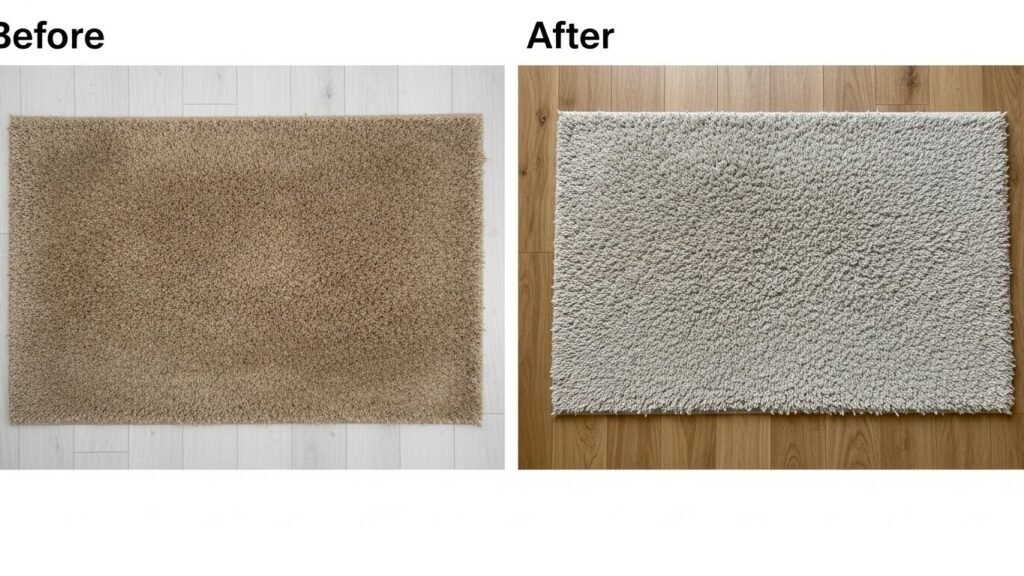
Proper care and maintenance are essential to ensuring that your wool mats last for years to come. Wool is a natural material that requires some attention, but with the right care, it can remain beautiful and functional for many years.
Routine Care for Interior Rugs
Interior wool mats require regular cleaning to maintain their appearance and performance. Vacuuming is the best way to keep dirt and debris from settling into the fibers. For spot cleaning, use a damp cloth and mild detergent to gently remove stains.
- Tip: Avoid using harsh chemicals or bleach, as these can damage the wool fibers.
Building Insulation Maintenance
Wool mats used for insulation in buildings need minimal maintenance. Regularly check for any signs of wear or moisture buildup. In some cases, it may be necessary to replace the wool mats in building insulation after several years.
- Tip: Ensure that wool insulation is kept dry to maintain its insulating properties.
Garden Mat Life-Cycle Awareness
For wool mats used in the garden, it’s important to understand their life cycle. Wool mats used in garden beds or as weed barriers should be replaced after several seasons. They may degrade over time, especially if exposed to harsh weather conditions.
- Tip: To extend the life of garden wool mats, remove them from extreme weather conditions during the off-season.
Recognising End-of-Life and Responsible Disposal
Wool mats are biodegradable, making them an environmentally friendly option. When they reach the end of their life, it’s important to dispose of them responsibly. Wool can be composted, or it may be repurposed for other uses like plant liners or craft projects.
- Tip: Before disposing of your old wool mat, check if there are any local programs that accept used mats for recycling.
Comparing Wool Mats to Synthetic Alternatives and Other Natural Options
When choosing a mat for your home or business, it’s essential to compare wool mats with synthetic alternatives and other natural materials. While synthetic mats are commonly used, they don’t always offer the same benefits as wool mats. Let’s break down the differences to help you make an informed decision.
Wool vs Synthetic Mats
Synthetic mats, often made from materials like nylon or polyester, are widely used due to their affordability and easy maintenance. However, wool mats provide distinct advantages that synthetic mats cannot match. Wool is a renewable, biodegradable, and sustainable option, whereas synthetic mats may release harmful chemicals over time, especially during production and disposal.
- Advantages of Wool Mats Over Synthetic Mats:
- Durability: Wool fibers are naturally resilient and can withstand more wear and tear than synthetic fibers.
- Eco-friendly: Wool mats are biodegradable and produced with minimal environmental impact, while synthetic mats often contribute to pollution.
- Comfort and Insulation: Wool provides better thermal insulation, keeping your space cozy in the winter and cool in the summer, something synthetic mats struggle with.
- Durability: Wool fibers are naturally resilient and can withstand more wear and tear than synthetic fibers.
Wool vs Other Natural Mat Materials
Wool isn’t the only natural material used for mats, so how does it compare to alternatives like jute, cotton, and hemp? While each material has its own benefits, wool stands out due to its superior durability, comfort, and moisture control.
- Jute: While jute mats are affordable and durable, they lack the insulation and moisture-wicking properties of wool. Jute is also more prone to wear and tear, especially in high-traffic areas.
- Cotton: Cotton mats are softer but tend to wear out more quickly and offer less insulation than wool. They’re also not as resilient in outdoor conditions.
- Hemp: Hemp mats are durable and eco-friendly but lack the softness and comfort of wool. Hemp mats are also less effective in temperature regulation.
- Why Wool Stands Out:
- Softness and Comfort: Wool mats are much softer and provide a more comfortable surface to walk on compared to jute or hemp.
- Insulating Properties: Wool’s natural crimp allows it to trap air, providing better insulation than cotton or hemp mats.
- Softness and Comfort: Wool mats are much softer and provide a more comfortable surface to walk on compared to jute or hemp.
Life-Cycle Cost and Environmental Impact
When comparing wool mats to other materials, it’s important to consider not only the upfront cost but also the long-term life-cycle cost and environmental impact. While wool mats may have a higher initial cost, they offer significant savings in the long run due to their durability and natural properties.
- Environmental Impact: Wool is biodegradable and can be composted, unlike synthetic mats that contribute to landfill waste. Choosing wool over synthetic alternatives reduces your environmental footprint.
- Cost-Effectiveness: Wool mats require less maintenance than synthetic mats, as they are naturally stain-resistant and durable. This means fewer replacements and long-term savings.
Real-World Examples and Stories of Wool Mat Use
Wool mats are not just beneficial in theory; there are many real-world examples where they have made a significant impact. Let’s explore how wool mats have been used in home décor, agriculture, and eco-friendly buildings.
Home Décor Transformation Story
In a recent home renovation project, a family decided to replace their synthetic carpets with high-quality wool mats. Not only did the wool mats provide a softer and more luxurious feel, but they also helped regulate the temperature in their home, reducing heating costs in winter. Additionally, the natural aesthetic of wool mats added a touch of elegance to the space, aligning with the family’s eco-conscious values.
- Key Benefits Noticed:
- Enhanced Comfort: The wool mats provided a warm, cozy atmosphere.
- Energy Efficiency: The natural insulation properties reduced the need for constant heating.
- Sustainability: The family appreciated the renewable and biodegradable nature of wool.
- Enhanced Comfort: The wool mats provided a warm, cozy atmosphere.
Small Farm Using Wool Mats for Garden Beds
A small farm focused on organic gardening adopted wool mats for their garden beds. The wool mats helped retain moisture, keeping the plants hydrated during dry spells and maintaining consistent soil temperature. Additionally, the mats prevented weeds from growing, reducing the need for chemical herbicides.
- Key Benefits Noticed:
- Weed Control: Wool mats prevented weeds from growing without harmful chemicals.
- Moisture Retention: The mats helped maintain consistent moisture levels, promoting plant growth.
- Sustainable Gardening: The use of wool mats supported eco-friendly farming practices.
- Weed Control: Wool mats prevented weeds from growing without harmful chemicals.
Eco-Building Project with Wool Insulation
An eco-building project incorporated wool mats as part of its insulation strategy. The natural insulating properties of wool helped reduce the need for synthetic materials, making the building more energy-efficient and environmentally friendly. The wool mats also provided soundproofing, making the living space quieter and more comfortable.
- Key Benefits Noticed:
- Energy Efficiency: The wool insulation helped keep the building warm in winter and cool in summer.
- Sustainable Construction: The use of natural wool contributed to the project’s eco-friendly goals.
- Improved Comfort: The wool mats contributed to better acoustic control within the building.
- Energy Efficiency: The wool insulation helped keep the building warm in winter and cool in summer.
Common Pitfalls and What to Watch Out for When Choosing Wool Mats
Choosing the right wool mat isn’t always straightforward, and there are several common mistakes people make when shopping for them. Let’s explore some of the pitfalls and how to avoid them to ensure you get the most out of your investment.
Overlooking Fibre Quality
Not all wool is created equal, and choosing mats made from low-quality wool can lead to issues such as shedding, wear, and lack of comfort. Always check the quality of the wool used in the mat to ensure it meets your expectations in terms of softness and durability.
- Tip: Look for mats made from high-quality wool, such as Merino wool, which is known for its softness and resilience.
Ignoring Environment Fit
Wool mats are versatile, but they may not be suitable for every environment. It’s important to consider the intended use of the mat and the climate of the space. For example, while wool mats are excellent for indoor use, they may not perform as well in extreme outdoor conditions unless specifically designed for such use.
- Tip: Assess the climate and environment before purchasing wool mats for outdoor use. Choose mats specifically designed for exterior applications.
Expecting Miracle Performance
Wool mats are fantastic, but they aren’t miracle products. Don’t expect them to solve all your problems, such as heavy-duty industrial wear or extreme moisture conditions. While they are durable and moisture-wicking, they still require proper care and maintenance.
- Tip: Set realistic expectations and maintain the mats to extend their lifespan.
Assuming “Natural” Means Totally Maintenance-Free
Many people assume that because wool mats are natural, they require no maintenance. While wool is naturally resistant to stains, it still needs regular cleaning to maintain its appearance and performance. Neglecting care can lead to deterioration.
- Tip: Clean your wool mats regularly to prevent dirt buildup and ensure longevity.
Overspending on Unnecessary Features
Wool mats can come with a range of features, from anti-slip backing to extra thick designs. However, not all of these features are necessary for every environment. Don’t overspend on features that won’t significantly add value to your specific needs.
- Tip: Prioritize essential features, such as durability and size, rather than spending extra on unnecessary extras.
Why Wool Mats Are Gaining Momentum
The growing demand for wool mats can be attributed to a shift in consumer preferences towards sustainability, comfort, and eco-friendly options. As people become more aware of the environmental impact of their choices, wool mats are gaining popularity across various industries and sectors. Let’s explore the key reasons why wool mats are becoming a go-to option for homes, offices, and even eco-buildings.
Rise of Sustainable Building and Interior Design
Sustainability is one of the primary factors driving the rise of wool mats. As the demand for eco-friendly building materials grows, wool is being embraced for its renewable and biodegradable properties. Wool mats contribute to sustainable design by offering an alternative to synthetic materials that often have a high environmental cost.
- Benefits in Building:
- Reduces carbon footprint by using a renewable material.
- Wool is naturally biodegradable, unlike synthetic materials that end up in landfills.
- Adds an element of comfort to interior designs while supporting sustainability goals.
- Reduces carbon footprint by using a renewable material.
Growth in Alternative Agriculture and Eco-Horticulture
The use of wool mats is not just limited to home décor; they are also making a significant impact in agriculture and horticulture. As the focus on sustainable farming practices increases, wool mats are being used to enhance soil health, regulate moisture levels, and protect plants from pests in organic farming and eco-horticulture.
- Eco-Friendly Farming Practices:
- Wool mats improve soil moisture retention, reducing the need for excessive watering.
- Wool prevents weed growth naturally, reducing reliance on chemical herbicides.
- The biodegradability of wool means that it contributes to healthy soil when it decomposes.
- Wool mats improve soil moisture retention, reducing the need for excessive watering.
Consumer Shift Toward Natural Comfort and Tactile Materials
Today’s consumers are increasingly drawn to natural materials that offer a tactile experience, and wool mats provide exactly that. The softness and warmth of wool make it an appealing choice for homeowners looking for comfort and luxury, while also aligning with eco-conscious values.
- Tactile and Aesthetic Appeal:
- Wool mats provide a soft, luxurious feel underfoot, making them ideal for living spaces.
- Natural textures and fibers are increasingly seen as a way to enhance home environments.
- Wool’s natural colors and textures add a timeless aesthetic to any room.
- Wool mats provide a soft, luxurious feel underfoot, making them ideal for living spaces.
Innovation in Wool Processing and Hybrid Materials
Advances in wool processing have made wool mats more accessible and versatile than ever before. Manufacturers are now able to create hybrid materials that combine wool with other sustainable fibers, improving the durability and functionality of wool mats for specific uses, such as commercial spaces or high-traffic areas.
- Innovations to Explore:
- Wool blends for added durability and versatility.
- High-performance wool mats for commercial or industrial applications.
- Improved manufacturing techniques that increase wool mat longevity.
- Wool blends for added durability and versatility.
How to Get Started with Wollmatten in Your Space
Integrating wool mats into your home or office can be an exciting and eco-friendly choice. However, there are several factors to consider to ensure that you’re choosing the right wool mat for your space. Here’s how you can get started with Wollmatten.
Selecting the Right Wool Mat for Your Space
The first step is determining where the wool mat will be placed and what purpose it will serve. Whether it’s for a living room, hallway, or garden, wool mats come in various sizes, textures, and designs. Assess the area’s function and match the mat’s features to your needs.
- Consider the Use:
- For a high-traffic area like a hallway, choose a thicker wool mat that can withstand foot traffic.
- For decorative purposes, opt for mats with intricate designs and softer wool types like Merino.
- For outdoor use, ensure the wool mat is treated to withstand moisture and harsh weather.
- For a high-traffic area like a hallway, choose a thicker wool mat that can withstand foot traffic.
Measuring Your Space and Choosing the Right Size
Accurate measurements are crucial when selecting a wool mat. Be sure to measure the area where you want to place the mat to avoid purchasing one that’s too small or too large for the space. Wool mats come in a range of sizes, so choose one that fits perfectly within your room or area.
- Tip:
- Leave some space between the edges of the mat and the walls for a balanced, aesthetically pleasing look.
- Leave some space between the edges of the mat and the walls for a balanced, aesthetically pleasing look.
Budgeting for Wool Mats
Wool mats may be more expensive than synthetic alternatives, but their durability and environmental benefits often make them a better investment in the long run. Establish your budget and consider factors like the mat’s size, material quality, and the intended use. You can find wool mats at various price points, depending on the quality of the wool and the complexity of the design.
- Tip:
- While wool mats may come with a higher upfront cost, consider the long-term savings in terms of durability and energy efficiency.
- Look for sales or promotions on high-quality wool mats if you’re working within a budget.
- While wool mats may come with a higher upfront cost, consider the long-term savings in terms of durability and energy efficiency.
Maintaining Your Wool Mats for Long-Term Use
To maximize the lifespan of your wool mats, regular maintenance is key. Depending on where the mat is placed (indoors or outdoors), the care requirements may differ. Routine vacuuming, spot cleaning, and professional cleaning will help maintain the appearance and performance of your wool mat.
- Tip:
- Keep your wool mat away from direct sunlight to prevent fading.
- Rotate the mat regularly to ensure even wear, especially in high-traffic areas.
- Keep your wool mat away from direct sunlight to prevent fading.
Future of Wollmatten: Trends and Innovations
Wool mats, or Wollmatten, are evolving with new trends and innovations, especially as sustainability and comfort continue to play a significant role in consumers’ decisions. Let’s explore some of the exciting developments in the wool mat industry and what the future holds for these eco-friendly products.
Trends in Wool Mat Manufacturing
Manufacturers are continuously exploring new ways to improve the production of wool mats. Advances in technology, as well as growing demand for sustainable products, have led to innovative methods in manufacturing that make wool mats more durable, versatile, and cost-effective.
- Automation in Production:
- The introduction of automated machinery in wool mat production allows for more precise crafting, reducing waste and increasing efficiency.
- The introduction of automated machinery in wool mat production allows for more precise crafting, reducing waste and increasing efficiency.
- Hybrid Wool Materials:
- Combining wool with other sustainable fibers like hemp or recycled materials creates a more robust, multifunctional mat suitable for a variety of uses.
- Combining wool with other sustainable fibers like hemp or recycled materials creates a more robust, multifunctional mat suitable for a variety of uses.
- Color and Design Innovations:
- Manufacturers are experimenting with natural dyes and designs that offer customization without compromising wool’s eco-friendly benefits.
- Manufacturers are experimenting with natural dyes and designs that offer customization without compromising wool’s eco-friendly benefits.
Sustainable Practices in Wool Mat Production
As the demand for eco-friendly products rises, more wool mat manufacturers are focusing on sustainable production practices. From using renewable energy in manufacturing plants to sourcing wool from ethical suppliers, sustainability is at the forefront of the wool mat industry.
- Ethical Wool Sourcing:
- Many companies are now working with suppliers that focus on ethical farming practices, ensuring that the sheep are treated humanely and the wool is sourced sustainably.
- Many companies are now working with suppliers that focus on ethical farming practices, ensuring that the sheep are treated humanely and the wool is sourced sustainably.
- Eco-friendly Dyes and Treatments:
- The use of plant-based or chemical-free dyes and treatments ensures that wool mats remain environmentally friendly from production to disposal.
- The use of plant-based or chemical-free dyes and treatments ensures that wool mats remain environmentally friendly from production to disposal.
Wool Mats in the Future of Eco-Building
As sustainable construction continues to grow, wool mats are becoming an integral part of eco-building projects. Their natural insulation properties, combined with their soundproofing abilities, make them perfect for energy-efficient homes and commercial spaces.
- Energy-Efficient Homes:
- Wool mats are being used in the walls and floors of energy-efficient homes to help maintain consistent indoor temperatures while reducing the need for artificial heating and cooling.
- Wool mats are being used in the walls and floors of energy-efficient homes to help maintain consistent indoor temperatures while reducing the need for artificial heating and cooling.
- Zero-Waste Architecture:
- In the push for zero-waste buildings, wool mats offer a sustainable, biodegradable alternative to synthetic insulation materials.
- In the push for zero-waste buildings, wool mats offer a sustainable, biodegradable alternative to synthetic insulation materials.
Advanced Technologies in Wool Mat Production
The wool mat industry is embracing cutting-edge technologies to create more efficient, durable, and environmentally friendly products. Innovations in textile technology and material science are paving the way for wool mats that meet the ever-growing demands of modern living spaces.
Nanotechnology and Wool Mats
Nanotechnology is revolutionizing the textile industry, and wool mats are no exception. By applying nanomaterials to wool fibers, manufacturers can enhance the performance of wool mats, making them more resistant to stains, wear, and even mold growth.
- Water-Repellent Wool Mats:
- Nanotechnology allows wool mats to become more water-resistant, making them ideal for outdoor or high-moisture environments.
- Nanotechnology allows wool mats to become more water-resistant, making them ideal for outdoor or high-moisture environments.
- Stain Resistance:
- By using nano-coatings, wool mats can resist stains, making maintenance easier and extending their lifespan.
- By using nano-coatings, wool mats can resist stains, making maintenance easier and extending their lifespan.
Smart Wool Mats and Sensors
The future of wool mats could include smart technology, where embedded sensors track the mat’s condition and provide real-time data on wear and maintenance needs. These “smart mats” could be integrated into smart homes, providing updates on cleanliness and the need for cleaning or replacement.
- Environmental Monitoring:
- Smart wool mats could monitor temperature, humidity, and air quality, providing feedback to homeowners about their indoor environment.
- Smart wool mats could monitor temperature, humidity, and air quality, providing feedback to homeowners about their indoor environment.
- Automated Cleaning:
- With integrated cleaning technology, smart wool mats could detect dirt and automatically initiate a self-cleaning process.
- With integrated cleaning technology, smart wool mats could detect dirt and automatically initiate a self-cleaning process.
Eco-Friendly Manufacturing Processes
Innovations in manufacturing processes are enabling wool mats to be made more efficiently with less waste. Some companies are exploring 3D weaving technologies that allow for the creation of wool mats with minimal use of water and energy.
- 3D Weaving:
- Using 3D weaving techniques, manufacturers can create wool mats with intricate patterns and textures while minimizing the amount of raw wool required.
- Using 3D weaving techniques, manufacturers can create wool mats with intricate patterns and textures while minimizing the amount of raw wool required.
- Zero-Waste Production:
- Manufacturers are adopting zero-waste production processes, where every part of the wool is used, reducing the environmental impact of production.
- Manufacturers are adopting zero-waste production processes, where every part of the wool is used, reducing the environmental impact of production.
Conclusion: Embracing the Future of Wollmatten
As we’ve seen, wool mats (Wollmatten) offer a sustainable, comfortable, and stylish solution for a variety of applications. From their natural insulating properties to their versatility in design, wool mats are becoming an increasingly popular choice in homes, businesses, and even eco-buildings. With the ongoing advancements in technology and sustainable practices, the future of wool mats looks brighter than ever.
By choosing wool mats, you’re not only investing in a high-quality product but also contributing to a more sustainable and eco-friendly world. Whether you’re outfitting your living room with a luxurious rug or insulating your home with natural materials, wool mats offer the perfect blend of function, style, and sustainability.
Key Takeaways:
- Wool mats are environmentally friendly, biodegradable, and offer superior insulation and soundproofing.
- Innovations in wool mat production, such as hybrid materials and smart technology, are enhancing their functionality and durability.
- The growing trend of sustainable living is making wool mats an increasingly popular choice for both residential and commercial applications.
- By choosing wool mats, you’re making a sustainable choice that supports eco-friendly practices and long-term value.
FAQs About Wollmatten (Wool Mats)
1. What are the main advantages of using wool mats over synthetic mats?
Wool mats offer several advantages over synthetic mats. They are naturally biodegradable, renewable, and provide better insulation. Wool is also more durable, moisture-wicking, and naturally flame-retardant compared to synthetic fibers. Additionally, wool mats have superior soundproofing capabilities, making them ideal for both residential and commercial spaces.
2. Are wool mats suitable for outdoor use?
Yes, wool mats can be used outdoors, but they require specific treatments for durability. Some wool mats are designed with weather-resistant coatings that help them withstand moisture and dirt. However, wool mats are generally more suited for shaded or sheltered outdoor areas, as exposure to extreme weather conditions may cause them to deteriorate over time.
3. How do I know if a wool mat is of good quality?
High-quality wool mats should be made from premium wool types like Merino, which is known for its softness and durability. Look for mats with dense fibers, as they provide better insulation and wear resistance. Also, ensure that the mat is free of synthetic additives and that the wool has been ethically sourced.
4. Can wool mats help with allergies?
Wool mats can help with allergies in certain ways. Wool naturally resists dust mites and other allergens due to its tight fibers. Additionally, wool has moisture-wicking properties, which help reduce the growth of mold and mildew that can contribute to allergic reactions. Regular maintenance, such as vacuuming, is essential for allergy management.
5. How do I clean and maintain wool mats?
Maintaining wool mats is relatively easy. For routine care, vacuum the mat regularly to remove dirt and dust. For spot cleaning, use a damp cloth and a mild detergent. If deep cleaning is needed, consider professional cleaning services to avoid damaging the fibers. Wool mats should be kept away from direct sunlight to prevent fading, and they should be rotated periodically to ensure even wear.
6. Are wool mats expensive compared to synthetic mats?
Yes, wool mats are typically more expensive than synthetic alternatives due to the high-quality materials and manufacturing processes involved. However, wool mats provide excellent long-term value because of their durability, insulation properties, and environmental benefits. Investing in wool mats means fewer replacements and reduced environmental impact in the long run.
7. What is the life expectancy of a wool mat?
The life expectancy of a wool mat depends on factors such as usage, care, and quality. With proper maintenance, a high-quality wool mat can last anywhere from 10 to 20 years, making it a long-lasting investment. Regular cleaning and care, including rotation and avoiding exposure to harsh elements, can significantly extend its lifespan.
8. Can wool mats be used in commercial spaces?
Absolutely! Wool mats are ideal for both residential and commercial applications. In commercial spaces like offices, hotels, and restaurants, wool mats offer not only comfort and luxury but also durability and noise reduction. Their insulating properties help maintain a consistent indoor temperature, making them a great choice for energy-efficient buildings.
9. Are wool mats eco-friendly?
Yes, wool mats are highly eco-friendly. Wool is a renewable resource, as sheep naturally grow new fleece every year. Additionally, wool mats are biodegradable, meaning they won’t contribute to long-term landfill waste. When properly disposed of, wool mats decompose naturally, enriching the soil.
10. Can wool mats help with temperature regulation in a room?
Yes, wool mats are excellent for temperature regulation. The natural fibers in wool trap air, creating a barrier that helps keep rooms warm in winter and cool in summer. This natural insulation can reduce your heating and cooling costs, making wool mats an energy-efficient choice for your home or office.
11. How should I dispose of an old wool mat?
Wool mats are biodegradable, so the best way to dispose of them is to compost them. If your wool mat has reached the end of its life, check if there are local programs that accept used wool products for recycling or repurposing. Alternatively, wool mats can be donated if they are still in good condition.
12. Are there any specific brands that make high-quality wool mats?
Yes, there are several well-known brands that specialize in high-quality wool mats. Some of the top brands include The Woolly Rug Company, Koori Wool, and WoolWorks, which are known for their durable, sustainable, and beautifully crafted wool mats. Be sure to check product reviews and certifications to ensure the quality of the brand you choose.
