 Skip to content

Making your own home scents is a total game changer for your living space. You can ditch those pricey store-bought aerosols that are packed with weird chemicals. Using a diy essential oil room spray is way better for your vibe and your wallet. It only takes about a minute to whip up a batch that smells amazing. Plus, you probably already have most of the stuff in your kitchen or bathroom cabinet.
Introduction to Natural Home Fragrancing
There are so many reasons to switch to a natural way of making your home smell good. Most big-brand sprays use synthetic fragrances that can be super harsh on your nose. When you make a diy essential oil room spray, you know exactly what is going into the air you breathe. It is all about keeping things simple and fresh without any of the extra junk.
The Benefits of DIY Over Store-Bought
Standard room sprays often come in metal cans that are hard to recycle. They use propellants to shoot the mist out which isn’t great for the planet. Your homemade version uses a simple reusable spray bottle instead. This helps you cut down on waste while saving a ton of money over time. You also get to customize the scent to exactly how you like it.
Defunking Your Home Naturally
We all have those spots in the house that get a little funky sometimes. Maybe it is the laundry hamper where your teen drops their gym clothes. Or perhaps the dog has a favorite spot on the rug that needs a refresh. This spray is a heavy hitter when it comes to neutralizing those tough odors. It works great for general freshening across every room in your house.
Speed and Simplicity of the Process
You do not need to be a scientist to figure this out. The whole process involves just three basic ingredients. It literally takes about sixty seconds to measure, pour, and shake. This is the perfect project for busy people who want a clean home. You can make a fresh bottle whenever you run out without a trip to the store.
Essential Ingredients for DIY Room Spray
The secret to a great diy essential oil room spray is the quality of your base. You want ingredients that help the scent last and keep the water clear. While there are many recipes out there, sticking to the basics is usually best. Let’s look at what you need to gather before you start mixing.
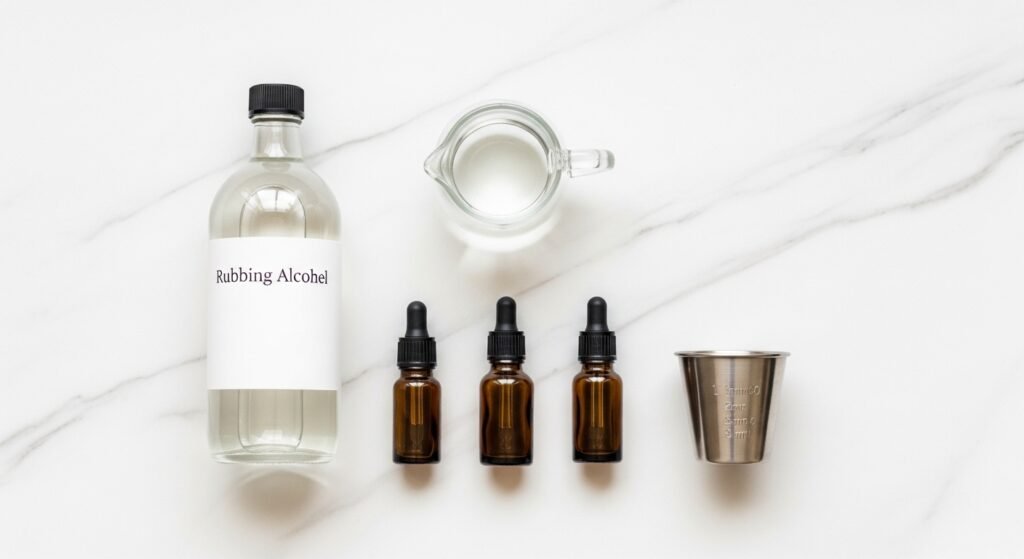
The Base: Water Options
Water makes up the bulk of your spray so you want it to be clean. Distilled water is the top choice because it has no minerals or impurities. This helps your spray stay fresh for a much longer time. If you are in a pinch, you can use other types of water too.
- Distilled Water: This is the gold standard for a long shelf life.
- Filtered Water: A solid backup if you have a filter at home.
- Tap Water: This works fine if you plan to use the spray quickly.
The Solvents: Alcohol and Alternatives
Oil and water do not mix on their own, so you need a solvent. This ingredient helps the essential oils dissolve into the water. Without it, the oil would just float on top of the liquid. You have a few different choices depending on what you have in the house.
- Rubbing Alcohol: This is a very cheap and effective option for most people.
- Vodka: High-proof vodka works great if you prefer it over rubbing alcohol.
- Grain Alcohol: This is a very strong option that preserves the scent well.
- Witch Hazel: A great natural choice if you want to avoid strong alcohol smells.
The Fragrance: Essential Oils
The essential oils are what give your spray its personality and power. You should pick oils that you truly enjoy smelling throughout the day. High-quality oils usually provide a more realistic and pleasant aroma. You can use one single oil or get creative with a custom mix.
The Science Behind the Ingredients
It might seem like you can just drop oil in water, but science says no. Understanding how these parts work together helps you make a better spray. The ingredients do more than just carry a nice smell around. They actually help keep the product safe and effective for weeks.
Why Alcohol is Necessary in Room Spray
Alcohol is the MVP of your diy essential oil room spray recipe. It serves three very important purposes that keep your spray working well. First, it acts as a preservative to keep the water from getting gross. It prevents mold or bacteria from growing inside your spray bottle.
- Preservation: It keeps your spray safe to use for a long time.
- Emulsification: It helps the oil and water stay together in a blend.
- Dispersion: It helps the mist dry fast and spread out in the air.
The Role of Witch Hazel
Some people prefer using witch hazel because it is a bit more gentle. It is an astringent that is often used in skincare products. In a room spray, it does the same job as alcohol by mixing the oils. You don’t need both alcohol and witch hazel in the same bottle. Just pick the one that you like best or have on hand.
The Master DIY Room Spray Recipe
Ready to get mixing? This recipe is super easy to follow and very hard to mess up. You just need a few measuring tools and your chosen ingredients. Once you learn the basic ratio, you can scale it up or down.
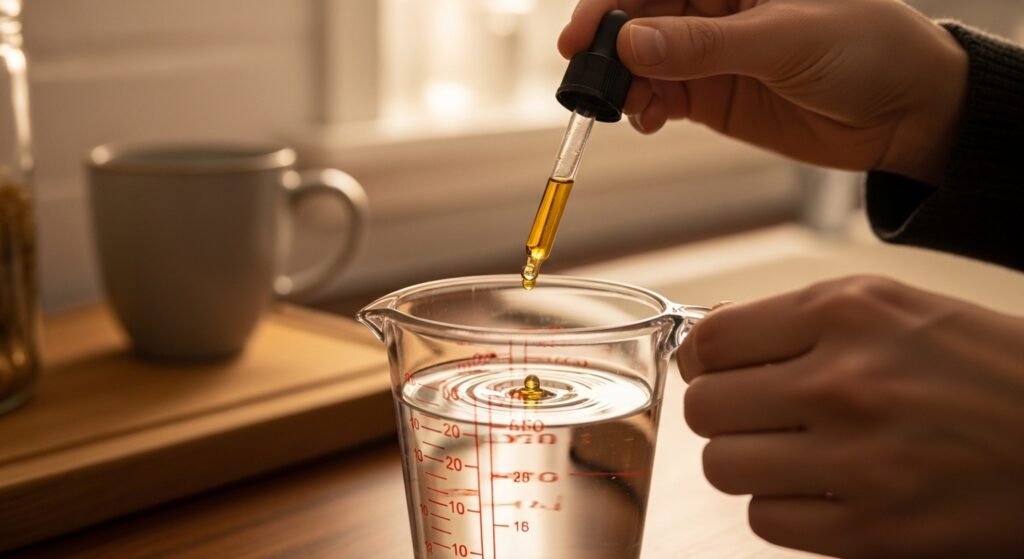
Measurements and Ratios
The standard batch size fits perfectly in most small spray bottles. You want to keep the ratio of water to solvent fairly consistent. This ensures the oils are properly diluted so they don’t stain fabrics.
- Water: Use 1 cup of your chosen water base.
- Solvent: Add 1/4 cup of rubbing alcohol or witch hazel.
- Essential Oils: Add between 20 and 30 drops of oil.
Mixing and Bottling Instructions
Start by pouring your water and alcohol into a glass measuring cup. Add your drops of essential oil directly into the liquid mixture. Stir it gently to get the process started before pouring it in.
- Containers: Glass bottles are great for essential oils but plastic works too.
- Reuse: Cleaning out an old room spray bottle is a smart way to recycle.
- Labeling: Make sure to label your bottle so you remember the scent.
Best Practices for Using Your Room Spray
Using your spray is simple, but a few tips make it even better. You want to make sure you get a nice even mist every time. Since the ingredients are natural, they might settle a bit over time. Following these steps will give you the best smelling results.
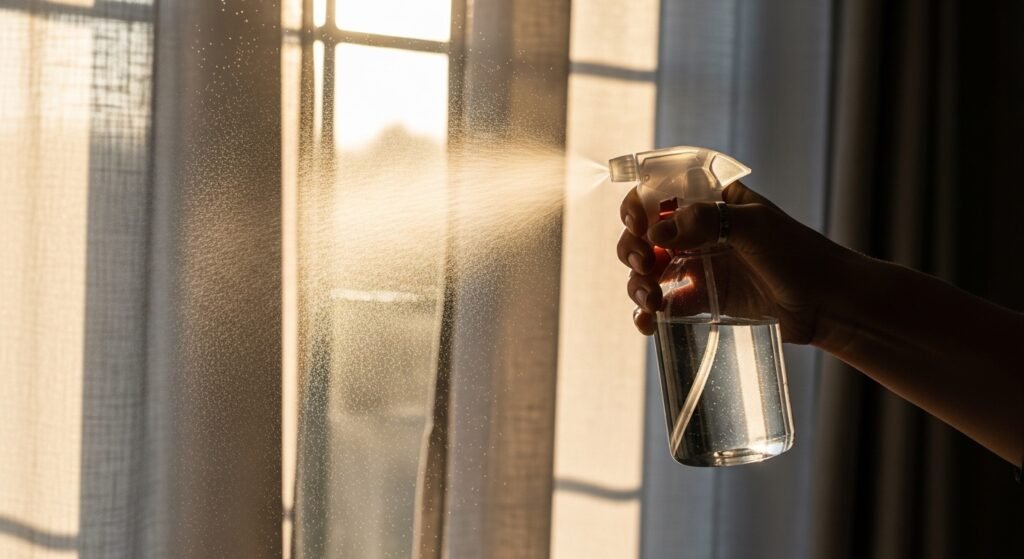
Preparation Before Spraying
Even with a solvent, essential oils can sometimes separate slightly. It is a good habit to give the bottle a quick shake before each use. This ensures that every spray has the perfect amount of fragrance. It only takes a second and makes a big difference in the scent.
Application Techniques
You don’t need to soak the room to make it smell good. A light mist is usually all it takes to refresh a space. Hold the bottle about a foot away from any surface you are spraying. This prevents any damp spots from forming on your furniture or fabrics.
- Upholstery: Spray your couch or chairs for a fresh living room vibe.
- Curtains: A light mist on curtains catches the breeze and spreads the scent.
- Carpets: Use it on area rugs to tackle floor-level odors.
- Hampers: Give the laundry bin a spray to keep the room smelling fresh.
Customizing Your Scents: Essential Oil Combinations
The best part of a diy essential oil room spray is being the mixologist. You can create different vibes for different rooms or times of day. Some oils are great for waking up while others help you wind down. Here are some popular ways to mix your oils for the best results.
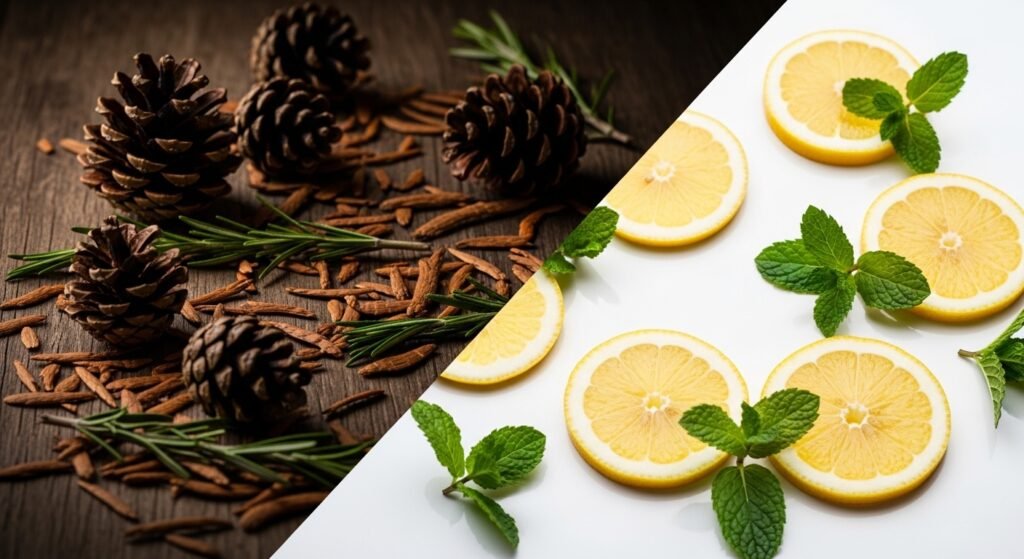
Woodsy and Focusing Blends
If you love the smell of the forest, these blends are for you. Rosemary is a fantastic oil because it helps you stay focused and calm. It is perfect for a home office or a study area. You can mix it with other earthy scents to create a cozy atmosphere.
- Rosemary: Great for mental clarity and a sharp mind.
- Frankincense: Adds a deep and slightly spicy woodsy note.
- Cedar: Provides a very grounded and warm forest aroma.
- Signature Mix: Try combining rosemary, cedar, and a touch of vanilla.
Antiseptic and Purifying Blends
Sometimes you want a spray that does more than just smell nice. Some essential oils have natural properties that help clean the air. These are perfect for bathrooms or kitchens where odors can be stronger. They leave behind a crisp and very refreshing scent.
- Lemongrass: A bright and punchy scent that cuts through odors.
- Eucalyptus: Very refreshing and helps the air feel clear.
- Orange: A happy and sweet scent that masks bad smells.
- Peppermint: Cool and energizing for a quick pick-me-up.
Classic and Clean Scents
You can’t go wrong with the classics that everyone knows and loves. Lavender is the most famous oil for a reason because it is so relaxing. If you want your house to smell like a professional cleaning crew just left, go for lemon. These scents are crowd-pleasers and work in any room.
- Lavender: Use this in bedrooms to help you get ready for sleep.
- Lemon: The ultimate “clean” smell for a sparkling home feel.
Safety and Considerations
Natural doesn’t always mean it’s right for every single person. It is important to be mindful of who is in your home when you spray. Some people are more sensitive to scents than others. Being aware of these things helps everyone stay comfortable and happy.
Sensitivity and Allergies
Even organic and natural oils can cause reactions for some people. Some friends might get headaches or feel dizzy around strong scents. It is not an act; their bodies are just sensitive to those particles. Always check with guests if they have any scent allergies before spraying.
Longevity and Maintenance
Homemade sprays might not last as long as the chemical ones. The scent usually lingers for a few hours in the air and longer on fabric. Over a few months, the smell in the bottle might fade a little bit. If that happens, you don’t have to throw it away and start over.
- Boost the Scent: Just add a few more drops of oil to the bottle.
- Storage: Keep your bottle in a cool, dark place to preserve the oils.
Ingredient Safety
There is some debate about which alcohol is best for your health. Rubbing alcohol is made from petroleum, which some people prefer to avoid. Grain alcohol is a more natural alternative if you are concerned about that. Since a bottle can last a long time, the cost difference is usually very small. Choose the base that makes you feel the most comfortable in your home.
Conclusion: Embracing a Scented Home
Starting your journey with a diy essential oil room spray is so rewarding. It is a simple way to take control of your home environment. You get to save money and keep things natural all at the same time. Don’t be afraid to experiment with different oils until you find your favorite.
Using up what you have and making things yourself is a great lifestyle shift. It makes home maintenance feel more like a fun hobby than a chore. Whether you want to relax with lavender or focus with rosemary, the power is in your hands. Grab a bottle and start mixing your way to a better smelling home today.
| Ingredient | Purpose | Best For |
| Distilled Water | Main Volume | Long shelf life |
| Rubbing Alcohol | Solvent/Preservative | Saving money |
| Witch Hazel | Natural Solvent | Avoiding alcohol smell |
| Essential Oils | Fragrance | Customizing the vibe |
FAQs About DIY Essential Oil Room Spray
Can I use plastic bottles for my diy essential oil room spray?
You can use plastic bottles, but glass is generally better for long-term storage. Some potent essential oils, like citrus, can actually break down certain types of plastic over time. If you do use plastic, look for HDPE or PET plastics which are more resistant to oils.
What is the shelf life of a homemade room spray?
A diy essential oil room spray typically lasts about six months to a year. Using distilled water and a high-proof alcohol helps extend the life by preventing bacterial growth. If the smell changes or the liquid looks cloudy, it is time to toss it and make a fresh batch.
Are there any essential oils that are toxic to cats and dogs?
Yes, some oils like tea tree, peppermint, and cinnamon can be very harmful to pets. Always research each oil specifically if you have furry friends living in your home. It is best to spray in a well-ventilated area where your pet isn’t sitting directly.
Will the alcohol in the spray damage my wood furniture?
Alcohol can strip the finish off of certain types of wood if it sits on the surface. You should always aim to mist the air or soft fabrics rather than hard furniture. If you accidentally spray wood, wipe it off quickly with a soft cloth.
Can I use this diy essential oil room spray as a body mist?
While the ingredients are natural, this recipe is designed for room freshening and has a high alcohol content. Rubbing alcohol can be very drying and irritating to human skin. If you want a body spray, it is better to use a recipe specifically formulated with skin-safe ingredients.
Why did my room spray turn cloudy after I mixed it?
Cloudiness usually happens when the essential oils react with the water or the type of alcohol used. This is called the “ouzo effect” and is mostly a cosmetic issue that doesn’t affect the scent. Using a higher proof alcohol often results in a clearer mixture.
Is it safe to use a diy essential oil room spray around infants?
Babies have very sensitive respiratory systems and should generally avoid strong scents. Many experts suggest waiting until a child is at least six months old before using essential oils nearby. Always consult with a pediatrician before introducing new scents into a nursery.
How many sprays are needed to refresh a standard-sized room?
Usually, three to five pumps of the bottle are enough to freshen up a medium-sized bedroom. Since you aren’t using heavy synthetic fixatives, the scent will be lighter and more natural. You can always add an extra spray if you feel the room needs more “oomph.”
Can I use dried herbs inside the bottle for decoration?
Adding dried lavender or rosemary sprigs looks beautiful but can lead to mold issues. If you add plant material, it can break down and clog your spray nozzle over time. It is usually best to keep the liquid clean and put the decorations on the outside of the bottle.
Does the color of the glass bottle matter?
Amber or cobalt blue glass bottles are superior because they block out UV light. Essential oils are light-sensitive and can lose their therapeutic properties if exposed to the sun. Using dark glass helps your diy essential oil room spray stay potent for longer.
Can I use vanilla extract from my kitchen instead of vanilla oil?
Vanilla extract contains sugar and other additives that can make your spray sticky. It might also attract bugs or cause the nozzle to get stuck. It is much better to use a high-quality vanilla oleoresin or essential oil for a clean finish.
What should I do if the spray nozzle gets clogged?
Clogs usually happen because of oil buildup or thick oils like patchouli or vetiver. You can fix this by soaking the spray head in warm soapy water or rubbing alcohol. Running a bit of plain alcohol through the sprayer can also clear out any gunk.
Is it okay to use tap water if I boil it first?
Boiling tap water kills bacteria but doesn’t remove the minerals that can leave spots on fabrics. If you are in a pinch, boiled and cooled water is better than straight tap water. However, distilled water remains the best choice for a professional-feeling spray.
Can I mix more than three oils together in one bottle?
You can mix as many oils as you like to create your own signature “house scent.” Just keep the total number of drops between 20 and 30 so the mixture isn’t too oily. Experimenting with top, middle, and base notes will give you a more complex aroma.
Will this spray help with seasonal allergies?
Some oils like eucalyptus or peppermint can help open up your airways and make breathing feel easier. However, if you are allergic to specific plants, those oils might actually trigger your symptoms. It is a good idea to test a small amount first to see how you react.
Can I use a diy essential oil room spray in my car?
Yes, it is a great way to get rid of that “old car” smell without using those hanging cardboard trees. Just be careful not to leave the bottle in a hot car during the summer. Heat can cause the bottle to leak or the oils to degrade rapidly.
Why does my spray smell like alcohol more than flowers?
When you first spray, the alcohol scent hits your nose first because it evaporates very quickly. Wait about thirty seconds for the alcohol to dissipate into the air. The true floral or herbal scent of the essential oils will remain after the alcohol is gone.
Can I use a fragrance oil instead of an essential oil?
Fragrance oils are synthetic and don’t offer the same aromatherapy benefits as essential oils. They often contain phthalates and other chemicals you might be trying to avoid. While they will smell strong, they aren’t considered a “natural” DIY option.
Is it necessary to use a preservative if I use witch hazel?
Witch hazel usually contains a small amount of alcohol already, but it isn’t always enough to preserve water for a year. If you use witch hazel and no extra alcohol, try to use your spray within two to three months. Keeping the bottle in the fridge can also help it stay fresh.
Can I use this spray on my bed sheets?
Yes, a light mist of lavender or chamomile spray is wonderful for bedding right before sleep. Just make sure to spray from a distance so you don’t leave damp spots. Let the sheets dry for a minute before you climb into bed for the night.