 Skip to content

Choosing the right white oak stain colors is a real art form. It balances looks, chemistry, and solid craftsmanship. White oak is loved for its tough nature and neutral palette. But the final vibe depends on your stain and topcoat working together. This guide is your roadmap for Minwax colors and pro tips. It helps you avoid red flags during your cabinet project.
Why White Oak Remains the Premier Choice for Cabinetry
Oak is still a top pick for cabinets and there is a good reason for that. It is strong and naturally good-looking. It works with a huge range of finishes. You can go for a raw look or deep walnut tones. Oak brings your specific vision to life easily.
- Durability. Its dense structure makes it handle daily wear like a champ.
- Grain Patterns. You get everything from dramatic arches to clean linear lines.
- Neutral Undertones. It offers a cleaner canvas than red oak.
- Compatibility. It fits modern minimalist styles and moody traditional looks perfectly.
Comparing White Oak to Red Oak for Staining
White oak has a closed and tight grain. This makes it take stain very evenly. Red oak often has pinkish tones that are hard to hide. White oak is more neutral and easier to work with. It is the gold standard for high-end wood projects.
- Tannin Content. High tannins in white oak can react with finishes for an aged look.
- Liquid Resistance. It is naturally more water-resistant than other oaks.
- Color Neutrality. It accepts wheat and stone tones without looking orange.
Understanding the Minwax Performance Series
Not all Minwax products are the same. The best results usually come from a specific professional line. You should look for the Performance Series Tintable base. This is different from the stuff at a regular hardware store. It gives you way more control over the final color.
- The Tintable Base Advantage. This series offers pro-level color codes.
- Where to Buy. You usually need to go to a Sherwin Williams store.
- Customization. It allows for better color matching for your specific wood.
Achieving the “Natural Unfinished” Look
Many people want that raw wood look right now. These white oak stain colors keep things light and neutral. They stop the wood from looking “wet” or dark. This style is huge in modern organic designs. It makes a space feel bright and clean.
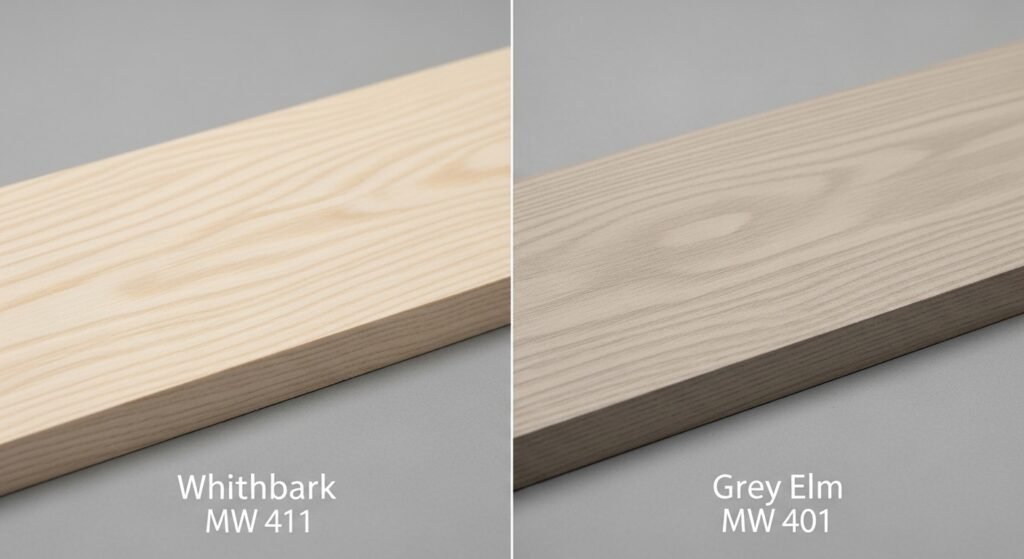
Birchbark (MW 411)
Birchbark is a top choice for a clean look. it preserves the natural brightness of the wood. This color is perfect for a light kitchen. It keeps the oak looking fresh and new. It is a favorite for designers right now.
Grey Elm (MW 401)
Grey Elm is a very popular color choice. It provides a subtle and muted tone. It leans into the cooler side of the spectrum. This helps hide any natural yellowing in the oak. It gives a very sophisticated finish.
Whitewash (MW 423)
Whitewash provides a bright and airy feel. It does not hide the wood grain. It just adds a light layer of brightness. This is great for a beachy or modern vibe. It avoids that heavy painted look.
Weathered Oak
Weathered Oak is a very popular choice for white oak. It creates a light and modern look. It softens warm tones without turning the wood gray. It never looks muddy or messy. It is the perfect middle ground for many.
Classic Gray
Classic Gray works very well on this wood species. The cool undertones of the oak prevent it from looking blue. It creates a clean and modern greige finish. It does not look washed out or dull. It is a very safe and stylish bet.
Toffee and Wheat Tones for Warmth and Depth
These tones add depth to the natural grain. They do not overpower the wood at all. They are great for spaces that need some contrast. They feel cozy and refined. They bring out the best in the oak.
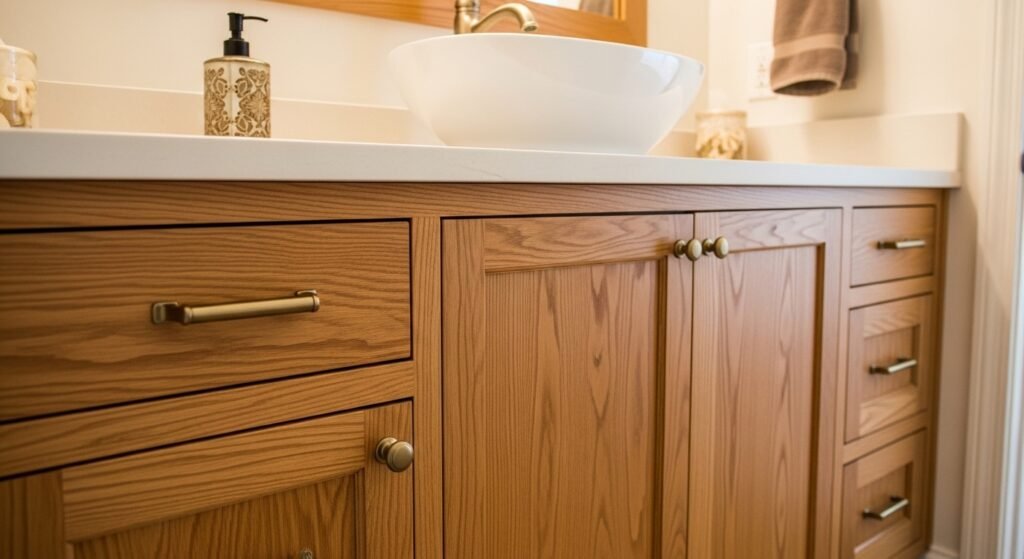
Fallen Cypress (MW 425)
Fallen Cypress adds a nice layer of depth. It makes the wood look very sophisticated. It provides a sun-kissed appearance to the grain. This color feels very intentional and high-end. It is a great choice for cabinets.
Golden Oak (MW 210B)
Golden Oak is a lighter honey-toned color. It adds warmth but preserves the grain pattern. It is a classic choice for a reason. It makes the wood look rich and inviting. It is not too dark or heavy.
Honeymeade (MW 453)
Honeymeade is great for a cozy feel. It adds a lot of texture to the wood. It pairs well with warm lighting in a home. It makes the kitchen feel like the heart of the house. It is a very refined and warm shade.
Traditional Hues: Warm and Classic
Traditional hues push for more warmth in the wood. They have red and orange undertones. This is what you want for a classic look. It adds a lot of texture to the room. It feels very timeless and sturdy.
Hedgewood (MW 409)
Hedgewood is a very balanced traditional tone. It provides a good amount of contrast. It makes the grain stand out beautifully. This is a great choice for furniture pieces. It feels very grounded and solid.
Mahogany (MW 447)
Mahogany deepens the grain with reddish hues. It is a very rich and elegant color. It works well in formal dining rooms. It gives the oak a very expensive look. It is a classic for traditional homes.
Walnut (MW 439)
Walnut offers a timeless and refined warmth. It is a very popular dark-ish tone. It makes white oak look very high-end. It is a reliable choice for a stately look. It never goes out of style.
Modern Moody: Darker Chocolate and Walnut Tones
Darker and moodier tones are becoming very popular. They offer a refined and modern feel. These colors create a very classic look. They provide a lot of drama to a space. They look amazing with light counters.
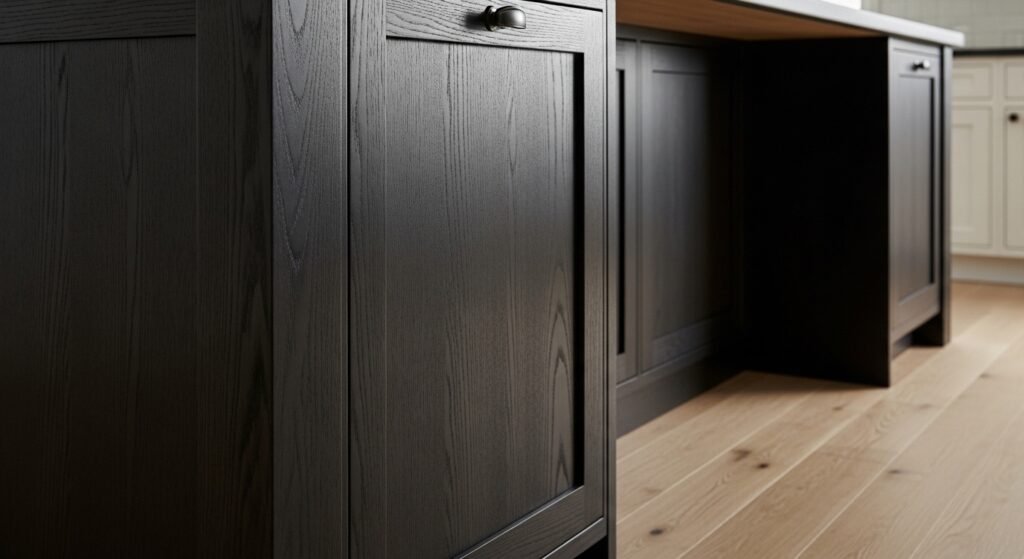
Carbon (MW 409)
Carbon is a deep and modern dark finish. It is almost charcoal but shows the grain. It looks very sleek on kitchen islands. This is a bold choice for modern homes. It is very trendy and sophisticated.
Ebony (MW 2718)
Ebony provides a striking high-contrast look. It is very dark and very bold. It works best in large open spaces. It gives a very monochromatic and clean vibe. It is a real statement maker.
Forrester (MW 421)
Forrester is a moody and sophisticated color. It is a great walnut alternative. It has a lot of depth and richness. It makes cabinets look like custom furniture. It is a very high-end dark tone.
Advanced Color Customization: Mixing and Layering
Sometimes one color is not enough. Pro finishers often mix colors to get it right. You can layer different stains for more depth. This allows you to dial in the perfect shade. It makes your project truly unique.
- Ratio Testing. Mix colors like Weathered Oak and Whitewash for a custom blend.
- Toning with Grays. Add gray to warm colors to cool them down.
- Water Popping. Use water to open the grain for deeper color.
- Wood Conditioner. This ensures an even take on large panels.
The Essential Role of the Protective Topcoat
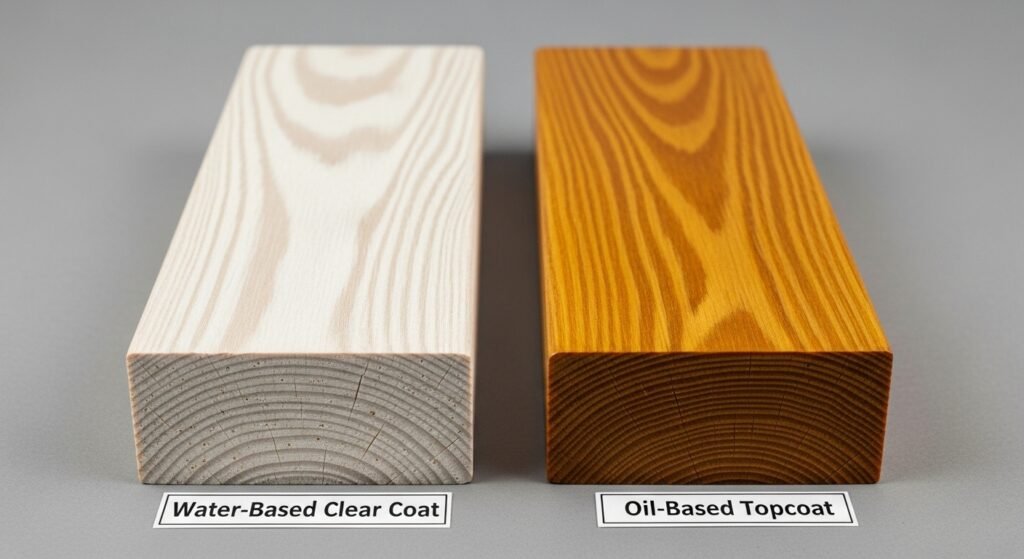
Stain only changes the color of the wood. It offers no protection at all. You need a clear topcoat for durability. This protects against dings and moisture. The topcoat also changes the final color.
The Pitfalls of Standard Minwax Polycrylic
Minwax topcoats are not always the best choice. Polycrylic has a few big drawbacks. It takes a long time to dry. It is not as durable as other options. It can also turn the color very yellow.
- Dry Time. Long dry times mean more dust gets in the finish.
- Durability. It might not hold up to heavy kitchen use.
- Yellowing. It can pull unwanted orange tones from the wood.
Why Professionals Favor General Finishes
Many pros are big fans of General Finishes. They offer very good resistance to scratches. They are easy to spray or brush on. They provide a much better final result. They are the top choice for high-end work.
- High Performance. This water-based option preserves the original look.
- Enduro-Var. This solvent-based finish adds depth and warmth.
- Ease of Use. These are easy for DIYers and pros alike.
The Nuance of Staining: Why It’s More Than Just a Color Choice
Staining is about more than just the stain. There are many factors at play. Wood type and cut change everything. Sanding technique is also very important. You have to understand the chemistry.
- Wood Cut. Rift vs flat sawn wood takes stain differently.
- Sanding Technique. Inconsistent sanding leads to blotchy finishes.
- Veneer. Staining veneer is risky because you can’t sand it back.
- Stain Type. Water vs oil based stains have different prep needs.
Environmental Impacts on the Finishing Process
The room environment matters a lot. Humidity can slow down the drying process. Temperature can cause the stain to dry too fast. This leads to streaks and lap marks. You need a controlled space for the best work.
Professional Red Flags to Watch For
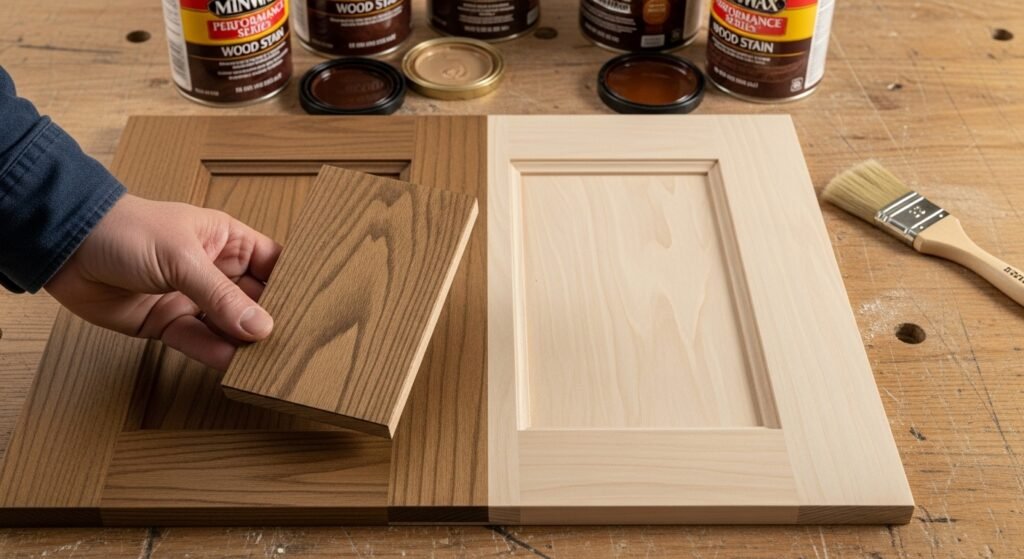
Choosing the right stain is only half the battle. Your cabinetmaker needs to know their stuff. If they don’t understand finishing, it’s a problem. Watch out for these common warning signs. It could save you a lot of money.
- The Pick a Color Trap. Don’t just pick from a paper swatch.
- No Samples. They should create custom samples for you to review.
- Shifting Responsibility. They shouldn’t put all the finish work on you.
- Bad Portfolios. Look for blotchy or inconsistent work in their photos.
Best Practices for Maintenance and Longevity
Once your white oak is done, you must care for it. Good care makes the finish last much longer. Avoid using harsh chemicals for cleaning. Use the right tools for the job. This keeps your cabinets looking new.
- Cleaning Agents. Avoid silicone-based waxes that hurt the topcoat.
- UV Protection. Sunlight can change the color of the wood over time.
- Touch-up Kits. Keep a small amount of stain for future repairs.
Summary of Best Minwax Stains and Finishes for White Oak
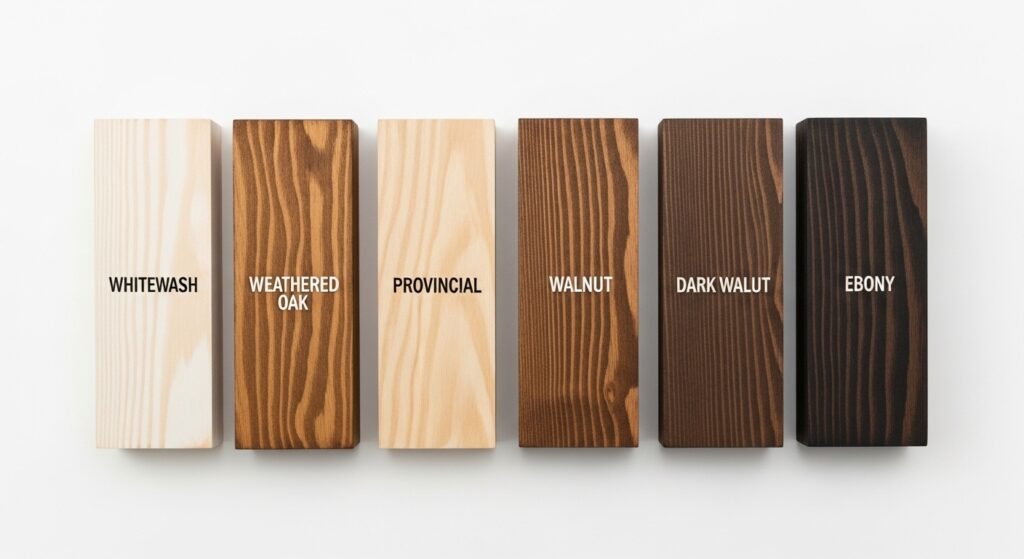
| Stain Category | Minwax Color Name | Color Code | Expected Visual Result | Best Topcoat Choice |
| Natural/Raw | Birchbark | MW 411 | Very light, preserves raw wood look | GF High Performance (Flat) |
| Natural/Raw | Grey Elm | MW 401 | Cool, muted tone; hides yellowing | GF High Performance (Satin) |
| Natural/Raw | Whitewash | MW 423 | Bright, airy, and modern | GF High Performance (Flat) |
| Natural/Raw | Weathered Oak | Standard | Soft, aged, non-muddy aesthetic | GF High Performance |
| Natural/Raw | Classic Gray | Standard | Clean “greige” with no blue tint | GF High Performance |
| Toffee/Wheat | Fallen Cypress | MW 425 | Sun-kissed, sophisticated depth | GF Enduro-Var |
| Toffee/Wheat | Golden Oak | MW 210B | Light honey warmth; classic feel | GF Enduro-Var |
| Toffee/Wheat | Honeymeade | MW 453 | Cozy, refined, and textured | GF Enduro-Var |
| Warm/Classic | Hedgewood | MW 409 | Balanced contrast; traditional | GF Enduro-Var |
| Warm/Classic | Mahogany | MW 447 | Deep reddish-brown; elegant | GF Enduro-Var |
| Warm/Classic | Walnut | MW 439 | Stately, high-end furniture look | GF Enduro-Var |
| Dark/Moody | Carbon | MW 409 | Deep charcoal; grain still visible | GF High Performance |
| Dark/Moody | Ebony | MW 2718 | High-contrast, bold monochromatic | GF High Performance |
| Dark/Moody | Forrester | MW 421 | Moody, rich walnut alternative | GF High Performance |
Frequently Asked Questions About White Oak Staining
What are the best Minwax stain colors for white oak?
Top colors include Weathered Oak, Classic Gray, and Golden Oak. Provincial and Early American are also great choices. These shades enhance the grain beautifully. They work well with the wood’s natural tones.
Does Minwax Weathered Oak look good on white oak?
Yes, it is one of the most popular choices. It gives a light and natural modern look. It softens warm tones without looking muddy. It is perfect for a clean aesthetic.
Is Classic Gray a good Minwax stain for white oak?
Classic Gray works extremely well here. The cool undertones of the oak are a perfect match. It creates a very clean greige finish. It doesn’t look washed out at all.
Which Minwax stain gives white oak a natural, raw wood look?
Birchbark, Grey Elm, and Whitewash are the best. They offer a barely-there natural look. They are the top picks for raw wood styles.
What Minwax stain makes white oak look warmer?
Golden Oak and Provincial add nice warmth. Early American is also a good warm choice. These preserve the grain while adding a honey tone.
Does white oak take Minwax stain evenly?
Yes, it stains very evenly. This is because of its closed and tight grain. It is ideal for light and dark colors. You get minimal blotching with this wood.
Can I use red oak stain colors on white oak?
You can use them, but the result will look different. Red oak stains often have green bases to cancel out pink tones. On white oak, these same stains might look a bit muddy or overly cool. It is always better to test a sample first.
How many coats of Minwax stain should I apply to white oak?
One coat is usually enough for white oak because of its dense grain. Adding a second coat might deepen the color slightly, but it won’t soak in as much. If you want a darker look, it is better to choose a darker stain color rather than adding many coats.
Does white oak turn yellow over time with Minwax?
The wood itself stays fairly stable, but the finish can change. Traditional oil-based topcoats will definitely yellow or amber over time. To keep that crisp white oak look, you must use a water-based protective finish.
Is it necessary to sand white oak between stain and topcoat?
No, you should not sand the actual stain layer as you will rub the color right off. You should only sand the wood before staining and then sand lightly between coats of your clear protector. This ensures the smoothest possible feel.
What is the best grit for sanding white oak before staining?
For most white oak stain colors, finishing with 150 or 180 grit is the sweet spot. If you sand with a very high grit like 320, you might close the pores too much. This prevents the stain from soaking in evenly.
Can I mix Minwax water-based and oil-based products?
You generally shouldn’t mix the liquid cans together. However, you can apply a water-based topcoat over an oil-based stain if the stain is 100% dry. This usually takes at least 24 to 48 hours in a dry room.
How do I fix a blotchy stain on white oak?
Blotching is rare on white oak, but it can happen. If it looks uneven, you usually have to sand it back to raw wood and start over. Using a wood conditioner next time will help the color go on much flatter.
Why does my white oak look green after staining?
White oak contains natural tannins that can react with certain chemicals. Some “weathered” or “driftwood” stains have a base that pulls out these green tones. If this happens, you may need a stain with a warmer pink or red undertone to balance it.
Can I use a sponge to apply Minwax stain to white oak?
A foam brush or a clean rag is usually better than a standard sponge. Rags allow you to really work the pigment into the grain and wipe away the excess. Sponges can sometimes hold too much liquid and cause drips.
Does rift-sawn white oak take stain differently than plain-sawn?
Yes, rift-sawn wood has a very linear and consistent grain. It tends to take stain very evenly and looks more modern. Plain-sawn oak has “cathedrals” or arches that soak up more stain in certain spots, creating more drama.
How long does Minwax stain need to dry before I can touch it?
Most oil-based stains are dry to the touch in about 4 to 6 hours. However, you should wait a full 24 hours before putting any heavy objects on it. The weather in your workspace will change these times.
Is white oak good for bathroom vanities with these stains?
White oak is excellent for bathrooms because it resists rot better than red oak. Just make sure you use a very high-quality water-resistant topcoat. This protects the wood from steam and splashing water.
Can I lighten a Minwax stain color that is too dark?
You cannot easily lighten it once it is on the wood. You can try wiping it with a rag soaked in mineral spirits while it is still wet. If it is already dry, your only real option is to sand it off.
What happens if I don’t use a wood conditioner on white oak?
Since white oak is a hardwood with tight pores, you can often get away without it. However, if you are using a very dark stain, a conditioner ensures there are no dark “hot spots.” It makes the DIY process much easier.
Do I need to fill the grain on white oak cabinets?
White oak has a texture you can feel even after staining. If you want a glass-smooth finish, you need to use a grain filler before staining. Most people prefer the natural wood feel and skip this step.
Can I apply Minwax stain over an old finish?
No, stain must soak into the raw wood fibers. If there is an old sealer or paint in the way, the stain will just sit on top and stay sticky. You must sand the old finish completely off first.
Why is my stain staying sticky for days?
This usually happens if the stain was applied too thick or the room is too cold and humid. It can also happen if you didn’t wipe off the excess stain after a few minutes. You can try wiping it with mineral spirits to remove the goo.
Does white oak stain better than maple?
Yes, white oak is much easier to stain than maple. Maple is famous for getting blotchy and “cloudy” when you use dark colors. White oak is very forgiving and takes almost any color beautifully.
How do I get stain out of the deep pores of white oak?
If you are trying to remove a color, the deep pores are the hardest part. A stiff nylon brush and some paint stripper or mineral spirits can help. Sometimes a light power-wash (if careful) is needed for deep cleaning.
Can I use Minwax stains for white oak flooring?
Yes, but you must use a floor-specific topcoat. Cabinet or furniture finishes are not tough enough for people walking on them. The color process is the same, but the protection must be much stronger.