
The demand for clean energy is super high right now. People worry about climate change and high power bills. Because of this, solar power is a huge deal for everyone. Learning about it helps you pass tests and help the earth.
Many students see a solar panels TEAS passage on their big exam. This is not just about being a science whiz. It is about how well you can read and think. This guide will show you how to beat the test.
The Intersection of Solar Technology and Academic Assessment
The ATI TEAS exam loves to use science topics. Solar energy is a favorite for the reading section. It mixes technical facts with things we see every day. You need to be ready for these specific stories.
Reading these passages is a special skill you need to learn. The test looks at how you handle data and facts. You do not need to be an engineer to pass. You just need to follow the right reading path.
The goal of this article is to make you an expert. We will look at how solar works in the real world. Then we will learn how to ace the reading test. You will feel much better about your upcoming exam.
What Are Solar Panels? (Contextual Definition)
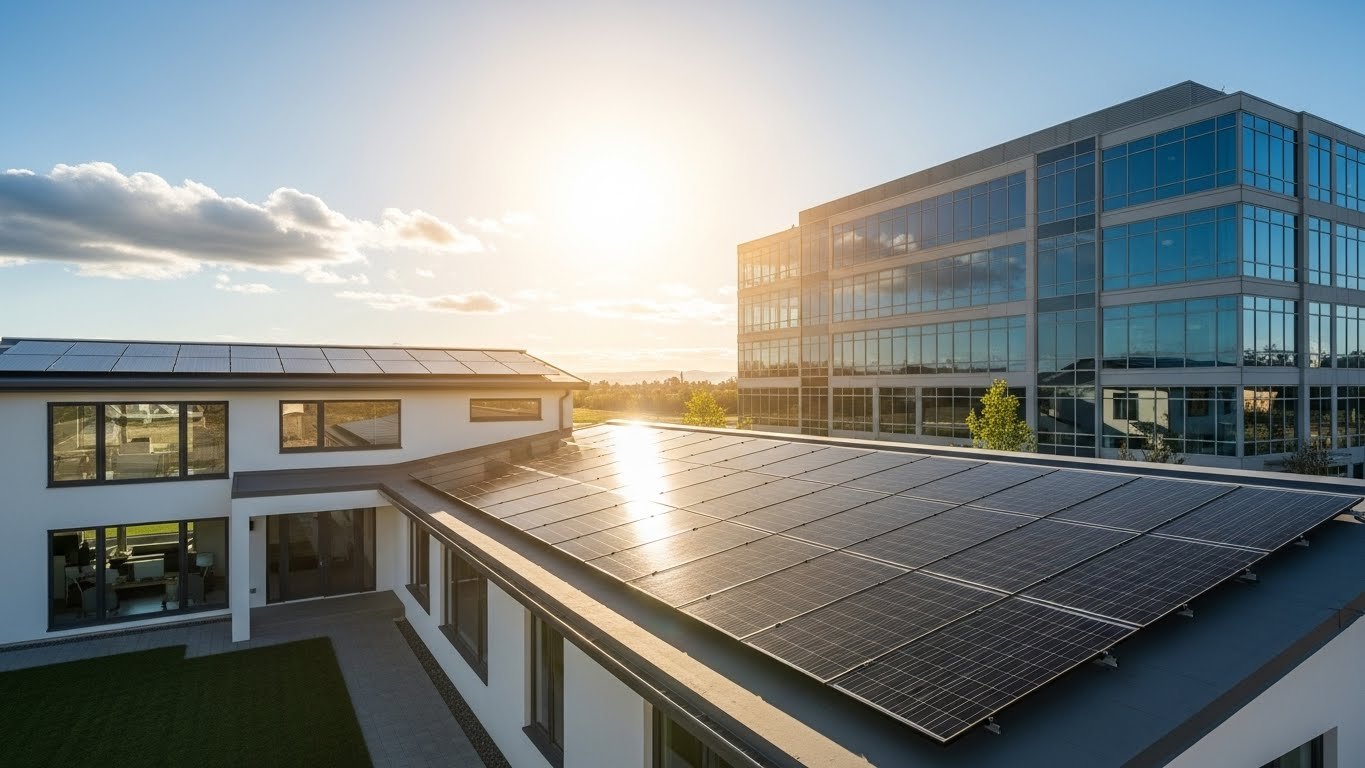
Solar panels are cool tools that catch light from the sun. They turn that light into power we can use. They are also called photovoltaic or PV modules. Most of them are made from special silicon parts.
The main job of a panel is to make clean power. It does this using many small parts called cells. These cells work together to create a flow of energy. It is a very smart way to get electricity.
We need to stop using things like coal and gas. Those fossil fuels hurt our air and our water. Solar energy is a much better path for our future. It helps stop global warming and keeps things clean.
Solar panels can go almost anywhere these days. You can find them in many different places:
- Residential rooftops to give power to normal family homes.
- Large-scale tea plantations to help farmers grow their crops.
- Commercial buildings to help big businesses save some cash.
- Utility-scale farms that give power to entire big cities.
The Science and Mechanics of Solar Energy
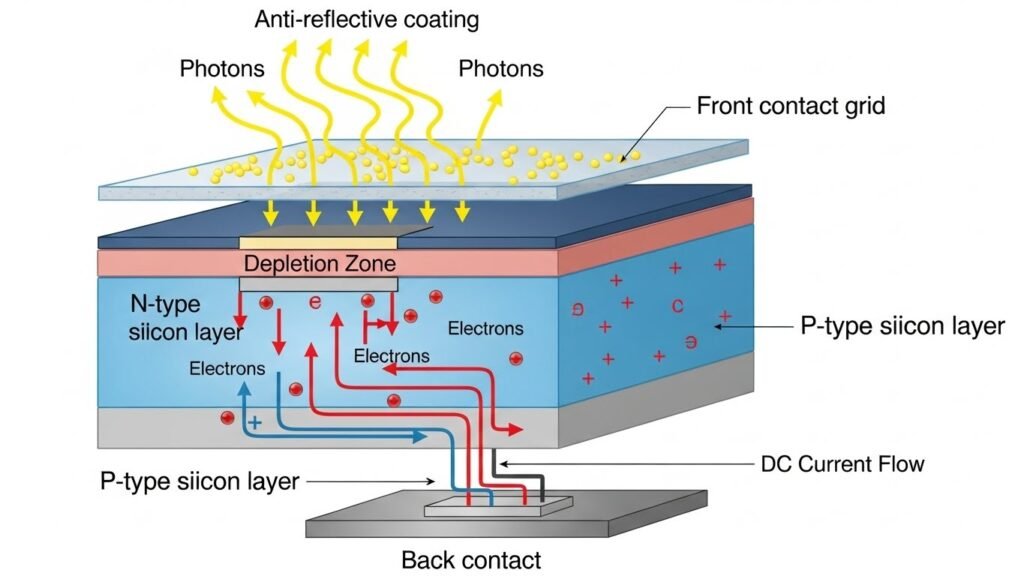
The way solar works is actually pretty simple to understand. It uses something called the photovoltaic effect to make power. This happens when light hits the surface of the cell. Tiny particles of light jumpstart the energy making process.
Here is how a solar cell makes power step by step:
- Light particles called photons hit the solar cell surface.
- Semiconductor material absorbs those photons to gain energy.
- Electrons break free from their atoms and start to move.
- Electric current is formed as those electrons flow along.
The power made by panels is called direct current or DC. Most of our home tools use alternating current or AC. We use a box called an inverter to switch them. This makes the power safe for your fridge and TV.
Many things can change how well a solar panel works. This is often called the efficiency of the solar system. You might see questions about this on your TEAS test. Knowing these factors will help you get points.
Factors that change solar power output include:
- Panel orientation means the direction the panels are facing.
- Tilt angles help the panels catch the most direct sun.
- Temperature can actually slow panels down if it gets too hot.
- Cleanliness matters because dust or snow blocks the light.
Comprehensive Guide to Solar Panel Types
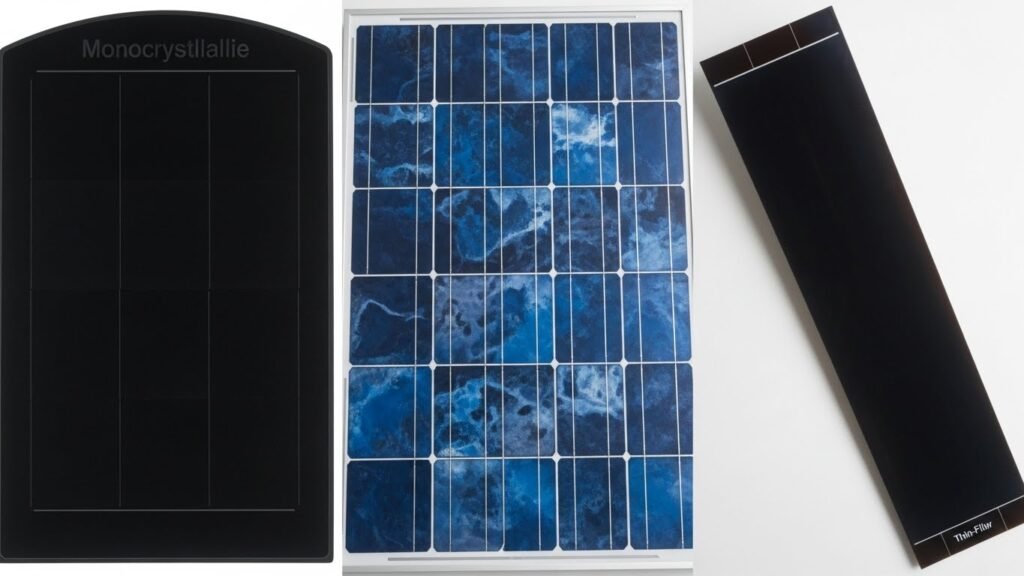
Not all solar panels are the same for every job. There are three main kinds you should know about. Each has its own good and bad points. The solar panels teas passage might ask you to compare them.
Monocrystalline Solar Panels
These panels are made from a single silicon crystal. They are usually very dark or even black. They are the top-tier choice for most home systems. They work very well even in tight spaces.
Important facts about monocrystalline panels:
- High efficiency means they turn more sun into power.
- Long lifespan allows them to work for over 25 years.
- Space savers because you need fewer panels to get power.
- Higher cost is the main downside because they are fancy.
Polycrystalline Solar Panels
These are made from many different silicon crystals together. They usually have a blue marbled look to them. They are a very popular choice for many people. They offer a good balance for your wallet.
Important facts about polycrystalline panels:
- More affordable to buy and put on your roof.
- Abundant sunlight regions are where these panels work best.
- Lower efficiency than the single crystal type of panels.
- Slightly shorter life but they still last a long time.
Thin-Film Solar Panels
These are very different from the rigid glass panels. They are made by putting layers on a surface. They are very thin and can even bend around. They are used for very specific types of projects.
Important facts about thin-film panels:
- Lightweight and flexible so they fit on curved surfaces.
- Uneven terrain is not a problem for these solar panels.
- Lowest efficiency means you need a lot of space.
- Shortest lifespan compared to the other two main types.
Components and Installation of a Solar Power System
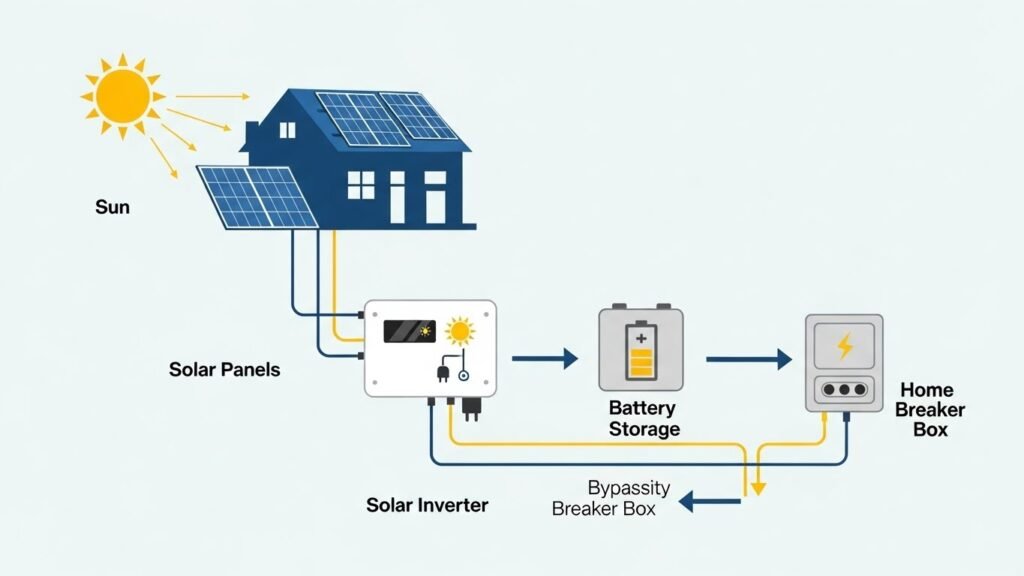
Building a solar system takes more than just panels. You need a few other parts to make it work. Each part has a very important job to do. This whole setup is what gives you clean energy.
Essential Hardware
The panels catch the sun but they need help. The inverter is the most important part besides panels. It changes the power so you can use it. Without it, your home lights would not turn on.
Key parts of a solar energy setup:
- Solar panels act as the primary collectors of sunlight.
- The inverter acts as the brain of the system.
- Mounting systems keep everything safe and in place.
- Battery storage saves extra power for when it is dark.
- Charge controllers keep your batteries from getting hurt.
The Installation Lifecycle
Putting in solar is a big project for anyone. It starts with checking your roof and the sun. This is called a site assessment by the pros. You need to know if your house is ready.
The steps to getting solar installed are:
- Site assessment to map out where the sun hits.
- Engineering design to plan the size of your system.
- Permits and paperwork to follow the local city rules.
- Wiring and integration to hook it up to your grid.
- Safety inspection to make sure everything is perfect.
Solar Power in Action: Brewing Sustainability in Agriculture
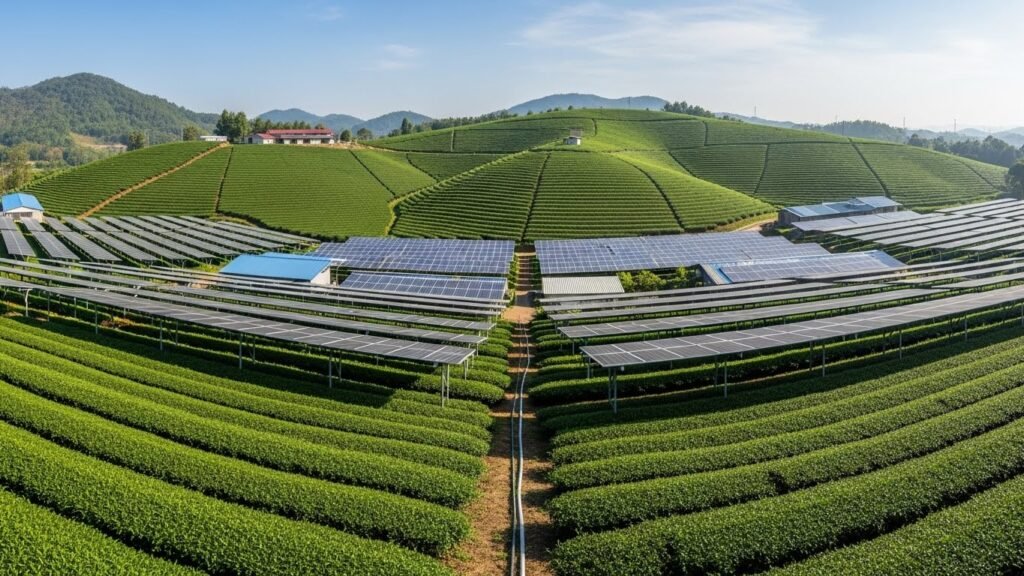
Solar power is changing how we grow our food. Tea farmers are leading the way in this change. They need a lot of power to make tea. Solar helps them do it without hurting the earth.
The Case Study: Tea Plantations
Tea farming uses a lot of water and energy. Farmers use power for irrigation and for drying leaves. Traditionally, they used dirty fuels for these big jobs. Now, they are switching to the power of sunlight.
Why tea farmers love using solar energy:
- High energy demands are met with free power from the sun.
- Lower shipping costs because they process tea on-site.
- Clean air helps the tea plants grow much better.
- Environmental care shows they care about the future.
Decentralized Energy Benefits
When you make power on the farm, you save energy. You do not lose power during long trips away. This is called a decentralized strategy for energy. It makes the whole farm work much better.
It also helps during bad weather or power outages. Farmers can keep working even if the grid fails. This helps them survive droughts or big floods. It keeps their livelihood safe for their whole family.
Sustainable Stewardship
Using solar is about more than just saving money . it is about being a good leader for nature. It preserves the soil and the local water sources. This is how we keep the earth healthy forever.
Environmental and Financial Impact
Solar panels have a huge effect on our world. They change how we spend and save money. They also change how we take care of nature. Both of these things are very important to know.
Ecological Advantages
The best thing about solar is it is very clean. It does not make any smoke or bad gases. It helps lower your total carbon footprint a lot. It is a great way to fight global warming.
Environmental wins from using solar energy:
- Zero emissions while the panels are making power.
- Resource conservation keeps coal and oil in the ground.
- Clean water because solar does not need much water.
- Air quality gets better for everyone in the city.
Economic Incentives
Solar can be expensive to buy at the start. But it saves you a ton of cash later on. Your monthly bills will drop or even go away. Most systems pay for themselves in a few years.
Financial perks of going solar today:
- Tax credits give you money back on your taxes.
- Rebates and grants help pay for the initial costs.
- Selling energy back to the grid for extra money.
- Property value goes up when you have solar panels.
Navigating Challenges and Common Myths
Solar is great but it is not always perfect. There are some things that can be a struggle. People also believe things that are not actually true. Let us clear up some of those ideas now.
Addressing Limitations
The sun does not shine all day and night. This is called weather dependency or intermittency. You can use batteries to solve this big problem. They hold the power for when you need it.
Shading can also be a real pain for panels. Trees or big buildings block the light. You have to keep your panels in the clear. Trimming trees is a good way to fix this.
Debunking Misconceptions
Some people think solar only works in hot places. This is a myth that is simply not true. Panels actually work better when the air is cool. They work in the snow and in the rain.
Common solar myths you should not believe:
- Too expensive is false because of new payment plans.
- High maintenance is wrong because they are simple.
- Ugly look is changing with new roof tile designs.
- Short life is a myth since they last 25+ years.
TEAS Reading Strategies for Solar Passages
Now let us talk about your big TEAS test. You will likely see a solar panels teas passage. You need a plan to get every question right. These tips will help you stay calm and fast.
Active Reading Skills
Do not just read the story once and stop. You need to scan the text first for main ideas. Look for words like “efficiency” or “drawbacks” right away. This helps you find the answers much faster.
Watch out for signal words in the passage. Words like “however” mean the author is changing ideas. “Therefore” usually leads to a big main point. These words are like road signs for your brain.
Passage Analysis Techniques
Try to summarize each paragraph in your head. Just use one simple sentence for each part. This keeps you from getting lost in big words. It makes the whole passage much easier to handle.
The “Knowledge Trap” is a very common mistake. Only answer based on what the text says. Do not use things you learned from other places. The test only cares about what is on the page.
Future Trends in Clean Energy
Solar technology is getting better every single day. Scientists are finding new ways to catch the sun. The future of clean energy looks very bright. We will see solar in more places than ever.
Next-Gen Tech
Bifacial panels can catch light from both sides. This means they make way more power than before. Solar roof tiles look just like normal house tiles. They protect your home and make power together.
Perovskite cells are a new kind of material. They are lightweight and very cheap to make. They might replace the old silicon panels very soon. This will make solar even cheaper for everyone.
Large Scale Innovation
Floating solar farms are a really cool new idea. They put panels on top of lakes and reservoirs. This saves land for farming and keeps water cool. It is a win for the water and for energy.
Conclusion: The Path Forward
Solar panels are a smart move for our planet. They give us clean power and save us money. Mastering the solar panels teas passage is also smart . it helps you get into the school of your dreams.
Sunlight is a free gift for the whole world. We just have to learn how to use it. By studying this guide, you have taken a big step. You are ready for the test and for the future.
FAQs on Solar Panels and the TEAS Reading Passage
What is the primary purpose of a solar panels TEAS reading passage on the exam?
The main goal is to test your ability to evaluate science-based text and apply that understanding to specific questions under a time limit. It measures how well you can differentiate between scientific facts and the author’s underlying meaning.
Why is solar energy a recurring theme in ATI TEAS study materials?
Solar energy is chosen because it allows examiners to check your skills in comprehending content related to science using a familiar, real-world object. It provides a perfect mix of technical information, such as sunlight conversion, and general applicability.
Do I need to memorize the exact efficiency percentages of different panels for the test?
No, you do not need to bring outside facts to the exam. Any data or technical details required to answer the questions will be provided directly within the text of the passage.
What are the most common “tricks” found in TEAS passage questions?
A common tactic is providing answer options that sound scientifically correct but are not actually supported by the specific text in the passage. You must never put blind faith in outside knowledge; only use what is written in front of you.
How can I identify the author’s argument in a passage about clean electricity?
Look for signal words like “however” or “therefore” that indicate a transition or a concluding point. The test often asks you to find the author’s specific stance on renewable energy compared to other sources.
What is the “scanning” technique mentioned in TEAS prep?
Scanning involves quickly looking over the text to identify the main topic, such as photovoltaic cells or environmental benefits, before reading for deep detail. This helps you set a mental framework for the passage.
How do solar panels support agricultural irrigation?
In tea plantations, solar panels generate electricity to power water pumps and irrigation systems directly where they are needed. This decentralized approach ensures that crops receive consistent water without relying on the traditional power grid.
What are the specific disadvantages of solar energy often cited in these readings?
Common drawbacks discussed include weather dependency, the high initial cost of infrastructure, and limitations regarding space and location.
What is the role of silicon in a solar wafer?
Silicon acts as a semiconductor material that absorbs photons from sunlight. This absorption excites electrons, which is the fundamental physical process that generates an electric current.
How does solar power improve the resilience of tea plants?
Solar power provides a consistent energy source that allows plantation operations to continue even during disruptions like droughts or floods. This independence from the grid helps farmers maintain their livelihoods during extreme weather events.
What is the difference between DC and AC in a home solar system?
Solar panels produce Direct Current (DC), but most household appliances require Alternating Current (AC). An inverter is used to perform this conversion so the power is usable for standard electrical needs.
Why are monocrystalline panels preferred when space is limited?
Because they are made of a single crystal structure, they have a higher power production and efficiency rate. This allows them to generate more electricity using fewer individual panels.
Can solar panels be installed on uneven or weight-constrained terrain?
Yes, thin-film solar panels are lightweight and flexible, making them ideal for structures that cannot support heavy rigid panels or for use on irregular ground.
What financial incentives are typically available for solar adoption in the USA?
Homeowners and businesses may access tax credits, rebates, and grants offered by the government to lower the upfront investment cost. Some areas also allow owners to sell excess energy back to the grid for revenue.
How does sunlight conversion affect the “carbon footprint”?
By switching to solar, users generate power without burning fossil fuels, which significantly decreases carbon dioxide emissions and overall pollution.
What are bifacial solar panels?
Bifacial panels are an emerging trend in technology designed to capture sunlight from both the front and the back of the module, increasing total energy capture.
What should I do if a TEAS question uses a term like “photovoltaic cell” that I don’t know?
Don’t panic; usually, the passage will define the term or provide enough context clues to help you understand its function within the energy system.
Are there other exams where these solar passages appear besides the TEAS?
Yes, similar passages focusing on reading comprehension and clean energy are often found in various science-based standardized tests.
How does temperature affect the efficiency of a solar module?
Contrary to popular belief, excess heat can actually reduce the efficiency of solar panels. They typically perform very well in cooler, clear temperatures.
What is the best way to prepare for a TEAS solar energy practice test?
Practice your scanning and summarization skills. Read scientific articles and try to summarize each paragraph in one sentence to build your analytical stamina.
