
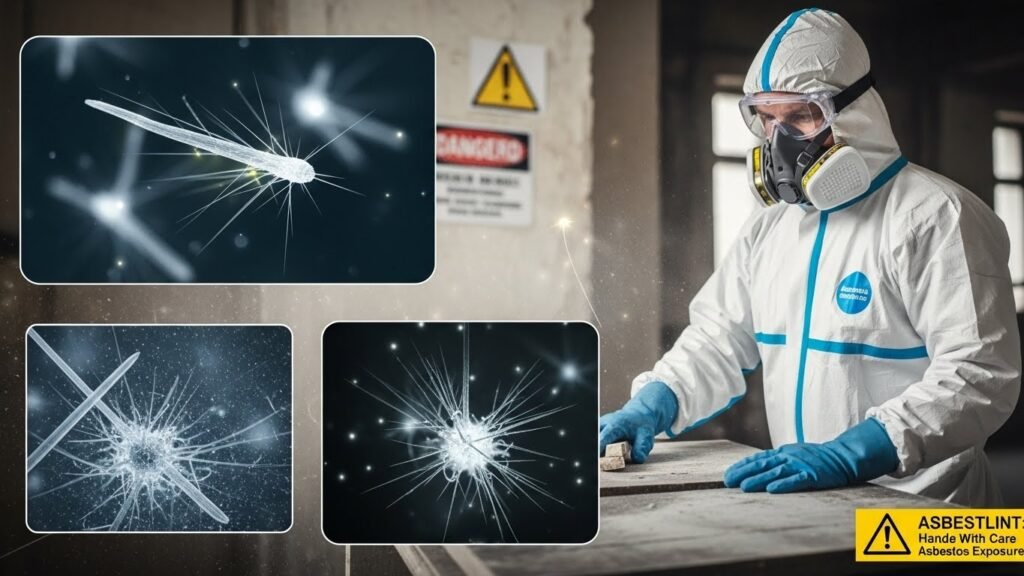
What is Asbestlint?
Asbestlint is a mineral that has been used in many products over the years. It’s a type of fiber that is naturally heat-resistant, durable, and can be woven into fabrics or mixed with other materials. Asbestlint was used in many industries because it helped products last longer and resist heat. It can be found in things like insulation, tiles, brakes, and even in some old construction materials.
While asbestlint has useful properties, it can be very dangerous to people when it is disturbed. The tiny fibers in asbestlint can be inhaled and cause serious health problems.
Types of Asbestlint
There are several types of asbestlint. The most common are:
- Chrysotile (White Asbestos) – This is the most common type and was used in many building materials.
- Amosite (Brown Asbestos) – Found in insulation and roofing materials.
- Crocidolite (Blue Asbestos) – Used in high-temperature insulation products.
Each of these types can break down into tiny fibers that are harmful when inhaled.
Key Properties of Asbestlint
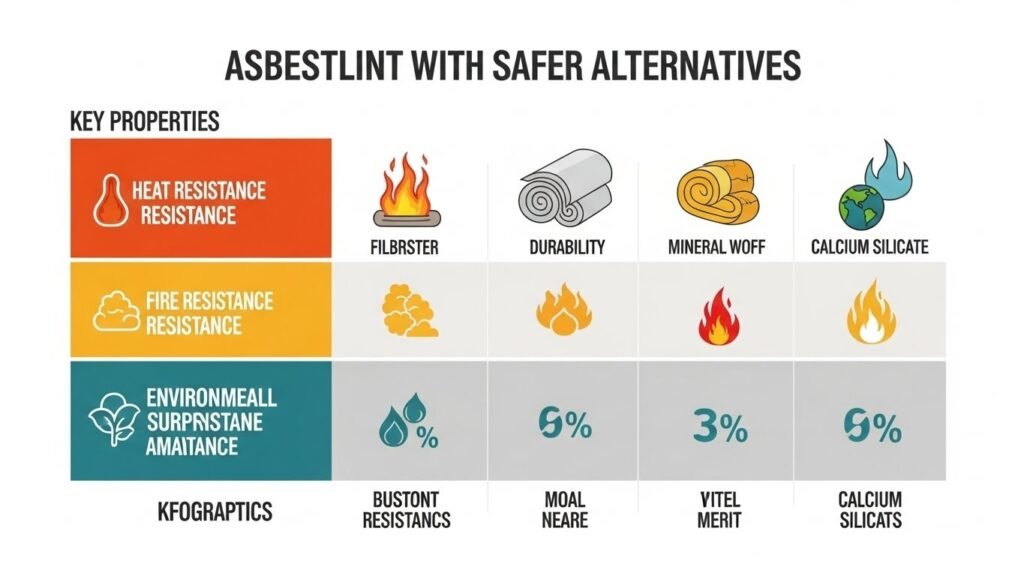
Asbestlint is known for being resistant to heat, fire, and electrical conductivity. It also has the ability to absorb sound, which is why it was used in insulation and soundproofing materials. The fibers are long, thin, and flexible, making them easy to mix into products.
Despite its usefulness, asbestlint is very dangerous because it can easily become airborne. When disturbed, the fibers break free and can be inhaled into the lungs, causing serious health issues.
Why Asbestlint is Resistant to Heat and Fire
Asbestlint has fire-resistant properties, which is why it was used in construction materials like insulation and roofing. It doesn’t burn easily, making it great for use in places where heat and fire are a risk.
The Durability of Asbestlint
Asbestlint’s durability made it a favorite material for use in construction and automotive parts. It lasts a long time and can withstand extreme conditions, such as heat and friction. This durability is one reason why asbestlint was so widely used in the past.
Health Risks Associated with Asbestlint Exposure
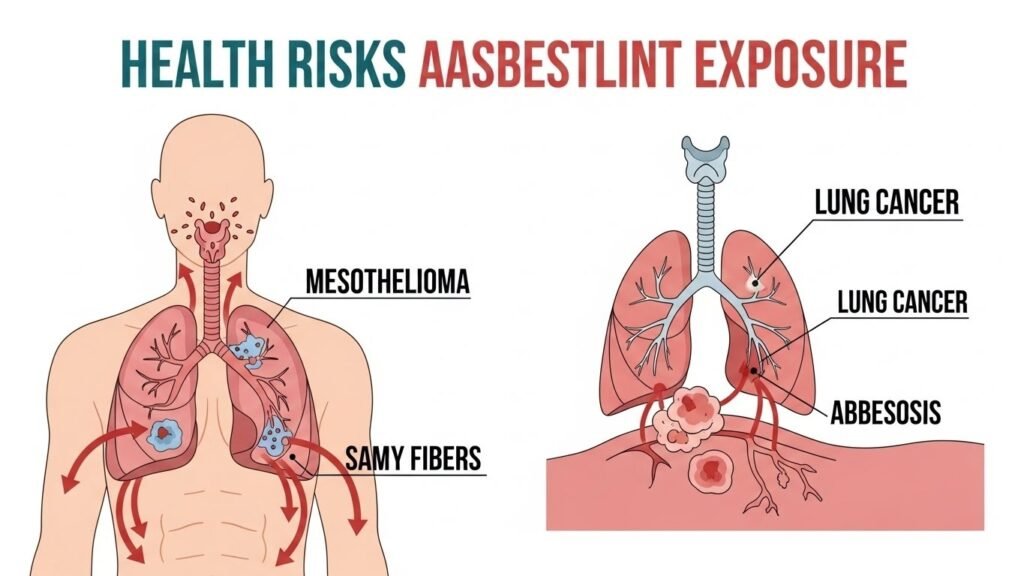
While asbestlint was helpful in many products, it also posed significant health risks. When the fibers are inhaled, they can get trapped in the lungs and cause serious diseases over time. The biggest risks are respiratory conditions like asbestosis, mesothelioma, and lung cancer.
Health Conditions Linked to Asbestlint Exposure
- Asbestosis: This is a condition that causes lung tissue to become scarred. It makes it hard to breathe and can be very painful.
- Mesothelioma: A rare form of cancer that affects the lining of the lungs or abdomen. This disease is often caused by long-term exposure to asbestlint.
- Lung Cancer: Long-term exposure to asbestlint can increase the risk of developing lung cancer, especially in people who smoke.
These diseases take many years to develop, but they can be fatal once they are diagnosed.
The Danger of Inhaled Asbestlint Fibers
The tiny fibers from asbestlint are so small that they cannot be seen with the naked eye. When these fibers are inhaled, they can get stuck in the lungs and other parts of the respiratory system. Over time, these fibers cause damage to lung tissue, leading to diseases like pleural disease and other respiratory conditions. It’s important to avoid inhaling asbestlint fibers at all costs.
Regulations and Legal Standards Concerning Asbestlint
Due to the serious health risks associated with asbestlint, many countries have strict rules about how it should be handled. In the U.S., the Environmental Protection Agency (EPA) and Occupational Safety and Health Administration (OSHA) have created rules to limit exposure and ensure that asbestlint is safely removed from buildings.
U.S. Environmental Protection Agency (EPA) Regulations
The EPA regulates how asbestlint should be removed from buildings and other structures. It has set standards for safe removal to protect workers and the general public from harmful exposure. The EPA also oversees the disposal of asbestlint to make sure it doesn’t harm the environment.
Occupational Safety and Health Administration (OSHA) Standards
OSHA sets workplace standards for asbestlint exposure. Employers are required to monitor the air quality in areas where asbestlint might be present and take steps to reduce exposure. Workers must wear personal protective equipment (PPE), like respirators, to prevent inhaling dangerous fibers.
International Regulations
Many countries around the world have banned or severely limited the use of asbestlint due to its health risks. These regulations help protect workers and the public from the dangers of asbestlint exposure. However, asbestlint can still be found in older buildings, which is why it is important to follow safe handling and removal procedures.
Safe Handling Practices for Asbestlint Materials
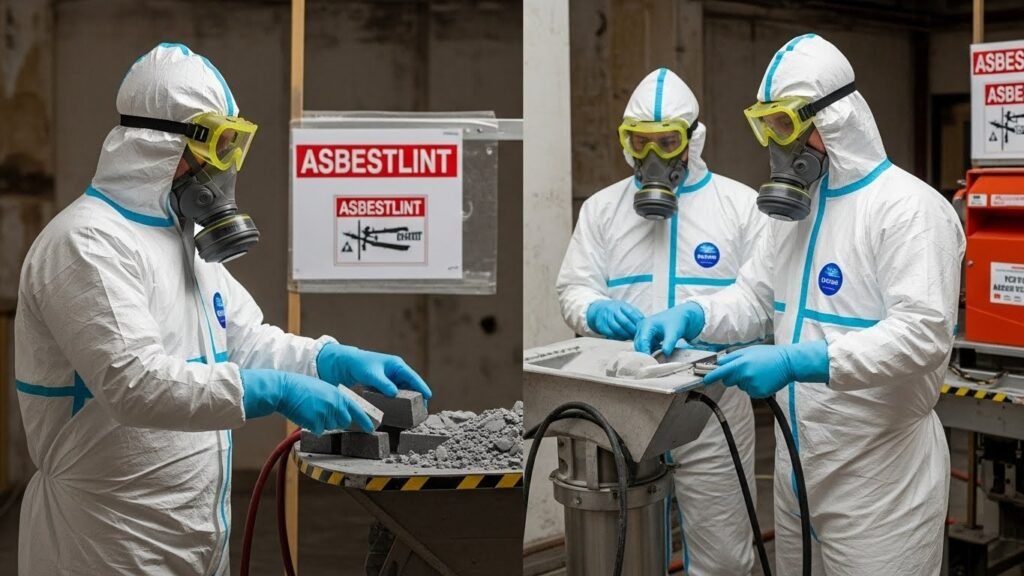
If you work with or come across asbestlint in your home or workplace, it is important to handle it carefully. The best way to avoid exposure is by following safe handling practices.
Proper Use of Protective Equipment (PPE)
When working with asbestlint, it’s important to wear the right personal protective equipment (PPE). This includes:
- Respirators: To protect against inhaling dangerous fibers.
- Protective Clothing: To prevent fibers from touching your skin.
- Gloves: To keep fibers from getting on your hands.
Safe Removal and Containment Procedures
If you need to remove asbestlint from your home or workplace, it is best to hire a certified professional. Safe removal includes using wet methods to keep fibers from becoming airborne, sealing off the area, and ensuring proper disposal.
Correct Disposal Methods for Asbestos-Containing Materials
Once asbestlint materials are removed, they must be disposed of properly. The materials should be sealed in special containers and taken to a landfill that accepts regulated waste. This prevents the fibers from spreading and causing harm to others.
The Importance of Hiring a Licensed Asbestos Contractor
It is crucial to hire a licensed professional for any asbestlint removal. These experts have the proper training and equipment to handle the dangerous material safely. They follow strict regulations to ensure that the removal is done without causing harm to the workers or the environment.
Managing and Removing Asbestlint Safely
Asbestlint is very dangerous, and it must be handled with care. If it is disturbed, the fibers can spread into the air and be inhaled. That’s why it’s important to know how to manage and remove asbestlint safely.
Step-by-Step Process for Asbestos Removal
Removing asbestlint from your home or workplace involves several important steps. It’s best to let certified professionals handle the process, but here’s what typically happens during safe removal:
- Inspection and Assessment: Before removal, the area must be inspected to determine where asbestlint is located. This is done by trained inspectors.
- Containment: The area where asbestlint is located must be sealed off to prevent fibers from spreading to other parts of the building. This is done using plastic sheeting and negative pressure machines.
- Removal: Asbestlint is carefully removed using wet methods. This helps prevent the fibers from becoming airborne.
- Disposal: Once removed, the asbestlint materials are sealed in special containers and disposed of at an authorized landfill.
- Cleaning and Final Inspection: After removal, the area is thoroughly cleaned. Air tests are done to make sure no fibers remain in the air.
Health and Safety Protocols During Removal
During asbestlint removal, workers are at risk of exposure. To keep them safe, these protocols must be followed:
- Use of PPE: Workers must wear respirators, gloves, and protective clothing.
- Wet Methods: Wetting asbestlint materials helps prevent fibers from becoming airborne.
- Containment and Air Monitoring: Areas where asbestlint is being removed should be sealed off. Air tests should be performed to make sure the air is free of fibers.
Safe Handling and Disposal of Asbestos-Containing Materials
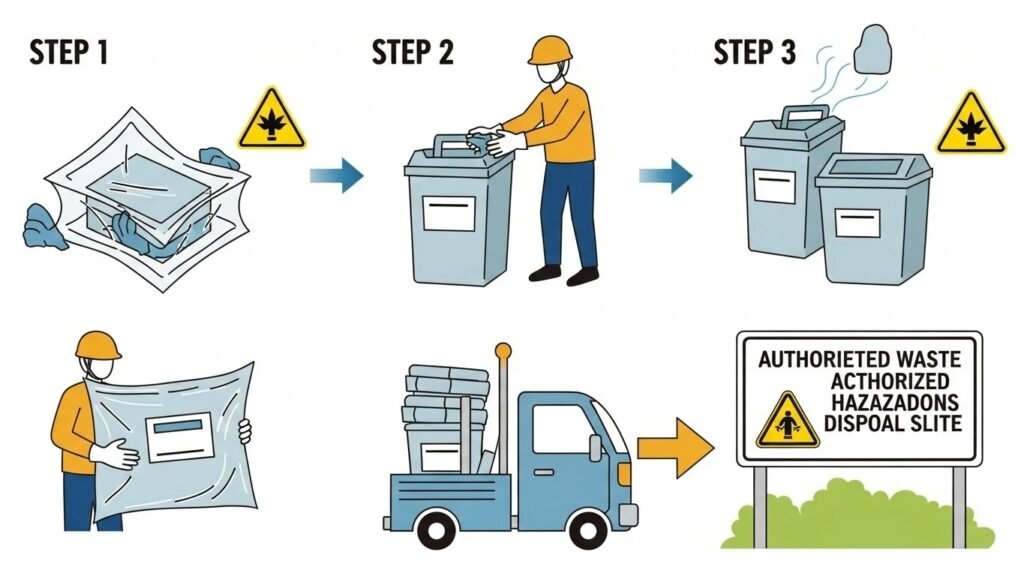
If you find asbestlint materials in your home or workplace, it’s important to handle them carefully to avoid exposure. Here’s how to safely handle and dispose of asbestlint:
- Don’t Disturb Asbestlint: If you find asbestlint, don’t disturb it. Avoid drilling, cutting, or removing it yourself.
- Contact a Professional: Call a licensed contractor to handle the removal. They are trained to do it safely and in compliance with local regulations.
- Seal and Label the Materials: Asbestlint must be sealed in containers to prevent fibers from escaping. The containers should be clearly labeled to identify the contents as asbestos.
- Dispose of Safely: Asbestlint should be taken to a landfill that is authorized to accept hazardous waste. Never throw asbestlint in regular trash.
What to Do If You Suspect Asbestlint in Your Home or Workplace
If you suspect that there may be asbestlint in your home or workplace, it’s important to take action immediately to prevent exposure.
Immediate Actions to Take if You Find Asbestlint
- Do Not Disturb the Material: Asbestos is most dangerous when its fibers are disturbed. Do not touch or try to remove the material yourself.
- Limit Access to the Area: Keep people, especially children and pets, away from the area where asbestlint is located.
- Contact a Professional: Hire a certified professional to assess the situation and safely remove the material.
How to Contact Authorities for Asbestos Testing
If you’re unsure whether a material contains asbestlint, have it tested. Many certified laboratories can test samples to determine if they contain asbestos. If you find that a material contains asbestlint, it is essential to follow the proper removal and disposal procedures.
The Shift to Safer Alternatives: Replacing Asbestlint in Modern Applications
Because of the health risks associated with asbestlint, many industries have shifted to safer alternatives. These alternatives offer similar benefits, such as heat resistance and durability, without the dangerous risks.
Alternatives to Asbestlint
There are several materials that can replace asbestlint in construction, automotive, and other industries:
- Fiberglass: A common alternative that offers heat resistance and durability without the health risks of asbestlint.
- Mineral Wool: This material is used for insulation and offers good fire resistance without the toxic fibers.
- Calcium Silicate: Used for high-temperature insulation, calcium silicate is a safe alternative to asbestlint.
- Cellulose Insulation: Made from recycled paper products, this is another safe alternative for insulation.
These materials provide similar benefits as asbestlint but are much safer to handle and use.
Identifying Asbestlint in Your Environment
Asbestlint is often hidden in older buildings and materials. If your home or workplace was built before the 1980s, there’s a good chance it could contain asbestlint. Identifying where asbestlint might be located is the first step in preventing exposure.
Common Places Asbestlint Can Be Found
- Insulation: Asbestlint was often used in insulation around pipes, boilers, and ductwork.
- Floor Tiles: Old floor tiles may contain asbestlint, especially if they were installed before the 1980s.
- Roofing and Siding: Some older roofing and siding materials contain asbestlint.
- Brakes and Clutches: Automotive parts like brake pads and clutches often contained asbestlint before it was banned in many places.
How to Identify and Test for Asbestlint
If you think a material may contain asbestlint, you can have it tested. Certified inspectors can collect samples and send them to an accredited laboratory for analysis. If the material is found to contain asbestlint, it should be handled by professionals to avoid exposure.
The Importance of Hiring a Licensed Asbestos Contractor
Asbestos removal is a complicated and risky process. It’s essential to hire a licensed asbestos contractor to handle any work involving asbestos. These professionals have the training, experience, and equipment needed to safely remove and dispose of asbestlint materials.
Why Professional Removal is Critical
Licensed contractors are trained to follow strict safety protocols to minimize exposure to asbestlint fibers. Attempting to remove asbestlint yourself can put you and others at risk. Here are the reasons why hiring professionals is the best choice:
- Proper Equipment: Professionals have the right protective gear, including respirators, gloves, and suits, to ensure safety during the removal.
- Safety Protocols: Contractors follow industry standards for containment and air monitoring to prevent fibers from spreading.
- Legal Compliance: Certified contractors are familiar with local and national regulations and will ensure the removal meets all safety requirements.
- Risk Reduction: They use safe techniques, such as wetting materials, to reduce the chance of fibers becoming airborne.
Credentials to Look for in an Asbestos Removal Contractor
When hiring an asbestos contractor, make sure they have the proper credentials:
- License: Ensure they are licensed by local authorities or regulatory bodies.
- Certification: Look for certifications from recognized organizations, such as the EPA or OSHA.
- Insurance: The contractor should have liability insurance to cover potential accidents or damage during the removal process.
- Experience: Hire contractors who have experience with asbestos removal in residential or commercial settings.
The Risks of Asbestlint Exposure
Asbestlint exposure is dangerous, especially if it occurs over a long period. People who work in environments where asbestlint is present are at a higher risk for developing serious health conditions. It’s essential to understand how exposure happens and what can be done to prevent it.
How Asbestlint Exposure Happens
Asbestlint fibers are very fine and can easily become airborne. Exposure typically happens when materials containing asbestlint are disturbed, such as during:
- Renovation: When buildings are being renovated, old materials containing asbestlint can be disturbed.
- Demolition: Breaking down old structures releases asbestlint fibers into the air.
- Construction: Workers in construction may be exposed to asbestlint if it is not properly handled.
Once these fibers are airborne, they can be inhaled into the lungs, where they can cause long-term damage.
Long-Term Effects of Exposure
Long-term exposure to asbestlint can cause a variety of health problems, some of which may not show symptoms for many years. The most common health issues include:
- Mesothelioma: A type of cancer that affects the lining of the lungs or abdomen, often caused by asbestlint exposure.
- Asbestosis: A condition that causes scarring of the lung tissue, making it hard to breathe.
- Lung Cancer: People who are exposed to asbestlint over time have a higher risk of developing lung cancer.
The effects of asbestlint exposure are often gradual, and it can take 10 to 40 years for symptoms to appear.
Safe Handling and Disposal of Asbestos-Containing Materials
Handling and disposing of asbestlint requires special care. It’s important to follow strict guidelines to avoid releasing fibers into the air, which could put people at risk. Here are the steps to safely handle and dispose of asbestos-containing materials (ACM):
Safe Handling Procedures
When working with asbestlint materials, always follow these safety measures:
- Minimize Disturbance: Avoid disturbing materials that contain asbestlint. Don’t cut, drill, or sand them.
- Use Wet Methods: Wetting down materials containing asbestlint helps prevent fibers from becoming airborne. Use water or specialized wetting agents.
- Proper Containment: Use plastic sheeting to seal off the area where asbestlint is present. This keeps the fibers from spreading to other parts of the building.
Safe Disposal of Asbestos-Containing Materials
Once asbestlint is removed, it must be disposed of in a safe way. Here’s how:
- Sealing and Labeling: Asbestos materials should be sealed in airtight containers. Each container must be clearly labeled with the warning that it contains asbestos.
- Authorized Landfills: The materials should be taken to a landfill that is authorized to accept hazardous waste. Make sure the disposal facility is certified to handle asbestlint.
- Proper Waste Handling: Follow local regulations regarding the transportation and disposal of asbestlint waste. Ensure all materials are properly documented for tracking purposes.
Asbestlint in Older Buildings
Older buildings are more likely to contain asbestlint, especially if they were built before the 1980s. Asbestlint was widely used in construction because of its durability and heat resistance. Over time, however, it became clear that asbestlint exposure posed serious health risks.
Identifying Asbestlint in Older Buildings
Asbestlint can be found in various places in older buildings, such as:
- Insulation: Asbestos was commonly used in insulation around pipes, boilers, and ductwork.
- Floor Tiles: Old floor tiles, especially those installed before 1980, may contain asbestlint.
- Roofing: Roofing materials and shingles may contain asbestlint, particularly in older homes and buildings.
The Importance of Asbestos Testing
If you live or work in an older building, it’s important to have the materials tested for asbestlint. A certified inspector can collect samples and send them to a laboratory for analysis. Testing is the only way to confirm whether or not asbestlint is present.
The Shift to Safer Alternatives: Replacing Asbestlint in Modern Applications
Due to the serious health risks associated with asbestlint, many industries have moved toward using safer alternatives. These materials offer similar benefits, such as heat resistance and durability, without the dangers of asbestlint.
Alternatives to Asbestlint
There are several safer materials that have been developed to replace asbestlint in different applications:
- Fiberglass: This is a popular alternative for insulation. It is made from glass fibers and is safe to handle. Fiberglass offers excellent heat resistance and is widely used in construction, automotive, and electrical applications.
- Mineral Wool: Also known as rock wool, mineral wool is a great alternative for thermal and sound insulation. It is non-combustible and offers similar fire resistance to asbestlint.
- Calcium Silicate: Used mainly for high-temperature insulation, calcium silicate is an excellent substitute for asbestlint. It is safe to use and offers durability and heat resistance.
- Cellulose Insulation: Made from recycled paper products, cellulose is a more environmentally friendly option. It is often used in insulation and provides good thermal performance.
These alternatives are widely available and are safer for workers and the environment compared to asbestlint.
Identifying Asbestlint in Your Environment
If your home or workplace was built before the 1980s, there’s a chance it may contain asbestlint. Asbestlint was widely used in many materials, including insulation, roofing, and floor tiles. Identifying where asbestlint might be found is the first step in preventing exposure.
Common Places Asbestlint Can Be Found
- Insulation: Asbestlint was commonly used in insulation for pipes, boilers, and ductwork. If your building is older, check these areas for possible asbestos-containing materials.
- Floor Tiles: Many old floor tiles, especially those installed before 1980, may contain asbestlint. These tiles can be found in kitchens, bathrooms, and hallways.
- Roofing and Siding: Some older roofing materials, including shingles and siding, contain asbestlint.
- Automotive Parts: Asbestlint was once used in automotive parts such as brake pads, gaskets, and clutches. These parts can still contain asbestlint in older vehicles.
How to Identify and Test for Asbestlint
If you suspect that materials in your home or workplace may contain asbestlint, it’s important to get them tested. Here’s how:
- Professional Asbestos Inspection: Contact a certified professional to inspect your property. They can identify potential asbestlint-containing materials and take samples for testing.
- DIY Testing Kits: There are also DIY testing kits available for homeowners, but professional testing is always the safest option.
- Accredited Laboratories: Once samples are collected, they should be sent to an accredited laboratory for analysis. The lab will test for the presence of asbestlint fibers and provide a report.
The Health Impact of Asbestlint Exposure
The health risks associated with asbestlint exposure are serious and can take years to develop. Asbestos-related diseases, such as mesothelioma and asbestosis, are caused by the inhalation of asbestlint fibers. Once inhaled, the fibers can get trapped in the lungs and cause long-term damage.
Long-Term Effects of Asbestlint Exposure
Long-term exposure to asbestlint can lead to several serious health conditions:
- Mesothelioma: This is a rare cancer that affects the lining of the lungs, abdomen, or heart. It is primarily caused by inhaling asbestlint fibers.
- Asbestosis: This is a chronic lung disease caused by scarring of the lung tissue due to inhaled asbestlint fibers. It leads to breathing difficulties and can be fatal.
- Lung Cancer: Exposure to asbestlint increases the risk of developing lung cancer, especially in smokers. The combination of smoking and asbestlint exposure greatly raises the likelihood of developing this disease.
Inhalation of Asbestlint Fibers
Asbestlint fibers are microscopic and can easily become airborne. When materials containing asbestlint are disturbed, the fibers can be inhaled. These fibers are small enough to pass through the airways and become trapped in the lungs. Over time, this can cause severe damage, leading to chronic diseases and cancers. It’s crucial to avoid disturbing asbestlint and to follow proper safety procedures when working around it.
Safe Handling and Disposal of Asbestos-Containing Materials
Handling asbestlint safely is crucial to prevent exposure. Whether you are working on a renovation project or managing an older building, here are the steps to follow to handle and dispose of asbestlint safely.
Safe Handling Procedures
- Minimize Disturbance: If you find asbestlint in your home or workplace, do not disturb it. Leave it undisturbed until a professional can inspect and remove it safely.
- Containment: Use plastic sheeting to seal off areas with asbestlint. This prevents fibers from spreading into other areas of the building.
- Wet Methods: When removing asbestlint, it should be wetted down to reduce the chance of fibers becoming airborne. Use water or a wetting agent to soak the material before removal.
- Personal Protective Equipment (PPE): Always wear protective clothing, including a respirator, gloves, and a suit, when handling asbestlint.
Safe Disposal of Asbestos-Containing Materials
Once asbestlint is removed, it must be disposed of properly. Follow these steps to safely dispose of asbestlint:
- Sealing and Labeling: Asbestos-containing materials (ACM) should be sealed in plastic bags or containers. These should be clearly labeled as containing asbestos.
- Authorized Disposal Sites: Only take asbestlint to licensed disposal facilities. These facilities are equipped to handle hazardous waste and prevent environmental contamination.
- Never Throw in Regular Trash: Never dispose of asbestlint in regular trash or dumpsters. Asbestos waste must be handled as hazardous waste.
The Role of the Community in Preventing Asbestlint Exposure
Preventing asbestlint exposure is not only the responsibility of the workers who handle it but also the responsibility of the community. Raising awareness, following regulations, and ensuring safe handling can protect everyone from the dangers of asbestlint.
Community Awareness and Education
Educating the public about the risks of asbestlint exposure is essential. People should know where asbestlint can be found and how to avoid exposure. Schools, workplaces, and public buildings should provide information on the dangers of asbestlint and the importance of professional removal.
Regulatory Enforcement
Governments and regulatory bodies play a key role in enforcing laws and regulations related to asbestlint. Stricter enforcement can ensure that construction, demolition, and renovation projects follow proper safety protocols to prevent exposure.
Environmental Contamination from Asbestlint
When asbestlint is not handled properly, it can cause serious environmental contamination. The fibers can spread through the air, land, and water, causing long-lasting harm to the environment. Once released, these tiny fibers can persist in the environment for many years, posing a danger to both wildlife and humans.
How Asbestlint Contaminates the Environment
Asbestlint can contaminate the environment in several ways:
- Airborne Fibers: If asbestlint-containing materials are disturbed during construction, demolition, or renovation, the fibers can become airborne. These fibers can travel long distances and contaminate the surrounding area.
- Water Contamination: Asbestlint fibers can also enter water sources, particularly if they are not properly disposed of. Once in the water, the fibers can affect local wildlife and the people who use the water for drinking or bathing.
- Soil Contamination: If asbestos waste is dumped improperly, it can contaminate the soil, making it dangerous for plants, animals, and people who come into contact with it.
Preventing Environmental Contamination
To prevent environmental contamination, it is essential to:
- Use Proper Disposal Methods: Always dispose of asbestos waste at authorized facilities that are equipped to handle hazardous materials. These sites are designed to keep the fibers from spreading into the environment.
- Follow Safety Guidelines: Whether you are working on a renovation project or removing asbestos from an older building, always follow safety guidelines and use proper containment methods to prevent fibers from escaping into the air or water.
Secondhand Exposure and Chronic Illness
Asbestlint exposure is not only dangerous for those who work directly with the material but also for those who are exposed to it indirectly. Secondhand exposure occurs when people are exposed to asbestos fibers that have been brought home on clothing, hair, or equipment.
How Secondhand Exposure Happens
- Workers Bringing Home Asbestos: Workers who handle asbestlint may unknowingly bring fibers home on their clothing or tools. Family members who come into contact with these items can be exposed to the fibers.
- Home Renovations and Demolitions: People who live in older homes where asbestlint has been disturbed during renovations or demolitions may inhale fibers that have settled in the air or on surfaces.
- Environmental Exposure: People living near buildings or sites that contain asbestlint may be exposed to fibers through air pollution or contaminated water.
Preventing Secondhand Exposure
To reduce the risk of secondhand exposure:
- Wash Clothing and Equipment: Workers who handle asbestlint should wash their clothing and equipment separately to avoid spreading fibers to family members.
- Avoid Renovating Older Homes Without Testing: Before renovating an older home, have it tested for asbestlint. If asbestlint is present, hire a professional to handle its removal.
- Stay Away from Contaminated Areas: If you live near a site where asbestlint was disturbed, stay away from the area until it is properly cleaned up.
The Long Latency Period of Asbestlint-Related Illnesses
One of the most challenging aspects of asbestlint exposure is that it can take many years for symptoms of diseases like mesothelioma and lung cancer to appear. This is called the latency period, and it can last anywhere from 10 to 40 years after exposure.
The Risk of Chronic Illness
- Lung Cancer: Asbestos-related lung cancer often develops in people who have been exposed to asbestlint over a long period, especially in people who also smoke.
- Mesothelioma: This rare cancer develops in the lining of the lungs, abdomen, or heart. It is almost always caused by exposure to asbestlint fibers.
- Asbestosis: This lung disease occurs when the lungs are scarred by asbestlint fibers, making it difficult to breathe and leading to long-term health issues.
Importance of Early Detection
Because the diseases caused by asbestlint exposure have such long latency periods, it is crucial for those who have been exposed to get regular medical check-ups. Early detection can help manage the symptoms and improve the chances of effective treatment.
Conclusion: Ensuring a Safe Future Without Asbestlint
Asbestlint has been a valuable material in many industries, but its health risks are too serious to ignore. By understanding the dangers of asbestlint and taking steps to safely handle, remove, and dispose of it, we can protect ourselves, our families, and the environment. The shift to safer alternatives and the enforcement of regulations are important steps toward creating a safer future for everyone.
The Need for Continued Awareness and Education
The fight against asbestlint exposure isn’t over. Continued awareness and education are key to preventing future health problems related to asbestlint. By educating workers, homeowners, and the public about the risks, we can reduce exposure and protect people from harmful diseases.
Final Thoughts
Asbestlint is a dangerous substance that requires careful handling. With the proper safety measures, such as using PPE, hiring licensed professionals, and following disposal guidelines, we can keep asbestlint from causing harm. The key to a safer future lies in preventing exposure, using safer alternatives, and educating everyone about the risks of asbestlint.
FAQs about Asbestlint and Its Dangers
What is Asbestlint and why is it dangerous?
Asbestlint is a naturally occurring mineral made up of fine fibers. It was widely used in construction, automotive, and insulation materials due to its heat resistance and durability. However, when the fibers become airborne and are inhaled, they can cause serious health issues such as lung cancer, asbestosis, and mesothelioma. The tiny fibers can get trapped in the lungs, leading to long-term damage.
How can I identify if my home contains Asbestlint?
If your home was built before the 1980s, it’s possible that it may contain asbestlint. Common places to check include insulation around pipes, boilers, and ductwork, as well as flooring tiles, roofing materials, and shingles. If you suspect asbestlint is present, it’s essential to have a professional inspector conduct testing. Never disturb suspected asbestlint materials yourself, as it can release harmful fibers into the air.
What are the health risks associated with Asbestlint exposure?
Inhalation of asbestlint fibers can lead to serious health problems, including:
- Asbestosis: Lung scarring caused by fiber buildup.
- Mesothelioma: A rare form of cancer that affects the lining of the lungs or abdomen.
- Lung cancer: Prolonged exposure increases the risk of lung cancer, especially in smokers.
These health conditions can take years or even decades to develop, making early detection difficult.
How should Asbestlint be removed safely?
Removing asbestlint requires strict safety measures. It is essential to hire a licensed asbestos contractor who follows safety regulations. Key steps in removal include:
- Containing the area to prevent fibers from spreading.
- Using wet methods to keep fibers from becoming airborne.
- Using PPE like respirators and protective clothing.
Once removed, the material should be sealed and disposed of at a licensed hazardous waste site.
What are the alternatives to Asbestlint?
Due to the health risks associated with asbestlint, many industries have shifted to safer alternatives:
- Fiberglass: Used for insulation, offering heat resistance without the dangers of asbestlint.
- Mineral wool: Provides good thermal and sound insulation.
- Calcium silicate: A safe high-temperature insulation alternative.
These materials provide similar benefits to asbestlint but do not carry the same health risks.