

Introduction to Pyntekvister
What Are Pyntekvister?
Pyntekvister are decorative twigs or branches used in home décor, originating from Nordic design traditions. These branches are valued for their natural textures and organic shapes. They bring the outdoors indoors, helping create a space that feels grounded and connected to nature.
Unlike artificial décor, pyntekvister provide an authentic and natural aesthetic. The appeal of these branches lies not only in their beauty but also in the cultural significance they carry. They symbolize growth, renewal, and a connection to the earth — themes that have been deeply rooted in Scandinavian culture for centuries.
The Role of Pyntekvister in Scandinavian Culture
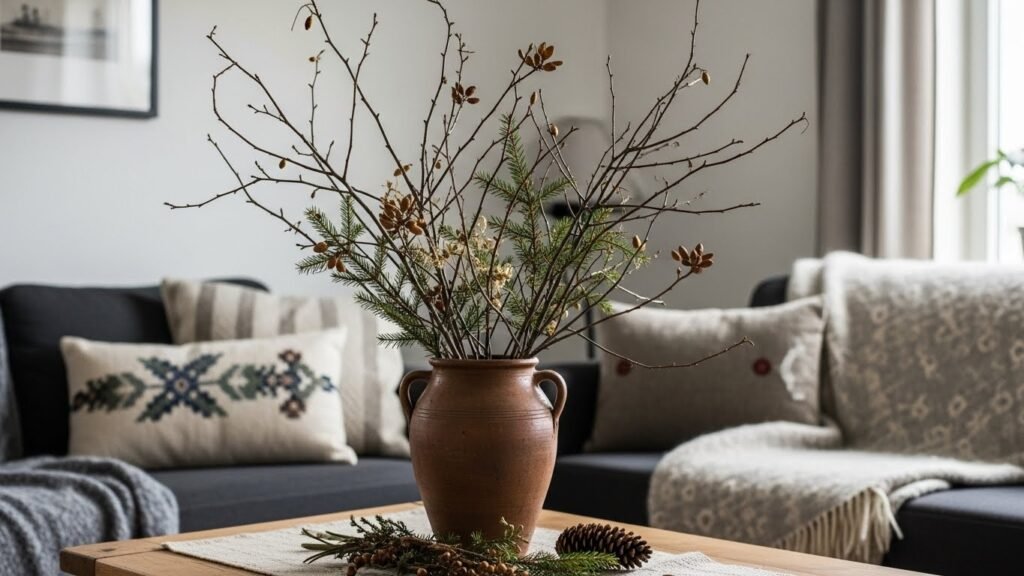
In Scandinavian culture, pyntekvister have held symbolic meaning for generations. Historically, they were used in both decorative and ceremonial contexts. These branches are often associated with the changing of seasons, representing nature’s cycles and the passage of time.
Pyntekvister represent important values such as growth, strength, and resilience. These elements are integral to Nordic living, where nature and the outdoors play a significant role in daily life. By incorporating pyntekvister into modern homes, individuals not only connect with nature but also honor centuries-old traditions that celebrate the beauty of the earth.
The Growing Popularity of Pyntekvister
The Rise of Minimalist and Natural Aesthetics
Pyntekvister have gained significant popularity in recent years due to their alignment with modern minimalist design. This design approach focuses on simplicity and the beauty of raw, organic materials. Pyntekvister fit perfectly into this aesthetic by offering a natural and understated charm that can complement various styles.
The growing interest in biophilic design — the idea of reconnecting interior spaces with nature — has further fueled the popularity of pyntekvister. More people are seeking ways to incorporate elements of nature into their homes to create a calming and balanced atmosphere. Pyntekvister offer an easy way to embrace this trend, as they bring natural textures and forms that evoke a sense of calm.
Eco-Conscious Design and Sustainability
One of the key reasons for the rising popularity of pyntekvister is their eco-conscious appeal. These branches offer a sustainable alternative to synthetic décor materials, such as plastic plants or mass-produced ornamental pieces. Pyntekvister are made from renewable and biodegradable materials, which make them a more environmentally friendly option compared to artificial décor.
Sustainability is an increasing priority for many homeowners, and pyntekvister meet this demand. They can be used year after year without losing their appeal, reducing the need for disposable decorations. This makes them an ideal choice for those looking to adopt a more sustainable approach to home décor.
The Versatility of Pyntekvister in Contemporary Homes
Pyntekvister are incredibly versatile, making them suitable for a wide range of home styles. Whether you have a sleek, modern apartment or a cozy, rustic farmhouse, these branches can be incorporated into your décor.
Pyntekvister are not limited to any one type of interior design. They fit seamlessly into a variety of styles, from minimalist to bohemian and rustic. Their ability to adapt to the changing seasons is another reason for their popularity. In the spring, you can use them with fresh flowers to bring a breath of fresh air into your space. During the colder months, they can be adorned with lights or festive decorations to enhance your holiday décor.
The Philosophy Behind Pyntekvister
A Symbol of Simplicity and Natural Beauty
The philosophy behind pyntekvister is rooted in the Scandinavian principle of simplicity. In Scandinavian design, the focus is on functionality and natural beauty. Pyntekvister exemplify this philosophy by embracing raw, unrefined aesthetics. They highlight the natural beauty of the wood and branches, celebrating the imperfections that make each branch unique.
This minimalist approach creates a sense of calm in the home. When used in décor, pyntekvister add an understated elegance, making them a timeless choice for modern interiors. They do not compete with other elements in the room; instead, they enhance the overall ambiance, bringing a serene and peaceful atmosphere to any space.
The Psychological Benefits of Natural Décor
Incorporating natural elements into home décor has been shown to have psychological benefits. Research in environmental psychology suggests that exposure to nature within indoor spaces can reduce stress, improve mood, and enhance cognitive function.
Pyntekvister, as a part of nature-inspired décor, can foster a deeper connection to the environment. This connection promotes mindfulness and a sense of well-being, which are essential for reducing the pressures of modern life. By surrounding ourselves with nature, even in small ways, we can create a calming environment that enhances our overall mental health and happiness.
Types of Pyntekvister
Natural Branches and Their Varieties
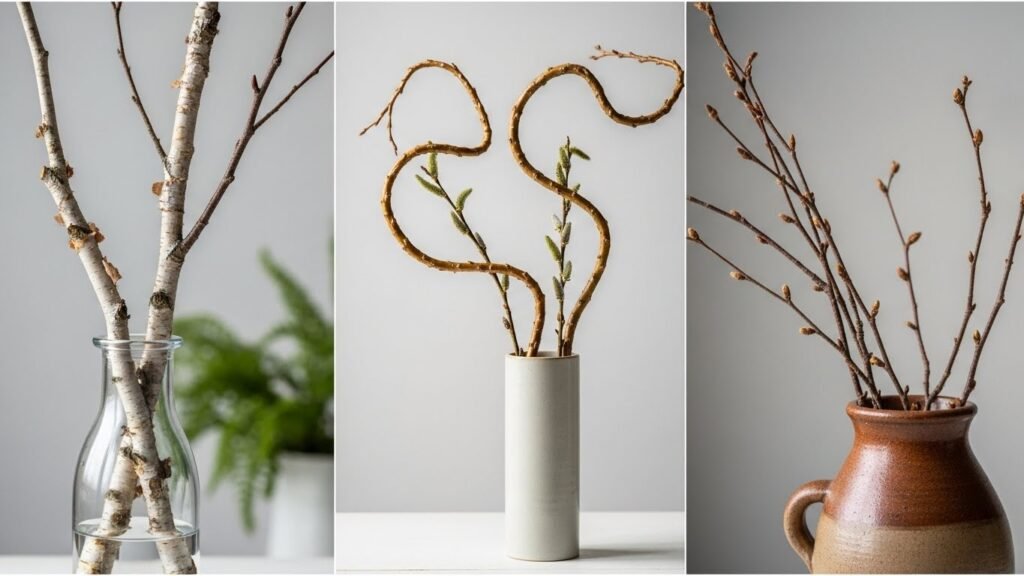
Pyntekvister can be made from various types of wood, each bringing its unique texture and color to the décor. Some of the most popular types of branches include:
- Birch: Known for its light color and smooth texture, birch branches are ideal for minimalist and Scandinavian-inspired interiors.
- Willow: These branches are flexible and can be bent into dynamic shapes, making them perfect for rustic and farmhouse displays.
- Hazel and Cherry: Both offer rich textures that lend warmth and character to traditional and rustic décor. These branches are excellent for adding depth to more classic interior styles.
Painted and Metallic Pyntekvister
For a more contemporary or festive look, pyntekvister can be painted or finished with metallic coatings. These branches are then perfect for creating glamorous or holiday-themed displays.
- Painted branches can be done in a variety of colors, from pastels to bolder hues.
- Metallic finishes like gold, silver, or copper can be added to branches for a modern twist, making them a great addition to a contemporary or elegant home décor style.
LED-Lit and Seasonal Branches
LED-lit pyntekvister are becoming increasingly popular as they add a soft, ambient glow to a room. These branches are often used during the winter or holiday season, when warm lighting is needed to create a cozy atmosphere.
- LED-lit branches are perfect for those who want a low-maintenance yet charming décor option.
- Seasonal branches can be adorned with holiday ornaments or fairy lights, making them ideal for decorating during special occasions or festive periods.
Sculptural and Twisted Branches
Sculptural branches, such as those made from manzanita or grapevine, add a unique, artistic touch to any room. These branches can stand alone as centerpieces or be arranged in artistic shapes.
- Twisted designs bring an extra element of dynamism to the décor, creating a bold statement piece in modern or industrial settings.
- These sculptural branches can be used in a variety of spaces, whether as a decorative art piece in a living room or a dramatic statement in an entryway.
How to Use Pyntekvister in Home Décor
Using Pyntekvister as Focal Décor in Vases and Centerpieces
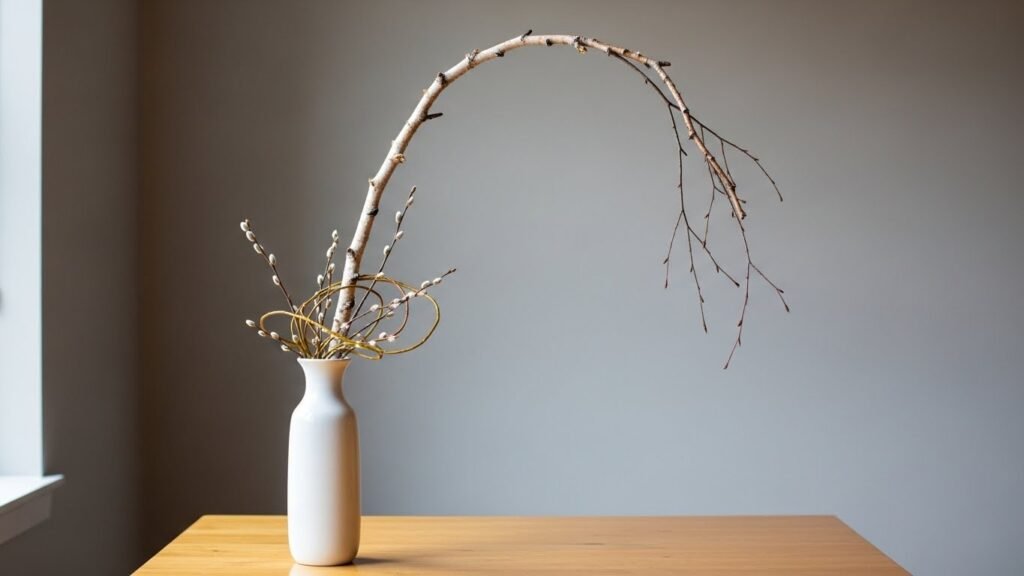
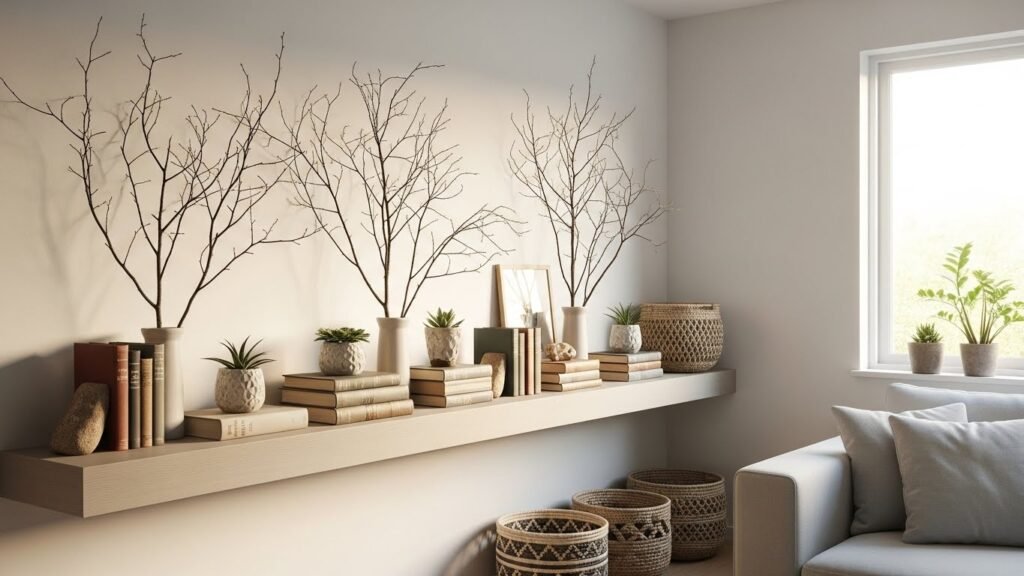
One of the simplest and most effective ways to use pyntekvister in home décor is by placing them in vases or using them as centerpieces. A single branch or a bundle of branches can add a striking focal point to any room.
- Tall vases or containers help accentuate the natural shape and texture of the branches.
- Pyntekvister can be arranged in minimalist containers to highlight their beauty and create a contemporary look.
Combining Pyntekvister with Other Decorative Elements
Pyntekvister pair beautifully with other natural elements, such as dried flowers, seasonal foliage, and ornamental decorations. They can be used to create more dynamic arrangements or simply as part of a larger décor piece.
- Add texture and depth to your arrangements by combining pyntekvister with moss, stones, or pebbles.
- During the holiday season, consider incorporating pinecones, mini pumpkins, or baubles to give a festive feel.
Seasonal and Festive Displays
Pyntekvister are perfect for seasonal décor, as they can be adapted to match any season or holiday.
- Spring: Use soft pastel ribbons, small flowers, or bird ornaments to create a light, airy atmosphere.
- Autumn: Incorporate earthy tones, autumn leaves, and mini pumpkins for a cozy fall look.
- Winter: Paint branches white or silver and decorate with fairy lights or snowflakes.
- Holidays: Decorate with baubles, tinsel, and festive ribbons to create a joyful and inviting display.
Wedding and Event Décor
For weddings or special events, pyntekvister are perfect for creating elegant, natural décor. Use them as centerpieces or pair them with LED lights for a romantic, intimate setting.
- Sculptural branches make stunning table centerpieces and can be integrated into other wedding décor to create a cohesive theme.
- These branches can be used to create a rustic charm in event spaces, while also adding elegance to more modern settings.
DIY Pyntekvister Projects
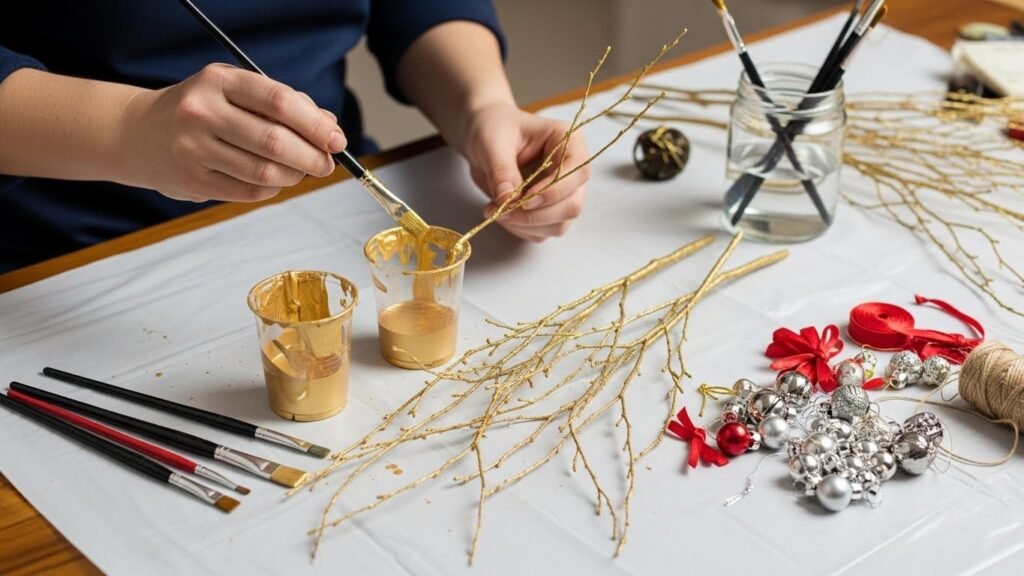
Essential Materials and Tools for Creating Pyntekvister Décor
To start creating your own pyntekvister décor, you will need the following materials and tools:
- Branches: Birch, willow, or manzanita — select branches that vary in length and texture for visual interest.
- Paints: Acrylic paints or metallic finishes for decorating the branches.
- Vases: Glass vases, rustic wooden boxes, or clay pots for display.
- Crafting Tools: Pruning shears, adhesive glue, ribbons, and twine for crafting.
- Embellishments: Dried flowers, tiny ornaments, LED lights, and seasonal items like pinecones.
Step-by-Step Guide to Creating a Pyntekvister Arrangement
- Select and Trim Branches: Choose branches of varying lengths and textures to create a dynamic look.
- Paint or Decorate: Apply paint or add small decorations like ribbons, baubles, or fairy lights.
- Arrange in Containers: Place the branches in a container, balancing the arrangement to create visual interest.
- Add Final Touches: Incorporate seasonal or themed elements like dried flowers, stones, or LED lights.
Tips for Eco-Friendly Sourcing and Sustainability
- Use fallen branches or those naturally pruned to reduce environmental impact.
- Only take what you need and leave the rest to decompose naturally, preserving the balance of nature.
Maintenance and Care of Pyntekvister
- Storage: Keep branches in a dry, cool place to prevent moisture damage.
- Dusting: Use a soft brush to gently remove dust from branches.
- Seasonal Updates: Keep the décor fresh by rotating branches and adding new seasonal embellishments.
Why Pyntekvister Matter in Today’s Design World
Connection to Nature and Mindful Living
Pyntekvister bring a touch of nature indoors, fostering a connection to the environment. This connection helps create a mindful living space where you can relax and reconnect with nature. Their presence promotes mindfulness and a sense of well-being in the home.
The Growing Demand for Sustainable Home Décor
With more people seeking sustainable décor options, pyntekvister provide a low-waste alternative to synthetic and mass-produced décor. They are made from renewable materials and can be reused, making them a long-term, eco-friendly investment in your home.
Blending Tradition with Modernity
Pyntekvister combine Nordic craftsmanship with modern minimalist design. They are both timeless and contemporary, bridging the gap between traditional values and modern aesthetics. These branches add versatility to home décor and ensure that your space remains stylish, functional, and deeply connected to nature.
The Materials Used in Pyntekvister
Common Wood Types and Their Unique Qualities
- Birch: A light-colored wood with smooth texture, perfect for minimalist and Scandinavian-inspired settings.
- Willow: Flexible and bendable, ideal for creating dynamic, flowing designs. It’s often associated with movement and fluidity, making it a popular choice for rustic or bohemian-themed spaces.
- Hazel: Known for its rich texture and beautiful contrast between dark and light tones. Hazel branches are often used in traditional settings, symbolizing wisdom and protection.
- Cherry: With its warm, reddish hue, cherry wood brings a sense of elegance and classic beauty. It’s often used in luxurious rustic or vintage décor themes.
Environmental Considerations in Sourcing
- Sustainable sourcing is a critical aspect of pyntekvister. Using fallen branches or pruned twigs reduces the impact on the environment while preserving the integrity of local ecosystems.
- Many decorators also seek wood from certified sustainable sources, ensuring that the branches are not contributing to deforestation or unsustainable forestry practices.
Different Ways to Incorporate Pyntekvister into Various Interior Styles
Pyntekvister in Scandinavian-Style Interiors
- The Scandinavian design ethos, known for its emphasis on simplicity, functionality, and connection with nature, aligns perfectly with the use of pyntekvister.
- These branches can be placed in neutral-toned vases or hung as wall art to complement light wooden furniture and natural textiles like wool and linen.
Pyntekvister in Bohemian and Rustic Spaces
- In bohemian décor, pyntekvister are often combined with vibrant colors, woven fabrics, and ethnic textiles. Their flexibility makes them ideal for playful, eclectic designs, where they can be decorated with beads, ribbons, and other natural ornaments.
- For a rustic look, branches are often placed in weathered wood vases or arranged with dried flowers, wild herbs, or antique accessories to emphasize the natural beauty of the material.
Modern and Industrial Themes
- In modern industrial décor, pyntekvister can be used as an unexpected yet stylish element that contrasts with raw materials like exposed brick, metal accents, and concrete surfaces.
- Sculptural branches, such as manzanita or twisted grapevine, can serve as focal points in minimalist settings, providing a dynamic counterpoint to the harder, angular elements typically seen in industrial design.
Practical Tips for Using Pyntekvister
Choosing the Right Size for Your Space
- When selecting pyntekvister, it’s important to consider the size of your space. For smaller rooms, choose shorter branches or small bundles to avoid overwhelming the space. For larger areas, long dramatic branches work best as they create a bold visual impact.
Arranging Pyntekvister Creatively
- Clustered branches can create a voluminous look, while scattered arrangements in multiple small vases can add visual interest without overcrowding the room.
- If you want to create a more dynamic arrangement, try using twisted branches or tall branches combined with elements like dried moss or woven rope for texture and depth.
Enhancing the Look with Other Natural Elements
- Pyntekvister can be paired with other natural elements like stones, pinecones, dried fruit, or vintage ornaments to create richer, more intricate designs.
- Incorporate natural elements that complement the colors and textures of your branches to enhance the overall look.
How to Make Your Own Pyntekvister Arrangements
DIY Ideas for Painted Pyntekvister
- Start by selecting sturdy branches like birch or willow. Trim the branches to desired lengths, and then paint them using acrylic paints. You can experiment with various finishes, from matte neutrals to shiny metallics, to match your home décor.
- For a personal touch, add patterns or designs to your branches using paint pens. This technique works particularly well for holiday décor or special events.
Creating Pyntekvister Wreaths and Garlands
- To make a wreath or garland, take long branches of flexible wood, such as willow, and bend them into circular shapes. Secure the ends with floral wire or twine.
- Adorn the wreath with seasonal elements like dried flowers, berries, or ribbons, depending on the season.
Sourcing Materials for Your DIY Projects
- If you want to ensure the sustainability of your pyntekvister arrangements, source branches from local parks or forests. Fallen branches are perfect for creating rustic designs, and they add a touch of nature’s imperfection to your work.
- Always make sure to gather materials in a way that respects the environment, avoiding damage to local ecosystems or wildlife.
Maintenance and Care for Pyntekvister
Keeping Pyntekvister Fresh Over Time
- To preserve the natural beauty of your pyntekvister, avoid water exposure as it can cause the wood to rot or lose its structural integrity. Instead, dust the branches regularly with a soft brush to remove dirt and dust.
- If the branches are painted, store them in a dry place to prevent fading or chipping of the paint.
Seasonal Care and Replacements
- Consider rotating your pyntekvister based on the seasons. For example, replace the winter-themed branches with fresh spring branches once the weather warms up. This rotation will keep your home décor feeling fresh and updated throughout the year.
Conclusion
Pyntekvister are more than just decorative branches; they are a celebration of nature, culture, and timeless design. These versatile and sustainable décor elements bring a unique beauty to any home, offering a deeper connection to the environment. Whether used in minimalist or rustic settings, pyntekvister will continue to enhance interiors with their simple yet profound elegance.
Frequently Asked Questions (FAQs)
What are the best types of branches to use for pyntekvister arrangements?
For pyntekvister, the best types of branches include birch, willow, hazel, and cherry. These types are known for their natural beauty and versatility. Birch is ideal for minimalist décor due to its light color and smooth texture, while willow is flexible and perfect for dynamic designs. Hazel and cherry branches bring rich textures and are perfect for traditional and rustic décor.
How long do pyntekvister last?
Pyntekvister can last for a long time with proper care. Since they are dried branches, they do not require watering or special maintenance. Regular dusting with a soft brush will keep them looking fresh. Painted branches may need touch-ups occasionally, but overall, pyntekvister are low-maintenance and long-lasting when stored and handled properly.
Can pyntekvister be used outdoors?
While pyntekvister are primarily used for indoor décor, some branches like willow and birch can be used outdoors in dry conditions. However, it’s essential to keep them away from extreme moisture or wet environments, as they may deteriorate or rot. If you want to use them outdoors, it’s best to place them in a covered area or under a canopy to protect them from the elements.
How do I choose the right size for pyntekvister in my space?
When selecting pyntekvister for your home, it’s important to consider the size of the space where they will be placed. For smaller rooms, opt for shorter branches or small bundles to avoid overwhelming the space. For larger rooms, long or multiple branches work best to create a more dramatic effect. Pyntekvister can be placed in tall vases or used in centerpieces to add dimension to the room.
Can I mix pyntekvister with artificial plants or flowers?
Yes, pyntekvister can be mixed with artificial plants or flowers to create a unique and eclectic look. They work well with dried flowers, greenery, or other natural elements like pinecones or moss. This combination adds visual interest and texture, creating a dynamic, layered look that feels natural and organic.
How can I incorporate pyntekvister into my holiday décor?
Pyntekvister are perfect for holiday décor. During Christmas, you can decorate them with fairy lights, baubles, or ribbons to create a festive atmosphere. For Thanksgiving and Autumn, add dried leaves, mini pumpkins, or acorns to make them more seasonal. You can also paint the branches in white, gold, or silver to match the winter holidays’ themes.
Can I create a centerpiece with pyntekvister for a wedding or event?
Absolutely! Pyntekvister make stunning centerpieces for weddings or special events. You can place them in elegant vases or glass containers, adorned with flowers, ribbons, or LED lights. The flexibility of willow branches and the sculptural nature of manzanita branches work particularly well as dramatic table arrangements, enhancing the event’s theme with a natural touch.
Are pyntekvister safe for homes with pets or children?
Yes, pyntekvister are safe for homes with pets and children, as they are made from natural materials. However, it’s essential to secure the branches properly in containers or vases to prevent them from tipping over. If your home has pets or young children, be mindful of sharp edges or fragile decorations like ornaments that may be attached to the branches.
Can I use pyntekvister in modern or industrial décor?
Yes, pyntekvister work well in modern and industrial décor. For a contemporary feel, try pairing sculptural branches like grapevine or manzanita with metal accents, concrete, or raw materials like steel and glass. The natural texture of the branches will provide a beautiful contrast to the more polished, hard-edged surfaces typically found in industrial design.
How do I store pyntekvister when not in use?
To store pyntekvister, place them in a dry, cool area to avoid moisture or humidity, which can cause the branches to deteriorate. If the branches are painted, be sure to keep them away from direct sunlight to prevent fading. Store them in a flat, upright position to prevent bending or crushing, and use protective covers or tissue paper to avoid dust buildup.
How can I incorporate pyntekvister into DIY home projects?
Pyntekvister can be used in various DIY projects. You can create wreaths, garlands, or wall art by bending and securing the branches into circular shapes or hanging them across a wall. They can also be painted or decorated with seasonal items to match the theme of your project. Use pruning shears, floral wire, and ribbons to secure and enhance your pyntekvister arrangements.