
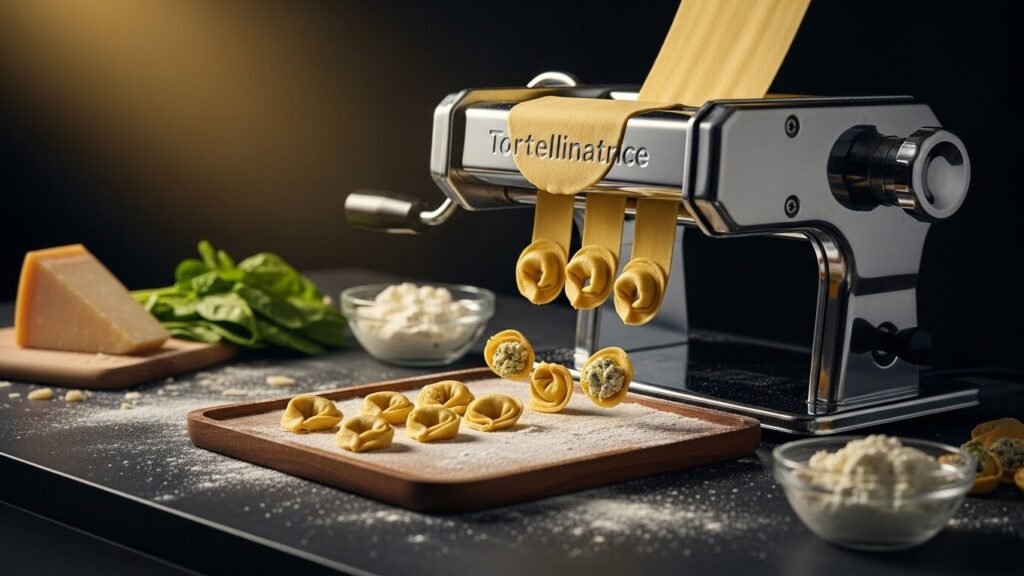
If you love fresh pasta, you have probably spent a lot of time in the kitchen. Making stuffed pasta by hand is a real workout. Most people find it very hard to get the shapes right. This is where the tortellinatrice saves the day. It is a cool machine that makes those tiny rings for you. You do not have to be a pro chef to use it. This tool brings a bit of Italy right to your counter. It is basically the best friend for anyone who craves homemade noodles.
What is a Tortellinatrice?
A tortellinatrice is a special kitchen appliance made just for pasta fans. It helps you create delicious stuffed rings with total ease and speed. The name comes from the Italian word for a tortellini maker. It acts as a bridge between old ways and new tech. You get the taste of the past with the speed of today.
The Bridge Between Eras
For a long time, making stuffed pasta was a slow art form. It was something passed down through many family lines. Now, this machine makes that art available to everyone. You get the same great results without the sore hands. It keeps the heart of Italian cooking alive in modern homes.
Design and Build
These machines are built to last a very long time. Most models use high-quality stainless steel or strong plastic. They can handle the pressure of thick dough every day. The parts are made to stay shiny and clean. You are investing in a tool that stays in the family.
The Evolution of the Tortellinatrice: From Tradition to Technology
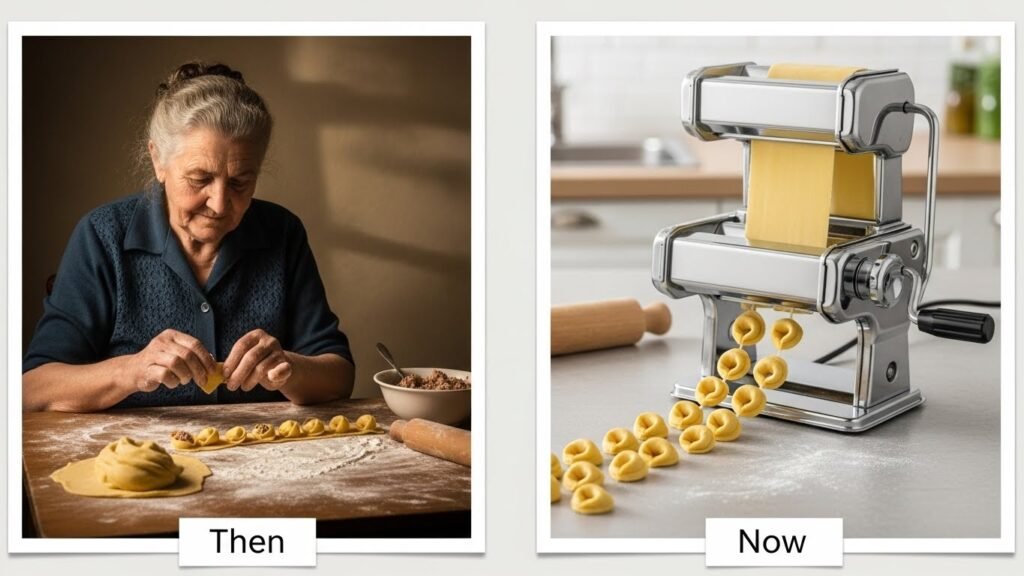
The story of this machine starts way back in old Italy. People have loved stuffed pasta for hundreds of years. But the way we make it has changed a ton. It moved from small kitchens to big factories and back again. This history is what makes the tool so special.
The Era of the Nonna
In the old days, the nonna was the master of the kitchen. She would spend hours rolling and folding dough by hand. Every single piece of pasta was made with huge effort. It was a labor of love for the whole family. This was the only way to get authentic dishes.
Industrial Origins
As the world got busier, people wanted more fresh pasta. Engineers had to find a way to make it faster. They built massive industrial machinery for food factories. These huge machines could make thousands of pieces an hour. This helped restaurants keep up with hungry customers.
The Shift to Home Kitchens
Soon, people wanted that same power in their own homes. Designers shrunk the big factory machines into small gadgets. These new home versions are light and easy to store. They offer the same precision as the giant industrial ones. Now, you can be the master of your own kitchen.
Why the Tortellinatrice is a Must-Have for Pasta Lovers
There are so many reasons to get a tortellinatrice today. It changes the way you think about dinner prep. You can make gourmet meals on a regular Tuesday night. It takes the stress out of fancy cooking. Here is why every pasta lover needs one of these:
- Global Accessibility makes it easy to find these tools anywhere now.
- Consistency and Precision mean every ring looks like it came from a shop.
- Time Efficiency allows you to finish a big batch in just minutes.
- Culinary Creativity gives you the freedom to try weird and fun fillings.
Anatomy of the Machine: Understanding the Parts
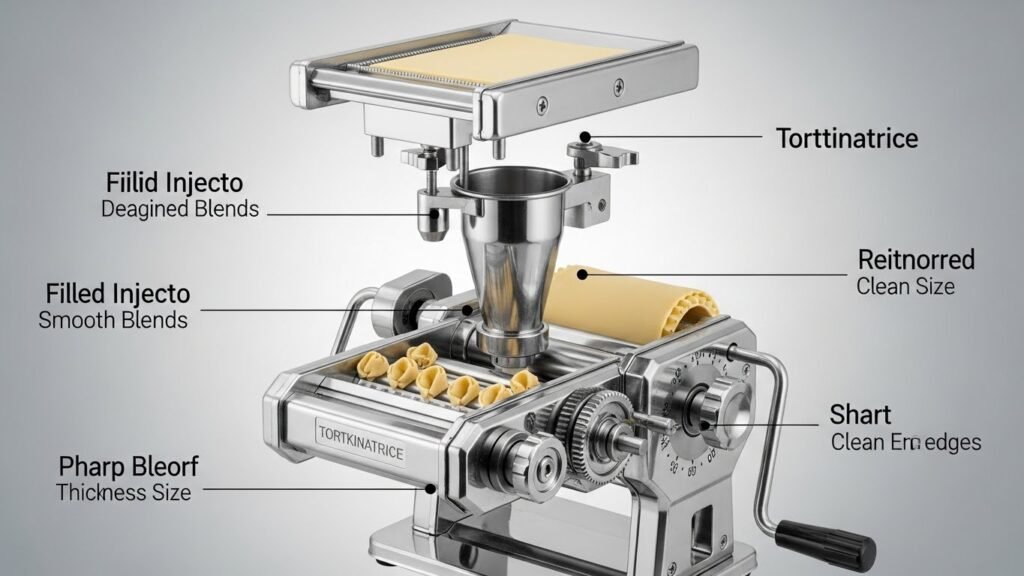
Before you start, you should know how the machine works. It has a few key parts that do the heavy lifting. Each piece has a specific job to perform. Knowing these parts helps you get the best results. It also makes cleaning much easier later on.
- Dough Feeder is where you put your flat sheets of pasta.
- Filling Injector holds the cheese or meat you want inside.
- Shaping Rollers fold the dough into that iconic ring shape.
- Cutting Mechanism trims the edges so they look neat and clean.
- Manual vs. Electric Power lets you choose between a hand crank or a motor.
How the Tortellinatrice Works: A Step-by-Step Process
Using this machine is actually pretty fun and simple. You just need to follow a few basic steps. Once you get the rhythm, you will be a pro. It is a very satisfying process to watch. Here is how you get from dough to dinner:
Preparation Phase
First, you need to make your dough and filling. The dough should be smooth and very elastic. The filling needs to be soft and easy to squeeze. Make sure both are ready before you turn on the machine. This keeps the process moving along very smoothly.
Feeding the Sheets
Roll your dough into thin sheets using a rolling pin. Then, feed these sheets into the dough feeder. Make sure the sheet is centered and straight. This ensures the machine can grab it correctly. You want a nice even flow for the best shapes.
Adjusting the Settings
Most machines have dials for thickness and size. You can choose a thin or a thick bite. Adjust these based on what kind of pasta you want. It is good to test a small piece first. This helps you find the perfect setting for your taste.
The Transformation
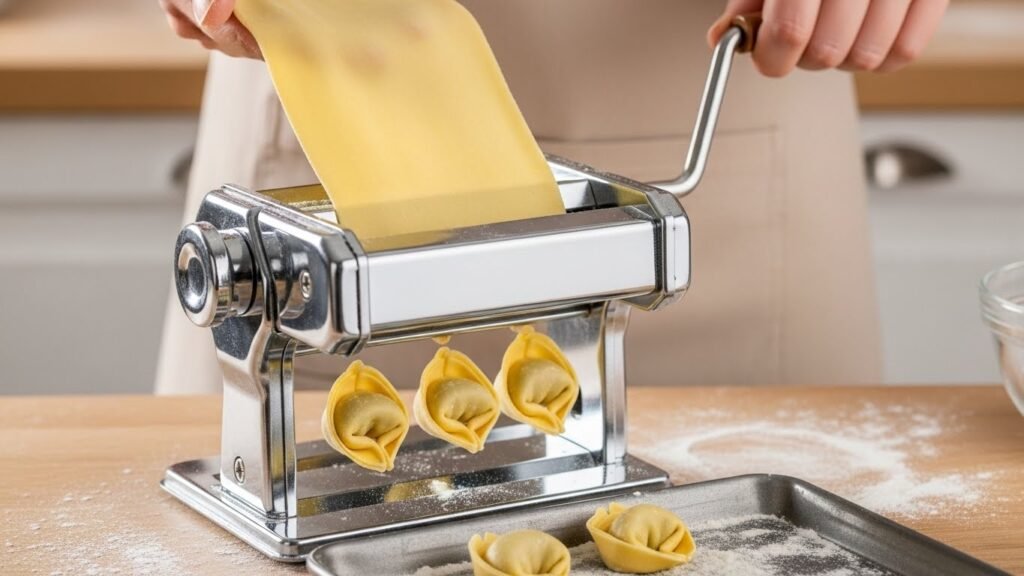
Now comes the part where the magic really happens. As you turn the handle, the machine folds the dough. It injects the filling right into the center. Perfectly shaped rings will start to drop out the bottom. It is amazing how fast it all works.
Versatility: Types of Pasta You Can Create
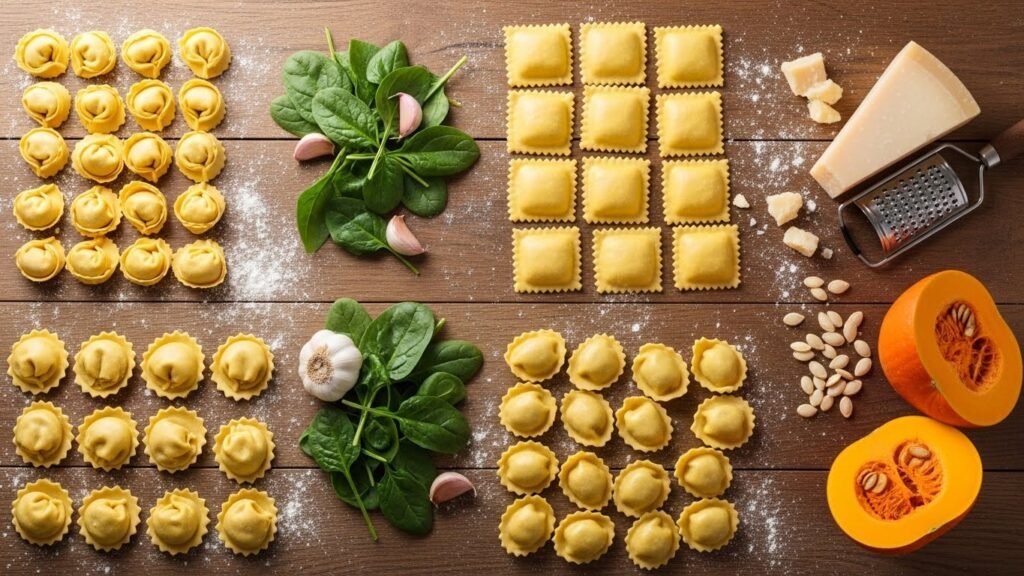
The tortellinatrice is not just for one kind of pasta. It is a very versatile tool for your kitchen. You can make many different shapes with some practice. It opens up a whole world of gastronomy. You will never get bored with your meals.
Beyond the Ring: Other Stuffed Varieties
While tortellini is the star, you can do more. Many machines have parts for other stuffed shapes. You can surprise your guests with something new. It makes every dinner party feel like a big event.
- Ravioli can be made in squares or circles.
- Agnolotti look like tiny, folded half-moon pillows.
- Cappelletti are shaped like little hats for soup.
Non-Stuffed Options
You can also use the machine for flat pasta. The rollers are great for making long noodles. It saves you from having to buy separate tools. You can make a full Italian feast with one gadget.
- Fettuccine and Lasagna Sheets are easy to cut and roll.
- Gnocchi can be made with special potato dough attachments.
- Fusion Potential lets you try making dumplings or wontons.
The Art of the Filling: What Works Best?
The filling is the soul of your stuffed pasta. You want something that tastes great and feels smooth. Chunky fillings can clog up the machine rollers. It is best to stick to soft blends. This makes the injector work without any trouble.
Classic Italian Combinations
You can never go wrong with the classics. These flavors have been loved for ages. They are easy to make at home too. Most use simple ingredients you already have.
- Ricotta and Spinach is a light and healthy choice.
- Ground Pork and Parmesan gives a rich, salty flavor.
- Roasted Pumpkin with nutmeg is perfect for the fall.
- Mushroom and Garlic is great for a deep, earthy taste.
- Mozzarella and Basil offers a fresh, pizza-like vibe.
Tips for Using Your Tortellinatrice Effectively
Getting the best results takes a little bit of practice. You will learn more every time you cook. It is all about how you handle the dough. Small changes can make a huge difference. Here are some pro tips for you:
- Mastering the Dough is key so it does not crack.
- The Importance of Flour means dusting things just the right amount.
- Working in Batches helps you keep control of the speed.
- Thickness Settings should be tested to find your favorite bite.
Comparison: Tortellinatrice vs. Other Pasta Makers
Not all pasta tools are created the same way. Some are better for flat noodles only. Others are made for big factory production lines. The tortellinatrice sits in a very special spot. It is the king of stuffed pasta shapes.
| Feature | Tortellinatrice | Manual Roller | Electric Extruder |
| Stuffed Pasta | Yes, very easy | No, must hand fold | Limited options |
| Speed | Very fast | Very slow | Fastest |
| Skill Level | Easy for anyone | Takes practice | Easy |
| Accuracy | High consistency | Low consistency | Very high |
Practical Considerations for the Buyer
Buying a machine is a big step for cooks. You want to make sure you get value. There are many models on the market now. You should think about your budget and space. Here is what you need to know:
Where to Buy
You can find these tools in many places. Specialty kitchen stores are a great first stop. They often have pros who can show you how they work. Online marketplaces like Amazon have many reviews too. You can compare prices and features very easily.
Cost Analysis
The price varies a lot based on the model. Home models are usually between $100 and $300. These are perfect for most families and hobbies. Commercial models can cost a few thousand dollars. Those are only for big restaurants or factories.
Pros and Cons
Like any tool, it has good and bad points. You should weigh these before you buy. It helps you decide if it fits your life.
- Benefits include high speed and perfect pasta shapes.
- Downsides are the cost and the space it takes up.
Making it a Family Affair: Can Kids Use It?
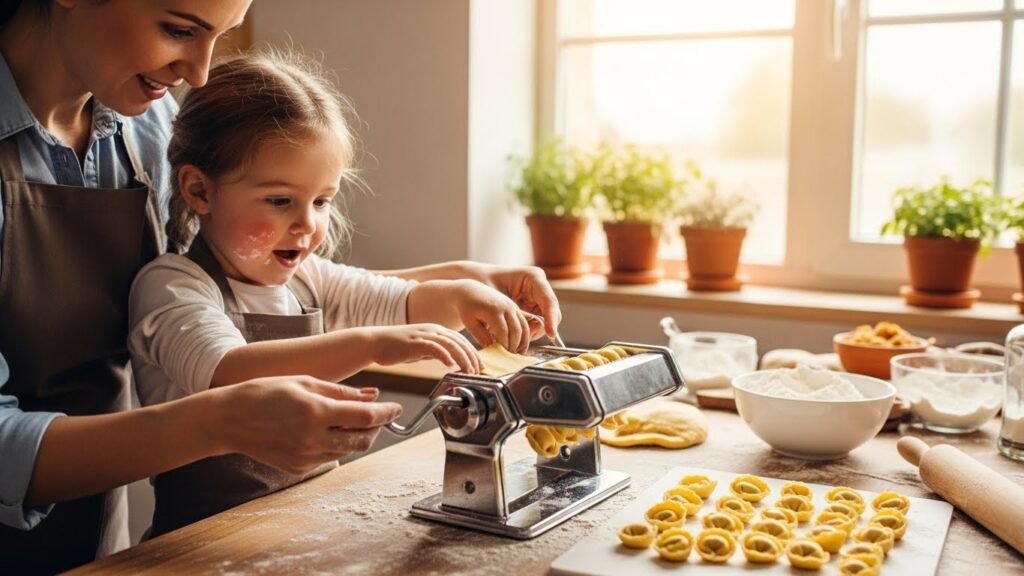
Cooking with your kids is a great way to bond. The tortellinatrice makes this even more fun. It is like a fun toy for the kitchen. Kids love seeing the pasta shapes pop out. It is a memories-making machine for the family.
Educational Benefits
Kids can learn a lot about food and science. They see how dough changes when it rolls. It teaches them about measurements and patience too. They will appreciate their food much more this way. It is a hands-on way to learn skills.
Safety First
You must always watch your kids very closely. The rollers can be dangerous for small fingers. Let them help with the dough or filling. You should be the one to turn the handle. This keeps everyone safe while having big fun.
Maintenance and Long-Term Care
To keep your machine working, you must clean it. Pasta dough can get stuck in small cracks. This can cause the machine to jam later. A little care goes a long way here. It keeps the metal shiny and the gears smooth.
Cleaning Protocols
Never put your machine in a sink of water. Water can rust the metal parts inside. Use a dry brush to flick away flour. A soft cloth can wipe down the outside. This is the safest way to keep it clean.
Storage Tips
Find a dry place to store your machine. Moisture in the air can hurt the gears. Keep it in the box it came in. This protects it from dust and falling items. You want it ready for your next meal.
Impact on the Global Food Industry
This machine changed how the world eats pasta. It made fresh food much more available. Businesses can now serve better quality for less. It has a huge impact on food manufacturing. It brings Italian culture to every single corner.
Restaurant Scalability
Small shops can now compete with big chains. They do not need twenty people folding pasta. One machine can do the work of many. This lets chefs focus on making better sauces. It is a game changer for small businesses.
Modern Trends
We are seeing a rise in fusion recipes. People are using the machine for non-Italian food. You might see spicy pork dumplings made this way. It allows for a mix of many cultures. The food world is getting more exciting.
The Future of Pasta Making
Technology is not stopping anytime soon for pasta. We are seeing new “smart” machines being built. They will be even easier for everyone to use. The future of cooking looks very bright. Here is what is coming next:
Smart Technology
New machines might have touchscreens and apps. They could tell you exactly how much filling. Some might even connect to your phone recipes. This makes it almost impossible to mess up. It is like having a pro chef nearby.
Automatic Detection
Future tools will have sensors for dough thickness. They will adjust the rollers for you automatically. This removes all the guesswork from the process. It will be perfect the very first time. Technology is making gourmet cooking very simple.
Conclusion: Tradition Meets Innovation
The tortellinatrice stands as a truly amazing piece of kitchen gear that successfully simplifies a difficult culinary art. By automating the intricate folding process, it allows modern cooks to keep old traditions alive while meeting the demands of a busy lifestyle. This machine is more than just a tool for food production; it represents a way to share love and craft through high-quality ingredients.
As a modern marvel for the kitchen, it serves as a central point for bringing families together over a warm plate of fresh, homemade pasta. Whether you are a professional chef or a home enthusiast, the tortellinatrice offers a unique blend of efficiency and authenticity. Embracing this technology allows you to start an exciting pasta journey that honors the past while looking toward the future of cooking.
Frequently Asked Questions
What is the origin of the word tortellinatrice?
The word is derived from the Italian “tortellini” (the pasta shape) and the suffix “-trice,” which is used in Italian to denote a female agent or a machine that performs a specific action. It literally translates to “a machine that makes tortellini”.
Can I use store-bought dough in a tortellinatrice?
While you can use store-bought sheets, they are often too dry or contain preservatives that prevent the machine from sealing the edges properly. For the best results, fresh homemade dough with high elasticity is recommended to ensure the machine can fold and press the shapes without tearing.
Is it possible to make gluten-free pasta with this machine?
Yes, you can make gluten-free pasta, but the dough requires a binding agent like xanthan gum to mimic the elasticity of gluten. Without this elasticity, the shaping rollers may cause the dough to crumble during the folding process.
How do I prevent the filling from leaking out during cooking?
Leaking usually happens if the filling is too watery or if the dough edges are too floured to stick together. Ensure your filling is thick and creamy, and keep the edges of the dough slightly tacky so the machine can create a tight seal.
What is the average production speed of a home model?
A standard home-use tortellinatrice can typically produce dozens of pieces in just a few minutes, which is significantly faster than the manual hand-folding method. This efficiency makes it ideal for preparing meals for large families or dinner parties.
Do I need to use a specific type of flour?
Italian “00” flour is the gold standard because it is finely ground and creates a very smooth, flexible dough. High-protein bread flour can also work, but it may require more resting time to prevent the dough from snapping back during feeding.
How do I know if my dough is too dry for the machine?
If the dough feels brittle, shows cracks when rolled, or fails to seal around the filling, it is likely too dry. You can fix this by kneading in a small amount of water or an extra egg yolk before feeding it into the machine.
Can the machine handle chunky meat fillings?
Most injectors are designed for smooth or finely ground fillings to prevent clogs. If you want to use meat, ensure it is ground very finely or pulsed in a food processor into a paste-like consistency.
Why is my pasta sticking to the shaping rollers?
Sticking is usually caused by dough that is too wet or a kitchen environment that is too humid. Lightly dusting the dough sheets with flour before feeding them into the machine can help, but avoid using too much as it prevents the pasta from sealing.
Is a manual crank better than an electric motor?
A manual crank offers more control over the speed, which is great for beginners learning the rhythm of the machine. An electric motor is better for high-volume production but requires faster coordination to keep up with the automated feeding.
Can I make vegan pasta without eggs in this machine?
Yes, vegan dough made with semolina and water can work, provided it is kneaded long enough to develop sufficient strength. However, egg-based doughs are generally easier to use in a tortellinatrice because the fat from the yolks adds extra pliability.
How long does the pasta need to dry after coming out of the machine?
Stuffed pasta should be cooked immediately or frozen. If left to dry at room temperature for too long, the moisture from the filling can seep into the dough and make it soggy or cause it to break.
Can I change the size of the tortellini on one machine?
Many models come with adjustable settings or interchangeable rollers that allow you to switch between smaller “tortellini” and larger “tortelloni”. Always check the manufacturer’s manual to see which specific sizes your model supports.
What is the best way to store fresh pasta made with the machine?
The best method is to “flash freeze” the pieces on a baking tray for an hour before transferring them to a sealed bag. This prevents the individual rings from sticking together in the freezer.
Do commercial machines require special electrical outlets?
Small commercial units often run on standard 110V or 220V outlets, but very large industrial food factory models may require three-phase power. Home models always use standard household electricity.
Can the machine be used to make sweets?
Some creative cooks use the machine to make dessert pasta by adding cocoa to the dough and filling it with sweetened ricotta or chocolate hazelnut spread. Ensure the filling is smooth enough to pass through the injector.
How often should the internal gears be lubricated?
For most high-quality stainless steel home models, the gears are sealed and do not require regular oiling. However, if the machine begins to squeak, a tiny drop of food-grade mineral oil on the moving joints can help.
Does using a machine change the taste of the pasta?
The machine does not change the flavor, as that depends entirely on your ingredients. However, it does change the “mouthfeel” because the machine creates a very uniform thickness that is difficult to achieve by hand.
Are there any safety locks on electric models?
Most modern electric machines feature “dead-man” switches or sensors that stop the rollers if the safety guard is lifted. This is an important feature, especially in busy commercial kitchens.
Is it hard to find replacement parts for a tortellinatrice?
Parts for major brands are usually available through online marketplaces or the manufacturer’s website. Because these machines are made of durable materials, you rarely need to replace parts other than the occasional cutter or roller spring.