
Choosing a toilet is a huge deal for your home comfort. Most people do not think about seat height until they sit down. The right height makes a big difference in how your body feels every day. This guide helps you pick the best fit for your bathroom and family. We will look at how toilet height affects your health, home value, and safety.
Toilet standards have changed a lot over the last few decades. In the past, almost every home had the same short toilet model. Now, we have new rules like the Americans with Disabilities Act to help everyone. These rules created a demand for taller toilets that are easier to use. Modern bathrooms now focus on being accessible and comfortable for all ages.
Picking the right height is about more than just a quick fix. It is an investment in your future and your home’s worth. A good choice prevents pain in your knees and back over time. It also makes your home more attractive to buyers later on. Let’s dive into what is comfort height toilet and why it might be right for you.
Comfort Height Toilets (Chair Height / Right Height)
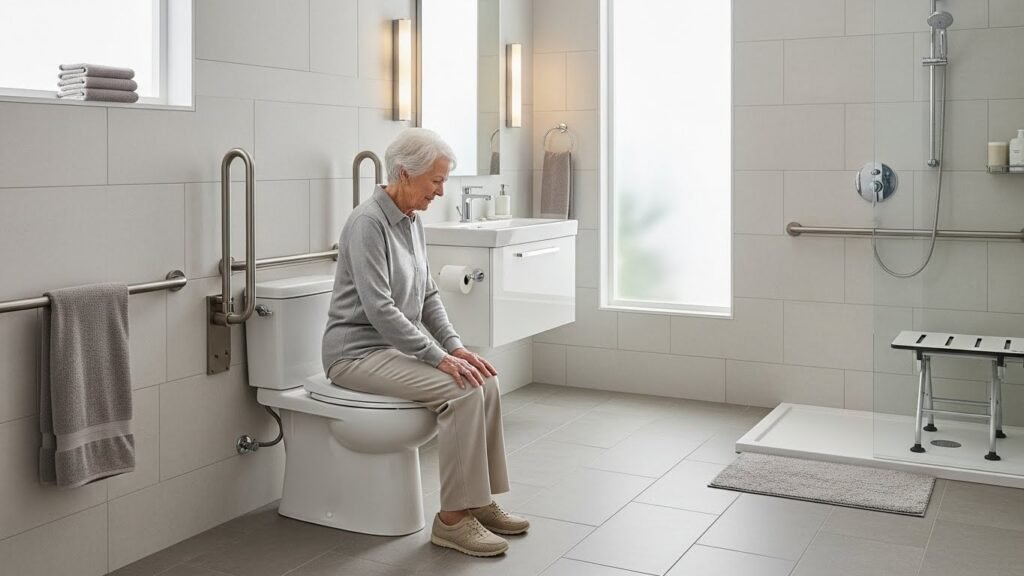
If you are wondering what is comfort height toilet, it is basically a taller throne. These toilets are designed to feel like sitting in a regular chair. This makes them very popular in modern bathroom remodels today. They provide a much different experience than the older, shorter models we grew up with.
Key Characteristics and Measurements
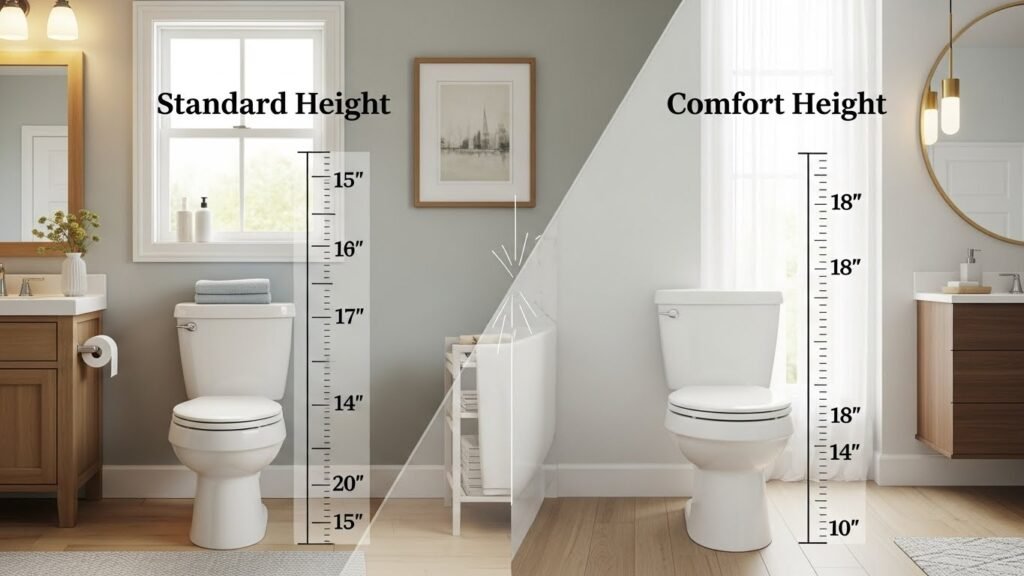
- Standard measurements: These toilets measure between 17 to 19 inches from the floor to the seat.
- Terminology: You might hear them called chair height, right height, or universal height.
- Design Philosophy: The goal is to match the height of a standard dining room chair.
- Shape Options: They come in elongated bowl or round bowl designs to fit your space.
Pros and Advantages
- Accessibility and ADA Standards: These toilets meet the Americans with Disabilities Act rules for public spaces.
- Joint and Muscle Relief: The extra height means you do not have to squat as low to sit.
- Ideal for Taller Individuals: People with long legs find these much more comfortable than short toilets.
- Aging-in-Place: They help seniors stay independent in their homes for a longer time.
- Resale Value: An ADA-compliant bathroom is a major selling point for many home buyers.
- Cost Considerations: Many models are actually cheaper than standard versions due to high demand.
Cons and Potential Drawbacks
- Challenges for Shorter Users: If you are short, your feet might not touch the floor while sitting.
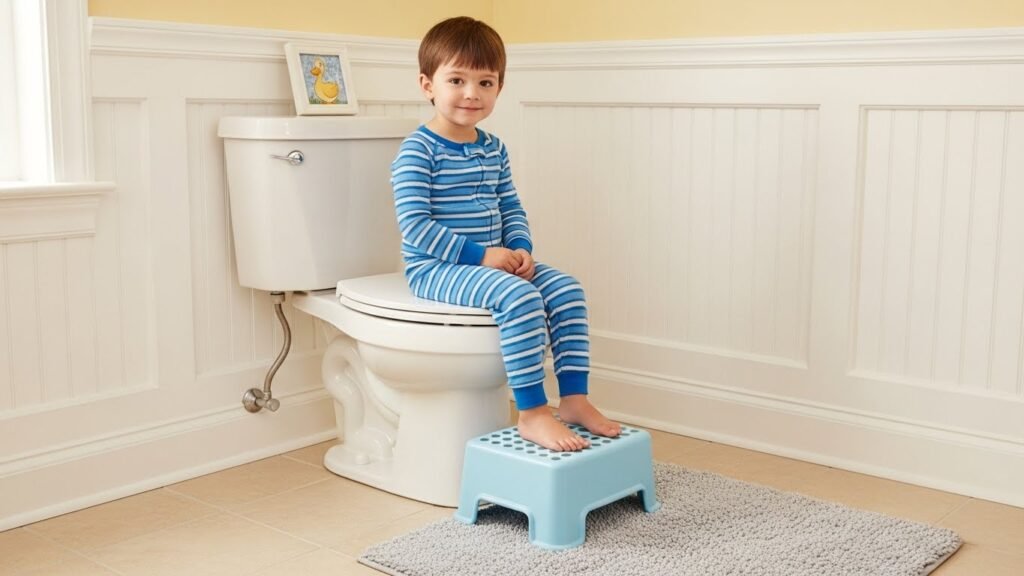
- Pediatric Limitations: Young children often struggle to climb up onto a taller toilet seat.
- Biological and Digestive Impact: Sitting higher up can make it harder for some people to go to the bathroom.
- Circulation Issues: Dangling legs can sometimes cause a tingly feeling or poor blood circulation.
Standard Height Toilets (Traditional Height)
Standard height toilets are the classics you see in many older homes. They sit lower to the ground than the newer chair height versions. While they are not as tall, they still have a place in many bathrooms. Some people prefer them for health reasons or because of who lives in the house.
Key Characteristics and Measurements
- Standard measurements: These measure between 15 to 16 inches from the floor to the top of the seat.
- The 15-inch Benchmark: For a long time, 15 inches was the absolute standard for every toilet made.
- Compact Design: Because they are shorter, they can sometimes feel less bulky in a tiny bathroom.
Pros and Advantages
- Family-Friendly Design: Toddlers find it much easier to use a shorter toilet during potty training.
- The Squat Factor: A lower seat puts your body in a natural squatting position for better health.
- Shorter User Comfort: Petite adults can keep their feet flat on the ground for better balance.
- Postural Benefits: The lower height is often better for your internal organs during use.
Cons and Potential Drawbacks
- Mobility Barriers: It is much harder for someone with bad knees to get up from a low seat.
- Transferring Challenges: Moving from a wheelchair to a low toilet can be very dangerous.
- Physical Strain: You have to use a lot more leg and back strength to stand up every time.
- Knee Strain: The deep bend required can be painful for anyone with arthritis or joint pain.
Comparing the Two: Side-by-Side Analysis
Choosing between these two depends on your specific needs and your home layout. Both have their own sets of perks and issues to think about. It is smart to compare them directly before you spend any money on plumbing. Let’s look at how they stack up in a real-world setting.
| Feature | Comfort Height | Standard Height |
| Floor to Seat Height | 17 to 19 inches | 15 to 16 inches |
| Best For | Seniors, Tall People, ADA Needs | Children, Petite Adults |
| Health Focus | Joint and Back Comfort | Digestive Health and Posture |
| Market Name | Chair Height / Right Height | Traditional / Standard |
Installation and Technical Requirements
- Rough-In Measurements: Both toilet types usually fit the same 12-inch standard plumbing hole in the floor.
- Maintenance Similarities: You will fix leaks and flappers the same way on both models.
- Space Considerations: Comfort height models might feel a bit bigger in a very cramped room.
- Bowl Types: You can get both in one-piece toilet or two-piece toilet styles.
Cost and Market Availability
- Pricing Trends: Prices are usually very similar for both, but comfort height is often mass-produced more.
- Style and Finish Options: You can find both in white, biscuit, or even bold black colors.
- Flush Technologies: High-efficiency flushing systems are available for both heights to save water.
- Brand Choices: Every major brand makes both heights to give you plenty of options.
Choosing the Right Toilet for Your Home
The right choice depends on who lives in your house right now. You should also think about who might visit your home often. Your bathroom is one of the most used rooms in the whole house. Making a smart choice now saves you from a headache later on.
Life Stage and Household Demographics
- Growing Families: If you have little kids, a standard height toilet is safer and easier.
- Aging Families: Seniors will almost always prefer a comfort height toilet for safety.
- Guest Bathrooms: A taller toilet is usually better for guests of all ages and sizes.
- Multi-Generational Homes: You might want one of each height in different bathrooms.
Health and Ergonomic Factors
- Chronic Pain and Conditions: Comfort height is the winner for anyone with arthritis or back pain.
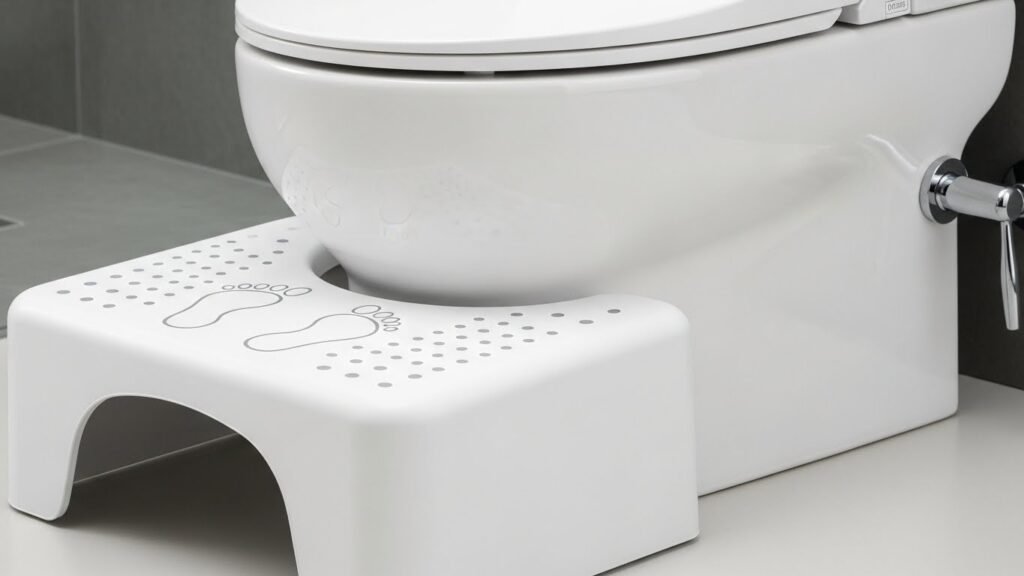
- The Squatting Posture Debate: If you want a tall toilet but need a squatting position, use a stool.
- Physical Limitations: Consider if anyone in the house has trouble with balance or leg strength.
- Circulation and Numbness: Make sure the primary user’s feet can touch the floor to stay comfortable.
User Experience and Testing
- The Showroom Test: Go to a store and actually sit on different toilets before buying one.
- Assessing Primary Users: Measure the height of the people who will use that bathroom the most.
- Foot Placement: Check if your feet sit flat or if you feel pressure under your legs.
- Ease of Standing: Notice how much effort it takes to get up from each height.
Professional Recommendations and Final Considerations
It is always a good idea to talk to a pro before you swap out a toilet. They can check your floor and pipes to make sure everything fits right. A professional plumbing service can help you avoid messy leaks during the install. They know all about the latest bathroom fixtures and home value trends.
Future-Proofing Your Renovation
- Aging-in-Place: Think about how your needs might change over the next ten years.
- Home Value: Improving accessibility is a great way to boost your home’s resale price.
- Universal Design: Try to make your bathroom work for everyone regardless of their age.
- Quality Fixtures: Invest in a good soft-close seat to add even more comfort to your choice.
Final Thoughts on Choosing Your Ideal Toilet Height
In conclusion, both toilet heights offer distinct advantages that cater to different household needs. If your primary goals are ease of movement, accessibility, and long-term joint protection, a comfort height model is likely the best investment for your home. Conversely, if you have a young family or prioritize a more natural biological posture for digestive health, the standard height toilet remains a classic and effective choice.
Since your bathroom is one of the most frequently used rooms in your house, making a smart, informed decision now will save you from physical discomfort and potential renovation headaches later on. It is always recommended to test different models in a showroom and consult with a professional plumbing service to ensure your new fixture fits your space and your lifestyle perfectly. By considering the needs of all family members and thinking about future-proofing your home, you can select a toilet that provides comfort and utility for many years to come.
Frequently Asked Questions
What is the difference between a one-piece and a two-piece comfort height toilet?
A one-piece model has the tank and bowl molded into a single unit. Two-piece models are more common and feature a separate tank bolted to the bowl. One-piece units are easier to clean but often cost more.
Does a comfort height toilet require a different wax ring for installation?
No, the height of the toilet does not change the connection to the floor. You use a standard wax ring or a foam gasket based on your floor flange height. The plumbing footprint remains the same as a standard model.
Can a comfort height toilet fit in a small powder room?
Yes, you should look for a compact elongated bowl or a round bowl design. These designs save floor space while still providing the extra height you need. Measure your “rough-in” distance to ensure it fits the wall.
Is there a “right height” toilet for people over six feet tall?
People of taller stature often prefer the 19-inch maximum height. This prevents the knees from being higher than the hips while sitting. It offers a much more ergonomic experience for very tall users.
How do I measure my current toilet to see if it is standard or comfort height?
Take a measuring tape and measure from the floor to the top of the porcelain rim. Do not include the thickness of the seat in this initial measurement. If it is 15 inches or less, it is likely a standard height model.
Are wall-hung toilets considered comfort height?
Wall-hung toilets are adjustable during the installation process. The plumber can set the mounting bolts at a height that meets ADA standards. This makes them the most customizable option for seat height.
Does the flushing system change because the toilet is taller?
The height of the bowl does not affect the gravity-fed flushing system. Most modern toilets of both heights use the same internal valves and handles. Water pressure and flush power depend on the brand and model, not the height.
Will a soft-close seat work on a comfort height toilet?
Yes, soft-close seats are compatible with any toilet bowl shape. You just need to ensure the seat matches the “round” or “elongated” shape of your bowl. These seats add safety by preventing fingers from getting pinched.
Is the Accessible Canada Act (ACA) different from the ADA for toilets?
Both acts focus on creating accessible environments for people with disabilities. The height requirements for toilets in Canada are very similar to those in the USA. Most manufacturers design their “comfort” models to meet both standards.
Can I use a toilet riser if I cannot afford a new comfort height toilet?
A toilet riser is a plastic piece that sits on top of your existing standard bowl. It provides the extra inches needed for mobility issues without replacing the fixture. While functional, it is often seen as less aesthetically pleasing than a new toilet.
Are there round-front comfort height toilets?
Yes, while many comfort height models are elongated, round-front versions exist. Round bowls are ideal for very tight spaces where every inch counts. They provide the extra height without sticking out too far into the room.
Do comfort height toilets cause more splashing?
There is no evidence that seat height affects splashing during use or flushing. Splashing is usually related to the bowl design and the water level in the trap. Choosing a high-quality brand can minimize these issues.
Is it harder for a plumber to install a comfort height toilet?
The installation process is exactly the same as a standard height toilet. The plumber aligns the bowl with the floor flange and secures the bolts. Because they are taller, they can sometimes be slightly heavier to lift.
Does a comfort height toilet increase the home’s appraisal value?
While a single toilet may not jump the price, it contributes to “universal design”. Appraisers look for modern, accessible bathrooms in home valuations. It makes the home more attractive to a wider range of buyers.
Are dual-flush options available for comfort height toilets?
Many manufacturers offer dual-flush technology on their comfort height models. This allows you to choose a lower volume flush for liquids and a full flush for solids. It is a great way to save water while keeping the higher seat.
Can children use a comfort height toilet safely?
Children can use them, but they may need a sturdy step stool to reach the seat. Without a stool, their legs may dangle, which can make them feel unstable. For a dedicated kids’ bathroom, standard height is usually better.
Is the “Right Height” name trademarked?
“Right Height” is a specific term used by certain brands like American Standard. Other brands use terms like “Comfort Height” (Kohler) or “Universal Height” (TOTO). They all generally refer to the same 17 to 19-inch measurement.
Does a comfort height toilet take up more room?
The vertical height is more, but the “footprint” on the floor is usually the same. It will not stick out further from the wall unless you choose an elongated bowl over a round one. It is the bowl shape, not the height, that affects floor space.
Is a back-to-wall toilet available in comfort height?
Yes, back-to-wall toilets, where the back of the toilet sits flush against the wall, come in taller versions. These are popular in modern bathroom designs because they hide the pipes. They offer a sleek look with the benefits of ADA height.
Why do some people say taller toilets cause constipation?
Some health experts believe the human body is designed to squat while eliminating. A taller seat prevents the knees from being tucked up, which can straighten the colon less effectively. Using a toilet stool with a comfort height toilet can solve this problem.