 Skip to content
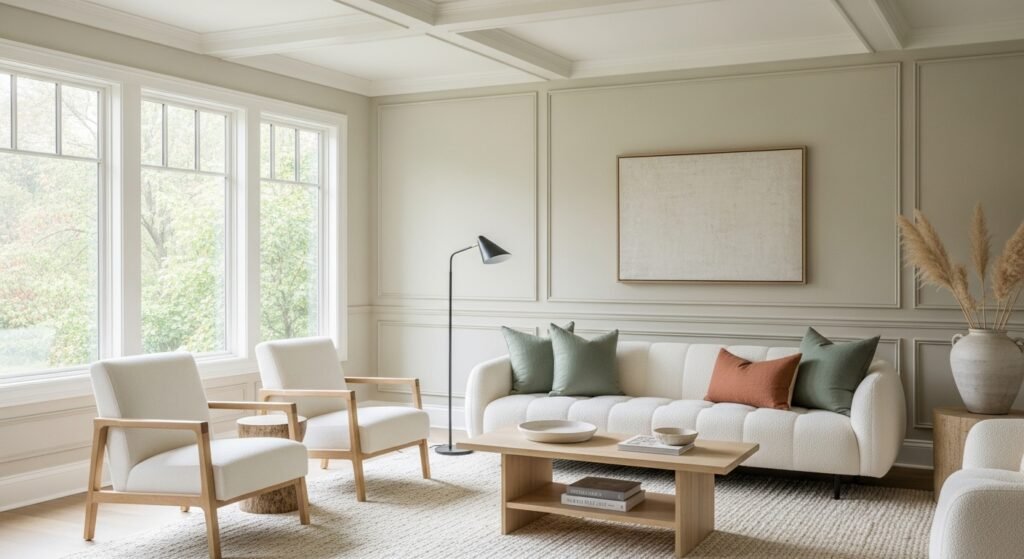
Choosing the right paint color can feel like a huge chore. You want something that looks fresh but also feels cozy. Sherwin-Williams Neutral Ground is that perfect middle player. It is often called a dark white or a very light beige. This color acts as a bridge between different neutral styles. It helps your home feel put together without trying too hard.
The sw neutral ground paint color is a total game-changer for modern homes. It fits right into the organic modern trend that everyone loves. Many people are moving away from cold grays and towards warmer tones. This shade gives you that warmth without looking too yellow. It is sophisticated yet very simple to use in any room.
Introduction to Sherwin-Williams Neutral Ground
Neutral Ground is a versatile color that works almost anywhere. It is not quite white, but it is not a heavy tan either. Design pros love it because it bridges the gap between categories. It keeps a room feeling bright while adding a touch of soul. You get the best of both worlds with this specific shade.
- Dark White Identity: It has enough pigment to stand out against white trim.
- Light Beige Feel: It provides a sandy warmth that feels very natural.
- Versatile Nature: This color works in kitchens, bedrooms, and even on house exteriors.
- Bridge Color: It connects cool accents with warm wooden floors perfectly.
The trend of “Sophisticated Simplicity” is all about using colors like sw neutral ground. This movement focuses on quality over quantity in design. It uses soft neutrals to create a calm backdrop for your life. SW 7568 is a top pick for this look. It makes a space look expensive but also very approachable.
Understanding the Technical Profile

To really know a paint, you have to look at the numbers. The Light Reflectance Value, or LRV, tells you how bright it is. Neutral Ground has an LRV of 70. This means it reflects a good amount of light back into the room. It sits right on the edge of the off-white and light neutral scale.
- Bright Reflection: An LRV of 70 keeps a room from feeling like a dark cave.
- Body and Depth: Unlike a true white, this color has enough “meat” to it.
- Washout Resistance: It holds its color even in very bright, sunny rooms.
- Scale Position: It is deeper than Alabaster but lighter than Accessible Beige.
The RGB and Hex Code Breakdown
Every paint color is made of a mix of red, green, and blue. For Neutral Ground, these values are fairly balanced but lean warm. This balance is why it feels so stable on the wall. It does not shift wildly like some other complex neutrals. The hex code is #E2D8C9, which shows its sandy composition.
- Red Value: High red content provides the initial sense of warmth.
- Green Value: A strong green presence keeps the red from becoming pink.
- Blue Value: Lower blue levels ensure the color stays out of the “cool” zone.
- Visual Weight: The mix creates a solid feel that grounds a large room.
Comparison to the “True White” Baseline
When you put a sw neutral ground next to a pure white, you see the difference. It is what experts call a chroma-heavy off-white. This means it has a lot of “color” in it compared to a flat white. This extra pigment is what gives it that “khaki” or “putty” vibe. It is meant to be a contrast to your white ceilings.
The Complex Undertones of Neutral Ground
Undertones are the hidden colors that pop out in certain lights. Neutral Ground is famous for its khaki and beige base. This gives it an earthy feel that feels grounded. It reminds many people of natural linen or soft sand. It is much more organic than a traditional yellow cream.
- Khaki Foundation: The primary undertone is a soft, light khaki.
- Earthiness: It feels like something you would find in nature.
- Anti-Yellow: It avoids the “butter” look that some warm whites have.
- Muted Tone: The color stays soft and does not become too loud.
The Subtle Green-Gray Influence
The secret sauce of sw neutral ground is the green-gray hint. This is the “greige” part of the color formula. This tiny bit of cool color balances out the warm khaki. It makes the paint look more modern and less dated. It keeps the beige from looking too “old-school”.
- Modern Greige: The green-gray mix creates a trendy, updated look.
- Neutralizer: It stops the beige from becoming too orange or pink.
- Organic Vibe: This mix mimics the colors of stone and dried grass.
- Subtle Balance: The cool and warm parts work together for a clean finish.
Identifying the “Flash” Undertones
Sometimes you might see a sudden “flash” of a specific color. In certain rooms, you might notice a quick hint of green or gray. This usually happens when the sun hits it at a specific angle. It is not a bad thing; it just shows the color’s depth. Knowing this helps you plan your furniture colors.
The Impact of Lighting on Neutral Ground
Light is the most important thing to consider with a sw neutral ground. In north-facing rooms, the light is usually cool and a bit blue. This type of light will pull out those gray and green tones. The color might look a bit more “stony” or muted here. It will still be warm, but it will feel more like a light taupe.
- Cool Influence: Blue light makes the khaki look more like a gray-beige.
- Low Light Depth: In dark rooms, it holds its own and does not look muddy.
- Muted Appearance: It loses a bit of its “glow” in northern exposures.
- Stony Feel: The color looks a bit more solid and architectural.
South-Facing and Afternoon West Light
South-facing rooms get a lot of warm, golden sunlight. This light makes the sw neutral ground truly shine and glow. The warmth of the khaki becomes very prominent. In some cases, very intense sun can make it “wash out”. It might look like a simple off-white instead of beige during high noon.
- Golden Glow: The color feels very cozy and sunny in southern light.
- Washout Risk: Be aware that it can look very light on bright days.
- High Warmth: The beige tones are most obvious in this lighting.
- Inviting Energy: It makes a room feel very cheerful and open.
East and West Light Shifts
East-facing rooms are warm in the morning but cool in the evening. West-facing rooms are the opposite, getting very warm in the late afternoon. Neutral Ground will shift its personality throughout the day. It might look like a crisp off-white at breakfast and a cozy beige at dinner. This makes the color interesting and never boring.
- Morning Warmth: East light brings out the glow early in the day.
- Late Day Muting: Afternoon shadows in east rooms bring out the gray.
- Golden Hour: West light in the evening makes the khaki look rich.
- Shadow Play: In the corners, the color looks deeper and more like a true neutral.
Artificial Lighting Considerations
The lightbulbs you choose also change how sw neutral ground looks. Cool white LED bulbs (5000K) can make it look a bit flat or greenish. Soft warm bulbs (2700K) will make the beige feel very yellow. Most designers suggest a middle ground like 3000K or 3500K. This keeps the khaki looking natural and fresh.
- LED Choice: Aim for 3000K bulbs to keep the color balanced.
- High CRI: Use bulbs with a high Color Rendering Index to see the real tones.
- Smart Lighting: Changing your bulb color can shift the wall from day to night.
- Halogen Heat: Older halogen bulbs will make the color look much warmer.
Psychological Impact and Room Atmosphere
Colors change how we feel when we walk into a room. Neutral Ground is known for making people feel calm and grounded. Because it has earthy khaki tones, it feels very stable. It is a great choice for a home office or a relaxing living room. It takes away the stress of a busy day.
- Relaxation: The soft tones help lower the energy in a good way.
- Stability: Earthy colors make a house feel like a permanent home.
- Focus: It provides a neutral backdrop that does not distract you.
- Nature Connection: The sandy hues remind our brains of the outdoors.
Promoting Warmth Without Clutter
Some warm colors can feel very heavy and “busy”. The sw neutral ground shade is light enough to keep things feeling open. It creates “visual space”, which helps small rooms feel larger. You get the cozy vibe of a dark color with the airy feel of a light one. It is the ultimate tool for a clean but warm home.
- Visual Air: High LRV helps reflect light and open up tight spots.
- Cozy Minimalism: It fits the “less is more” style without being cold.
- Open Feel: Walls seem to recede rather than close in on you.
- Lighter Atmosphere: It keeps a home feeling upbeat and positive.
The “Lived-In” Feel vs. Stark Minimalism
Modern whites often feel cold, like a hospital or a quiet art gallery. The sw neutral ground shade feels more human and lived-in for your daily life. This color has a warm soul that pure white simply cannot match. It also hides dust and typical wear much better for busy families with pets.
- Human Element: The warmth makes a space feel inhabited and loved.
- Practicality: It is more forgiving than a stark, bright white wall.
- Comfort Factor: It makes you want to sit down and stay a while.
- Authenticity: The color feels real and honest, not clinical.
Room-by-Room Application Guide
Using a sw neutral ground in your living room is a very smart move. It works perfectly as a whole-house color because it is so flexible. You can pair it with natural wood coffee tables and linen sofas. It also looks great with stone fireplaces and woven rugs. It ties all your different furniture pieces together into one look.
- Cohesive Backdrop: It makes different rooms feel connected.
- Texture Pairing: It highlights the beauty of natural wood grains.
- Rug Coordination: Works well with jute, sisal, or wool rugs.
- Furniture Versatility: Looks great with both dark leather and light fabric.
Kitchens and Dining Areas

The kitchen is a fantastic place for sw neutral ground. It is a very popular choice for “putty” or “mushroom” colored cabinets. This look is much warmer than gray cabinets but still very modern. Pair these cabinets with a bright white wall for a beautiful look. It also goes great with marble or quartz countertops.
- Mushroom Cabinets: A top trend that looks timeless and high-end.
- Countertop Match: Complements both warm gold and cool gray veining.
- Tile Pairing: Works with handmade “Zellige” tiles in off-white tones.
- Dining Warmth: Creates a soft, flattering light for dinner parties.
Bedrooms and Bathrooms

In the bedroom, a neutral ground creates a spa-like retreat. It looks amazing with crisp white bedding and soft wood furniture. It is quiet enough to let you sleep but warm enough to feel cozy. In the bathroom, it warms up cold tiles and porcelain. It makes a small bathroom feel much more high-end and intentional.
- Sleep Sanctuary: The muted tones promote a restful environment.
- Vanity Contrast: Looks beautiful against a white oak or walnut vanity.
- Porcelain Balance: Takes the “chill” off of white sinks and tubs.
- Towel Coordination: Pairs perfectly with waffle-knit or linen towels.
Entryways and Hallways
Entryways are often small and lack windows, but the high LRV of sw neutral ground makes these spaces feel brighter. This friendly color sets a welcoming tone the moment someone walks through your door to say welcome home. It also helps long hallways feel much more open and less like dark tunnels. Using sw neutral ground ensures your home’s first impression is both sunny and inviting.
- First Impression: Creates an immediate sense of warmth for guests.
- Transition Power: Links the outdoors with your interior style.
- Brightening Effect: Helps bounce light in rooms without windows.
- Wall Gallery: Provides a neutral background that makes art pop.
Neutral Ground in Different Architectural Styles
The Modern Farmhouse style usually uses a lot of black and white. Sometimes that look can feel a bit too sharp or harsh. Using a sw neutral ground on the walls softens the whole house. It keeps the clean look but adds a layer of organic comfort. It bridges the gap between the black metal and the wood beams.
- Softer Farmhouse: Moves away from the “stark white” trend.
- Natural Texture: Pairs beautifully with shiplap and reclaimed wood.
- Black Accents: The khaki tones look stunning against matte black hardware.
- Organic Feel: Enhances the “homestead” vibe of the farmhouse style.
Coastal and Transitional Design
Coastal homes need colors that feel like the beach and the sea. Neutral Ground mimics the color of dry sand and bleached driftwood. It is a natural fit for homes by the water. In transitional homes, it mixes traditional and modern styles. It is the perfect “safe” color that still feels very designer.
- Sandy Tones: Captures the light, airy feel of the coast.
- Driftwood Match: Pairs with light, weathered wood finishes.
- Blue Contrast: Looks incredible with navy or seafoam green accents.
- Style Bridge: Helps traditional furniture look more modern.
Traditional and Colonial Homes
If you have a historic home, sw neutral ground is a perfect pick for your walls. It feels way more period-correct than a bright and modern white shade. This color works great with large crown moldings and all those fancy ornate details. You get a sense of history without making the room feel dusty or old.
- Historical Vibe: Feels like a color used in high-end classic homes.
- Molding Highlight: Shows off the shadows in complex woodwork.
- Formal Elegance: Creates a sophisticated backdrop for antique furniture.
- Timeless Appeal: It is a color that will not go out of style next year.
Exterior Applications

Using sw neutral ground on the outside of your house is a bold move. On exteriors, colors always look much lighter than they do inside. Neutral Ground will look like a very rich, warm white in the sun. It won’t be blinding like a pure white siding. It looks great on stucco, siding, or even brick.
- Safe White Option: Gives you the white look without the “glare”.
- Nature Blend: It doesn’t fight with the green trees or brown dirt.
- Stucco Specialist: One of the best colors for a modern stucco finish.
- Brick Backdrop: Complements red, tan, or even gray brickwork.
Trim and Accent Colors for Exteriors
When using sw neutral ground on the main body, you need the right trim. A bright white trim will make the khaki tones stand out more. If you want a more modern look, try a dark bronze or black trim. This creates a high-contrast style that is very popular right now. It also looks great with natural stone or wood beams.
- Bronze Accents: Dark gutters and trim make the color look creamy.
- Stone Pairing: Works with limestone or stacked stone features.
- Wood Beams: Complement cedar or oak porch pillars perfectly.
- Front Door Pop: Allows you to use a bold color for the entryway.
Selecting the Best Trim and Ceiling Colors

The trim color you choose can make or break sw neutral ground. If you want a very crisp and modern look, go with a high-contrast white. Sherwin-Williams High Reflective White is the brightest option. It makes the Neutral Ground walls look warm and intentional. Extra White is another great, reliable choice for trim.
- High Reflective White: The most contrast for a clean, sharp edge.
- Extra White: A standard pro choice that looks great in any light.
- Sharp Distinction: Ensures the walls don’t just look like “old white”.
- Modern Aesthetic: Ideal for contemporary or minimalist homes.
Soft and Tonal Trim Options
Sometimes you don’t want a sharp contrast. Using a softer white like SW Pure White is a great middle ground. It is an “approachable” white that still gives a bit of a pop. If you want a very soft look, you can use SW Alabaster on the trim. This creates a tonal, monochromatic look that is very relaxing.
- Pure White: Soft and flexible, it is the best all-around trim.
- Alabaster: Creates a very low-contrast, gentle transition.
- Cozy Feel: Makes the room feel wrapped in soft, warm colors.
- Seamless Style: Great for small rooms to keep the eye moving.
Ceiling Strategies
Most people just paint their ceiling a flat, generic white. But with sw neutral ground, you have better options. You can paint the ceiling in a 50% lighter version of the wall color. Or, you can paint the walls, trim, and ceiling all the same color. This “infinite height” trick makes a room feel huge.
- The Same Color: Using one color for everything is a huge trend.
- Percentage Trick: Lightening the color for the ceiling adds depth.
- Flat White: A safe choice if you want the walls to be the star.
- Visual Height: Monochromatic rooms feel taller and more open.
Comparison with Similar Sherwin-Williams Shades
It is helpful to compare sw neutral ground to other popular colors. SW Alabaster is much “whiter” and lighter than Neutral Ground. Alabaster is a true off-white, while Neutral Ground is more of a light beige. If Neutral Ground feels too dark for you, Alabaster is the next step up. But if you want more “soul,” stay with Neutral Ground.
- Lighter Alternative: Alabaster is better if you want a “true white” room.
- Depth Difference: Neutral Ground has much more beige in the formula.
- Undertone Shift: Alabaster is slightly more yellow than Neutral Ground.
- Contrast Levels: Neutral Ground pops more against white trim.
Neutral Ground vs. SW Shoji White
SW Shoji White is another very popular “bridge” color. Shoji White is a bit warmer and can sometimes look a little more cream-gray. Neutral Ground has more of that khaki/beige “putty” feel. They are very close, so you should always test both on your wall. Shoji might feel a bit more “airy,” while Neutral Ground feels “sturdier”.
- Warmth Level: Both are warm, but Shoji has a softer, greige edge.
- Khaki vs. Cream: Neutral Ground is more sandy; Shoji is more creamy.
- Light Play: Shoji can look whiter in very bright southern light.
- Room Feel: Shoji is slightly more ethereal; Neutral Ground is grounded.
Coordinating Color Palettes and Decor

Neutral Ground is like a blank canvas for your home. It looks amazing with other earth tones like sage green or terracotta. These colors bring out the organic nature of the khaki base. You can also use cool contrasts like navy blue or slate gray. This makes the warm walls look even more cozy and inviting.
- Sage Green: Creates a calm, nature-inspired living room.
- Terracotta: Adds a Mediterranean or Southwestern flair.
- Navy Blue: A classic combo that feels very high-end and coastal.
- Slate Gray: Adds a modern, masculine touch to the space.
Hardware and Metal Finishes
The metal you choose for your lights and knobs matters. Unlacquered Brass and Champagne Bronze look stunning with sw neutral ground. The gold tones in the metal highlight the warmth in the paint. For a more modern look, Matte Black is a perfect choice. It provides a sharp contrast that looks very clean.
- Champagne Bronze: A soft, luxurious look for kitchens and baths.
- Matte Black: Provides a bold, graphic contrast against the beige.
- Polished Nickel: A classic, silver-toned choice that stays warm.
- Antique Brass: Enhances the traditional or historical feel of the color.
Professional Tips for Success
The biggest mistake people make is not sampling their paint. You should never just pick a color from a small paper chip. Use peel-and-stick samples like Samplize instead. Put them on different walls and look at them at different times of the day. This is the only way to be sure sw neutral ground works for you.
- Test Multiple Walls: Light hits every wall in a room differently.
- Check the Time: Look at your sample in the morning and at night.
- Large Samples: The bigger the sample, the better you can see the color.
- Move Furniture: See how the color looks behind your actual sofa.
Common Pitfalls to Avoid
One common issue is the “dirty wall” look. If you don’t have enough contrast with your trim, the walls can look old. Make sure your trim is a much brighter white than sw neutral ground. Also, check the color against your existing large items, like carpets. You want to make sure the khaki undertone doesn’t fight with them.
- Trim Contrast: Always use a white with a higher LRV for the trim.
- Flooring Check: Make sure the beige doesn’t look pink next to your wood.
- Fabric Match: Hold your samples up to your curtains and rugs.
- Lighting Sync: Make sure your lightbulbs aren’t ruining the color.
Summary: Is Neutral Ground Right for You?
Sherwin-Williams Neutral Ground is a fantastic, sophisticated color. It is the perfect choice if you want a warm, organic home. It is flexible enough to work in almost any room or in any house. By understanding its khaki undertone and 70 LRV, you can use it like a pro. It truly is a “best of both worlds” neutral.
- Flexible Choice: Great for whole-house painting and cabinets.
- Warm and Fresh: Provides cozy vibes without the yellow mess.
- Designer Favorite: Used by pros to create high-end, calm spaces.
- Final Check: If you love soft beige and “dark white,” this is your color.
| Feature | Neutral Ground SW 7568 |
| LRV | 70 |
| Color Type | Off-White / Light Beige |
| Undertone | Khaki / Green-Gray |
| Best Trim | SW High Reflective White |
| Mood | Calm, Grounded, Organic |
Frequently Asked Questions
Is SW Neutral Ground considered a greige?
It sits right on the border of beige and greige. Because of its 70 LRV and soft green-gray undertones, it is cooler than a traditional tan. This mix makes it a very popular choice for people who want the warmth of beige without the old-fashioned yellow look.
How does SW Neutral Ground look on kitchen cabinets?
On cabinets, it creates a beautiful putty or mushroom look. It is dark enough to provide contrast against white walls. It also pairs perfectly with brass hardware and marble countertops for a high-end feel.
Can I use SW Neutral Ground in a windowless basement?
Yes, but you need to be careful with your lightbulbs. In a dark space, the khaki undertones can become much more prominent. Use bulbs with a 3000K to 3500K color temperature to keep it looking fresh and bright.
What is the best Sherwin-Williams white to use on trim with this color?
High Reflective White or Extra White are the top choices. These provide a crisp edge that makes the walls look intentional. If you want a softer look, Pure White is an excellent middle-ground option.
Does SW Neutral Ground look yellow in south-facing rooms?
It can lean into its warmth in southern light, but it rarely looks “banana” yellow. The green-gray base keeps it looking more like sand or linen. If your room has very intense golden light, it may look like a creamy off-white.
Is this color too light for a home exterior?
It is a very popular choice for a “white house” look that isn’t blinding. In direct sunlight, it will appear much lighter than it does on a swatch. It works perfectly for stucco or siding in neighborhoods with lots of natural greenery.
What floor colors work best with SW Neutral Ground?
Light oak, white oak, and medium brown walnut floors are the best matches. The earthy tones in the paint complement the natural grain of the wood. Be careful with very red or cherry floors, as they can sometimes clash with the green undertone.
Can I use SW Neutral Ground for a monochromatic look?
Yes, this is a great color for the “color drenching” trend. You can paint your walls, trim, and ceiling all in this shade. Use different sheens, like flat for the ceiling and semi-gloss for the trim, to add subtle interest.
How many coats of paint will I need?
Because it has an LRV of 70, it usually covers very well. Most projects will require two coats for a perfect, professional finish. If you are painting over a very dark color, a primer is highly recommended.
Is SW Neutral Ground a good choice for a nursery?
It is a fantastic choice for a gender-neutral nursery. It creates a calm and soothing environment for the baby. You can easily add pops of color like sage green, dusty rose, or navy blue as the child grows.
How does it compare to Benjamin Moore’s Revere Pewter?
Neutral Ground is much lighter and warmer than Revere Pewter. Revere Pewter is a mid-tone greige with more gray influence. Neutral Ground is an off-white that feels more like a sandy beige.
What hardware finish looks best against these walls?
Unlacquered brass and matte black are the most popular choices. The gold tones in brass highlight the warmth of the paint. Matte black provides a modern, graphic contrast that looks very sharp.
Does this color work with a coastal design style?
Absolutely, it is one of the best coastal neutrals available. It mimics the color of dry sand and bleached driftwood. Pair it with linen fabrics and blue accents for a perfect beachy vibe.
Will SW Neutral Ground make my small room look bigger?
Yes, colors with an LRV of 70 or higher help reflect light around the room. This makes the walls feel like they are pushing back. It provides enough color to feel cozy without closing the space in.
Is it a good color for staging a home for sale?
This shade is a top choice for home staging because it looks much more modern than old gray tones. It creates a warm and friendly vibe that helps buyers imagine themselves living in the space.
How does the green undertone react to indoor plants?
The green influence in the paint makes indoor greenery look vibrant and lush. It creates an organic, nature-inspired look in your living room or sunroom. The colors harmonize rather than fight each other.
Can I use SW Neutral Ground with gray furniture?
Yes, as long as the gray furniture has a warm or neutral undertone. It bridges the gap between warm walls and cool accents very well. It keeps a gray sofa from feeling too cold or clinical.
Is this a “true” beige?
No, it is too light to be a true beige. It falls into the “off-white” category because of its high light reflectance. Think of it as a whispered beige rather than a loud tan.
Does it look good with black trim?
Using black trim with SW Neutral Ground is a bold, modern move. It creates a very high-contrast look that is common in modern farmhouse designs. It makes the walls look like a soft, sophisticated cream.
What is the hex code for SW Neutral Ground?
The hex code is #E2D8C9. This code represents the specific mix of red, green, and blue used to create the color. Designers use this code to match the paint color in digital renderings.