
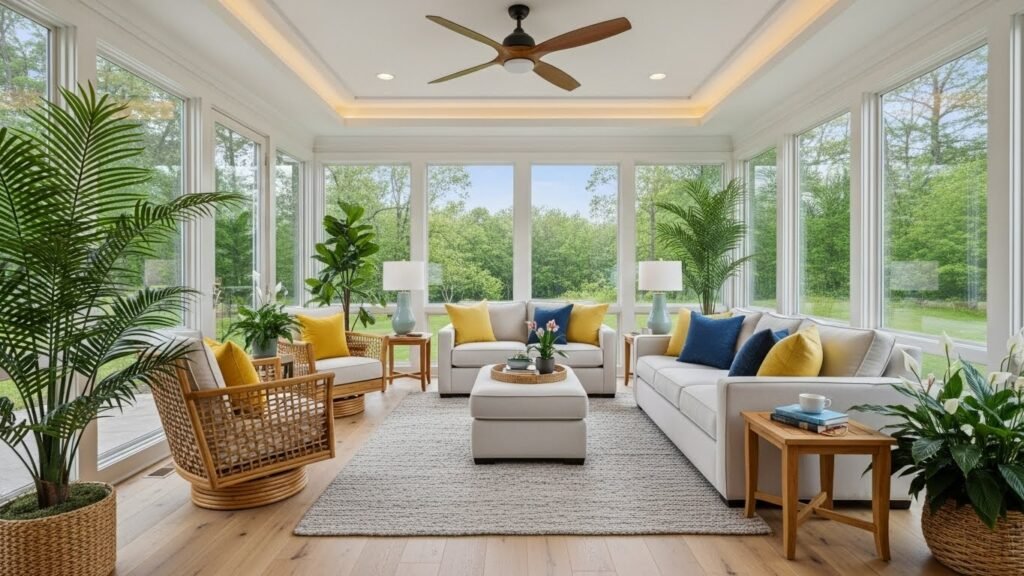
Creating a beautiful space starts with great sun porch furniture ideas. Many homeowners want to turn their porches into cozy retreats. You can gain extra square footage by adding a sunroom or porch. This not only adds value to your home but also lets you enjoy nature. Choosing the right furniture is the most fun part of the process.
Assessing Your Sunroom’s Purpose and Space
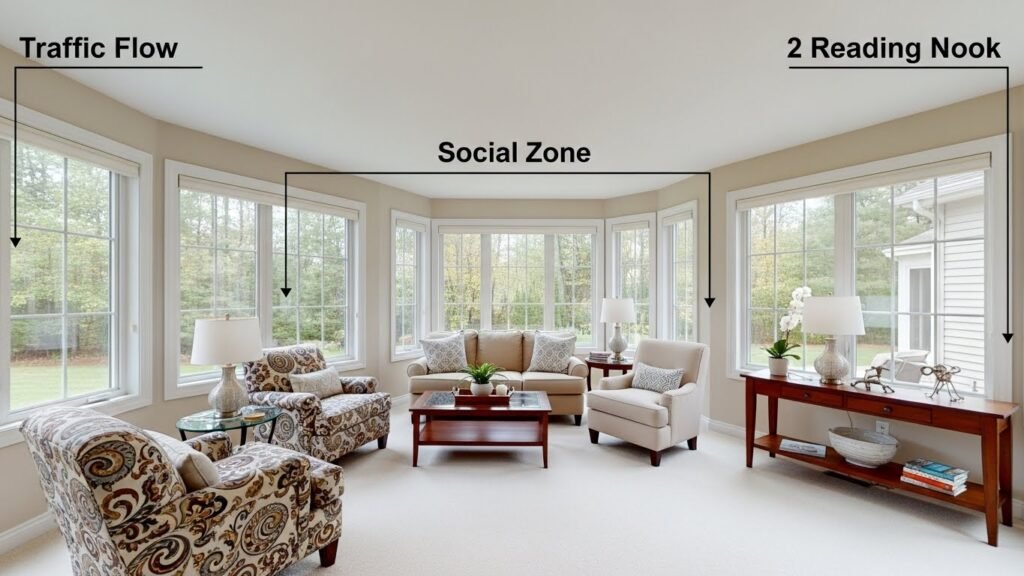
Before you buy anything, you must decide how you will use the room. Every sun porch furniture ideas project begins with a solid plan. You might want a quiet place to read or a loud place for parties. Knowing the primary function helps you pick the right items.
- Define the Primary Function. Think about if you need a reading nook or a dining area.
- Identify Your Daily Needs. Consider if you will use the space for work or play.
- Establish a Social Zone. Decide if this room is for family hangouts or solo time.
Measuring for Traffic Flow
You must measure your space before you go shopping. Furniture should not block the way when you walk. It is important to keep door swings and window access clear. A cramped room is never a relaxing room.
- Check the Dimensions. Use a tape measure to find the length and width of the room.
- Plan the Walkways. Leave at least two feet of space between furniture pieces.
- Map Door Openings. Make sure nothing sits in the way of the doors.
Maximizing the View
The best part of a sunroom is the outdoor scenery. You should place your seating to face the windows. This keeps the focus on the beautiful backyard. Good sun porch furniture ideas always prioritize the landscape.
- Orient Your Seating. Turn chairs toward the glass walls for the best view.
- Use Low Profiles. Pick furniture that does not block the window panes.
- Frame the Windows. Leave space around the edges to see the trees and sky.
Increasing Livable Square Footage
A sunroom acts as a functional extension of your home. It adds to your total livable square footage. This is a smart way to boost your property value. It gives your family more room to spread out.
- Treat It Like a Room. Decorate it with the same care as your living room.
- Connect the Spaces. Use similar flooring to make the house feel larger.
- Think About the Future. Consider how a new room helps when you sell the house.
Sunroom Furniture Styles and Materials
The materials you choose will affect how long your furniture lasts. Sun porch furniture ideas often focus on durability and style. You want pieces that look good and handle the sun. Sunlight can be very hard on some types of materials.
Wicker and Rattan
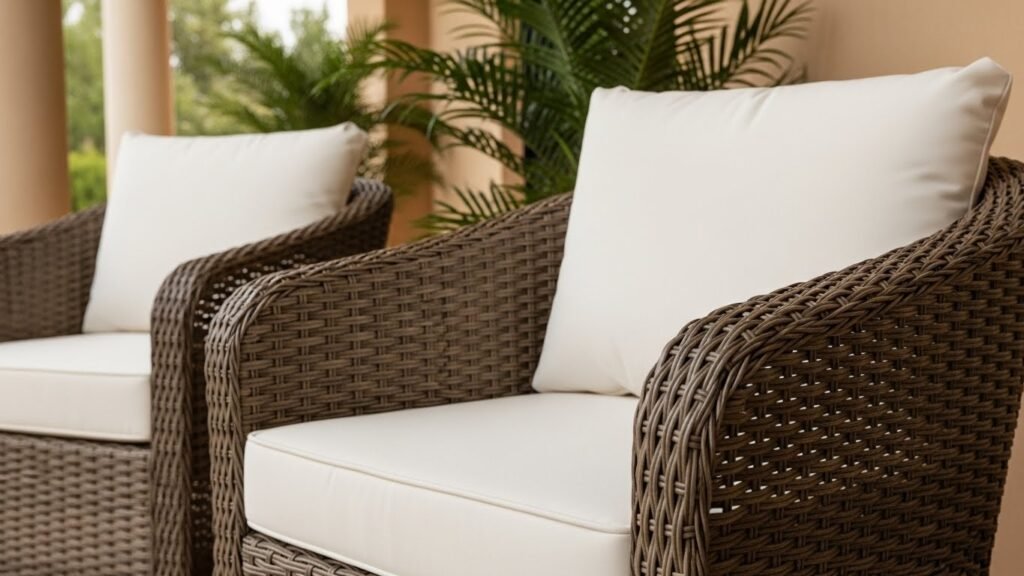
Wicker gives a classic garden look to any porch. It feels organic and light in a bright room. It bridges the gap between the indoors and the outdoors. Many people love the natural vibe it creates.
- Classic Aesthetic. Wicker fits perfectly in traditional or coastal designs.
- Organic Textures. The woven patterns add visual interest to the space.
- Modern Resin Wicker. Synthetic wicker is better at resisting UV rays and moisture.
Metal and Wrought Iron
Metal furniture is very strong and lasts a long time. It works well for a European or vintage look. It can handle a lot of weight and use. However, metal can get hot in the direct sun.
- Traditional Elegance. Wrought iron brings a formal touch to your porch.
- Structural Sturdiness. Metal frames are hard to break and stay in place.
- The Importance of Cushioning. Use thick cushions because metal frames are very hard.
Wood Furniture
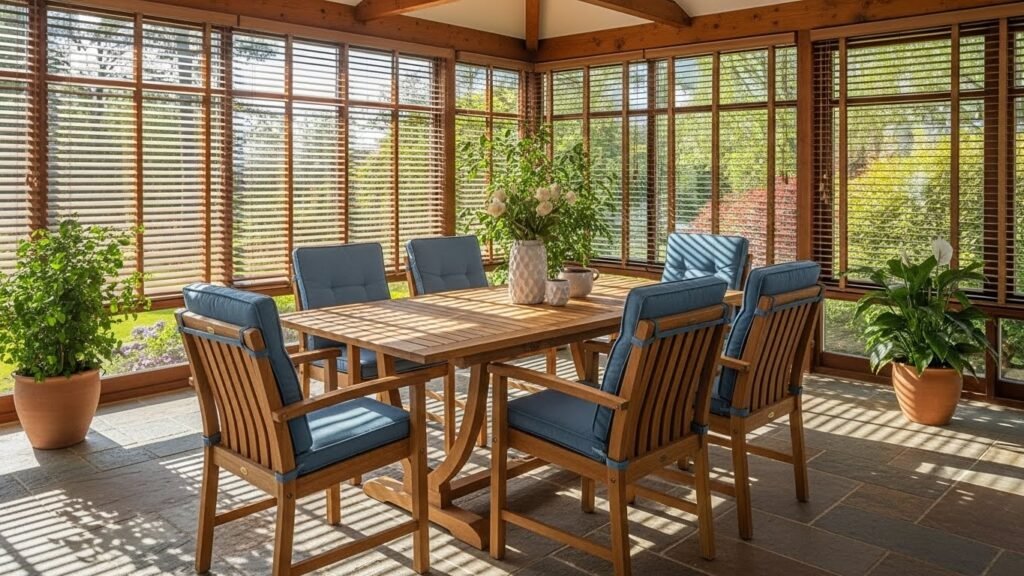
Wood adds a lot of warmth to a glass room. It has a natural character that other materials lack. You should pick woods that do not rot easily. Teak and cedar are the best choices for sunrooms.
- Natural Warmth. Wood feels cozy and inviting for a family space.
- Resistant Species. Teak and acacia handle bugs and decay very well.
- Ongoing Maintenance. You must oil or seal wood to stop it from bleaching.
Upholstered Pieces
If you want comfort, go with upholstered furniture. Deep sofas make the sunroom feel like a second living room. It is the best way to get maximum relaxation. Just make sure the fabric can handle the light.
- Living Room Comfort. Soft chairs are great for long afternoon naps.
- Performance Fabrics. Brands like Sunbrella are made to stop fading.
- Easy Cleaning. Choose fabrics that you can wipe down easily.
Essential Sunroom Furniture Pieces
Every room needs a few core pieces of furniture. Your sun porch furniture ideas should include seating and tables. These items define how the space will work for you. Pick pieces that fit the scale of the room.
Seating Options for Every Layout
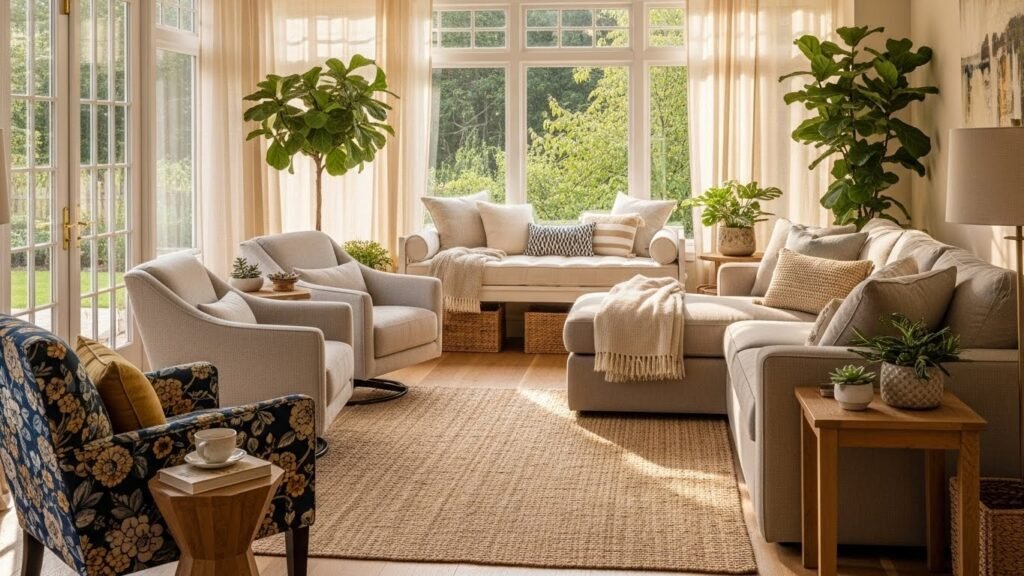
Seating is the most important part of your sunroom. You need enough chairs for everyone to sit. The layout should encourage people to talk to each other. Diverse seating makes the room more useful.
- Sectionals for Large Groups. Use corners to fit more people in the room.
- Daybeds and Loungers. These are perfect for sleeping or reading a book.
- Swivel Chairs. These let you turn from the TV to the window easily.
- Accent Chairs. Use these to add a unique shape or a bright color.
Tables and Functional Surfaces
Tables give you a place to put your drinks and books. They make the room more functional for daily life. You need a mix of large and small surfaces. Do not overlook these essential sun porch furniture ideas.
- Coffee Tables. Pick a low table so you can still see outside.
- Side and End Tables. Put these next to every chair for convenience.
- Dining Sets. A small table is great for morning coffee or meals.
- Bar Seating. This is a fun option if you like to entertain guests.
Designing with Personality and Theme
Your sunroom should show off who you are. You can use fun themes to make it special. This is the place to be creative with your style. Use sun porch furniture ideas to express your personality.
Extending Your Interior Style
Make the sunroom feel like it belongs to the house. Use similar colors to create a seamless transition. This makes the whole home feel more cohesive. It prevents the room from looking like an afterthought.
- Match Silhouettes. Use furniture shapes that mimic your indoor pieces.
- Follow the Palette. Use the same primary colors found in your kitchen or den.
- Neutral Foundations. Start with calm colors and add bright accents later.
Extending Your Garden and Nature Area
Some people want the porch to feel like a garden. You can bring the outdoors in with natural materials. This creates a very peaceful and airy environment. It is perfect for those who love the backyard.
- The Natural Realm. Use stone and wood to mimic the outside world.
- Earthy Tones. Brown, green, and tan colors help the room blend in.
- Sustainable Materials. Pick items that are good for the environment.
Integrating Greenery and Plants
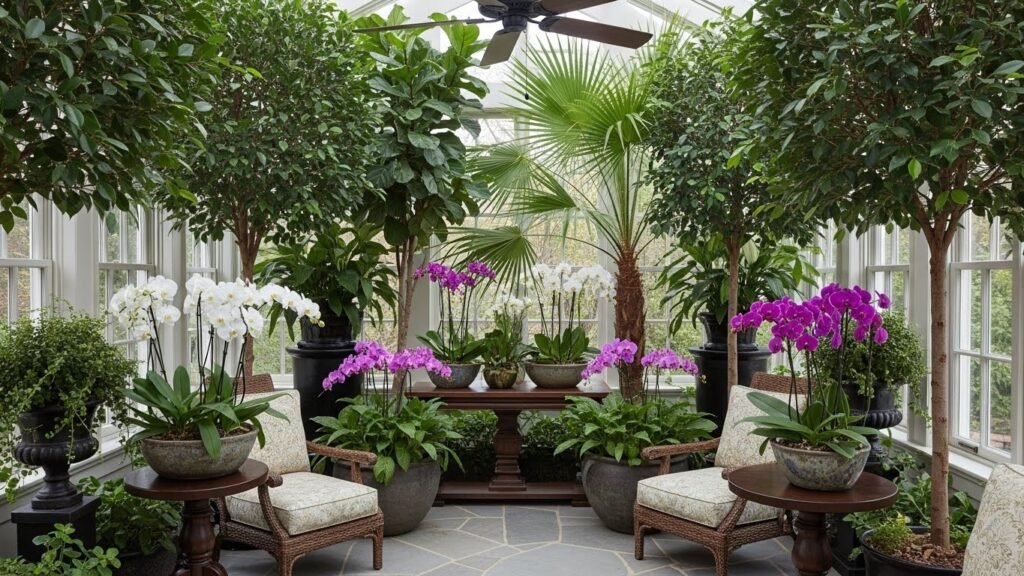
Plants love the light in a sunroom. They are like living pieces of furniture for your porch. They clean the air and look beautiful. Use a variety of sizes for the best effect.
- Indigenous Plants. Use local plants that grow well in your climate.
- Tropical Varieties. Palms and ficus trees thrive in bright sunrooms.
- Flowering Plants. Orchids and peace lilies add a touch of elegance.
Incorporating Color and Texture
Do not be afraid of using bright colors. A sunroom is the perfect place for a bold look. You can use pillows and rugs to change the mood. Texture makes the room feel high-end and cozy.
- Pops of Personality. Use a bright yellow or blue chair for fun.
- Textile Layering. Mix different fabrics to make the room feel rich.
- Patterns and Weaves. Use stripes or florals to add some excitement.
Decor, Accessories, and Ambiance
The small details make a big difference in design. Accessories pull the whole room together. They add the final layer of comfort you need. These are great sun porch furniture ideas for small budgets.
Textiles and Rugs
Rugs help define different areas in a big room. They also keep your feet warm on tile floors. Textiles make a hard room feel much softer. They are essential for a cozy porch.
- Defining Zones. Use a rug to separate the dining area from the couch.
- Seasonal Updates. Swap out blankets when the weather gets cold.
- Floor Protection. Rugs stop your furniture from scratching the floor.
Lighting Strategies
You need light even after the sun goes down. Good lighting lets you use the room at night. You should use a mix of different light sources. It sets the mood for relaxation or parties.
- Layered Lighting. Use floor lamps and table lamps together.
- Ceiling Fans. These move the air and provide overhead light.
- Sunroom Blinds. Shades help you control the light during the day.
Maintenance, Protection, and Longevity
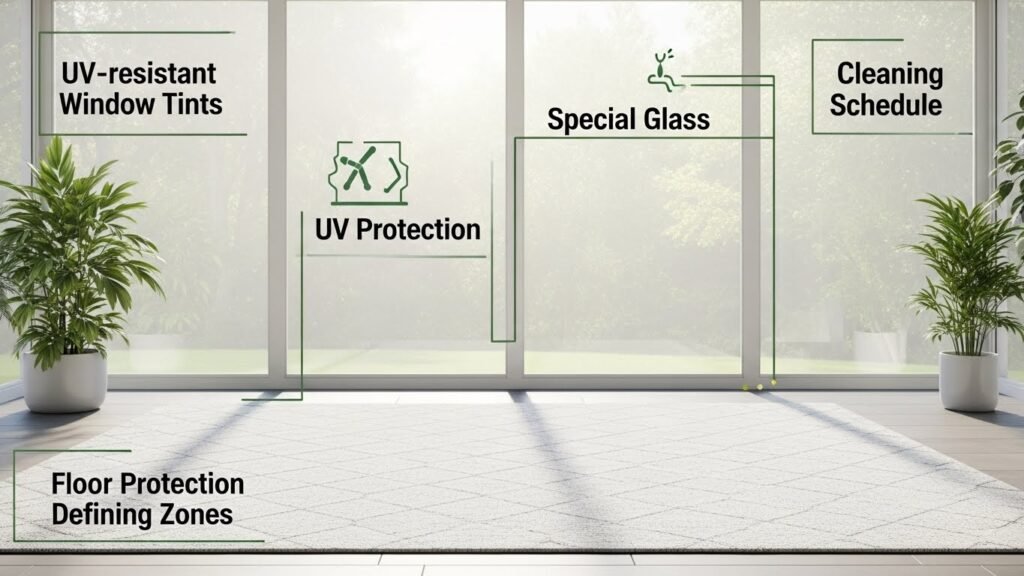
You want your new furniture to last for years. Taking care of it is very important. The sun can be a major enemy to your decor. Follow these tips to keep everything looking new.
Protecting Your Investment
Stop the sun from ruining your beautiful things. UV rays can fade colors in just one season. You must be proactive to protect your sun porch furniture ideas. It saves you money in the long run.
- UV Protection. Use window tints or special glass to block rays.
- Moisture Management. Keep the room dry to stop mold from growing.
- Environmental Care. Watch out for pollen and dust from the outside.
Cleaning and Upkeep
A clean sunroom is a healthy sunroom. Dust can build up quickly on natural materials. You should have a regular cleaning schedule. This keeps the room inviting for your guests.
- Vacuum Upholstery. Suck up the dust and pollen every week.
- Dust Wicker. Use a soft brush to clean the small gaps in the weave.
- Replacement Parts. Buy new cushions if the old ones get flat.
Sunroom Furniture Maintenance Schedule
Keeping your space clean is the best way to get the most enjoyment out of your home. Regular care protects your furniture from the sun and dirt. This schedule helps you maintain a cozy and airy retreat year-round.
Weekly Maintenance Tasks
- Vacuum all upholstery. Use a soft brush to remove dust and pollen from sofas and armchairs.
- Dust hard surfaces. Wipe down your coffee table, side table, and shelving with a soft cloth.
- Shake out textiles. Take pillows and throws outside to shake off loose dust.
- Inspect for pests. Check around pots and planters for any bugs that might harm your greenery.
Monthly Maintenance Tasks
- Clean the glass. Use a simple solution to wipe down glass walls so natural light can fill the room.
- Spot clean fabrics. Use a damp cloth to clean any small spills on your cushions or rugs.
- Wipe down frames. Use a mild soap and water on metal, aluminum, or wicker frames to remove grime.
- Rotate your plants. Turn your pots so your greenery grows evenly in the sun exposure.
Seasonal Maintenance (Every 3 to 4 Months)
- Deep clean cushions. Wash removable covers of your outdoor living pieces according to the label.
- Condition wood pieces. Apply a fresh coat of oil to teak or other wood furniture to stop drying and cracking.
- Check window treatments. Dust your blinds, shades, or curtains to keep the air fresh.
- Inspect for UV damage. Look for fading on your rug or pillows and rotate furniture to even out sun exposure.
Yearly Maintenance Tasks
- Full room renovation. Move all furniture to deep clean the flooring, whether it is tile, stone, or hardwood.
- Check the structure. Inspect the framing and glass seals for any signs of wear or drafts.
- Refresh the aesthetic. Consider a new color palette with fresh accessories or decor to update your lifestyle.
- Apply protective coatings. Re-seal any surfaces that require a weather-resistant finish to maintain durability.
Recommended Cleaning Products for Sunroom Materials
Selecting the right products is essential to preserve the natural character and structural sturdiness of your furniture. Using the correct solutions ensures your pieces look new and handle the sun effectively.
Cleaning Products for Wicker and Rattan
- Soft Bristle Brush. Use this to gently remove dust and pollen from the small gaps in the woven patterns.
- Mild Soap and Water. A simple mixture is best for wiping down resin wicker to maintain its synthetic finish.
- Vacuum with Brush Attachment. This is the most effective tool for regular weekly dust removal.
Cleaning Products for Metal and Wrought Iron
- Non-Abrasive Sponges. These prevent scratching the metal frames while removing outdoor grime.
- Mild Detergent. A gentle soap helps clean metal without damaging the traditional elegance of the finish.
- Touch-Up Paint. Keep matching paint on hand to cover any chips that could lead to rust over time.
Cleaning Products for Wood Furniture
- Teak or Acacia Oil. Regular application of specialized oil stops wood from bleaching and drying out in the sun.
- Wood Sealer. Use a high-quality sealer to maintain the natural warmth and character of teak and cedar.
- Microfiber Cloths. These are ideal for daily dusting to prevent buildup on organic textures.
Cleaning Products for Upholstery and Performance Fabrics
- Fabric Cleaners (Non-Ammonia). Use mild cleaners to wipe down performance fabrics like Sunbrella without causing fading.
- Upholstery Vacuum. Essential for sucking up the dust and pollen that accumulates on deep-seated sofas.
- Spot Treatment Pens. These are perfect for quickly addressing small spills on accent chairs or rugs.
Cleaning Products for Glass Walls and Windows
- Non-Ammonia Glass Cleaner. This keeps panoramic views clear without leaving streaks or damaging frame seals.
- Distilled Water and Vinegar. A natural solution that effectively removes hard water spots and dust from glass panes.
- Squeegee. The best tool for ensuring a professional, streak-free finish on large glass walls.
Conclusion: Getting the Most Enjoyment Out of Your Space
Your sunroom should be your favorite part of the house. Following these sun porch furniture ideas will help you get there. Focus on what makes you happy and comfortable. Your personal style is the most important part.
- Reflect Your Style. Choose pieces that make you smile every day.
- Enjoy the Connection. Spend time in your room to feel closer to nature.
- Make Memories. Use your new space for family time and quiet moments.
| Feature | Best Material | Why? |
| Durability | Metal | Very strong frames |
| Comfort | Upholstery | Soft and cozy feel |
| Style | Wicker | Classic garden look |
| Value | Wood | Adds natural warmth |
Frequently Asked Questions About Sunrooms and Porch Decor
What is the difference between a three-season and a four-season room?
A three-season room is usually not hooked up to your home’s main heating or cooling system and is built for spring, summer, and fall. A four-season room uses insulated glass and full climate control so you can enjoy the space even in the middle of a snowy winter.
Does adding a sunroom count toward my home’s official square footage?
If the sunroom is finished, heated, and cooled with the same quality as the rest of the house, it usually counts as livable square footage. This is a great way to increase your property value during a home renovation.
What are the best indoor plants for a high-sun environment?
Plants that love light do best, such as palms, ficus trees, and peace lilies. Orchids also thrive in the bright, humid environment often found in enclosed porches.
How do I protect my sunroom flooring from sun damage?
Using UV-resistant window treatments or shades can help stop wood or tile from fading. You can also use large area rugs to cover and protect the most exposed parts of the floor.
Is wicker furniture sustainable?
Natural wicker and rattan are made from fast-growing plant fibers, making them very sustainable materials for eco-friendly homes.
Can I convert an existing screen room into a sunroom?
Yes, many homeowners do a porch conversion by adding architectural glass or vinyl panels to a screen room. This turns it into a more permanent living space that protects against rain and wind.
What is the best way to clean glass sunroom walls?
You should use a mild soap and water solution or a non-ammonia glass cleaner to keep the panoramic views clear. Regular cleaning prevents the buildup of pollen and dust that can block natural light.
How do I keep my sunroom cool without air conditioning?
Installing ceiling fans is a great way to improve ventilation and move the air. You can also use thermal blinds or shades to block the heat during the hottest part of the day.
What are performance fabrics?
Performance fabrics, such as Sunbrella, are textiles engineered to be weather-resistant and fade-resistant. They are perfect for sunroom cushions and pillows because they do not break down in heavy sunlight.
Are sunrooms a good place for a home office?
Yes, the abundance of natural light and views of the garden area can boost productivity and reduce stress. Just make sure you have proper blinds to stop screen glare.
What kind of lighting works best for night use?
Layered lighting is the best approach, using floor lamps for reading and accent lighting to highlight greenery.
Can I use a sunroom as a guest bedroom?
Daybeds and sectionals are excellent sun porch furniture ideas that allow the room to serve as an overflow sleeping area for guests.
Do sunrooms require special insulation?
Four-season rooms require high-quality insulation in the floor, walls, and ceiling to maintain a comfortable temperature year-round.
What is the most durable material for sunroom frames?
Aluminum and vinyl are very popular because they are low maintenance and do not rust or rot over time.
How can I make my sunroom feel more like a garden?
Use natural materials like stone or wood flooring and fill the space with indigenous and tropical plants.
What is the average size of a sunroom addition?
Many sunroom additions range from 200 to 400 square feet, depending on your available backyard space.
Should I choose a glass roof or a solid roof?
A glass roof (solarium) offers the most light but can get very hot, while a solid roof provides better insulation and shade.
Are sunrooms expensive to maintain?
They are generally low maintenance, requiring only regular glass cleaning and occasional care for the furniture materials.
What decor styles are trending for sunrooms?
Modern, farmhouse, and bohemian styles are currently very popular for creating a cozy and aesthetic lifestyle space.
Does a sunroom require a building permit?
In most areas, adding a sunroom or porch enclosure is an architectural change that requires a permit from your local building department.