
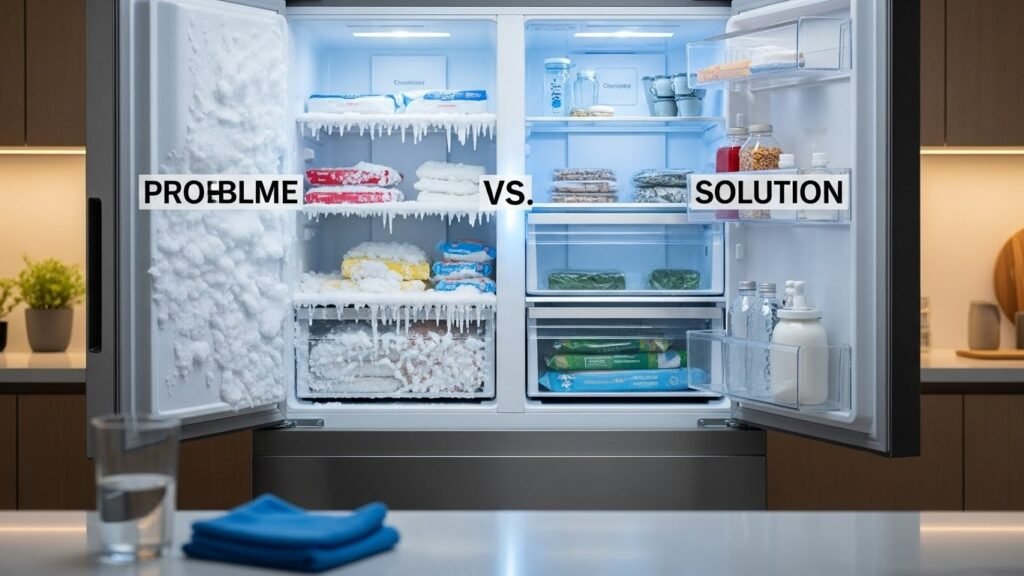
Have you ever opened your freezer and felt like you stepped into a snowy arctic tundra? It is a total bummer when your ice cream is buried under a mountain of frost. You might be wondering why is my freezer frosting up when it is supposed to be a modern machine. This guide will help you figure out what is going on with your fridge. We will look at why this happens and how you can fix it fast. Keeping your freezer clear is about more than just making room for pizza. It helps your appliance last longer and keeps your electric bill from going through the roof.
Understanding Freezer Frosting and the Modern Era of Refrigeration
Back in the day, people had to deal with ice all the time. It was a huge chore to empty the whole thing and wait for it to melt. Then came the frost-free era which changed everything for homeowners. These new machines use fans and heaters to keep things clear automatically. But even the best tech can run into some snags sometimes.
What is Freezer Frosting?
Freezer frosting is just ice crystals that grow on the inside surfaces. You will see it on the walls, the shelves, and even your food. This happens when warm air hits the cold parts of your freezer. The moisture in that air turns straight into ice.
Is Frost Build-Up Actually Bad?
You might think a little snow inside is no big deal. But excessive frost makes your freezer work way too hard. It uses a lot more energy which costs you more money. It can also ruin your food by giving it nasty freezer burn. If you ignore it, your whole freezer might just give up on you.
The Science of How Your Freezer Stays Frost-Free
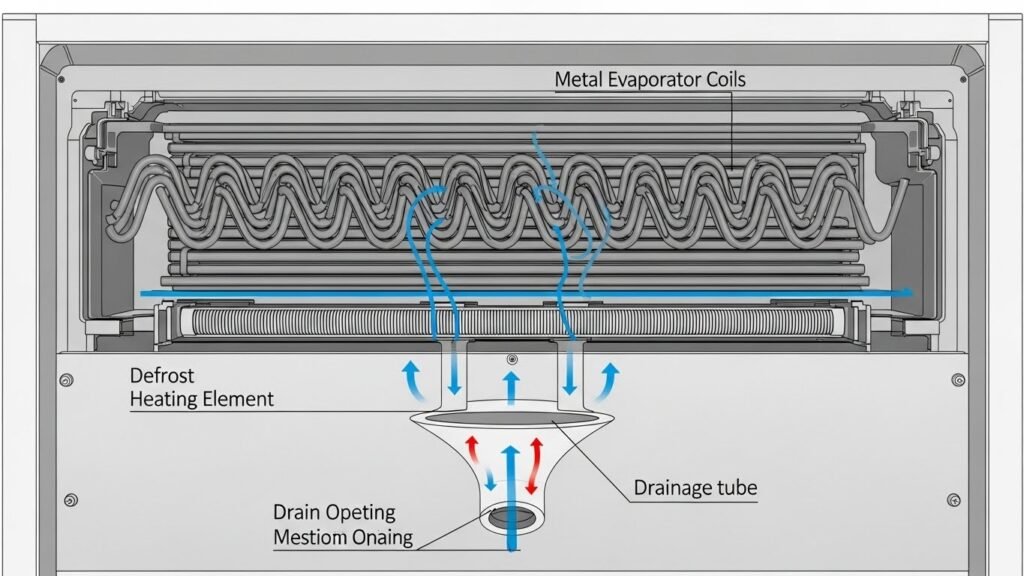
Your freezer has a hidden system that fights off ice every day. It uses parts you cannot even see to stay dry. Knowing how this works helps you spot problems early.
The Role of Evaporator Coils
The evaporator coils are the real MVPs of your cooling system. They stay super cold to pull heat out of the compartment. Since they are the coldest spot, moisture naturally heads right for them. They are usually hidden behind a panel in the back wall.
The Automatic Defrost Cycle
Every few hours, your freezer does a little internal spring cleaning. A heater turns on near those cold coils for a bit. This melts any frost that started to grow there. It happens so fast that your food stays frozen solid.
The Drainage and Evaporation Process
Once that ice melts, the water has to go somewhere. It flows down a small drain tube to the bottom. There is a shallow pan under the unit that catches it. The warmth from the motor makes that water evaporate into the room.
Core Causes of Frost and Ice Accumulation
If you are asking why is my freezer frosting up, it usually comes down to air. Air and water are the main ingredients for this icy mess.
Moisture and Air Intrusion
Every time you open the door, warm air rushes inside. This air carries humidity which is basically invisible water. When it hits the freezing cold walls, it turns into frost. This is why you should not peek inside too often.
Temperature Fluctuations
If the temperature inside goes up and down, frost grows faster. This can happen if you put hot food inside right away. It also happens if the thermostat is acting a bit wonky. Keeping a steady chill is the secret to a clear freezer.
External Environmental Factors
Your kitchen environment matters more than you might think.
- High humidity in the house makes frosting much worse.
- Placing your freezer near a hot oven makes it struggle.
- Sunlight from a nearby window can warm up the exterior.
- Poor airflow around the outside of the fridge causes heat buildup.
Air Drafts
Small gaps can act like a straw sucking in humid air. Even a tiny leak can cause a lot of frost over time. These drafts create little snow zones inside your freezer.
Detailed Diagnostics: Identifying the Culprit
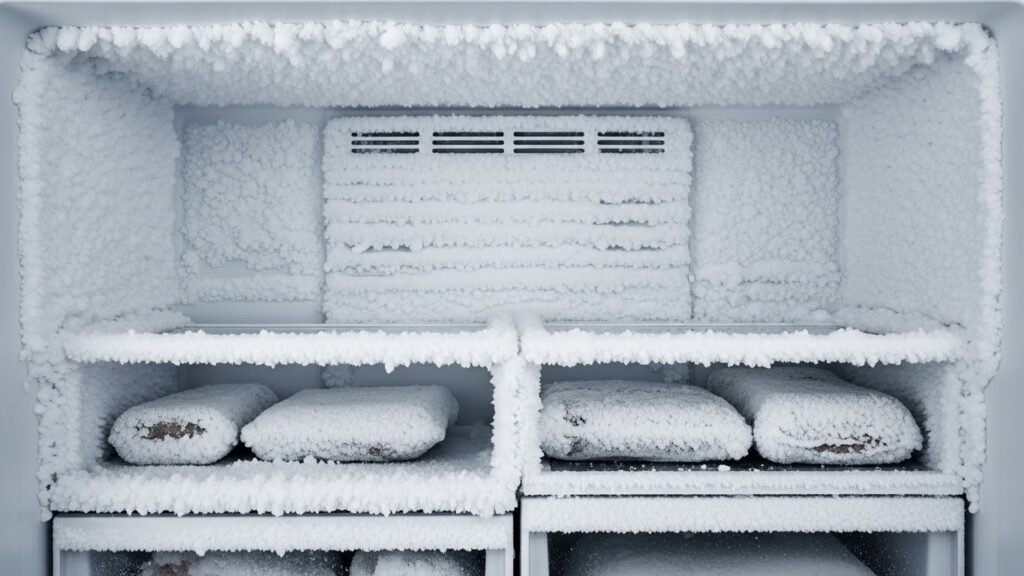
You have to be a bit of a detective to find the root cause. Look at where the ice is growing to find the answer.
Symptoms of Defrost System Failure
If the automatic heater stops working, ice will take over.
- You might see a thick crust of ice on the back wall.
- You might hear a clicking sound from the fan hitting ice.
- The freezer might stay warm while the coils are totally frozen.
Symptoms of Door Seal (Gasket) Failure
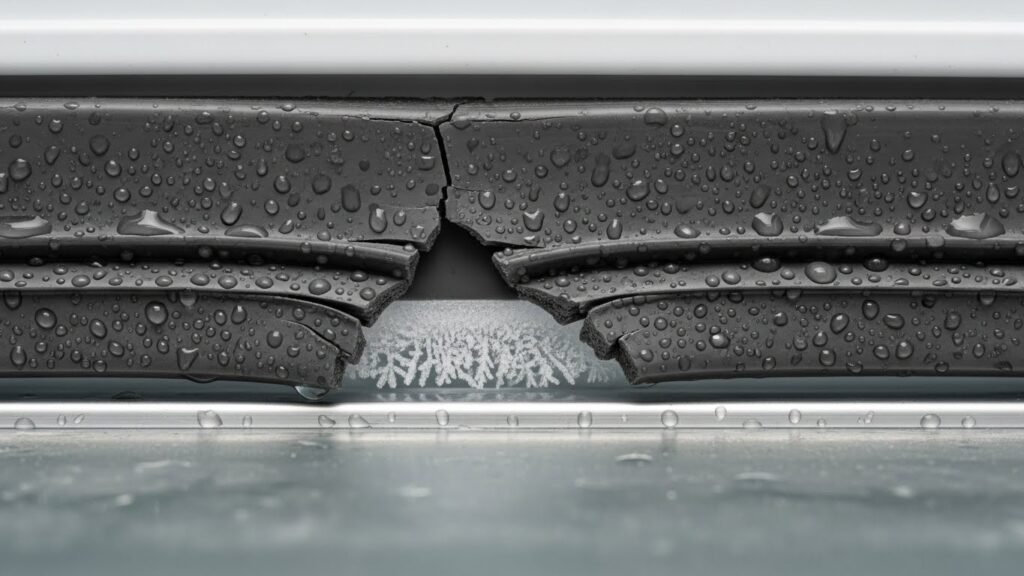
The door seal is the rubber strip that keeps the cold in.
- Look for frost near the edges of the door frame.
- You might see water droplets or sweating on the rubber.
- The door might feel too easy to pull open.
Symptoms of Evaporator Drain Blockage
When the drain gets clogged, water turns into a solid sheet.
- Check for a layer of clear ice on the freezer floor.
- Look for water leaking out onto your kitchen floor.
- Ice might build up in the bottom drawers making them stuck.
Troubleshooting and Repairing Door Seal Issues
A bad seal is one of the easiest things to fix yourself. You do not always need a pro for this job.
Inspecting the Gasket
Take a close look at the rubber all the way around. Look for any rips or tears in the material. You can use a dollar bill to test the grip. Close the door on the bill and see if it stays put.
The Importance of Cleanliness
Sometimes the seal is just dirty rather than broken. Spilled juice or crumbs can keep the door from closing tight. Use some warm soapy water to wipe the rubber down. A clean seal is a happy and airtight seal.
Mating Surface Maintenance
Don’t forget to clean the metal frame where the seal hits. If there is sticky gunk there, it will ruin the suction. Wipe it down until it is smooth and shiny.
Physical Obstructions
Sometimes we just cram too much stuff inside the freezer. A box of frozen waffles might be sticking out too far. Even a plastic bag caught in the door can let air in. Make sure nothing is blocking the door from a total shut.
Professional Replacement
If the rubber is cracked or hard, it is time for a new one. You can order a replacement part for your specific model. Installing it is usually a simple task that saves a lot of energy.
Solving Technical Defrost and Drain Failures
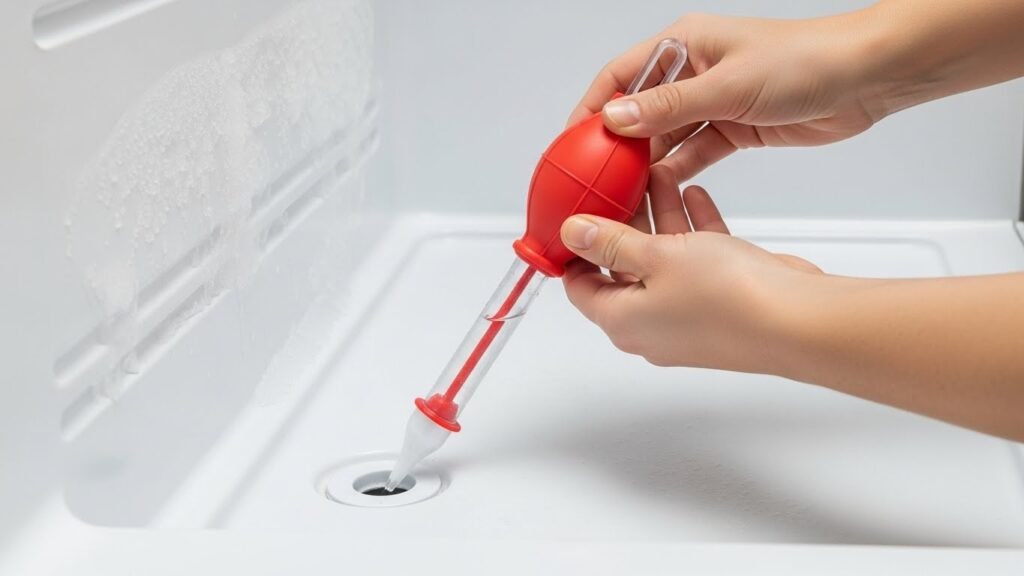
Some problems are a bit more technical and hidden away. These usually involve the parts that move the water out.
Defrost System Components
There are three main parts that handle the internal ice melt. The timer tells the system when it is time to heat up. The heater actually melts the frost off the cold coils. The sensor makes sure things do not get way too hot.
Clearing the Evaporator Drain Tube
This tube is very narrow and gets clogged easily. A single pea or a bit of ice can stop the flow. You can try flushing it with warm water from a turkey baster. This often clears the gunk and lets the water flow again.
When DIY Isn’t Enough
If you clear the drain and it still frosts up, call a pro. Electrical issues with the control board are tricky to fix. A technician has the right tools to test the circuits safely.
Strategic Freezer Organization and Usage Habits
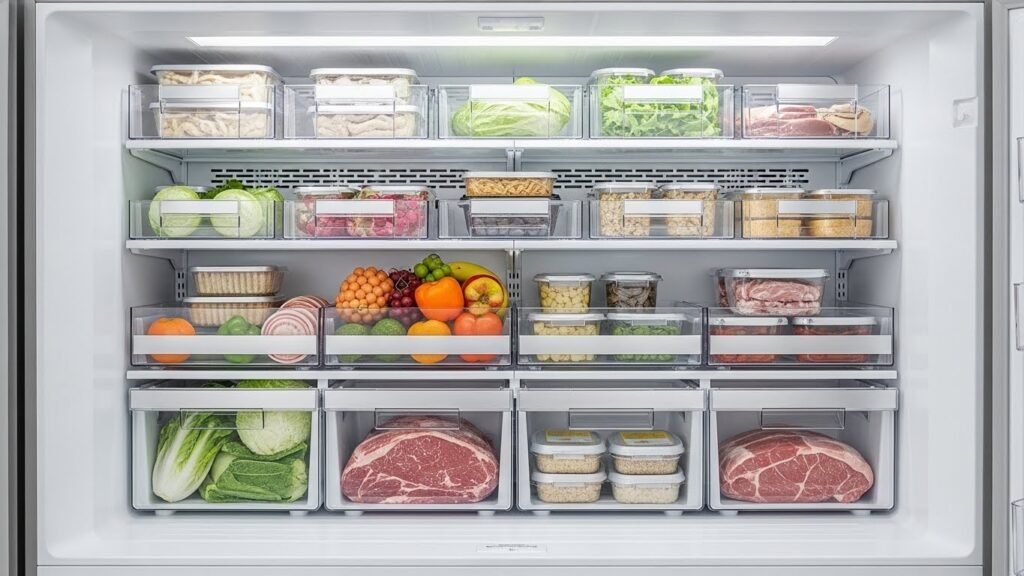
How you use your freezer affects how much frost it makes. Good habits can keep the ice away for good.
The Danger of Overloading
If you ask why is my freezer frosting up, check your inventory. Stuffing it to the gills is a bad move for airflow. The cold air needs room to dance around your food.
Optimal Air Circulation
Leave a little bit of breathing room between your items. Try to keep the vents clear so the fan can do its job. Using bins can help keep things organized and airy.
Thermostat Management
Check your manual for the best temperature for your model. Usually, zero degrees Fahrenheit is the sweet spot for safety. Don’t keep cranking it colder thinking it helps. It just makes the machine work harder and creates more ice.
Door Etiquette
Know what you want before you pull the handle. Standing with the door open is like inviting frost to dinner. Teach everyone in the house to close the door quickly.
Step-by-Step Manual Defrosting and Deep Cleaning
Sometimes you just need to start over with a fresh slate. A manual defrost is the best way to reset everything.
Safe Food Storage
You do not want your steaks to thaw out during the process. Move everything to a cooler with some ice packs. If you have a neighbor with freezer space, ask for a favor.
The Proper Shutdown Procedure
Safety first when you are dealing with water and power. Unplug the unit from the wall before you start. Leave the door wide open to let the room air help out.
Natural Defrosting vs. Forced Defrosting
It is tempting to grab a hair dryer or a knife to speed things up. Don’t do it because you might puncture a cooling line. Just let the ice melt naturally at its own pace. Put plenty of towels on the floor to catch the water.
The Baking Soda Deep Clean
Once the ice is gone, give the walls a good scrub. Mix some baking soda with warm water for a safe cleaner. This gets rid of any old food smells and sticky spots. It also helps prevent new ice from sticking so easily.
Thorough Drying
This is the most important step that people often forget. Use a dry towel to wipe every single surface inside. If you leave water behind, it will turn back into frost immediately.
Long-Term Prevention and Maintenance Schedules
Consistency is the key to keeping a frost-free kitchen. A little work now saves a lot of work later.
| Task | Frequency | Benefit |
| Wipe Door Seal | Monthly | Keeps the airtight grip strong |
| Check Temperature | Weekly | Catches thermostat issues early |
| Deep Clean | Twice a Year | Removes hidden debris and ice |
| Inspect Vents | Monthly | Ensures proper air circulation |
The “Repair or Replace” Decision Matrix
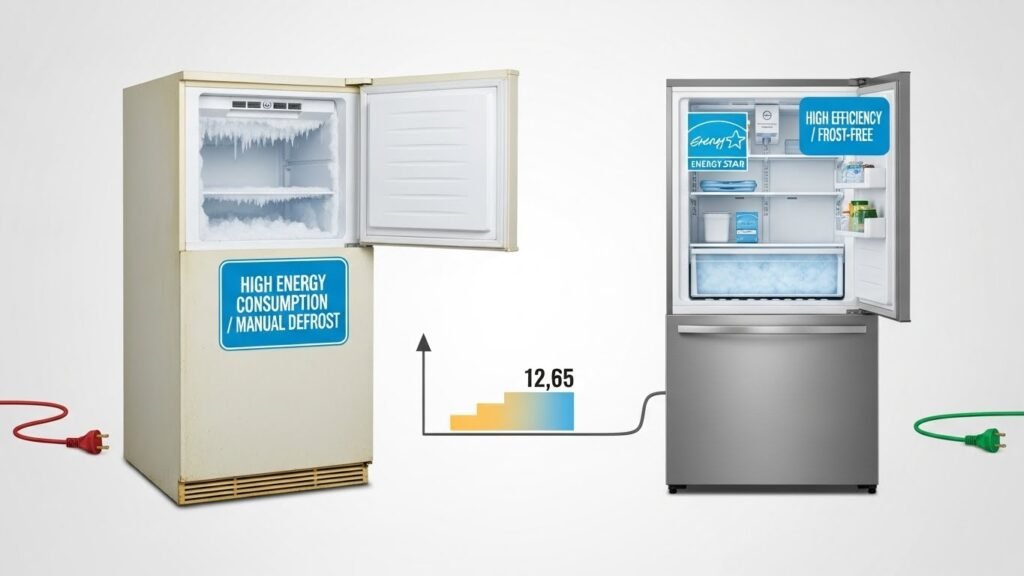
Eventually, every appliance reaches the end of the road. You have to decide if it is worth the money to fix.
Analyzing Repair Costs
Simple things like a new seal or sensor are cheap. If the repair is less than half the cost of a new fridge, do it. Most icing issues are actually very affordable to resolve.
Energy Efficiency Considerations
Old freezers are huge energy hogs compared to new ones. If your unit is over fifteen years old, it might be time. A new model will pay for itself in lower electric bills.
Longevity Goals
With the right care, a good freezer can last a long time. Following this guide will help you get the most out of your machine. Now you know exactly why is my freezer frosting up and how to stop it.
Frequently Asked Questions
How much frost is considered normal in a modern freezer?
A very thin dusting of frost on the interior walls is usually considered normal. However, if the frost becomes thick enough that you can scrape it away with a fingernail, it is a sign of an underlying issue.
Can I use a space heater or hair dryer to speed up defrosting?
It is not recommended to use high-heat sources like hair dryers or space heaters because the intense heat can warp or melt the internal plastic components. Furthermore, using these tools carries a risk of accidentally puncturing a cooling line.
Why does ice specifically form on my frozen vegetables?
Ice inside food packaging is often caused by moisture trapped inside the bag before it was frozen or by a door leak that allows humid air to settle on the items. It is best to squeeze as much air as possible out of bags before placing them in the freezer.
Is it true that a completely full freezer frosts up less than an empty one?
A mostly full freezer is ideal for maintaining a steady temperature, but it should never be packed so tight that air cannot circulate. Overloading the unit is a primary cause of restricted airflow and subsequent frost buildup.
How long does a typical manual defrosting process take?
The process usually takes several hours depending on the thickness of the ice accumulation. To safely speed up the process, you can place a bowl of hot water inside the compartment to help the ice melt naturally.
What is the primary difference between old freezers and frost-free models?
Old freezers required manual defrosting as a monthly chore to remove ice. Modern frost-free models use internal fans and heaters to automatically melt and evaporate frost before it becomes a problem.
What exactly is freezer frost made of?
Freezer frost consists of ice crystals that grow on interior surfaces like walls, shelves, and food. It forms when warm, humid air enters the cold compartment and the moisture turns directly into ice.
How does frost buildup affect my monthly electric bill?
Excessive frost forces the freezer to work much harder to maintain cold temperatures. This increased workload results in higher energy consumption, which directly increases your utility costs.
Can frost buildup lead to permanent appliance failure?
Yes, if frost issues are ignored, the mechanical strain on the system can cause the entire freezer to stop functioning. Excessive frost can also lead to nasty freezer burn that ruins your food inventory.
Where are the evaporator coils usually located?
The evaporator coils are the coldest part of the cooling system and are typically hidden behind a panel on the back wall of the freezer. Because they are so cold, moisture naturally gravitates toward them.
Why doesn’t the automatic defrost heater melt my frozen food?
The defrost heater turns on for a very short period to melt frost off the coils. This process happens so quickly that the overall temperature of the food stays frozen solid while the coils are cleared.
Where does the water go after the frost melts?
The water flows down a narrow drain tube into a shallow pan located under the unit. The heat generated by the freezer’s motor then causes that water to evaporate back into the room.
How does putting hot food in the freezer contribute to frost?
Hot food creates immediate temperature fluctuations and introduces steam/moisture into the air. This moisture settles on the cold surfaces and quickly turns into ice.
Does the humidity level in my kitchen affect my freezer?
Yes, high humidity in the home makes frosting issues much worse because more moisture enters the unit every time the door is opened. Keeping the kitchen environment dry can help reduce frost.
How can a tiny air draft cause a “snow zone”?
Small gaps in the seal act like a straw, constantly sucking in humid outside air. Even a tiny leak can lead to significant frost accumulation over time in specific areas of the freezer.
Why would I hear a clicking sound coming from my freezer?
A clicking sound often indicates that the automatic defrost system has failed and ice has built up so much that the circulation fan is physically hitting the ice.
What are the signs that my door gasket has failed?
Common signs include frost near the edges of the door frame, water droplets or “sweating” on the rubber, and a door that feels too easy to pull open.
How can I test if my door seal is still airtight?
You can use a dollar bill to test the grip of the seal. Simply close the door on the bill; if it slides out easily, the seal is not providing an airtight grip.
What is the benefit of using baking soda when cleaning the freezer?
Baking soda mixed with warm water helps eliminate old food odors and dislodges stubborn food particles. It also creates a clean surface that makes it harder for new ice to stick.
When is it better to replace the freezer instead of repairing it?
If a repair costs more than half the price of a new unit, replacement is often recommended. Additionally, if your unit is over fifteen years old, a new model will be significantly more energy-efficient.