
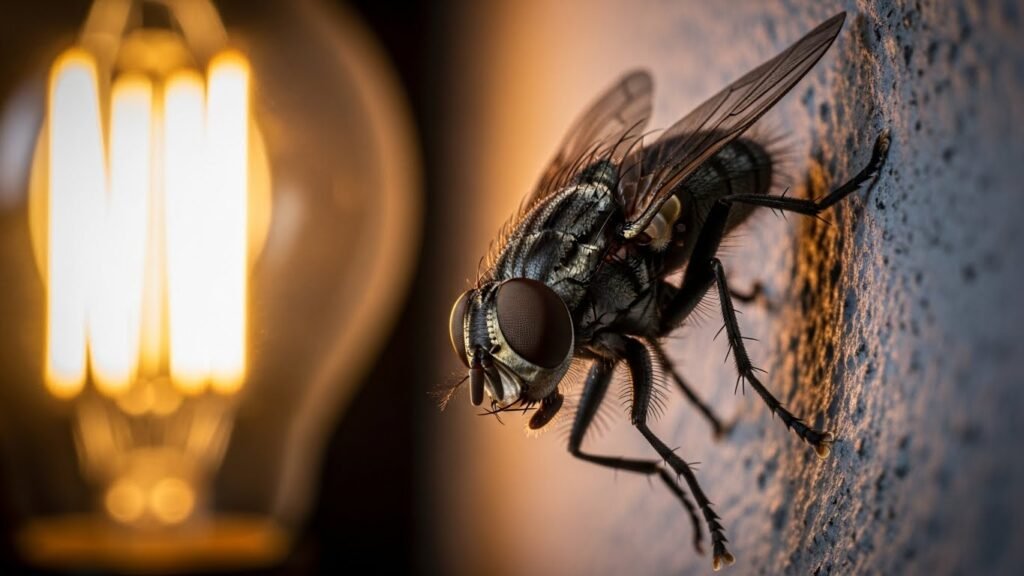
Have you ever wondered why pests act so weird around your lamps? Most people see these bugs hanging out near their porch lights or windows all day long. You might be asking yourself, are flies attracted to light, or is it just a weird coincidence? It turns out there is some pretty cool science behind why these annoying guests love your lightbulbs. Understanding this behavior is the first step to keeping your home or business totally pest-free.
Are Flies Attracted to Light?
Adult flies are naturally drawn to the brightest light sources they can find in any room. This behavior is a huge part of their daily life and explains a lot of their movements. If you see them hanging around your kitchen light, they are just following their basic instincts. It is not just about being annoying; it is how they are built to survive.
The Phenomenon of Phototaxis
Phototaxis is the scientific word for how living things react to a light source. Some bugs love it, while others run away as fast as they can. Flies have what experts call positive phototaxis, which means they move toward the glow. This instinct is hardwired into their tiny brains from the moment they hatch.
Positive Phototaxis in Flies
Because of positive phototaxis, flies will always seek out the strongest glow in their immediate area. They do not think about it; they just do it automatically. This is why they often ignore your attempts to swat them if a bright lamp is nearby. Their internal programming tells them that the light is the most important thing around.
The Window Effect
Have you noticed flies making a ton of noise while banging against your glass windows? This happens because windows let in the brightest light available during the daytime. The fly sees the sunshine and tries its best to reach it. They end up buzzing against the glass because they do not understand that a clear barrier is in their way.
Night-Blindness and Vision
Flies have very complex eyes that are made up of many different lenses. This unique eye structure makes it super hard for them to adjust when moving from light to dark. They are basically night-blind and cannot see well at all in the shadows. Because of this, they stick to the light to stay safe and see where they are going.
The Science Behind the Attraction
The reason behind their attraction goes deeper than just liking the way a bulb looks. It actually involves how they find their way around the world without getting lost. To a fly, your bedroom lamp looks a lot like a star or the sun. This confusion leads to the erratic behavior we see in our homes every single day.
Natural Navigation and GPS
In the wild, flies use the sun and the moon as a natural GPS to stay on track. They keep these distant light sources at a certain angle to fly in a straight line. Since the sun is so far away, the angle does not change much as they move. This system works perfectly for them when they are outside in nature.
Artificial Light Disorientation
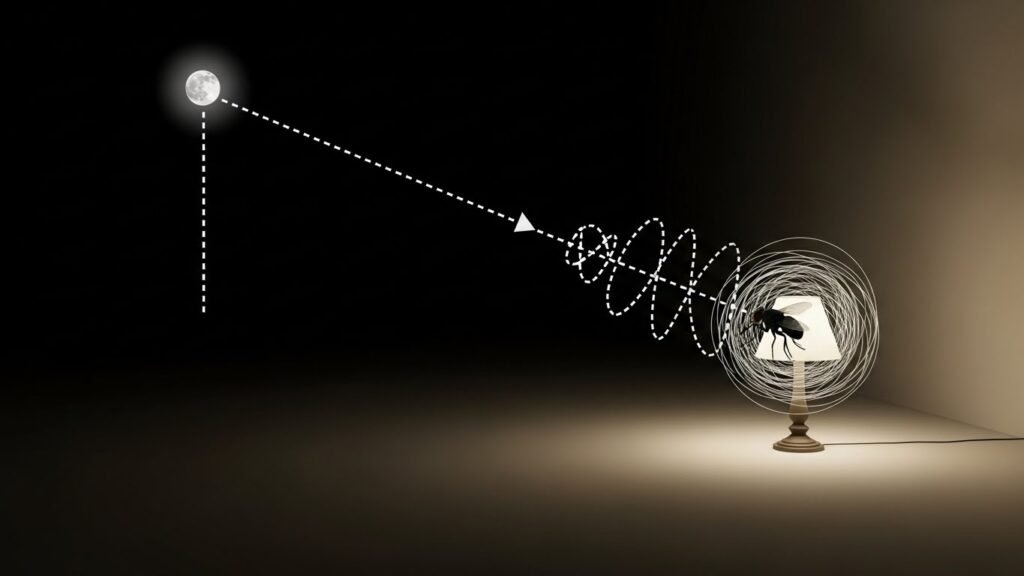
Artificial lights like lamps and bulbs really mess with a fly’s internal compass. Unlike the sun, a lightbulb is very close to the fly as it moves through a room. This acts like a faulty signal that gives them the wrong directions. They get confused and cannot figure out which way is actually up or out.
The Spiral Flight Pattern
You might see flies flying in weird circles or spirals around your ceiling fan lights. This happens because they are constantly trying to keep the light at a specific angle. As they get closer to the bulb, that angle changes way too fast for them. They keep turning to fix their path, which creates that dizzying spiral motion.
Secondary Factors of Attraction
While the brightness is the main draw, other things keep them hanging around your fixtures. It is a combination of several different sensory inputs that makes a light source irresistible. Once they arrive, they might find other reasons to stay close to the glow for a while.
Heat Seeking Behavior
Most traditional lightbulbs give off a lot of heat while they are turned on. Flies are drawn to this warmth, especially if the air in the room is a bit chilly. They use the heat from the bulb to keep their bodies at the right temperature. This is why you rarely see them hanging around cold LED lights as much as older bulbs.
The Search for Open Spaces
To a fly, a bright light often looks like a path leading to an open area. In their world, light usually means they are heading toward the sky or an exit. They fly toward the lamp because they think they are escaping a confined space. They are just looking for a way to get back to the safety of the outdoors.
Common Fly Attractants in Your Environment
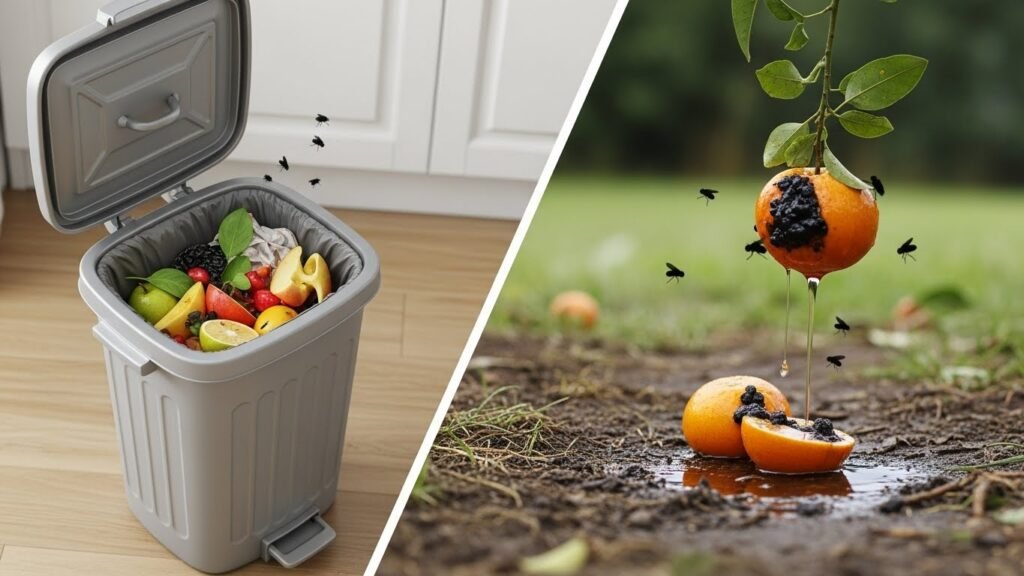
Light is a big deal, but it is not the only thing that brings flies into your space. They are also looking for food, water, and places to lay their eggs. If your home has these things, the lights will just make the problem even worse. You have to look at the whole picture to stop the infestation for good.
Fresh and Moist Animal Feces
Flies absolutely love animal waste because it is the perfect place to breed. Moist feces provide all the nutrients that fly larvae need to grow up fast. If you have a dog, you need to be very careful about cleaning up the yard. Leaving waste out is like putting up a giant “welcome” sign for every fly in the neighborhood.
- Pet Waste: Clean up your dog’s doo-doo immediately to stop flies from breeding.
- Disposal: Use a pooper scooper and a plastic bag to seal the waste tightly.
- Storage: Place the sealed bags inside a garbage can that has a heavy lid.
Kitchen Scraps and Organic Waste
Your kitchen can be a goldmine for hungry flies searching for a quick snack. They are attracted to any organic matter that is starting to break down or rot. Even small spills or crumbs can draw them in from far away. Moisture is the key factor that makes your trash smell great to a fly.
- Dry Waste: Try to drain any liquid or moisture from food before you toss it out.
- Bagging: Always tie your garbage bags in a tight knot to keep the smell inside.
- Cleaning: Wipe down your counters and floors to remove any sticky food residue.
Garbage Cans and Dumpsters
Dirty trash cans are a major reason why flies hang around your home or business. If your cans have holes or loose lids, flies will find their way inside easily. Once they are in, they will eat and lay hundreds of eggs in your trash. Keeping your bins clean and sealed is one of the best ways to fight back.
- Lid Safety: Make sure your trash can lids fit tightly and do not have any gaps.
- Inspection: Check your bins regularly for cracks or holes where bugs could crawl in.
- Maintenance: Wash out your garbage cans with soap and water every few weeks.
Overripe Outdoor Vegetation
If you have fruit trees or a garden, you might be attracting flies without knowing it. Fruit that falls and rots on the ground is a dream come true for these pests. The fermenting sugars create a sweet and moist environment that they cannot resist. Keeping your yard tidy is essential for long-term pest control success.
- Fruit Pickup: Gather any fruit that falls from trees before it starts to rot.
- Garden Care: Remove any dead or decaying vegetables from your garden beds quickly.
- Composting: If you compost, make sure your bin is properly managed and covered.
Indoor Plants and Decaying Matter
Even your indoor house plants can be a source of fly problems like fungus gnats. These tiny flies love moist soil and dying leaves that sit in the pot. Their larvae feed on the fungi that grow when you water your plants too much. A little plant maintenance goes a long way in keeping your air clear of bugs.
- Pruning: Cut off and throw away any yellow or dying leaves from your plants.
- Watering: Let the top of the soil dry out a bit before you add more water.
- Soil Check: Look for tiny crawling larvae in the dirt if you see gnats flying around.
Distinguishing Fly Behavior from Other Pests
Not every bug reacts to light in the same way as the common house fly. Knowing the difference can help you figure out exactly what kind of pest you are dealing with. Some bugs are the total opposite and will hide the second you flip a switch. This knowledge helps you choose the right traps and strategies for your specific problem.
Positive vs. Negative Phototaxis
While flies have positive phototaxis, other pests have what is called negative phototaxis. This means they are biologically programmed to run away from bright lights and stay in the dark. This is why you usually only see certain pests at night or in dark corners. Understanding these opposing behaviors is key to professional pest management.
- Flies: These pests move toward the light to find safety and navigate their world.
- Cockroaches: These bugs hate the light and will scatter if you turn on a lamp.
- Moths: Like flies, moths are famous for being drawn to porch lights and flames.
Diurnal vs. Nocturnal Pests
The time of day when a pest is active tells you a lot about their light preferences. Diurnal pests, like most flies, are active during the day and use the sun to see. Nocturnal pests prefer the moonlight and are often confused by our bright indoor lights. Knowing the “shift” your pests work helps you target them more effectively.
Effective Prevention and Management Strategies
You do not have to live with flies buzzing around your head and your lights. There are plenty of easy things you can do to reclaim your space today. By combining good cleaning habits with the right tools, you can win the war against flies. It is all about being consistent and staying one step ahead of the pests.
Sanitation and Hygiene
The most important step in fly control is keeping your environment as clean as possible. If there is nothing for them to eat, they will eventually move on to somewhere else. A clean home is much less likely to have a major infestation than a messy one. Focus on the areas where food and moisture tend to collect the most.
- Surfaces: Wipe down all your counters and tables after every single meal.
- Spills: Clean up juice or soda spills immediately so they do not get sticky.
- Dishes: Do not leave dirty dishes sitting in the sink for a long time.
Waste Management Best Practices
Handling your trash correctly is a total game-changer for reducing fly numbers. Flies are experts at finding even the smallest bit of rotting food in a bin. If you take away their favorite breeding grounds, you stop the next generation of flies. It takes a little extra effort, but it is totally worth it for a fly-free home.
- Garbage Cans: Use heavy-duty bins with lids that snap shut or lock in place.
- Double Bagging: If you have very smelly trash, consider using two bags to block odors.
- Pet Care: Always use a pooper scooper and seal waste in plastic bags before tossing.
Vegetation Maintenance
Your yard and your indoor plants need regular check-ups to stay pest-free. Rotting organic matter in the garden is a huge magnet for flies and gnats. By keeping your plants healthy, you remove the decaying bits that flies love to eat. It also keeps your property looking great for your neighbors and guests.
- Yard Work: Rake up fallen leaves and fruit to keep the ground clean and dry.
- Plant Health: Avoid overwatering your indoor plants to prevent fungus growth in the soil.
- Disposal: Throw away old flowers or plant clippings in a sealed outdoor bin.
Light-Based Controls
Since we know flies love light, we can use that against them with special traps. These tools are designed to lure flies in and catch them so they cannot bother you. They are a great way to handle the flies that manage to get inside your house. Just make sure to place them in the right spots for the best results.
- UV Light Traps: These use special blue light to attract flies into a hidden sticky area.
- Sticky Traps: You can hang these near windows or lights to catch flies as they buzz by.
- Placement: Put your traps away from where you eat so flies aren’t drawn to your food.
Professional Solutions
Sometimes a fly problem is just too big to handle on your own with a fly swatter. If you are seeing a lot of flies every day, it might be time to call in the pros. Professional exterminators have the tools and experience to find the source of the trouble. They can help you get rid of current pests and stop new ones from coming back.
- Expertise: Pros know exactly where flies like to hide and breed in your home.
- Prevention: They can offer services that create a barrier around your property.
- Peace of Mind: Hiring a service like Green Pest Solutions ensures the job is done right.
| Feature | Fly Attraction Factor | Prevention Tip |
| Brightness | High – Flies seek the brightest light | Use window screens and trap lights |
| Moisture | High – Essential for breeding | Fix leaks and drain food waste |
| Heat | Medium – Warm bulbs attract them | Switch to cooler LED light bulbs |
| Food Odors | Very High – Draws them from distance | Seal all trash and clean spills |
Recommended Cleaning Schedule to Keep Your Home Fly-Free
To keep your home or business safe from infestations, you need a plan that tackles the things flies love most. This schedule focuses on removing moisture, food waste, and breeding grounds to break the fly life cycle. Following these steps regularly will make your space much less attractive to pests.
Daily Maintenance: Removing the Immediate Draw
- Wipe Down Counters: Clean all surfaces in the kitchen and dining area to remove food particles and sticky spills.
- Handle Dishes: Wash dirty dishes immediately or place them in a sealed dishwasher so flies cannot find leftover food.
- Manage Pet Waste: Use a pooper scooper to pick up animal feces from the yard every day.
- Seal Pet Waste: Place all pet waste into plastic bags and tie them tightly before tossing them in a lidded garbage can.
- Dry Your Trash: Drain as much liquid as possible from kitchen scraps before putting them in the garbage bag.
- Check the Sink: Ensure no organic waste is sitting in the drain or garbage disposal, as this attracts drainage flies.
Weekly Tasks: Deep Cleaning Breeding Spots
- Scrub Garbage Cans: Wash out your indoor and outdoor trash cans with soap to remove old food residue and odors.
- Inspect the Yard: Pick up any overripe fruit that has fallen from fruit trees to prevent fermentation.
- Plant Care: Check indoor plants for decaying plant matter and prune away dying leaves immediately.
- Manage Moisture: Look for areas of moist soil in plant pots and allow them to dry slightly to stop fungus gnat larvae.
- Laundry Check: Ensure no damp or soiled towels are left sitting out, as moisture is a major attractant for many insects.
Monthly Prevention: Long-Term Pest Control
- Clean Windows: Wipe down window panes and tracks where adult flies often leave debris or buzz against the glass.
- Check Screens: Inspect the mesh screens on your windows and doors for holes that might let pests inside.
- Inspect Outdoor Bins: Check your dumpsters and large trash cans for any holes or cracks that need repair.
- Drain Maintenance: Use a safe cleaner to flush out drains and pipes to remove the organic sludge where larvae development happens.
- Review Light Bulbs: Consider replacing bright white bulbs with yellow or warm lighting to reduce the “safety beacon” effect at night.
Comprehensive Checklist for Fly-Proofing Your Home
Keeping flies out of your home or business requires a mix of light management and strict sanitation. Use this checklist to ensure you are covering every possible attractant, from the brightness of your lamps to the moisture in your trash. This approach helps break the life cycle of pests and prevents a full-blown infestation.
Light Management and Exclusion
- Check Window Screens: Ensure all screens are free of holes to block flies trying to reach the bright light inside.
- Switch to Yellow Bulbs: Replace bright white or blue outdoor lights with yellow “bug bulbs” to reduce light sensitivity attraction.
- Use UV Light Traps: Place specialized UV traps in areas like kitchens to lure and capture adult flies safely.
- Close Blinds at Night: Keeping curtains or blinds shut prevents indoor lamps from acting as a safety beacon for outdoor pests.
- Seal Entry Points: Check for gaps around doors and windows where light might leak out and attract insects.
Sanitation and Food Waste Control
- Secure All Garbage: Use lidded garbage cans and ensure the lids fit tightly without any gaps.
- Bag All Waste: Place all organic materials and kitchen scraps in plastic bags and tie them securely before disposal.
- Clean Spills Immediately: Wipe up food particles, crumbs, and sugary liquid spills to remove easy food sources.
- Dry Your Trash: Drain excess moisture from food waste to make the trash less attractive for larvae development.
- Scrub the Drains: Regularly clean sink drains to remove the organic sludge that attracts drainage flies.
Outdoor and Yard Maintenance
- Pick Up Fallen Fruit: Gather any fermenting or overripe fruit from the ground to eliminate sweet moisture sources.
- Manage Pet Waste: Use a pooper scooper to remove animal feces daily and seal it in a lidded garbage can.
- Clean Cans and Dumpsters: Periodically wash your outdoor trash bins to remove lingering smells and debris.
- Maintain Garden Health: Remove decaying plant matter and avoid overwatering to prevent fungus gnat breeding.
- Move Bins Away from Doors: Place large dumpsters and trash cans away from your home’s entrances to keep flies outside.
Indoor Plant Care
- Prune Dead Leaves: Remove any dying or decaying plant matter from indoor pots immediately.
- Monitor Soil Moisture: Allow the top layer of soil to dry out between waterings to stop fungi growth.
- Inspect for Larvae: Keep an eye on moist soil for any signs of tiny larvae or fungus gnats.
Recommended Shopping List for Effective Fly Prevention
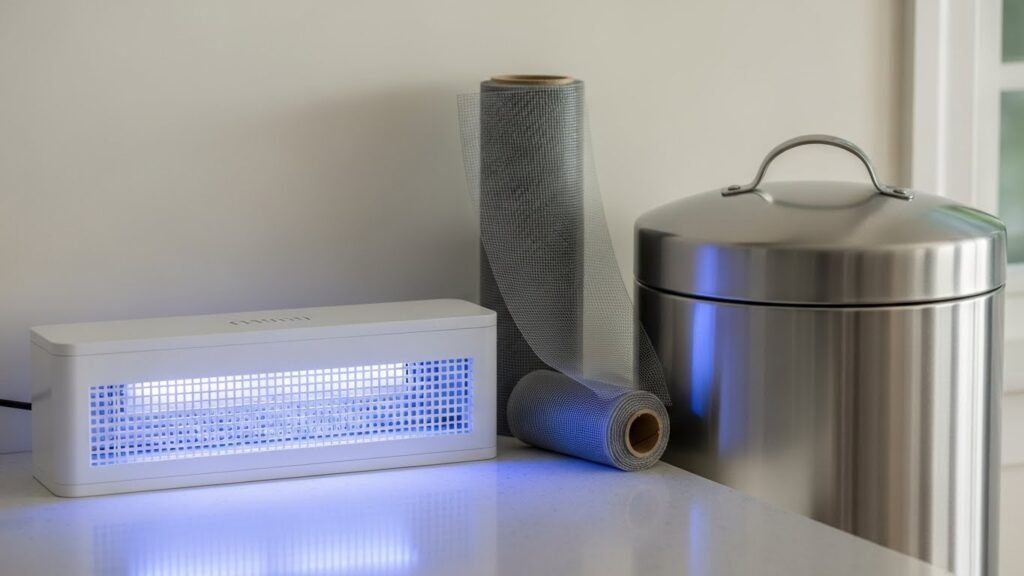
To successfully follow your fly prevention plan, you need the right tools to handle sanitation and light management. This list includes the essential items to keep your home or business free from pests like house flies, fruit flies, and fungus gnats. Focus on these items to stop flies from landing on your food and breeding in your space.
Light and Physical Barriers
- Yellow “Bug” Light Bulbs: These bulbs are less attractive to flies than standard white lightbulbs.
- UV Light Traps: These devices use specific light wavelengths to lure adult flies into a trap.
- Sticky Traps: These are perfect for hanging near windows or lamps to catch buzzing pests.
- Window Screen Repair Kit: Use this to fix any holes in your screens that let insects inside.
- Heavy-Duty Trash Cans: Look for cans with tight-fitting lids that leave no gaps for pests to enter.
Sanitation and Waste Management
- Pooper Scooper: A dedicated tool for quickly removing animal feces from your yard.
- Plastic Trash Bags: High-quality bags that can be tied tightly to trap odors and moisture.
- Enzymatic Drain Cleaner: This helps remove the organic sludge and fungi that drainage flies love.
- Disinfectant Surface Wipes: Essential for cleaning up kitchen scraps and sticky food particles.
- Lidded Garbage Can: A smaller, sealed bin for indoor organic waste to prevent breeding.
Garden and Plant Care
- Pruning Shears: Use these to remove decaying plant matter from your indoor plants.
- Moisture Meter: This tool helps you avoid overwatering, which prevents fungus gnat larvae in moist soil.
- Sealable Compost Bin: If you save food waste, ensure the container is airtight to keep fruit flies away.
Professional Grade Supplies
- Sticky Boards: Replacement inserts for UV traps to maintain their effectiveness.
- Non-Toxic Fly Bait: Useful for outdoor areas like dumpsters to reduce fly populations.
- Fly Swatters: A simple but necessary tool for dealing with the occasional adult fly that slips in.
Conclusion
Understanding why flies are attracted to light is more than just a scientific curiosity; it is a vital tool for maintaining a healthy, pest-free environment. As we have explored, the combination of positive phototaxis, navigational confusion, and the search for warmth creates a powerful draw that pulls flies toward our homes and businesses. However, brightness is rarely the only factor at play. By recognizing that light often works in tandem with secondary attractants like moisture, organic waste, and breeding grounds, you can take a more holistic approach to pest management.
Taking control of a fly problem requires a proactive strategy that balances smart lighting choices with rigorous sanitation habits. By implementing the cleaning schedules, utilizing the right exclusion tools, and managing outdoor attractants, you can break the life cycle of these persistent pests. Whether you are swapping out high-heat bulbs for cooler LEDs or ensuring your garbage is sealed and dry, every small step contributes to a much larger defense against infestations. With the right knowledge and consistent effort, you can transform your space from a beacon for pests into a clean, comfortable sanctuary.
Frequently Asked Questions
Do certain colors of light attract flies more than others?
Flies are most sensitive to the ultraviolet (UV) and blue-violet end of the light spectrum. This is why UV light traps are highly effective in professional pest management compared to standard white light.
Why do flies land on my food even when a bright light is nearby?
While flies are drawn to light, their survival instincts for feeding often override phototaxis. The scent of protein, sugars, and moisture from your meal provides a stronger biological pull than a nearby lamp.
Are there specific types of light bulbs that do not attract flies?
Yellow or “warm” lighting is generally less attractive to flies than cool white or blue bulbs. Swapping outdoor white bulbs for yellow “bug bulbs” can significantly reduce the number of pests congregating near your doors.
Can the intensity of light change how many flies enter a room?
Yes, higher light intensity generally increases the level of attraction. Adult flies are programmed to seek out the brightest point in their immediate area, meaning a very bright halogen lamp will draw more flies than a dim nightlight.
How do cluster flies differ in their light-seeking behavior?
Cluster flies are famously attracted to windows during the autumn as they seek warmth and light to find hibernation spots. They often congregate in large groups in attics or wall voids where light might filter through small cracks.
Does the sun influence fly activity inside a house?
The sun acts as the ultimate light source for navigation. During the day, flies are more likely to ignore indoor lamps and focus on windows because the sun’s light intensity is vastly superior to artificial sources.
Why are fruit flies attracted to my kitchen even if it is dark?
Fruit flies are primarily driven by the scent of fermenting organic matter and moisture. While they do have some light sensitivity, the smell of overripe fruit or a dirty drain is their main reason for entering a space.
Do LED lights attract as many flies as incandescent bulbs?
LEDs that do not emit UV light or significant heat are generally less attractive to flies. However, because flies also use light for basic navigation, they may still be drawn to the brightness of an LED even if it lacks heat.
What is the best height to place a light trap for maximum effectiveness?
Since flies often travel at mid-level or along walls, light traps are most effective when placed about three to five feet off the ground. This puts the light source directly in their flight path as they navigate through a room.
Do flies get tired of flying toward the light?
Flies will continue to seek light as long as their sensory organs are stimulated. However, they may eventually land on a nearby surface to rest if they cannot reach the light source or if they become physically exhausted.
Are drainage flies also attracted to light?
Drainage flies are typically nocturnal and are attracted to light sources at night. During the day, they remain near their breeding grounds—the moist organic sludge found in drains and pipes.
How does the location of my home affect fly attraction?
Homes near livestock, farms, or industrial dumpsters in regions like Pennsylvania or New Jersey often face higher fly pressure. In these areas, the sheer number of flies makes light attraction more noticeable as they search for new feeding grounds.
Can a fly’s memory affect its return to a light source?
Flies have very short-term memories and operate largely on immediate sensory perception. They do not “remember” the light; they simply react to the visual stimulus every time they perceive it.
Why do some flies stay near the ceiling lights instead of landing?
The warmth rising from the bulb creates a pocket of heated air near the ceiling. Flies may circle in this zone because it offers the perfect combination of high light intensity and optimal temperature.
Does moonlight affect fly behavior indoors?
Moonlight can attract flies toward windows at night, especially in rural areas with little light pollution. This natural light source can confuse their navigation just as artificial lamps do.
Is there a “safe” time of day when flies are less likely to follow the light?
Flies are generally less active during the coolest parts of the night when they are night-blind and enter a resting state. However, if a bright light is switched on, it can quickly wake and attract them.
Can dirty windows increase fly activity?
Windows with a film of dirt or debris can actually diffuse light in a way that makes it seem “softer” but still visible. However, clear windows provide the sharpest light contrast, which is most attractive to searching flies.
Do commercial buildings need different light strategies than homes?
Commercial spaces often use large UV “zappers” or sticky light boards because they have more entry points like loading docks. High-traffic businesses in cities like Manchester or London often require these specialized light-based exclusionary methods.
Are flies attracted to the flicker of a television or computer screen?
Yes, the bright, flickering light of a screen can act as a beacon for flies in a dark room. They are drawn to the movement and light intensity, often landing directly on the screen.
How do predators use light attraction to hunt flies?
Some predators, like certain spiders, will build webs near light sources specifically because they know flies will be drawn there. This creates a natural trap where the fly’s attraction to light leads directly to its demise.