
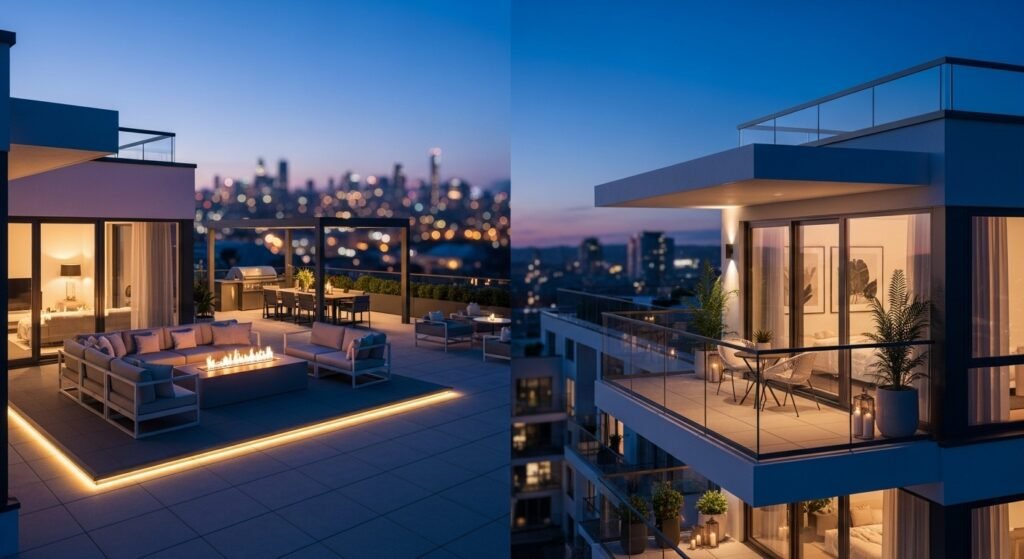
Living in a crowded city can feel pretty tight sometimes. Having a spot to chill outside is a total game changer for your mood. Most folks get mixed up when talking about a terrace vs balcony. It is super common to call a porch a deck or a patio a terrace. But these words actually mean different things in the world of building houses.
Architects use these terms to describe how a space is built and where it sits. Some are stuck to the side of a building like a backpack. Others are big open spaces on the ground or way up on the roof. Knowing the difference helps you pick the right furniture and stay safe. This guide will break down everything you need to know about these cool outdoor spots.
Getting the lingo right is vital for anyone looking to buy or fix up a home. It helps you talk to builders and understand what you are paying for. Plus, it makes sure you follow the local rules for your city. Let’s dive into the world of fresh air and great views.
Understanding the Terrace: The Expansive Outdoor Platform
A terrace is a big deal in the world of outdoor design. The word comes from the Latin word terra, which just means earth. This makes sense because traditional terraces were often flat spots built into hillsides. Today, it refers to a flat, open area that is usually paved.
Terraces are known for being wide and open to the sky. They are not just little add-ons to a room. They are major architectural features that can stand all on their own. You might find them attached to a house or sitting separately in a big yard.
Variations of Terraces
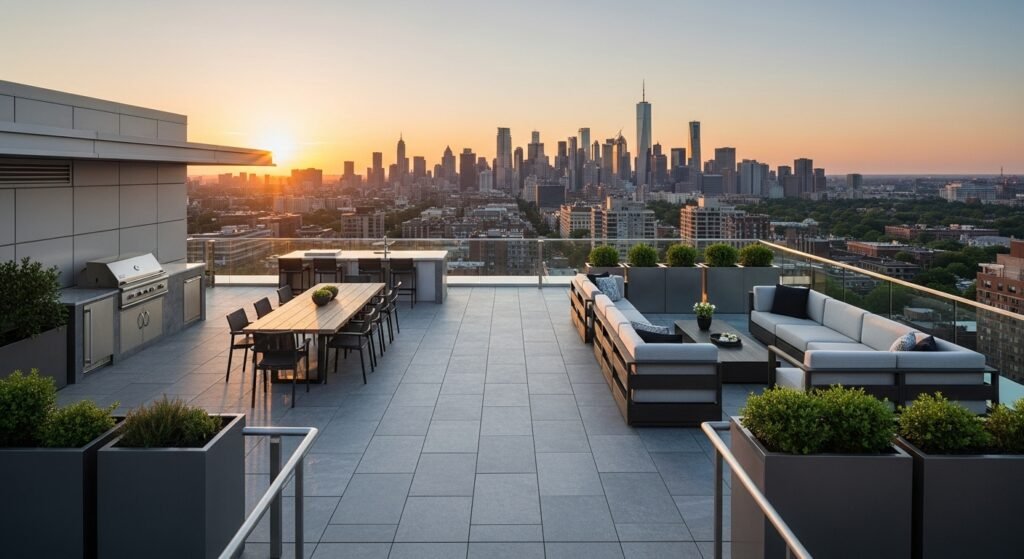
Terraces come in all sorts of shapes and sizes depending on the building. They are super versatile because they do not have to be high up. Here are some common types you will see:
- Ground-Level Terraces: These are popular for one-story houses like bungalows. They are basically raised patios that give you a clean place to hang out.
- Rooftop Terraces: Modern apartments often turn their flat roofs into awesome hangouts. These spots give you the best views of the neighborhood or city lights.
- Raised Terraces: These are different from regular patios because they are lifted up. You might see them built on the edge of a cliff or a steep hill.
- Communal vs Private Terraces: In big apartment buildings, a terrace might be for everyone to share. Other times, it belongs to just one lucky person with a penthouse.
Understanding the Balcony: The Elevated Private Escape
If a terrace is a big stage, a balcony is more like a cozy private booth. The word comes from the Italian word balcone, which means a large window. Back in the day, people would just step through a big window onto a little platform. Now, they are a staple for city living in apartments and condos.
A balcony is always an elevated platform that sticks out from a wall. It is like a little extra piece of floor that hangs over the ground. It is almost always connected to a specific room inside the house. You cannot usually walk onto a balcony from the outside without a ladder.
Specialized Balcony Types
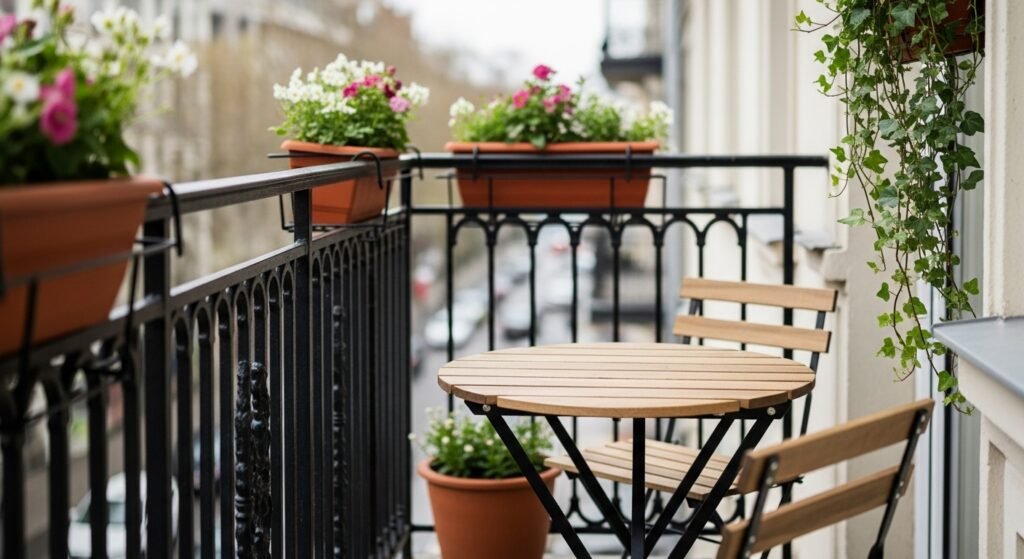
Architects get really creative with how they build balconies. Some look like they are floating while others are tucked inside the building. Check out these cool styles:
- Cantilevered Balconies: These are the ones that stick straight out without any visible legs. They use hidden steel beams inside the wall to stay up.
- Stacked Balconies: You see these on almost every apartment building. They are lined up one on top of the other all the way up the wall.
- Glass Balconies: These use thick glass instead of metal bars for the railing. They look super fancy and do not block your view of the city.
- False or Faux Balconies: Also called Juliet balconies, these do not have a floor. They are just railings outside a big window so you can open it safely.
- Loggias vs Balconies: A loggia is actually tucked into the building instead of sticking out. It has a roof and is surrounded by walls on three sides.
Core Differences: Terrace vs Balcony Comparison
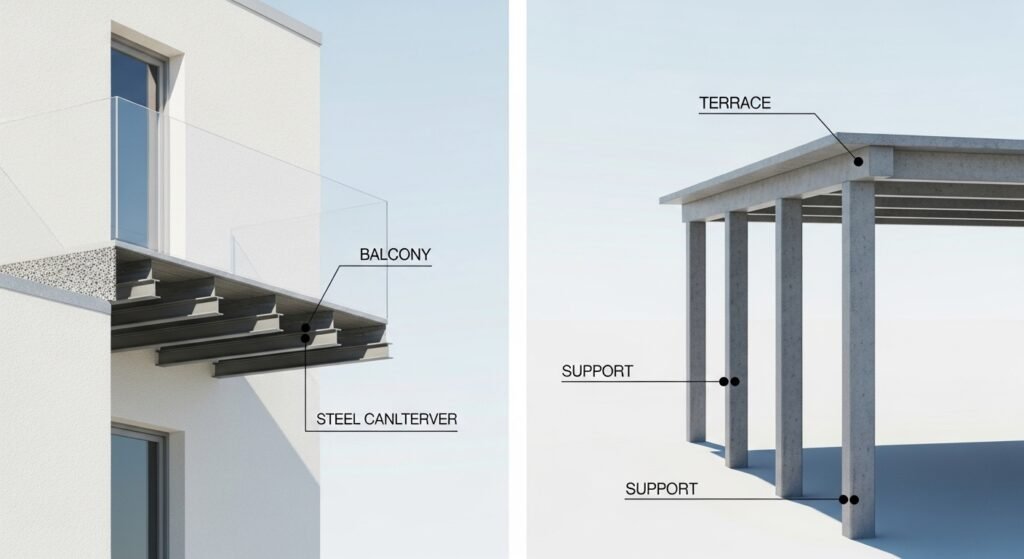
The main battle of terrace vs balcony comes down to a few big things. Size is usually the first thing you will notice right away. Terraces are like big outdoor rooms where you can host a whole party. Balconies are small and better for a single person or a couple to share a coffee.
Location is another big factor in the terrace vs balcony debate. A balcony has to be on the second floor or higher because it needs to be elevated. A terrace can be anywhere from the ground floor to the very top of a skyscraper. Access is also different because you can usually only get to a balcony from one room.
- Size and Scale: Terraces are huge and can be over 20 feet wide. Balconies are usually snug and around 5 feet wide.
- Location and Level: Balconies are always upper-level features. Terraces can be ground-level, rooftop, or anywhere in between.
- Structural Attachment: Balconies are bolted to the building. Terraces can be independent structures that stand alone in a yard.
- Access Points: A balcony usually has one door. A terrace might have doors from several rooms or even stairs from the ground.
Functionality and Usage Scenarios
How you use your space depends on whether you have a terrace vs balcony. A terrace is built for big social energy and lots of people. Since it has a lot of floor space, you can do things you could never do on a balcony. Think of it as a backyard that just happens to be paved.
Balconies are all about that private, chill vibe. They are perfect for people who want a little fresh air without seeing their neighbors. Even though they are small, they are super useful for people living in the middle of a big city.
- Entertainment Potential: Use a terrace for birthday parties, BBQs, and big dinners. You can fit a full dining table and a grill out there.
- Intimacy and Privacy: A balcony is perfect for a romantic date night. It is a great spot for reading a book or watching the sunrise alone.
- Urban Utility: People use balconies to dry clothes or give their pets some sun. It helps make a small apartment feel a lot bigger.
- Health and Wellness: A terrace is big enough for a yoga mat or a home workout. You can also fill it with plants to create your own little jungle.
Structural Construction and Technical Specifications
Building these spaces takes some serious engineering to keep everyone safe. A terrace vs balcony requires different types of supports and foundations. Builders have to think about how much weight the floor can hold. This is especially true if you want to add heavy things like hot tubs or big planters.
Balconies are usually held up by brackets or beams that go into the house wall. Terraces on the ground need solid concrete footings to keep them from sinking. For rooftop terraces, the whole roof has to be extra strong to handle the load of people and furniture.
- Support Frameworks: Terraces use posts and beams for support. Balconies rely on cantilever systems or ledger boards attached to the building.
- Material Selection: Teak and wood are great for a warm look. Steel, aluminum, and concrete are used for strength and modern style.
- Weight Load Calculations: Engineers check “live loads” like people and “dead loads” like the structure itself. This keeps the floor from sagging or breaking.
- Permits and Regulations: You almost always need a building permit to add either one. This makes sure your project follows the local safety codes.
Safety, Compliance, and Inspections
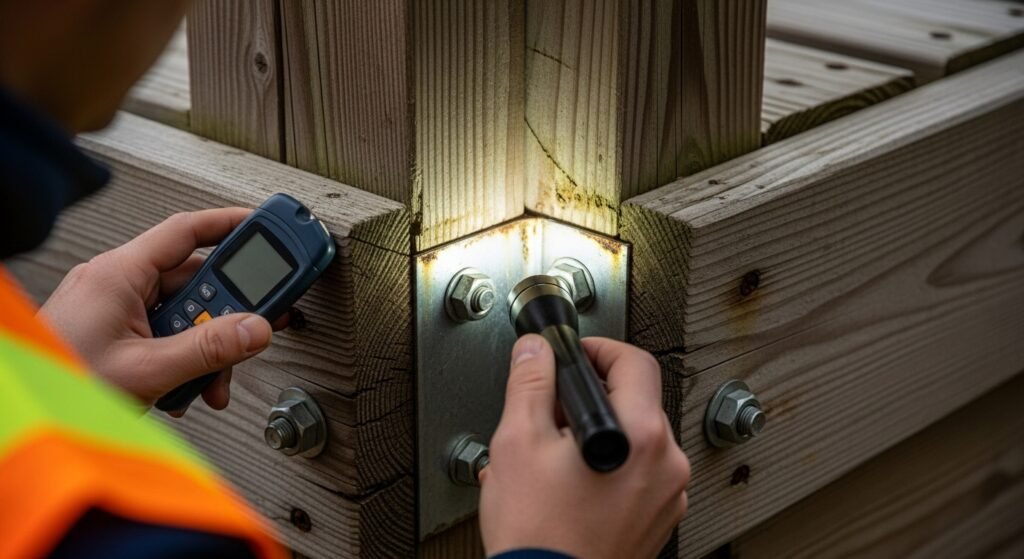
Safety is the most important part of owning an outdoor space. Bad weather and time can really hurt these structures. Rain can cause wood to rot and metal to rust if you are not careful. In some places, the law even says you have to get them checked by a pro.
California has some of the toughest rules because of accidents in the past. They have laws like SB326 and SB721 that require regular inspections. These checks make sure the supports are still strong and the waterproofing is working.
- Environmental Threats: Watch out for water getting into the walls. Rust on bolts and cracks in concrete are big warning signs of trouble.
- EEE Classification: This stands for Exterior Elevated Elements. It includes any balcony or terrace that is more than 6 feet high.
- SB326: This law is for condos and says they need an inspection every 9 years.
- SB721: This one is for apartment buildings and requires a check every 6 years.
- Inspection Technology: Pros use cool tools like moisture meters and infrared cameras. They can see rot inside the walls without tearing anything apart.
Maintenance and Long-Term Upkeep
Keeping your terrace vs balcony in good shape takes a bit of work. If you ignore it, you might end up with a very expensive repair bill. A little cleaning and checking every year goes a long way. It also makes your outdoor spot a lot more fun to use.
Terraces are bigger, so they naturally take more time to clean. You have to sweep a lot more and check a larger area for cracks. Balconies are smaller and easier to manage, but they still need love. You should check the railings and where the floor meets the wall.
- Cleaning Protocols: Use a mild soap and a brush to scrub the floors. Make sure the drains are clear so water does not sit and cause damage.
- Water Management: Terraces need a tiny slope so rain runs off. If water pools in the middle, it will eventually leak through the floor.
- Sealants and Weatherproofing: Wood and concrete should be sealed every year or two. This keeps moisture from soaking in and causing rot.
- Pest Control: Keep an eye out for termites or ants in wooden parts. They can eat through supports and make the whole thing unsafe.
- Cost of Neglect: A small $200 fix today can save you $20,000 later. Fixing structural rot is a huge and messy job.
Cost Considerations and Budgeting
Adding an outdoor space to your home is a big investment. The price of a terrace vs balcony varies a ton based on size and materials. Balconies are usually cheaper because they are smaller. Terraces cost more because they cover a lot of ground and need more materials.
You also have to think about the cost of labor and getting permits. High-end materials like marble or exotic woods will drive the price up fast. It is a good idea to talk to an architect early on to get a real estimate.
- Balcony Estimates: These typically run between $1,000 and $5,000. The price depends on the railing style and the floor material.
- Terrace Estimates: Expect to pay $10,000 to $20,000 or more. Rooftop terraces are the most expensive because of the structural work needed.
- Cost Drivers: The biggest expenses are the size and the type of support used. Fancy finishes like glass railings also add to the total.
- Consulting Professionals: A pro can help you stay within your budget. They can suggest cheaper materials that still look great and last a long time.
Design and Decoration Strategies
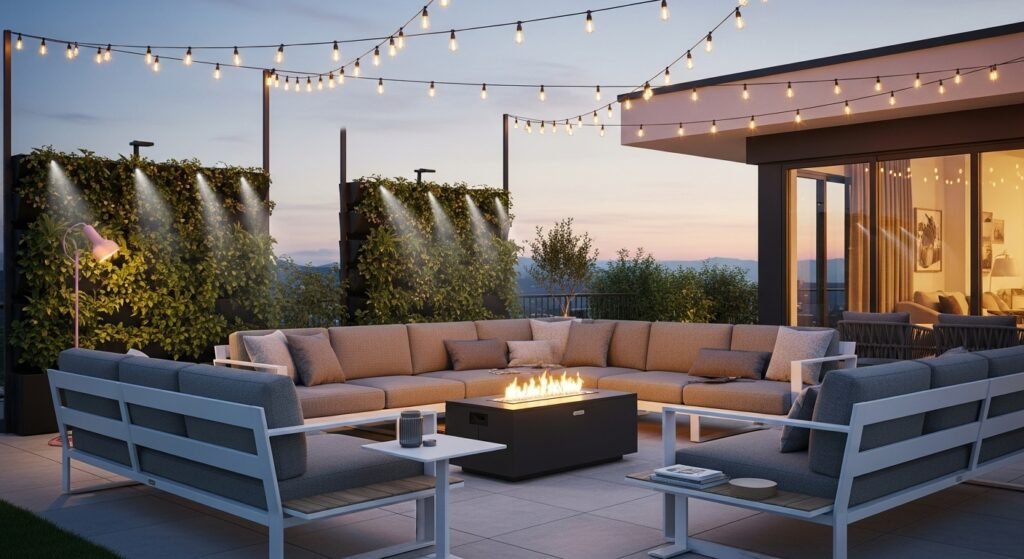
Once your space is built, it is time for the fun part. Decorating a terrace vs balcony is all about using the space you have. You want furniture that can handle the sun and rain without falling apart. Adding some green plants makes any outdoor spot feel like a true oasis.
For a terrace, you have plenty of room to create different zones. You can have a dining area and a separate lounge spot. On a balcony, you have to be a bit more clever. Multipurpose furniture is your best friend when space is tight.
- Terrace Furnishings: Look for big sectional sofas and outdoor dining tables. You can even add a fire pit for chilly nights.
- Balcony Furnishings: Bistro sets with two chairs and a small table are perfect. Folding furniture is great because you can clear the space when you need to.
- Aesthetics and Ambiance: Use outdoor rugs and pillows to make it cozy. String lights or lanterns add a nice glow after the sun goes down.
- Privacy Screening: Use tall plants in pots or wood lattice to block views. Outdoor curtains can also give you a private feel on a balcony.
The Impact on Property Value and ROI
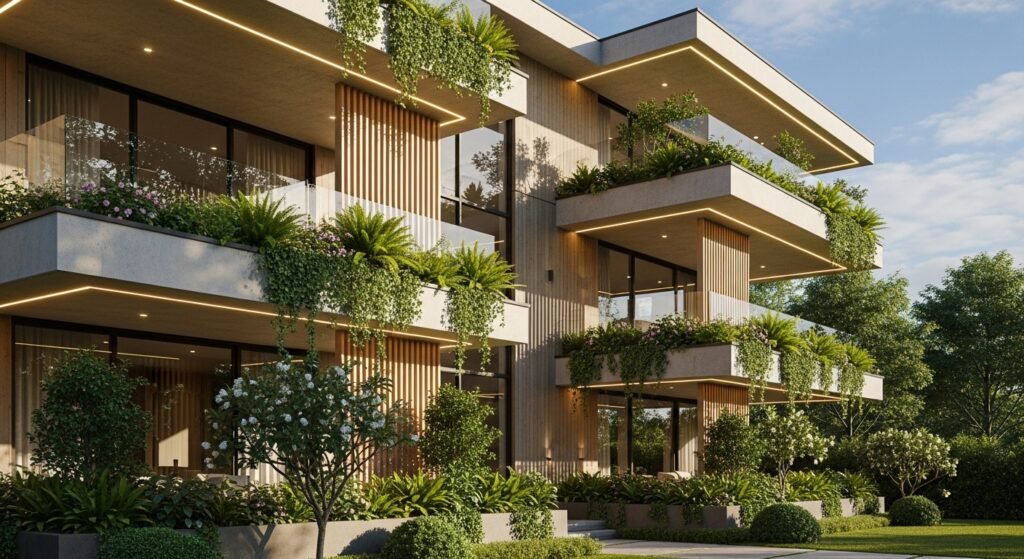
Adding an outdoor space is one of the smartest things a homeowner can do. In the world of real estate, extra square footage outside is a huge selling point. People are often willing to pay a lot more for a home with a great view and a place to sit outside.
The return on investment (ROI) for these projects is usually very high. This is especially true in crowded cities where green space is hard to find. Even a small balcony can make an apartment much more attractive to buyers or renters.
- Resale Value: Homes with terraces or balconies often sell faster. They stand out in listings and make a great first impression.
- Curb Appeal: A beautiful balcony or terrace makes the whole building look better. It adds character and style to the outside of your home.
- Rental Premiums: Landlords can charge more for units with outdoor access. It is considered a luxury feature that many people are looking for.
Climate-Specific Considerations
The weather where you live should change how you build and use your space. A terrace vs balcony in Florida needs to handle different things than one in New York. Heat, snow, and wind all play a part in how long your structure will last.
Coastal areas have to worry about salty air rusting metal parts. Places with lots of snow need floors that can handle the extra weight. Planning for your specific climate will save you from a lot of headaches down the road.
- Wind Loads: High-rise balconies deal with very strong winds. Railings and furniture must be secured so they do not blow away.
- Snow and Drainage: Rooftop terraces need heavy-duty drainage for melting snow. You have to make sure the weight of the snow does not damage the roof.
- Heat Mitigation: Terraces in hot spots need shade from umbrellas or awnings. Use materials that do not get too hot to walk on in the sun.
Modern Innovations in Outdoor Living
Technology is making outdoor spaces even more awesome than before. You can now get “smart” features that make maintenance a breeze. There are also new materials that last way longer than traditional wood.
Sustainability is a big trend in modern design. People are using recycled materials to build their terraces and balconies. Solar power is also huge for lighting up these spots without using extra electricity.
- Smart Outdoor Technology: You can control lights and sound from your phone. Automated watering systems keep your plants happy even when you are away.
- Sustainable Design: Composite decking is made from recycled plastic and wood. It looks like real wood but never rots or needs staining.
- Modular Furniture: These are pieces you can move around to fit different needs. They are perfect for small balconies where you need to be flexible.
How to Choose the Right Structure for Your Home
Picking between a terrace vs balcony depends on your lifestyle and your house. You have to look at how much room you have and what you want to do out there. Your budget will also play a big role in the final decision.
If you live in a small apartment, a balcony might be your only choice. If you have a big house with a flat roof, a terrace could be an incredible upgrade. Think about how much time you will actually spend outside before you start building.
- Assessing Available Space: Look at your yard or your roof. A terrace needs a big flat area, while a balcony only needs a strong wall.
- Defining Desired Functionality: If you love hosting parties, go for the terrace. If you just want a private spot for coffee, a balcony is perfect.
- Evaluating Topography: Hills and slopes might make a raised terrace a great idea. In a flat city, a rooftop spot is usually the way to go.
- Temporal Factors: Consider the seasons in your area. Open terraces are great for summer, but covered balconies are better for year-round use.
Conclusion: Maximizing Your Outdoor Experience
Adding an outdoor space is about more than just building a floor. It is about creating a place where you can relax and enjoy life. Whether you choose a terrace vs balcony, you are making a great move for your home’s value.
Take the time to plan things out and hire the right pros for the job. Good construction and regular maintenance will keep your spot safe for years. Soon, you will be sitting outside, breathing in the fresh air, and wondering how you ever lived without it.
Outdoor living is the future of home design. It bridges the gap between being stuck inside and being out in nature. So, grab some plants, find some comfy chairs, and start enjoying your new favorite room in the house.
FAQs: Everything Else You Need to Know About Terraces and Balconies
Can I install a hot tub on my rooftop terrace?
Most rooftop terraces can handle the weight of standard patio furniture, but a hot tub is a different story. A filled hot tub weighs thousands of pounds, which can easily exceed the weight capacity of a residential roof. You must consult a structural engineer to calculate the load-bearing capacity and potentially reinforce the support beams before installation.
Does a balcony count as square footage when selling a home?
In the United States, balconies and terraces are generally not included in the “living square footage” because they are not climate-controlled indoor spaces. however, they are listed as premium amenities. Real estate agents often highlight them separately, as they significantly increase the total usable area and market value of the property.
What is the best flooring for an open-air terrace?
Porcelain tiles and natural stone are excellent choices for terraces because they are durable and resistant to fading. If you prefer a wood look, composite decking is better than natural wood because it does not splinter or rot. Always ensure the flooring has a high slip-resistance rating to prevent accidents when the surface is wet.
Are there weight limits for balcony planters?
Yes, balconies have specific weight limits per square foot. Large ceramic pots filled with wet soil and heavy trees can put a localized strain on the cantilevered beams. It is safer to use lightweight resin or fiberglass planters and “soilless” potting mixes to keep the weight manageable.
Can I build a roof over my existing terrace?
Adding a permanent roof often changes the architectural classification of the space from a terrace to a porch or a sunroom. This usually requires a new building permit and may be restricted by local zoning laws or Homeowners Association (HOA) rules regarding the building’s exterior appearance.
What is the difference between a balcony and a veranda?
While both are outdoor spaces, a veranda is usually a large, roofed gallery that attaches to the ground floor of a house and wraps around the sides. A balcony is always elevated and much smaller, whereas a verandas are often level with the yard and serve as an outdoor hallway.
Is it legal to use a charcoal grill on an apartment balcony?
In many cities, fire codes strictly prohibit charcoal grills and propane tanks on balconies due to the risk of fire spreading to the units above. Electric grills are usually the only legal option for balcony cooking. Always check your local fire department regulations and your lease agreement first.
How do I stop birds from nesting on my balcony?
Birds often seek out the corners of balconies for shelter. You can use non-harmful deterrents like reflective tape, small owl statues, or bird spikes along the railings. Keeping the area clean of food scraps and installing a balcony net are also effective ways to keep the space bird-free.
Can a balcony collapse from too many people?
While rare, structural failure can happen if the balcony is old, poorly maintained, or overcrowded beyond its design capacity. Most modern balconies are designed to hold about 50 to 100 pounds per square foot. If you are hosting a party, it is vital to ensure guests are spread out and not bunched together on the platform.
What is the difference between a balcony and a loggia?
A balcony sticks out from the side of the building and is exposed to the elements on three sides. A loggia is actually part of the building’s footprint, recessed into the facade with a roof and side walls. Loggias offer much more protection from wind and rain than a standard balcony.
Do I need special insurance for a rooftop terrace?
Standard homeowners insurance usually covers outdoor structures, but you should notify your provider if you add a high-value terrace or a rooftop garden. If the terrace includes features like an outdoor kitchen or a fire pit, you might need an endorsement to ensure full coverage for those specific assets.
How do I provide shade on a terrace without a roof?
Retractable awnings and large cantilever umbrellas are the most popular solutions for open terraces. You can also use “sail shades,” which are large pieces of UV-resistant fabric stretched between poles or wall mounts. These offer a modern look and can be taken down during the winter months.
What is a Juliet balcony?
A Juliet balcony is a “false” balcony that consists of a railing placed directly outside a set of floor-to-ceiling windows or doors. It does not have a floor to stand on. It is designed to let in maximum light and air while providing a safety barrier so you can open the doors without falling.
Can I enclose my balcony with glass to make a sunroom?
This is possible in some buildings, but it often requires approval from the city and the building’s management. Enclosing a balcony changes the building’s facade and increases the indoor living area, which might affect your property taxes and the structural load of the balcony.
How do I fix a leaky terrace floor?
A leaking terrace usually means the waterproofing membrane underneath the tiles has failed. Fixing it typically involves removing the top surface, applying a new liquid-applied or sheet membrane, and then reinstalling the flooring. Simply sealing the grout lines is rarely a permanent fix.
What are the best plants for high-rise balconies?
High-rise balconies are often very windy and sunny, which can dry out plants quickly. Hardier species like ornamental grasses, succulents, and lavender do well in these conditions. Avoid plants with large, thin leaves that can be easily torn or shredded by strong gusts of wind.
Can I install a fire pit on a wooden deck terrace?
You should never put a wood-burning fire pit directly on a wooden surface. For a wooden terrace, it is much safer to use a propane-powered fire table that is specifically rated for deck use. Always place a fire-resistant mat underneath any heating element to protect the floor.
Is a mezzanine the same as a balcony?
No, a mezzanine is an intermediate floor inside a building, usually looking down over a double-height room. A balcony is an exterior structure. While they both provide an elevated view, a mezzanine is part of the interior architecture while a balcony is an outdoor feature.
How often should I stain a wooden balcony railing?
To keep the wood from graying and rotting, you should apply a fresh coat of stain or sealer every two to three years. If your balcony faces the south and gets direct sun all day, you might need to do it more often to prevent the wood from cracking.
What is a “mezzanine terrace”?
This term is sometimes used to describe a terrace that sits between two main floors, often created by a setback in the building’s design. It offers more privacy than a ground-floor terrace but is more substantial and integrated into the building than a standard cantilevered balcony.