 Skip to content
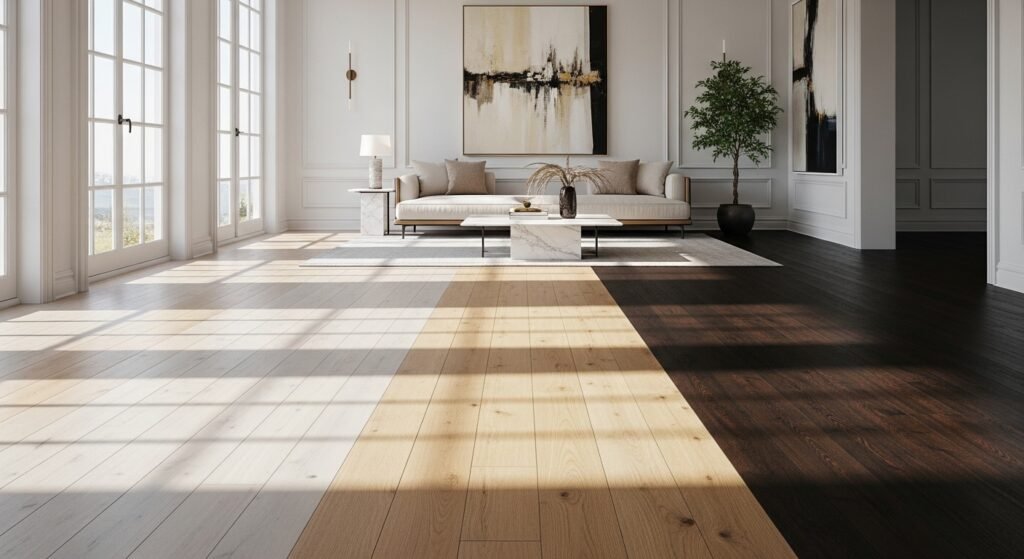
Hardwood flooring is a timeless addition to any home that offers natural beauty and durability. Choosing the right hardwood floor stain colors is a big deal for your home’s look. You can go for warm tones or bold modern shades to show off your style. Stains help highlight the wood grain and add some serious depth to your floors. This guide will help you pick the best look for your space while keeping things simple.
Importance of Hardwood Floor Staining
Staining your wood floors is about more than just a pretty face. It serves both aesthetic and functional purposes that help your home last longer. A good stain can change the whole vibe of a room instantly. It makes the wood look rich and high-end without costing a fortune. Plus, it adds a layer of safety for the wood fibers underneath.
Enhancing Natural Wood Grain
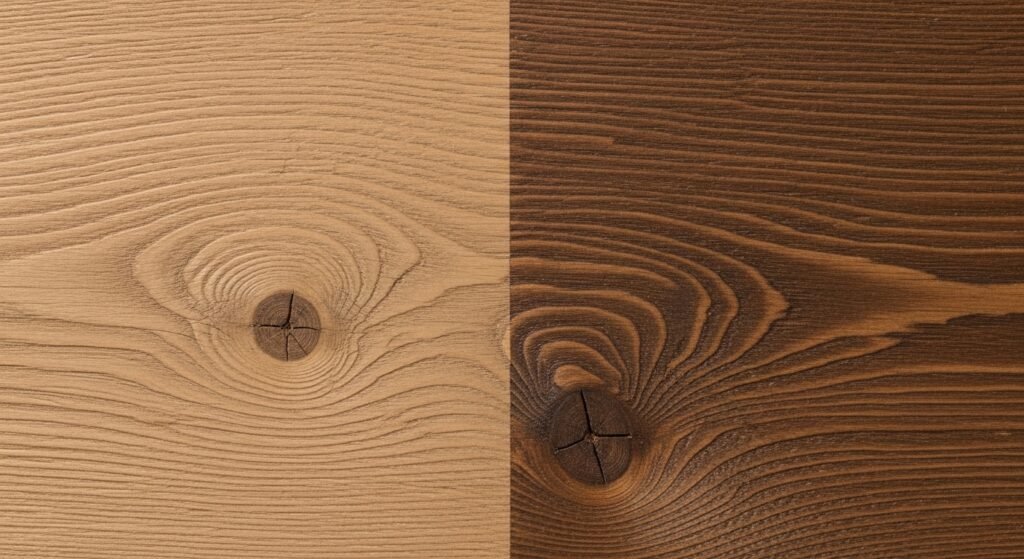
- Highlighting Patterns: Staining brings out the unique grain and texture of the wood species.
- Visual Texture: It makes the natural patterns pop so they don’t look flat or dull.
- Organic Charm: Subtle stains help retain the organic feel of the timber while adding character.
- Character Definition: Darker stains can make growth rings look more dramatic and interesting.
Aesthetic Customization
- Style Reflection: Hardwood floor stain colors allow you to create a space that reflects your personal style.
- Decor Matching: You can choose stains that complement your furniture and wall colors perfectly.
- Vibe Shifts: Light stains feel airy while dark stains feel sophisticated and formal.
- Theme Alignment: Whether you like rustic or modern looks, there is a stain for that.
Functional Protection
- Added Longevity: Some stains include protective elements that safeguard the wood from wear and tear.
- Surface Shield: The stain helps act as a barrier against light scratches and spills.
- UV Resistance: Certain pigments help prevent the wood from fading when the sun hits it.
- Durability Boost: Staining helps keep the wood from looking tired after years of foot traffic.
Adding Depth and Dimension
- Visual Weight: Darker stains add a sense of weight and luxury to a large open room.
- Color Layers: Professional staining creates a multi-toned look rather than a flat paint-like finish.
- Shadow Play: The way light hits a stained floor creates beautiful shadows in the grain.
- Space Definition: Using different depths of color can help define different areas of a home.
Understanding Wood Species and Stain Compatibility
Not all wood behaves the same when you throw a stain on it. Some wood types soak up color like a sponge while others fight it. Knowing your wood species is the first step in getting the right look. If you pick the wrong color for your wood type, it might look blotchy. Always check what kind of wood you have before you buy your supplies.
Oak: The Industry Standard for Staining
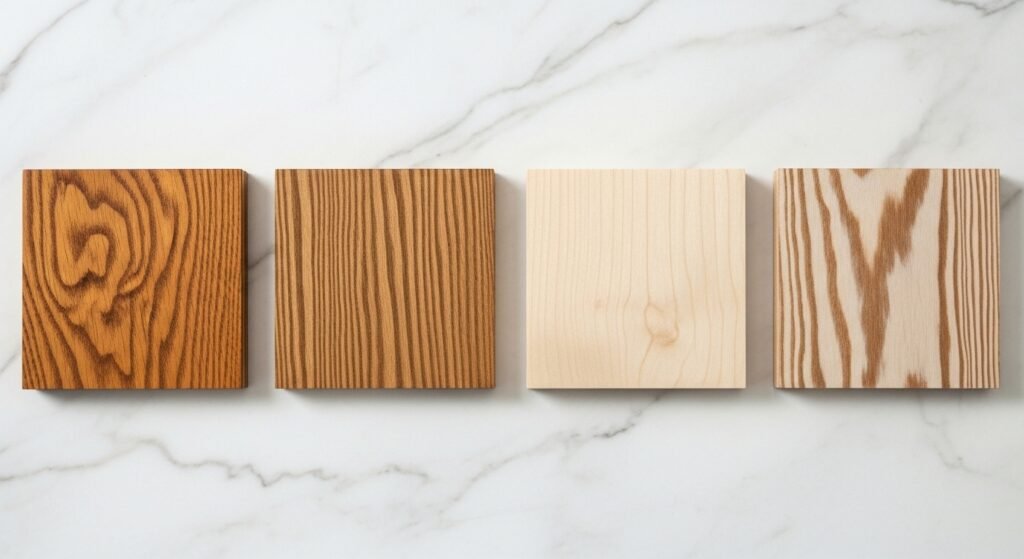
- Open Grain: Oak is famous because it takes stain beautifully and evenly.
- Stain Absorption: Its open grain structure allows it to absorb pigments without much trouble.
- Color Range: You can go very light or very dark on oak and it usually looks great.
- Versatility: It is widely considered the best wood for onsite staining projects.
Maple: The Challenge of Dense Grain
- Tight Structure: Maple has a smooth texture and a very tight grain that resists stain.
- Evenness Issues: It is notoriously difficult to get an even finish on maple floors.
- Factory Preference: Most experts suggest staining maple in a factory for consistent results.
- Blotchiness Risk: If you stain maple onsite, you might end up with dark and light spots.
Exotic Woods and Natural Oils
- Natural Oils: Species like teak or Brazilian cherry have oils that make staining tricky.
- Rich Hues: These woods usually have such nice natural colors that they don’t even need stain.
- Specialized Finishes: If you want to change their color, you need special products to make it stick.
- Natural Beauty: Most people just use a clear coat to show off the exotic wood’s natural vibe.
Hickory and Ash
- Bold Grain: Hickory has a lot of color variation that can be hard to hide with light stains.
- Durability: Both species are very hard, meaning the stain needs to be worked in well.
- Unique Looks: Ash has a grain similar to oak but can sometimes take stain more aggressively.
- Rustic Appeal: These woods are great if you want a floor with a lot of natural “movement.”
Popular Hardwood Floor Stain Color Trends
Trends change, but some hardwood floor stain colors stay cool forever. Right now, people are loving looks that feel clean or very dramatic. You should pick a color that makes you feel good every day. Don’t just follow a trend if you don’t actually like it. Your floors will be there for a long time, so choose wisely.
Light and Natural Finishes
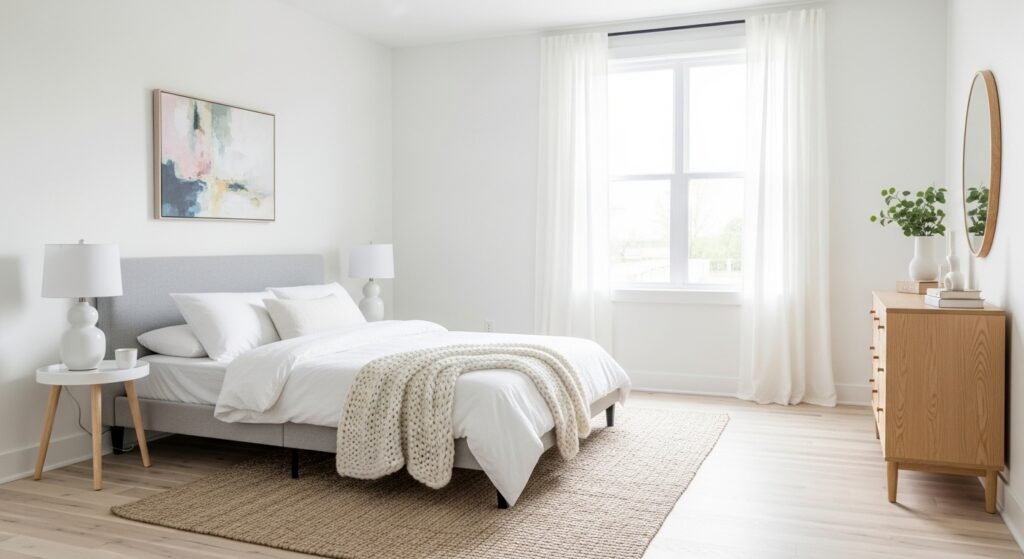
- Scandinavian Style: These stains are perfect for a minimalist and clean look.
- Airy Feel: Keeping the wood natural creates an open feel that brightens any room.
- Natural Oak: Using a clear or light oak stain retains the organic charm of the wood.
- Minimalist Vibe: Light floors are great for modern homes with lots of natural light.
Warm Golden and Honey Tones
- Cozy Warmth: Golden oak and honey tones make a space feel inviting and warm.
- Traditional Style: These medium tones work great in rustic or farmhouse-style homes.
- Furniture Friendly: They pair well with almost any kind of light or dark furniture.
- Timeless Choice: These colors have been popular for decades and never really go out of style.
Rich Browns and Classic Reds
- Elegant Depth: Shades like walnut and chestnut add a touch of class to any floor.
- Inviting Atmosphere: These colors are ideal for formal areas like dining rooms or studies.
- Sophistication: Mahogany and dark brown tones give the home a very expensive feel.
- Classic Appeal: These are the go-to colors for a traditional and high-end look.
Bold Black and Charcoal Hues
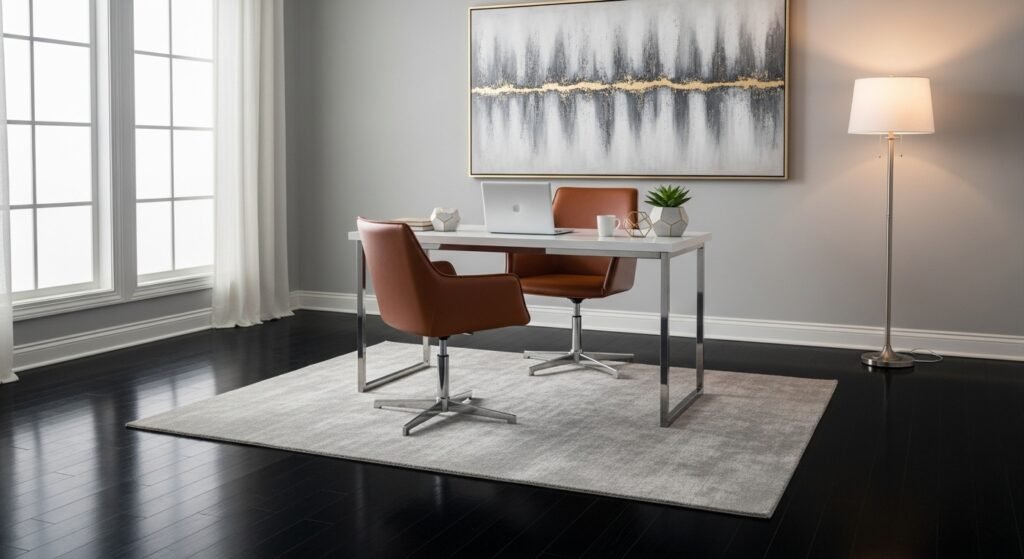
- Sleek Look: For a modern and dramatic home, black and charcoal are bold choices.
- Statement Making: Dark colors make a big statement when paired with light walls.
- Modern Aesthetic: These are perfect for contemporary spaces with minimalist decor.
- Dramatic Contrast: Dark floors can make colorful rugs or furniture look amazing.
Modern Gray and Whitewashed Tones
- Coastal Appeal: Gray stains and whitewash have become super popular recently.
- Fresh Look: They offer a clean look that works with transitional design styles.
- Modern Twist: Gray is a great neutral that isn’t as traditional as brown or tan.
- Bright Spaces: Whitewash is excellent for making a beachy or breezy home vibe.
Technical Application: Factory-Applied vs. Onsite Staining
How the stain gets on the wood is just as important as the color. You can buy wood that is already stained or do it at your house. Both ways have pros and cons depending on your project. If you are building a new house, pre-finished might be easier. If you are fixing old floors, onsite staining is usually the way to go.
Factory-Applied (Pre-finished) Stains
- Consistency: These are applied in controlled settings for a perfect and even finish.
- Precision: High-tech machines ensure the color is the same on every single board.
- Ideal for Maple: Difficult woods like maple are best stained in a factory setting.
- Environmental Control: Humidity and temperature are kept perfect so the stain dries right.
Onsite (Site-finished) Staining
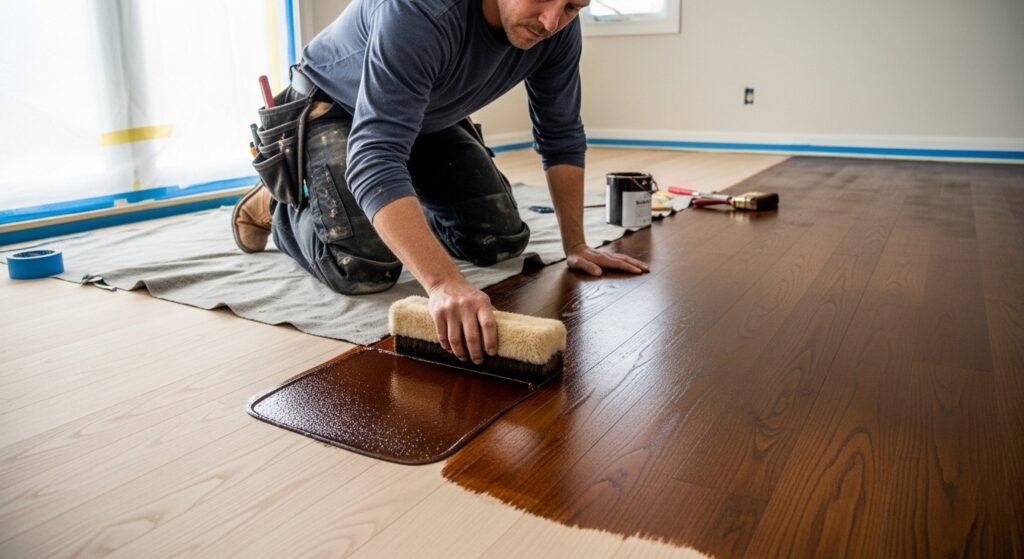
- Customization: You can see how the stain looks in your actual room before finishing.
- Flexibility: This is great for renovations where you need to match existing wood.
- Custom Blends: Pros can mix different colors to get the exact shade you want.
- Seamless Look: Staining onsite allows for a smoother transition between planks and rooms.
Critical Selection Factors for Homeowners
Don’t just pick a color because it looks good in a magazine. You have to think about how it will work in your real life. Light, kids, and pets all play a role in this decision. You don’t want to regret your choice a week after it’s done. Take your time to think about the long-term results.
Evaluating Interior Style and Architecture
- Aesthetic Match: Consider if you want a modern, coastal, or traditional look.
- Cohesive Design: Make sure the floor color doesn’t clash with your permanent cabinets.
- Architectural Harmony: Some house styles just look better with specific wood tones.
- Room Function: A bright kitchen might need a different vibe than a dark, cozy den.
The Impact of Natural and Artificial Lighting
- Lighting Effects: Light can drastically change how a stain color looks in your house.
- Time of Day: A floor might look brown in the morning but orange in the evening.
- Artificial Light: Check your samples under your actual light bulbs at home.
- Window Placement: Rooms with huge windows will show more of the wood’s true color.
Maintenance and Lifestyle Considerations
- Dust Visibility: Dark stains show dust, pet hair, and scratches more than light ones.
- Low Maintenance: If you hate cleaning, light or medium stains are your best friend.
- Pet Friendly: Scratches from dog claws are less visible on lighter, natural wood tones.
- Family Life: Busy homes with kids usually do better with mid-toned floors that hide messes.
The Importance of Testing Samples
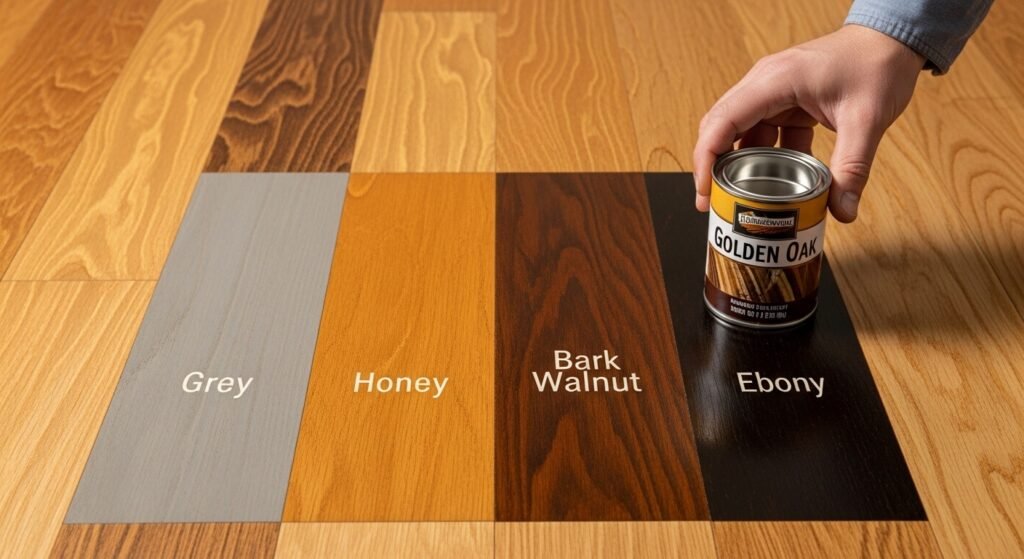
- Real Floor Testing: Always test the stain on your actual floorboards before committing.
- Grain Influence: Different boards will absorb the stain differently, so test a few spots.
- Final Appearance: Seeing it on a big patch is better than a tiny little swatch.
- Color Accuracy: Don’t trust the picture on the can; wood type changes everything.
Avoiding Common Staining Pitfalls
Staining can go wrong if you rush it or skip steps. Most mistakes happen during the preparation phase. If the wood isn’t sanded right, the stain will look like a mess. Professional help is usually worth the money to avoid these headaches. But if you do it yourself, pay attention to the details.
- Poor Sanding: If the floor isn’t smooth, the stain will collect in the scratches and look dark.
- Rushing Dry Time: Applying a top coat too soon can ruin the whole look of the stain.
- Weather Woes: Staining on a super humid day can keep the wood from drying properly.
- Uneven Application: Moving too slow or too fast can leave “lap marks” on the floor.
Sustainability and Health in Floor Staining
People care more about what they breathe inside their homes these days. Some stains have strong smells that can stay around for a while. You can look for “Low VOC” options to keep your air cleaner. It is also good to know where your wood came from. Being green is a great way to feel even better about your new floors.
- Low VOC Stains: These have fewer chemicals that turn into gas in your home.
- Water-Based Options: These dry faster and usually smell way less than oil-based stains.
- Safe for Kids: Choosing eco-friendly finishes is better for homes with little ones and pets.
- Certified Wood: Look for flooring that is harvested in a way that helps the planet.
Final Summary and Expert Recommendations
Picking hardwood floor stain colors is a journey, not a race. You want to balance what looks cool with what actually works for your wood. Oak is your safest bet for onsite staining, while maple should be pre-finished. Always test your samples in different lights to be 100% sure. If you are stuck, talk to a pro who knows how colors react with wood species.
- Think Long Term: Choose a color you will still like in ten years, not just today.
- Budget for Quality: Good stain and professional labor save you money on repairs later.
- Test Everything: Never skip the sample step on your actual wood species.
- Enjoy the Result: A well-stained floor is one of the best upgrades you can give your home.
Frequently Asked Questions
Can I change the color of my hardwood floors without sanding?
Changing hardwood floor stain colors usually requires sanding down to the raw wood. If you try to put a new color over an old finish, it will just peel off. You can use a tinted topcoat for a slight change, but it won’t be a dramatic shift. Most pros recommend a full sand and refinish for a professional look.
How many coats of stain should be applied to hardwood floors?
Usually, one well-applied coat of stain is all you need for the wood to absorb the pigment. Adding a second coat often just sits on top of the first and doesn’t dry right. If you want a darker color, it is better to pick a darker stain from the start. Some people use “water popping” to help the wood take even more color in a single pass.
Will the same stain look different on red oak versus white oak?
Yes, red oak has pinkish undertones while white oak is more tan or olive. If you use the same hardwood floor stain colors on both, the red oak will look warmer and redder. White oak usually gives you a more neutral and true-to-tone result. Always check which type of oak you have before picking your final color.
Can I mix different brands of stain together?
It is a bad idea to mix different brands because their chemical formulas might fight each other. One brand might use different oils or solvents than another. If you want a custom color, stay within the same product line and brand. This ensures the stain dries evenly and sticks to the wood like it should.
How long do I have to wait to walk on newly stained floors?
You should wait at least 24 hours before walking on the floor with just socks. The stain needs time to dry before the protective polyurethane topcoat goes on. If you walk on it too soon, you might leave footprints or smudge the color. Check the weather, because high humidity can make this wait time even longer.
Does hardwood floor stain hide wood filler?
Stain does not always soak into wood filler the same way it does into real wood. Most fillers will look lighter or darker than the rest of the floor after staining. To fix this, pros often mix a little bit of the stain directly into the filler. This helps the patched spots blend in much better with the surrounding planks.
Why does my floor look orange after staining?
An orange tint usually happens when you use an oil-based finish over certain wood species. Some older oil-based products tend to “amber” or turn yellow-orange as they age. If you want to avoid this, use a water-based finish that stays clear. This keeps your hardwood floor stain colors looking exactly like they did when they were wet.
Is it possible to stain floors a lighter color?
You cannot put a light stain over a dark floor and expect it to work like paint. You must sand away all the old dark pigment until you reach the natural light wood underneath. Once the wood is bare, you can apply a light or whitewashed stain. This is a big job that usually requires professional sanding equipment.
Can I stain engineered hardwood floors?
You can stain engineered wood as long as the top “wear layer” of real wood is thick enough. If the wood layer is too thin, sanding will ruin the floor and hit the plywood underneath. Most high-quality engineered floors can be refinished and stained at least once or twice. Check your manufacturer’s specs before you start any sanding.
What is the best way to clean stained wood floors?
Avoid using a soaking wet mop or harsh chemicals like vinegar and bleach. These can eat away at the finish and dull your hardwood floor stain colors over time. Use a damp microfiber mop and a cleaner specifically made for hardwood finishes. This keeps the protective seal strong and the color looking fresh.
How does humidity affect the staining process?
High humidity keeps the stain from drying out, which can lead to a sticky and tacky mess. If the stain doesn’t dry, the topcoat won’t stick, and the whole project might fail. It is best to stain your floors when the indoor humidity is between 30% and 50%. Using a dehumidifier or air conditioning can help control the environment.
Do I need to use a wood conditioner before staining?
Wood conditioner is a must for “soft” or porous woods like pine, birch, or maple. It helps the wood absorb the stain evenly so you don’t get ugly dark blotches. For oak, you usually don’t need it because oak takes stain very well on its own. If you aren’t sure, testing a small spot with and without conditioner is a smart move.
Can I stain my wood floors black?
You can definitely stain floors black using “ebony” or “true black” pigments. This look is very popular in modern homes and provides a high-contrast style. Be prepared to clean more often, as black floors show every speck of white dust and pet hair. It usually takes a very high-quality pigment to get a deep, solid black.
What is water popping and should I do it?
Water popping is when you wipe the floor with a damp cloth to open up the wood fibers. This allows the wood to soak up way more stain, resulting in a deeper and richer color. It is a great technique for getting dark hardwood floor stain colors to look even and intense. Just make sure the floor is completely dry before you apply the stain.
How often should I refinish and restain my floors?
Most hardwood floors need a new look every 10 to 15 years, depending on the traffic. If you see the stain wearing off in doorways or under chairs, it is time for a refresh. You don’t always have to change the color, but a new stain and seal will keep the wood healthy. Constant maintenance can help push this timeline back even further.
Can sunlight change the color of my stained floors?
Yes, UV rays from the sun can cause the wood and the stain to fade or change color over time. Areas near big windows might turn lighter or more yellow than the rest of the room. You can use rugs to protect the floor or apply a finish with UV inhibitors. Closing the blinds during the hottest part of the day also helps.
Does a darker stain make a room look smaller?
Dark hardwood floor stain colors can make a room feel smaller and more “closed in” if the walls are also dark. However, if you have light walls and high ceilings, dark floors look very high-end and cozy. If you are worried about space, go for a light or medium-toned stain. This reflects more light and makes the room feel open.
Can I use a rug on a newly stained floor?
You should wait at least two to three weeks before putting rugs back on your floor. Even if the floor feels dry, the finish is still “curing” or hardening underneath. If you cover it too soon, the rug might trap gases and cause the finish to get cloudy. Giving it plenty of air helps the stain and seal reach their full strength.
Why do some areas of my floor look darker than others?
This usually happens because of uneven sanding or because the wood grain changes in those spots. End-grain areas, where the wood was cut across the fibers, soak up much more stain and look darker. Proper sanding technique is the best way to minimize these variations. Professional flooring contractors spend most of their time on the sanding for this exact reason.
Is it better to use oil-based or water-based stains?
Oil-based stains are easier to apply because they dry slower, giving you more time to work. They also tend to give a more traditional, rich look to the wood. Water-based stains are better for the environment and don’t smell as strong. They are great if you want to avoid the “amber” or yellow look that comes with oil over time.