
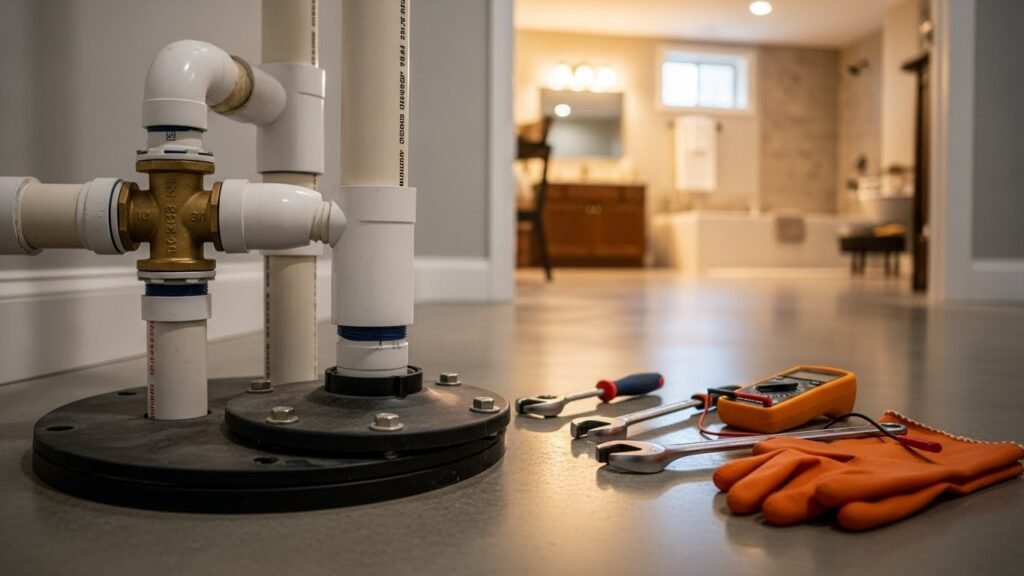
Managing a basement bathroom or laundry room is a great way to add value to your home. However, you need a reliable way to get rid of waste that sits below the main sewer line. That is where your sewage ejector pump comes into play. If this machine fails, you face a massive mess and a very expensive cleanup. Regular sewage ejector pump maintenance is the only way to keep your home safe and dry. You can handle most of these tasks yourself with just a few tools and a little bit of time.
Understanding Your Ejector and Sewage Pump System
A sewage pump is a heavy-duty machine designed to move wastewater and solid waste. It sits in a pit or a holding tank located in the lowest part of your home. When the water level in the pit rises, the pump turns on automatically. It pushes the waste upward through a discharge pipe and into the main sewer line. Without this pump, you could never have a functional bathroom in your basement.
Definition and Purpose
The main goal of this system is to fight gravity. Most city sewer lines are buried deep, but they are still higher than a basement floor. Your toilets and sinks down there need a boost to get the waste out. The sewage ejector pump provides that necessary lift. It keeps the flow moving away from your living space.
Ejector Pump vs. Sump Pump
Many folks get these two pumps mixed up, but they have very different jobs. A sump pump only handles groundwater that seeps in from the foundation. It usually pumps relatively clean water out to your yard. An ejector pump handles blackwater, which includes solid waste and sewage. Because it deals with sewage, the ejector pump pit must be airtight and vented.
The Consequences of Neglect
If you skip out on your maintenance, things will go south quickly. A failed pump can lead to raw sewage backing up into your basement showers and floor drains. This creates a massive health risk because of bacteria and parasites in the waste. It also ruins your drywall, flooring, and furniture. Replacing the entire system after a flood is much more expensive than routine care.
Average Lifespan Expectations
Most high-quality submersible sewage pumps are built to last about seven to ten years. However, this is just an average based on normal wear and tear. If you stay on top of your sewage ejector pump maintenance, you can reach fifteen years. Clean components put less strain on the motor and bearings. This simple effort can save you thousands of dollars over the life of your home.
Essential Pre-Maintenance Safety and Preparation
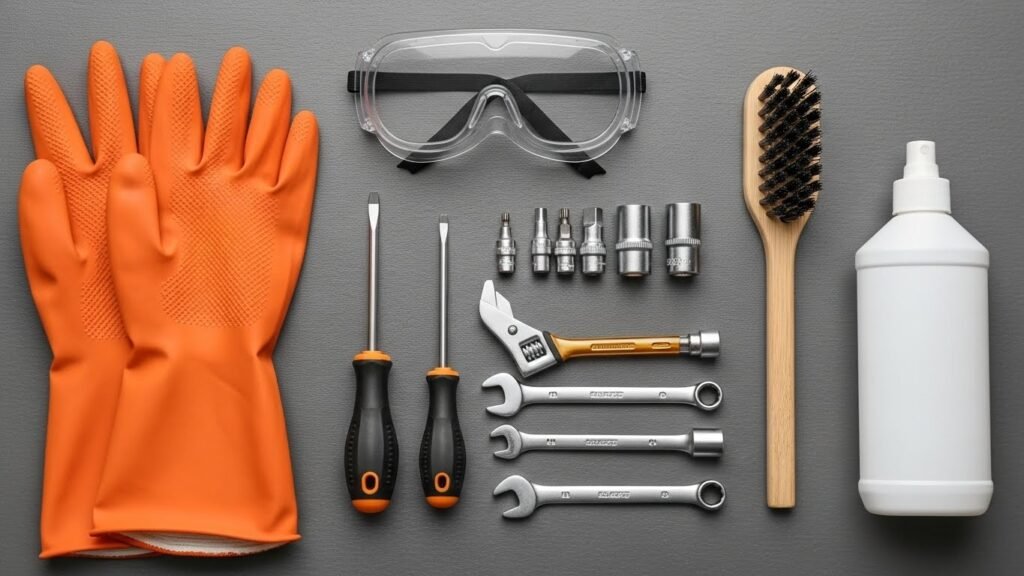
Working on a sewage system is not like fixing a leaky faucet. You are dealing with electricity, moving parts, and biological waste all at once. Preparation is the most important part of the job to stay safe. You need to make sure the pump cannot turn on while you are working on it. Gather all your supplies before you even touch the holding tank lid.
Safety Protocols
The very first step is to locate your circuit breaker and cut the power. You do not want the pump to start up while your hands are near the impeller. You should also turn off the water source to any connected appliances. This prevents anyone from accidentally flushing a toilet while the pump is disabled. Double-check the power by trying to trigger the float switch before you start.
Protective Gear
Sewage is full of nasty stuff that can make you very sick. You must wear heavy-duty rubber gloves that cover your forearms. It is also smart to wear eye protection and a mask to avoid splashes. Wear old clothes that you can wash in hot water or toss away when you are done. Keep a bottle of disinfectant nearby to clean your tools afterward.
Required Tools
- A flat-head and a Phillips-head screwdriver.
- A socket wrench set for the access panel bolts.
- An oil bin or pan for draining lubricants.
- Fresh lubricant or oil as specified by the motor body manual.
- Heavy-duty garbage bags for debris removal.
- A dipstick or a clean piece of wire for checking oil levels.
To perform comprehensive sewage ejector pump maintenance and keep your basement safe from a disaster, you will need the following tools and supplies:
Hand Tools for Access and Adjustment
- Flat-head and Phillips-head Screwdrivers: Used for tightening hose brackets, securing electrical connections, and checking hardware.
- Socket Wrench Set: Necessary for removing the heavy bolts on the access panel or holding tank cover.
- Stiff Brush: Used to clear lint, hair, and debris from the inlet screen.
Fluid and Lubrication Management
- Oil Bin or Pan: Required for safely draining and catching old lubricants from the motor body.
- Dipstick or Clean Wire: Used to check the current oil level and color inside the pump casing.
- Fresh Lubricant/Oil: Must be the specific brand or type recommended in your motor’s manual to avoid damaging internal gaskets.
Cleaning and Safety Gear
- Heavy-Duty Rubber Gloves: Should cover your forearms to protect against biological waste and bacteria.
- Eye Protection and Mask: Essential to prevent getting splashes of wastewater in your eyes or mouth.
- Heavy-Duty Garbage Bags: For the immediate disposal of removed “glop,” grease, and solid debris like paper towels or food scraps.
- Disinfectant: To thoroughly clean and sanitize your tools once the maintenance is complete.
Testing and Monitoring Supplies
- Garden Hose or Large Bucket: Used to fill the pit with water to test the float switch and monitor the pump cycle.
- Maintenance Log/Notebook: To record test results, oil changes, and cleaning dates for warranty protection and to track efficiency over time.
Sewage Ejector Pump Maintenance Checklist
Step 1: Preparation and Safety
- Locate your circuit breaker and cut the power to ensure the pump cannot turn on while you are working.
- Turn off the water source to any connected appliances to prevent accidental flushing while the pump is disabled.
- Double-check that the power is off by attempting to trigger the float switch before beginning.
- Put on heavy-duty rubber gloves that cover your forearms, eye protection, and a mask to protect against biological waste and splashes.
- Gather all necessary hand tools, lubrication supplies, and heavy-duty garbage bags before touching the holding tank lid.
Step 2: Access and Initial Cleaning
- Use a socket wrench to remove the heavy bolts or fasteners on the holding tank cover.
- Lift the access panel and inspect the gaskets for cracks or wear to ensure sewer gases cannot leak into your basement.
- Reach into the pit with your gloves and pull out solid items like paper towels, food scraps, or toys.
- Scoop out any “glop” or thick layers of grease and sludge from the water surface and place them directly into a garbage bag.
Step 3: Component Inspection and Hardware
- Use a stiff brush to clear hair, lint, and debris from the inlet screen to reduce motor strain.
- Wipe down the pump impeller and motor body, manually breaking apart any grease buildup.
- Use a screwdriver to check and tighten all screws, belts, and hose brackets that may have loosened from vibration.
- Inspect the vent pipe to ensure it is not obstructed by debris or nests so the system can regulate pressure.
- Check the electrical plug to ensure it is seated firmly in its outlet and check discharge pipe fasteners for leaks.
Step 4: Lubrication and Seals
- Check the oil level using the exterior gauge or by using a dipstick through the oil plug.
- Inspect the oil color; it should be clear or amber, but if it looks like chocolate milk, water has leaked into the motor.
- If the oil is dirty or milky, drain it into a bin and replace it with the specific brand and amount of oil recommended in your manual.
- Run your fingers along the welded sections and O-rings to check for breaks or signs of wear.
- Look for any physical damage or rust on the surface of the bearing assembly.
Step 5: Functionality Testing
- Manually lift the float switch to confirm the pump starts and moves freely without hitting the basin walls.
- Use a garden hose or large bucket to fill the pit with water and observe the pump through a complete cycle.
- Ensure the pump turns on quickly, empties the tank in a few seconds, and stops completely once the water is low.
- Perform a check valve audit by listening for gurgling or water rushing back into the pit after the pump stops.
- Pay attention to the speed of the cycle; if it is slower than usual, record it as a sign of decreasing efficiency.
Step 6: Post-Maintenance Finalization
- Clean and sanitize all your tools with disinfectant once the maintenance is complete.
- Dispose of all debris bags containing removed waste and grease.
- Record the cleaning date, test results, and any oil changes in a maintenance log for warranty protection.
- Turn the circuit breaker back on and restore the water source to basement appliances.
Routine Cleaning and Visual Inspection
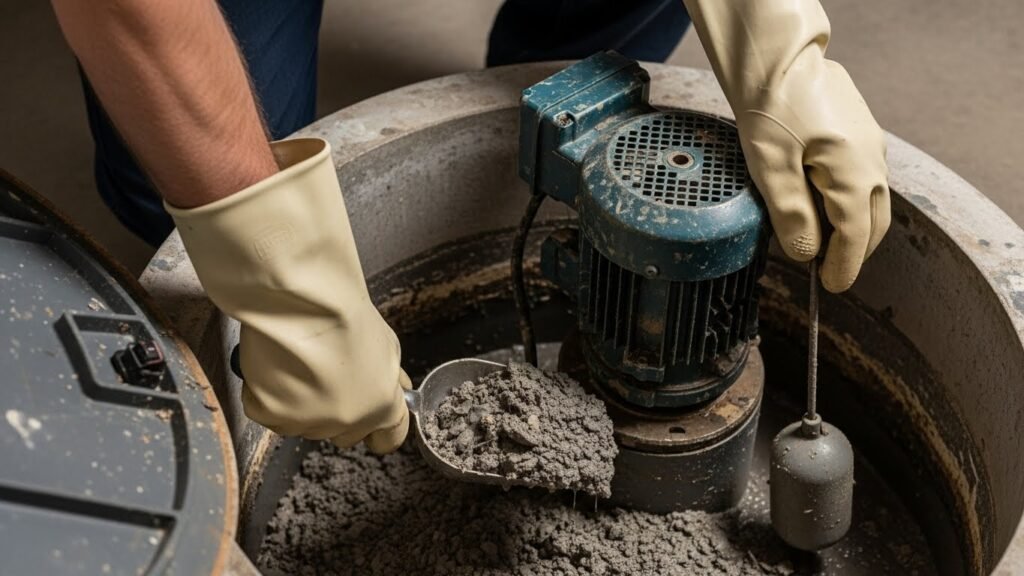
A clean pump is a happy pump that runs at peak performance. Over time, things that should not be flushed end up in the pit. Grease buildup can also coat the walls and the pump casing. If you do not clean this out, it will eventually cause a mechanical failure. A visual check once a year can tell you a lot about the health of your system.
Accessing the Holding Tank
Most pits have a heavy plastic or metal cover held down by fasteners or screws. Carefully remove these and lift the access panel. Be prepared for some strong odors when the seal is broken. Check the gaskets around the lid to see if they are cracked or worn. A bad gasket will let sewer gases leak into your basement.
Debris and Glop Removal
Wear your gloves and reach into the pit to pull out solid items. You might find paper towels, food scraps, or even toys that kids flushed. These items are the leading cause of clogs and blockages in the system. You should also look for a thick layer of grease or sludge on the water surface. Scoop this “glop” out and put it directly into a garbage bag.
Inlet Screen Maintenance
The inlet screen is the first line of defense for the pump motor. It prevents large pieces of waste from entering the impeller housing. Use a stiff brush to clear away any hair or lint stuck to the screen. If the screen is blocked, the pump will have to work much harder to move water. This leads to higher utility bills and a shorter motor lifespan.
Cleaning the Vents
Your pump needs fresh air to regulate the pressure inside the pit. Locate the vent pipe and make sure it is not obstructed by debris. Sometimes spiders or small birds build nests in the outdoor end of the vent. Clear these away so air can flow freely through the system. A blocked vent can cause slow drains and strange gurgling noises in your plumbing.
Mechanical Component Inspection
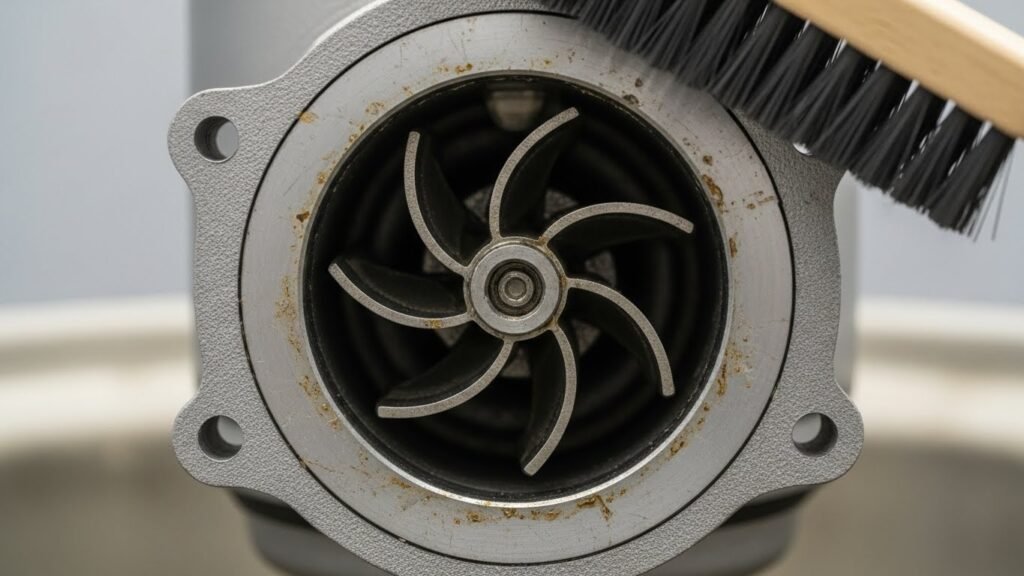
The moving parts of your pump take a real beating every day. Metal parts can develop rust or corrosion from being submerged in wastewater. Vibrations from the motor can cause parts to shake loose over time. Inspecting these components helps you catch a mechanical problem before it stops the pump. This is the core of high-level sewage ejector pump maintenance.
Checking the Pump Impeller
The impeller is the spinning fan that pushes waste through the discharge pipe. It is very prone to clogs from grease buildup and stringy materials. Wipe down the impeller and the area around the motor body. If you see any grease, break it apart and remove it by hand. A clean impeller ensures the pump runs smoothly without extra vibration.
Tightening Hardware
The pump creates a lot of force when it turns on and off. This can cause the screws, belts, and hose brackets to wiggle loose. Take your screwdriver and check every connection you can see. Make sure the electrical plug is seated firmly in its outlet. Check the fasteners on the discharge pipe to ensure there are no leaks starting.
Assessing Bearing Assembly
Bearings allow the motor shaft to spin with very little friction. If the bearings get worn out, you will hear a high-pitched squealing noise. Look for any physical damage or rust on the surface of the bearing assembly. It is usually a good idea to talk to a professional before you try to replace these yourself. They require specialized tools to install correctly without damaging the motor.
Seal and O-Rings Integrity
The seals keep the water away from the electrical wiring inside the motor. Run your fingers along the welded sections and O-rings to check for breaks. If you see any signs of wear and tear, replace them immediately. These seals typically stay strong for ten to twenty years. However, one small crack can lead to a short circuit and total mechanical failure.
Lubrication and Fluid Management
Some sewage pumps are permanently lubricated, but many require periodic oil changes. Oil keeps the motor cool and prevents the metal parts from grinding together. If the oil gets dirty or leaks out, the motor will overheat and burn out. Checking the fluids is a simple task that adds years to the system’s life. Always refer to your specific model’s manual for the correct type of lubricant.
Oil Level Inspection
Look for an oil gauge on the exterior of the pump casing. If your pump does not have a gauge, you may need to open a small oil plug. Use a dipstick to check the level of the fluid inside. The oil should be clear or slightly amber in color. If the oil looks like chocolate milk, water has leaked into the motor housing.
Draining and Replacing Oil
If you notice the oil is dirty or milky, you need to change it. Place a small oil bin under the pump and pull the drain plug. Wait for all the old lubricant to run out before you replace the cap. Pour in the fresh oil according to the amount listed in your manual. Be careful not to overfill it, as this can cause pressure issues.
Manufacturer Guidelines
Different brands like grinder pumps or effluent pumps have unique needs. Some industrial pumps use thick grease, while others use thin mineral oil. Using the wrong lubricant can actually destroy the internal gaskets and seals. Always buy the specific brand of oil recommended by the manufacturer. This ensures the chemical makeup of the oil won’t harm the motor body.
Critical System Testing and Functionality
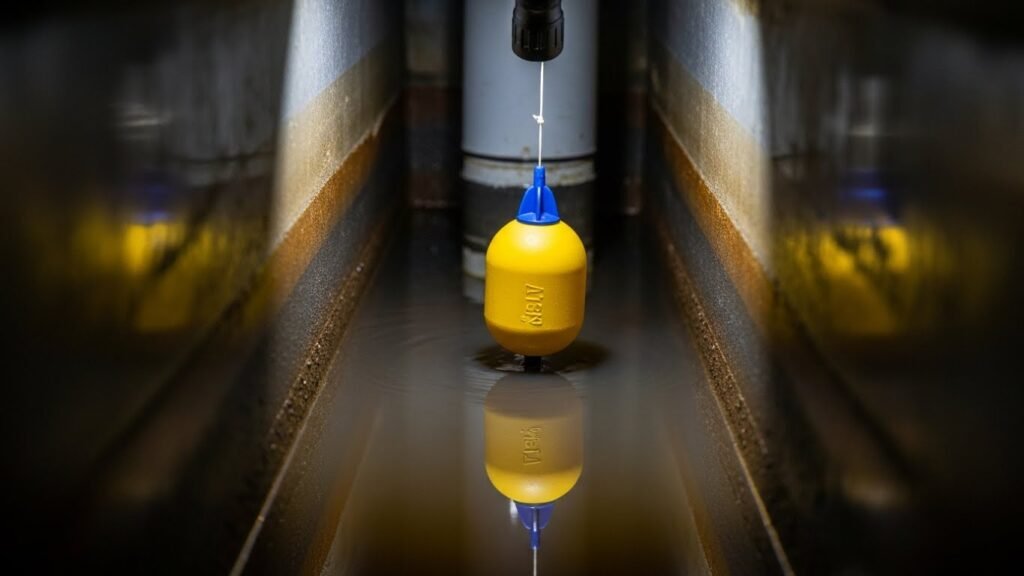
Once you have finished cleaning and inspecting the parts, you need to test the system. You want to make sure the pump responds correctly to water levels. Testing prevents you from being surprised by a failure during a heavy storm or a party. A quick test every few months is the best way to gain peace of mind. It only takes a few minutes and some water.
Testing the Float Switch
The float switch is a ball that floats on top of the wastewater. When the water rises, the float tilts and signals the pump to turn on. Reach in and manually lift the float to see if the pump starts up. It should move freely without hitting the walls of the sewage basin. A stuck float is the most common reason for a basement flood.
The Check Valve Audit
The check valve is a one-way door on the discharge pipe. It lets waste out but stops it from falling back into the pit. Listen closely after the pump turns off for any gurgling sounds. If you hear water rushing back into the pit, the check valve is failing. This causes the pump to cycle too often and wear out early.
Monitoring the Pump Cycle
Fill the pit with water using a hose or by flushing a nearby toilet. Watch the pump through one complete cycle from start to finish. It should turn on quickly and empty the tank in just a few seconds. Make sure the motor stops completely once the water level is low. If it keeps running after the water is gone, it will overheat and burn out.
Measuring Efficiency
Pay attention to how long the pump takes to empty the pit. If it seems slower than usual, you might have a mechanical problem. Slow drains in the basement are another sign that the pump is losing its power. Keep a log of your tests to see if the performance is dropping over time. This helps you plan for a replacement before an emergency happens.
Troubleshooting Common Issues
Even with great care, you might run into some weird issues with your pump. Most of these problems have simple causes that you can fix yourself. Learning how to spot these signs early can save you a lot of stress. Do not ignore small changes in how your pump sounds or smells. Acting fast is the key to preventing a total system failure.
Eliminating Foul Odors
Pungent smells in your basement are a major red flag. This often happens if the vent pipe is blocked or the lid seal is broken. It can also occur if the pump is not removing all the waste from the pit. Clean the pit and check the vents to allow fresh air to circulate. If the smell remains, you might need a professional inspection of your sewer line.
Mechanical Noises
A healthy pump should have a steady hum when it runs. If you hear grinding noises, a hard object like a rock might be in the impeller. Rattling sounds usually mean some connecting elements like screws are loose. Squealing is a sign that the bearings are dry or worn out. Turn off the power immediately if you hear these sounds to prevent more damage.
Failure to Activate
If the water is high but the pump is silent, check the power first. Look for a tripped circuit breaker or a loose electrical plug. Sometimes the float switch gets stuck in the “down” position due to grease. If the power is on and the float is up, the motor might have a mechanical failure. This is a serious issue that often requires a licensed plumber.
Continuous Running
A pump that never stops is a big problem for your electric bill and the motor. This is usually caused by a stuck float switch that cannot drop back down. It can also happen if the check valve is broken and water keeps flowing back in. If the pump runs without water, the motor will be destroyed in a short time. Unplug the pump and fix the float or valve before using it again.
Seasonal Maintenance and Preventive Strategies
Your pump’s workload changes throughout the year. Holidays often bring more guests and more waste to your basement bathroom. External factors like freezing weather can also impact the discharge pipe. Planning your sewage ejector pump maintenance around the seasons is a pro move. It keeps the system ready for whatever life throws at your home.
Summer High-Usage Prep
Summer often means more laundry and more showers if you have kids at home. Check your pump more often during these busy months. Ensure the inlet screen is free of lint from the washing machine. High usage means more chance for grease buildup from kitchen sinks to reach the pit. A quick mid-summer cleaning can prevent a Fourth of July disaster.
Winter Freeze Prevention
In cold climates, the discharge pipe can freeze if it is not buried deep enough. If the pipe is blocked by ice, the pump will run but the water has nowhere to go. Insulate any exposed pipes in unheated crawlspaces or basements. If you leave for a winter vacation, have someone run the water occasionally. Moving water is much less likely to freeze and burst your pipes.
Waste Management Best Practices
The best maintenance is simply being careful about what goes down the drain. Never flush paper towels, wet wipes, or feminine hygiene products. Avoid pouring grease or cooking oils down the sink. These materials will eventually form a solid mass that can kill your pump. Educate your family and guests on these simple rules to protect your plumbing.
The Screen Advantage
Consider adding an extra screen or filter to your system. A fine mesh screen can catch smaller items before they ever reach the pump. This makes your cleaning tasks much easier during your routine maintenance. It provides a secondary layer of protection against clogs and blockages. This is a low-cost way to ensure the long-term health of your motor.
Professional Care and Long-Term Reliability
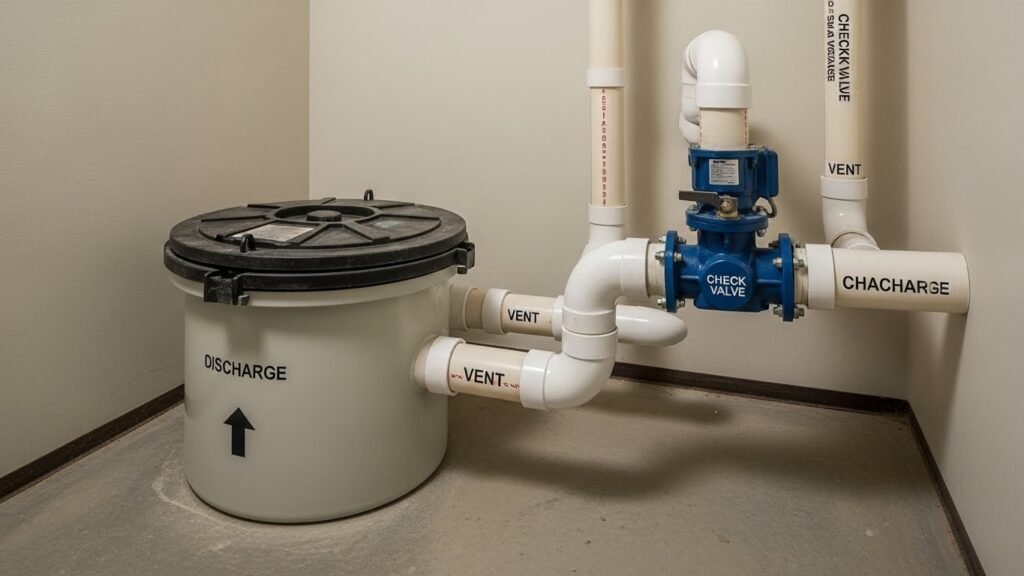
While you can do a lot on your own, some things need an expert’s touch. A licensed plumber has tools that most homeowners do not own. They can spot deep electrical issues or hairline cracks in the pump casing. Combining your efforts with annual professional checks is the ultimate strategy. It ensures your system remains reliable for decades.
The Annual Professional Audit
Have a professional come out at least once a year for a deep check. They can test the amp draw of the motor to see if it is failing internally. They also check the integrity of the welded sections and the vent pipe pressure. This small investment prevents massive costs later on. It is like a health physical for your home’s waste system.
Warranty Protection
Many manufacturers require proof of routine maintenance to honor their warranties. Keep a notebook of every time you clean the pit or check the oil. If the pump has a mechanical failure, you can prove you took good care of it. This can save you hundreds of dollars if you need a replacement part. Always follow the manual to avoid accidentally voiding your legal protections.
When to Replace vs. Repair
If your pump is over ten years old and making noise, it is time to replace it. Small repairs on an old motor are often a waste of money. A new, high-efficiency pump will lower your utility bills and provide better suction. However, if a young pump just needs a new float switch or seal, a repair is fine. Trust your plumber to tell you which path is the best for your budget.
Sewage Maintenance Checklist
| Task | Frequency | Purpose |
| Visual Pit Inspection | Quarterly | Look for debris and grease buildup. |
| Float Switch Test | Quarterly | Ensure the pump turns on and off. |
| Debris Removal | Semi-Annually | Clear items that could cause clogs. |
| Vent Cleaning | Annually | Prevent sewer gas buildup and pressure issues. |
| Oil Level Check | Annually | Lubricate the motor and prevent overheating. |
| Professional Audit | Annually | Check electrical health and system integrity. |
By following this guide, you can be a hero for your home’s plumbing system. Taking a few hours for sewage ejector pump maintenance will keep your basement clean and safe. You will save money, avoid stress, and ensure your home stays in top shape.
Frequently Asked Questions
What is the primary difference between a sewage ejector pump and a grinder pump?
A standard sewage ejector pump uses centrifugal force to push high volumes of liquids and small solids through a discharge pipe. In contrast, a grinder pump is a specific type of sewage pump equipped with rotating metal blades designed to shred larger solids into a fine slurry before pumping.
How can I determine if my pump is permanently lubricated?
You should refer to the motor body manual or the specific model’s manual to see if it requires periodic oil changes. If the pump casing lacks an oil gauge or a removable oil plug, it is likely a permanently lubricated unit designed to be maintenance-free regarding fluids.
Is it safe to use chemical drain cleaners in a basement sink connected to an ejector pump?
Using harsh chemical drain cleaners is generally discouraged because the caustic chemicals can destroy internal gaskets, O-rings, and seals over time. To avoid damaging the motor body, it is safer to use mechanical cleaning methods or enzyme-based cleaners that are gentler on system components.
What should I do if I find toys or large foreign objects in the pit?
If you find solid items like toys that have been accidentally flushed, you should wear heavy-duty rubber gloves and manually remove them from the pit immediately. These items are leading causes of clogs and mechanical failures if they enter the impeller housing.
How do I identify a leak in the motor housing using the oil?
When performing an oil level inspection, observe the color and consistency of the fluid. If the oil looks like chocolate milk, it is a clear sign that water has leaked into the motor housing, likely due to a failed seal.
What are the risks of overfilling the pump with oil?
When draining and replacing oil, you must add only the amount listed in your manual. Overfilling the pump casing can cause internal pressure issues that may damage the seals or gaskets.
Why is an airtight lid necessary for a sewage ejector pit but not always for a sump pump?
Because an ejector pump handles blackwater and sewage, the pit must be airtight to prevent toxic sewer gases and foul odors from escaping into the living space. Sump pumps typically handle relatively clean groundwater and do not always require the same level of containment.
Can a blocked vent pipe affect how my toilets flush?
Yes, a blocked vent can prevent the system from regulating pressure, which leads to slow drains and strange gurgling noises throughout your basement plumbing.
What specific tool is best for cleaning hair and lint from the inlet screen?
A stiff brush is the recommended tool for clearing away hair, lint, and fine debris that stick to the inlet screen.
How does high utility bill usage relate to pump maintenance?
If the inlet screen or impeller is blocked, the motor must work much harder and run longer to move the same amount of waste. This inefficiency leads to higher utility bills and a significantly shorter motor lifespan.
What are the signs of worn-out motor shaft bearings?
If the bearings in the motor assembly become dry or worn, the pump will typically emit a high-pitched squealing noise during operation.
Why should I avoid DIY repairs on the bearing assembly?
Replacing bearings usually requires specialized tools to install them correctly without damaging the motor shaft or housing. It is generally advised to talk to a professional for this specific mechanical task.
How often should I check the hardware and connecting elements?
It is a pro move to check screws, belts, and hose brackets at least once a year, as the force and vibration of the pump turning on and off can wiggle them loose.
What is the danger of a pump running without water?
If the float switch gets stuck or the pump fails to turn off once the pit is empty, the motor will run dry, overheat, and be destroyed in a very short time.
Can I wash the clothes I wore during pump maintenance?
Yes, you should wear old clothes that can be washed in hot water or disposed of entirely to remove any bacteria or parasites encountered during the job.
How do I sanitize my tools after the job is done?
You should keep a bottle of disinfectant nearby and thoroughly clean all hand tools, such as socket wrenches and screwdrivers, once the maintenance is complete.
Why should I keep a maintenance log if my pump is still under warranty?
Many manufacturers require documented proof of routine maintenance, such as oil changes and cleaning dates, to honor warranty claims for mechanical failures.
What is an “amp draw” test?
An amp draw test is a professional diagnostic performed by a licensed plumber to measure how much power the motor is using. A high reading can indicate that the motor is failing internally even if it still appears to be running.
Does a sewage ejector pump increase home value?
Managing a basement bathroom or laundry room with a reliable ejector pump system is considered a great way to add value to your home.
What should I do if the pump is silent even when the water level is high?
First, check for a tripped circuit breaker or a loose electrical plug. If the power is on and the float switch is up but the pump remains silent, the motor likely has a mechanical failure that requires a licensed plumber.