
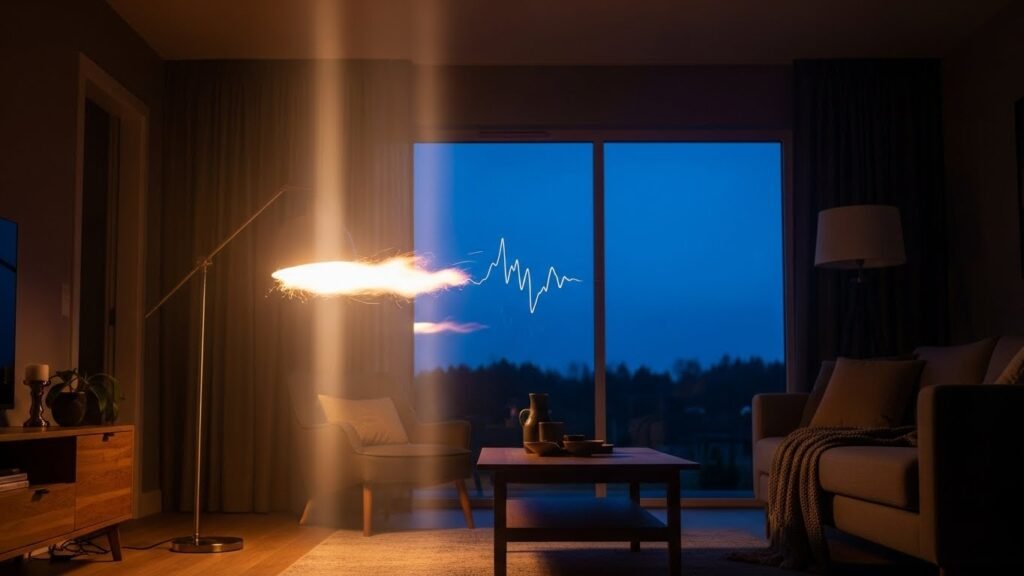
Flickering lights can be super annoying and even a little spooky. You are sitting on the couch and suddenly your living room feels like a dance club. You might start asking yourself why are my lights flickering. It is usually a sign that something is not right with your power. Most times it is a quick fix you can do yourself. Other times it means you have a big problem that needs a pro. Keeping your home safe is the main goal here. We are going to look at why this happens and how to stop it.
Understanding Why Your Lights Flicker
Flickering is just a fancy way of saying your power is inconsistent. It means the flow of electricity is starting and stopping very fast. This can happen in one single lamp or all over the house. If it is just one lamp, the fix is usually pretty easy. If every light in the house is doing it, you might have a bigger issue. You need to figure out the pattern to find the root cause. Knowing where the trouble starts helps you stay safe and save money.
Diagnostics are a big part of keeping your home running smooth. You should check if the flicker happens at a certain time. Maybe it starts when you turn on the microwave or the vacuum. Or maybe it just happens when the wind blows outside. Different patterns tell different stories about your electrical system. Small blinks might not seem like a big deal at first. But ignoring them can lead to expensive repairs or even a fire. You should expect your lights to stay steady all the time.
Modern electrical systems are built to be very reliable and strong. They should provide a smooth flow of power to every room. When things start to blink, that reliability is breaking down. It could be a loose part or an old wire wearing out. Understanding these visual symptoms is the first step to a fix. We want to make sure your home stays bright and safe. Let’s dive into the simple things first before we get into the heavy stuff.
Simple Bulb and Connection Issues
Loose Light Bulbs
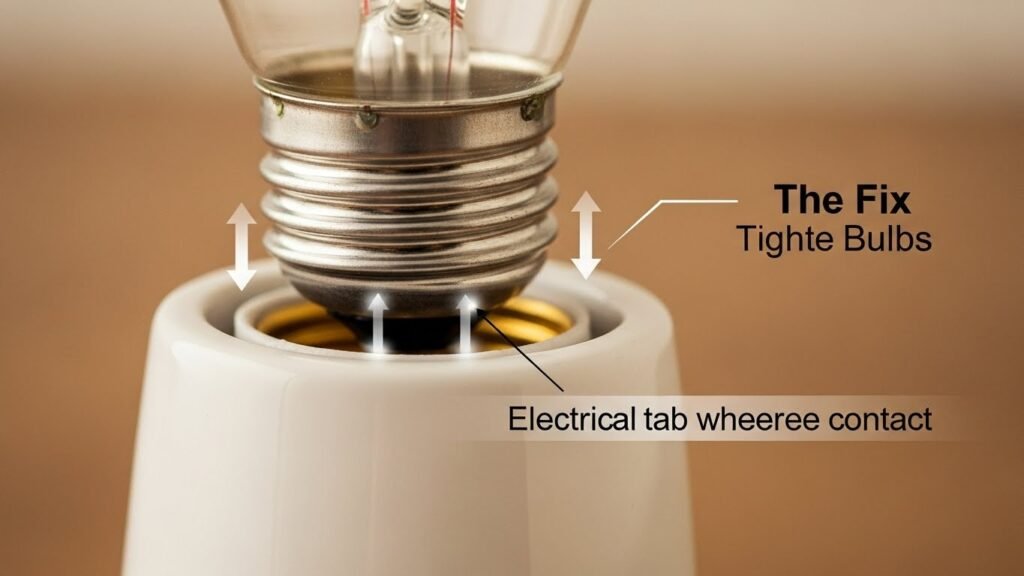
The most common reason for a flicker is a loose bulb. If the bulb is not tight, the electricity cannot flow well. It makes an intermittent contact inside the socket. This makes the light jump on and off as it moves. Sometimes the bulb just unscrews a little bit over time. Vibration from people walking or doors slamming can cause this. It is the first thing you should check when a light acts up.
- Insecure Socketing: A bulb that is not seated firmly cannot touch the electrical tab.
- Thermal Expansion: Heat makes metal parts grow and shrink which can loosen the bulb.
- The Fix: Turn the light off and wait for the bulb to cool down before tightening.
- Overtightening Dangers: Do not twist too hard or you might break the bulb or the socket.
Plug and Outlet Problems
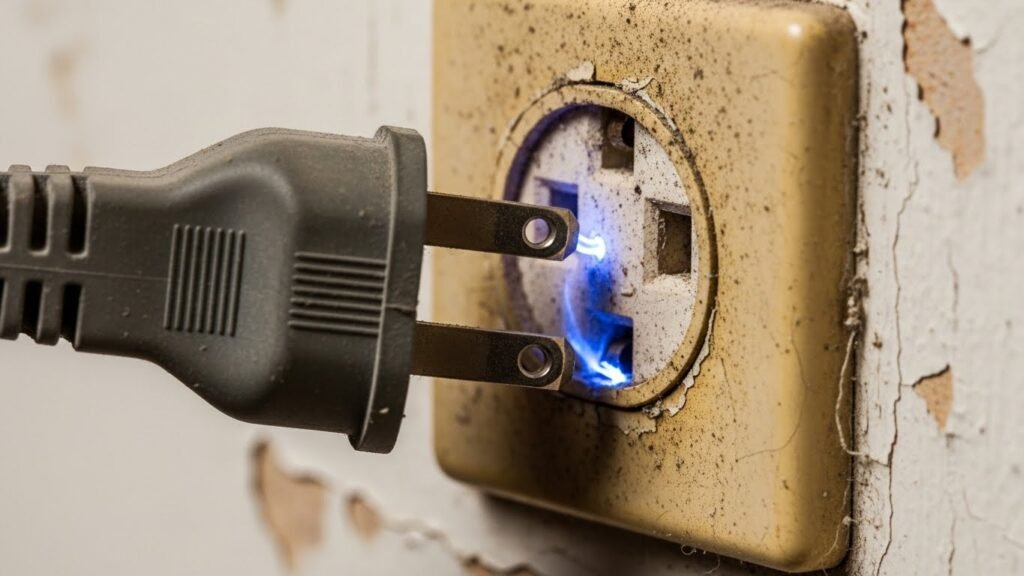
Sometimes the problem is not the bulb but the wall plug. If you have a lamp plugged into an outlet, check the cord. If the plug prongs are loose, the power will be shaky. You might see the light flicker if you bump the table. This happens a lot with old outlets that have lost their grip. The metal parts inside the wall get tired after many years. A firm connection is needed for the light to stay on.
- Loose Prongs: Make sure the metal prongs are straight and fit tight in the wall.
- Worn Outlets: If the plug falls out easily, the outlet needs to be replaced.
- Arc Flickers: A loose plug can create tiny sparks called arcs that cause blinking.
- Response: Try a different outlet to see if the flickering stops immediately.
Bulb Lifespan and Degradation
Every light bulb has a limited lifespan and will eventually fail. Older types like fluorescent bulbs are famous for flickering as they die. They use phosphorus to create light, and that chemical wears out. You might see the ends of the tube turning black or gray. This is a clear sign that the bulb is on its last legs. Even new LED bulbs can have issues if they are made poorly. A dying bulb is often the simplest answer to your problem.
- Fluorescent End-of-Life: These bulbs flicker wildly when the ballast or phosphorus fails.
- LED Ghosting: Some LEDs stay dimly lit or blink even when the switch is off.
- Strobe Behavior: Cheap LED bulbs may flicker like a strobe light if the internal driver fails.
- Simple Fix: Replace the old bulb with a high-quality new one to see if it fixes it.
Advanced Compatibility and Technology Conflicts
Dimmer Switch Incompatibility
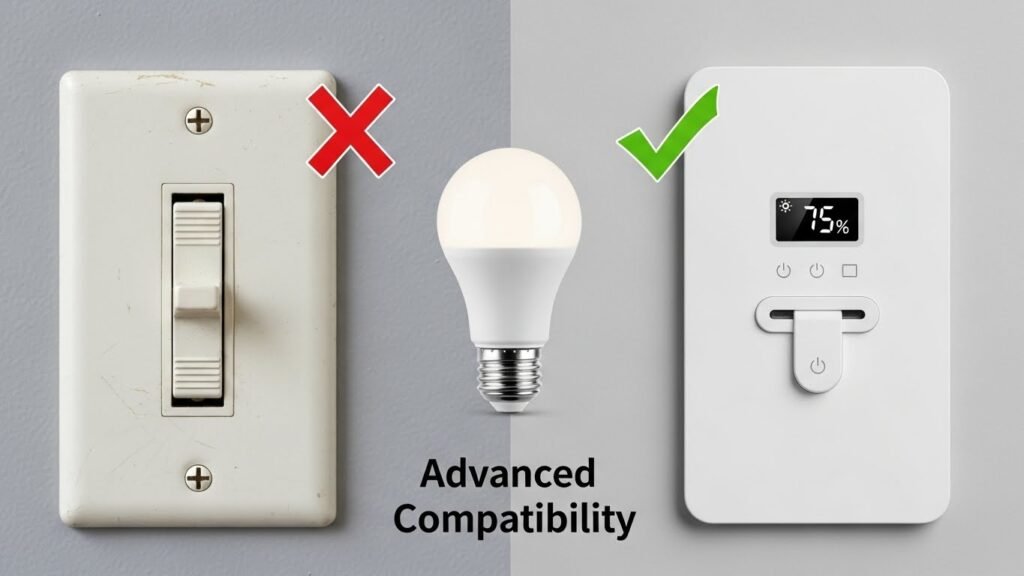
Dimmer switches are great for setting the mood in a room. But they do not always play nice with modern LED bulbs. Most old dimmers were made for incandescent bulbs that use lots of heat. LEDs use very little power and work in a different way. If the dimmer cannot handle the low power, the lights will flicker. This is a very common issue in homes that are being upgraded. You have to match the technology of the switch to the bulb.
- The Voltage Gap: Old dimmers might send too much or too little voltage to LEDs.
- Inrush Current: This is a sudden surge of power that can confuse an old switch.
- CL-Rated Dimmers: These are special switches designed to work perfectly with LED bulbs.
- Compatible Brands: Always check the bulb box to see if it works with your specific dimmer.
Specialized Lighting Behaviors
Not all flickering is a sign of a broken system. Some lights are just designed to act a certain way. For example, large fluorescent shop lights need time to get going. They might blink a few times while they warm up in the cold. This is usually normal and nothing to worry about. Smart bulbs also have their own set of unique quirks. They are basically little computers inside your light fixtures.
- Fluorescent Warm-up: Cold weather can make these bulbs flicker for about thirty seconds.
- Smart Bulb Updates: A smart bulb might blink if it is downloading a new update.
- Signal Interference: Other electronics can mess with the wireless signal to your smart lights.
- Power Cycling: Sometimes turning a smart bulb off and on resets the connection.
Component and Switch Failures
Faulty Light Switches
The switch on your wall is a mechanical device that moves. Over time, the metal parts inside can wear down or get dirty. This can lead to a weak connection that causes your lights to jump. If you hear a crackling sound when you flip the switch, that is bad. It means electricity is jumping across a gap inside the wall. This is a common problem in older homes in places like Folsom or Auburn. You should never ignore a noisy or loose switch.
- Internal Contact Wear: The metal points inside the switch can get scorched or bent.
- Wiggle Test: If wiggling the switch makes the light blink, the switch is broken.
- Replacement: A pro electrician can swap a bad switch for a new one quickly.
- Safety Step: Tightening the faceplate screws might help, but it usually won’t fix a bad switch.
Arcing in Fixtures and Switches
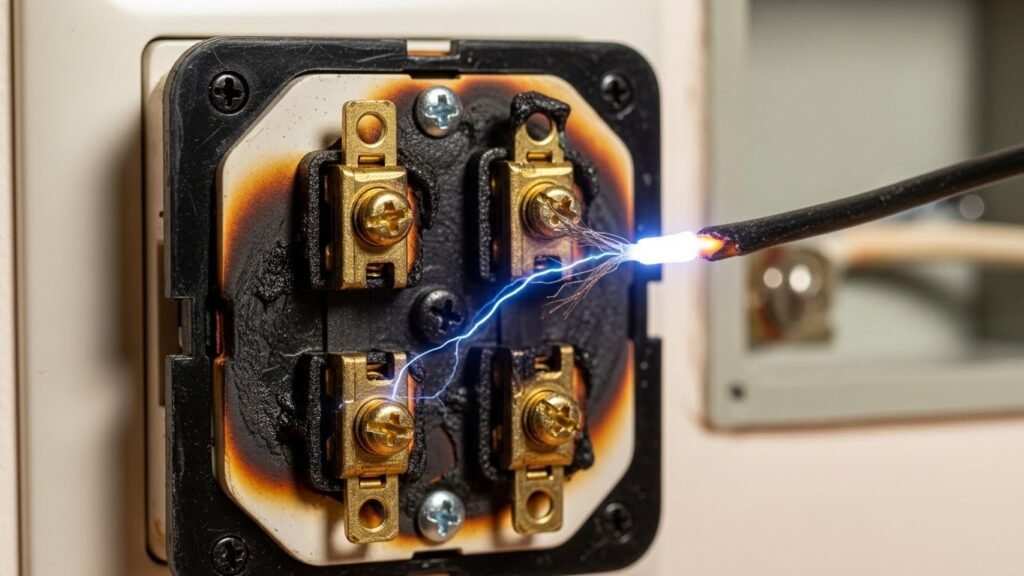
Arcing is one of the most dangerous things that can happen. It happens when electricity jumps through the air to reach a connection. This creates a lot of heat and can start a fire very fast. You might see a bright blue or white flash inside the wall. It often smells like burning plastic or ozone. If you suspect arcing, you need to act immediately. This is not a project for a DIY beginner.
- Defining Arcing: This is basically a tiny bolt of lightning inside your wiring.
- Visual Cues: Look for scorch marks or melted plastic on your switches and outlets.
- Heat Damage: If a switch feels hot to the touch, it is likely arcing inside.
- Response: Shut off the power at the breaker and call an emergency electrician.
Electrical Circuit and Load Management
Overloaded Residential Circuits
Your home is divided into different zones called circuits. Each circuit can only handle a certain amount of electricity at once. If you plug in too many things, the circuit gets overloaded. This is why your lights might dim when you start the toaster. It is like trying to fit too much water through a small pipe. This happens a lot in older houses in Gaithersburg or Alexandria. You need to be careful about what you plug in together.
- High-Draw Appliances: Things like space heaters and blow dryers use a ton of power.
- Circuit Capacity: Most home circuits are rated for fifteen or twenty amps of power.
- Simultaneous Flickering: If all lights in one room blink together, the circuit is too full.
- The Fix: Move some appliances to a different room to balance the load.
HVAC System Interference
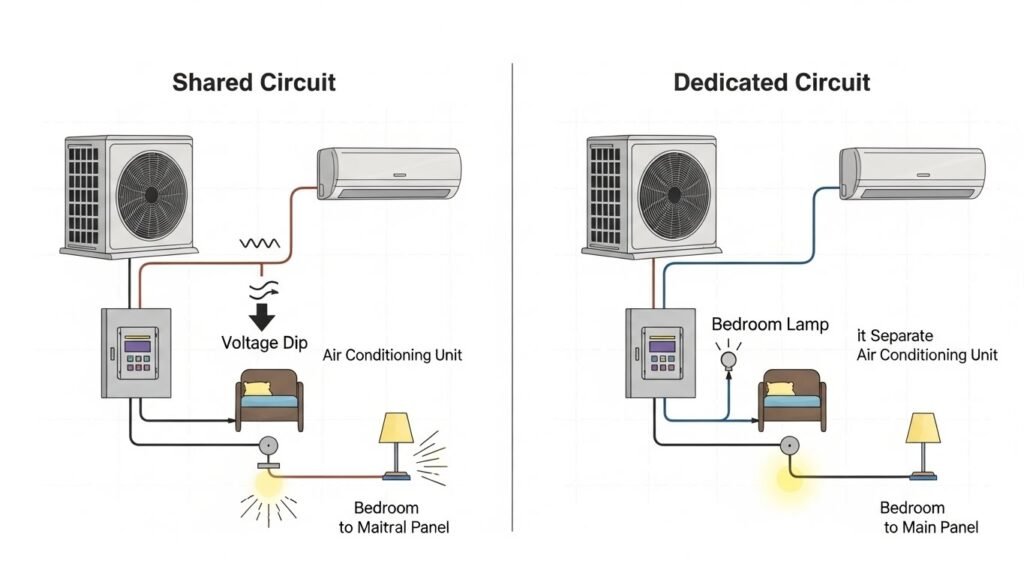
Your heating and cooling system is the biggest power user in your house. When the air conditioner kicks on, it needs a huge burst of energy. This can cause a temporary voltage drop across the whole house. You might see the lights dim for a split second and then go back to normal. If they stay dim or flicker constantly, you have a problem. It could mean your HVAC was not installed correctly. This is a common issue in hot places like Citrus Heights or Roseville.
- Large Motor Start-up: Motors need extra “inrush” current to start spinning from a stop.
- Incorrect Installation: If the HVAC shares a wire with your lights, they will always flicker.
- Voltage Dips: A tiny blink is okay, but a long fade means your system is struggling.
- Professional Help: An electrician can install a dedicated line for your HVAC system.
[Image showing a dedicated circuit for an HVAC system vs shared circuit]
Structural and Infrastructure Hazards
Outdated or Damaged Wiring
The wires inside your walls do not last forever. In very old homes, the wiring might be made of aluminum instead of copper. Aluminum can expand and loosen over time, which causes flickering. Also, rodents like squirrels or rats can chew on the wires in your attic. This creates a huge fire hazard and makes your lights act crazy. If your home has not been updated in decades, the wiring is a suspect. This is why are my lights flickering can be a scary question.
- Aluminum vs Copper: Old aluminum wiring is much more likely to fail and start fires.
- Corrosion: Moisture in walls can cause wires to rust and lose their connection.
- Fire Risks: Faulty wiring is a leading cause of house fires in the USA.
- Rewiring: Replacing old wires with modern copper ones makes your home much safer.
Service Panel and Breaker Issues
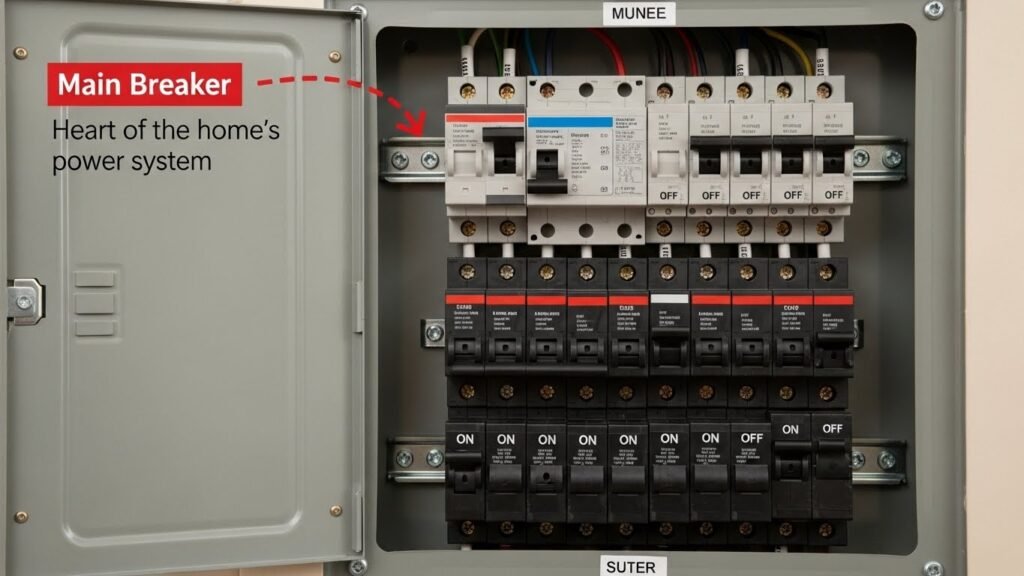
The electrical panel is the heart of your home’s power system. It takes the big power from the street and sends it to your rooms. If the main connections in the panel are loose, everything will flicker. This can be very dangerous because the main breaker handles a lot of energy. Sometimes the service cable coming from the utility pole is damaged. This requires a professional to fix because it is high voltage. You should never open the main panel yourself if you aren’t trained.
- Loose Main Connections: If the big wires at the top of the panel are loose, it’s a big deal.
- The Service Cable: This is the thick wire that connects your house to the power grid.
- Main Connection Hazards: Issues here can cause a total power loss or a massive fire.
- Expert Diagnosis: Only a licensed electrician should handle repairs inside the main panel.
External Power and Utility Factors
Utility Service Fluctuations
Sometimes the flickering has nothing to do with your house. The problem might be with the power company’s equipment. If a transformer down the street is failing, your lights will blink. This usually affects your neighbors too, not just you. Severe weather like wind or ice can also mess with the power lines. If a tree branch is rubbing against a wire, it causes a rapid on-off cycle. You can check with people on your street to see if they have the same issue.
- Grid Stability: The local electrical grid can have hiccups during times of high demand.
- Weather Impacts: Storms in places like Sterling or Ashburn can cause line trouble.
- Reporting: If the whole neighborhood is flickering, call your utility provider.
- Transformers: A loud bang outside followed by flickering usually means a transformer blew.
Voltage Fluctuations
The electricity coming into your home should stay at a steady level. In the USA, this is usually around one hundred twenty volts for standard outlets. If the voltage jumps up or down too much, your lights will show it. High voltage can even fry your electronics and burn out bulbs fast. Low voltage makes motors work harder and get too hot. This can happen if the utility company is having trouble with their regulators. It is important to know if your house is getting the right amount of juice.
- Voltage Spikes: A sudden jump in power can damage your computer and TV.
- Voltage Sags: A drop in power makes lights dim and motors run slow.
- Monitoring: An electrician can use special tools to track your voltage over time.
- Inspection: A safety check will confirm if the power from the street is steady.
Professional Response and Risk Mitigation
When to Call a Licensed Electrician
It can be hard to know when to call for help. If you tightened the bulb and it still flickers, it is time to think about a pro. If the flickering happens in multiple rooms, that is a big warning sign. Also, if you smell something like burning or hear buzzing, call someone right away. Licensed electricians have the right tools to find hidden problems. They can check things you cannot see behind the walls. It is always better to be safe than sorry when it comes to electricity.
- Pattern Analysis: If the blink happens every time the fridge starts, you need a pro.
- Hazard Identification: Any weird smells or hot switches are a major emergency.
- Home Inspections: Getting a safety audit can find problems before they start a fire.
- Peace of Mind: Knowing your home is wired correctly helps you sleep better at night.
Dangers of Delayed Repair and DIY
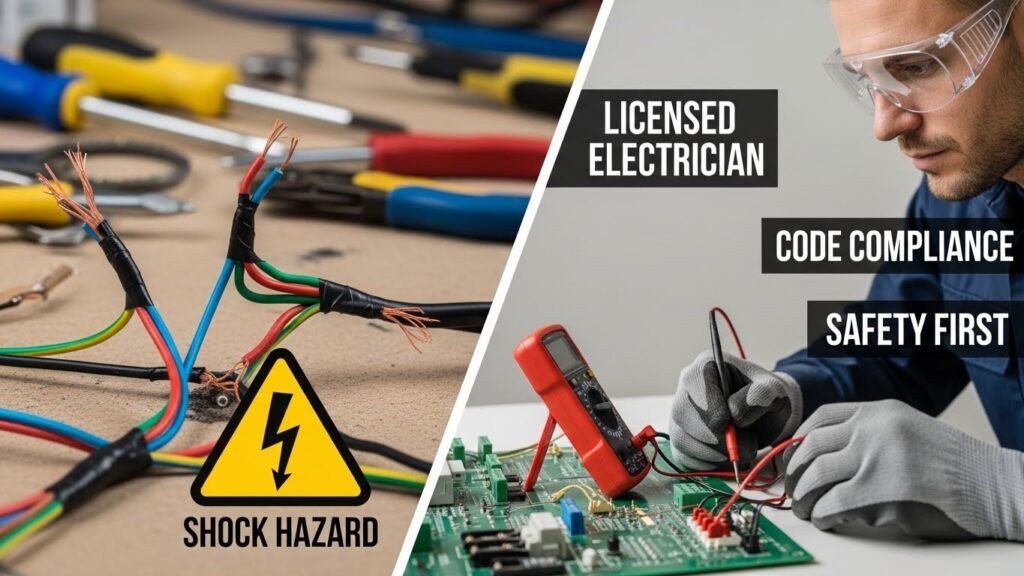
Trying to fix electrical stuff yourself can be very dangerous. You could get a bad electric shock or even get burned. Electricity is invisible and moves faster than you can blink. If you wire something wrong, it might work for a while but then catch fire later. Also, many insurance companies will not pay for fire damage if you did the work yourself without a permit. It is not worth the risk to save a few bucks. Professionals follow the electrical code to keep everyone safe.
- Shock Hazards: Touching the wrong wire can stop your heart or cause bad burns.
- Insurance Issues: DIY work can void your homeowner’s insurance coverage.
- Safety First: Experts have the gear and training to work around high voltage safely.
- Code Compliance: Professional work ensures your home meets all safety laws.
Conclusion and Preventive Maintenance
Flickering lights are a signal that your home is trying to tell you something. Whether it is a loose bulb or old wiring, you should listen. Start with the easy stuff like checking the bulb and the plug. If that does not work, look at your big appliances and switches. If the problem is widespread, it is time to call in the experts. Keeping your electrical system in good shape is the best way to prevent a house fire. Don’t let a small blink turn into a big disaster.
| Common Cause | Location | Complexity | Risk Level |
| Loose Bulb | Fixture | Very Low | Low |
| Bad Switch | Wall | Medium | Medium |
| Overloaded Circuit | Electrical Panel | Medium | High |
| Faulty Wiring | Inside Walls | High | Very High |
| Utility Issue | Outside House | High | Medium |
FAQs
Can a neighbors electrical usage make my lights flicker?
Yes, it is possible if you share a local transformer with your neighbors. If they are running heavy machinery or large industrial-grade appliances, it can cause a temporary voltage drop that travels through the local grid to your home. If you notice your lights blinking and see that your neighbors are having the same issue, the problem is likely on the utility side.
Why do my lights flicker more during cold weather?
Cold temperatures can affect the gases inside fluorescent tubes and the electronics in LED drivers. In the winter, the gas inside a fluorescent bulb may take longer to ionize, leading to a visible strobe effect until the bulb warms up. For outdoor LEDs, extreme cold can sometimes cause the internal components to contract, leading to tiny gaps in connections that result in a flicker.
Is there a specific sound I should listen for when lights flicker?
You should listen for buzzing, popping, or sizzling sounds coming from the walls, switches, or the electrical panel. These sounds are clear indicators of electrical arcing, which is when electricity jumps across a gap in a loose connection. Arcing generates intense heat and is a high-risk factor for starting an electrical fire.
Does the color of the flicker mean anything?
While the flicker itself is usually a change in brightness, a change in color can be a warning sign. If you see a blue or white flash inside a switch or outlet, that is likely an arc flash. If an incandescent bulb suddenly turns very bright or yellow before burning out, it often means a sudden voltage surge has entered that circuit.
Can a loose neutral wire cause house-wide flickering?
A loose or “floating” neutral wire in your main service panel is one of the most dangerous causes of flickering. It can cause voltage to become unstable, making some lights dim while others get dangerously bright. This imbalance can fry your expensive electronics and appliances in a matter of seconds.
Will a flickering light bulb affect my electricity bill?
A single flickering bulb won’t noticeably change your bill, but the underlying cause might. If the flickering is caused by an overloaded circuit or poor wiring, your electrical system is likely losing energy in the form of heat. This inefficiency means you are paying for electricity that is essentially being wasted as heat inside your walls.
Can my smart home hub cause my lights to blink?
Yes, smart bulbs can flicker if there is a signal interference or a software glitch. If the smart hub is sending conflicting commands or if the bulb is struggling to stay connected to your Wi-Fi, it may cycle on and off. Checking for firmware updates or resetting your router can often solve this modern electrical quirk.
Why do my lights flicker when I use a vacuum cleaner?
Vacuum cleaners have powerful motors that require a lot of “startup” current. If you plug the vacuum into the same circuit as your lights, the sudden draw of power creates a temporary voltage dip. While a tiny blink is normal, if the lights stay dim while you vacuum, your circuit is likely near its maximum capacity.
Can a light fixture be too old to function safely?
Fixtures can definitely wear out over many decades. The internal socket threads can become stripped or corroded, and the insulation on the wires inside the fixture can become brittle and crack. If a fixture flickers even with a brand-new bulb and a tight connection, the internal hardware has likely reached its end of life.
Does a flickering light increase the risk of eye strain?
Constant flickering, even if it is very fast, can cause significant eye fatigue and headaches. This is especially true with low-quality LED bulbs that have a high “flicker rate.” Replacing these with high-quality, flicker-free LEDs can make a huge difference in the comfort of your home or office.
Can a power surge cause a permanent flicker?
A large power surge can damage the delicate sensitive electronics inside an LED driver or a fluorescent ballast. If your lights started flickering right after a lightning storm or a local power outage, the surge likely partially fried the internal components. In this case, the bulb is permanently damaged and needs to be replaced.
Why does my light flicker only when I move the lamp?
This is a classic sign of a frayed cord or a loose plug. If moving the lamp or the cord causes a flicker, the copper strands inside the wire are likely broken or the plug prongs are loose. This is a fire hazard because the broken wires can generate heat, and you should stop using that lamp until the cord is replaced.
Can a bad ground wire cause flickering?
If your home’s grounding system is damaged or poorly installed, it can lead to “stray” electricity that interferes with your lighting circuits. Proper grounding is essential for safety and for stabilizing the flow of power. An electrician can test your home’s grounding to ensure it is effectively directing excess power into the earth.
Will my homeowners insurance cover flickering light repairs?
Standard insurance usually doesn’t cover maintenance or wear-and-tear repairs like replacing a bad switch or a loose outlet. However, if the flickering is caused by a covered event like a lightning strike or if it leads to a fire, your policy may kick in. It is always best to fix the flicker early to avoid a claim altogether.
Can a flickering light be caused by a solar panel system?
Yes, if your solar inverter is struggling to sync with the power grid, it can cause small voltage fluctuations that make your lights blink. This often happens during “cloud transients” when the sun goes in and out, causing the power output to jump. A high-quality solar inverter should be able to manage this without affecting your lights.
Why do my lights flicker when the wind blows outside?
Wind-related flickering usually points to a problem with the service drop—the wires that run from the utility pole to your house. If the wind moves these wires and causes a blink, the connection at your weatherhead or the pole might be loose. You should call your utility company to inspect these high-voltage outdoor lines.
Is it normal for new LED bulbs to flicker slightly?
New LEDs should not flicker. If they do, they are likely incompatible with your dimmer switch or the voltage in that specific fixture is unstable. Sometimes, cheap “no-name” bulbs have poor drivers that cannot handle even tiny changes in power, leading to a constant, annoying shimmer.
Can a failing refrigerator compressor cause flickering?
A refrigerator compressor is a large motor that turns on and off all day. If the compressor is old and struggling to start, it will pull much more power than normal. If you notice your kitchen lights flicker every time the fridge kicks on, it might be a sign that your appliance is nearing the end of its life.
Why do my lights flicker when I turn on a hair dryer?
Hair dryers are among the highest-wattage items in a home, often using 1,500 to 1,875 watts. Because they pull so much current, they can cause a voltage drop on the entire bathroom circuit. If the lights flicker intensely, you may need to have an electrician install a dedicated 20-amp circuit for your bathroom outlets.
Can pests in the attic cause flickering lights?
Rodents like mice, rats, and squirrels love to chew on the plastic insulation of electrical wires. If they chew through enough of the casing, the wires can touch or “arc,” causing the lights on that circuit to flicker. This is a very dangerous situation because the exposed wires can easily ignite attic insulation or wood framing.