
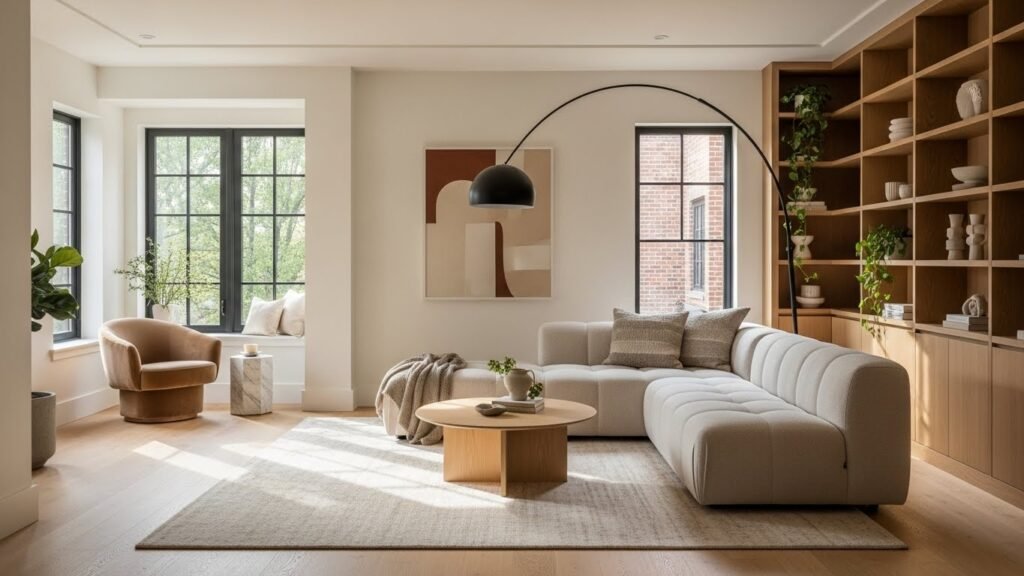
Struggling with a funky shaped room is a total mood. You want a cozy spot to chill, but your walls are doing their own thing. Many folks deal with long, skinny rooms or weird corners every day. Finding the right awkward living room layout ideas can feel like a huge puzzle. It takes a little bit of grit and some smart moves to get it right. You can turn that weird space into the best part of your home. Let’s dive into how you can fix those design headaches and vibe in style.
Understanding the Challenges of Awkward Living Room Shapes
Every home has its own personality, but some are just plain difficult. You might have a room that feels more like a hallway than a lounge. Other times, you have too many doors and nowhere to put a couch. These issues can make you feel stuck when you want to decorate. Understanding these shapes is the first step to winning the layout game. You need to see the room for what it is before you change it.
Identifying Common Issues
Long and narrow rooms often feel like a tunnel when you walk in. This makes it hard to place furniture without blocking the whole path. L-shaped spaces are another common headache for homeowners everywhere. These rooms often feel split in two, making it hard to find a center. Rooms with multiple entryways can also throw off your entire design flow. You end up with a space that feels like a busy intersection instead.
The Impact of Architectural Obstacles
Radiators and vents often sit right where you want your big TV stand. Fireplaces are great, but they can be hard to work around if off-center. Slanted ceilings look cool but they cut down on your wall space fast. These fixed points tell you where things must go before you even start. You have to respect these features while still making the room work for you. It is all about finding a balance between the house and your style.
Balancing Function and Aesthetics
A room needs to look good and work well for your daily life. You do not want a pretty room that you cannot actually sit in. The goal is to make a difficult space feel intentional and very cozy. Using smart awkward living room layout ideas helps you achieve this perfect mix. You want your guests to walk in and feel totally at ease immediately. It should feel like every piece of furniture was meant to be there.
Core Design Strategies for Difficult Spaces
Once you know what you are dealing with, you need a solid plan. You cannot just wing it when the room shape is this wild. Start with a clear vision of how you want to spend your time. Think about the one thing you do most in that specific room. Is it gaming, reading, or just hanging out with your favorite crew? Having a focus keeps you from making the room feel super cluttered.
Identifying the Focal Point
Every room needs a star of the show to grab your eye. This might be a big fireplace or a wall of sunny windows. Sometimes the TV is the main event for your movie night setup. If you have two focal points, you have to pick a winner. You can also create your own focus with a bold piece of art. This gives your eyes a place to rest when you enter.
Prioritizing Activities
Think about what you really need the space to do for you. A room for family movie nights needs a different vibe than a lounge. You might need the room to handle kids, pets, and work stuff too. Mapping out where people walk is key to avoiding a big mess. Make sure you aren’t blocking the way to the kitchen or bathroom. You want a smooth path so nobody trips over the coffee table.
Defining Areas with Furniture
- Back of the sofa. Use the back of your couch to act like a wall.
- Console tables. Place a thin table behind the sofa to mark a transition.
- Rugs as anchors. Use a large rug to tie a seating group together.
- Reading nooks. Put a comfy chair and a lamp in a quiet corner.
- Media zones. Keep the TV and gaming gear in one specific area.
Furniture Arrangement Techniques
Arranging furniture in a weird room is like playing a real-life game. You have to move pieces around until they finally click into place. Do not be afraid to try something that feels a little bit crazy. Sometimes the most unusual ideas are the ones that save the room. The old rules of putting everything against the wall do not apply here. You have to be bold to make an awkward space feel right.
Implementing Floating Furniture Layouts
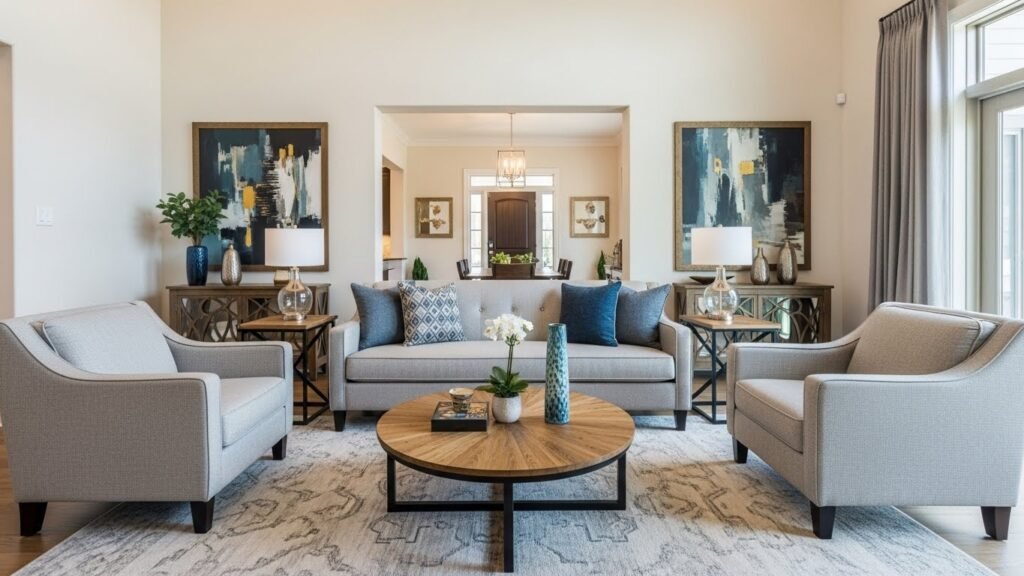
Floating furniture means pulling pieces away from the walls and into the center. This stops the room from looking like a gym or a hallway. It creates a cozy island where people can actually talk to each other. You can walk behind the sofa instead of through the conversation area. This trick makes a large, awkward room feel much more high-end and tight. It shows that you are in control of the space, not the walls.
Utilizing Room Dividers and Visual Barriers
- Open shelving. Use a tall bookshelf that you can see through for light.
- Folding screens. These add a pop of texture while hiding a messy desk.
- Wooden slats. Vertical slats create a modern wall that still feels very open.
- Planter boxes. Use tall indoor plants to create a soft, green room border.
- Wardrobes. A big cabinet can act as a wall in a studio apartment.
Choosing the Right Seating Solutions
Swivel chairs are a total game changer for awkward living room layout ideas. They let you spin from the TV to the fireplace in seconds. Accent chairs can fit into those small nooks where a sofa won’t go. Look for furniture that is not too bulky so the room breathes. Smaller “apartment-sized” pieces are often better for tight corners or narrow paths. This keeps the room from feeling like it is bursting at the seams.
Top Furniture Picks for Difficult Layouts
Picking the right furniture is like choosing the right tools for a job. You need pieces that can adapt when the room shape gets weird. These specific items are lifesavers for small or long rooms. They help you solve problems without making the space feel crowded. Let’s look at what you should be shopping for right now.
The Magic of the Armless Sofa
- Save horizontal space: Armless sofas take up less physical room than traditional couches.
- Keep sightlines open: Without bulky arms, the room feels much wider and more airy.
- Easy to tuck away: These fit perfectly into narrow nooks or against short walls.
- Modern vibe: They give off a sleek look that works great in tight apartments.
- Perfect for layering: You can easily add a small side table right up against the cushion.
Why You Need a C-Side Table
- Slide over the seat: The base slides under the sofa so the top sits over your lap.
- Zero floor footprint: These take up almost no extra floor space in narrow walkways.
- Lightweight and mobile: You can move them around the room whenever you change seats.
- Great for laptops: They are the perfect height for working or eating a quick snack.
- Minimalist design: Most are made of thin metal or wood to keep things looking clean.
Using Transparent Acrylic Furniture
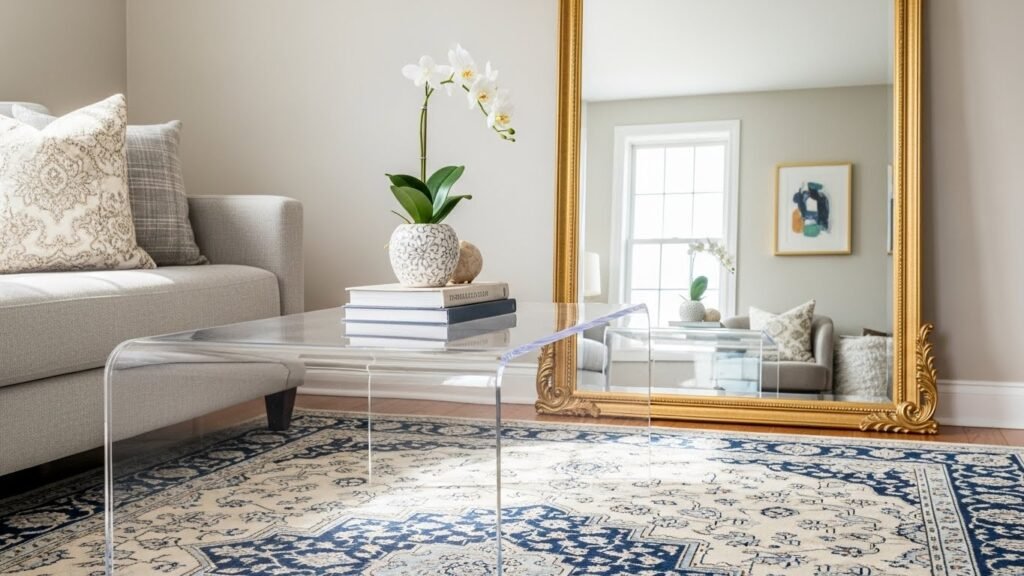
- Invisible footprint: Since you can see through them, they don’t block your eyes.
- Modern and chic: Acrylic “Ghost” chairs add a high-end feel to any awkward corner.
- Ideal for coffee tables: A clear table makes a cramped seating area feel much bigger.
- Easy to clean: These pieces are durable and handle spills like a total pro.
- Bounces light: Clear surfaces help move sunlight around the darker parts of the room.
Pedestal Dining Tables for Small Nooks
- No leg clutter: A single center base means more room for your feet and chairs.
- Fits in corners: Round pedestal tables tuck into L-shaped corners very easily.
- Flexible seating: You can squeeze in an extra chair without hitting a table leg.
- Classic look: These tables never go out of style and fit any decor theme.
- Great for pathways: The rounded edges make it easy to walk past in tight spots.
Creating a Functional Tech Setup
Technology usually comes with a lot of bulky stands and messy wires. In an awkward room, you have to be extra smart about where your gear goes. You want your TV and speakers to be there when you need them but hidden when you don’t. These awkward living room layout ideas for tech will save your design.
Low-Profile Media Consoles
- Keep it grounded: Low cabinets make your ceilings look much higher than they are.
- Hidden storage: Look for units with doors to hide gaming consoles and messy wires.
- Extra display space: Use the top for a few plants or some cool books.
- Sliding doors: These are great because they don’t swing out into narrow walking paths.
- Ventilation: Make sure the back is open so your electronics do not overheat.
Corner TV Mounts and Stands
- Use the dead space: Corners are often wasted, so put the TV there to save wall space.
- Full-motion arms: Use a wall mount that lets you pull the TV out and tilt it.
- Swivel bases: Stand-based TVs that rotate help you watch from the kitchen or couch.
- Cable management: Many corner stands have built-in holes to hide all those ugly cords.
- Space for speakers: Use the shelves below for a soundbar or small speakers.
Maximizing Space and Verticality
When you run out of floor space, it is time to look up. The walls are often wasted space in most homes you see today. Using your vertical space can make a tiny or weird room feel huge. It draws the eyes up and away from a cramped floor layout. Plus, it gives you a place to put all your cool stuff. Thinking vertically is a pro move for any difficult living room design.
Utilizing Vertical Space
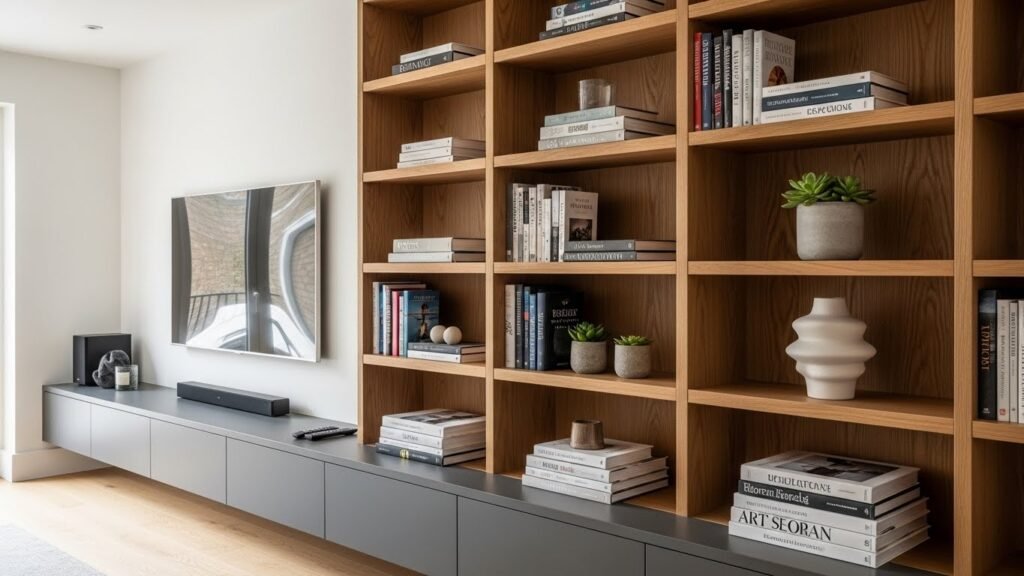
- Floating shelves. These keep the floor clear and show off your favorite books.
- Wall-mounted TVs. Getting the TV off a stand saves a lot of room.
- High-hung curtains. Hang your rods near the ceiling to make windows look taller.
- Sconces. Wall lights save you from needing bulky floor lamps in tight spots.
- Tall art. Vertical paintings make the walls feel much more expensive and long.
Modular and Multi-Functional Furniture
Modular sectionals are perfect because you can move the pieces around easily. If you move houses, you can change the shape to fit again. Nesting tables are great because they tuck away when you don’t need them. Ottomans can work as a chair, a table, or a footrest whenever. Storage coffee tables help you hide blankets, remotes, and all the clutter. These smart pieces do double duty so you can live large.
| Furniture Type | Benefit for Awkward Rooms |
| Modular Sofa | Can be split or reshaped to fit corners. |
| Swivel Chair | Allows for multiple focal points in one room. |
| C-Side Table | Slides over the sofa arm to save floor space. |
| Storage Ottoman | Provides hidden storage and extra seating. |
Solutions for Specific Layout Dilemmas
Some rooms are so weird they need a very specific plan of attack. A long, skinny room needs a different vibe than a big L-shaped one. You have to look at the geometry of the space to win. Don’t try to force a square layout into a rectangle room. It will just look off and feel even more awkward than before. Use these targeted awkward living room layout ideas to fix your specific room shape.
Tackling Long and Narrow Living Rooms
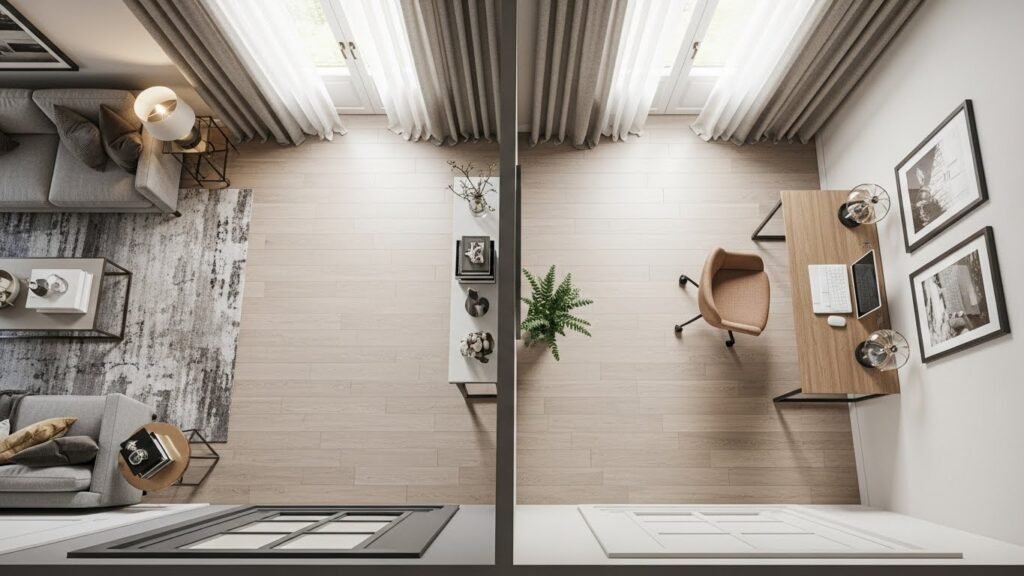
Long rooms can feel like a bowling alley if you aren’t careful. The best trick is to break the room into two zones. You could have a main seating area and a small workspace. Using round furniture helps break up all those long, straight lines. A round rug or coffee table can really soften the whole look. This makes the room feel much wider and more inviting to guests.
Navigating L-Shaped Spaces
L-shaped rooms are actually great because they have built-in zones. Use the shorter part of the L for a specific task. This could be a dining spot or a kids’ play zone. Keep the colors similar so the whole room feels like one space. You want a consistent look so the room doesn’t feel chopped up. Use lighting to tie the two different areas together at night time.
Designing Around Multiple Entryways
When a room has doors everywhere, keep the center very clear. Place your furniture like an island in the middle of the room. This lets people walk around the seating area to get to doors. Use low-profile furniture so you can see across the whole room easily. It keeps the space feeling open even with a lot of foot traffic. You won’t feel like you are blocking someone’s way to the kitchen.
The Role of Psychology and Lighting
How a room feels is just as important as how it looks. Lighting can change the entire shape of a room in an instant. It can make a dark corner feel like a cozy retreat. It can also make a small room feel bright and very airy. Good lighting helps direct people’s eyes to the parts you love most. It is the secret sauce of any great awkward living room layout ideas.
Lighting as a Spatial Tool
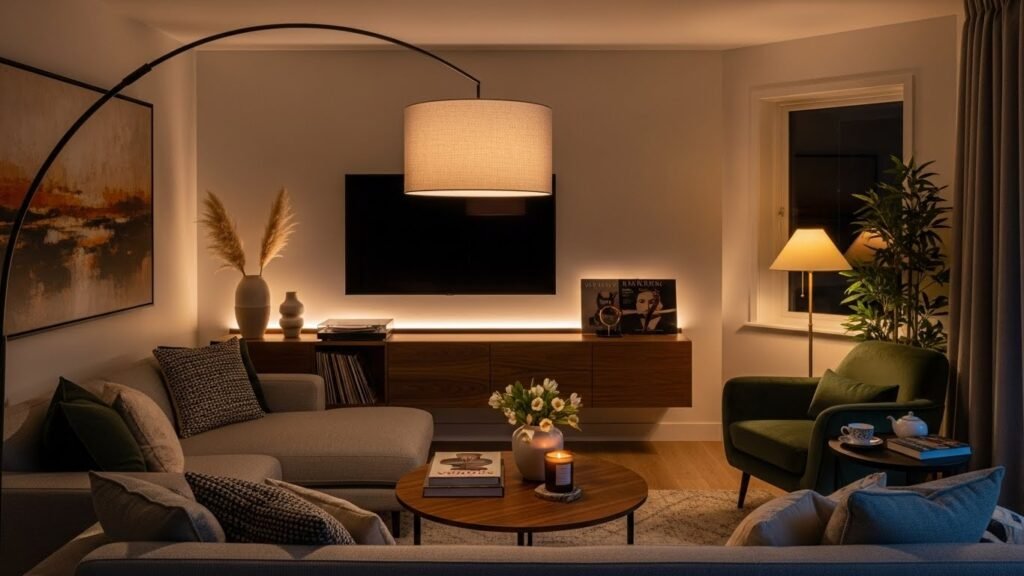
- Pendant lights. These “ground” a table or a seating group from above.
- LED strips. Put these behind the TV or under shelves for depth.
- Floor lamps. Use these to brighten up those pesky dark corners of the room.
- Dimmers. These let you change the mood from bright morning to cozy night.
- Symmetry. Use matching lamps on both sides of a sofa for balance.
Mirrors and Visual Illusions
Mirrors are the oldest trick in the book for a reason. They bounce light around and make walls feel like they are further back. Place a large mirror across from a window to double the light. Glass or acrylic furniture also helps because you can see right through it. These “ghost” pieces don’t take up any visual weight in the room. This keeps the space feeling light and not at all cluttered.
Execution: Bringing the Plan to Life
Now it is time to stop dreaming and start moving that furniture. Don’t expect to get it perfect on the very first try. Even the pros have to move things a few inches here and there. Start with your biggest items and work your way down to decor. This keeps you focused on the layout rather than the small stuff. Take your time and enjoy the process of transforming your home.
The Order of Operations
Always start by placing your largest sofa or sectional first. This piece dictates where everything else will eventually end up. Next, place your media unit or your main focal point piece. Once the big stuff is set, add your rugs to anchor the areas. Then you can bring in the lamps, side tables, and cozy pillows. This step-by-step way keeps you from feeling totally overwhelmed by the mess.
Maintaining Style in Small Spaces
In an awkward room, less is usually a whole lot more. Avoid over-furnishing the space so it doesn’t feel like a storage unit. Stick to a tight color palette to keep things looking very clean. Using similar materials like wood or brass helps the room feel unified. If you can’t find furniture that fits, consider getting something custom made. A custom bench can turn a weird nook into a favorite seat.
Final Layout Optimization
Walk through the room several times to check for any tight spots. You should be able to move freely without bumping into any corners. Ask yourself if the room really works for your daily habits now. If it doesn’t feel right, don’t be afraid to try a new spot. Sometimes moving a chair two feet can change the entire room’s vibe. Keep tweaking until you feel a sense of peace when you walk in.
Essential Decor for Awkward Spaces
Once the big pieces are in place, it is time for the finishing touches. Decor should help guide the eye and make the room feel cohesive. In a difficult layout, every piece of art or rug has a job to do. Don’t just add stuff for the sake of filling space. Use these items to tie your awkward living room layout ideas together.
Large Scale Mirrors
- Expand the walls: A big mirror makes a narrow room feel twice as wide.
- Lean it up: You don’t even have to hang it; just lean a tall mirror against the wall.
- Create a “window”: Placing a mirror on a blank wall mimics the look of a window.
- Reflect the light: Position it opposite your best light source to brighten the room.
- Add height: A vertical mirror draws the eye up to make the room feel taller.
Strategic Rug Layering
- Define the zones: Use a large jute rug for the base and a smaller soft one on top.
- Add texture: Layering rugs makes a cold or weird room feel instantly cozy.
- Pop of color: Use the top rug to bring in a bold pattern or a bright hue.
- Hide floor issues: Rugs are perfect for covering up scratched wood or old carpet.
- Anchor the furniture: Make sure at least the front legs of your sofa sit on the rug.
Wall-Mounted Planters
- Vertical greenery: Bring life into the room without taking up any shelf space.
- Air purification: Plants help keep the air fresh in small, cramped living areas.
- Softens corners: A hanging plant in a corner breaks up sharp, awkward angles.
- Visual interest: Floating pots act like living art on a blank, boring wall.
- Low maintenance: Choose “air plants” or succulents that don’t need much water.
Conclusion: Embracing the Unconventional
Having an awkward room isn’t a curse; it is a chance to be creative. You get to design a space that looks like nobody else’s home. Use these awkward living room layout ideas to turn your floor plan into a win. Remember to focus on your needs and how you actually live every day. With a little grit, you can make any room feel like a dream. Your home should be your favorite place to be, regardless of its shape.
Frequently Asked Questions
How do I handle a living room with too many windows?
Windows are great for light but can eat up your wall space. Try placing low-profile furniture like a daybed or bench in front of them. This keeps the view clear while providing extra seating. You can also use thin console tables to hold lamps without blocking the glass.
What is the best rug shape for an L-shaped room?
Using two separate rectangular rugs is usually the best move for L-shaped spaces. This helps define the two different “arms” of the room as distinct zones. If the space is very tight, a large round rug can help bridge the gap between the two areas.
How can I make a dark awkward room feel brighter?
Paint your walls in a light, reflective color like soft white or pale gray. Use mirrors across from your main light source to bounce sunshine around the room. Avoid heavy, dark curtains and opt for sheer fabrics that let light filter through.
Should I use a sectional or a sofa in a narrow room?
A long sofa is usually better than a sectional in a very narrow room. Sectionals can often block the walking path and make the room feel like a dead end. If you really want a sectional, choose one with a reversible chaise for more flexibility.
How do I arrange furniture around a corner fireplace?
Angle your main seating to face the fireplace directly at a forty-five-degree angle. This creates a cozy, balanced look that ignores the weird wall math. Use a small side table or a plant to fill the triangular gap behind the chair.
What do I do if my living room is also the entryway?
Create a “landing strip” using a small rug and a narrow console table near the door. Use the back of your sofa to act as a wall that shields the sitting area from the door. This gives you a sense of privacy even when people are coming and going.
How can I hide ugly cords in an open layout?
Run cords under your area rugs using flat cord protectors to avoid tripping hazards. You can also buy furniture with built-in power strips to keep things tidy. Use decorative baskets to stash power bricks and extra wire length near the wall.
Is it okay to put a TV in front of a window?
It is not ideal because of the glare, but you can do it if you have blackout curtains. Use a low-profile TV stand so you don’t block the entire window view. This works well in rooms where the only long wall is the one with the window.
How do I choose a coffee table for a small weird space?
Look for oval or round coffee tables to prevent bumped shins in tight walkways. Glass or acrylic tables are even better because they look like they aren’t even there. This keeps the floor plan feeling open and much less cluttered.
What is a “cloffice” and can it fit in my living room?
A cloffice is a home office built into a closet or a small nook. It is a great way to use a weird alcove that is too small for a couch. You can add shelves and a small desk to turn a dead zone into a workspace.
How do I balance a room with very high ceilings?
Use tall floor lamps and large-scale art to fill the vertical gap. Hanging a chandelier or a large pendant light lower can help “ground” the room. This makes a cavernous space feel much more intimate and cozy for hanging out.
Can I put a dining table in my living room?
Yes, you can use a “zoning” trick by placing a rug under the dining set. Keep the style of the table and chairs similar to your living room furniture. This makes the two areas feel like they belong together in one big space.
How do I decorate a living room with slanted walls?
Place your seating away from the lowest parts of the ceiling to avoid head bumps. Use the short “knee walls” for low storage units or bookshelves. Use a single paint color for walls and ceilings to hide the weird angles.
What is the best lighting for a room with no overhead lights?
Layer your light using floor lamps, table lamps, and plug-in wall sconces. Use smart bulbs so you can control the whole room’s brightness from your phone. This creates a warm glow that hits every corner of the awkward space.
How do I handle a radiator that is in the way?
Never block a radiator with a sofa because it is a fire hazard and blocks heat. Use a stylish radiator cover that doubles as a shelf for decor or books. This turns an eyesore into a functional part of your room’s design.
Should all my furniture match in a weirdly shaped room?
Not necessarily, but having a few matching elements helps the room feel organized. You can mix styles as long as the colors or wood tones are fairly similar. This prevents the room from looking like a random collection of items.
How can I make a basement living room feel less cramped?
Use “low-profile” furniture that sits closer to the floor to make the ceiling feel higher. Add plenty of “warm” lighting to mimic the feel of natural sunlight. Use light-colored rugs to brighten up the floor and make the walls feel wider.
How do I deal with a living room that has five doors?
Treat the furniture like an island and keep all the paths to the doors clear. Avoid putting any large pieces against the walls between the doors. This ensures the room stays functional as a hallway while still being a lounge.
Can I use wallpaper in an awkward room?
Yes, but stick to one “accent wall” so the pattern doesn’t overwhelm the space. Peel-and-stick wallpaper is a great way to test a look without a big commitment. Horizontal stripes can make a narrow room feel a bit wider than it really is.
What are the best plants for dark corners?
Look for “low-light” plants like Snake Plants, ZZ Plants, or Pothos. These can survive in the awkward corners where windows don’t reach. Plants add life and a pop of color to the dead zones of your layout.