 Skip to content
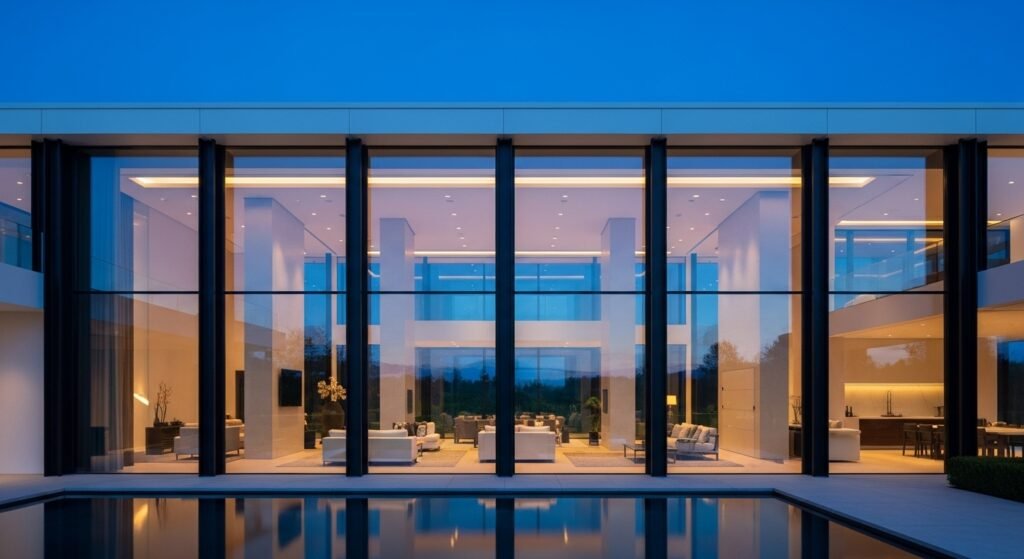
Mullioned windows are a big deal if you want a home that looks awesome and stays strong. Most folks see those vertical bars and think they just look cool. While they do add a ton of style, they also do heavy lifting for your house. These bars are called mullions, and they have been around for a very long time. You can find them on old churches or the newest modern mansions. If you are thinking about new windows, you need to know how these work. They change how your home feels and how much you pay for heat. This guide will tell you everything you need to know about these classic window designs.
Understanding Mullioned Windows
A mullion is a thick bar that sits between two window units. It helps hold up the weight of the glass and the wall above it. Think of it like a pillar for your window opening. These bars can run up and down or side to side. They are usually a solid part of the window frame itself. Without them, large glass areas might crack or fall out. They turn one giant hole in your wall into a set of sturdy windows.
History shows us that mullioned windows are not just a new fad. People used stone mullions way back before the 10th century. You could see them in Armenian and Saxon buildings. Later, they became a huge part of Gothic and Renaissance styles in Europe. Today, we use materials like metal and vinyl instead of heavy stone. This evolution makes them easier to install in any regular home. They bring a bit of that old-world magic to our modern streets.
The Aesthetic Impact of Mullioned Windows on Home Design
Mullions create a visual rhythm on the outside of your house. This means they make a pattern that is easy on the eyes. By breaking up the glass, they stop your home from looking like a flat box. They add depth and character that plain windows just cannot match. Most designers use them to guide the eye across the building. It makes a home look more expensive and well-planned.
You can pick different profiles to change the vibe of your space.
- Wider mullions make a house look sturdy and like it has been there forever.
- Slimmer profiles give off a clean and modern feeling that lets in more light.
- Decorative grilles can be added to make unique patterns that reflect your personality.
- Custom colors allow the mullions to either blend in or pop against your siding.
Mullions vs. Other Window Components: Key Differences
It is super easy to get window terms mixed up. Many people use the wrong words when talking to a contractor. Knowing the difference helps you get exactly what you want for your renovation.
Mullions vs. Muntins

Mullions and muntins are the most confused parts of a window. A mullion is a heavy, load-bearing bar that separates two different window units. It is there for strength and to hold the frame together. Muntins are much smaller and thinner strips of wood or metal. They live inside a single window pane to make it look like several small pieces of glass. Muntins are just for show, while mullions do the actual work.
Mullions vs. Transoms
Mullions are mostly vertical bars that go up and down. A transom is a horizontal bar that sits at the top of a window or door. Transoms often hold a separate, smaller window above the main one. This extra window is great for letting in a bit more breeze or light. While they look similar, they serve different directions and goals. Mullions divide the width, while transoms divide the height.
Types of Mullion Configurations
There are a few ways to set up mullions in your home. The right choice depends on how you want to use your windows.
Vertical Mullions
Most mullioned windows use a fixed vertical bar. These are built right into the frame of the window. When you open the window sashes, that center bar stays right where it is. You see this a lot in French-style casement windows. It is a very strong setup that lasts for decades. It keeps the window stable even in very windy weather.
Flying or Floating Mullions

A flying mullion is a bit more high-tech and cool. Instead of being stuck to the frame, it is attached to one of the sashes. When you open the window, the center bar moves out of the way. This gives you a totally wide-open view of the outside. It is perfect if you need a window to serve as an emergency exit. It also makes the window look much cleaner when it is fully open.
Structural vs. Non-Structural Mullions
Load-bearing mullions are the heavy hitters of the window world. They carry the weight of the structure above the window opening. This is common in massive glass walls or big commercial buildings. Coupling mullions are a bit different because they just join two windows together. They help two separate frames act like one big unit. Both types help keep your home from sagging or shifting over time.
Materials Used in Mullion Construction

Choosing the right material is a big decision for any homeowner. Each one has its own pros and cons for your budget.
Wooden Mullions
Wood is the classic choice for a reason. It looks warm and beautiful on any historical home. It is also a natural insulator, so it keeps the cold out. However, you have to stay on top of the maintenance. If you do not paint or seal it, wood can rot or warp. It is the best pick for that high-end, traditional look.
Metal Mullions
Aluminum and stainless steel are great for modern houses. They are incredibly strong and can hold huge panes of glass. You do not have to worry about them rotting or rusting. They can be made very thin to give you a sleek look. They are a bit more expensive but require almost no work to keep up. Most new commercial buildings use metal for this reason.
Vinyl and Fiberglass Mullions
Vinyl is the most popular choice for regular window replacements. It is cheap, stays clean, and does not need painting. It also handles moisture and bugs without any issues. Fiberglass is similar but even stronger and lasts longer. Both are great for saving money while still getting a good look. They are very practical for the average family home.
Stone and Masonry Mullions
You usually only see stone mullions on very old or fancy buildings. They are common in churches or big universities. Stone lasts forever and looks like a piece of history. But it is very heavy and costs a lot to fix. It requires a master mason if anything goes wrong. It is the ultimate choice for a home that wants to look like a castle.
Functional Benefits of Mullioned Windows
Mullions are not just about looking pretty for the neighbors. They offer real benefits that make your home better to live in.
Structural Integrity and Stability
The main job of a mullion is to keep things steady. They distribute the weight of the glass so the frame does not bend. This is super important for large window installations. In places with high winds, they act like a backbone for the window. They stop the glass from flexing when the weather gets rough. This keeps your home safe and sound for a long time.
Energy Efficiency and Insulation
Mullions actually help you save on your power bill. When a window sash closes against a mullion, it creates a tight seal. This stops cold air from leaking in during the winter. By breaking up a giant window into smaller sections, they slow down heat loss. Modern mullions even have thermal breaks inside them to block heat. This keeps your living room cozy without cranking the heater.
Safety and Security
Having a solid bar in the middle of your window is great for security. It gives you a strong place to mount locks and bolts. This makes it much harder for someone to force the window open. Flying mullions also help with safety by providing a clear escape path. They meet the strict building codes for fire exits. You get peace of mind knowing your family is safe.
Architectural Styles Defined by Mullion Design

Different types of mullions can tell you exactly when a house was built. They are a huge clue for architectural history.
Tudor and Jacobean Mullions
Tudor homes use heavy, dark wood or stone mullions. They often make the windows look like a grid of small rectangles. This style feels very cozy and old-fashioned. You might see diamond-shaped glass held between these thick bars. It is a very dramatic look that stands out on any street.
Gothic Revival and Ecclesiastical Windows
Gothic windows are famous for their pointed arches. The mullions in these windows branch out at the top into fancy patterns. This is called tracery and it looks like a work of art. You see this mostly on churches or very ornate mansions. It is one of the most beautiful ways to use stone or wood.
Mid-Century Modern and Industrial
Industrial styles love thin, black metal mullions. They focus on a clean “grid” that looks like an old factory. This lets the maximum amount of light into the room. It is a very popular look for urban lofts and new office spaces. It feels sharp, clean, and very current.
Colonial and Craftsman
Colonial homes use simple and sturdy vertical mullions. They are usually symmetrical and look very balanced. Craftsman homes might mix a vertical mullion with a horizontal transom at the top. It creates a look that is both functional and very welcoming. This is a timeless design that never goes out of style.
Choosing the Right Mullions for Your Renovation
When you are picking new windows, think about the size of the opening. Large glass walls almost always need mullions for support. If you have an older home, try to match the original style. You can use modern materials that look like old wood to save on work.
Consider these factors before you buy:
- Natural light is important, so slim mullions are better for dark rooms.
- Maintenance matters, so pick vinyl or metal if you hate painting.
- Curb appeal can go up if you pick a style that fits your neighborhood.
- Budget should include the cost of the mullions and the installation.
Installation Considerations and Technical Specifications
Installing mullioned windows is a job for the pros. They have to make sure everything is perfectly level and strong.
Mullion Reinforcement

Sometimes, window bars need extra help to stay stiff. Installers might slide a steel bar inside a vinyl mullion. This makes the window much stronger without changing how it looks. It is essential for very tall windows or homes in windy areas. This hidden strength keeps your windows from bowing over time.
Expansion and Contraction Joints
Everything in your house moves a little when the temperature changes. Mullions have to be designed to handle this shifting. If they are too tight, the glass might crack when it gets hot. Good designs use special joints to let the material breathe. This prevents leaks and cracks as the seasons change.
Water Management and Weep Holes
Water is the enemy of any window frame. Mullions are built with tiny holes called weep holes. These holes let moisture drain out of the frame and away from your house. This stops wood from rotting and prevents mold from growing. It is a small detail that makes a huge difference in how long your windows last.
Maintenance and Care for Mullioned Windows
If you take care of your mullions, they will take care of you. A little bit of work goes a long way toward keeping them nice.
Cleaning Techniques
Dust loves to hide in the corners where the mullion meets the glass. Use a soft brush or a vacuum to get the gunk out. Then, wipe it down with a damp cloth and mild soap. Do not use harsh chemicals that might strip the paint or damage the seals. Keeping them clean ensures the window still closes tightly.
Inspection of Sealing Components
Every year, you should check the weatherstripping around the mullion. Look for any cracks or gaps where air might get through. Check the locking points to make sure the bolts still line up. If anything feels loose, tighten the screws or replace the seal. This keeps your home energy-efficient and secure.
Refinishing and Repainting
If you have wooden mullions, they will eventually need a new coat of paint. Sand them down gently to remove any old, flaky bits. Use a high-quality outdoor paint or sealer to block moisture. For metal mullions, you can just wipe them down to keep the finish shiny. Proper care prevents rot and keeps the window looking brand new.
Innovation in Mullion Technology

Windows are getting smarter every single day. Mullions are a big part of these new high-tech features.
Integrated Shading and Smart Glass
Some new mullions have motorized blinds built right into them. You can open or close your shades with a remote or your phone. Others act as a path for wires that power smart glass. This glass can change from clear to dark with just a click. It is a cool way to get privacy without hanging bulky curtains.
3D Printed Mullion Components
The future of window design might involve 3D printing. This allows companies to make custom shapes that were impossible before. It is great for fixing old, historic windows that have weird sizes. It also uses less material, which is better for the planet. We are seeing more and more of this in high-end architecture projects.
Conclusion: Transforming Windows into Statements
Mullioned windows are a perfect mix of beauty and brains for your house. They give your home a classic look that never feels dated while keeping your walls strong and your energy bills low. Whether you want the charm of an old cottage or the lines of a modern loft, these versatile designs can do it all.
When picking your next set of windows, remember that those vertical bars are doing more than just looking good. They are a structural investment that makes your home a better place to live. By taking the time to pick the right material and style, your house will benefit from better curb appeal and a much sturdier feel.
| Feature | Mullions | Muntins |
| Main Job | Supports weight of window units | Decorative glass division |
| Direction | Mostly vertical (sometimes horizontal) | Grid patterns (both ways) |
| Material | Thick wood, metal, or vinyl | Thin wood, plastic, or tape |
| Strength | Very high (structural) | Low (visual only) |
Frequently Asked Questions About Mullioned Windows
What is the origin of the word mullion?
The term comes from the Middle English word “monyon,” which itself likely derived from the Old French word “moignon,” meaning a stump or a limb. Historically, it referred to the central vertical shaft that divided a large masonry opening into manageable sections for glass or stone tracery.
Can window mullions be added to an existing single-pane window?
You can add decorative “simulated” mullions or grids to existing windows using adhesive kits or snap-in inserts. However, you cannot add true structural mullions to an existing window unit because they must be integrated into the frame and the building’s rough opening during the initial installation.
Do mullions affect the resale value of a home?
Mullioned windows often increase curb appeal, especially in traditional or high-end architectural designs. Because they give a home a finished, custom look, they can lead to a higher resale value compared to houses with standard, builder-grade flat glass windows.
Are mullioned windows harder to clean than flat windows?
If the mullions are true structural bars or external grids, they do create more corners and edges where dust can collect. However, many modern windows place the decorative bars between two panes of glass (known as “grids between glass”), making the exterior surfaces perfectly flat and very easy to wipe down.
What is a “mullion reinforcement” and when is it used?
Reinforcement involves sliding a heavy-duty steel or aluminum stiffener inside the hollow cavity of a vinyl or fiberglass mullion. This is required for very tall windows or in coastal “hurricane zones” where the window must resist high pressure without bending or breaking.
How do I tell if my window has a mullion or a muntin?
Look at the thickness and the purpose. If the bar is separating two distinct window frames or sashes that could theoretically stand alone, it is a mullion. If the bar is a thin strip simply dividing one piece of glass into a grid pattern for looks, it is a muntin.
Can mullioned windows be used with triple-pane glass?
Yes, mullions are frequently used with triple-pane glass to provide the extra structural support needed for the added weight. Because triple-pane units are much heavier than double-pane, a strong mullion system is essential to prevent the frame from sagging over time.
Are there specific window treatments for mullioned windows?
While you can use any blinds or curtains, many homeowners prefer inside-mount Roman shades or café curtains. These allow the architectural beauty of the mullions to remain visible from the outside while providing privacy on the lower half of the window.
Do mullions impact the Emergency Egress rating of a window?
A fixed center mullion can sometimes make a window opening too narrow to meet fire safety codes for an exit. In these cases, a “flying mullion” is used so that the entire space opens up, ensuring the window qualifies as a legal emergency egress point.
What is a “coupled” window unit?
A coupled unit is created when two separate window frames are joined together on-site using a mullion connector. This allows contractors to create massive walls of light using standard-sized window units rather than ordering one single, giant, expensive custom frame.
How do mullions contribute to soundproofing?
By breaking up a large sheet of glass into smaller sections, mullions can help reduce the vibration of the glass panes. While the glass type matters most for sound, a sturdy mullion provides a more rigid frame that leaks less air, which in turn blocks more outside noise.
Can I paint my window mullions a different color than the frame?
While most people match them, painting mullions a contrasting color—like black mullions on a white frame—is a popular modern farmhouse trend. This emphasizes the “grid” and makes the windows a focal point of the home’s exterior design.
What is the difference between a “true divided light” and a “simulated divided light”?
True divided light means the mullions and muntins actually hold separate, small pieces of glass. Simulated divided light uses one large pane of glass with bars stuck to the surface to mimic the look, which is more energy-efficient because there are fewer seams for air to leak through.
Are stone mullions still used in modern construction?
Stone mullions are rarely used in standard residential housing today due to their extreme weight and cost. They are almost exclusively reserved for high-end custom estates, luxury religious buildings, or the restoration of historic university campuses.
Why do some mullions have small holes at the bottom?
Those are called “weep holes.” They are designed to allow any water that gets inside the window track or behind the mullion to drain safely to the outside. It is important never to caulk over these holes, as trapped water will cause rot or mold.
Do mullions interfere with the view?
To some extent, yes, as they are physical bars in your line of sight. However, many people find that the “frame” provided by a mullion actually enhances a view by turning the landscape into a series of composed “pictures” or portraits.
Are mullioned windows compatible with Low-E coatings?
Absolutely. Since the Low-E coating is applied directly to the glass surface, it does not interfere with the mullion. In fact, combining Low-E glass with structural mullions provides the best possible balance of energy savings and structural strength.
How do you repair a cracked wooden mullion?
Small cracks can be filled with high-quality wood filler, sanded, and repainted. If the crack is deep or the wood is soft (indicating rot), the entire section usually needs to be replaced by a window specialist to ensure the window remains safe and supported.
Is it possible to have arched mullions?
Yes, arched or “radiused” mullions are common in Palladian-style windows. These require specialized manufacturing to curve the wood or metal to match the arc of the window frame, often serving as a beautiful centerpiece for a home’s entryway.
Can mullions be made of fiberglass?
Fiberglass mullions are becoming very popular because fiberglass is much stronger than vinyl and does not expand or contract as much with heat. This makes them ideal for dark-colored windows that sit in direct sunlight all day.