 Skip to content

Mold is that uninvited guest that refuses to leave your home anytime soon. It only needs a bit of moisture and dark spaces to thrive in your basement. These fuzzy fungi usually show up because of leaky pipes or high humidity. Sometimes Sacramento’s seasonal rain or winter spells cause the growth. Basically, mold thrives wherever moisture lingers for too long. It is more than just an ugly eyesore in your house. It is a real menace to your home and your health.
Understanding the Hidden Threat of Basement Mold
Basements are the primary breeding ground for these fungi because they stay damp. They are often the darkest and most humid parts of a residence. Mold biology is pretty simple but very effective at causing trouble. It needs moisture, darkness, and organic food sources to grow fast. Things like wood, drywall, and dust act as a buffet for mold. When you mix these with a little water, you get a perfect storm.
The common causes of this growth are often hidden behind your walls. Leaky pipes are a major culprit for basement mold clean up needs. High humidity levels also keep the surfaces damp enough for spores. Seasonal rain can soak into the foundation and feed the fungi. You must know the difference between simple dirt and a hazard. Mold is a living organism that spreads while dirt just sits there. Identifying these factors early helps you save your home from damage.
Health Risks and the Necessity of Immediate Action
If you do not remove mold early, it can trigger many allergies. People often suffer from sneezing, runny noses, and itchy eyes. Respiratory issues are very common for people living in moldy homes. Those with asthma might find it much harder to breathe. Long-term exposure to these spores is dangerous for everyone. It can lead to chronic lung problems over time.
The impact on your home’s foundation is also quite serious. Mold can eat through the organic materials that hold your house up. It damages the flooring, the wall studs, and even the ceiling. This makes mold removal a necessity rather than a simple chore. You are protecting your investment and your family’s lungs. Waiting too long only makes the repair bills much higher. Immediate action is the only way to stop the spread.
Initial Assessment and Identifying Mold Types
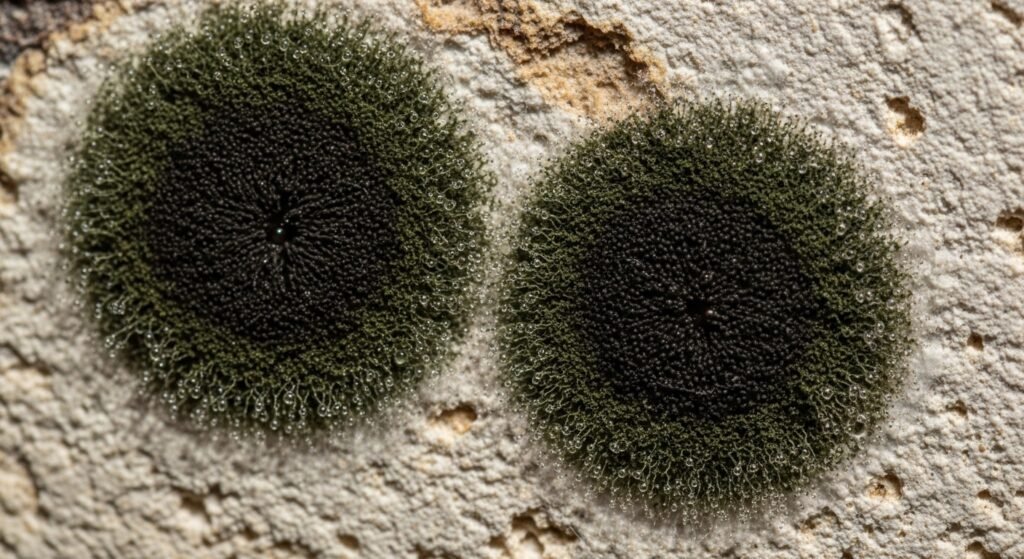
You can often smell the problem before you ever see it. A musty odor is the first sign of a hidden mold issue. This smell usually comes from the gases mold releases as it grows. You should also look for dampness on the basement walls. Any visible growth should be checked out by a pro. It might look like a stain or a fuzzy patch.
- White Mold often looks like a powdery or flaky substance.
- Mildew is usually flat and grows on the surface of items.
- Toxic Black Mold is officially known as Stachybotrys chartarum.
- Moisture Testing involves checking how wet your walls actually are.
Black mold is particularly harmful if you inhale it in large amounts. It requires careful handling and often professional help for removal. Before you start cleaning, you should test a small surface. This ensures your cleaning solution will not damage the material. Knowing what you are dealing with is the first step. It dictates which chemicals or methods you will need to use.
Essential Safety Protocols Before You Begin

Safety is the most important part of any basement mold clean up. You must use NIOSH-approved breathing protection or a high-quality mask. Mold spores are microscopic and fly into the air easily. If you breathe them in, they can cause major lung issues. Protective clothing like long sleeves and gloves is also required. You want to keep the mold and chemicals off your skin.
- Eye Protection prevents spores from irritating your eyes during scrubbing.
- Ventilation is key, so use fans or open any windows.
- Containment involves sealing off the area with plastic sheets.
- Air Scrubbers can help pull spores out of the room.
Proper ventilation helps move the spores outside instead of around the house. You should always try to exhaust the air directly outdoors. Cross-contamination prevention is vital for a successful job. You do not want spores traveling to your living room or kitchen. Keep the basement door closed while you are working inside. These steps keep your family safe while you clean up.
Step-by-Step DIY Mold Removal Process
The first thing you must do is identify damaged objects. If an item is covered in mold, it might be trash. Use a pry bar to remove materials like baseboards or drywall. Be very careful not to harm the areas next to them. Once the items are out, you can focus on the surfaces. This prevents the mold from hiding behind the walls you fixed.
- Discard Items like moldy carpets that cannot be fully cleaned.
- Scrub Surfaces with the right tools to remove all visible growth.
- Rinse Areas with clean water to remove any leftover debris.
- Dry Thoroughly because any leftover water will cause regrowth.
Some materials are salvageable, but others are definitely not. Carpeting and insulation are very hard to clean once mold hits. It is usually better to replace them with brand new materials. Cleaning the surrounding regions ensures no microscopic roots are left behind. You need to be thorough to stop the mold from returning. A half-finished job is just an invitation for more fungus.
Chemical and Natural Solutions for Mold Remediation
There are many ways to kill mold using household items. Some are heavy chemicals while others are natural and safe. Your choice depends on the surface and the mold type. Always read the labels on any store-bought cleaners you use. Make sure you have plenty of fresh air in the room.
Bleach Solutions
Bleach can kill mold almost instantly on contact. You should mix one part bleach with ten parts water. It works best on non-porous surfaces like tile or glass. However, it is not great for wood or unsealed stones. It often cannot reach the roots inside porous materials.
- Wear Gloves when handling bleach to protect your skin.
- Avoid Mixing bleach with ammonia because it creates toxic gas.
- Scrub Gently with a brush or sponge on the affected spots.
- Rinse Well after you finish scrubbing to remove the chemical.
Vinegar Applications
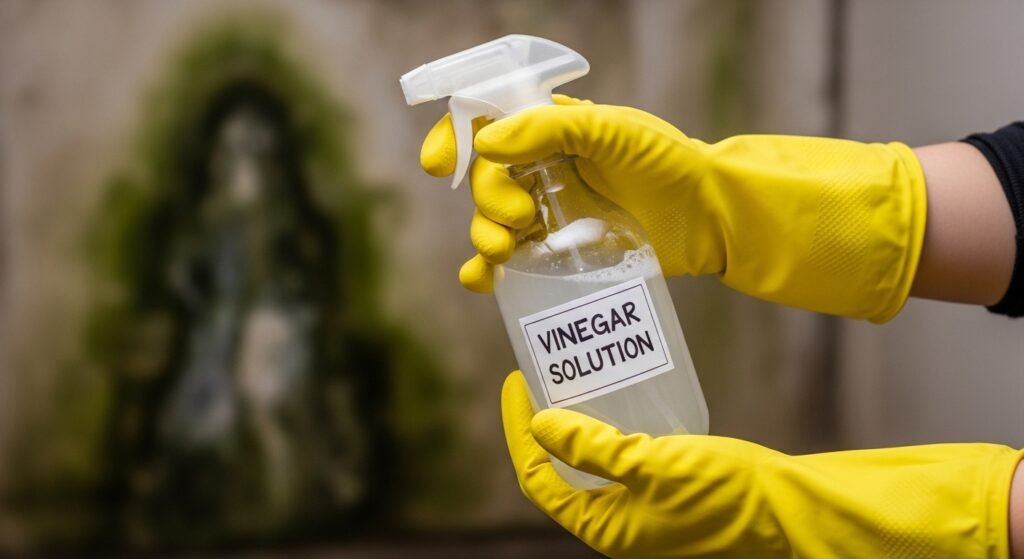
Vinegar is a very safe way to kill mold in basements. It contains acetic acid which is a natural fungus killer. Use a spray bottle with a 6% acetic acid solution. You should let it sit for at least an hour. This gives it time to penetrate the mold’s structure.
- Spray Liberally on all the moldy areas of the basement.
- Wait Patiently for sixty minutes before you start to scrub.
- Scrub Stains to remove the discoloration the mold leaves behind.
- Safe for Kids and pets compared to harsh chemical cleaners.
Hydrogen Peroxide
Hydrogen peroxide is a powerful fungicide and cleaning agent. It is great for concrete walls and brick surfaces. The CDC says it can kill bacteria and mold spores. Use a 3% solution in a spray bottle for best results. Let it bubble on the surface for about thirty minutes.
- Brick Cleaning is easier with peroxide because it foams up.
- Antimicrobial properties help stop the mold from coming back soon.
- Rinse and Dry the area after you finish the scrubbing process.
- Warm Water can be used after to remove any leftover spores.
Baking Soda and Natural Abrasives
Baking soda is a natural cleaner found in every kitchen. It is effective at killing mold and mildew on many surfaces. It also neutralizes those bad musty odors in the air. You can make a paste with two parts water and one part soda. Apply it to the wall and let it sit for fifteen minutes.
- Odor Removal is a huge benefit of using baking soda.
- Grime Removal happens as you scrub the abrasive paste away.
- Mix with Vinegar for a double-action cleaning solution.
- Non-Toxic and very affordable for large basement projects.
Tea Tree Oil and Essential Oils
Tea tree oil is a very potent natural mold killer. It is healthy and leaves your basement smelling very fresh. Mix one teaspoon of oil with one cup of water. You do not even need to rinse this solution off. It acts as a shield against any future mold growth.
- Environmentally Friendly and preferred by many green advocates.
- Pet Caution is needed because tea tree oil can be toxic to them.
- No-Rinse means it keeps working long after you finish cleaning.
- Natural Scent helps hide the damp smell of the basement.
Borax and HEPA Vacuuming
Borax is a mineral that has great cleaning and deodorizing properties. Before using it, you should vacuum with a HEPA filter. This pulls up loose spores without blowing them back out. Mix the borax with water and spray it on the mold. Let it sit for thirty minutes before you start scrubbing.
- HEPA Vacuum first to minimize the spores in the air.
- Bristle Brushes help get the borax into the wall’s pores.
- Rinse thoroughly to prevent any white residue from staying.
- Low Toxicity makes it a favorite for many homeowners.
Advanced Strategies for Managing Humidity and Moisture
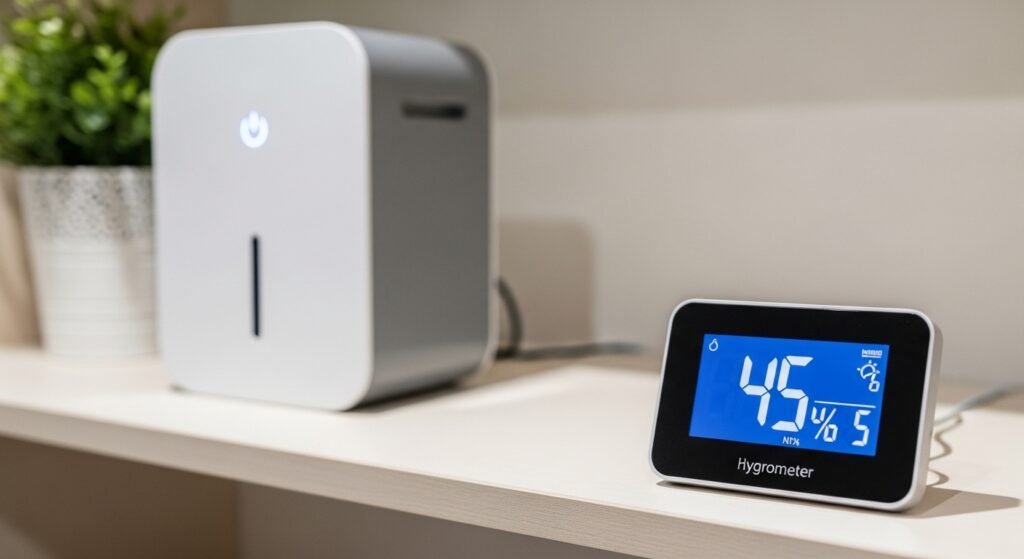
Controlling moisture is the only way to stop mold forever. If you clean the mold but leave the water, it returns. You should keep your humidity levels below 60% at all times. Using a dehumidifier is the best way to achieve this goal. It pulls water right out of the air for you.
- Clean Spills within 24 to 48 hours to prevent growth.
- Check Drainage around the outside of your house regularly.
- Fix Leaks in pipes and windows as soon as you find them.
- Foundation Repairs stop ground water from seeping into the basement.
Flooding is a major emergency for basement mold clean up. You must dry everything out as fast as possible. If water sits for a few days, mold will surely grow. Make sure your gutters lead water away from the foundation. Simple maintenance saves you from a massive mold headache later. Keeping it dry is your best defense against fungus.
Enhancing Basement Air Circulation and Ventilation
Stagnant air is a best friend for mold and mildew. Proper air movement lowers the chance of moisture building up. You should use fans to keep the air moving in corners. Install exhaust fans in basement bathrooms or laundry rooms. These rooms create the most steam and dampness in a home.
- Use Fans to encourage air movement throughout the entire space.
- Exhaust Fans should vent directly to the outside of the home.
- Open Windows whenever the weather outside is dry and clear.
- Air Circulation prevents cold spots where condensation might form.
Fresh air helps balance the climate inside your basement. If the weather permits, let the outside air flow through. It carries away stale odors and lowers the humidity naturally. Good ventilation makes the basement much more comfortable to use. It also makes it much harder for mold to settle down. Air that moves is air that stays clean.
Structural Improvements and Proper Insulation
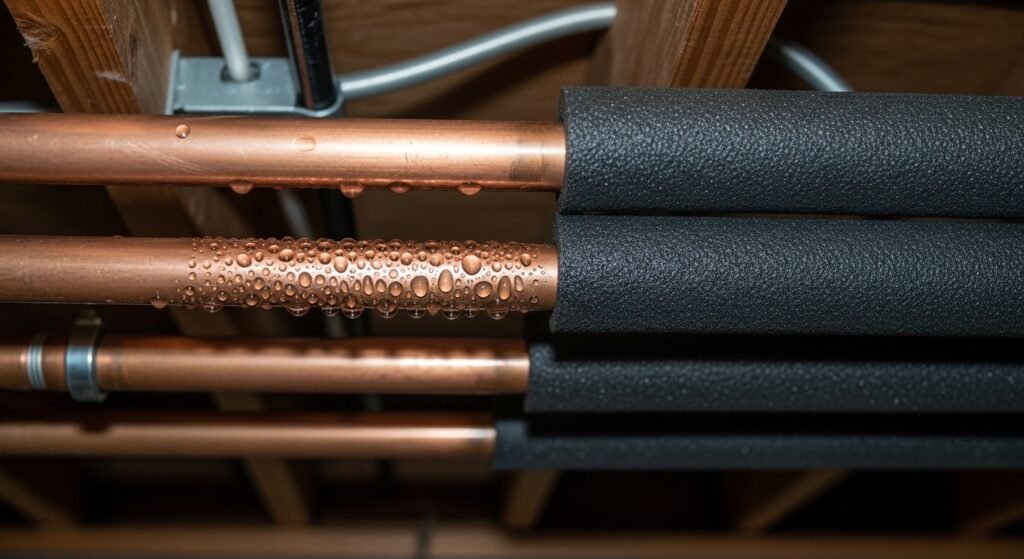
Condensation is a typical source of moisture in many basements. You can avoid this by using the right insulation. Insulate your cold water pipes to stop them from “sweating”. When cold pipes meet warm air, water droplets form and drip. This creates small puddles that mold absolutely loves to inhabit.
- Vacuum Barriers stop moisture from entering your basement walls.
- Wall Insulation helps reduce the temperature swings in the room.
- Waterproofing Paint can add a layer of protection to the walls.
- Antimicrobial Coatings prevent mold from sticking to your surfaces.
Properly insulating the walls helps keep the surface temperature stable. This stops moisture from the air from turning into liquid. You should check for any cracks in the foundation regularly. Sealing these cracks prevents ground moisture from coming inside. These structural fixes are long-term solutions for your home. They keep the basement dry for years to come.
When to Seek Professional Mold Remediation Services
Sometimes the mold problem is just too big for one person. If the mold covers a large area, call a pro. Severe infestations might require professional fumigation or specialized tools. Experts can identify the root cause of the growth easily. They have the safety equipment to handle toxic black mold.
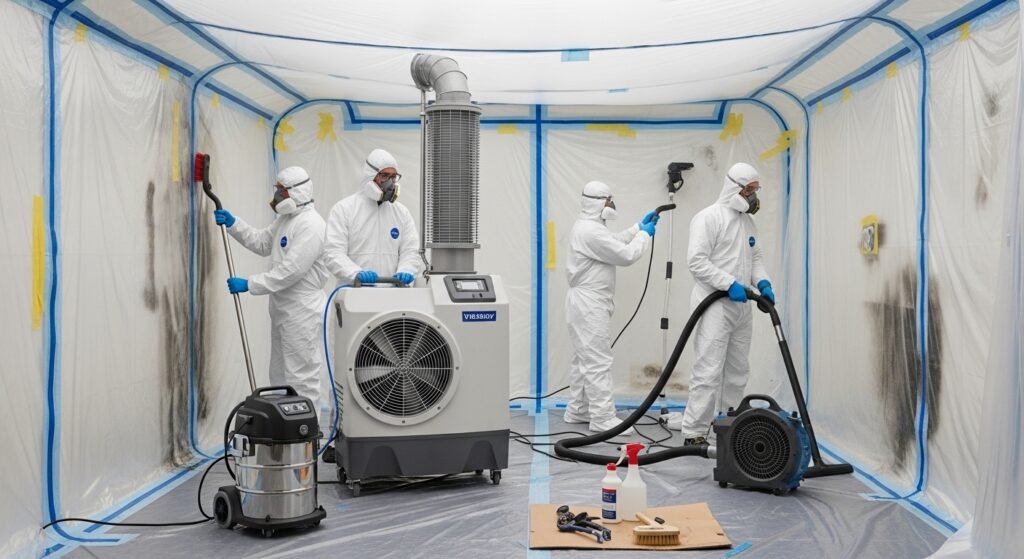
- Fumigation can reach mold spores hiding deep inside the walls.
- Dry Fogging is sometimes used, but it might not work alone.
- Air Scrubbers are used by pros to clean the air you breathe.
- Free Estimates are often provided by reputable mold removal companies.
Professional remediation ensures that all the roots are truly gone. They use industrial dehumidifiers to dry the area completely. If you have a severe leak, they can help fix that too. The EPA even advises getting a pro for large mold jobs. Do not risk your health on a project that is too big. Hiring an expert gives you peace of mind and safety.
Long-Term Maintenance and Prevention Checklist
Keeping mold away requires a little bit of work every month. You should inspect your basement for any new leaks or dampness. Check your gutters and downspouts to ensure water is moving away. If they are clogged, water can overflow and enter the basement. A quick check can save you thousands in repair costs.
- Monthly Inspections help you catch small issues before they grow.
- Gutter Cleaning prevents water from pooling against your foundation.
- Odor Monitoring is the easiest way to detect new mold growth.
- Replace Old Items like damp carpets with mold-resistant flooring.
If you ever smell that musty scent again, act immediately. It is your early warning system for a new mold colony. Keep your dehumidifier running during the humid summer months. Check the seals on your basement windows for any rain leaks. This simple checklist keeps your home safe and healthy forever. Prevention is much easier than doing another cleanup.
Summary and Final Takeaway
Basement mold clean up is essential for a safe home environment. Remember the “Clean, Dry, and Ventilate” philosophy at all times. If you find mold, act fast to save your home’s foundation. Use the right tools and always wear your safety gear. Whether you use vinegar or call a pro, get it done.
A fungus-free environment means your family can breathe easily again. You are protecting your health and the value of your house. Don’t let the “uninvited guest” take over your basement space. With the right steps, you can keep your home mold-free for good. Stay dry, stay safe, and keep that air moving.
Frequently Asked Questions About Basement Mold
How long does the basement mold clean up process usually take?
The timeline for cleaning depends on the size of the growth. Small patches might only take a few hours to scrub. Larger projects involving structural repairs can take three to five days. You must also account for drying time before replacing drywall.
Can I sleep in my house while mold is being removed?
It is usually safe if the basement is properly sealed with plastic. However, if you have severe allergies, you might want to stay elsewhere. The smell of cleaning chemicals can also be quite strong. Always keep the basement door shut tight during the work.
Does homeowners insurance cover the cost of basement mold clean up?
Most policies only pay if the mold resulted from a sudden accident. This includes things like a burst pipe or a water heater leak. They usually won’t pay for mold caused by poor maintenance. Check your specific policy for a “fungus or rot” endorsement.
Will mold return if I only use a dehumidifier?
A dehumidifier stops new growth but won’t kill existing colonies. You must clean the active mold first using the methods mentioned above. Once the area is clean, the dehumidifier acts as a permanent shield. It keeps the air too dry for spores to land.
What is the most common color for basement mold?
Black and green are the colors people notice the most in damp areas. However, mold can also appear orange, pink, or even bright white. Color alone does not tell you if the mold is toxic. Any color of fuzzy growth needs to be handled immediately.
Can I just paint over the mold to hide it?
Never paint over active mold growth because it will just eat the paint. The mold will eventually cause the paint to bubble and peel off. You must kill the mold and dry the surface before applying paint. Use a specific mold-resistant primer once the wall is clean.
Is it safe to use a regular vacuum on mold?
A standard household vacuum will blow microscopic spores back into the air. This actually makes the problem much worse by spreading the fungus. Only use a vacuum equipped with a certified HEPA filter. These filters are thick enough to trap the tiny mold particles.
How much does professional basement mold clean up cost?
Small professional jobs might start around five hundred dollars. Major remediation for a finished basement can cost several thousand dollars. The price depends on the square footage and the damage level. Getting a few different quotes is always a smart move.
Can mold grow inside my basement HVAC vents?
Yes, moisture can collect in your ductwork and grow hidden mold. If you smell a musty scent when the air turns on, check the vents. Professional duct cleaning is the best way to handle this specific issue. It prevents the system from blowing spores into every room.
Does cold weather kill mold in an unheated basement?
Cold temperatures usually just make the mold go dormant rather than killing it. It stops growing but stays alive on the surface of the wood. As soon as the basement warms up and gets damp, it starts spreading again. You cannot rely on winter to solve your mold problem.
What is the difference between mold and efflorescence?
Efflorescence is a white, salty powder that forms on concrete walls. It is caused by salt in the water and is not alive. Mold is fuzzy or slimy and will grow over time. You can test this by putting a little water on it; salt dissolves, but mold won’t.
Can mold growth affect the resale value of my home?
Visible mold or a history of water damage can lower your home’s value. Many buyers are scared of the health risks associated with fungus. Providing proof of professional basement mold clean up can help ease their minds. It shows you took care of the property properly.
Are there any plants that help prevent basement mold?
Some plants like English Ivy can actually absorb airborne mold spores. However, most houseplants add moisture to the air through their soil. In a damp basement, too many plants might actually make the humidity worse. Stick to a dehumidifier for the best moisture control results.
How do I know if the mold has reached the attic?
Spores travel upward through the “stack effect” in a house. Check your attic for dark staining on the roof sheathing or insulation. If the basement is very moldy, the attic should be inspected too. Mold often follows the path of rising warm air.
Can I use a power washer to clean basement walls?
Using a power washer indoors is usually a bad idea for basements. It introduces massive amounts of water into an area that is already damp. This can lead to even more mold growth behind the walls. Stick to hand scrubbing and controlled rinsing for indoor projects.
Is it safe to clean mold with a steam cleaner?
Heat can kill mold, but the steam also adds a lot of moisture. If you don’t dry the area perfectly, the mold will return fast. Professionals sometimes use dry steam, but DIY steam cleaners are risky. It is better to use the vinegar or peroxide methods.
Why does mold grow on my basement furniture?
Soft furniture like couches absorbs moisture from the humid basement air. This makes the fabric a perfect landing spot for floating spores. Wood furniture with a thin finish can also provide food for the fungus. Try to keep furniture a few inches away from the walls.
How can I tell if my basement windows are leaking?
Look for water stains or peeling paint around the window frame. You might see small puddles on the floor after a heavy rainstorm. Check the outside caulking to see if it is cracked or missing. Leaky windows are a major contributor to basement dampness.
Does sunlight kill basement mold?
Ultraviolet rays from the sun are a natural way to kill mold spores. Unfortunately, most basements don’t get enough direct sunlight to help. If you have moldy rugs, taking them outside in the sun can help. For the walls, you will need to use physical cleaning methods.
Should I run my basement fan all the time?
Running a fan helps prevent stagnant air where mold loves to grow. It is especially helpful if you are also running a dehumidifier. The fan moves the damp air toward the machine so it can be dried. It is a cheap and easy way to keep the air fresh.