
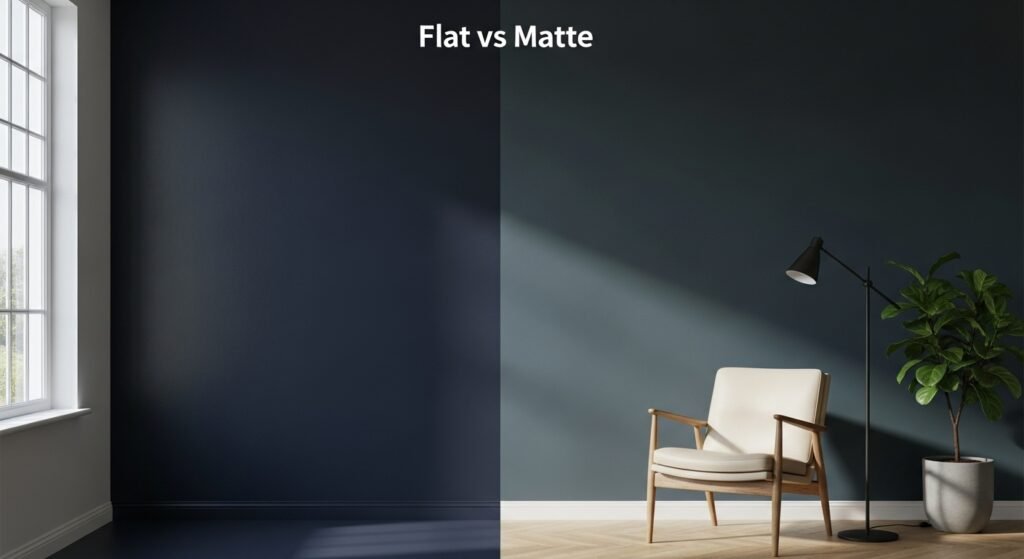
Picking the right paint can feel like a huge chore for your house. You might think only the color matters when you hit the store. Most folks forget that the sheen changes everything about the look. The difference between flat and matte paint is a big deal for your walls. These two look similar but they act very differently once they dry. You want a home that looks fresh and stays clean for years. This guide will help you pick the best finish for every room.
Understanding the Fundamentals of Paint Finishes
Light plays a massive role in how your paint looks throughout the day. Sheen is just a fancy word for how much light bounces off the wall. If a paint has high sheen, it acts almost like a mirror. If it has low sheen, it soaks up the light like a sponge. Understanding these levels helps you hide mistakes or show off cool details.
The role of light reflectivity in interior design
Light reflectivity changes the vibe of your entire living space in a second. Shiny paints make a room feel bright but they also show every bump. Flat paints make a room feel cozy and very calm for relaxing. You need to know how much sun hits your walls every day. Designers use reflectivity to make small rooms feel much bigger or taller.
Defining “Sheen” vs. “Gloss” levels
People use these words to mean the same thing but they differ slightly. Gloss usually refers to the actual shine you see from straight ahead. Sheen is the glow you notice when looking from a side angle. Both terms describe how much light the paint surface reflects back. Matte and flat are on the very low end of this scale.
The general hierarchy of paint finishes: From Flat to High-Gloss
Knowing the order of paint finishes helps you compare your many options. It starts with flat at the bottom because it has no shine. Next is matte, which has just a tiny hint of a glow. Then you move up to eggshell, satin, and eventually high-gloss at the top. Each step up the ladder adds more shine and more strength.
How resin and pigment ratios determine the finish of the paint
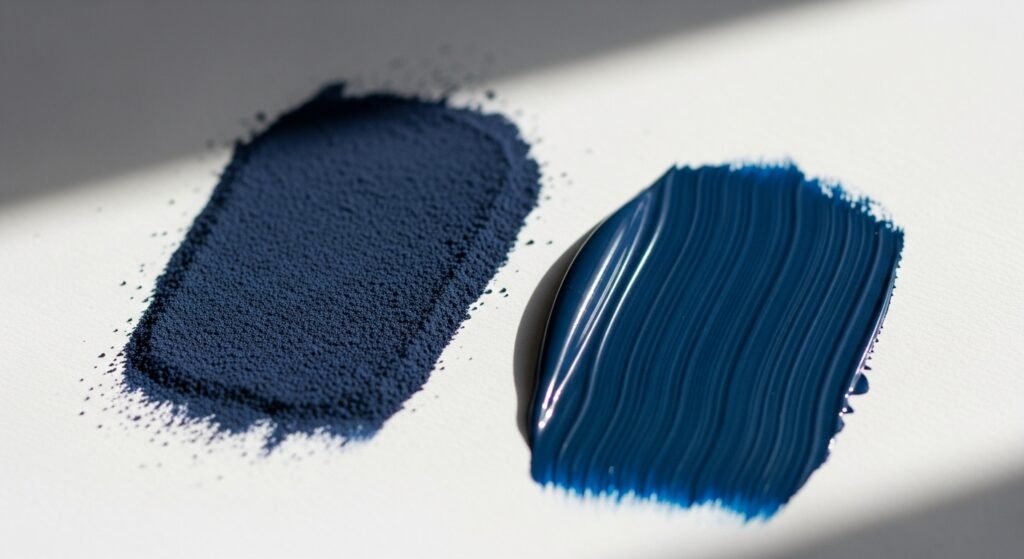
The stuff inside the paint can determines how it looks on your wall. Pigment is the color powder that gives the paint its beautiful hue. Resin is the glue that holds everything together and adds the shine. Flat paint has a ton of pigment but very little resin inside. Matte paint adds a bit more resin to give it extra toughness.
What is Flat Paint Finish?
Flat paint is the king of hiding secrets on your old walls. It creates a finish that looks like soft velvet or thick construction paper. You won’t see any light reflecting back at you from a flat wall. This finish is famous for being very smooth and totally non-reflective. It is a go-to choice for many professional painters in Marietta, Georgia.
Defining the ultra-matte, velvety appearance
The ultra-matte look is all about that soft and rich feeling it gives. It does not look like plastic or shiny film at all. Instead, it looks deep and solid like a piece of expensive fabric. This velvety texture makes any room feel much more high-end and fancy. It is a classic look that never really goes out of style.
The technical side: Why flat paint has the highest pigment-to-binder ratio
Flat paint is packed with color particles to cover up the surface well. Because it lacks resin, the surface stays rough on a microscopic level. This rough surface scatters light in every direction instead of bouncing it. That is why you don’t see a reflection when you look at it. The high pigment count makes the colors look very true and bold.
The “non-reflective” quality and how it interacts with light
Non-reflective paint is great for rooms with way too many bright windows. It stops that annoying glare that can hurt your eyes during the day. The light hits the wall and just disappears into the deep color. This creates a very steady look no matter where the sun is sitting. It helps keep the mood of the room very consistent and peaceful.
Pros of Flat Finish
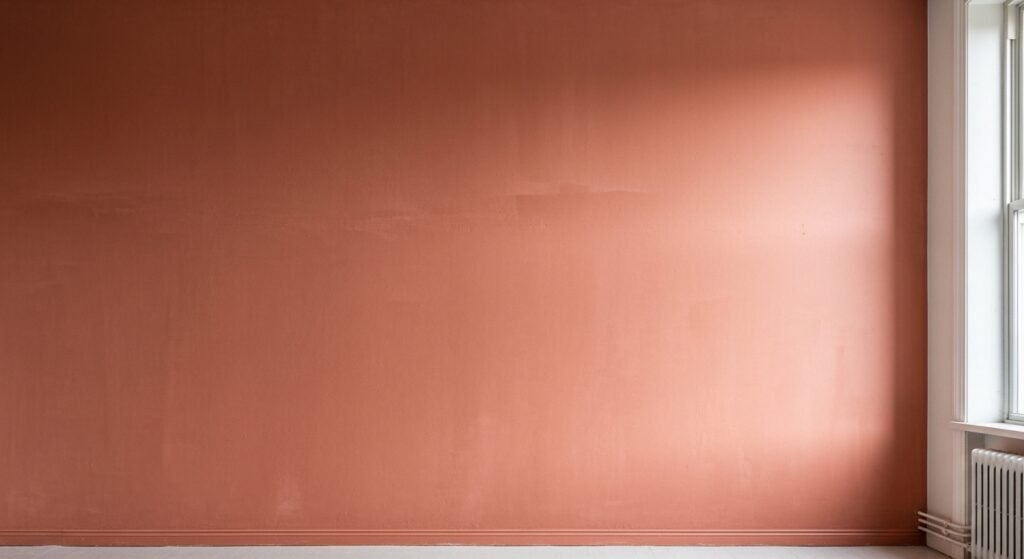
Flat finish has some amazing perks if you use it in the right spots. It is a favorite for budget-friendly fixes and high-end formal looks alike. Many homeowners love how it makes their old house look brand new.
- Luxurious Appearance: It gives the walls a soft and expensive look that shines cannot match.
- Maximum Color Depth: The colors stay true because light doesn’t wash them out.
- Superior Hiding Capabilities: It is the best at covering up bumps, dents, and bad drywall.
- Zero Glare: You won’t get those bright white spots from your lamps or the sun.
- Forgiveness for DIYers: It hides your mistakes if you aren’t great with a paint roller.
Cons of Flat Finish
You have to be careful because flat paint isn’t a hero in every room. It has some weaknesses that might make you frustrated if you have kids.
- Lack of Washability: If you try to scrub it, the paint might come right off.
- Burnishing Issues: Rubbing the wall can create a weird shiny spot that looks bad.
- High Porosity: It drinks up stains like juice or ink, making them hard to remove.
- Durability Concerns: It scuffs easily if a chair or a toy hits the wall hard.
What is Matte Paint Finish?
Matte paint is like the cooler, tougher cousin of the flat paint finish. It is often called a low-sheen finish because it has a tiny glow. You can think of it as a bridge between flat and eggshell paint. It offers a great look without being as delicate as a flat finish. This is why many people in South Jersey are picking it lately.
Defining the “Eggshell-lite” or low-sheen finish
Matte is just a step above flat but below the shine of an eggshell. It has a very subtle glow that you only see from an angle. This tiny bit of shine gives the wall more life and dimension. It doesn’t look like a mirror, but it doesn’t look like paper either. It is a very modern choice for people who want a clean look.
The subtle bridge between flat and satin finishes
This finish sits in the “sweet spot” for many different types of home projects. It gives you the beauty of a flat look with some added strength. You get the best of both worlds without the heavy shine of a satin. It is versatile enough to work in almost any room in your house. Most people find it to be the most balanced option for general use.
The technical side: Increased resin content for a slight light bounce
Manufacturers add a little more resin or “glue” to the matte paint mix. This extra resin fills in the gaps between the color pigments slightly. This creates a surface that is just a bit smoother than a flat finish. Because it is smoother, a tiny bit of light can bounce off the wall. This extra resin also acts as a shield against dirt and light touching.
Pros of Matte Finish
Matte finish is gaining a lot of fans because it solves many flat paint problems. It is a smart choice for busy homes that still want to look stylish.
- Subtle Sheen: It adds a soft ambiance that makes the room feel very inviting.
- Improved Durability: It stands up much better to small bumps and light touching.
- Concealing Imperfections: It still hides most wall flaws quite well while looking great.
- Easy Touch-Ups: You can fix a small spot without having to repaint the whole wall.
- Modern Aesthetic: It fits perfectly with the latest trends in home decor and style.
Cons of Matte Finish
Even though it is tougher than flat, matte still has its own set of limits. You shouldn’t expect it to act like a heavy-duty industrial paint finish.
- Limited Washability: You can’t use harsh chemicals or heavy scrubbing on matte walls.
- Susceptibility to Streaking: Cleaning with a wet rag can sometimes leave visible lines.
- Moisture Sensitivity: It might peel or get moldy in a tiny, steamy bathroom.
Key Differences Between Matte and Flat Paint
The difference between flat and matte paint is mostly about the gloss and the resin. While they look similar in the can, they act different once they are dry. Flat paint is like a quiet friend who stays in the background perfectly. Matte paint is like a friend who has a little bit more energy. Choosing between them depends on how you live your daily life at home.
Reflectivity and Gloss Levels
Flat paint usually has a gloss level of 0 to 3 percent. This means it is basically dead to the light and reflects nothing back. Matte paint usually sits between 5 and 10 percent on the gloss scale. This tiny difference is enough to give the wall a very soft, warm glow. You will notice the difference most when the afternoon sun hits the wall.
Pigment vs. Resin Content
Flat paint is mostly pigment, which gives it that chalky and deep color look. Matte paint has a higher ratio of resin, which is the “plastic” part of paint. This resin makes the matte finish more like a thin, protective skin on the wall. The flat finish is more like a layer of colored dust held together loosely. This is why matte can handle a damp cloth much better than flat.
Surface Texture
When you run your hand across a flat wall, it might feel a bit like chalk. It has a tiny bit of “tooth” or texture that you can feel with your fingers. A matte wall feels a bit smoother and almost slightly slick to the touch. This smoother surface is what makes it a little bit easier to wipe down. The flat texture is what allows it to trap and hide those ugly wall bumps.
Maintenance Requirements
Flat paint requires a very “hands-off” approach to keep it looking good for years. If it gets dirty, your best bet is often to just paint over the spot. Matte paint allows you to do very light cleaning with a soft, damp sponge. You still have to be careful not to rub too hard on a matte surface. Neither of these finishes likes being scrubbed with a rough plastic brush or soap.
Best Applications for Each Finish
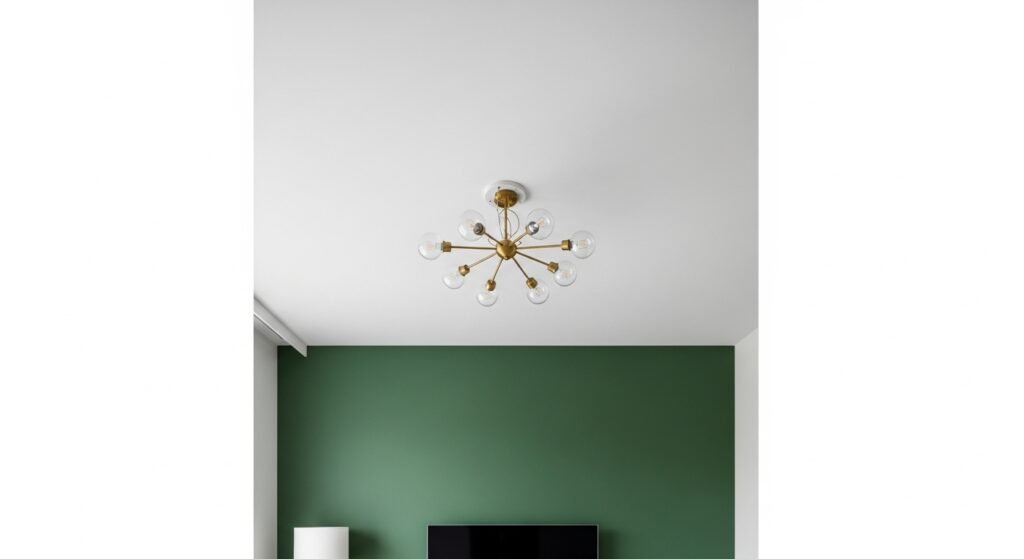
You don’t have to use the same finish for every single room in your house. It is smart to mix and match based on what happens in each room. Some rooms need the hiding power of flat, while others need matte’s strength.
When to Choose Flat Paint
- Ceilings: It is the best choice to hide gravity bumps and light glare above you.
- Formal Dining Rooms: These rooms usually stay clean and don’t see much rough action.
- Adult Bedrooms: Walls here don’t get messy, so the soft look works perfectly fine.
- Accent Walls: It makes deep colors look stunningly rich without any distracting shine.
- Low-Traffic Offices: It keeps the room quiet and prevents screen glare on your monitor.
When to Choose Matte Paint
- Living Rooms: It handles the occasional touch from guests better than a flat finish.
- Primary Bedrooms: It gives a high-end look that is a bit more resistant to dust.
- Hallways with Low Impact: It can handle the light traffic of a hallway without scuffing immediately.
- Imperfect Walls Requiring Sheen: Use this if you want a glow but your walls have bumps.
Performance and Durability Comparison
Durability is the biggest deal-breaker for most people picking a paint finish today. You want a paint that can survive a busy life with kids or pets. If your walls are always getting hit, you need to think about the sheen. Higher sheen usually means the paint is harder and much more difficult to damage.
The “Gloss vs. Durability” Rule
There is a simple rule in the paint world that everyone should know. The more shine a paint has, the more “plastic” or resin it contains inside. More resin means a harder surface that can take a beating and stay clean. Since matte has more resin than flat, it wins the durability contest every time. Flat is the most fragile of all the finishes you can buy for your home.
Resistance to Wear and Tear
Flat paint shows every little scratch or scuff mark from a chair or a bag. If you bump it, the pigment might actually flake off the wall surface. Matte paint is a bit more flexible and can handle these light impacts better. It doesn’t scuff as easily, so the walls stay looking fresh for much longer. This makes matte a much better choice for rooms where people actually hang out.
Longevity
A flat paint job might start looking “tired” or dirty after just a couple of years. Since you can’t wash it, the dirt just builds up until you have to repaint. Matte paint can last a bit longer because you can wipe away some of the dust. This means you might save money over time by not repainting as often. If you want a “one and done” job, matte is usually the safer bet for longevity.
The Impact of Moisture
Moisture is the natural enemy of low-sheen paints like flat and matte. Flat paint can act like a sponge and soak up steam, which leads to peeling. Matte is slightly better, but it still isn’t a hero in a small, steamy bathroom. For high-moisture areas, you really should look at satin or semi-gloss instead. Using flat or matte in a humid laundry room is usually a recipe for disaster.
Aesthetic and Design Considerations
Paint isn’t just about protection; it is about how the room makes you feel inside. The difference between flat and matte paint can change the mood of a room. Designers spend a lot of time thinking about how light hits these different surfaces. You can use these finishes to hide problems or make a room feel like a palace.
Impact on Room Size
Flat paint can make walls feel like they are further away than they actually are. Because there is no reflection, the edges of the room seem to soften and disappear. This can make a tiny, cramped room feel a lot more open and much airier. Matte paint adds a tiny bit of light bounce that helps define the room’s shape. It feels a bit more solid and present than a flat-painted room does.
Interaction with Natural vs. Artificial Light
If you have huge windows, flat paint will stop that blinding glare in the afternoon. It spreads the light out so the whole room feels evenly lit and very calm. Matte paint likes light and uses it to show off its soft and pretty glow. It looks especially good under warm artificial lights in the evening time. You should test a sample on your wall to see how it looks at night.
Color Perception
Color looks different depending on how much light is bouncing off the surface. In a flat finish, the color looks very deep, very solid, and very consistent. In a matte finish, the color might look a tiny bit lighter because of the sheen. Dark colors like navy or forest green often look best in a flat finish. The lack of shine lets you see the true pigment without any white light interference.
Creating Sophisticated Spaces
There is a reason high-end art galleries often use very low-sheen paint on their walls. It makes the artwork and the furniture be the stars of the show instead of the walls. A velvety flat or matte wall says “elegance” without trying too hard to be flashy. It creates a backdrop that looks expensive, timeless, and very well-planned. It is the perfect choice for a library or a formal sitting area.
Practical Tips for Application and Maintenance
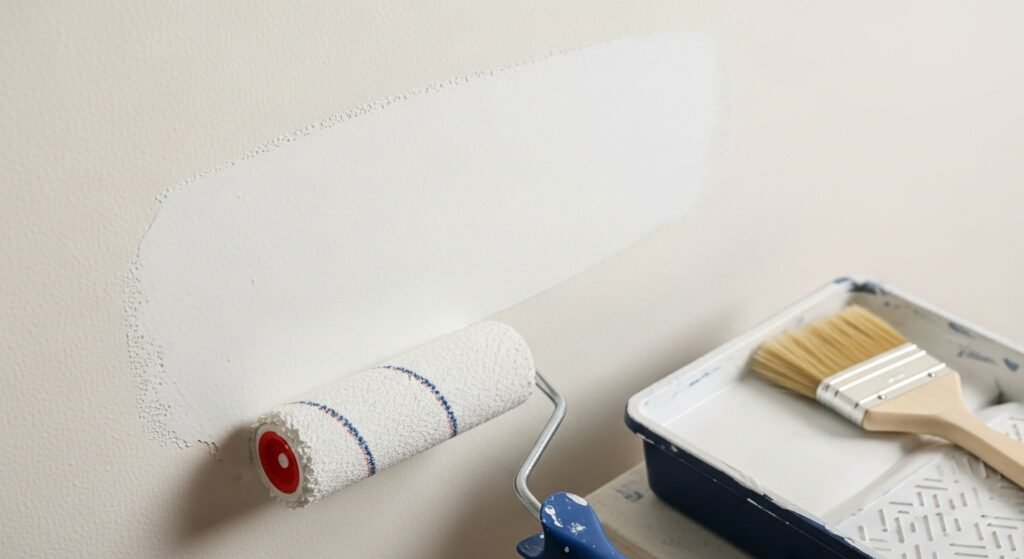
Even the best paint won’t look good if you don’t put it on the right way. Low-sheen paints are easier to use, but you still need a solid plan for success. Following the right steps will make your paint job look like a pro did it.
- Preparation is Key: Always sand your walls and fix holes before you even open the paint can.
- Applying Flat Paint: Use a high-quality roller and don’t press too hard against the wall.
- Applying Matte Paint: Keep a “wet edge” so you don’t get weird lines where the paint overlaps.
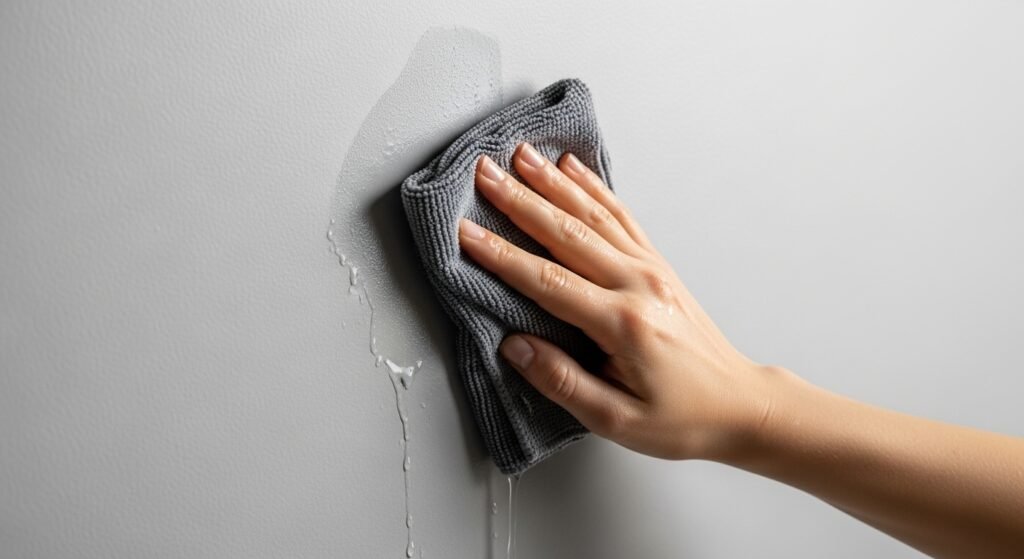
- How to Clean Low-Sheen Walls: Use a very soft microfiber cloth and just a little bit of plain water.
- Mastering Touch-Ups: Feather the edges of your brush strokes so the new paint blends with the old.
Making the Final Decision
Choosing between these two finishes comes down to your personal life and your walls. There is no wrong answer, only what works best for your specific house. Take a moment to think about who lives in your home and how they treat it. A beautiful home is one that stays looking good without constant work.
Assessing Your Household Traffic
If you have small kids or big dogs, matte is almost always the better choice for you. Kids love to touch walls, and matte can handle those sticky fingers a bit better. If you live alone or with other adults, you can probably get away with flat. Think about how many people walk through your hallways every single day. The more people you have, the more sheen you probably need for protection.
Evaluating Wall Condition
Take a bright flashlight and shine it sideways across your walls to see the bumps. If your walls look like the surface of the moon, you definitely need flat paint. Flat paint is the ultimate “filter” for bad walls and poor construction work. If your walls are brand new and perfectly smooth, matte will look amazing on them. Don’t waste money on a shiny paint if your walls are in bad shape.
Summary of Key Recommendations
Flat is the king of ceilings, formal rooms, and hiding big wall mistakes. Matte is the all-around champion for living rooms and general interior walls. Both give you a beautiful, non-shiny look that feels very modern and fresh. Always remember that flat is more beautiful but matte is much more practical. Most people find that matte is the safest bet for the majority of their home.
The Hybrid Approach
You don’t have to pick just one finish for the entire interior of your house. Use flat paint on your ceilings to hide the joints and stop the light glare. Use matte paint on the walls to get that pretty look with a bit of toughness. This combination is what most professional painters suggest for a high-quality result. It gives you the best performance and the best look in every single room.
| Feature | Flat Paint Finish | Matte Paint Finish |
| Gloss Level | 0% to 3% (Lowest) | 5% to 10% (Low) |
| Light Reflectivity | None (Absorbs light) | Very Low (Soft glow) |
| Surface Texture | Chalky, Velvety, Rougher | Smooth, Slightly Slick |
| Hiding Imperfections | Best (Covers major flaws) | Good (Covers minor flaws) |
| Durability | Low (Delicate) | Moderate (Tougher) |
| Washability | Poor (Rubbing removes paint) | Fair (Can handle damp wiping) |
| Stain Resistance | Low (Very porous) | Moderate (Higher resin content) |
| Color Depth | Very Deep and Rich | High (Slightly more vibrant) |
| Touch-Up Ease | Excellent (Blends perfectly) | Good (Blends well) |
| Best For Ceilings | Ideal (Standard choice) | Not recommended |
| Best For High Traffic | Not recommended | Acceptable for low-impact areas |
| Cost | Most Affordable | Slightly more expensive |
| DIY Friendliness | Very High (Hides lap marks) | High (Requires steady edge) |
| Common Uses | Ceilings, Formal rooms | Living rooms, Bedrooms |
| Resin Content | Very Low | Moderate |
| Scrub Resistance | None (Prone to burnishing) | Low (Use soft cloth only) |
| Moisture Resistance | Poor | Fair |
| Aesthetic Vibe | Traditional, Muted, Flat | Modern, Contemporary, Soft |
| Availability | All brands | Most major brands |
| Visual Weight | Recedes into background | Defines wall shape slightly |
Frequently Asked Questions
Does flat paint make a room look bigger or smaller?
Flat paint tends to make a room look larger because it absorbs light and lacks defined reflections. This causes the boundaries of the walls to appear softer and recede, creating an airy, expansive feeling in tight spaces.
Can you mix flat and matte paint together?
Yes, you can mix them if they are the same brand and base type, such as both being water-based acrylics. The resulting mixture will have a custom sheen level somewhere between a true flat and a standard matte.
Is flat paint cheaper than matte paint?
Generally, flat paint is the most affordable finish available. Because it contains fewer resins and binders than matte or glossier finishes, the manufacturing cost is lower, which is usually reflected in the retail price.
Why do builders often use flat paint in new homes?
Builders prefer flat paint because it is the most efficient at hiding “nail pops,” uneven joints, and sanding marks in new drywall. It allows them to finish a project quickly without the need for perfect wall preparation.
Can you use matte paint on trim and baseboards?
While possible, it is not recommended. Trim and baseboards are high-impact areas that collect dust and take kicks; a semi-gloss or satin finish is better suited for the frequent cleaning and durability required for woodwork.
Does flat paint take longer to dry than matte?
Flat paint often feels dry to the touch faster than matte because it has a higher concentration of solids and less liquid resin. However, the full cure time—when the paint reaches maximum hardness—is usually the same for both.
Will matte paint show roller marks more than flat?
Matte paint is slightly more prone to showing “lap marks” or roller tracks than flat paint. To avoid this, you must maintain a wet edge and avoid over-rolling areas that have already begun to set.
Is flat paint better for hiding smoke or water stains?
Neither finish is good at blocking stains; they are both porous. You must apply a stain-blocking primer first, as flat and matte finishes will allow old stains to bleed through the pigment.
Can I apply a clear coat over flat paint to make it matte?
You can apply a matte-finish polyurethane or clear acrylic topcoat over flat paint. This protects the color while adding a slight increase in durability and a consistent low-sheen glow.
Does the climate affect how flat paint looks?
In very humid climates, flat paint can appear slightly patchy as it absorbs moisture from the air. Matte paint, with its slightly higher resin content, holds its color consistency better in humid environments.
How do I remove scuff marks from matte walls without ruining the sheen?
Use a specialized “magic” cleaning eraser very lightly or a piece of soft bread to dab the mark. Avoid circular scrubbing motions, which cause burnishing and leave a permanent shiny spot.
Can you use flat paint in a kitchen?
It is generally discouraged unless used on a ceiling. Kitchen walls face grease splatters and steam, which will quickly stain or degrade a flat finish, making the walls look dirty and worn.
Does matte paint require a specific type of primer?
Matte paint works best over a high-build primer that creates a uniform surface. Since it has a hint of sheen, any inconsistencies in the wall’s porosity can lead to “flashing,” where some spots look shinier than others.
Is matte paint eco-friendly?
Most modern matte paints are available in Low-VOC or Zero-VOC formulas. Because they contain more solids and fewer solvents than high-gloss oil paints, they are generally considered a safer indoor air quality choice.
Can flat paint be used for outdoor projects?
Standard interior flat paint will fail quickly outdoors. However, exterior-grade flat paints exist and are often used on “shabby chic” furniture or masonry to provide a weathered, rustic look.
Why does my flat paint look chalky when I touch it?
This is common with low-quality flat paints that have a very high pigment-to-binder ratio. If there isn’t enough resin to lock the pigment in place, the color can rub off on your skin or clothes.
Does light color choice affect the sheen of matte paint?
Darker colors in a matte finish often appear to have slightly more sheen than lighter colors. The deep pigments reflect light differently, sometimes making a dark matte look closer to an eggshell finish.
Can I use a paint sprayer for matte finishes?
Spraying is an excellent way to apply matte paint as it provides a perfectly uniform coat without the texture of a roller. This highlights the smooth, velvety nature of the finish.
Is flat paint easier to sand off later?
Yes, because it is less “rubbery” than high-resin paints, flat paint sands down to a fine powder easily. This makes it easier to prep the walls if you decide to switch to a different finish later.
Does matte paint hold up against UV fading?
Matte paint tends to hold its color better than flat paint because the extra resin provides a tiny bit of protection for the pigment particles against sun exposure.