
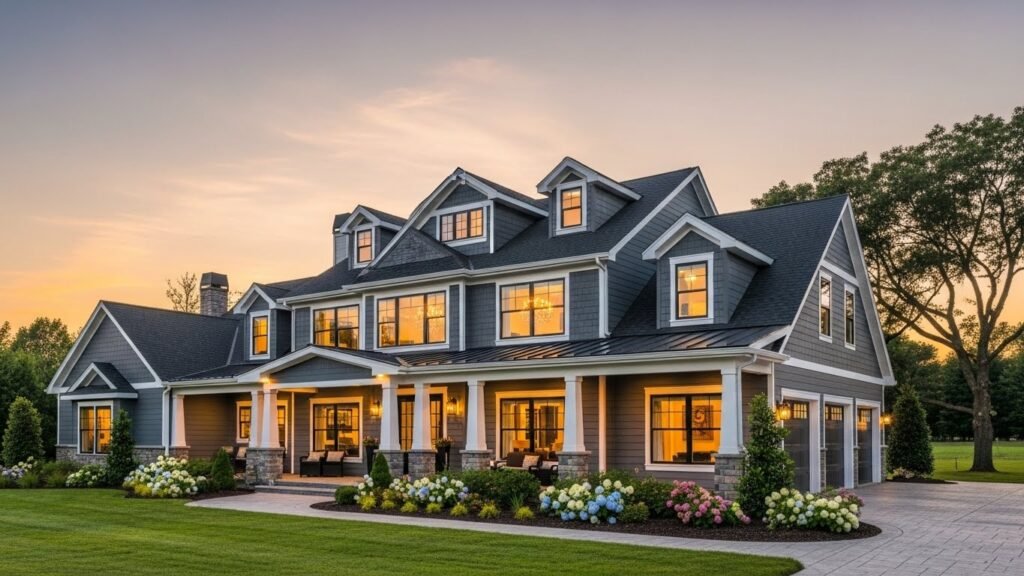
Buying a home is a huge deal. You want a place that feels like a mansion but does not cost a fortune. Triple wide manufactured homes are changing the game for families everywhere. These massive houses offer more room than you ever thought possible in a factory-built home. You get high-end features and tons of square footage without the massive price tag of a regular house. It is the smartest way to get your dream home right now.
Understanding Triple-Wide Manufactured Homes
A triple-wide home is exactly what it sounds like. It is a house built in three big sections at a factory. Workers then move these parts to your land. They join them together to make one giant, solid house. It looks just like any other house once it is finished.
Defining the Triple-Wide
- Three Sections: The home is made of three separate units that fit together like a puzzle.
- Width: These homes are much wider than single or double-wide models.
- Permanent Setup: Once joined, they create a permanent and sturdy structure on your site.
The Construction Process
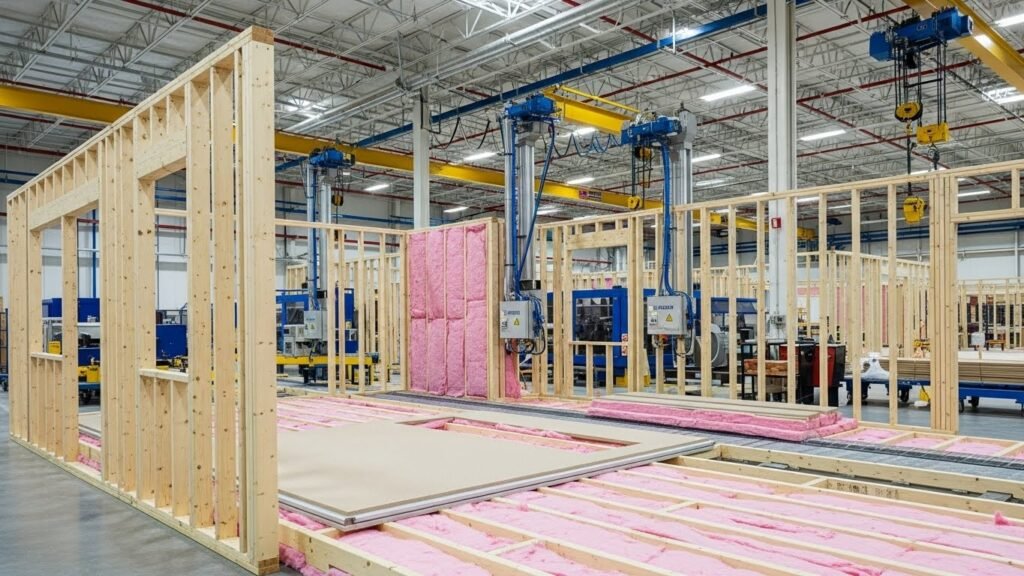
Building these homes inside a factory is a smart move. It keeps the wood and materials dry and safe from rain. Machines do the heavy lifting to make sure everything is straight and strong. This industrial process is fast and very efficient. You do not have to wait months for a crew to finish your roof.
Engineering Standards
Every home must follow the HUD Code. This is a set of federal laws for safety and quality. It covers things like fire safety and plumbing. It also makes sure the home can handle the weather in your area. You can sleep easy knowing your home is built to high standards.
The Seamless Finish
You might worry about seeing lines where the sections meet. Do not sweat it. Professional crews use special techniques to hide these seams. They finish the drywall and flooring so it looks like one continuous space. Your guests will never guess it came in three pieces.
The Evolution of Triple-Wide Living Space
Triple wide manufactured homes have come a long way over the years. They used to be simple, but now they are true luxury estates. Designers have found ways to make them feel open and airy. They are perfect for people who need a lot of elbow room.
Total Square Footage
- Large Scale: These homes often start at 1,500 square feet.
- Massive Options: Some models go way up to 4,500 square feet or more.
- Family Friendly: This size is perfect for big families or people who love to host parties.
Width and Dimensions
Most of these homes are between 40 and 60 feet wide. That is a lot of space for long hallways and big rooms. It gives the house a rectangular or “L” shape. This makes it look very impressive from the street. It definitely has that curb appeal you want.
The Stick-Built Aesthetic
A “stick-built” home is just a regular house built on-site. Triple-wides do a great job of mimicking that style. They have steep roofs and beautiful siding. You can add porches and garages to complete the look. Most people will think you spent a million bucks on a custom build.
Advanced Architectural Features and Layouts
The layout of a triple-wide is where things get really exciting. You are not limited by a narrow frame. You can have wide-open spaces that flow together. It is all about comfort and modern living styles.
Expansive Common Areas
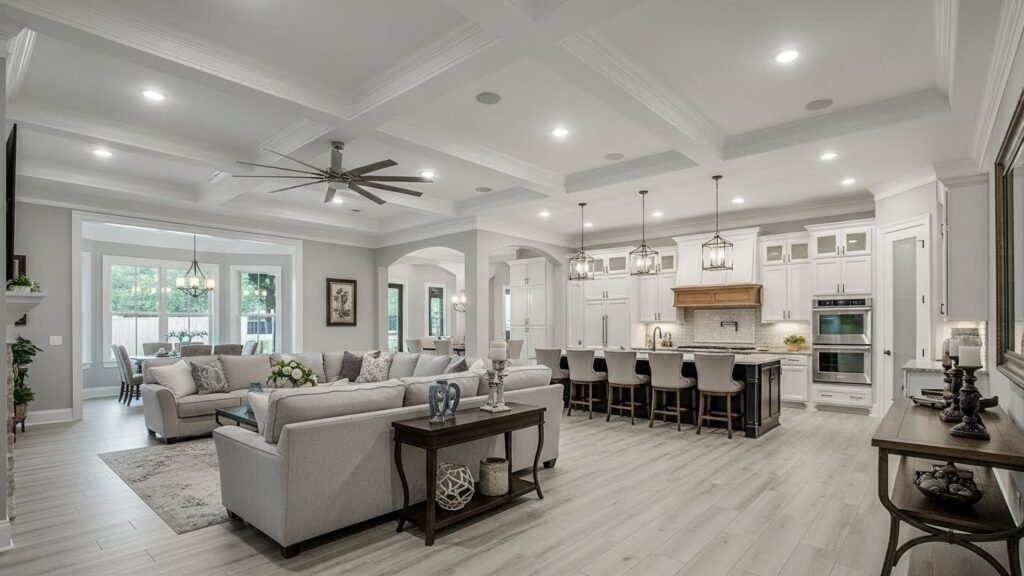
The living rooms in these homes are huge. You can fit a giant sectional and a big-screen TV with ease. Many designs use a “great room” concept. This connects the living room, kitchen, and dining area. It makes the home feel even bigger than it is.
Gourmet Kitchen Configurations
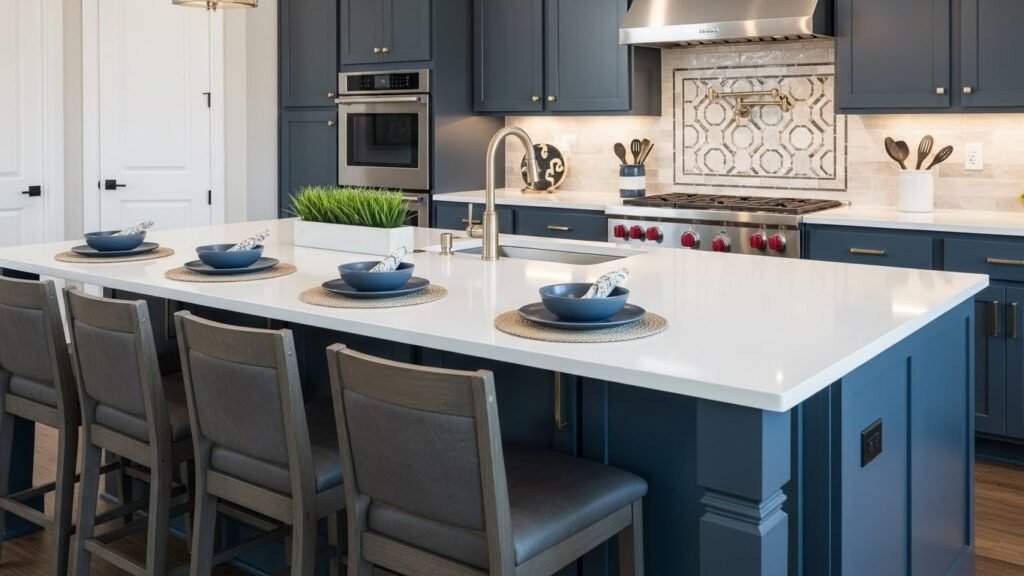
- Large Islands: You get massive central islands with room for stools and extra prep space.
- Butler Pantries: Some models have extra walk-in closets just for your snacks and small appliances.
- Dining Areas: You can have both a casual breakfast nook and a fancy formal dining room.
Master Suite Luxury
- Dual Closets: Say goodbye to fighting over hanger space with two walk-in closets.
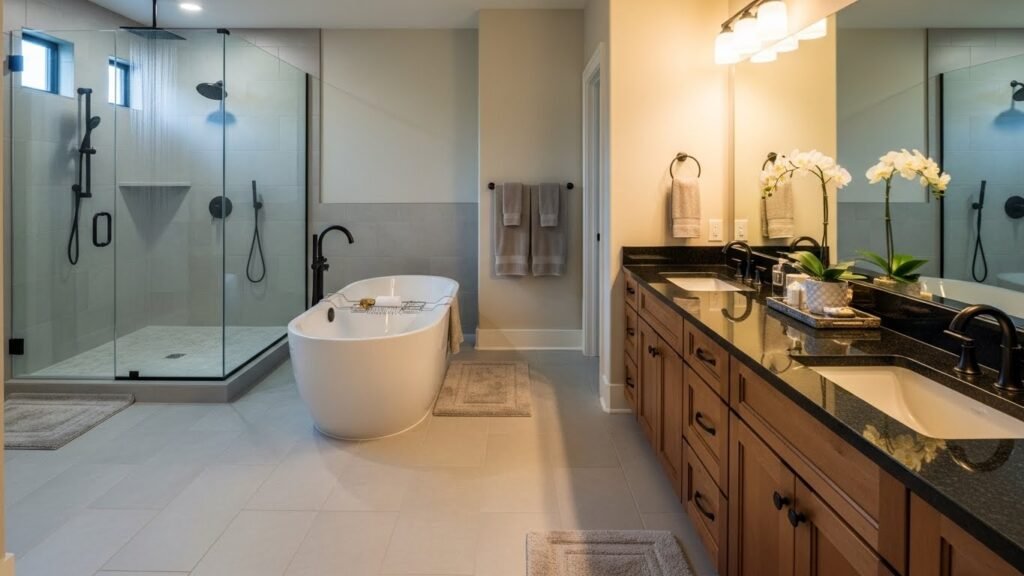
- Spa Bathrooms: These often feature giant soaking tubs and separate walk-in showers.
- Private Retreats: Some master bedrooms include a small sitting area for reading or relaxing.
Specialty Rooms
Because you have so much space, you can get creative. You can have a dedicated room for your home gym. Many people use an extra room for a quiet home office. You could even build a private cinema or a craft room. The possibilities are endless when you have this much square footage.
Split-Bedroom Floor Plans
This is a very popular design choice. The master suite is on one end of the house. The other bedrooms are on the complete opposite side. This gives parents some much-needed peace and quiet. It is also great if you have guests staying over for the weekend.
Interior Design and High-End Finishes
The inside of modern triple wide manufactured homes looks amazing. Forget about cheap plastic or thin walls. These homes use the same materials you find in luxury mansions. It is all about the details that make a house feel like a home.
Premium Materials
You can choose granite or quartz for your kitchen countertops. These surfaces are tough and look beautiful. The cabinets are often made of real hardwood, not just particle board. You get a high-end look that lasts for decades.
Modern Flooring Options
- Vinyl Plank: This flooring looks like wood but is waterproof and very durable.
- Ceramic Tile: Perfect for bathrooms and entryways to give a classic feel.
- Plush Carpet: High-grade carpets make bedrooms feel cozy and warm.
Ceiling Treatments
Tall ceilings make any room feel more majestic. Many triple-wides have vaulted or tray ceilings. You can add crown molding for a touch of elegance. These small touches make a big difference in how the home feels. It adds a level of sophistication that is hard to beat.
Appliance Packages
You get modern, stainless steel appliances that work great. Many are Energy Star rated to save you money. You can even find homes with smart technology built-in. This lets you control your lights or fridge from your phone. It is living in the future today.
Lighting and Fixtures
Gone are the basic light bulbs of the past. Now you get recessed LED lighting and designer chandeliers. The faucets and handles come in trendy finishes like matte black or brushed gold. These details help pull the whole design together.
The Economic Advantages of Triple-Wide Homes
Saving money is one of the best parts of buying a manufactured home. You get way more house for every dollar you spend. This lets you live a better life without a massive mortgage.
Cost Per Square Foot
Traditional houses are getting very expensive to build. Triple-wides are much more affordable. In fact, they often cost about half as much per square foot. This means you can get a giant house for the price of a small condo.
Bulk Purchasing Power
Factories buy lumber and appliances in huge quantities. This helps them get the best prices possible. They pass those savings on to you. It is much cheaper than a local builder buying materials for just one house.
Predictable Pricing
When you build a regular house, prices can go up unexpectedly. Rain can delay work and cost you more money. In a factory, there are no weather delays. The price you agree on is usually what you pay. It makes budgeting for your new home much easier.
Property Tax Implications
Tax laws vary by state, but there can be benefits. Some places tax manufactured homes differently than regular houses. This could lead to lower yearly tax bills for you. It is worth checking with your local tax office to see the rules. Every bit of savings helps your wallet.
Financing and Loan Pathways for Triple-Wide Homes
Getting a loan for a triple-wide is easier than ever. There are many ways to pay for your new place. You just need to find the one that fits your situation best.
Chattel Loans
These are loans for the home itself, not the land. They are common if you live in a community where you rent the lot. These loans are usually faster to get. However, the interest rates might be a bit higher than a regular mortgage.
FHA and VA Loans
The government wants to help people buy homes. FHA loans are great if your credit is not perfect. VA loans are a fantastic deal for veterans. Both of these can be used for manufactured homes on permanent foundations. They often have low down payments.
Conventional Mortgages
If you own your land, you can get a standard mortgage. This is just like the loan you would get for a regular house. You can choose a 15-year or 30-year term. These usually have the lowest interest rates available. It is a solid choice for long-term owners.
Construction-to-Permanent Financing
This is a “one-stop shop” loan. It covers the land purchase and the home construction all at once. Once the home is finished, it turns into a regular mortgage. It saves you from having to do two separate closings. This keeps your paperwork simple and easy.
Site Preparation, Zoning, and Legal Logistics
Before your home arrives, you have some homework to do. You need to make sure your land is ready for a big house. This part takes a bit of planning but is very important.
Zoning and Land Use
Not every piece of land allows manufactured homes. You must check with your local planning office first. They will tell you if a “HUD-code” home is okay. Some areas have rules about how big the home must be. Always get the “okay” before you buy.
Permitting Requirements
You will need permits for things like electricity and water. There are also permits for the foundation and the driveway. Your home dealer can often help you with this paperwork. It ensures everything is done legally and safely.
Foundation Requirements
- Pier-and-Beam: This uses concrete blocks to support the home.
- Crawl Space: A more permanent option that encloses the area under the home.
- Full Basement: Yes, you can put a triple-wide on a basement for even more space.
Utility Connections
You need to plan how you will get water and power. If you are in the city, you will hook up to their pipes. In the country, you might need a well and a septic tank. Make sure these are ready before the home is delivered. You want to be able to turn on the lights right away.
Transportation and On-Site Assembly
Moving a triple-wide home is a major operation. It takes a team of experts to get it right. It is a cool process to watch as your home comes together.
Logistics of Delivery
The three sections are moved on large trucks. They follow a specific route to avoid low bridges or tight turns. Each section is like a oversized load on the highway. Escort vehicles often lead the way for safety.
The Close-Up Process
Once at your site, the sections are parked side-by-side. A specialized crew uses jacks and rollers to line them up. They must be perfectly level and tight against each other. This is the most critical part of the whole setup.
Exterior Siding and Roofing Integration
Workers then finish the outside where the sections meet. They install the last bits of siding and shingles. This makes the “marriage line” disappear. When they are done, the house looks like it was built in one piece right there.
Interior Trim-Out
Inside, the crew finishes the walls and floors. They patch the drywall and paint the seams. They also connect the electrical wires and plumbing pipes between the sections. This final stage turns the three units into a finished home.
Energy Efficiency and Sustainability
Modern triple wide manufactured homes are very green. They are designed to stay cool in the summer and warm in the winter. This is good for the planet and your bank account.
Thermal Envelopes
The walls, floors, and ceilings are packed with insulation. This creates a thick blanket around your living space. It keeps the air you pay to heat or cool inside. You will notice your AC doesn’t have to work as hard.
Eco-Friendly Windows
- Dual-Pane: Two layers of glass keep the noise and heat out.
- Low-E Coating: A special film reflects sunlight to keep things cool.
- Tight Seals: Quality frames prevent drafts from coming in.
Energy Star Certification
Many triple-wides meet strict Energy Star rules. This means they are some of the most efficient homes on the market. Buying a certified home can even qualify you for special rebates. It is a badge of honor for a high-quality house.
Smart Climate Control
Newer homes often come with programmable thermostats. You can set them to save energy while you are at work. High-efficiency HVAC systems use less power to do the same job. These smart features make managing your home easy.
Climate Resilience and Safety Engineering
You want to feel safe when the wind starts to blow. These homes are built to be tough. They are engineered to handle the specific weather in your part of the country.
Wind Zone Ratings
Homes sent to the coast are built extra strong for hurricanes. They have extra bolts and stronger walls. HUD assigns “Wind Zones” to different areas. Your home will be built to match the zone where you live.
Thermal Zones
A home in Alaska needs different insulation than one in Florida. Engineers use “Thermal Zones” to decide how much insulation to use. This ensures your home is comfortable no matter the outside temperature. It is a smart way to build.
Roof Load Capacities
If you live where it snows, your roof needs to be strong. Triple-wides can be built with reinforced trusses for heavy snow. This prevents the roof from sagging or leaking. You can rest easy during the biggest winter storms.
Tie-Down Systems
Modern homes use advanced anchoring systems to stay put. These metal straps or bolts secure the home to the ground. They are tested to withstand high winds and pressure. This is a huge improvement over older manufactured homes.
Lifestyle and Community Integration
Where you put your home is just as important as the home itself. You have two main choices. Each one offers a different kind of lifestyle for your family.
Private Land vs. Manufactured Home Communities
Owning your own land gives you total freedom. You can have a big yard and no neighbors close by. On the other hand, communities offer a sense of belonging. You are surrounded by people in similar homes. Both are great options depending on what you want.
Community Amenities
- Swimming Pools: Many communities have large pools for summer fun.
- Social Centers: Clubhouse areas for parties and meetings.
- Playgrounds: Safe places for kids to play and make friends.
Multi-Generational Living
The massive size of triple-wides is perfect for large families. You can have a “mother-in-law” suite on one side. There is enough room for everyone to have their own space. It makes living together much easier and more enjoyable.
Maintenance and Long-Term Value
Taking care of your home helps it stay beautiful for years. It also helps protect your investment. A well-maintained triple-wide can hold its value very well.
Routine Maintenance Checklists
- Roof Checks: Look for loose shingles once a year.
- Siding Cleaning: Wash off dirt and debris to keep it looking new.
- Skirting Inspection: Make sure the bottom cover is secure and ventilated.
Appreciation vs. Depreciation
In the past, people thought these homes only lost value. That is not true anymore. If the home is on a permanent foundation and well-kept, it can appreciate. The land it sits on also adds to the total value over time.
Warranty Coverage
Most new homes come with a manufacturer’s warranty. This covers things like the roof and appliances for the first year. Some builders also offer long-term structural warranties. This gives you extra protection against big issues down the road.
Summary of the Triple-Wide Housing Revolution
Triple wide manufactured homes are a brilliant choice for today’s buyers. They offer the luxury and space of a custom home at a fraction of the cost. You get modern designs, energy efficiency, and a sturdy build.
Combining Luxury and Affordability
You do not have to settle for a small house because of your budget. These homes prove you can have it all. Big kitchens, spa bathrooms, and huge yards are all within reach. It is the best way to get a high-end lifestyle for less money.
The Future of Factory-Built Homes
The industry is only getting better. New technology like 3D printing and modular designs will make homes even cooler. Triple-wides are leading the way in this housing revolution. They are the perfect solution for anyone wanting a beautiful, spacious home.
FAQs About Triple Wide Manufactured Homes
What is the typical lifespan of a triple-wide home?
Modern triple-wide manufactured homes are built to last just as long as a site-built house, which is usually around 30 to 50 years with regular care. Because they are constructed in a controlled factory environment, the materials never get wet or warped during the build. As long as you maintain the roof, keep the skirting secure, and manage the plumbing, these homes can stay in great shape for a lifetime.
Can a triple-wide manufactured home be moved after it is set up?
Technically, yes, you can move a triple-wide, but it is a massive and expensive job. You would have to separate the three sections, disconnect all the utilities, and move each piece on a separate truck. Most owners choose a permanent spot for a home of this size and leave it there forever. It is much easier and cheaper to sell the home and buy a new one than to try and relocate three huge sections.
Are there restrictions on where I can place a triple-wide home?
Yes, every town has its own zoning laws that decide where manufactured homes can go. Some neighborhoods only allow site-built houses, while others have specific zones just for HUD-code homes. You should always check with your local planning department before buying land for your triple-wide. They will tell you if you need a specific type of foundation or if there are size requirements for the lot.
How do triple-wide homes perform in heavy snow areas?
Triple-wide manufactured homes can be built with reinforced roofs to handle heavy snow loads in northern states. When you order your home, the factory will look at your zip code to see how much snow usually falls there. They will add extra support to the trusses and use thicker materials to make sure the roof never sags. It is a very safe option for cold climates.
What is the “marriage line” in a triple-wide home?
The “marriage line” is the place where the different sections of the home meet and are joined together. In a triple-wide, you actually have two of these lines since there are three sections. Skilled crews work hard to hide these lines using trim, flooring, and drywall finishing. When the job is done right, the interior looks like one seamless floor, and you won’t even notice where the sections connected.
Do I need a special type of permit for a triple-wide?
Yes, because of the size, you will likely need an “oversized load” permit for the transport trucks to reach your property. You also need standard building permits for the foundation, plumbing, and electrical work. Your home dealer usually handles the transport permits, but you or your contractor will need to handle the local building permits with the city or county.
Can I add a basement to a triple-wide home?
You absolutely can put a triple-wide on a full basement. This is a great way to double your living space or add a massive garage under the house. The foundation must be engineered specifically to support the weight of the three sections. Putting your home on a basement also helps it feel and look exactly like a traditional site-built house.
How is the air conditioning system set up for three sections?
The HVAC system is usually designed so that the main unit sits outside and the ductwork runs through all three sections. During the setup on your land, the crew connects the air ducts between the sections using special insulated sleeves. This ensures that every room stays at the same temperature, no matter which part of the house it is in. It is a very efficient system when properly sealed.
Are triple-wide homes more prone to fires?
Actually, modern manufactured homes have been shown to have fewer fires than older site-built homes. This is because they must follow strict HUD fire safety rules, which include smoke detectors in every room and flame-retardant materials. The electrical systems are also tested multiple times in the factory before the home ever leaves. You can feel very safe living in a new triple-wide.
What kind of warranty comes with a new triple-wide?
Most manufacturers give you a one-year warranty that covers the structure, plumbing, and electrical systems. You also get separate warranties for your appliances, like the fridge and stove. Some high-end builders offer extended warranties that can last up to 10 years for the frame and roof. Always read your warranty carefully so you know what is covered if something breaks.
Will my home’s value go up or down?
The value of a triple-wide depends on how you set it up. If you own the land and put the home on a permanent foundation, it is much more likely to go up in value over time. It is then treated like “real property” just like a regular house. If the home is well-maintained and in a good neighborhood, it can be a great long-term investment.
How do I maintain the skirting on a triple-wide?
The skirting is the paneling that covers the gap between the bottom of the home and the ground. You should check it every few months for holes or cracks that could let in animals. It is also important to make sure the vents are clear so air can flow under the house. This prevents moisture from building up and causing mold or wood rot.
Can I customize the exterior of the home?
You have a ton of options for the outside of your triple-wide. You can choose from different colors of vinyl or fiber-cement siding. You can also add stone accents, decorative shutters, and different styles of shingles. Many people also add large covered porches or decks to the front and back to give the home more character.
What is the difference between a manufactured and a modular triple-wide?
A manufactured home is built to the federal HUD code, while a modular home is built to the same local state and city codes as a regular house. A triple-wide can be built as either one. Modular homes often have steeper roofs and are usually placed on permanent foundations. Both are high-quality, but modular homes are sometimes easier to finance with traditional bank loans.
Is it hard to get insurance for a triple-wide?
No, it is generally easy to get insurance, but you should look for a company that specializes in manufactured homes. They understand the specific risks and values of these structures. Your premium will depend on the home’s value, your location, and whether it is on a permanent foundation. It is usually quite affordable compared to site-built home insurance.
How many people can comfortably live in a triple-wide?
Because triple-wides can have five or even six bedrooms, they are perfect for large families of 6 to 10 people. The open floor plans and multiple living rooms mean everyone has their own space to relax. They are also great for multi-generational living, like having a grandparent move in. You will never feel cramped in a home of this size.
Can I have a fireplace in my triple-wide?
Yes, many floor plans include the option for a wood-burning or gas fireplace. These are built into the home at the factory with all the proper venting and safety shields. A fireplace can be a beautiful focal point for your large living room and helps keep the house cozy in the winter. It is a very popular upgrade for luxury models.
How do I check for levelness over time?
Every few years, it is a good idea to check if your home has shifted. You can tell if the home is out of level if doors start sticking or if you see cracks in the drywall near the ceiling. If your home is on piers, a professional crew can come out and “re-level” it for a few hundred dollars. This keeps the structure strong and prevents expensive damage.
What are the “Red Tags” on a manufactured home?
Each section of a triple-wide will have a small red metal plate attached to the outside. This is the HUD certification label. It proves that the section was inspected and meets all federal safety standards. You should never remove these tags, as they are required for financing and when you decide to sell the home later on.
Can I add an addition like a sunroom later?
Yes, you can add onto a triple-wide, but the addition must be “self-supporting.” This means it cannot put any extra weight on the home’s frame. You also need to make sure the addition follows local building codes. It is a great way to add even more space, like a screened-in porch or a larger garage, as your family grows.