
Buying a house is a wild ride for anyone. It is likely the biggest investment you will ever make in your life. Because the stakes are so high, you do not want any surprises after you move in. A home inspection is a non-invasive, visual examination of a residential property. It helps you understand the condition of the home on a specific day.
The whole process can feel a bit like a rollercoaster. For first-time buyers, it might feel like a scary roadblock. You might even lose some sleep worrying about the tiny details. This checkup is actually your best friend during a real estate transaction. It bridges the gap between your offer and the final closing.
A professional inspector acts as your personal expert advisor. They are an unbiased third party who looks at the house with fresh eyes. Their job is to find things you might miss while you are busy dreaming of paint colors. They check everything from the roof down to the dirt in the crawl space.
Taking the time for this review is totally worth it. It can save you from huge headaches and empty bank accounts later. You get an inspection report that summarizes the house’s health. This report is a powerful tool to help you talk to the seller about repairs. It gives you peace of mind before you sign the final papers.
Average Duration of a Home Inspection
One big question on everyone’s mind is how long does a home inspection take to finish? Most people want to get through the escrow period as fast as possible. However, you do not want a pro who rushes the job. A good evaluation needs enough time to be thorough.
- Standard Timeline: For a house that is about 2,000 square feet, expect the on-site visit to last two to four hours.
- The 500-Square-Foot Rule: You can usually add about 30 minutes for every extra 500 square feet of living space.
- Baseline Minimums: Even if an inspector is super fast or has a partner, a real inspection should never take less than an hour.
- Reporting Timelines: You will not get the full report the second they leave the driveway. It usually takes one to three business days to get the final written document.
The pro needs this time to look at every nook and cranny. They take photos and notes to make sure the report is accurate. If they finished in twenty minutes, you should probably be a little worried. A thorough job takes a chunk of your afternoon.
| Home Size (Sq. Ft.) | Estimated Time On-Site |
| Under 1,000 | 1 – 1.5 Hours |
| 1,500 – 2,000 | 2 – 3 Hours |
| 2,500 – 3,000 | 3 – 4 Hours |
| 4,000+ | 4+ Hours |
Duration by Property Type
The style of the home changes the clock quite a bit. Some buildings are just easier to walk through than others. A tiny condo has a different checklist than a giant mansion. Knowing your property type helps you plan your day.
- Condos and Apartments: These are usually the fastest to check out. Since the homeowners association often handles the roof and exterior, the inspector focuses on the inside. This usually takes 90 minutes to two hours.
- Townhouses: These fall right in the middle. They have shared walls but often have their own roofs and small yards. Budget about one to two hours for these.
- Single-Family Detached Homes: This is your standard two to four-hour job. The inspector has to check the whole yard, the full roof, and all four sides of the house.
- Multi-Family Properties: These are the heavy hitters. If a building has two, three, or four units, the inspector has to check multiple kitchens and bathrooms. This can easily take a full day.
- Manufactured and Mobile Homes: These have special needs like checking tie-downs and the chassis underneath. The plumbing and electrical systems are also set up differently than a standard stick-built home.
Each property type has its own set of rules. A condo inspection might skip the attic if there is not one. A big house might have two of everything, which doubles the work. Your inspector will know exactly what to look for based on the building type.
Comprehensive List of Inspected Features
Exterior and Structural Examination
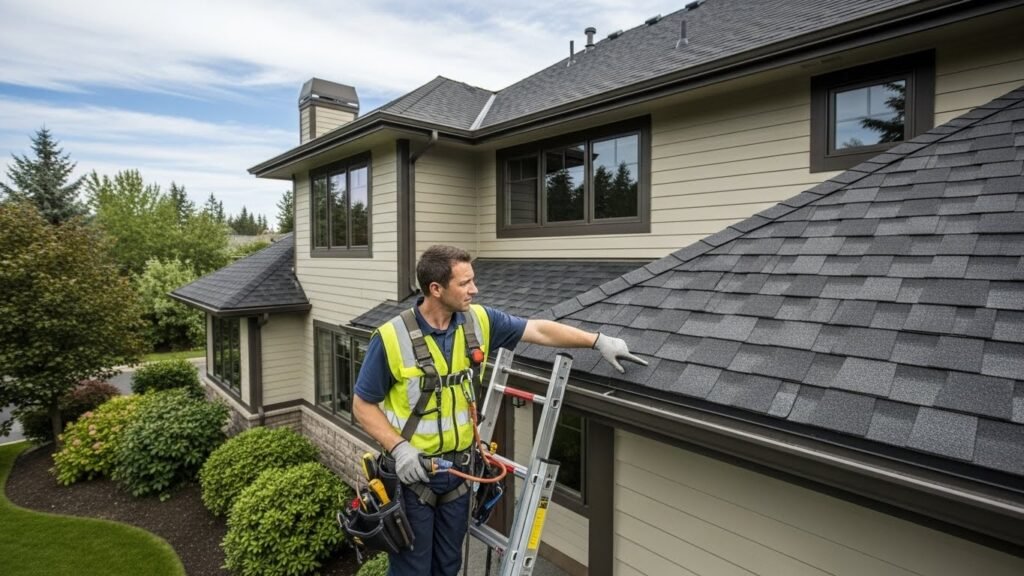
The outside of the house is the first line of defense. The inspector starts by looking at the big picture. They want to see if the house is standing strong and keeping water out. Water is usually the biggest enemy of a solid home.
- Roof and Attic: They look for missing shingles and check the gutters. In the attic, they check for insulation and make sure the air is flowing right.
- Foundation and Structure: They search for cracks or signs that the house is shifting. They want to make sure the “bones” of the house are healthy.
- Landscaping and Grading: This is all about drainage. If the dirt slopes toward the house, water will end up in the basement.
- Exterior Features: This includes the siding, windows, and doors. They also check decks, porches, and any other structures attached to the house.
Interior Infrastructure and Life Safety
Once the outside is done, the inspector heads indoors. This is where they test all the systems you use every day. They want to make sure you won’t be left in the dark or with a cold shower.
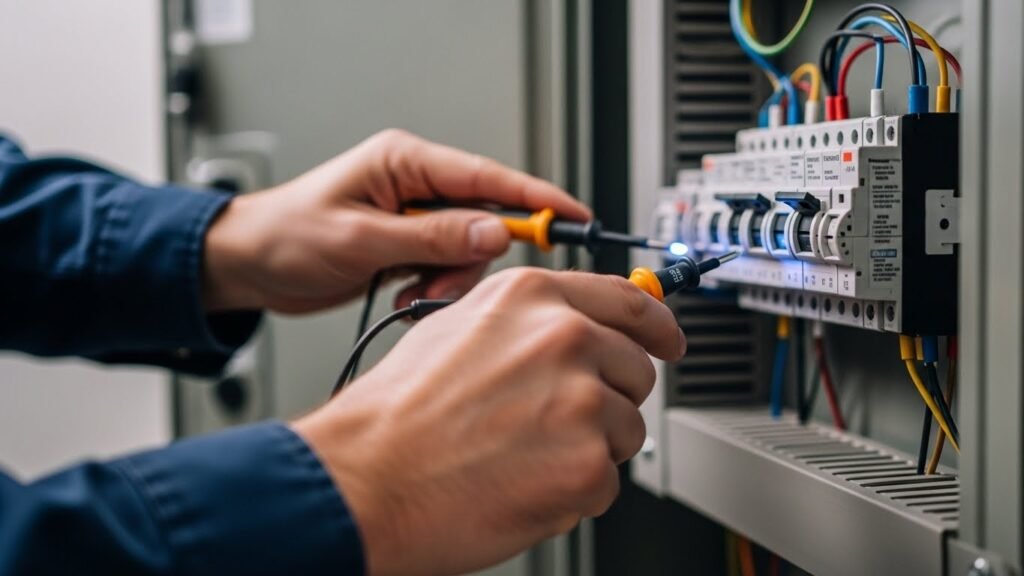
- Electrical System: They check the main panel and test the outlets. Safety is key here, so they look for any dangerous wiring.
- Plumbing System: They turn on all the faucets and flush the toilets. They are looking for leaks and checking the water pressure.
- HVAC System: The furnace and air conditioning get a workout. This part alone can take over 30 minutes to do right.
- Water Heater: They check the age of the tank and make sure the safety valves work. This usually takes about 10 minutes.
- Safety Hazards: The pro looks for red flags like mold or radon. They also check for code violations that could be dangerous.
Major Factors Impacting the Inspection Timeline
Property Size and Square Footage
It is pretty simple math: more house equals more time. A 4,000-square-foot home has twice as much floor to walk on. It also has more windows to open and more outlets to test. Every extra room means more photos and notes for the inspector.
Larger homes often have complex layouts. The inspector might have to walk back and forth many times. This adds up and can push the timeframe toward the four-hour mark or higher. It also usually costs more because of the extra labor involved.
Age of the Property and Historical Defects
Old houses have a lot of character, but they also have a lot of secrets. An older home can easily add an extra hour to the job. Things like knob-and-tube wiring or lead pipes can be hidden in the walls. The inspector has to move slowly to find these outdated systems.
Safety codes change all the time. What was okay fifty years ago might be a big problem today. An older property might have structural settling that needs a closer look. The inspector wants to make sure you know exactly what you are getting into.
Physical Accessibility and Layout
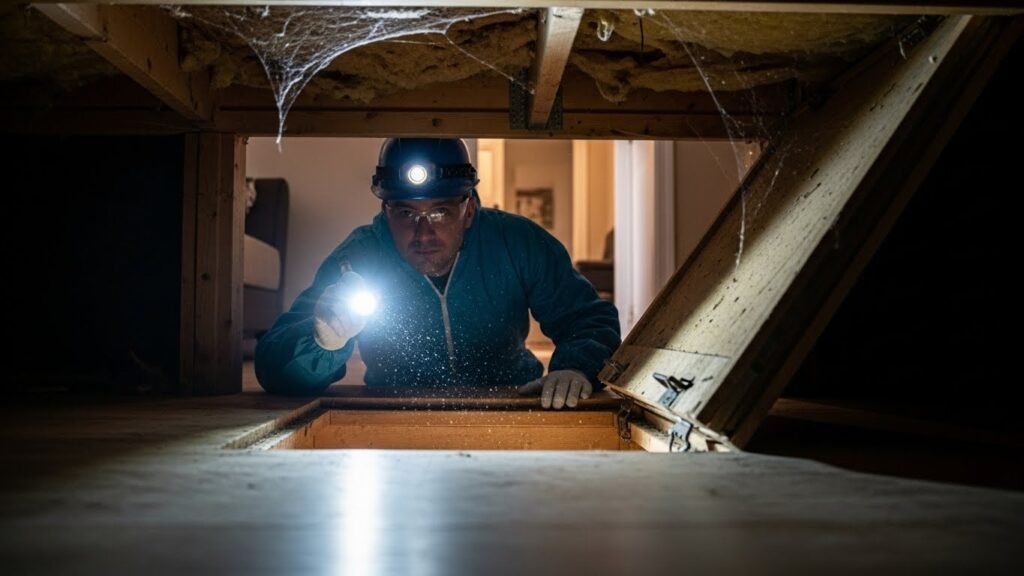
If the inspector can’t get to something, they can’t inspect it. Crawlspaces and basements are huge time-takers. These areas often add 30 minutes to the clock. The inspector has to gear up and crawl around in the dirt to check for leaks.
Attics are another challenge. Some homes have multiple attic hatches in different closets. If the hatches are blocked by boxes or clothes, it slows everything down. A clear path to all the utilities makes the job go much faster.
Maintenance and Current Condition
A home that has been loved is a dream for an inspector. If everything is clean and working, they can move quickly. They just verify that things are good and move to the next item. It makes the whole day go smoothly.
On the flip side, a “fixer-upper” takes forever. If the inspector finds a leak, they have to stop and figure out how bad it is. They have to take extra photos and write detailed explanations. If the house is in bad shape, they might even have to move slower for their own safety.
Environmental and Weather Conditions
Mother Nature can be a real party pooper. Severe weather like heavy snow or a thunderstorm can slow things down. It is hard to check a roof if it is covered in two feet of ice. Rain can also make checking the foundation or siding a sloppy mess.
Sometimes, the weather is so bad that parts of the inspection have to be rescheduled. This can delay your report and your closing. Most inspectors will try their best in the rain, but safety comes first. If they can’t see the roof clearly, they will have to come back another day.
Human Factors Affecting Time
The Inspector’s Experience and Efficiency
A veteran inspector has seen it all. They know exactly where the common problems hide in certain types of homes. This “pattern recognition” allows them to work faster without missing anything. They know which builders in the area have specific quirks.
Experience also helps with the tech side of the job. A pro who uses a good mobile app can take a photo and write a note in seconds. This cuts down on the time they need to spend at their desk later. You want someone who is efficient but still takes the time to be thorough.
Team Inspections vs. Solo Inspectors
Some companies send a dynamic duo to do the job. One person might handle the outside while the other checks the inside. This can cut the on-site time down significantly. A team might finish a 2,000-square-foot house in just 90 minutes.
A solo inspector has to do everything themselves. They have to climb the ladder, then go to the basement, then check every room. This takes more time, but you get a single set of eyes on the whole property. Both ways work well as long as the inspectors are qualified.
Buyer Participation and Communication
You are usually invited to tag along during the inspection. This is a great chance to learn about your new home. However, if you have a hundred questions, it will add time to the visit. Most inspectors love to teach, but it does slow them down.
A good balance is to let them work for a bit and then ask for a summary. Many inspectors will do a “walk-through” at the very end. They will show you the most important findings in person. This ensures you understand the report before you even read it.
The Modern Inspection: Post-Pandemic Changes
Added Safety and Health Protocols
The world changed a few years ago, and home inspections changed too. Inspectors now take more care with germs. They might wear masks and gloves while they are inside. They also spend extra time sanitizing light switches and doorknobs after they touch them.
These safety steps add a little bit of time to the on-site visit. It might only be ten or fifteen minutes, but it is part of the new normal. It shows that the inspector cares about your health and the seller’s health. It is all about being a professional in today’s world.
Solo Inspections and Remote Technology
Many inspections are now done with just the inspector at the house. To keep things safe, buyers often stay home. This actually makes the on-site work move a lot faster. The inspector can focus 100% on the house without any distractions.
To keep you in the loop, inspectors use cool tech. They might send you videos of the issues they find. Some will even do a live video call at the end of the day. You still get all the info, you just get it from the comfort of your own couch.
Specialized Add-on Services
A general home inspection is great, but sometimes you need more. There are extra tests you can order to be totally sure about the house. These will usually add both time and cost to your bill.
- Radon Testing: This requires setting up special equipment for at least 48 hours.
- Mold Assessments: This involves taking air or surface samples that go to a lab.
- Home Utility Setup: Some big companies help you set up your water and electric as a bonus service.
- Warranty Integration: You might get a free 6-month warranty included with your report.
These services are like “DLC” for your home inspection. They give you a deeper look into specific parts of the home. If you are worried about the air quality or the sewer lines, these add-ons are a smart move.
Post-Inspection Phase: The Report and Beyond
Understanding the Inspection Report
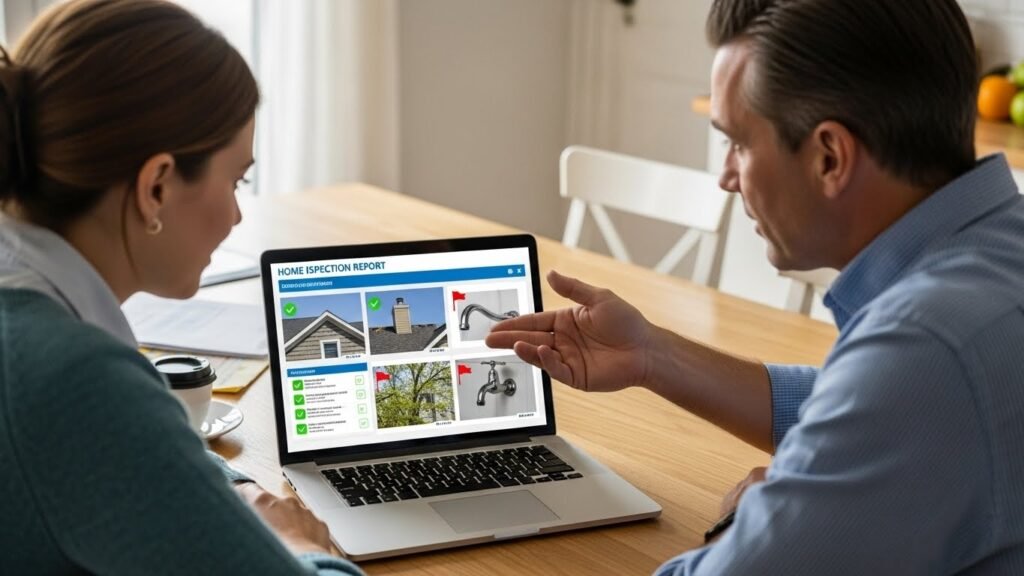
Once the on-site visit is over, the real work for the inspector begins. They take all their notes and photos to create your report. This document is your roadmap for the future. It will list every issue, from a leaky faucet to a bad roof.
Don’t panic when you see a long report. Every house has issues, even new ones. Look for the summary section at the beginning. This will highlight the most important things you need to worry about. The rest are often just maintenance tips for later.
Negotiation and Actionable Steps
The report is a huge help when you talk to the seller. You can ask them to fix the big safety items before you move in. This is called a “repair request.” If they don’t want to do the work, you can ask for a “closing credit.”
A closing credit means the seller lowers the price of the house. You then use that saved money to hire your own pros to do the work. In some cases, if the report finds a huge disaster, you can use your “inspection contingency” to walk away. This protects your earnest money and lets you find a better house.
Summary: Preparing for Your Home Inspection
To get the most out of your inspection, you should be ready. Sellers should make sure the electricity and water are turned on. They should also move any boxes blocking the furnace or the attic hatch. This helps the inspector work fast and find the info you need.
Buyers should pick an inspector they trust. Don’t just go with the cheapest or the fastest person. Look for someone with good reviews and lots of experience. They are your eyes and ears for one of the most important days of your life.
- Sellers: Clean the house and clear paths to all utility panels.
- Buyers: Read the “Standards of Practice” so you know what the inspector will check.
- Everyone: Keep an open mind. No house is perfect, but knowing the truth is the best way to move forward.
Frequently Asked Questions About Home Inspection Timelines
What happens if the inspector finishes much faster than the estimated time?
If an inspector finishes a standard home in under an hour, it may be a red flag. While efficiency is good, a very fast inspection might suggest they skipped difficult areas like the attic or crawlspace. You should check your report to ensure all major systems were actually accessed and tested.
Does a home inspection take longer for a house with a pool or spa?
Yes, adding a pool or spa inspection typically adds 30 to 45 minutes to the total time. The inspector must check the pumps, heaters, chemical feeders, and safety barriers. It is a specialized system that requires its own set of checks and documentation.
Will the inspection take longer if the utilities are turned off?
Actually, if the utilities are off, the inspection might be shorter but much less effective. An inspector cannot test the HVAC, plumbing, or electrical systems if the water, gas, or power is disconnected. This usually results in a follow-up visit, which will cost you more time and money in the long run.
How much time does a sewer scope add to the process?
A sewer scope usually takes about 20 to 30 minutes. The inspector has to find a clean-out access point and run a camera through the line all the way to the city main. It is a slow process of watching the video feed to look for tree roots or pipe collapses.
Does the presence of pets at the property delay the inspection?
Pets can definitely slow things down. If an inspector has to wait for a seller to move a dog or if they have to be careful not to let a cat out of a room, the clock keeps ticking. It is always best for the property to be pet-free during the scheduled window.
How long does an inspection take for a brand-new construction home?
Even though the home is new, the inspection still takes two to three hours. Inspectors often find “builder mistakes” like missing insulation or reversed electrical polarity. New homes are not perfect, and the inspector still has to walk through the entire checklist.
Does an 11-month warranty inspection take the same amount of time?
An 11-month warranty inspection, done before a builder’s warranty expires, takes about the same time as a standard buyer’s inspection. The goal is to find any “settling” issues or defects that have appeared during the first year of occupancy so the builder can fix them for free.
Will checking for smart home devices increase the duration?
As homes get smarter, inspections get more complex. Testing integrated smart hubs, automated blinds, and built-in security cameras can add 15 to 20 minutes. The inspector has to verify that these “luxury” items are actually functioning as advertised.
Does the inspection take longer if there are multiple outbuildings like sheds or barns?
Yes, every additional structure needs its own evaluation. A large barn or a detached garage can add 30 to 60 minutes to the site visit. The inspector must check the structural integrity and any electrical or plumbing lines running to those extra buildings.
How long does it take to inspect a home with solar panels?
Solar panels can add about 20 minutes to the exterior and electrical portion of the job. While most home inspectors only do a visual check of the panels and the inverter, they still need to document the mounting and any visible damage to the roof around the array.
Does a pre-listing inspection take less time than a buyer’s inspection?
A pre-listing inspection for a seller takes just as long as one for a buyer. The seller wants the same level of detail so they can fix problems before putting the house on the market. It is a full “physical” for the house regardless of who is paying the bill.
Will the inspection be delayed if the house is full of furniture and clutter?
Heavy clutter is a major time-sink. If the inspector can’t see the walls or reach the electrical panel because of stacked boxes, they have to work around it. This can lead to “disclaimers” in your report saying certain areas were not inspected due to obstructions.
Does a termite or wood-destroying organism (WDO) check add a lot of time?
A termite inspection is usually very quick, adding only 15 to 20 minutes. The inspector looks for mud tubes, soft wood, and wings near the foundation. It is often done simultaneously with the exterior walk-through.
How much extra time is needed for a multi-story home versus a ranch?
Multi-story homes take longer because of the extra stairs and the complexity of the plumbing stacks. A ranch home is a straight shot, whereas a three-story home requires the inspector to lug equipment up and down, which can add 30 to 45 minutes.
Does an infrared moisture scan add significant time to the visit?
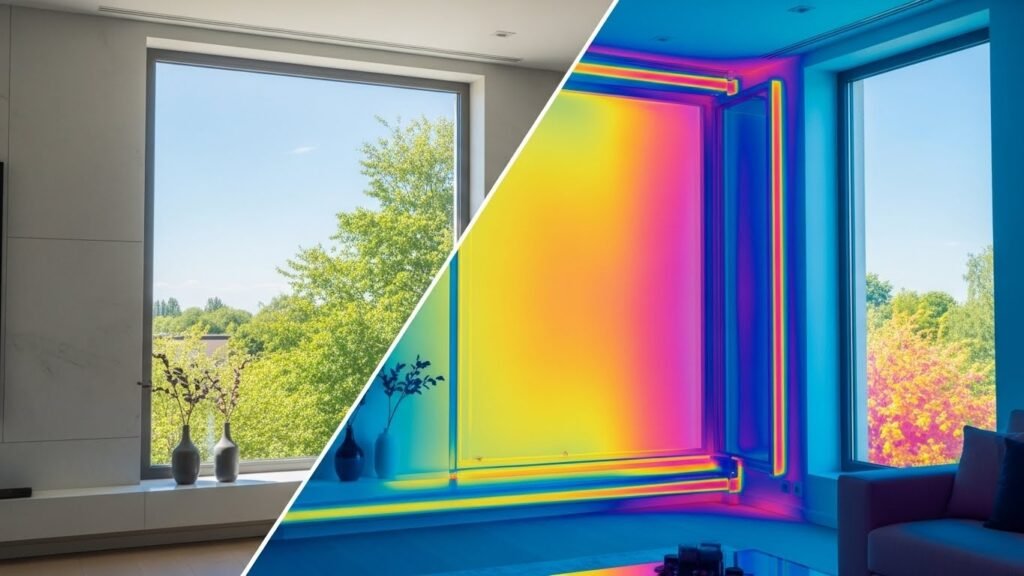
A quick thermal scan of high-risk areas like bathrooms and windows adds about 15 minutes. It is a very fast way for an inspector to “see” behind the walls for hidden leaks or missing insulation without having to move anything.
How long does a re-inspection take after repairs are made?
A re-inspection is much shorter, usually taking only 30 to 60 minutes. The inspector only looks at the specific items that were supposed to be fixed. They verify that the work was done correctly and that the original problem is gone.
Does a chimney sweep inspection happen during the home inspection?
A standard home inspector only does a visual check of the chimney, which takes a few minutes. If you want a “Level 2” chimney inspection with a camera, you usually have to hire a specialist, which takes an additional hour of its own time.
Will the inspection take longer if the house has a well and septic system?
Yes, testing a private well and septic system can add 45 to 60 minutes. The inspector has to run water for a “stress test” on the septic tank and collect water samples from the tap to send to a laboratory.
Does the inspector spend time checking appliances like ovens and microwaves?
Yes, most inspectors do a basic “functional check” of built-in appliances. They will turn on the oven, run a short cycle on the dishwasher, and test the microwave. This usually takes about 15 to 20 minutes during the kitchen portion of the tour.
How long does an inspection take for a house that is currently under renovation?
Inspecting a “work in progress” can be tricky and often takes longer. The inspector has to figure out what is finished and what is mid-build. It can be confusing and usually requires more detailed notes, adding about 30 minutes to the total visit.
How long does it take to schedule?
Most of the time, you can get an inspector out to the house within 7 to 10 days. Some busy companies might need a little more notice. It is always a good idea to call as soon as your offer is accepted.
Should the seller be present?
It is usually better if the seller leaves during the inspection. It can be awkward for the buyer to ask questions with the owner standing right there. Most sellers just get in the way and make the process take longer.
Is a longer inspection a bad sign?
Not at all. A long inspection usually just means the pro is being very careful. It could also mean the house is just big or has complex systems. A thorough job is always better than a fast one.
How does the inspection differ for a condo?
Condo inspections are “walls-in.” This means they focus on the parts you actually own, like the appliances and plumbing inside the unit. They usually skip the common areas like the lobby or the main roof.