
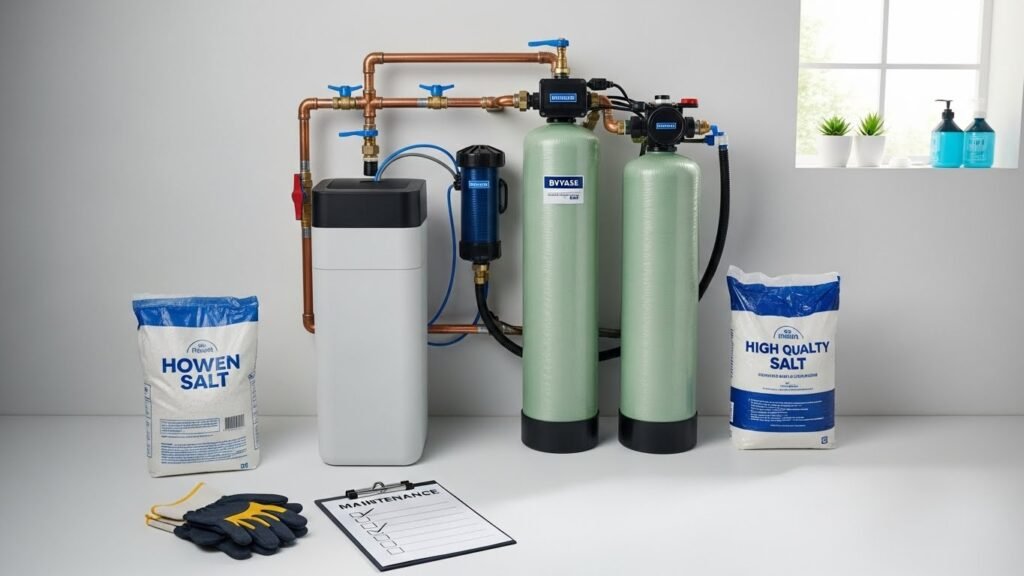
Having soft water makes a huge difference in your daily life. It keeps your skin feeling smooth and your hair looking shiny. Most folks do not realize how much work their system does every single day. Keeping up with water softener maintenance ensures your system stays in top shape for years. This guide will show you exactly how to handle your unit like a pro.
Introduction to Water Softener Longevity
A water softener is a real workhorse for your house. It removes tough minerals that cause all sorts of plumbing headaches. Without it, your pipes would get clogged with gunk pretty fast. Good water softener maintenance keeps those minerals away from your expensive appliances. It is the best way to save money on repairs down the road.
The Science of Soft Water
Inside that tank, a cool process called ion exchange is happening. Tiny resin beads act like magnets for hard minerals. They swap out calcium and magnesium for tiny bits of sodium. This makes the water feel much better on your skin. Over time, these beads need to be cleaned out to keep working. This is why the system runs a cycle to refresh itself.
Economic Benefits
Soft water is a massive win for your wallet in the long run. It stops scale from building up inside your water heater and dishwasher. Appliances that run on soft water actually last much longer. You will also spend way less money on soaps and detergents. Maintenance prevents you from having to buy a whole new system early. It keeps your monthly utility bills from spiking due to clogged pipes.
Home Health
Better water quality means a much happier home and family. Hard water can leave your skin feeling itchy and very dry. It also makes your hair feel brittle and hard to manage. By keeping up with maintenance, you ensure the water stays safe. You will notice your clothes look brighter and last longer too. Even your dishes will come out of the wash looking crystal clear.
Monitoring and Managing Salt Levels
Checking your salt is the most basic part of the job. It is the one thing you really cannot afford to skip. If the salt runs out, your system just cannot do its work. Your water will turn hard almost immediately without enough salt. Make it a habit to peek inside the tank regularly.
- Monthly Salt Audits involve checking the tank every 4 to 6 weeks.
- The “Halfway” Rule means keeping the tank at least half-full of salt.
- Water Line Awareness ensures your salt stays a few inches above the water level.
- Avoiding Overfilling prevents the salt from getting too heavy and crushing itself.
Selecting the Right Type of Salt
The kind of salt you buy matters more than you might think. Cheap salt can actually gunk up your system and cause breaks. Always look for high-quality options at the hardware store. Different systems might have specific needs based on your local water.
- High-Purity Salt Pellets are the gold standard because they are 99.9% pure.
- Solar Salt Crystals come from evaporated seawater and work well in most units.
- Potassium Chloride vs. Sodium Chloride helps you choose if you want less salt in your diet.
- Iron-Removal Salt is great if you have orange stains in your sinks or tubs.
- The Dangers of Rock Salt include high amounts of dirt and minerals that cause clogs.
- Never Use Table Salt because the tiny grains will turn into a messy paste.
Troubleshooting Physical Salt Obstructions
Sometimes things go wrong inside the salt tank that you cannot see. Salt can get stuck or turn into a thick mess at the bottom. This stops the brine from mixing and ruins the cleaning cycle. You need to know how to spot these common physical blocks.
Identifying and Eliminating Salt Bridges
A salt bridge is basically a hard crust that forms in the tank. It looks full of salt, but there is actually a big empty hole underneath. This prevents the water from reaching the salt to make brine. High humidity is usually the main reason these bridges happen.
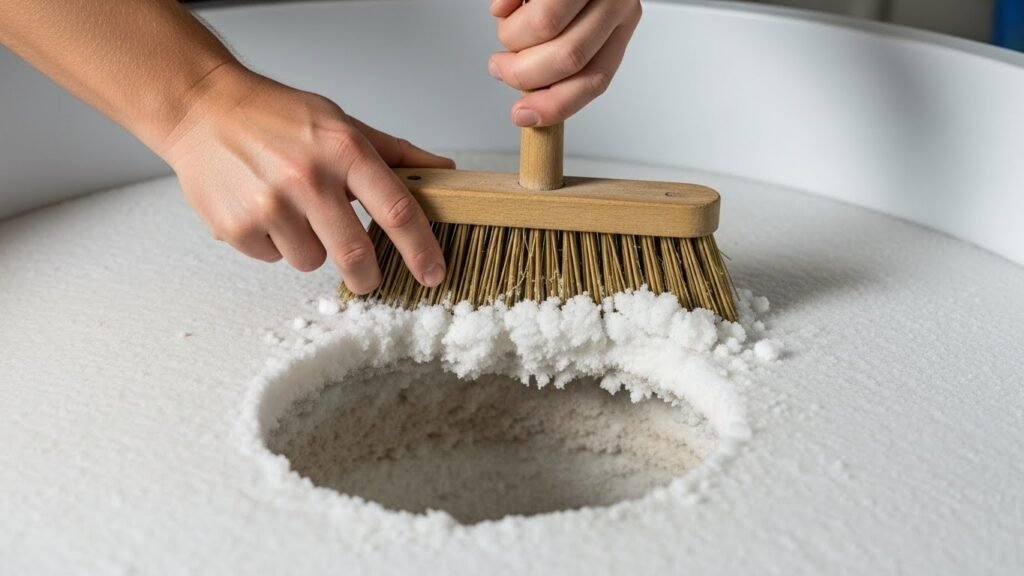
- What is a Salt Bridge? It is a solid layer of salt that floats above the water.
- Detection Methods involve using a broom handle to push down on the salt.
- Proper Removal means gently breaking the crust with the end of that broom handle.
Resolving Salt Mushing
Salt mushing is a much goopier problem than a salt bridge. This happens when salt dissolves and then turns back into a solid sludge. It sits right at the bottom and blocks the intake valve. Your system will struggle to pull in the brine it needs.
- Understanding Mushing helps you see why the system is not using any salt.
- Impact on Regeneration means the resin beads never get cleaned properly.
- The Clean-Out Process requires you to scoop out all that heavy, wet sludge.
Brine Tank Cleaning and Sanitation
Your brine tank needs a deep clean every once in a while. Dirt and mold can grow in there if it stays wet for too long. A clean tank means your water stays fresh and smells great. Most experts say to do this big job once every year.
- Annual Deep-Clean keeps your system running efficiently and looking new.
- The Sanitization Process uses simple household items like soap and bleach.
- Scrubbing techniques involve a long brush to reach the very bottom corners.
- Bleach-to-water ratios should be about a quarter-cup for a few gallons.
- Rinsing protocols ensure no bleach gets left behind to enter your drinking water.
- Bypass Mode Safety prevents any cleaning soap from getting into your kitchen sink.
Maintaining and Regenerating the Resin Bed
The resin bed is where the magic of water softening really happens. These beads catch all the hard minerals as water flows through. Over time, they get coated in iron and other junk. A good cleaning helps them work like they are brand new.
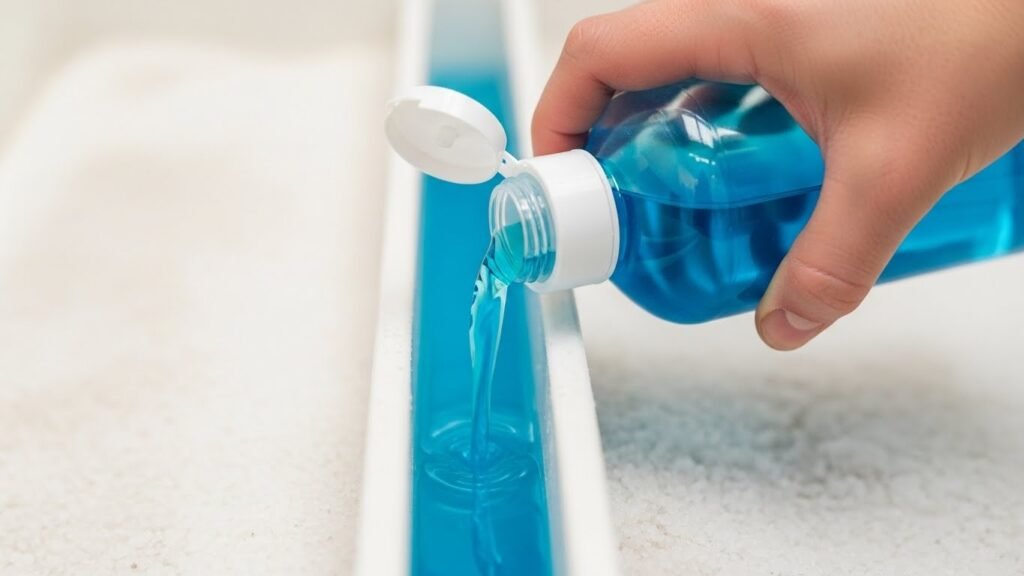
- Annual Resin Bed Flush uses a special liquid cleaner to strip away iron.
- Cross-Contamination Prevention ensures the cleaner is washed away before you use the water.
- Managing Resin Lifespan helps your system last for up to 15 or 20 years.
- Identifying Resin Failure happens if you see sand-like bits in your tap water.
- How to Replace Resin is a big job that involves emptying the main tank.
Cleaning the Venturi Valve and Nozzle
The venturi valve is a tiny part that does a massive job. It creates suction to pull the salty brine into the resin. If it gets blocked, your system will fail to soften the water. It is very easy to clean if you know where to look.
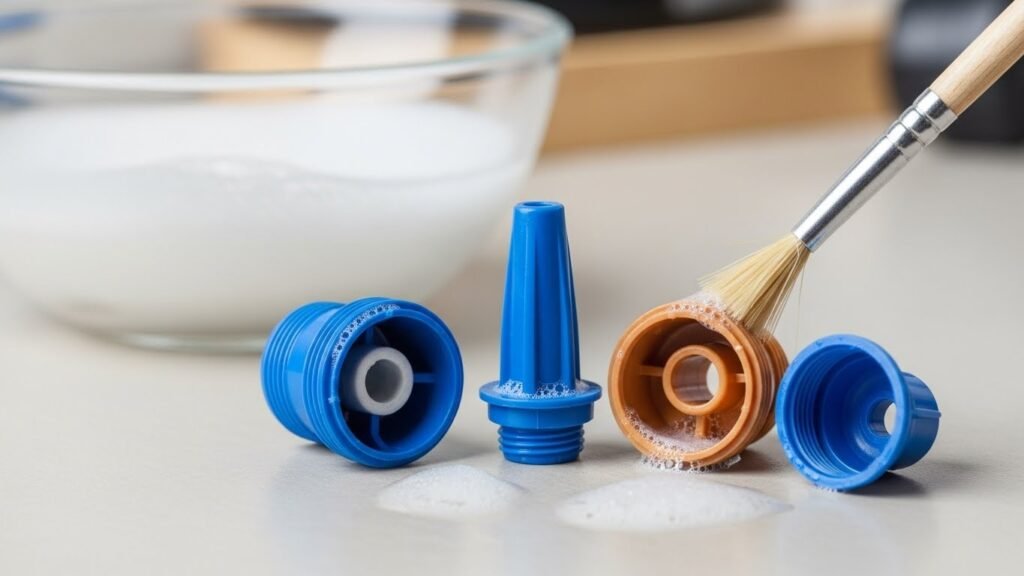
- The Physics of the Venturi uses air pressure to move water without a pump.
- Biannual Cleaning prevents tiny grains of sand from stopping the suction.
- Removal and Scrubbing involves taking the valve apart and using soapy water.
Advanced Component Care and Programming
The control head is the computer brain of your water softener. It tells the system exactly when to clean itself based on your usage. Modern units have lots of settings you can tweak for better performance. Keeping the brain happy is key for consistent soft water.
- The Control Head should stay dry and free from any dust or cobwebs.
- Optimizing Regeneration Cycles saves you tons of water and salt every month.
- Power Outages and Memory means you might need to reset the clock after a storm.
- Backwash Frequency should be set based on how hard your local water is.
Protecting the System with Pre-Filters
Adding a pre-filter is like giving your softener a bodyguard. It catches the big stuff before it can hurt the delicate resin. This is a must-have if you get your water from a well. It keeps the whole system running much smoother for longer.
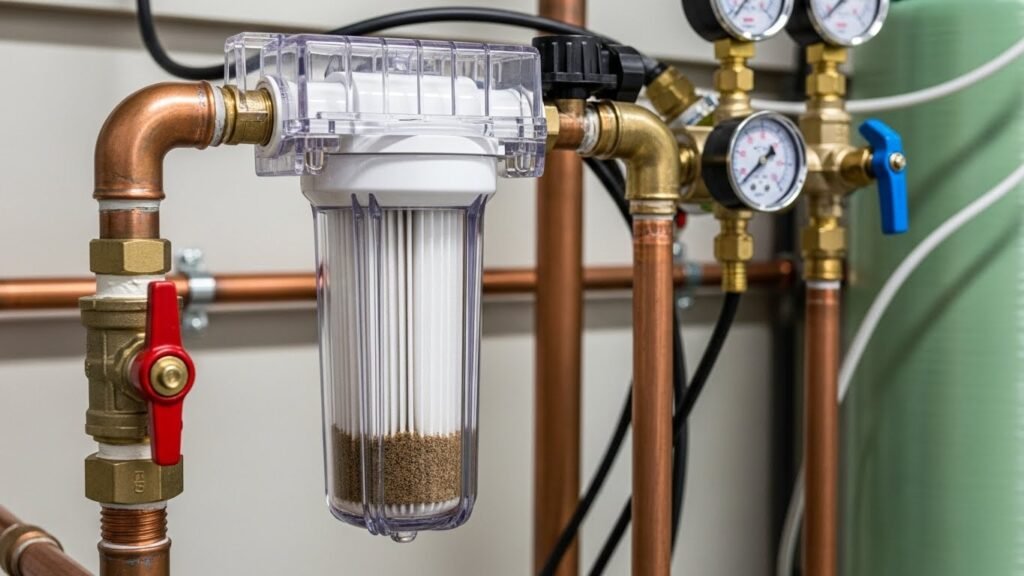
- Sediment Pre-filter Installation stops dirt and silt from entering the main tank.
- Carbon Pre-filtration removes chlorine which can actually eat away at resin beads.
- Reducing Mechanical Wear keeps your valves from getting scratched up by sand.
Seasonal Maintenance and Environmental Factors
The weather outside can change how your water softener behaves. Extreme heat or cold can cause issues with pipes or salt. Being aware of the seasons helps you stay ahead of any trouble.
- Winterizing Your Softener is vital if your unit is in an unheated garage.
- Summer Humidity Management stops salt from sticking together in the heat.
- Vacation Mode allows you to pause the system while you are away from home.
Routine Mechanical and Structural Inspections
Doing a quick walk-around once a month can save you from a flood. You want to look for any signs of water where it should not be. Checking the physical parts keeps the unit safe and sound.
- Valve Exercise ensures the bypass handle does not get stuck over time.
- Leak Detection helps you spot tiny drips before they ruin your floor.
- O-Ring Lubrication keeps the seals soft so they do not start leaking.
- Checking the Brine Well makes sure the safety float can move up and down.
Warning Signs and Diagnostic Testing
Your system will usually tell you when it is feeling sick. You just have to know what signs to look for in your house. Testing your water is the only way to be 100% sure it works.
- Hard Water Spots on your glass shower door are a huge red flag.
- Lathering Tests show you if your soap is making enough bubbles in the sink.
- DIY Hardness Test Kits give you a clear number for your water grains.
- Salt Consumption Tracking helps you notice if the system stops using salt.
Water Softener Monthly Maintenance Schedule
Week 1: Salt and Visual Inspection
- Check Salt Levels: Open the brine tank lid to ensure salt is at least halfway full and several inches above the water level.
- Inspect for Salt Bridges: Use a broom handle to gently probe the salt; if it feels like a hard crust with a hollow space underneath, break it apart.
- Look for Salt Mushing: Check the bottom of the tank for thick, undissolved sludge that could block the intake.
- Perform a Leak Walk-Around: Check the floor around the unit and all pipe fittings for wet spots or salt crusting.
Week 2: Mechanical Performance Check
- Verify the Clock: Ensure the control head displays the correct time so regeneration occurs during the night rather than during active house use.
- Exercise the Valves: Manually turn the bypass and control valves to ensure they move freely and have not seized.
- Monitor Water Quality: Check your faucets for scale buildup or perform a simple soap suds test to verify the water is still soft.
Week 3: Component Cleaning
- Clean the Venturi Valve: If it is your scheduled month (twice a year), unscrew the venturi assembly and wash the internal nozzle with warm, soapy water.
- Check the Pre-filter: If you have a sediment filter installed, inspect the cartridge and replace it if it appears dark or clogged.
- Wipe the Control Head: Use a damp cloth to remove dust or salt spray from the electronics to prevent corrosion.
Week 4: Efficiency Audit
- Track Salt Consumption: Note how many bags of salt you used this month; a sudden spike or drop can indicate a mechanical issue.
- Check the Brine Well: Ensure the safety float inside the plastic cylinder moves up and down without restriction.
- Schedule Annual Tasks: If it has been a year, prepare for a full brine tank clean-out and a resin bed flush with a specialized cleaner.
Environmental and Sustainable Softening
Being green with your water softener is easier than you think. You can save water and salt while still getting the results you want. It is better for the planet and your local community.
- Brine Discharge Management involves knowing where your salty waste water goes.
- Water Conservation means setting the system to only regenerate when needed.
- Eco-Friendly Settings help reduce the total amount of salt used each year.
When to Call a Professional
Sometimes a DIY fix just is not enough for big problems. If you see water leaking from the main head, call a pro. They have the special tools to fix deep mechanical issues.
- Internal Seal Replacements are tricky and best left to a trained expert.
- Major Plumbing Leaks near the bypass valve need a professional touch.
- Professional Water Analysis gives you a deep look at what is in your water.
Conclusion and Maintenance Checklist
Taking care of your water softener is a simple task that pays off. It protects your home and keeps your family feeling great. Use a checklist to stay on top of your water softener maintenance chores.
- Check salt levels every single month without fail.
- Look for salt bridges every time you add a new bag.
- Clean the brine tank once a year to keep it fresh.
- Flush the resin annually to keep the beads working hard.
| Task | Frequency | Difficulty |
| Check Salt | Monthly | Easy |
| Clean Venturi | Twice a year | Medium |
| Deep Clean Tank | Yearly | Hard |
| Resin Flush | Yearly | Medium |
Keeping your system running well is not rocket science. Just follow these steps and your water will stay soft for a long time. Regular water softener maintenance is the secret to a happy and healthy home. Don’t wait until something breaks to start looking at your tank!
Frequently Asked Questions
How long does a water softener usually last?
Most systems last between 10 and 15 years with good care. If you do not maintain it, that life can be cut in half.
Why is my water softener not using any salt?
This is usually caused by a salt bridge or a clogged venturi valve. Check for a hard crust in the tank first.
Can I use any kind of salt?
No, it is best to use high-purity pellets or solar salt. Avoid rock salt because it has too much dirt in it.
Should there be water in my salt tank?
Yes, a small amount of water at the bottom is totally normal. It needs that water to dissolve the salt into brine.
What is the best way to tell if my water is hard without a kit?
You can perform a simple “suds test” by filling a clean bottle halfway with tap water and adding a few drops of liquid dish soap. If the water gets cloudy and lacks bubbles after shaking, you likely have hard water.
Can I mix different types of salt in the brine tank?
While mixing different brands of salt pellets is generally fine, it is not a good idea to mix salt pellets with granular or rock salt. Doing so can increase the risk of salt bridging or mushing in the tank.
How much water should be in my brine tank at any given time?
In a standard “dry” brine tank, you should only see a few inches of water at the bottom. If the water level is high enough to submerge more than half the salt, your float valve may be stuck or the venturi may be clogged.
Is it safe to drink the water while the system is regenerating?
You can technically drink the water, but it is not recommended because the water will be hard during that time. Most systems use a bypass during regeneration, meaning the water flowing through your house skips the softening process entirely.
Does my water softener filter out bacteria or lead?
No, a standard water softener is designed specifically to remove minerals like calcium and magnesium. It is not a purification system and will not remove bacteria, lead, or chemical contaminants.
Why does my water feel “slippery” after maintenance?
The slippery feeling is actually a sign that the system is working perfectly and the minerals are gone. Without hard minerals, your skin’s natural oils are not being stripped away by soap scum.
Can I use a water softener if I have a septic tank?
Yes, modern water softeners are compatible with septic systems. Studies show that the brine discharge does not harm the bacterial balance in a properly maintained septic tank.
What is the purpose of the brine well inside the tank?
The brine well is the plastic cylinder that houses the safety float and prevents salt from clogging the intake. It ensures that only liquid brine, and not solid salt crystals, is pulled into the resin tank.
How do I know if my control head timer is set correctly?
Check the clock on the control head to ensure it matches the actual time of day. If the clock is wrong, the system might regenerate in the middle of the day when you are trying to do laundry or shower.
What should I do if my water softener is leaking from the top?
A leak from the top usually points to a cracked O-ring or a loose connection in the bypass valve. You should put the system in bypass mode immediately and tighten the fittings or replace the seals.
Why is the water in my brine tank a brown or rusty color?
Brown water in the brine tank is usually caused by dirt or iron buildup from lower-quality salt or well water. Cleaning the tank and using iron-remover salt pellets can help solve this.
Does a water softener affect my home’s water pressure?
A well-maintained softener should not affect pressure, but a fouled resin bed or a clogged internal screen can cause a significant drop. If your pressure is low only when the softener is active, the resin may be damaged.
Can I bypass the water softener for outside gardening?
Yes, it is highly recommended to use the bypass valve when watering your lawn or garden. Plants do not need softened water, and using it for outdoor irrigation is a waste of salt and water.
How do I manually start a regeneration cycle?
Most digital control heads have a “Regen” button that you can hold down for a few seconds to trigger an immediate cycle. This is helpful if you have used an unusually large amount of water that day.
What happens if I forget to add salt for a long time?
The resin beads will become completely saturated with minerals and stop softening the water. You may need to run two back-to-back regeneration cycles once you add salt to get the system back to normal.
Is there a specific temperature the softener room should be?
The system should stay in a space that remains between 35°F and 120°F. Freezing temperatures can crack the fiberglass tanks, while extreme heat can damage the plastic control head.
What is “Grains per Gallon” and why does it matter?
Grains per Gallon (GpG) is the measurement of water hardness; the higher the number, the more salt your system needs to use. You must program this number into your control head so it knows how often to regenerate.
Can I clean the resin beads without a professional?
Yes, you can buy a bottle of resin cleaner and pour it directly into the brine well. Running a manual regeneration after doing this will help flush out the iron and mineral deposits.
How do I reset my water softener after a power outage?
Most modern units have a battery backup that saves your settings, but you may still need to reset the current time. Check your owner’s manual to see if your specific model requires a full reprogram after a surge.
What are the “fines” I see in my water?
“Fines” are tiny, sand-like pieces of broken resin beads that have escaped the tank. If you see these, it is a clear sign that your resin bed has reached the end of its life and needs to be replaced.