 Skip to content
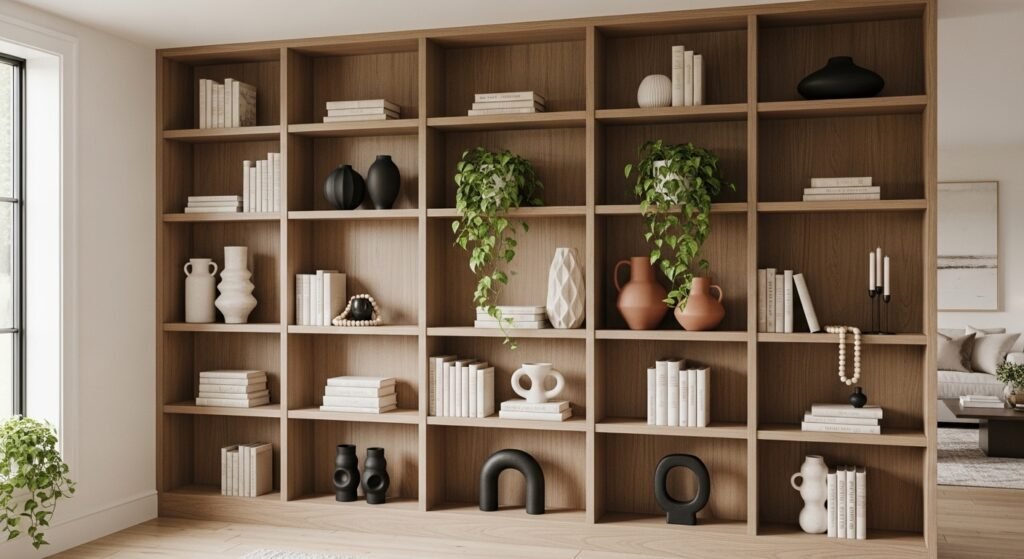
Are you tired of looking at messy or boring bookshelves in your house? Many people struggle with figuring out how to decorate living room shelves without making them look cluttered. It can feel like a big puzzle that just won’t fit together. But styling your home does not have to be a giant headache. With a few simple tricks, you can turn those dusty boards into a total masterpiece. This guide will show you exactly how to get that designer look without spending a fortune.
Introduction to the Art of Shelf Styling
Shelving is way more than just a spot to toss your old mail or car keys. It is a huge part of your home’s vibe and a great place to show off your style. When you learn how to decorate living room shelves, you are creating a focal point for the whole room. Good styling helps a room feel finished and cozy. It turns a boring wall into a conversation starter for when your friends come over.
There is a big difference between a shelf that is just full of stuff and one that is curated. A cluttered shelf feels heavy and makes the room look smaller than it actually is. A curated shelf feels light and intentional because every single piece has a reason for being there. It is all about choosing the right items instead of just using everything you own. This helps your space feel more like a high-end magazine and less like a garage sale.
Using a systematic approach is the best way to get the job done quickly. Many people just wing it and end up frustrated because it doesn’t look right. Following a fool-proof method takes the guesswork out of the process entirely. You won’t have to keep moving things around for hours on end. By the time you finish this guide, you will have a clear plan for every single ledge in your house.
The Psychology of Display
Did you know that organized shelves can actually make you feel more relaxed? When we see a lot of random items, our brains get a little stressed out. This is called visual noise and it can make it hard to focus. By organizing your decor, you are actually creating a sense of peace in your living area. It makes the entire environment feel much more stable and calm.
Anatomy of a Perfect Shelf: Technical Considerations
Before you start grabbing vases and books, you need to check the hardware. Not all shelves are built the same way, and some can hold way more weight than others. You should know what kind of base you are working with first. This prevents accidents like a shelf falling off the wall in the middle of the night. It also helps you decide which decor items are safe to use.
Understanding Shelf Types

- Floating shelves are super popular because they look clean and modern. They don’t have visible brackets, which makes them look like they are hovering.
- Built-in bookcases are usually part of the wall and offer a more traditional look. These are great for holding heavy book collections.
- Industrial pipe shelving uses metal and wood for a rugged, cool vibe. This style is perfect for a loft or a modern farmhouse.
- Glass shelving is beautiful but shows every single fingerprint and speck of dust. You have to be very careful about what you put on these since you can see through them.
Weight Limits and Structural Integrity
You really need to make sure your shelves are sturdy before you pile on the heavy stuff. Most floating shelves have a weight limit that you should never go over. If you see a shelf starting to bow or sag in the middle, it has too much weight on it. Take some items off immediately to prevent the wood from snapping or the brackets from failing. It is always better to be safe than sorry when it comes to home safety.
Adjusting Shelf Heights
If your shelves are adjustable, you should play around with the height of each level. Having every shelf at the exact same height can look a bit boring and repetitive. Try to leave more space on one or two shelves for taller items like large vases or art. This is often called the Golden Ratio in design because it creates a more natural look. It gives you more flexibility to use different types of decor later on.
Preparing Your Canvas: Pre-Styling Essentials
The biggest mistake people make is trying to style a shelf while it is already full. You cannot see the potential of the space if it is covered in old junk. You need to clear the deck and start from scratch for the best results. This gives your brain a chance to see the area as a blank canvas. It is the most important step in the whole decorating process.
Clear Everything Off
Take every single thing off the shelves and put it on the floor or a nearby table. This might seem like a lot of work, but it is totally worth it. Once the shelves are empty, you can see the true size and shape of the space. It also allows you to see if any repairs or paint touch-ups are needed. You will feel much more creative once the old clutter is out of your sight.
Deep Cleaning
- Dusting surfaces is necessary because decor looks terrible on a layer of grime. Use a microfiber cloth to get into all the corners.
- Cleaning glass shelves with a good spray will make them shine and look brand new.
- Polishing wood helps bring out the natural grain and adds a nice glow to the room.
- Checking corners for cobwebs or old dust bunnies is a must before you start adding your pretty things.
Sorting Your Collection
Now is the time to look at all the items you have gathered for your shelves. Lay them all out on a large surface so you can see your entire inventory at once. Group similar items together so you know exactly what you have to work with. This is also a great time to get rid of things you don’t actually like anymore. Only keep the pieces that really speak to your personal style and vibe.
The Color Story
Choosing a color palette is a pro move that makes your shelves look cohesive. You don’t want a rainbow of random colors that clash with each other. Pick two or three main colors that already exist in your living room furniture or rugs. This ties the whole room together and makes the shelves feel like they belong there. Stick to your chosen colors as much as possible to keep the look clean and professional.
The Fool-Proof Method for Shelf Layout
This is the secret sauce for learning how to decorate living room shelves like a total boss. If you follow these steps, your shelves will look amazing every single time. It is a simple pattern that anyone can do, regardless of their design experience. This method helps you distribute the visual weight so nothing looks lopsided. Let’s break down the steps to get you started.
The Top-Down Strategy
You should always start decorating at the very top shelf and work your way down to the floor. If you start at the bottom, you might run out of the good stuff before you reach the top. Starting high allows you to set the tone for the entire unit. It also prevents you from knocking things over on lower shelves as you reach up. Once the top looks good, the rest of the process becomes much easier to visualize.
The Full-Length Shelf Pattern
- Covering the majority of the shelf means placing items from one end to the other. You don’t want huge empty gaps on this specific shelf.
- Distributing weight evenly is key so one side doesn’t look heavier than the other.
- Mixing heights within this full-length shelf keeps it from looking like a flat line.
- Using a variety of textures like wood and ceramic adds a lot of interest to the long row.
The Two-Grouping Technique
On the next shelf down, you are going to do something completely different. Instead of filling the whole shelf, you will create two separate clusters of items. Put one group on the left side and another group on the right side. This leaves a big empty spot right in the middle of the shelf. This is the white space that designers always talk about because it lets the eyes take a break.
The Zig-Zag Visual Flow

The trick to a designer look is alternating these two patterns as you go down. If your top shelf is full, the second shelf should have two groupings. Then the third shelf should be full again, and the fourth should have groupings. This creates a zig-zag pattern that keeps the viewer’s eyes moving across the display. It makes the bookcase feel balanced and dynamic rather than static and boring.
Fundamental Design Principles for Shelving
To really master how to decorate living room shelves, you need to understand some basic rules. These are the same rules that interior designers use for every project they work on. They aren’t hard to learn, but they make a massive difference in the final result. Once you know these, you can style any surface in your home with total confidence. These principles turn basic objects into a work of art.
The Power of Layering

Layering is what gives your shelves depth and makes them look expensive. You never want to just line everything up in a straight row like soldiers. Put your largest items, like big plates or tall art, at the very back of the shelf. Then, place smaller items like little bowls or candles slightly in front of them. This creates a 3D effect that is way more interesting to look at than a flat display.
Mastering Scale and Proportion
- Using large-scale items is the best way to avoid the “tiny clutter” look. One big vase is better than five tiny figurines.
- Proportionate items should match the size of the shelf they are sitting on. Small items get lost on huge, deep shelves.
- Checking height ensures that your tallest items don’t actually touch the shelf above them.
- Varying sizes within a group helps create a more natural and pleasing look for the viewer.
The Rule of Odds
For some reason, the human brain loves things that come in odd numbers. When you are grouping items together, try to use clusters of three or five pieces. Pairs of items can often look a bit too symmetrical and stiff. An odd number of objects feels more relaxed and artistic. This simple switch can immediately make a shelf look more professional and thought out.
Achieving Visual Weight and Balance
Visual weight is how “heavy” an object looks to your eyes. For example, a dark, solid wooden box looks much heavier than a clear glass vase of the same size. You want to spread the visual weight around so the bookcase doesn’t feel like it is tipping over. If you have a bunch of dark books on one side, put a dark basket on the other side to balance it out. This keeps the whole unit feeling stable and grounded.
The Triangle Method
This is a sneaky designer trick where you place similar colors or materials in a triangle shape. If you have a blue vase on the top left, place another blue item on the middle right and a third on the bottom left. Your eye will naturally connect these three points, creating a sense of harmony. It is a great way to make sure your accent colors are spread out evenly. It keeps the design from feeling patchy or disorganized.
Selecting the Right Decor Elements
What you actually put on the shelves matters just as much as how you arrange them. You want a good mix of different types of items to keep things interesting. If you only use one kind of object, the shelves will look like a store display instead of a home. Mixing old and new, or hard and soft, creates a much richer look. Here are the best items to use when you are figuring out how to decorate living room shelves.
The Anchor: Books

- Vertical stacking is the classic way to display books and works great for filling space.
- Horizontal stacking creates a little platform that you can use to display smaller decor on top of.
- Color-coding your books can create a very bold and modern rainbow effect on your wall.
- Backward pages involve turning the spines toward the wall for a very neutral, tan-colored look.
- Neutral spines are great for a calm vibe, especially if you have a lot of brightly colored covers.
Bringing Life with Greenery
Plants are a total game-changer for any shelf display. They add a pop of color and an organic shape that breaks up the straight lines of the shelves. Use a trailing plant like a Pothos on a high shelf so the leaves can hang down. This adds movement and makes the display feel more alive. Just make sure you can actually reach them to water them, or use high-quality faux plants instead.
Incorporating Texture and Material
- Woven baskets are perfect for adding warmth and hiding ugly items like remote controls or chargers.
- Wooden beads can be draped over a stack of books to add a touch of boho style.
- Metal accents like brass or matte black candle holders add a bit of shine and contrast.
- Ceramic bowls provide a smooth texture that looks great next to rougher materials like wood.
Personalization through Art and Photos
Your home should tell a story about who you are and where you have been. Including personal photos and art pieces makes the shelves feel unique to you. Instead of hanging every frame, try leaning some of them against the back of the shelf. This gives a more relaxed and casual vibe to the room. Mix in some cool art prints with your family photos to keep it looking like a gallery.
Structural Elements: Vases and Sculptures
Vases are some of the most versatile decor pieces you can own. You can use them with flowers, or leave them empty to act as a piece of sculpture. They come in all sorts of cool shapes and sizes that can fill up big gaps on a shelf. Sculptural pieces, like a stone bust or a geometric metal shape, add a high-end feel. They provide a “rest point” for the eye where there isn’t too much going on.
Room-Specific Styling Strategies
The way you style a shelf depends a lot on which room it is in. A kitchen shelf needs to be way more functional than one in the formal living room. You have to balance looking good with actually being useful for your daily life. Knowing how to decorate living room shelves vs kitchen shelves will help your whole house feel organized. Each room has its own set of needs and “rules.”
The Kitchen Pantry or Open Shelving
Open kitchen shelves are super trendy right now but they can get messy fast. You want to display items that you actually use, like your favorite coffee mugs or plates. Use uniform glass canisters for things like flour and sugar to make it look clean. This is called decanting, and it makes your pantry look like a luxury boutique. It also makes it much easier to see when you are running low on snacks.
The Home Office Library
- Organizing for productivity means keeping the items you need most at eye level.
- Integrating tech involves hiding messy wires behind books or inside decorative boxes.
- Using bookends to keep your professional manuals standing up straight and tidy.
- Adding a clock or a small lamp to make the workspace feel cozy and functional.
The Living Room Focal Point
The shelves in your living room are usually the stars of the show. If they are near a TV, try not to make them too busy or they might distract you during a movie. Use these shelves to show off your coolest travel souvenirs or family heirlooms. This is the place to really go big with your personal style. It should be a reflection of the things that make you happy.
Nursery and Kids’ Room Shelves
Kids’ shelves should be fun and easy for them to use. Try facing some of the books outward so they can see the colorful covers. This makes them more likely to grab a book and start reading. Use low shelves for toys so they can help clean up when they are done playing. Using cute stuffed animals as decor is a great way to fill space and keep the room feeling playful.
Advanced Pro-Tips for a High-End Look
If you want your home to look like it was styled by a professional, you need these extra tips. These are the small details that most people forget about. But they are the things that take a shelf from “okay” to “wow.” They aren’t expensive to do, they just require a little more thought. These tricks will give your living room that polished, expensive feel.
Utilizing Risers and Pedestals
Sometimes an item is too short and gets lost on a big shelf. You can use a riser or a small wooden pedestal to give it some extra height. This creates different “ground levels” on a single shelf, which looks very sophisticated. You can even use a thick book as a makeshift riser. This is a great way to make sure your favorite small items actually get noticed.
The Hidden Secret of White Space
One of the hardest things to do is leave a spot empty. You might feel the urge to fill every single inch of the shelf with something. But white space is actually your best friend in design. It gives the eye a place to rest and makes the items you do have stand out more. If a shelf is too crowded, nothing looks special because there is too much to look at.
Cohesive Color Palettes
- Selecting a 3-color story helps keep the entire bookcase looking organized and intentional.
- Repeating colors throughout the shelves creates a sense of rhythm and flow.
- Matching your furniture ensures the shelves don’t look like they were plopped in from another house.
- Using neutrals as a base allows your pop of color to really stand out and grab attention.
Lighting Your Shelves

Good lighting can make even cheap decor look like it belongs in a museum. You can add small puck lights or LED strips to the underside of your shelves. This creates a warm glow that makes the room feel very cozy at night. Library sconces mounted at the top of a bookcase add a very classic, high-end look. Pay attention to the color of the light; warm yellow is usually better than cold blue for a home.
The Back of the Shelf
If you want to get really creative, think about the wall behind the items. You can paint the back panel of a bookcase a different color to make your decor pop. Using peel-and-seek wallpaper with a cool pattern is another great way to add interest. Even fabric can be used to line the back of a shelf for a soft, textured look. This adds a whole new layer to your design without taking up any actual shelf space.
Troubleshooting and Final Touches
Even the pros don’t get it right on the first try. Styling is a process of trial and error until it feels just right. Don’t be discouraged if you step back and it looks a bit weird. There are some easy ways to fix common problems and get that perfect finish. Most of the time, you just need a fresh perspective to see what needs to change.
The Photography Test
This is the best trick in the book for learning how to decorate living room shelves. Take a photo of your shelves with your phone and look at the picture. For some reason, we see gaps and mistakes much easier in a photo than in person. It helps you see the “holes” in your design where something is missing. If it looks good in a photo, it will look great to anyone walking into the room.
The “Walk Away” Method
Sometimes you can stare at a shelf for so long that you lose your mind. If you are feeling frustrated, just stop and walk away for a few hours. Go get a snack or go for a walk and come back later with fresh eyes. You will often notice exactly what was wrong as soon as you walk back into the room. It gives your brain a chance to reset and find the solution.
Editing and Pruning
- Removing items is often more important than adding new ones to the display.
- Checking for balance by standing on the other side of the room to see the whole view.
- Fixing symmetry if things look a little too stiff or like they are perfectly mirrored.
- Adjusting spacing to make sure no two items are touching in a way that looks messy.
Common Mistakes to Avoid
One of the biggest mistakes is lining everything up in a straight row at the front of the shelf. This looks very flat and boring. Another mistake is using way too many small, “fidgety” items that just look like dust collectors. Don’t forget to dust behind your objects every once in a while, too. If a shelf looks cluttered, try taking away three things and see if it looks better immediately.
Adapting to Different Styles

The great thing about these rules is that they work for any kind of home. Whether you like a super clean look or a cozy, full house, the basics are the same. You just have to change the types of items you use to match your vibe. Your personal taste is what makes the house a home. Here is how to tweak the method for your specific style.
Minimalist
If you like things clean and simple, focus on scale rather than quantity. Use just one or two very large, beautiful items on each shelf. This makes a big statement without needing a lot of “stuff.” Stick to a very neutral color palette like white, black, and natural wood. Minimalist styling is all about quality over quantity and lots of beautiful white space.
Maximalist
For those who love color and collections, more is definitely more. You can pack your shelves with layers of books, art, and trinkets from your life. The key here is to still follow the zig-zag pattern so it doesn’t just look like a mess. Use different textures and bold colors to keep the eye moving. Maximalism is about showing off your personality and all the things you love.
Farmhouse/Rustic
- Using natural woods like reclaimed timber or weathered crates for a cozy feel.
- Incorporating vintage finds like old scales or distressed metal signs.
- Adding soft fabrics like a small folded linen towel or a woven basket.
- Muted colors like sage green, cream, and dusty blue work best for this look.
Modern/Industrial
This style is all about clean lines and cool materials like metal and glass. Use items with sharp angles and smooth surfaces for a sleek look. Black metal frames and white ceramic vases look amazing in a modern setting. Keep things very organized and avoid anything too “fussy” or overly decorative. It should feel intentional, bold, and very high-tech.
Conclusion: Living with Your Design
Now that you know how to decorate living room shelves, your home is going to look incredible. Remember that your shelves don’t have to stay the same forever. You can swap out items as the seasons change or when you get something new. Styling is supposed to be fun, so don’t stress out too much about being perfect. As long as you like what you see, you have done a great job.
Maintaining your styled shelves is pretty easy once the hard work is done. Just give them a quick dust every week and make sure things haven’t shifted around too much. If you bring a new item home, try to take one old item off to keep the balance. This prevents the “clutter creep” that happens over time. Your shelves will stay looking like a professional designed them for years to come.
Go ahead and give it a try today! Clear off those shelves and see what you can create with the things you already have. You might be surprised at how much better your whole living room feels. Home decor is a great way to express yourself and make your space truly yours. Happy decorating!
Frequently Asked Questions About Shelf Decorating
How often should I redecorate my living room shelves
Most designers suggest refreshing your look every few months. You can swap small items when the seasons change to keep it fresh. Adding a few holiday touches or seasonal colors prevents the display from feeling stale.
What is the best way to clean delicate decor items
Use a soft makeup brush or a can of compressed air for fragile pieces. This helps remove dust without touching or moving the objects too much. For glass or metal, a quick wipe with a microfiber cloth usually does the trick.
Can I use command strips to hang art inside a bookshelf
Yes, command strips are perfect for securing small frames to the back panel. This keeps them from sliding or falling forward when people walk by. It also allows you to change the art without leaving permanent holes in your furniture.
How do I stop my cats from knocking things off the shelves
Try using museum wax or earthquake putty on the bottom of your breakable items. This sticky substance keeps objects stuck to the shelf even if a cat bumps them. It is totally invisible and will not ruin the finish on your wood.
Should I leave the dust jackets on my hardcover books
This is a total matter of personal taste for your home. Taking the jackets off often reveals a beautiful, simple linen cover underneath. Keeping them on is better if you want to show off the original colorful art.
How do I style a shelf that is very high up near the ceiling
Focus on large, simple shapes that are easy to see from far away. Don’t use small trinkets because they will just look like messy blobs from the floor. Using trailing plants is also a great way to fill that high vertical space.
Is it okay to mix different types of wood on one shelf
Mixing wood tones actually makes your home look more curated and high-end. Try to stay within the same temperature, like mixing all warm woods together. Too much matching can make a room look like a cheap furniture showroom.
How do I display a collection of very small items like shells or coins
Place small collections inside a glass bowl or a decorative wooden tray. This groups them together so they look like one large object instead of a hundred tiny ones. It keeps the “tiny clutter” vibe away while still showing off your treasures.
What should I do if my shelves are deep and dark
Add a small battery-operated light to the back corner to brighten things up. You can also use light-colored decor like white ceramics or light wood to reflect more light. Using a mirror as a backdrop is another great trick to make deep shelves feel less like a cave.
Can I put a television on a bookshelf
You can, but you need to make sure the shelf is rated for that specific weight. Leave plenty of space around the TV so it doesn’t look cramped or overheat. Style the shelves around the TV with simple, low-profile items so they don’t distract you.
How do I incorporate family heirlooms without them looking dated
Mix your old vintage pieces with very modern items like sleek glass or metal. Placing an old family photo in a brand new, modern frame helps bridge the gap. It makes the old items feel intentional and trendy rather than just leftover.
Should I fill my shelves all the way to the edges
It is usually better to leave an inch or two of space at the very ends of the shelves. Pushing things right up against the walls can make the display feel squished. Giving your items a little “breathing room” makes the whole setup look more expensive.
How can I make cheap thrift store decor look better
A quick coat of spray paint can transform a weirdly colored vase into a designer piece. Stick to matte black, white, or terracotta colors for the most high-end look. You can also add some texture by mixing sand into your paint before applying it.
What is the best way to organize my books if I am a heavy reader
Group your books by genre or author so you can actually find what you need. Use the horizontal stacking method for your favorites so they are easy to grab. You can still style pretty objects on top of the stacks to keep the look balanced.
How do I hide an ugly outlet behind my shelving unit
Lean a large piece of art or a tall book against the back of the shelf to cover it. You can also place a decorative basket in front of the outlet to hide the cords. Just make sure you can still reach it easily if you need to plug something in.
Can I use real candles on my bookshelves
It is much safer to use battery-operated LED candles inside a bookcase. Real flames can easily catch the shelf above them or the books next to them on fire. Many LED candles now have a flickering effect that looks very realistic.
How do I style a corner shelving unit
Corners can be tricky because the space is usually narrow and deep. Use round objects like bowls or circular vases to help soften the sharp angle of the corner. Avoid long, straight items that might get wedged in awkwardly.
Should I put my most expensive items on the bottom or top shelf
Keep your most valuable or breakable items on the middle shelves where they are safe but visible. The bottom shelf is better for heavy, sturdy items like baskets or big art books. The top shelf is best for items that look good from a distance.
How do I deal with a shelf that has visible metal brackets
Treat the brackets as part of the design and try to match your decor to their color. If you have black brackets, use some black frames or vases to tie it all together. You can also drape a trailing plant over the bracket to hide it slightly.
What if I have too many books to style them “properly”
If you have a massive library, focus on keeping the spines flush with the front edge of the shelf. This creates a clean, straight line that looks much more organized than books pushed back at different depths. You can still leave one small “hole” in the books for a single pretty vase.