

Interior design is always changing. One day a trend is hot. The next day it feels old. Many folks are asking, are accent walls out of style? This is a huge question for a home makeover. You want your place to look fresh. You want it to look modern too. Understanding feature walls helps you choose right. This guide covers everything you need to know. We will look at where they started. We will see where they are going. You will learn how to use them well. You can make them look high-end.
Introduction to the Accent Wall Phenomenon
An accent wall is more than just paint. It is a tool to grab attention. People call it a feature wall. It is one wall that looks different. This change can come from many things. An accent wall can be achieved through a bold paint color, a vibrant pattern, or a sophisticated texture. The goal is a visual anchor. It gives your eyes a landing spot.
Accent walls have been around a while. They started as a simple DIY trick. It was a cheap way to change a room. Designers started to play with them later. They used them to highlight cool parts of a house. But now, people are debating them. Some say they are tired. Others think they are just evolving.
Definition of an Accent Wall
- A Visual Standout: It is a wall that looks totally different from the others.
- Material Variety: You can use paint, wood, or stone to create one.
- Intentional Design: It is a planned part of the room layout.
The Visual Focal Point
- Room Anchor: It acts as the center for furniture and art.
- Mood Setter: Dark walls make a room feel very cozy.
- Attention Grabber: It pulls eyes away from boring parts of a room.
The Design Evolution
- DIY Beginnings: It saved money on expensive wallpaper.
- The Designer Shift: Pros used them to fix weird room shapes.
- Current Debate: Experts disagree if the look is classic or dated.
Psychology of Color and Space
- Spatial Perception: Dark colors on far walls add depth.
- Emotional Impact: Bright yellow can boost your daily energy.
- Size Illusion: Light patterns can make small rooms feel open.
The Architecture of an Accent Wall
You have many tools for an accent wall. Most people think of paint first. Paint is the easiest way to start. But modern design goes much further. Wallpaper is back in a big way. It adds patterns that paint cannot match. Wood paneling adds a lot of warmth. You can also use stone or tile. Each material changes the room’s feel.
Sometimes the house does the work. Some walls have cool shapes already. They might be angled or have a chimney. These are natural spots for accents. You just highlight what is there. Many people look up these days too. They treat the ceiling as a fifth wall. This keeps the room feeling very balanced.
Surface Variations
- Paint Finishes: You can use matte or metallic paints.
- Wallpaper Choices: You can pick floral or geometric shapes.
- Wood Accents: Shiplap and reclaimed wood are great choices.
Material Diversity
- Natural Stone: This works well for modern rustic rooms.
- Ceramic Tile: Often used in kitchens for a waterproof feature.
- Textile Finishes: Fabric panels add softness and absorb noise.
Structural Uniqueness
- Angled Walls: Use color to make attic walls look intentional.
- Bumped Out Sections: Highlight a fireplace or a built-in shelf.
- Niches and Insets: Paint the inside of a cutout darker.
The Concept of the Fifth Wall
- Ceiling Focus: Painting the ceiling keeps the walls neutral.
- Wallpapered Ceilings: This adds a huge wow factor.
- Architectural Symmetry: This keeps the room from feeling lopsided.
Lighting as Architecture
- Cove Lighting: Hidden lights make the wall look like it glows.
- Recessed LEDs: These cast light down a stone wall texture.
- Wall Sconces: These fixtures act as art on the wall.
The Rise and Popularity of Feature Walls
Why do we love these walls? The main reason is pure drama. An accent wall adds flavor to rooms. It makes a space look professional. Modern homes often have open plans. One long wall can feel endless. An accent wall breaks that up. It tells you where the zones end.
Money is a big factor too. Decorating a whole room is pricey. Good wallpaper can cost a lot. If you do one wall, you save cash. It also takes less time to finish. This makes it a great weekend project. It lets you try a bold trend. You don’t have to commit too much.
Impactful Drama
- Instant Personality: Turns a plain room into a custom space.
- Balanced Energy: Adds excitement without making things too busy.
- Visual Anchor: Gives the room a clear front and back.
Solutions for Open Floor Plans
- Zoning Areas: Defines a dining nook in a large room.
- Flow Management: Uses color to guide people through the house.
- Space Division: Makes a multi-use room feel very organized.
The Budget-Friendly Appeal
- Material Savings: You only need a few wallpaper rolls.
- Lower Labor: A pro can finish it very quickly.
- Low Risk: It is easy to paint back over.
Rental-Friendly Options
- Peel-and-Stick: Temporary wallpaper that won’t damage the paint.
- Large Art: Use a giant canvas to mimic a wall.
- Washi Tape: Create patterns that peel right off.
The Shifting Trend: Why Accent Walls are Losing Appeal
Design moves in fast cycles. What was cool once feels old now. Many designers think simple paint is over. They say it feels like a shortcut. When everyone has one, it isn’t special. This is why people ask, are accent walls out of style? The look can feel like you ran out of ideas.
There is also a balance issue. Sometimes an accent wall feels random. If it doesn’t tie in, it looks wrong. It can make a room feel lopsided. Many people like color drenching now. This means painting the whole room one color. It feels more modern and high-end.
The Trend Cycle
- Overuse: When a trend is everywhere, it dies fast.
- The Pop Fatigue: People are tired of a pop of color.
- Modern Preference: Immersive looks are better than single-wall changes.
The Issue of Overexposure
- Generic Look: Builders use them to hide cheap finishes.
- Predictability: Guests expect a dark wall in neutral rooms.
- Lack of Creativity: Doing it just because neighbors did it.
A Move Toward Cohesion
- Color Drenching: Painting walls and trim the same shade.
- Immersive Design: Making the room feel like a wrapped experience.
- Seamless Transitions: Avoiding harsh lines where colors stop.
The Asymmetry Conflict
- Visual Weight: One dark wall can make rooms tilt.
- Lighting Issues: A dark wall can look like a hole.
- Disconnect: The wall often has no furniture connection.
The Dated Stigma
- Early 2000s: Avoiding the old sponge paint looks.
- Cheap Shortcuts: Moving away from walls done to save money.
- Professional Critique: Why pros now choose full-room treatments.
Modern Design Strategies: How to Make an Accent Wall Work Today
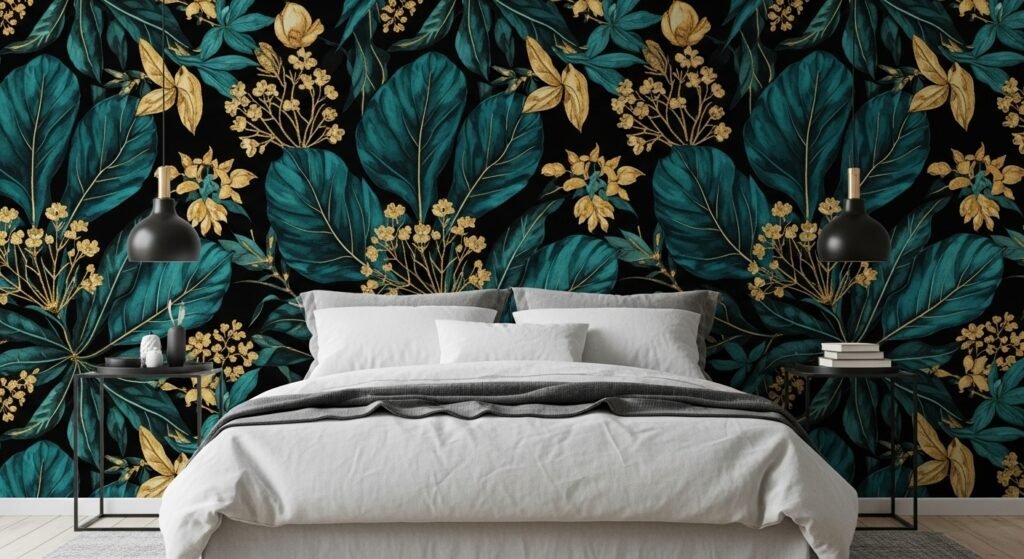
If you love accent walls, keep them! You just have to be smart. Think bigger than just simple paint. A good accent wall must be bold. It should look like it belongs there. You want people to say wow. It is about the volume at eleven. If you do it, go all out.
You also need to ground the wall. This means putting furniture on it. A bare accent wall looks like a mistake. Put a sofa or a dresser there. Add some lamps for the texture. The wall is a backdrop for life. When tied together, it feels very fresh.
Thinking Outside the Box
- Originality: Look for patterns that your neighbors lack.
- Mix Materials: Combine wood slats with paint for depth.
- Functional Accents: Use built-in shelves as your feature.
The Volume at 11 Rule
- Unapologetic Boldness: If the color is scary, it is right.
- Scale Matters: Use large patterns that demand attention.
- Commitment: Do not settle for safe versions of ideas.
Finding the Balance
- The Overwhelm Test: If a pattern is too much, use one wall.
- Color Linking: Put the accent color in your pillows.
- Room Context: Match the wall style to the house.
Grounding the Design
- Furniture Placement: Use a bed or desk to anchor it.
- Layering Art: Hang pictures to add more interest.
- Sculptural Objects: Place tall plants to break up color.
Choosing the Right Wall
- Natural Focal Point: Pick the wall your eyes see first.
- Light Source: Consider how the sun hits the wall.
- Viewpoint: Think about what you see while sitting.
Creative Techniques and Advanced Applications
Ready to level up your room? There are advanced ways to do this. Maximalist wallpaper is a huge trend. Think big flowers or exotic birds. It acts like giant art for the room. You can also try custom murals. These tell a unique story about you. Some use tape or stencils for a handmade look.
Texture is another way to make walls pop. 3D panels are very popular right now. They add shadows that paint can’t provide. You can also mix different media. Combine shelves and art for a layered look. Try a soft ombré effect for a fade. It looks very modern and artistic.
Maximalist Wallpaper
- Large Patterns: Prints big enough to see far away.
- Rich Colors: Jewel tones that add instant luxury.
- Conversational Prints: Designs that make people stop and look.
Custom Murals and Art
- Hand-Painted Stencils: A cheap way to get wallpaper looks.
- Washi Tape Art: Create temporary lines and cool shapes.
- Gallery Walls: Turn a whole wall into an accent.
Texture and Dimension
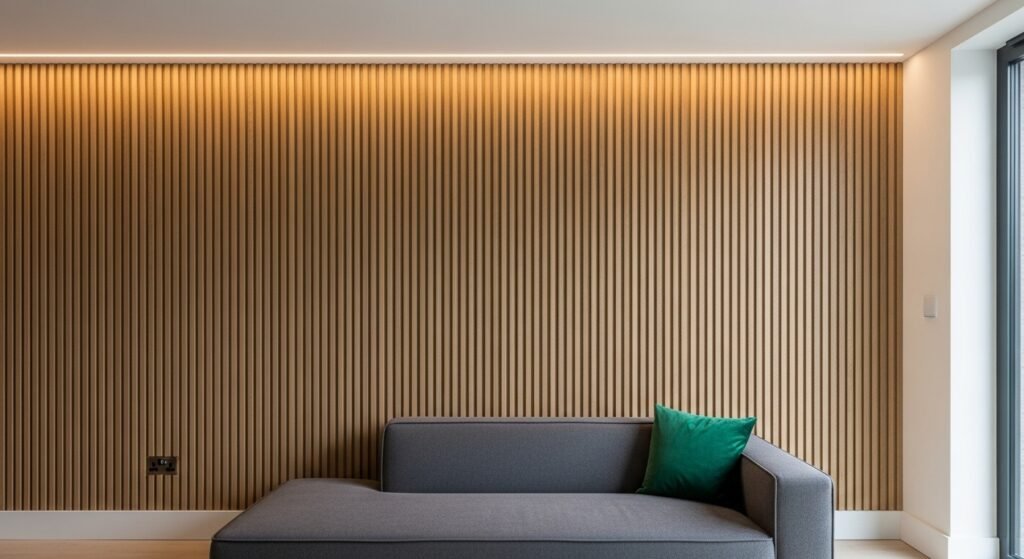
- Fluted Panels: Vertical slats that make ceilings look higher.
- Reclaimed Wood: Adds a rustic feel people want to touch.
- Plaster Finishes: Using concrete for a stone-like texture.
Mixed Media Walls
- Shelving and Paint: Paint the wall behind open shelves.
- Art Integration: Use one giant painting for the wall.
- Lighting Layers: Mix wall sconces with fun neon signs.
The Ombré and Gradient Effect
- Soft Transitions: Fading from dark bases to light tops.
- Modern Feel: Avoids the harsh lines of standard walls.
- Artistic Flair: Looks like a custom painting on the wall.
Innovative Alternatives to Traditional Accent Walls
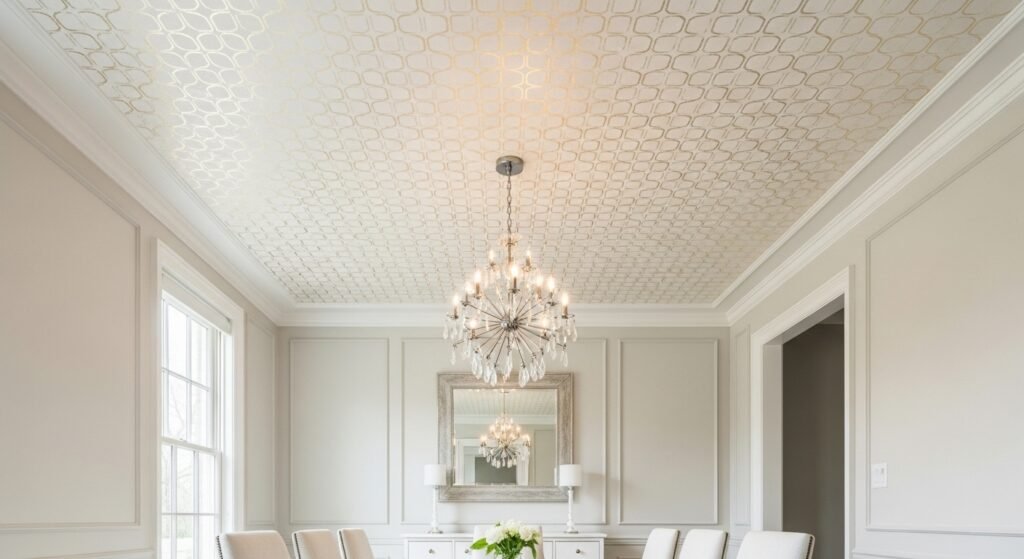
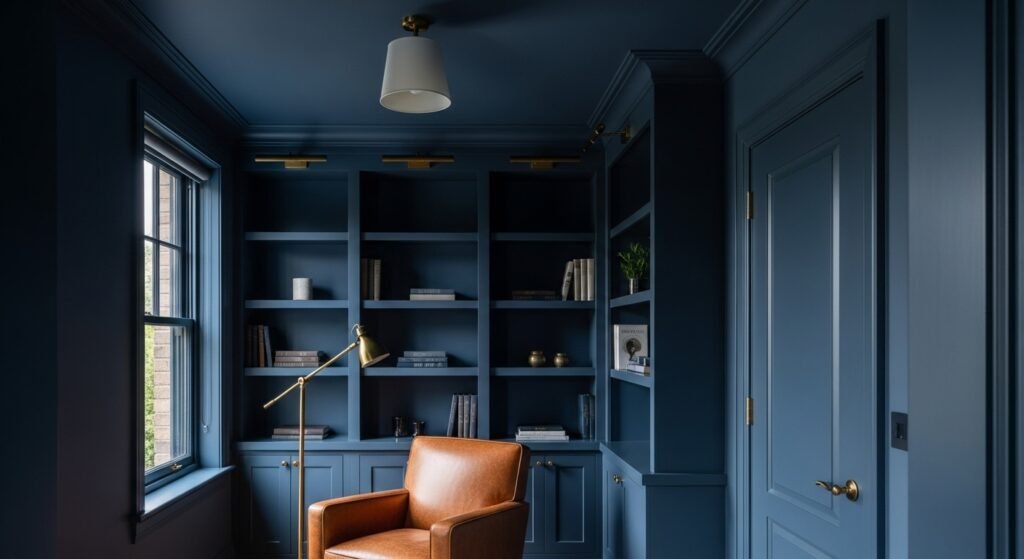
If you want something else, try this. Color drenching is the biggest alternative. You paint everything one single color. This includes walls, trim, and the ceiling. It makes rooms feel very expensive. Millwork is another great choice. Adding molding adds a permanent look. It gives walls depth without loud colors.
You can also use light as an accent. Special lighting makes plain walls look incredible. Try full-room maximalism for a bold move. This is the opposite of an accent wall. You put bold patterns on every single wall. It feels very cohesive. Fabric walls are also a rare, cool option.
Color Drenching
- Monochromatic Look: One color for every surface in the room.
- Cozy Vibes: Great for libraries and media rooms.
- Height Illusion: Painting trim makes ceilings look taller.
Millwork and Molding
- Wainscoting: Adding panels to the bottom of the wall.
- Board and Batten: Vertical strips for a structured feel.
- Crown Molding: Finishing the top to draw eyes up.
Hidden Doors and Secret Passages
- Disguised Entryways: Using wallpaper to hide a closet door.
- Seamless Flow: Keeps the pattern going without a break.
- Surprise Element: Adds a fun touch to any room.
Zonal Lighting
- Wall Washers: Lights that glow over the whole surface.
- Color LEDs: Change the accent with a simple remote.
- Accent Spotlights: Focusing on one specific piece of art.
Fabric and Upholstered Walls
- Acoustic Benefits: Softens rooms and stops all echoes.
- Luxurious Texture: Feels like a high-end hotel room.
- Warmth: Adds extra insulation to the cold walls.
Accent Walls Across Different Room Types
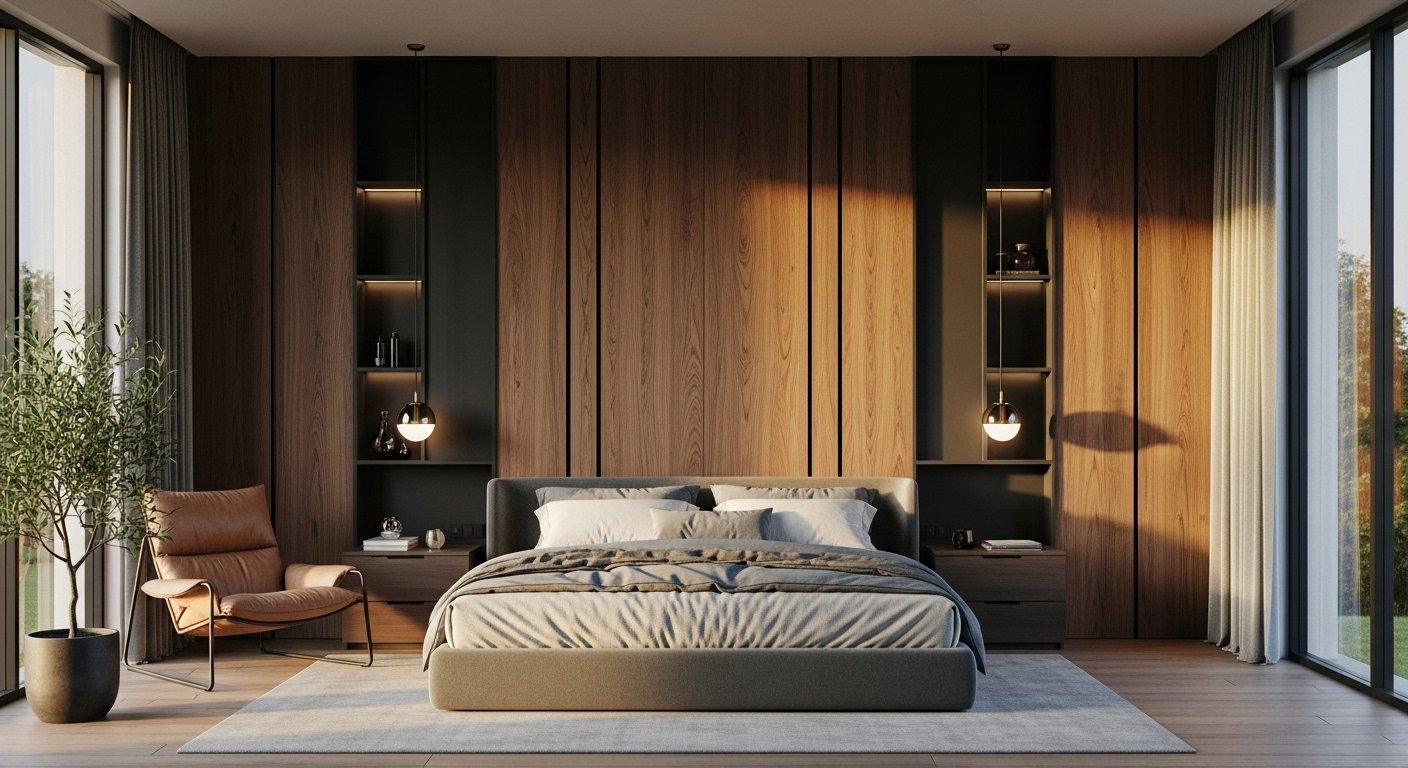
Not every room needs an accent. But some are perfect for it. In bedrooms, use the wall behind the bed. It frames the headboard well. In living rooms, accent the TV or fireplace. This creates a central gathering spot. It makes the area look well-designed.
Home offices need accent walls too. Backdrops for video calls are a must. It makes you look very professional. Powder rooms are secret weapons. These tiny bathrooms are like jewelry boxes. You can go wild in there. Try crazy wallpaper or very dark paint.
The Bedroom
- Headboard Framing: Dark colors make the bed stand out.
- Restful Colors: Pick soft greens for a calm sleep.
- Texture Focus: Use wood slats for a grounded feel.
The Living Area
- Fireplace Highlight: Make the chimney the star of the room.
- TV Camouflage: Use dark walls to hide the screen.
- Conversation Starters: Bold patterns behind the main seating.
The Home Office
- Video Call Backdrop: Ensure your background looks totally amazing.
- Inspiration Zones: Use colors that help you focus.
- Functional Storage: Make shelves act as the accent.
Small Spaces and Powder Rooms
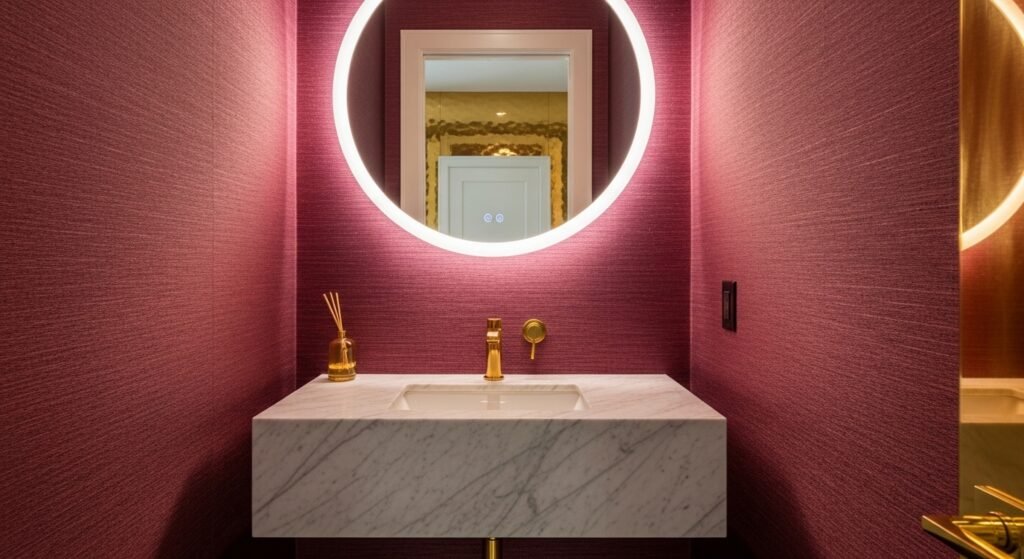
- Jewelry Box Effect: High impact in a tiny room.
- Bold Risks: Try colors you fear in large rooms.
- Guest Surprise: Create a memorable experience for visitors.
Kitchens and Dining
- Backsplash Accent: Colorful tile as a functional wall.
- Dining Nooks: Define where the eating area starts.
- Hutch Backing: Paint inside cabinets for a color pop.
Practical Execution and DIY Considerations
Doing it yourself? You need a solid plan. Prep work is the most important part. If walls are bumpy, it looks bad. Sand them down and use a primer. Pick the right paint finish too. Matte hides bumps but is hard to clean. Glossy looks cool but shows mistakes.
Think about where the color stops. Transitions can be very tricky. End your color at an inside corner. This keeps lines looking clean. If you have outside corners, use trim. Think about maintenance too. Some papers get ruined by water. Pick materials that fit your real life.
The Importance of Prep Work
- Surface Smoothing: Filling holes and sanding old bumps.
- Priming: Using primer so new colors look true.
- Cleaning: Removing dust so wallpaper actually sticks.
Selecting the Right Finish
- Matte/Flat: Best for hiding any drywall imperfections.
- Eggshell/Satin: Middle ground that is easy to wipe.
- High-Gloss: Shiny and modern, but needs flat walls.
Transition Points
- Inside Corners: Safest place to switch your colors.
- Outside Corners: Requires a very steady painting hand.
- Ceiling Lines: Use tape for a crisp, straight edge.
Maintenance and Longevity
- Durability: Scrubbable paint for high-traffic hallway areas.
- Delicate Materials: Keep silk away from humid bathroom air.
- Repairability: Knowing how to patch a textured wall.
Accent Wall Comparison: Styles, Features, and Best Applications
| Accent Wall Look | Key Materials | Visual Features | Best Room Application | Skill Level Required |
| Traditional Painted | Latex or Acrylic Paint | Solid, “pop” of color; matte or satin finish. | Bedrooms and Dining Rooms. | Beginner (DIY Friendly) |
| Maximalist Pattern | High-end Wallpaper | Large-scale florals, tropical prints, or bold art. | Powder Rooms and Entryways. | Intermediate (Requires precision) |
| Modern Rustic | Reclaimed Wood or Shiplap | Warm, organic texture; adds physical depth. | Living Rooms (Fireplace wall). | Intermediate (Basic carpentry) |
| Architectural Dimension | MDF Slats or Fluted Panels | Clean vertical lines; creates a high-end custom look. | Home Offices and Media Rooms. | Advanced (Precision cutting) |
| Classic Elegant | Board and Batten / Wainscoting | Sophisticated geometric structure; adds “soul” to a new home. | Hallways and Master Bedrooms. | Advanced (Finish carpentry) |
| Industrial Chic | Thin Brick Veneer or Stone | Rugged, tactile surface; very durable. | Basements and Kitchen Nooks. | Advanced (Masonry work) |
| Soft & Acoustic | Fabric Panels or Upholstery | Dampens sound; soft to the touch; adds luxury. | Home Theaters and Nurseries. | Intermediate (Tensioning skills) |
| Glamorous High-Shine | High-Gloss Paint or Metallic Foil | Reflects light; mirror-like finish; very bold. | Modern Dining Areas. | Professional (Shows every bump) |
| Bohemian Creative | Stencils or Hand-painted Murals | Unique, one-of-a-kind art; highly personal. | Children’s Rooms and Creative Studios. | Beginner to Advanced (Artistic) |
| The “Fifth Wall” | Ceiling Paint or Wallpaper | Draws the eye upward; leaves side walls clean. | Small Bedrooms and Dressing Rooms. | Intermediate (Physically demanding) |
| Temporary/Renter | Peel-and-Stick Decals / Vinyl | Removable; mimics the look of tile or paper. | Rental Apartments and Dorms. | Beginner (Very easy) |
| Immersive Drench | Matching Paint for Walls and Trim | Monochromatic; moody; makes the room feel unified. | Libraries and Cozy Dens. | Beginner (Requires patience) |
Conclusion: The Future of Feature Walls
Are accent walls out of style? No, but they are changing. You can’t just slap on random colors. Modern design is more thoughtful now. It is about a whole room working. Whether you choose murals or drenching, be you. Your home should make you feel happy.
Trends will come and go forever. Designers will always debate what is in. But it is your house. If you love an accent wall, get one. Use the tips here to look professional. Focus on quality and a bit of drama. Your wall will look great for years.
Expressing Personal Style
- Authenticity: Pick colors you love, not just TV trends.
- Storytelling: Use walls to show off your travels.
- Confidence: Trust your gut on your own home.
The Versatility of the Concept
- Constant Change: Walls are evolving into structural forms.
- Adaptability: They work in any style of home.
- Longevity: A good wall is a classic choice.
Final Thoughts
- Intentionality: Every choice should have a clear reason.
- Balance: Make the wall feel like a family member.
- Enjoyment: Your home should bring you total joy.
Frequently Asked Questions
Are accent walls out of style for small apartments?
Accent walls are actually a secret weapon for small apartments. They help define specific areas like a home office or dining nook without using bulky room dividers. Using a dark color on the furthest wall can make the room feel deeper than it really is.
Can I have an accent wall in a room with slanted ceilings?
Slanted or sloped ceilings are perfect candidates for an accent wall. Painting the slanted surface can make the room feel like a cozy tent or a sophisticated attic suite. It turns a weird architectural challenge into a cool design feature.
Do accent walls have to be a solid color?
Not at all. You can use stripes, geometric shapes, or even sponges to add texture. Modern styles often use two tones of the same color to create a subtle but interesting look. The goal is to make the surface look different from the other three walls.
Is it okay to put a TV on an accent wall?
Yes, putting a TV on a dark accent wall is a very smart move. The dark background helps the black screen blend in when it is turned off. This prevents the TV from looking like a giant black hole in the middle of a light room.
How do I choose which wall should be the accent?
Look for the natural focal point of the room. This is usually where the bed sits, where the fireplace is located, or the wall you see first when you walk in. Avoid walls with doors or windows that break up the visual flow.
Can I have two accent walls in one room?
Having two accent walls can be tricky and often makes a room feel cluttered. If you want more color, it is usually better to go with color drenching where you paint all four walls. However, in very large L-shaped rooms, you might be able to get away with one accent in each zone.
What is the most popular color for accent walls right now?
Deep greens, moody blues, and earthy terracottas are currently leading the trends. People are moving away from bright reds and neon shades. These natural, grounding colors make a home feel more like a peaceful sanctuary.
Does an accent wall make a room look bigger or smaller?
It depends on the color and the light. A dark accent wall can add depth and make a room feel longer. A very bright or busy pattern might make a small room feel a bit more crowded. Always consider your natural light before picking a shade.
Can I use peel-and-stick tile for an accent wall?
Peel-and-stick tile is a fantastic DIY option for renters or people on a budget. It works great in kitchens or behind a bathroom vanity. Just make sure the surface is clean and dry before you start sticking the tiles.
Should my accent wall match my curtains?
Your accent wall does not have to match your curtains exactly, but they should look good together. Using a complementary color creates a professional look. For example, if you have a navy wall, light grey or cream curtains will pop beautifully.
Is shiplap still a good choice for an accent wall?
Shiplap is still around, but it is evolving. Instead of the classic white farmhouse look, many people are painting shiplap in dark, moody colors. This gives the texture a more modern and sophisticated feel.
Can I use a large mirror as an accent wall?
A wall covered in mirrors or one massive oversized mirror acts just like an accent wall. It reflects light and makes the room feel twice as big. This is a classic trick for narrow hallways or small dining rooms.
How do I transition an accent wall in an open-concept home?
Stop the color at an inside corner to get a clean line. If the wall is continuous, you can use a vertical wood slat or a piece of trim to create a natural breaking point. This keeps the design from looking like it just randomly stopped.
Are wood slat walls hard to clean?
Wood slat walls look amazing but they do catch dust in the grooves. You can easily clean them with a vacuum brush attachment or a microfiber duster. Choosing a smooth finish for the wood will make dusting much faster.
Should I paint the baseboards the same color as the accent wall?
Painting the baseboards and trim to match the accent wall is a very high-end designer move. It creates a seamless, “drenched” look that makes the wall feel taller and more expensive.
Can I use fabric to create an accent wall?
Fabric is a great way to add softness and soundproofing. You can wrap large foam boards in fabric and mount them to the wall. This is a popular choice for bedrooms or home theaters.
Is a gallery wall considered an accent wall?
Yes, a gallery wall filled with art and photos acts as a visual accent. It creates a focal point using many small items instead of one large color or pattern. It is one of the most personal ways to design a feature wall.
Can I do an accent wall in a kitchen?
The kitchen is a great place for an accent. You can use the backsplash area or a bare wall near the breakfast nook. Tile, brick, or waterproof wallpaper are the best materials to handle kitchen heat and moisture.
What is the biggest mistake people make with accent walls?
The biggest mistake is picking a wall that is too “busy” with windows, doors, and vents. Another common error is picking a color that has no connection to the rest of the room’s decor. Always make sure the wall feels like it belongs.
How often should I update my accent wall?
Since an accent wall is only one surface, you can update it whenever you want a fresh look. Many people change theirs every 3 to 5 years as trends change. It is much easier than repainting an entire house.
