


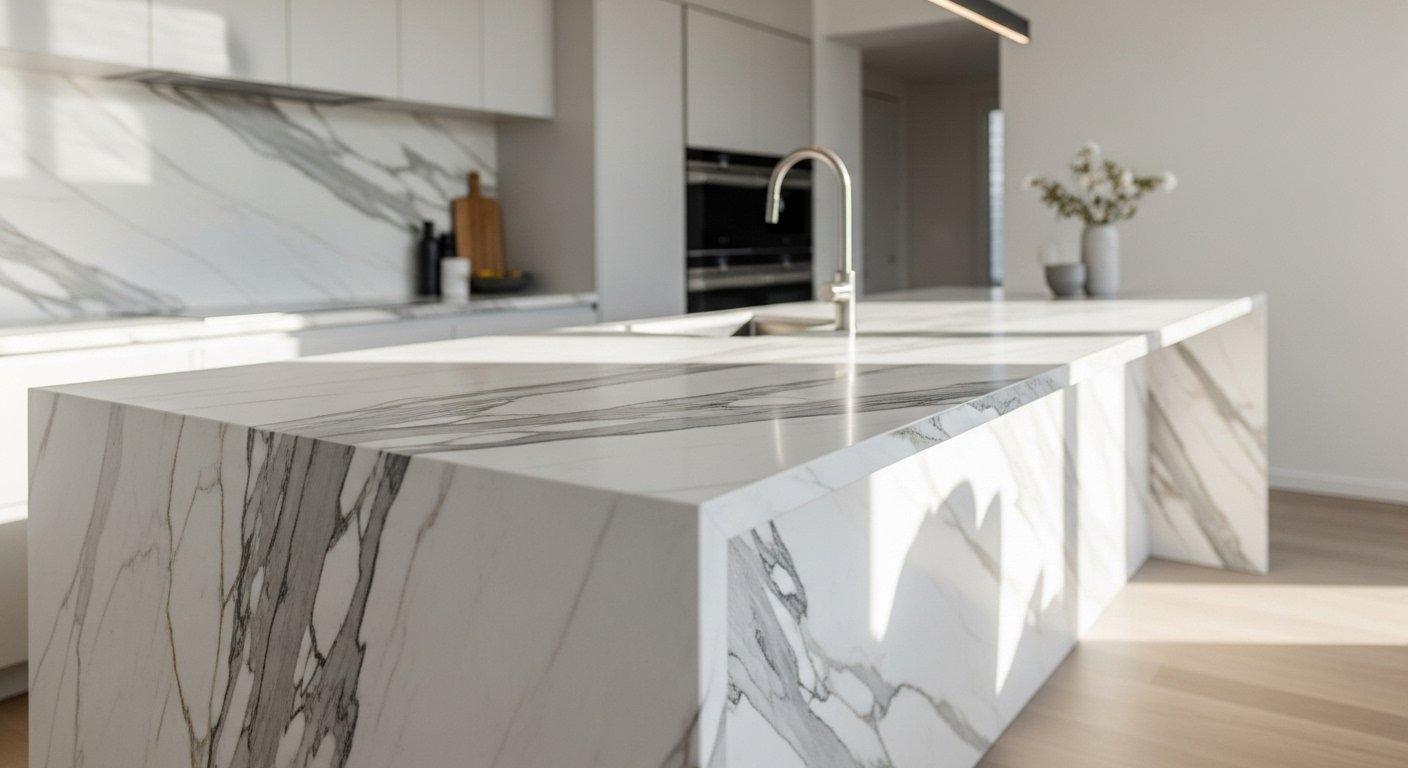
Is marble a natural stone that can totally transform your home? You bet it is. Marble is one of the most famous materials on the planet. People have used it for thousands of years to make things look fancy. Whether you are baking cookies or leveling up your bathroom, marble is a heavy hitter. This guide will tell you everything you need to know about this rock star material.
Introduction to Marble
Marble is more than just a pretty surface. It has a huge history in building and art. Think about old statues and giant cathedrals. Most of them use marble because it looks amazing and lasts a long time. It is still a top choice for modern homes today.
The cool thing about marble is its vibe. It gives off a gold standard feel for luxury. When you see a marble counter, you know it is high-end. It makes any room feel like a million bucks. People love it because it never goes out of style.
What is Marble and How is it Formed?
So, is marble a natural stone that grows in the ground? Yes, it is a metamorphic rock. This means it started as one thing and changed into another. It begins its life as limestone or dolomite. Then, nature turns up the heat and pressure.
A Metamorphic Journey
The change happens deep inside the Earth. Intense heat cooks the rock over millions of years. This process is called metamorphosis. It makes the minerals grow and lock together. This creates the solid, beautiful stone we see in showrooms.
The Element of Time
Marble does not just appear overnight. It takes hundreds of years to reach its final form. Most marble is found in the oldest parts of the Earth’s crust. It is like owning a piece of history. The earth really took its time making this material perfect.
Mineral Composition
What is actually inside a slab of marble? The main ingredient is calcium carbonate. It also has a lot of calcite. Some types have serpentine or acidic oxide in them too. These minerals decide how strong or shiny the stone will be.
The Geography of Marble: Where is it Found?
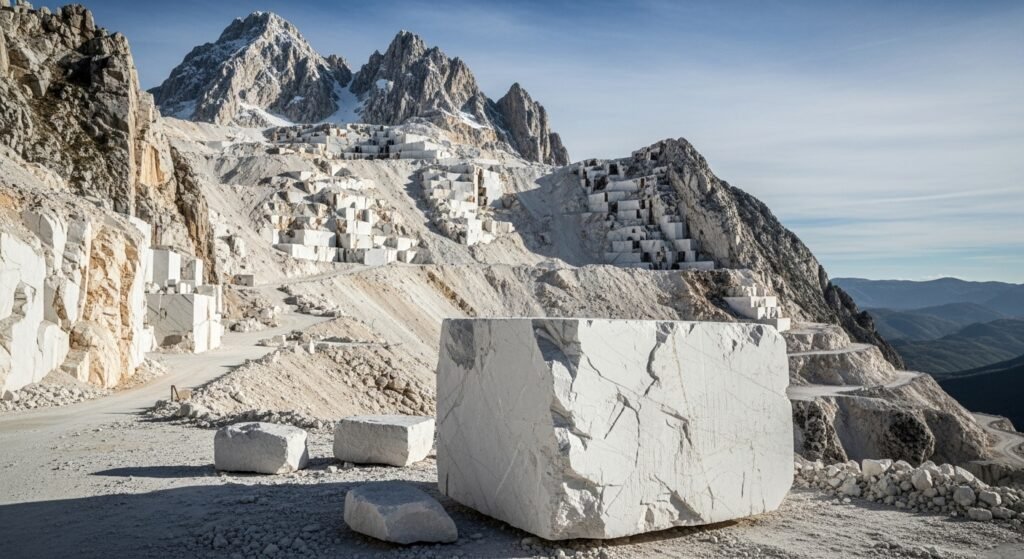
Marble comes from all over the globe. Different places produce different looks. Some countries are famous for having the best stuff. If you are looking for variety, the world has plenty to offer.
Global Hotspots
There are four big players in the marble game. These are Italy, Spain, India, and China. Each country has its own special quarries. The stone from each place has a unique personality. You can find almost any color if you look hard enough.
The Prestige of Carrara, Italy
Italy is the king of white marble. Carrara is the most famous spot of all. This place is legendary for its bright white stone. It is the stuff of dreams for designers.
- Michelangelo used Carrara marble for his famous statues.
- Canova loved the way the light hit this specific stone.
- Donatello carved masterpieces that still stand today from this material.
Regional Variations
Geology changes depending on where you are. This means the marble colors change too. Spanish marble might be warmer and creamier. Indian marble often has bold and wild patterns. The earth’s crust makes sure every region is special.
Varieties and Classifications of Marble
Not all marble looks the same. There are so many types to choose from. Knowing the names helps you shop like a pro. Each variety has its own special flair and price tag.
White Marble Varieties
White is the most popular choice for homes. Calacatta is a top-tier luxury pick with thick veins. Statuario is also very high-end and super bright. Thassos marble is famous for being pure white like snow.
Colored Marble Profiles
Marble is not just white and gray. Crema Marfil is a beautiful beige from Spain. Nero Marquina is a stunning black stone with white veins. Verde Alpi gives you deep green tones that look like a forest.
The Rarity Factor
Some marble is harder to find than others. Blue or purple marbles are very rare. Because they are hard to get, they cost a lot more. These rare slabs are usually the crown jewels of a home. They make a massive statement in any room.
The Anatomy of Marble Aesthetics
Why does marble look the way it does? It is all about the details inside the stone. Nature is the ultimate artist here. The patterns you see are not accidents. They are the result of minerals getting mixed in during formation.
Understanding Veining
The lines in marble are called veins. These happen because of impurities in the stone. Things like clay, silt, or sand get trapped inside. Iron oxides can also create beautiful streaks of color. This is what makes marble look so alive.
Color Palette Diversity
The colors in marble can be wild. You can get anything from stark white to deep black. Earth tones like brown and gold are also common. Some slabs even have pink or blue hues. There is a color for every design style out there.
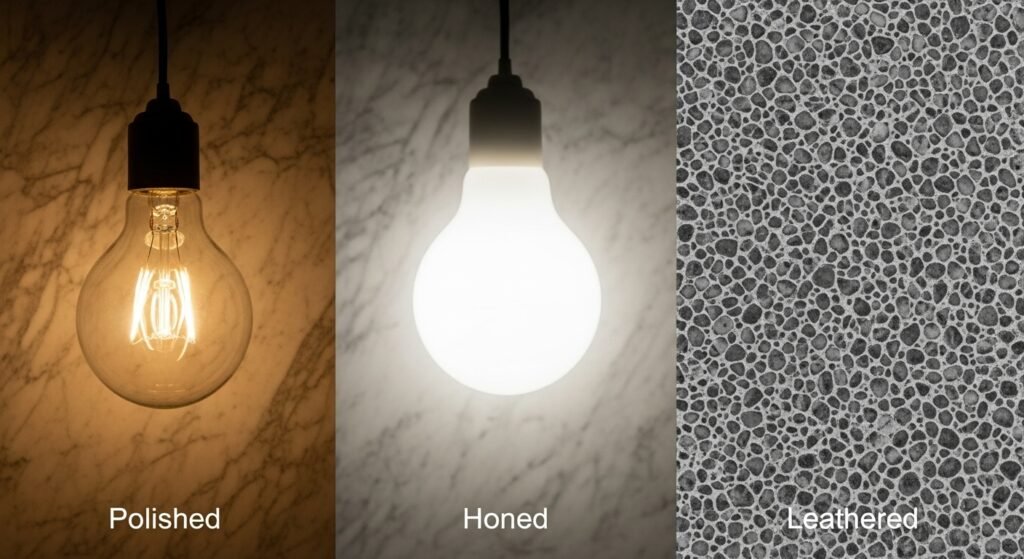
Surface Finishes
The way the stone is finished changes everything. It affects the shine and the feel.
- Polished finish is high-gloss and very reflective.
- Honed finish is matte and smooth like satin.
- Leathered finish has a texture that hides fingerprints well.
Why Marble Surfaces are Popular for Homeowners
People love marble for a reason. It does a lot more than just sit there. It changes the whole mood of a house. Is marble a natural stone that adds value? Absolutely, and here is how it helps your home.
Elegant Beauty
Marble can spruce up a boring room instantly. It works in kitchens, bathrooms, and even walkways. The natural patterns are much prettier than plastic counters. It gives your home an upscale look without trying too hard.
Sophistication and Class
There is a certain class that comes with stone. It makes a room feel more sophisticated. Many people use it to get that gallery feel. It is a classy choice that guest will always notice. It shows you care about quality and style.
Increased Property Value
Marble is a great investment for your house. It is a premium upgrade that buyers love. Most people see marble and think the home is worth more. It can really help your resale value when you sell. It is money well spent for the long run.
One-of-a-Kind Appeal
Every slab of marble is unique. No two pieces in the world are exactly the same. You are getting a piece of art that nobody else has. This makes your home feel special and custom. It is a great way to be original.
Functional Advantages of Marble
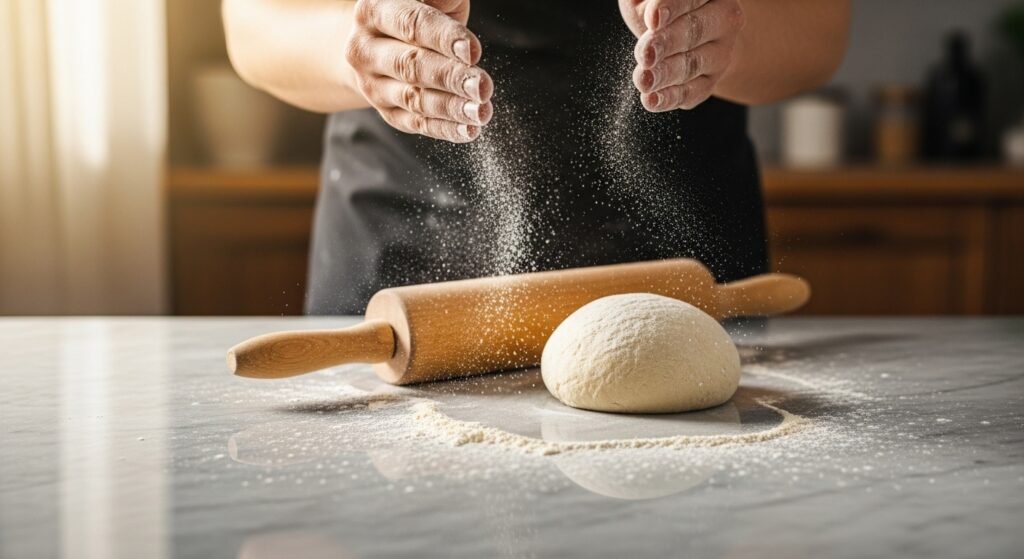
Marble is not just for looking at. it actually does a great job as a work surface. It has some natural powers that other materials do not. These features make it a favorite for people who cook.
Thermal Properties
Marble stays naturally cool all the time. It does not soak up heat like wood or metal. Even in a warm kitchen, the stone feels chilled. This is a huge win for comfort. It helps keep the whole room feeling a bit fresher.
The Baker’s Choice
If you love to bake, you need marble. It is the best surface for rolling out dough. Because it stays cool, the butter in pastries does not melt. This makes your crusts and breads turn out much better. Personal chefs swear by it for this reason.
Heat Resistance
Marble can handle the heat. It will not catch on fire or melt. This makes it a safe choice for a busy kitchen.
- It won’t burn even if things get a bit hot nearby.
- Semi-hot pans can sit on it for a very short time.
- Fire resistance is a natural feature of this metamorphic rock.
Durability and Physical Characteristics
How tough is this stone? You need to know what to expect over time. Marble is strong, but it has some personality quirks. Understanding these helps you keep it looking new.
Hardness vs. Workability
Marble is a bit softer than granite. This might sound bad, but it is actually a plus. Because it is softer, stone cutters can make cool shapes. You can get fancy edge profiles that are hard to do in granite. It allows for more artistic designs in your home.
Lifespan Expectations
If you take care of it, marble lasts forever. It can easily stay in great shape for generations. Many old buildings still have their original marble floors. It is a stone that is built for the long haul. It is not something you will need to replace soon.
Vulnerability Factors
Since it is a natural stone, it is not invincible. It can get scratched if you are not careful. It is also prone to staining because it is porous. Cracking can happen if something very heavy hits it. Knowing these risks helps you protect your investment.
Popular Interior Applications for Marble
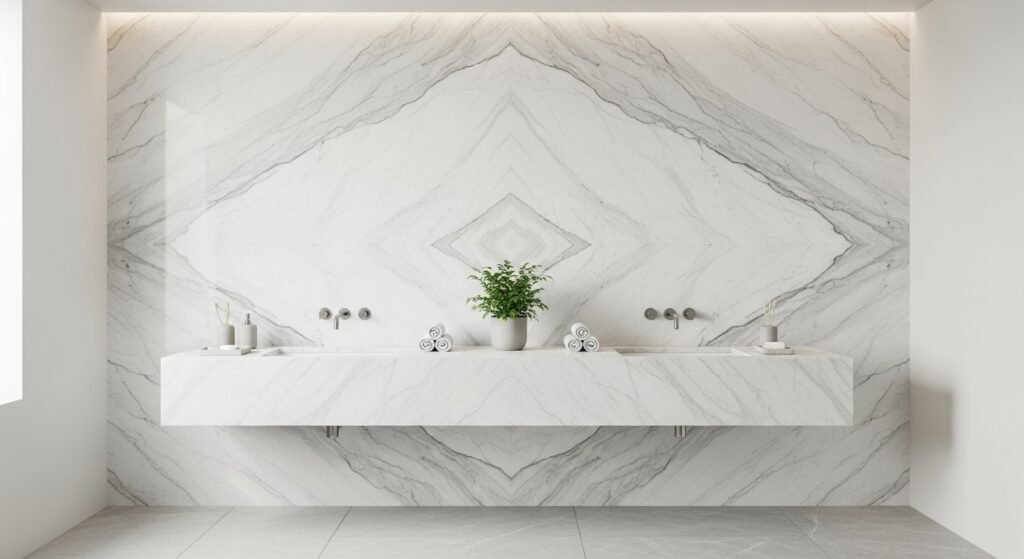
Where should you put marble in your house? There are so many great spots. It works well in almost any room you can think of. It adds a touch of luxury wherever it goes.
Kitchen Countertops and Islands
The kitchen is the heart of the home. Marble counters make it look stunning. You can use a big slab for a kitchen island. Some people like one-level islands for a clean look. Others prefer two levels to hide the mess.
Bathroom Vanities and Wet Rooms
Marble makes a bathroom feel like a fancy spa. It is perfect for vanities and shower walls. Many luxury bathrooms use marble from floor to ceiling. It handles moisture well if it is sealed right. It is a top choice for a relaxing master bath.
Flooring and Walkways
Marble floors make a huge impact when you walk in. They look amazing in entryways and hallways. You do have to be careful about slips when they are wet. Many people use a honed finish for better grip. It is a very durable choice for high-traffic areas.
Fireplace Surrounds
A marble fireplace is a total showstopper. Since it is heat resistant, it is very safe. It frames the fire beautifully and adds a cozy vibe. It can be a simple slab or a carved masterpiece. Either way, it becomes the focal point of the room.
Decorative Accents
You don’t have to go big to use marble.
- Backsplashes add a pop of pattern behind the stove.
- Waterfall edges make a counter look like it flows to the floor.
- Integrated sinks made of marble look incredibly sleek.
Essential Care and Maintenance
Is marble a natural stone that is hard to clean? Not really, but it needs specific care. You cannot just use any random cleaner. Following a few rules will keep it shiny for years.
The Importance of Sealing
Marble has tiny holes called pores. These can soak up liquids and leave stains. That is why you must use a sealer.
- The sealer creates a invisible shield on top of the stone.
- Frequency should be about every 6 to 12 months.
- Professional sealing is a good idea for the first time.
Proper Cleaning Protocols
Only use cleaners that are safe for stone. pH-neutral soaps are the way to go. Avoid things like vinegar or lemon juice at all costs. These acids can eat into the stone and cause etching. This leaves dull spots that are hard to fix.
Daily Protection
A little prevention goes a long way. Use coasters for your drinks to avoid rings. Always use a cutting board instead of cutting on the stone. Trivets are great for keeping hot pots off the surface. These simple steps stop damage before it starts.
Professional Restoration
Sometimes marble gets old and dull. You don’t have to rip it out. A pro can come in and sand it down. They use diamond pads to make it smooth again. Then they polish it back to a high shine. It is like getting a brand-new counter.
Comparative Analysis: Marble vs. Other Materials
How does marble stack up against the competition? There are a lot of stones out there. Knowing the differences helps you pick the right one. Every material has its own pros and cons.
Marble vs. Granite
Granite is much harder than marble. It is better at resisting scratches and heat. However, marble is often seen as more beautiful. Marble is also easier to cut into fancy shapes. Granite is great for heavy use, while marble is for style.
Marble vs. Quartz
Quartz is a man-made stone. It is very tough and does not need to be sealed. But it does not have the same natural look as marble. Quartz can sometimes look a bit fake or repetitive. If you want the real deal, marble is the winner.
Marble vs. Porcelain
Porcelain slabs like FORTE are becoming popular. They are very thin and super strong. They can look just like marble but are harder to damage. They are great for high-wear areas like outdoor kitchens. But they don’t have the soul of real natural stone.
Design Trends and Styling with Marble
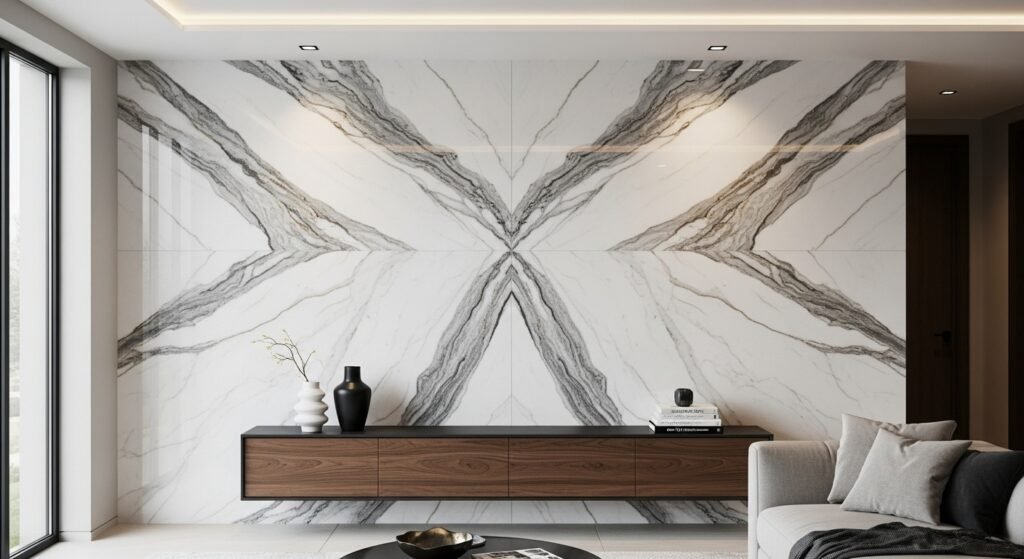
Marble is always evolving in the design world. People are finding new ways to use it every day. It is a very versatile material for any home style.
The “Quiet Luxury” Trend
Quiet luxury is all about being fancy without being loud. Honed marble is perfect for this. It has a soft, matte look that feels very expensive. It doesn’t scream for attention but looks amazing. It is a very classy way to decorate.
Book-Matching
This is a very cool trick with marble slabs. You take two pieces from the same block. When you put them together, the veins mirror each other. It creates a beautiful diamond or butterfly pattern. This is often used for big walls or islands.
Mixing Materials
Marble looks great with other things.
- Wood adds warmth to the cool stone.
- Brass fixtures make the marble look even more luxurious.
- Industrial steel gives it a modern, edgy vibe.
Choosing the Right Marble for Your Project
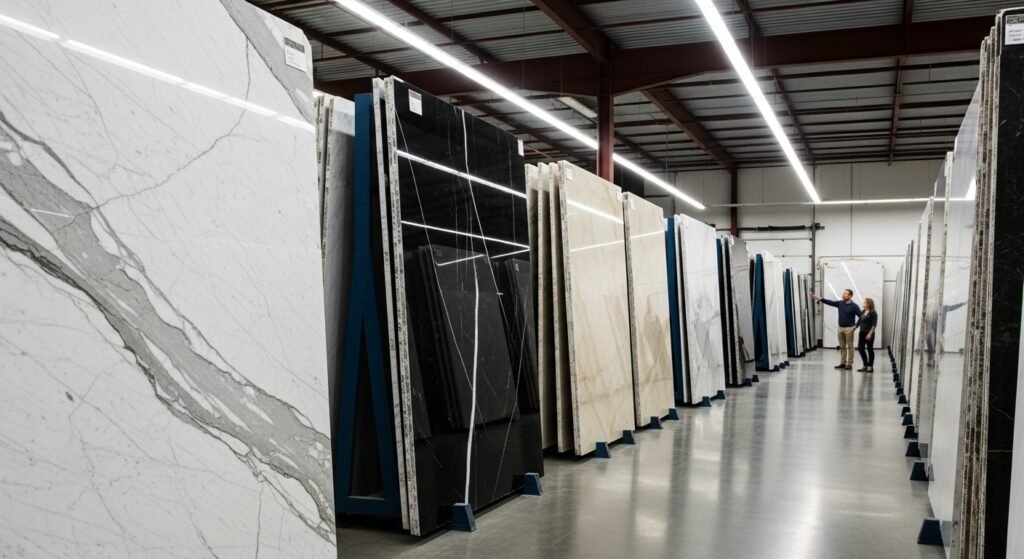
Buying marble is a big deal. You should not just pick the first one you see. There are things to look for that ensure you get a good slab. Take your time to find the perfect piece.
Selecting Your Slab
Always go to the warehouse to see the full slab. Pictures do not show the whole story. Look for tiny lines called fissures. These are natural and usually okay. But watch out for actual cracks that go all the way through.
Understanding Grades
Marble is graded based on how perfect it is. Commercial grade is the lowest and might have flaws. Standard grade is what most people use in homes. First-Choice slabs are the absolute best with no defects. Higher grades will obviously cost more money.
Safety and Technical Guides
Installing marble is not a DIY job. Slabs are extremely heavy and can break easily. You need professional stone cutters and installers. They have the right tools to move and set the stone safely. This ensures your counters don’t crack later on.
Cost Factors and Budgeting
How much will this cost you? It depends on a few things. Marble prices can vary a lot from one shop to another.
Price Per Square Foot
The rarity of the stone is the biggest cost factor. If it comes from a famous quarry, it will be pricey. The thickness of the slab also matters. A 3cm slab is more expensive than a 2cm slab. Shipping costs from other countries add up too.
Fabrication Costs
Cutting the stone is a big part of the price. If you want fancy edges, you will pay more. Every sink hole or outlet cut costs extra. Complex designs take more time and skill to finish. Keep this in mind when you are planning your budget.
Long-term Value
Think of marble as a long-term play. It might cost more now, but it lasts forever. You won’t have to replace it like laminate or wood. It also helps you sell your house faster later. It is a high-quality choice that pays off over time.
Summary and Final Thoughts
Is marble a natural stone that is worth the hype? Yes, it definitely is. It brings a mix of art and function to your home. No other material has the same history or beauty. While it needs some love, the results are totally worth it.
- Recap of why it is a unique blend of style and use.
- Final advice is to balance beauty with the work needed to keep it up.
- Visit a showroom to see the stone’s movement in person before you buy.
| Feature | Marble | Granite | Quartz |
| Material | Natural Stone | Natural Stone | Man-Made |
| Porous | Yes | A little | No |
| Heat Resistance | High | Very High | Medium |
| Maintenance | High | Medium | Low |
| Unique Look | Each slab is one-of-a-kind | Unique patterns | Patterns repeat |
Marble is a stunning choice that has stood the test of time. Whether you choose a classic white Carrara or a bold Nero Marquina, you are getting a piece of the earth’s history. It is a natural stone that brings luxury and function into any living space. With just a bit of care, your marble will stay a masterpiece for the rest of your life.
Frequently Asked Questions
Can marble be used for outdoor kitchen areas?
Marble is not typically recommended for outdoor use in regions with extreme weather. Exposure to rain, sun, and fluctuating temperatures can cause the stone to weather, fade, or even crack over time. If you do use it outside, a honed finish is better than a polished one because it hides the natural wear and tear from the elements more effectively.
How does marble react to common household acids like wine or juice?
Since marble is composed of calcium carbonate, it has a chemical reaction when it touches acid. This reaction is called etching, which essentially eats away a tiny layer of the stone’s surface. Even if the stone is sealed, acid can still create a dull, cloudy spot on the finish within minutes of contact.
What is the difference between a fissure and a crack in a marble slab?
A fissure is a naturally occurring feature that looks like a thin line but does not affect the structural integrity of the stone. A crack, however, is a break that goes all the way through the slab and can lead to the stone splitting. Professionals usually check for these during the fabrication process to ensure the counter is stable.
Is it possible to change the finish of marble after it is installed?
Yes, a professional stone restorer can change a polished finish to a honed finish or vice versa right in your home. They use a series of abrasive pads and water to grind down the surface and achieve the desired level of shine or matte texture.
Does marble emit any harmful radiation or radon?
Like almost all natural stones that come from the earth, marble can contain trace amounts of radioactive elements. However, the levels found in marble are extremely low and are generally considered safe for residential use by health organizations. It is significantly less of a concern than with some specific types of granite.
Why does some white marble turn yellow over time?
Yellowing often happens due to iron oxidation, which is basically the iron inside the stone rusting when exposed to water. It can also be caused by using the wrong cleaning chemicals or wax buildup. Professional deep cleaning can sometimes reverse this, but if the iron has oxidized deep inside, it may be permanent.
Can I use marble as a cutting board surface?
It is a bad idea to cut directly on marble because the stone is relatively soft. Metal knives will easily scratch the surface, and the acid from foods like tomatoes will cause etching. Additionally, the hard stone will dull your expensive knives very quickly.
Is marble considered a sustainable building material?
Marble is a natural product, so it doesn’t require chemicals to create, but quarrying it is an intensive process. However, because it lasts for many decades and can be recycled or crushed for other uses, it has a lower long-term environmental impact than many synthetic materials that need to be replaced every ten years.
How heavy is a standard marble countertop?
Marble is incredibly dense and heavy, weighing about 18 to 20 pounds per square foot for a standard 3cm thick slab. This is why professional installation is required, as the cabinets beneath must be sturdy enough to support several hundred pounds of stone.
Can I repair a chip in my marble countertop myself?
Small chips can often be repaired using a clear or color-matched epoxy resin kit. You fill the hole, let it dry, and then carefully scrape it level with a razor blade. While small DIY fixes work, larger breaks or cracks should always be handled by a professional to ensure the repair is invisible.
Does the color of the marble affect its price?
Usually, yes. White marbles are the most in-demand, so they often carry a higher price tag. Rare colors like blue, purple, or vivid greens are harder to find in nature, which makes them significantly more expensive than common beige or grey varieties.
How do I know if my marble needs to be resealed?
You can perform the “water test” by pouring a small amount of water on the surface and waiting ten minutes. If the water beads up, your sealer is still working. If the stone absorbs the water and leaves a dark spot, it is time to apply a new coat of sealer.
Is marble suitable for high-traffic commercial flooring?
While beautiful, marble in high-traffic commercial areas like malls or lobbies will require constant maintenance. It will lose its shine quickly due to foot traffic and dirt. Most commercial spaces choose a honed finish and a very strict cleaning schedule to keep it looking good.
Can you use marble on a shower floor?
You can use marble on a shower floor, but small tiles are better than large slabs. The extra grout lines between small tiles provide the necessary slip resistance for a wet environment. It is also vital to use a high-quality impregnating sealer to prevent the stone from soaking up soapy water.
What is “etching” and how is it different from a stain?
A stain happens when a liquid like oil or ink soaks into the pores and changes the color of the stone. Etching is a chemical burn that changes the texture of the surface, making it feel rough or look dull. You can often “clean” a stain, but an etch usually has to be polished out.
Why do some people prefer “antique” marble?
In Europe, many people love the look of aged marble that has scratches and dull spots, often called a “patina.” They believe it tells a story and adds character to the home. If you don’t mind the stone looking lived-in, marble is a great choice.
Can marble be installed over existing laminate countertops?
No, marble is too heavy to be placed on top of old laminate. The existing counters and often the cabinets need to be removed or reinforced to handle the weight. A flat, level, and strong sub-surface is required for a successful marble installation.
Is there a difference between “marble” and “marble-look” quartz?
Yes, a huge difference. Marble is a natural stone cut from the earth, while “marble-look” quartz is a man-made product made of crushed stone and resin. Natural marble has a depth and cooling property that man-made materials cannot perfectly replicate.
Can I use bleach to disinfect my marble counters?
Never use bleach on marble. It is too harsh and can damage the surface of the stone and strip away the sealer. If you need to disinfect, use a cleaner specifically labeled as “stone safe” or a simple mixture of mild dish soap and warm water.
Why does my marble feel “softer” than my granite?
On the Mohs scale of mineral hardness, marble is usually around a 3 or 4, while granite is a 6 or 7. This means the minerals in marble are physically less dense and more prone to being moved or scratched by harder objects like steel or sand.
Is marble a natural stone or man-made?
Marble is 100% natural. It is a metamorphic rock formed by the earth over millions of years.
Does marble stain easily?
Yes, it can stain because it is porous. However, regular sealing helps prevent this from happening.
Can I put hot pans on marble?
You can for a few seconds, but it is not a good habit. It is always better to use a trivet to be safe.
Is marble more expensive than granite?
It can be, but it depends on the slab. Some common marbles are actually cheaper than rare granites.
How often should I seal my marble?
Most experts say you should do it every 6 to 12 months. This keeps the protection strong.
Can marble be used outdoors?
It can, but the sun and rain might dull the finish. It is better for indoor use in most cases.
Why is my marble counter getting dull spots?
These are likely etch marks from acidic food or cleaners. You need a stone-safe cleaner to avoid this.
Is it okay to use marble in a shower?
Yes, it is very popular for showers. Just make sure it is sealed well to handle the water.
