



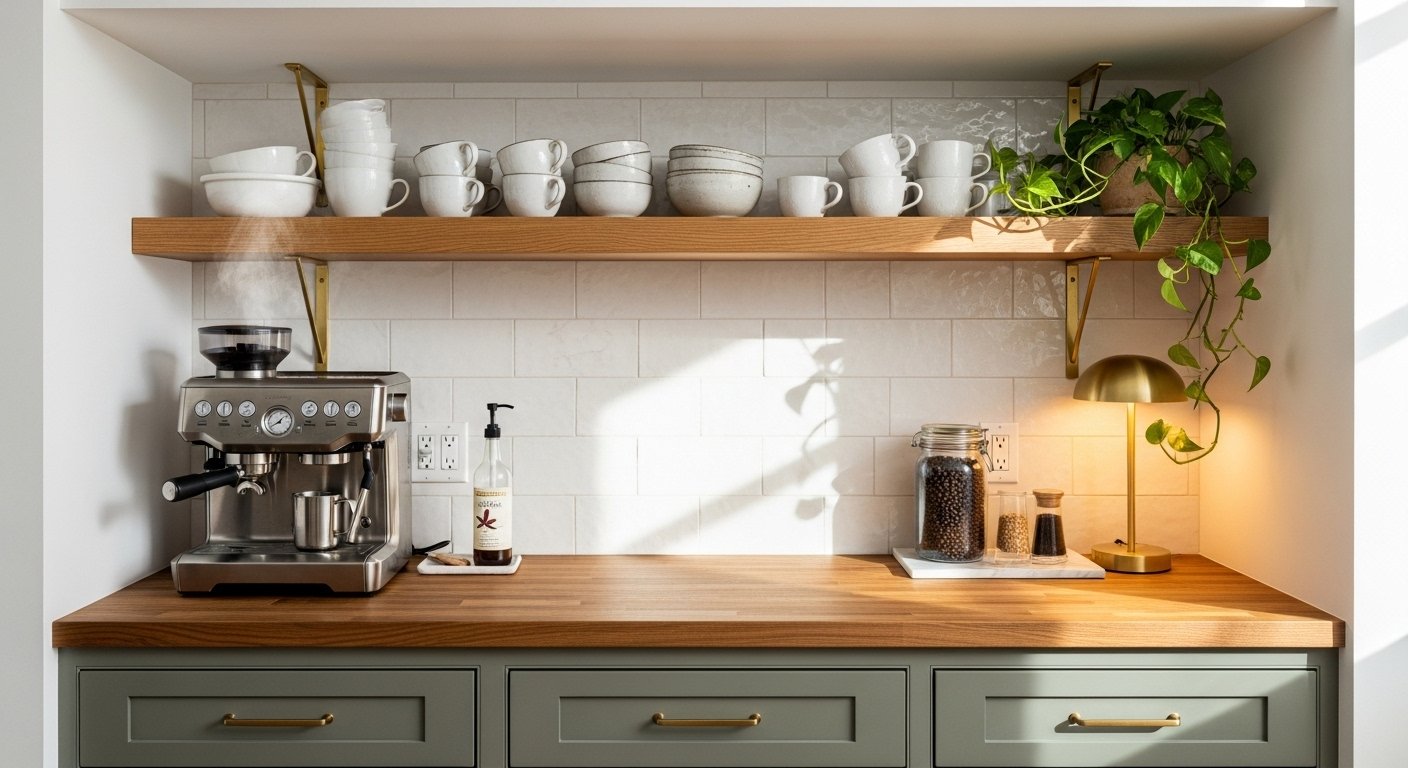
Building a diy coffee bar is a total game changer for your morning routine. Most of us start our day with a caffeine fix. Having a dedicated spot for it makes life so much easier. You do not need a huge kitchen to make this work. Even a small corner can become a functional nook. Many people are now turning unused spaces into beautiful beverage stations. This guide will show you exactly how to do it. You can save money and add serious style to your house. Let’s dive into how you can build your dream coffee setup.
Introduction to Home Coffee Stations
The home cafe trend is blowing up right now. It is all about bringing that coffee shop vibe into your own kitchen. A dedicated diy coffee bar helps keep your counters clear of clutter. It gives you a specific place for mugs, beans, and machines. This setup makes hosting guests way more fun and organized. You will love having everything in one easy spot. It is a great way to show off your personality through decor. Plus, it adds real value to your home remodeling efforts.
- Better Organization: Keeping all your supplies in one place stops the morning mess.
- Cabinet Space: Moving mugs to the bar frees up your main kitchen cabinets.
- Daily Ritual: A beautiful station makes your first cup feel extra special.
- Hosting Ease: Guests can help themselves without crowding your cooking area.
Planning and Identifying the Perfect Location
Finding the right spot is the first big step for your diy coffee bar. Look around your house for underutilized areas. You might have a wall that feels a bit empty. Or maybe there is a corner that just collects dust. A good location should be easy to reach from the kitchen. It needs to be near an outlet for your appliances. Think about how you move through your home in the morning. You want the flow to feel natural and easy.
Repurposing Unused Spaces
You can get really creative with where you put your station. Some people use an unused coat closet to create a built-in look. This is a genius way to use a space you do not really need. A small wall next to the fridge is another popular choice. You can even use a hallway niche or a pantry corner. If you have a 1970s home, you might have odd gaps to fill. These spots are perfect for a functional diy coffee bar.
Proximity to the Kitchen
The best diy coffee bar is close to where you spend your time. Most folks like it near the dining room or kitchen. This makes it easy to grab cream from the fridge. You do not want to walk across the whole house for a refill. It should feel like an extension of your main kitchen renovation. Keeping it nearby makes cleaning up much faster too.
Assessing Utility Needs
Before you start building, check your power sources. Coffee makers and grinders need electricity. You should make sure there is a nearby outlet. If you want a bar sink, you will need water access. Plumbing can be a bit more work but it is worth it. Think about the light in the area as well. A dark corner might need some extra lamps or puck lights.
Traffic Flow Analysis
Make sure your station does not block any doors. You do not want to create a bottleneck in the morning. People should be able to walk past while you brew. Check if there is enough room to open drawers fully. If the space is tight, consider a compact space design. The goal is to make life easier, not more crowded.
Design Concepts for Every Space
Creating a diy coffee bar requires a solid plan that fits the specific layout of your home. Not everyone has a massive kitchen with endless counter space to spare. You have to look at your square footage and decide which design style solves your storage problems. Some people want their coffee gear on full display like a piece of art. Others prefer to tuck everything away behind cabinet doors to keep the room looking tidy. The right concept depends on your daily habits and how much coffee gear you own.
Built-in Coffee Bar Nooks

A built-in nook is the ultimate way to make your diy coffee bar look like it was part of the original house plan. This concept works best if you can find a recessed area or an old closet to transform. By removing a closet door and finishing the inside with cabinets and tile, you create a permanent furniture piece. This setup is perfect for deep storage because you can use full-sized base cabinets. It also allows you to define the coffee zone with a different paint color than the rest of the room.
- Widened Openings: Removing trim or widening a doorway helps the nook feel integrated and less like a dark hole in the wall.
- L-Shaped Recesses: If your wall has a corner turn, use that small side space for narrow features like a vertical plate rack.
- Integrated Look: Adding crown molding at the top of your upper cabinets makes the station feel like a high-end custom build.
- Structural Benefits: Built-in units are very sturdy and can hold heavy espresso machines and grinders without any wobble.
Small Space and Corner Solutions

When you are working with limited room, a small diy coffee bar needs to be efficient and smart. You can turn a tiny 24-inch wide corner into a fully functional brewing station with the right layout. The key is to use vertical space instead of spreading out horizontally across your counters. Small stations often feel cozier and can be tucked into a dining room or even a home office. These designs prove that you do not need a lot of square footage to have a luxury experience.
- Floating Shelves: Using two or three open shelves above a small cabinet provides plenty of room for mugs without crowding the eye.
- Slim Appliances: Choose machines that are narrow and deep rather than wide to leave room for your sugar and stirrers.
- Wall-Mounted Accessories: Use a brass rail or hooks under your shelves to hang mugs and free up the actual shelf space for jars.
- Corner Cabinets: Special corner units can maximize “dead space” that usually goes unused in a standard kitchen layout.
Luxury Countertop Cabinets
The countertop cabinet concept is a favorite for those who love a clean, minimalist look. This involves building a cabinet that sits directly on top of your existing countertop. Usually, these have pocket doors or “garage” doors that slide up or back. It allows you to keep your diy coffee bar hidden when you are not using it. This is a great solution if you have plenty of counter length but want to hide the visual clutter of cords and pods.
- Appliance Garages: These specialized cabinets keep your brewer out of sight but easily accessible for your morning routine.
- Uniform Aesthetics: By using the same wood or paint as your main kitchen, the station blends in perfectly for a seamless transition.
- Internal Power: You can hide the outlets inside the cabinet so you never have to see messy power cords on your backsplash.
- Dust Protection: Keeping your coffee gear inside a cabinet keeps it cleaner and free from kitchen grease or dust.
Beverage Center and Coffee Corner Combo
If you love hosting or have a large family, a combo station is a fantastic design choice. This concept combines your diy coffee bar with a dry bar or a wine station. You can install a small beverage fridge in the lower section for milk, cream, and cold brew. The upper section can house your coffee machine alongside wine glasses or cocktail tools. This creates a versatile zone that works for morning caffeine and evening entertaining.
- Dual Functionality: This setup saves space by grouping all your beverage needs into one central location in the home.
- Fridge Integration: A glass-front beverage fridge adds a modern, high-tech look to your cabinetry setup.
- Glassware Display: Open shelving is perfect for mixing ceramic coffee mugs with sparkling glassware for a curated look.
- Host-Friendly Design: Guests can easily find everything from water to espresso without ever entering your main cooking triangle.
Under-Stair Transformations
One of the most creative ways to build a diy coffee bar is to look under your staircase. This area is often closed off and wasted, but it provides the perfect depth for a counter. Because the ceiling is sloped, you can get very creative with custom shelving. An under-stair bar feels like a hidden gem in your home and makes great use of every square inch. It is an excellent way to add a functional nook in a hallway or living room.
- Sloped Shelving: Custom-cut shelves that follow the angle of the stairs provide a unique architectural detail.
- Recessed Lighting: Because these spots can be dark, adding LED tape lights or puck lights is essential for the design.
- Hidden Potential: This transformation turns a boring structural area into a major talking point for anyone visiting your home.
- Compact Efficiency: Even with a low ceiling at one end, you can fit a grinder or a storage jar in the shortest section.
Building Materials and Structural Requirements
Quality materials make your diy coffee bar last a long time. You don’t need to spend a fortune, though. Simple building materials like sanded plywood work wonders. Using stock cabinetry is a smart way to stay budget-friendly.
The Foundation and Cabinetry
A solid base is key for any built-in project. You can build a 2×4 foundation to set your cabinets on. This helps you get the exact height you want for your station. 24-inch drawer base cabinets provide a lot of storage. You can also use 30-inch cabinets if you have more room. Adding side panels makes the whole unit look professional and finished.
Countertops and Finishes

Your countertop needs to be tough and look good. Espresso butcher block is a popular choice for a warm vibe. You can also use plywood and finish it with walnut edge banding. This gives it a high-end look for a fraction of the cost. Make sure to use a finish that can handle heat and water. An arched toe kick at the bottom adds a nice custom touch.
Shelving and Backsplash Details
Shelves are where you show off your favorite mugs. Poplar boards or walnut boards are great for diy coffee bar shelving. Floating kitchen shelves look modern and keep the area feeling open. For the wall, a tile backsplash adds a lot of style. Zellige tile is a top choice for a textured, organic look. Using a nice grout color like bone can finish the look perfectly.
- Poplar Boards: These are easy to work with and take stain well.
- Walnut Boards: These add a rich, dark feel to the project.
- Varathane Espresso: This stain gives a deep, coffee-like color to wood.
- European Gold: Use this for a bit of glam on your shelf brackets.
Technical Infrastructure: Power, Plumbing, and Ventilation
Your diy coffee bar needs more than just good looks. It has to work well every single day. That means planning for power and water. Safety is super important when dealing with appliances. You also want to protect your cabinets from heat and steam.
Electrical Planning for High-Wattage Appliances
Coffee machines use a lot of power. It is smart to have a dedicated circuit for your station. This prevents you from tripping the breaker when you use the microwave and brewer at once. Think about where your outlets will go. You don’t want ugly cords hanging everywhere. Pop-up outlets are a cool way to hide them. You can even use smart plugs to start your brewer from your bed.
Water and Drainage
Having water right at your station is a luxury. A bar sink makes it easy to fill your water reservoir. If you can’t add a sink, a direct water line to the machine is great. This refills the brewer automatically so you never run out. Installing a water filtration system under the counter is a smart move too. It makes your coffee taste better and protects your machines from scale.
Managing Steam and Heat
Steam can ruin the finish on your upper cabinets. Make sure there is enough space above your kettle or brewer. If the area is tight, you might need a small vent. Heat shields can also protect the bottom of your shelves. These are simple to install and save your wood from warping over time.
Essential Coffee Bar Equipment and Appliances
The gear you choose makes the coffee. You want machines that fit your space and your taste. For a small diy coffee bar, compact appliances are best.
Brewing Hardware
Choose a brewer that matches how you like to drink. Some people love a classic drip coffee maker. Others prefer a fast espresso machine. A Keurig is great for a quick cup on busy mornings. If you have limited room, look for slim models like the De’Longhi Dedica Arte.
- French Press: Simple to use and doesn’t need power.
- Coffee Grinder: Freshly ground beans make the best cup.
- Electric Tea Kettle: Perfect for tea drinkers or pour-over coffee.
Microwave Integration
Many people like a microwave in their coffee nook. It is great for reheating that forgotten cup of joe. If you have a small space, get a 0.7 cubic feet model. A stainless steel or cream finish can look really sharp. A mirrored door can even help reflect light and make the nook look bigger.
Luxury Add-ons
If you have the budget, go for some high-end features. A built-in coffee maker like a Bosch looks amazing in the wall. A beverage fridge is perfect for keeping milk and cream cold. This stops you from having to run to the main fridge every time. These additions make your diy coffee bar feel like a professional setup.
Storage and Organization Strategies
Good storage keeps your diy coffee bar from getting messy. You want a place for everything, from beans to spoons. Drawers and cabinets are your best friends here.
- K-Cup Pods: Store these in a top drawer for easy access.
- Table Linens: Keep napkins and cloths in lower cabinets.
- Canisters: Use airtight jars to keep beans and grounds fresh.
- Syrup Racks: A narrow pull-out can hold all your flavored syrups.
Styling and Aesthetic Customization

Styling is the fun part where you make it yours. You can change the look of your diy coffee bar with simple decor. Mixing different textures and colors adds a lot of interest.
Curating the Look
Don’t just put practical items on your shelves. Add some art or small plants to make it feel cozy. A touch lamp is a sweet way to add soft light in the morning. You can use antique pottery for a unique, lived-in feel. The goal is to create a haven maker vibe in your home.
Functional Decor
Everything on your bar can look good and be useful. Use pretty mugs that match your color scheme. A small chalkboard can show a fun “coffee of the day” menu. Baskets are great for hiding extra supplies or tea bags. You can even swap out decor for different seasons or holidays.
Advanced Lighting Design

Lighting sets the mood for your diy coffee bar. Under-cabinet LED strips are perfect for seeing what you are doing. They illuminate the work zone and look very modern. Puck lights can highlight your favorite mugs or a piece of art. Good lighting makes the whole nook feel high-end and inviting.
Maintenance and Longevity
To keep your station looking new, you need a plan. Spills happen, so you want surfaces that are easy to clean. Butcher block needs regular oiling to stay in good shape.
- Daily Wipedowns: Keep your counters clear of grounds and water spots.
- Descaling: Clean your machines often to keep them running well.
- Protective Mats: Use silicone mats under your brewer to catch drips.
- Grout Cleaning: Keep your tile backsplash looking fresh with regular care.
Expert Recommendations for Hardware and Paint Colors
Choosing the right finishes is the secret to making a diy coffee bar look like it was designed by a professional. You want the colors and metals to complement each other and flow with the rest of your home. Small details like the weight of a handle or the sheen of a paint can change the entire vibe of the room. Here are some specific recommendations to help you finish your project with style.
Trending Paint Colors for Coffee Nooks
The color of your cabinetry sets the backdrop for your entire station. While white is a classic choice, many homeowners are leaning toward deeper tones for a cozy cafe feeling. If you want a nature-inspired look, consider earthy greens or blues. These colors make white mugs and wooden shelves pop beautifully.
- Pewter Green by Sherwin Williams: This is a deep, calming green that looks amazing with gold hardware.
- Retreat by Sherwin Williams: A slightly lighter version of a moody green that feels very organic.
- Swiss Coffee by Benjamin Moore: The perfect off-white that isn’t too yellow or too bright.
- Iron Ore by Sherwin Williams: A soft charcoal black for those who want a modern and bold diy coffee bar.
- Boothbay Gray by Benjamin Moore: A coastal blue-gray that feels light and airy in small spaces.
Hardware and Bracket Finishes
Hardware is the jewelry of your diy coffee bar. It is an easy way to add a touch of luxury without spending much money. You can match the metals to your kitchen or try something different for a unique look. Mixing metals is also very popular right now for a curated feel.
- Brushed Gold Triangle Brackets: These add a modern, geometric touch to your floating shelves.
- Matte Black Drawer Pulls: These look clean and sharp against wood or painted cabinets.
- Antiqued Brass Knobs: Perfect for a modern traditional or vintage-inspired coffee nook.
- Polished Nickel: A classic choice that feels more high-end than standard chrome.
- Leather Tab Pulls: An unexpected choice that adds texture and warmth to your drawer fronts.
Protective Coatings and Wood Stains
Because your diy coffee bar will deal with water and steam, protection is key. You need a finish that won’t peel or cloud over time. Stains should be rich in color to give the wood a high-quality appearance. Always test your stains on a scrap piece of wood first.
- Varathane Espresso Stain: Provides a very dark, uniform color that mimics high-end walnut.
- Dark Walnut Gel Stain: Gel stains are thicker and easier to control on vertical surfaces.
- Water-Based Polycrylic: Use this as a top coat because it doesn’t yellow over time like oil-based finishes.
- Butcher Block Oil: Essential if you are using a wood countertop for your station.
- Rub n’ Buff European Gold: A great way to quickly change the color of existing metal brackets.
Sinks and Plumbing Fixtures
If you are adding a bar sink, the faucet can be a major focal point. Since the sink is usually small, you should choose a faucet with the right proportions. A high-arc faucet makes it easier to fill tall coffee carafes.
- Bridge Faucets: These add a beautiful vintage or farmhouse charm to your built-in area.
- Single Handle Pull-Down: Great for cleaning up spills and rinsing the sink quickly.
- Champagne Bronze Finish: A soft gold tone that feels very modern and warm.
- Hammered Copper Sinks: These add incredible texture and a unique focal point to a dry bar.
- Matte Black Bar Sinks: These hide coffee stains better than white porcelain options.
Conclusion and Inspiration for Future Projects
Creating a diy coffee bar is a rewarding home improvement project. It makes your mornings better and your home more beautiful. Whether you use a closet or a tiny corner, every inch counts. This project is often the start of even bigger kitchen renovations. It teaches you about cabinetry, tiling, and styling. We hope this guide inspires you to build your own functional nook soon.
| Design Type | Space Requirements | Structural Requirements | Visual Aesthetic & Look |
| Built-In Nook | Medium to Large (Closet conversion or wall recess) | 2×4 framing, drywall finishing, and cabinet installation. | Integrated and permanent; looks like a high-end custom architectural feature. |
| Small Space Corner | Minimal (Unused kitchen corner or end of counter) | Slim-profile cabinetry and vertical floating shelves. | Cozy and efficient; focuses on maximizing every inch with a curated, compact feel. |
| Dry Bar Combo | Medium (30″ to 48″ width) | Lower cabinet cutout for a beverage fridge and heavy-duty shelving for glassware. | Sophisticated and social; blends the morning coffee ritual with evening entertaining. |
| Appliance Garage | Countertop area with upper cabinet access | Deep upper cabinets with “tambour” or pocket doors. | Minimalist and ultra-clean; hides all cords and machines behind closed doors when not in use. |
| Bistro Style | Small to Medium (Wall-mounted) | Metal or brass wall rails and glass shelving; no heavy base cabinets needed. | Airy, light, and European-inspired; highlights beautiful glassware and metal accents. |
| Under-Stair Station | Variable (Fits the slope of the staircase) | Custom-angled cabinetry and recessed lighting for dark corners. | Creative and unexpected; turns “dead space” into a clever, hidden gem. |
| Floating Shelf Hybrid | Medium (Standard wall space) | Secure wall anchors for heavy shelves and an repurposed upper cabinet. | Balanced and modern; offers a mix of hidden storage and open, accessible display. |
| Microwave Nook | Small (30″ width) | Integrated shelving at eye level or below-counter microwave drawer. | Functional and streamlined; centralizes all “quick-heat” appliances in one zone. |
FAQs
What is the average cost of building a DIY coffee bar?
The cost can vary significantly depending on the scope. A simple setup using existing countertops and floating shelves can cost between $100 and $300. However, a full built-in project with stock cabinets, butcher block counters, and new tiling typically ranges from $500 to $1,500.
Do I need a permit to add a bar sink to my coffee station?
In most jurisdictions, adding a new water line or drain requires a basic plumbing permit. If you are simply tapping into an existing line behind a kitchen wall, it may be simpler, but always check your local building codes to ensure safety and compliance.
How do I hide unsightly appliance cords?
Beyond using appliance garages, you can drill a small hole in the countertop equipped with a desk grommet to feed cords into the lower cabinet. Another trick is using adhesive cord clips along the back of the machines to keep them tucked neatly against the backsplash.
What is the best lighting temperature for a coffee nook?
For a cozy, cafe-like atmosphere, choose “Warm White” bulbs (2700K to 3000K). Avoid “Daylight” or “Cool White” bulbs (5000K+), as they can feel too clinical and harsh for a relaxing morning routine.
How can I child-proof a coffee bar?
Coffee bars often contain hot liquids and heavy machines. Ensure all heavy appliances are pushed back far from the edge. Use cabinet locks on lower drawers where you store glass mugs or heavy syrups, and keep all cords short and tucked away so children cannot pull on them.
What is the best way to organize coffee syrups?
Vertical space is your friend. Use a tiered “stadium-style” spice rack or a rotating Lazy Susan to keep syrups visible and accessible. For a cleaner look, decant syrups into matching glass bottles with uniform labels and weighted pourers.
Can I build a coffee bar if I am renting?
Absolutely. Use a freestanding sideboard or a bar cart instead of built-ins. You can use “renter-friendly” upgrades like peel-and-stick tiles for the backsplash and battery-powered puck lights instead of hardwired electrical fixtures.
How do I prevent my coffee grinder from vibrating across the counter?
Burr grinders can produce significant vibration. Placing a heavy-duty silicone mat or a dedicated rubber “tamping mat” under the grinder will absorb the shock, reduce noise, and keep the machine from shifting during use.
What are the standard dimensions for a built-in microwave?
Most compact microwaves meant for built-in nooks are roughly 17 to 20 inches wide and 10 to 12 inches high. Always ensure you leave at least one to two inches of clearance on all sides for proper ventilation to prevent overheating.
How do I choose between a single-serve pod machine and a bean-to-cup machine?
Choose a pod machine (like a Keurig or Nespresso) if your priority is speed and zero cleanup. Choose a bean-to-cup or espresso machine if you prioritize flavor quality, customization, and are willing to spend a few minutes on the brewing process.
Is butcher block a high-maintenance choice for a coffee bar?
It requires more care than quartz or laminate. You must seal it with food-grade mineral oil or conditioner every few months. However, it is the only surface that allows you to sand out scratches or stains, making it very durable over the long term.
How do I store coffee beans to keep them fresh?
Light, air, and moisture are the enemies of fresh beans. Store them in an airtight, opaque canister rather than a clear glass jar. Keep the canister in a cool, dark part of your coffee bar, away from the heat generated by the espresso machine.
What should I look for in a coffee bar trash can?
Look for a small, “countertop” style bin or a hidden pull-out bin in the lower cabinet. This is essential for quickly discarding used pods, tea bags, or coffee grounds without walking across the kitchen.
Can I use peel-and-stick tile for the backsplash?
Yes, high-quality peel-and-stick tiles are a great way to save money and effort. Just ensure the wall is perfectly clean and dry before applying. Note that real ceramic tile (like Zellige) will have a longer lifespan and better resale value.
How do I manage the heat from an electric kettle?
Electric kettles release a high volume of steam. Avoid placing them directly under wooden cabinets. If you must, use a pull-out “appliance slider” tray so you can pull the kettle forward and away from the cabinets while it is boiling.
What are some eco-friendly coffee bar ideas?
Switch to reusable K-cups or a French press to eliminate pod waste. Use cloth napkins instead of paper ones, and look for “upcycled” furniture pieces or thrifted cabinets to use as the base of your station.
How deep should my coffee bar counter be?
A standard kitchen counter is 24 to 25 inches deep, which is ideal. However, in small spaces, you can go as shallow as 15 to 18 inches as long as your specific coffee machine fits safely within that depth.
Do I need a special outlet for a beverage fridge?
Most small beverage centers can run on a standard 120V outlet. However, if you are also running a high-wattage microwave and espresso machine, you should ensure they aren’t all drawing power from the same single outlet to avoid blown fuses.
How can I incorporate a “coffee menu” into the decor?
Frame a small chalkboard or use a “letter board” to display the house blends or seasonal specials. This adds a whimsical, professional cafe touch and is a great conversation starter for guests.
What is the best way to clean a coffee-stained grout line?
Mix a paste of baking soda and water, apply it to the grout, and let it sit for 10 minutes before scrubbing with a stiff brush. For a coffee bar, sealing your grout after installation is a vital step to prevent stains from soaking in.

