


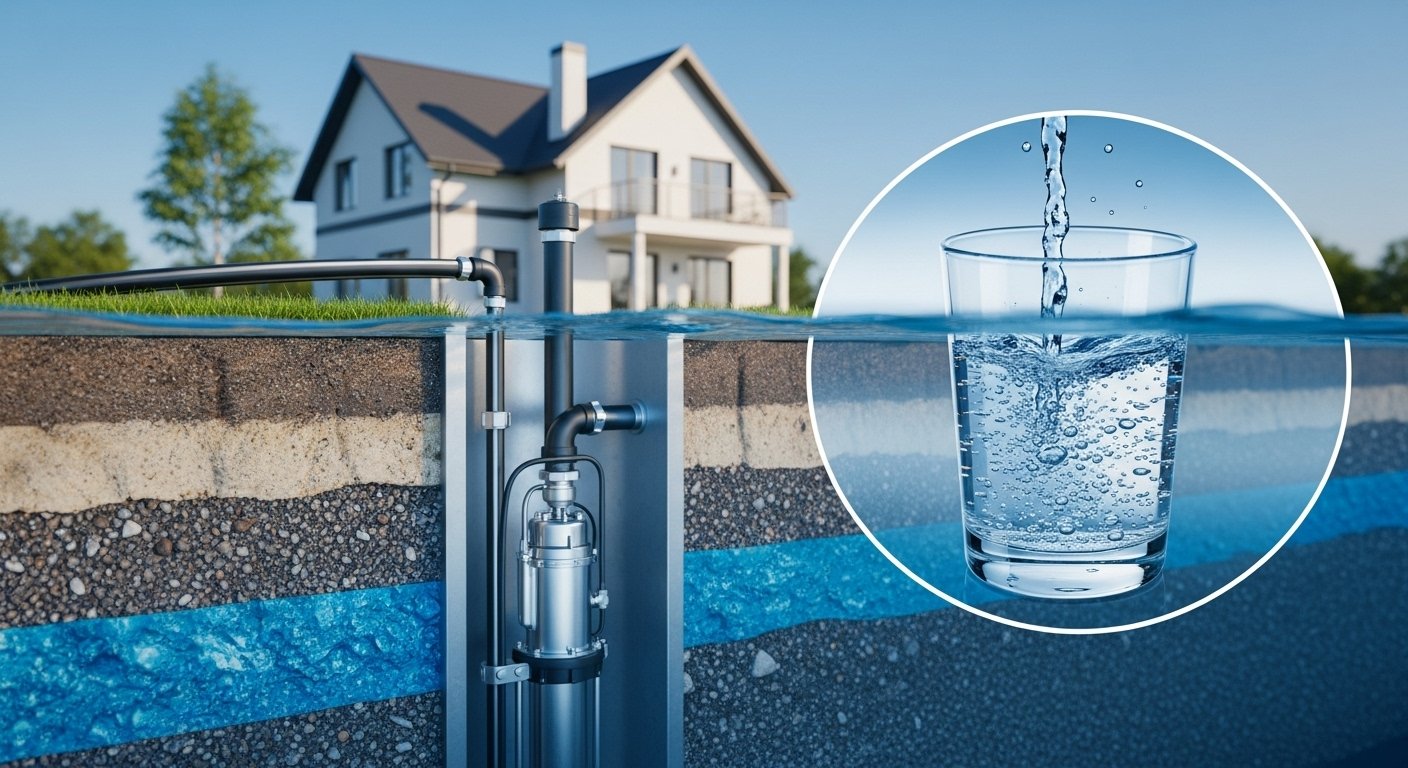
Having a private well is pretty cool because you get your own water. But it also means you are the boss of the plumbing. One big question every homeowner asks is how long does a water pump last. Knowing this helps you save money and avoid a dry house. This guide will walk you through everything you need to know. We will cover pump types, maintenance, and when to get a new one.
Understanding Well Pump Basics and Mechanics
A well pump is basically the heart of your home water system. It sits deep underground or in your basement to pull water up. Without it, your sinks and showers would stay dry. It works by using pressure to move water through pipes. This system ensures you have a steady flow for your daily needs.
The depth of your well really matters when picking a pump. Some wells are very shallow while others go down hundreds of feet. A pump that works at twenty feet won’t work at two hundred feet. The distance to the water table dictates which mechanics your pump needs. Engineers design these tools to handle specific types of pressure and gravity.
Your pump does not work alone in the dark. It has a best friend called the pressure tank. The pump pushes water into the tank until it reaches a set level. When you turn on the tap, the tank sends water out first. This keeps the pump from turning on every single time you wash your hands. It is a team effort to provide a consistent flow of water.
Common Types of Well Pumps and Their Applications
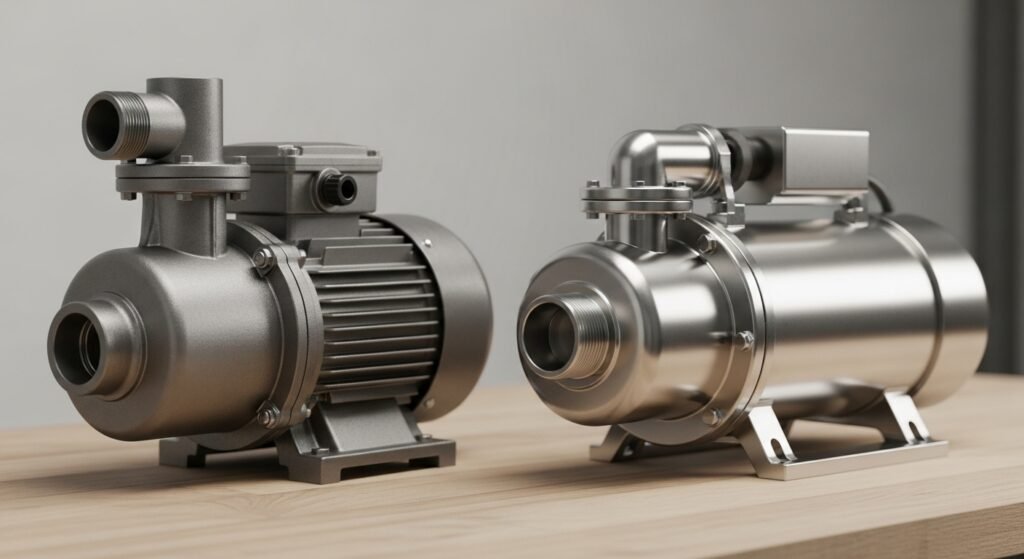
Choosing the right pump depends on how deep your water is hiding. There are three main types people use in their homes today. Each one has its own special way of getting the job done. Let’s look at how they differ and why it matters for you.
Jet Well Pumps
- Shallow Well Jet Pumps are single-pipe systems built for depths of 25 feet or less.
- Deep Well Jet Pumps use two pipes and can reach water more than 100 feet down.
- Pros and Cons include how easy they are to fix since they sit above ground.
- Efficiency is sometimes lower in jet pumps compared to newer submersible models.
Centrifugal Well Pumps
These pumps are fairly simple and use a single pipe for suction. They work best when your water is very close to the surface. Most pros only use them for shallow water columns under 25 feet. They are not great for deep wells because they lack the power to pull water up high. You might see these used in older homes or for small garden wells.
Submersible Well Pumps
Submersible pumps are the most popular choice for modern homes right now. They are long, thin cylinders that live inside the well itself. Instead of pulling water like a straw, they push it up from the bottom. This is much more efficient than trying to suck water up from above. They stay submerged in water all the time to stay cool during work.
- Industry Standard status comes from their reliability and high performance.
- Submerged Operation means they are quiet since the noise stays underground.
- Versatility allows them to work in shallow wells and extremely deep wells alike.
How Long Do Water Well Pumps Last?
Everyone wants to know how long does a water pump last so they can plan ahead. It is not a cheap fix, so knowing the timeline is super helpful. Most pumps will give you many years of good service if you treat them right. However, several things can shorten that time or help it last longer.
Average Lifespan Benchmarks
- 8 to 10-Year Standard is what most people expect from a typical modern pump.
- 15-Year Milestone is common for homes that do not use a ton of water.
- 25-Year Exception happens when you buy a top-quality pump and keep it clean.
Factors That Influence Longevity
The frequency of use is a major factor in how fast things wear out. A big family using water all day puts more stress on the motor. Every time the pump clicks on, the parts move and generate heat. Over time, this heat and movement cause the mechanical parts to get tired. A pump that runs less often will naturally live a longer life.
Water quality also plays a huge role in the health of your pump. If your water has lots of sand or sediment, it acts like sandpaper. It rubs against the internal parts and wears them down quickly. Corrosive minerals can also eat away at the metal housing of the pump. Clean water helps the pump run smoothly without any extra friction or damage.
The quality of installation is the foundation for a long-lasting system. If a pro installs it correctly, the electrical wiring will stay dry and safe. Proper positioning inside the well ensures the pump does not suck up dirt. It also needs enough room to stay cool while it is running. A bad install job can ruin even the most expensive pump in months.
Sizing Your Well Pump for Maximum Efficiency
Getting the right size pump is like buying shoes that actually fit. If it is too big or too small, you are going to have problems. An incorrectly sized pump will die way before its time. You need to match the pump’s power to your house’s specific needs. This keeps everything running smoothly for a long time.
The Dangers of Improper Sizing
- Over-Sized Pumps turn on and off too fast, which is called short-cycling.
- Sediment Issues occur when a big pump pulls water too hard from the well floor.
- Under-Sized Pumps never get a break because they struggle to meet your demand.
- Motor Strain happens when a small motor works too hard to push water uphill.
Calculating Household Water Needs
You should plan for about 100 to 120 gallons of water per person every day. This covers showers, toilets, laundry, and drinking water for everyone. If you have a big family, you need a pump that can keep up. You also have to think about the flow rate in your home. A good flow rate is usually between 6 to 12 gallons per minute.
- Standard Usage helps you pick a pump that won’t get overwhelmed.
- Flow Rate ensures you can run the shower and the dishwasher at the same time.
- Home Expansion means you might need a bigger pump if you add a bathroom.
- Irrigation for a lawn or garden adds a lot of extra work for your pump.
The Role of Horsepower
Higher horsepower is not just about power; it is about efficiency. A stronger motor can move more water in a shorter amount of time. This means the pump runs less frequently throughout the day. When it runs less, it stays cooler and lasts much longer. It is often worth it to pay a bit more for extra horsepower up front.
| Feature | Low Horsepower | High Horsepower |
| Run Time | Long cycles | Short cycles |
| Stress | High strain | Low strain |
| Lifespan | Shorter | Longer |
| Power Use | Consistent | Efficient |
Identifying Signs of a Failing Well Pump
You don’t want to wake up with no water at all. It is better to spot the warning signs before the pump totally quits. Your plumbing will usually try to tell you when something is wrong. Paying attention to these clues can save you from an emergency. Here is what you should look for in your daily routine.
Fluctuations in Water Pressure
Sudden drops in pressure are a classic sign that your pump is tired. You might notice the shower getting weak for a few seconds. This happens when the pump can’t keep the pressure tank full enough. It could also mean the internal parts are starting to slip. If the flow feels lower than it used to be, something is wrong.
Water Quality Issues
- Dirty Water might mean your pump is sitting too low in the well.
- Cloudy Water can be a sign that the pump is pulling in silt or sand.
- Failed Screens allow debris to enter the pump and cause major damage.
- Odors can happen if the pump is failing and allowing bacteria to grow.
Unusual Sounds and Physical Symptoms
If your faucets are “spitting” air, you might have a leak in a pipe. This air gets trapped and causes a sputtering sound when you turn the tap. You might also hear “water hammer,” which sounds like a loud bang in the walls. Mechanical vibrations from the wellhead are also a bad sign for the motor. Healthy pumps should be very quiet and provide a smooth stream of water.
Operational Red Flags
A pump that never turns off is a massive emergency for your wallet. It will burn out the motor and skyrocket your electric bill very quickly. This usually means the pump can’t reach the “cut-off” pressure it needs. On the flip side, “short-cycling” is when it clicks on and off every minute. Both of these issues mean your system is under heavy stress and needs help.
Troubleshooting Before Replacement
Don’t panic and buy a new pump right away if the water stops. Sometimes the fix is actually very small and cheap. You should do a little detective work before calling the pros for a replacement. A few simple checks can tell you if the problem is electrical or mechanical. You might save yourself thousands of dollars with a quick look.
Electrical Checks
- Circuit Breakers should be checked first to see if a fuse just blew.
- Power Supply needs to be steady for the pump to run at full speed.
- Wiring at the wellhead can get chewed by critters or rusted by rain.
- Reset Buttons on some pump controllers can be pushed to restart the system.
Component Testing
The pressure switch is a small box that tells the pump when to work. If this switch gets dirty or broken, the pump won’t know it needs to run. You should also check the pressure tank by tapping on the side. If it sounds “thuddy” and full of water, the air bladder might be popped. These parts are much cheaper to replace than the whole pump itself.
External Factors
Sometimes the pump is fine, but the well itself is having a hard time. If the water table in your area drops, the pump might not reach the water. This can happen during a long drought or if a neighbor digs a deeper well. You should also look for hidden leaks in the pipes under your yard. A hole in a pipe will make the pump work as if it is failing.
The Water Well Pump Replacement Process
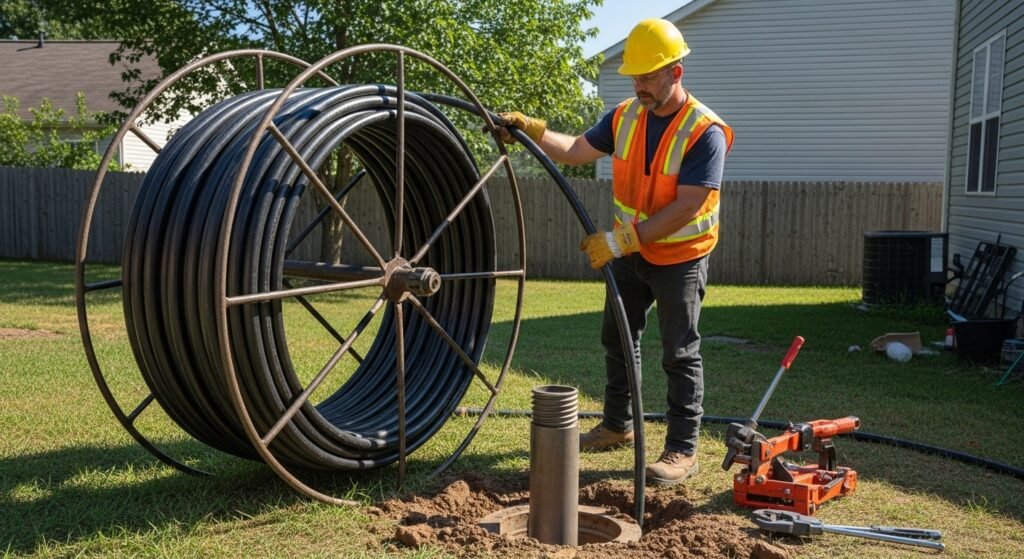
If your pump is truly dead, it is time to get a new one. This process involves more than just swapping out a motor. You want to make sure the new system is better than the old one. Planning the replacement correctly will ensure you don’t have to do it again soon. Here is how the pros handle a full pump replacement.
When to Repair vs. When to Replace
If your pump is less than five years old, you should probably try to fix it. At that age, it is likely just a small part that wore out too soon. But if the pump is over ten years old, a repair is often a waste. The cost of labor to pull a deep pump is high, so you might as well get a new one. A pro can help you do a cost-benefit analysis for your specific home.
Selecting the Right Replacement
- Matching Specs means the new pump must fit inside your existing well pipe.
- Technology Upgrades let you move from old jet pumps to better submersible ones.
- Efficiency Ratings should be checked to help save money on your monthly power bill.
- Warranty Length is important so you are protected if the new pump has a defect.
Professional Installation Steps
A pro will start by doing a flow test to see how much water your well produces. Then they will pull out the old pump using special heavy machinery. Once the new pump is down there, they will “shock” the well with chlorine. This kills any germs that got in while the well was open to the air. Finally, they will test the pressure switch to make sure it clicks at the right time.
Maintenance Strategies to Extend Pump Life
You can make your pump last much longer by being a proactive owner. A little bit of care goes a long way in preventing big, expensive breaks. You don’t have to be an expert to keep an eye on things. Just paying attention and doing basic chores will help your water stay flowing. Here is your roadmap for long-term pump health.
Annual Professional Inspections
- Motor Testing helps identify if the pump is drawing too much electricity.
- Voltage Checks ensure your home’s power isn’t damaging the sensitive motor.
- Line Inspections find small leaks before they turn into giant yard puddles.
- Cleaning the pressure switch can prevent the pump from getting stuck in “on” mode.
DIY Preventative Care
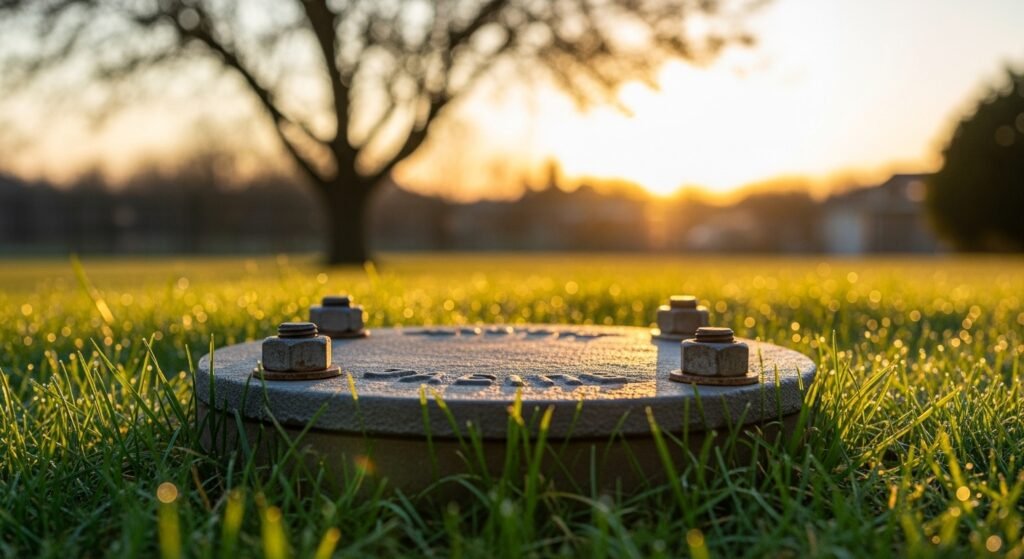
Be mindful of how much water you use during the busiest parts of the day. If everyone showers while the laundry is running, the pump has to work overtime. Try to space out big water tasks to give the pump a break. You should also make sure the well cap is on tight and clear of weeds. This keeps dirt and bugs from falling down and clogging your expensive equipment.
| Task | How Often | Why it Matters |
| Check Breaker | Monthly | Prevents power surges |
| Inspect Well Cap | Every 6 Months | Keeps water clean |
| Professional Tune-up | Once a Year | Catches big problems early |
| Check Tank Pressure | Every 6 Months | Protects the pump motor |
Expert Checklist for Your Next Well Pump Inspection
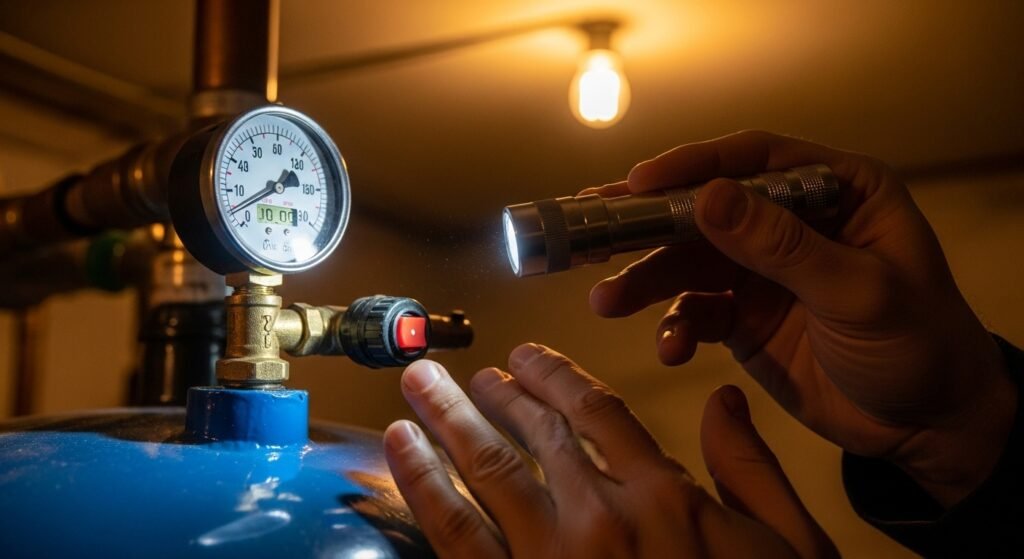
Taking care of your well system does not have to be a headache. You can do some of these checks yourself to stay ahead of trouble. A regular look at your gear keeps the water flowing and saves your wallet. Use this handy checklist to make sure nothing gets missed during your next inspection.
Visual Inspection of the Wellhead and Casing
- Check the Cap to make sure it is tight and has no cracks or holes.
- Clear the Area of any tall weeds, piles of wood, or junk near the well.
- Look for Damage on the casing pipe sticking out of the ground for any dents.
- Inspect the Seal to ensure no bugs or rain can crawl inside the well.
Testing the Pressure Tank and Switch
- Tap the Tank to hear if it sounds hollow or like it is full of water.
- Check the Gauge to see if the pressure stays steady when no water is running.
- Listen for Clicks from the pressure switch to make sure it turns on smoothly.
- Look for Rust or moisture on the bottom of the tank that might show a leak.
Monitoring Water Quality and Flow
- Check the Color of your water in a clear glass to look for dirt.
- Smell the Water to see if there are any funky odors like rotten eggs.
- Watch the Flow at your kitchen sink to see if the pressure drops suddenly.
- Time the Pump to see how long it runs before it shuts itself off.
Electrical and Safety Review
- Inspect the Wires leading to the pump for any signs of chewing or fraying.
- Check the Breaker box to see if any switches feel hot or look burnt.
- Clean the Switch contacts if you see any bugs or dust buildup inside.
- Verify the Grounding wire is still attached firmly to the metal well pipe.
Summary of Key Takeaways
Knowing how long does a water pump last is the first step in being a smart homeowner. Most pumps will give you about 10 to 15 years of solid service if you care for them. Choosing the right size and type of pump from the start is very important. It keeps your water pressure strong and your electric bills low for the long haul.
Always watch for signs like low pressure, strange noises, or cloudy water. If you see these red flags, do some basic troubleshooting before you assume the worst. Sometimes a simple electrical fix is all you need to get the water back on. But if your pump is old and tired, don’t be afraid to upgrade to a new, efficient model.
Proactive maintenance is the best way to save money and avoid stress. An annual checkup by a pro can catch tiny issues before they become disasters. Taking care of your well pump ensures your family always has clean, fresh water. It is a small investment of time that pays off with years of peace of mind.
Frequently Asked Questions
What is the average cost to replace a well pump?
The cost of replacing a well pump typically ranges from $1,000 to $2,500. This price depends heavily on the depth of the well, the horsepower of the pump, and whether you are using a jet pump or a submersible pump. Labor costs in your specific area will also play a large role in the final bill.
Can a well pump survive a lightning strike?
Lightning is a leading cause of sudden well pump failure. Since the pump is connected to a long metal casing and submerged in water, it acts as a natural ground for electrical storms. A strike can fry the motor or the control box instantly, often requiring a total replacement.
How do I know if my well is actually running dry instead of the pump failing?
If you turn on the tap and get a mix of air and water, or if the water takes a long time to recover after heavy use, the well itself may be low. A professional can perform a “drawdown test” to see if the water level in the ground is the issue rather than the mechanical pump.
Does a well pump affect the taste of my water?
A failing pump generally does not change the chemical taste of water, but it can affect the “texture.” If a pump is failing and pulling in sand or silt, the water may taste “earthy” or feel gritty. However, metallic tastes are usually caused by the pipes or the water chemistry itself.
Should I cover my wellhead during the winter?
In very cold climates, the pipes leading from the wellhead to the house can freeze. While the pump is deep enough to stay warm, the “pitless adapter” or the surface piping should be insulated. Using a decorative insulated well cover or a small “hot box” can prevent frozen lines.
Is it possible to replace a well pump myself?
While a handy homeowner can replace a shallow jet pump, replacing a submersible pump is a dangerous and difficult task. It involves pulling hundreds of feet of heavy pipe and working with high-voltage electricity. It is almost always safer and better to hire a licensed professional.
Why does my water pump keep tripping the circuit breaker?
If the breaker trips every time the pump starts, there is likely a short circuit in the motor windings or the underwater power cable. This is a serious electrical hazard and usually indicates that the pump motor has reached the end of its life.
Can solar power be used to run a well pump?
Yes, many homeowners are switching to solar-powered well pumps. These systems use DC motors specifically designed to run off solar panels. They are excellent for remote areas, though they may require a battery backup system to ensure you have water at night.
What is a constant pressure valve?
A constant pressure valve is an add-on that helps maintain a steady flow of water regardless of how many faucets are open. It prevents the “pressure drop” you feel when someone flushes a toilet while you are in the shower, and it can actually help the pump run more efficiently.
How does a power outage affect my water supply?
Since well pumps run on electricity, you will lose water pressure shortly after the power goes out. Your pressure tank holds a few gallons of “reserve” water, but once that is gone, you will not have running water until the power returns or you use a backup generator.
Does my well pump need a specific type of insurance?
Standard homeowners insurance often covers pump failure caused by “perils” like lightning or fire, but they rarely cover failure due to old age or wear and tear. You can often add a specific “mechanical breakdown” rider to your policy to cover well equipment.
Can a faulty pressure tank ruin a brand-new pump?
Absolutely. If the pressure tank’s internal bladder is broken, the pump will turn on and off every few seconds. This is called short-cycling, and it can burn out a brand-new motor in a matter of weeks. Always test the tank when installing a new pump.
What is the difference between a 2-wire and a 3-wire pump?
A 2-wire pump has all its starting components built into the motor underground. A 3-wire pump uses an external control box located in the house. 3-wire pumps are often easier to repair because the parts that break most often are located above ground in the box.
How deep can a submersible pump be installed?
Modern submersible pumps are incredibly powerful. Some models are designed to work at depths of 500 to 1,000 feet. The deeper the well, the more “stages” or impellers the pump needs to have to push the water all the way to the surface.
Does hard water shorten a pump’s life?
Hard water contains high levels of calcium and magnesium, which can create scale buildup inside the pump’s moving parts. Over time, this scale makes the motor work harder to move water, which can lead to overheating and early failure.
What is a “pump protector” or “dry-run” sensor?
This is a device that monitors the electricity going to the pump. If it senses that the pump is spinning but not moving water (which happens if the well runs dry), it shuts the power off automatically to prevent the motor from burning up.
Why is my well pump making a humming noise but not starting?
A humming noise usually means the motor is trying to start but is stuck. This could be due to a failed start capacitor in the control box or a “sand-locked” pump where debris is physically preventing the internal impellers from turning.
Should I disinfect my well every year?
While you don’t need to “shock” the well with chlorine every year, you should have the water tested for bacteria annually. If the test comes back positive for coliform or E. coli, you must disinfect the well and the pump immediately.
Can a well pump be repaired without pulling it out of the ground?
Only if the problem is in the above-ground components like the check valve, the pressure switch, or the control box. If the motor or the pump intake is damaged, the entire unit must be pulled out of the well for service.
How much electricity does a well pump use?
The average well pump uses between 700 and 1,500 watts of power while running. While this sounds like a lot, a properly sized system only runs for a few minutes an hour, making the overall impact on your monthly electric bill relatively low.
