 Skip to content
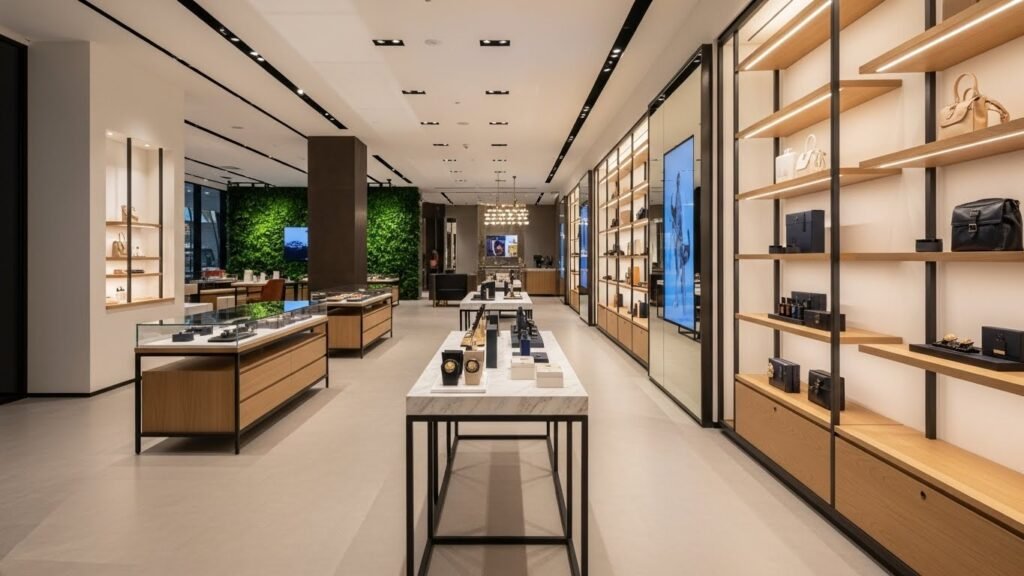
Building a store that people love is all about the vibes and the smarts. When you dive into shop interior design ideas, you have to think about how people feel when they walk in. It is not just about putting stuff on shelves. You want to create a world where your brand comes to life and makes people want to buy.
Strategic Store Planning and Brand Integration
Your store is like a physical version of your Instagram page or website. It tells your story without saying a single word to the customer. You need to make sure every corner reflects what you stand for as a business.
Creating a Strong Brand Identity Through Design
Design is the best way to show off your brand vision and make things work well. You should align your visual style with what your shop actually does every day. A tech shop should look sleek, while a bakery should feel super cozy.
- Visual Storytelling helps you connect with folks by showing them what you care about most.
- Brand Elements like wall graphics or framed stories build a ton of trust with new visitors.
- Consistency in your colors and materials makes sure your brand culture feels real and solid.
The Psychology of Color in Retail

Colors change how people act and how much money they spend in your shop. Picking the right shade is a huge part of your shop interior design ideas. You want colors that match the energy of the products you are selling.
- Warm Tones like red and orange are great for creating a sense of urgency or making people hungry.
- Cool Tones like blue or green work wonders for luxury shops because they feel very calm.
- Neutral Palettes are the go-to choice for modern shops that want a clean and simple look.
Building Flexibility into Shop Design
The retail world moves fast, so your shop needs to be able to change quickly too. You do not want to be stuck with a layout that does not work next month. Being agile helps you keep up with what is trending right now.
- Modular Fixtures and rolling tables let you move things around whenever you feel like it.
- Magnetic Signage makes it easy to swap out sales and promos in just a few seconds.
- Adaptability means you can fix your layout in hours instead of waiting for days.
The Exterior and Entrance Experience
The outside of your shop is the first thing people see when they walk by. It has to be a total showstopper to get them to come inside. If the entrance is boring, people will just keep on walking.
Designing an Engaging Storefront and Window Display
A great window display is like a hook that catches a fish on the street. It stops people in their tracks and makes them wonder what else is inside. You should treat your window like a mini stage for your best products.
- The Hook strategy uses bold visuals to grab attention from anyone passing by your store.
- Visual Techniques like layered items and lighting contrast make people stop and look closer.
- Seasonality keeps things fresh so locals do not get bored of seeing the same old thing.
The Decompression Zone
The area right inside the door is where people take a breath and look around. You should keep this spot very open and free of any big messy piles. It gives the shopper a chance to get used to the vibe of your store.
- Uncluttered Entry areas help customers stop feeling rushed from being outside on the street.
- Transitioning the shopper means they can slow down and start focusing on your cool products.
Signage and Wayfinding
Signs are like a map that helps people find exactly what they are looking for. Good signs stop people from getting lost or feeling frustrated while they shop. They should be easy to read and match your brand style perfectly.
- High-Level Signage lets people see different categories from across the room.
- Directional Cues are perfect for showing people the way to the back or the upstairs.
Optimizing Layout and Navigational Flow
How you set up your floor determines how people move through the entire shop. A good layout can actually make people spend way more money than they planned. You want to guide them on a journey through your best stuff.
Strategic Floor Planning

Different shops need different setups to make the most of their square footage. You should pick a plan that fits the type of gear you are selling. It makes the shopping experience feel natural and easy for everyone.
- Grid Plans are perfect for small shops or grocery stores that want to be super efficient.
- Free-Flow Plans are great for boutiques because they encourage people to wander and browse.
- Loop Layouts make sure that every single person sees every category you have for sale.
- Angular Layouts help highlight high-end items by making them stand out from the rest.
Managing Customer Movement
Controlling the flow of traffic helps you avoid crowded spots and keeps people happy. You can use design tricks to make people stay longer and look at more things. The longer they stay, the more likely they are to buy something.
- Dwell Time can go up by 30% if you plan your paths the right way.
- Heatmaps show you where people hang out and where the layout might be broken.
- Speed Bumps are special displays that force people to slow down and look at products.
The Right-Hand Rule
Most people naturally turn to the right when they enter a store for the first time. This is a huge secret in shop interior design ideas that you should use. You should put your most exciting stuff right there to catch their eye.
- Power Walls on the right side are the best place to put your biggest and newest items.
Illuminating the Retail Environment
Lighting is like the secret sauce that makes everything in your store look better. It sets the mood and helps people see the details of what you are selling. Bad lighting can make even the coolest products look cheap or dull.
The Lighting Hierarchy

You should use different types of lights to create a layered and interesting look. It is not just about turning on a big overhead light and calling it a day. Each light has a specific job to do in your shop.
- Ambient Lighting sets the main mood and makes the whole store feel bright enough.
- Accent Lighting shines a spotlight on specific products or your newest collections.
- Task Lighting is important for places like fitting rooms or the cash register area.
- Decorative Lighting like neon signs or fancy lamps adds a lot of personality to the space.
Advanced Lighting Tactics
There are some pro moves you can use to guide where people look with just light. These shop interior design ideas help you control the vibe without being too obvious. It makes the whole shopping trip feel more high-end and polished.
- The Brightness Trick involves making product displays way brighter than the walking paths.
- Color Accuracy comes from using high-quality bulbs that show the real colors of your items.
- Smart Systems can change the lights based on the time of day or the weather outside.
Merchandising and Visual Psychology
How you display your items is just as important as the items themselves. You want to use visual tricks to make things look more valuable and exciting. This keeps the customer engaged and interested as they walk around.
Defining Focal Points and Feature Displays
Every store needs a few spots that really pop and grab everyone’s attention immediately. These focal points should tell a story about your brand or a new trend. They give the eye a place to rest and focus.
- Hero Areas are bold tables or walls that feature your most important items of the week.
- Rotation of these spots keeps the store feeling fresh for people who visit often.
Balancing Display Density and Open Space
If you cram too much stuff onto the floor, the store will feel cheap and messy. You need to give your products some room to breathe so they look special. This is one of the most vital shop interior design ideas for luxury.
- Negative Space makes expensive items look even more high-end and worth the price.
- Sightlines should stay open so customers can see across the store and feel safe.
- Space Saving with slim fixtures helps you keep the floor feeling open and airy.
The Rule of Three and Pyramiding
The way you stack and group items can make them more pleasing to the human eye. Using math and shapes helps create a display that feels balanced and professional. It is a classic trick that big retailers use all the time.
- Grouping in Threes creates a visual balance that people find very satisfying to look at.
- Pyramiding uses different heights to lead the eye through a whole collection of goods.
Technology and Modern Interaction
Bringing tech into your shop can make the experience way more fun and interactive. It bridges the gap between shopping online and being in a real store. You want tech that actually helps the customer instead of just being annoying.
Integrating Digital and Interactive Elements
Digital screens and codes can give shoppers more info without needing a staff member. It makes the shop feel modern and keeps people engaged with your brand. These shop interior design ideas are great for younger crowds.
- Digital Engagement through screens can show videos of how to use your products.
- QR Codes let people see more colors or read reviews right on their own phones.
- Balance is key because you do not want the tech to take away from the physical vibe.
Smart Fitting Rooms
The fitting room is where the biggest decisions are made in a clothing store. Adding some tech here can really help seal the deal and make a sale. It makes the customer feel pampered and taken care of.
- Interactive Mirrors let folks ask for a different size without having to leave the stall.
- Adjustable Lighting lets people see how an outfit looks in the office or at a party.
Creating a Multi-Sensory Experience
Shopping should be about more than just what you see with your eyes. You want to engage all the senses to make the visit more memorable for everyone. This builds a deeper bond between the person and your brand.
Experiential Design Layers
Adding different layers to your design makes the store feel more like a destination. You want people to feel something when they touch the walls or hear the music. It makes the whole trip feel like an actual event.
- Tactile Engagement with stone or wood makes the space feel warm and high-quality.
- Signature Scents can make a person remember your shop every time they smell that scent.
- Auditory Atmosphere uses the right music to match the energy of your target customers.
Biophilic Design in Retail

Bringing a bit of nature indoors can make people feel much more relaxed while they shop. It makes the air feel cleaner and the whole space more inviting. Plants are a cheap way to make your shop look way more expensive.
- Living Walls reduce stress and actually make people want to stay in the store longer.
- Natural Light makes your products look their best and keeps everyone in a good mood.
Social Media Integration
In today’s world, you want people to take photos and share your store online. You can design your shop with “Instagrammable” spots that do the marketing for you. This is one of the smartest shop interior design ideas for free ads.
- Selfie Walls are dedicated spots with cool art that look amazing in photos.
- Lounge Corners give people a place to hang out and post their new finds on social media.
Transaction and Final Impressions
The checkout area is the last place a customer visits, so it has to be perfect. You want them to leave feeling great about the money they just spent. A bad checkout experience can ruin an otherwise perfect trip.
Turning the Checkout into a Revenue Zone

The area where people wait in line is a gold mine for extra sales. You can put small, cheap items there that people can just grab at the last second. It is a great way to boost your daily profits.
- Impulse Buys like gift cards or small accessories are perfect for the counter area.
- Cleanliness in the checkout zone leaves a very positive and professional impression.
- Staff Picks near the line can spark a conversation and a final quick purchase.
The Lasting Impression
The way people feel when they walk out the door is what they will remember most. You should make sure the exit is just as nice as the entrance was. It keeps the brand experience going even after they leave.
- Exit Flow should be smooth so people do not feel crowded as they try to leave.
- Packaging should look like a gift so that the design experience follows them home.
Post-Purchase Engagement Zones
Some shops now have spots where you can open your bag and check out your new gear. This adds one last layer of fun to the shopping trip. It makes the customer feel like they are part of a special club.
- Unboxing Areas are cool spots where people can personalize their items before they go.
Sustainable and Ethical Design Practices
Modern shoppers care a lot about the planet and where their stuff comes from. Using eco-friendly shop interior design ideas can actually attract more loyal fans. It shows that your brand has a heart and cares about the future.
Eco-Friendly Material Selection
Picking materials that are good for the earth is a huge win for everyone. You can find many recycled options that look just as good as the brand-new stuff. It is all about being smart with your choices.
- Reclaimed Wood and recycled metals add a lot of character and history to your shop.
- Circular Design means using fixtures that can be reused or recycled later on.
Energy Efficiency
Saving energy is good for the planet and also helps save you a ton of money. Smart tech can help you run your shop without wasting power on lights or air. It is a long-term investment that pays off every month.
- LED Transitions cut down on your power bills and last way longer than old bulbs.
- Smart HVAC systems keep the air perfect without wasting any extra energy.
Summary Table of Design Strategies
| Strategy | Main Goal | Key Action |
| Brand Identity | Build Trust | Use consistent colors and storytelling. |
| Window Display | Stop Traffic | Create bold and seasonal “hooks”. |
| Floor Layout | Increase Sales | Use grid or loop plans to guide flow. |
| Lighting | Set the Mood | Use a mix of ambient and accent lights. |
| Multi-Sensory | Connect Deeply | Add scents, music, and textures. |
| Checkout | Boost Revenue | Place impulse items near the register. |
Common Questions About Shop Design
How can I make a small shop feel bigger?
You should use slim fixtures and lots of mirrors to open up the space. Keeping the floor clear and using light colors on the walls also helps a lot. Open sightlines make the room feel much less cramped for shoppers.
What is the best lighting for clothes?
You need bulbs with a high CRI (Color Rendering Index) so the colors look real. Using accent lights to highlight the texture of the fabric is also a great idea. It makes the clothes look much more high-quality and expensive.
How often should I change my displays?
Changing your main window display every season is a good rule of thumb. For the inside of the store, you should swap out your focal points every few weeks. This keeps the store looking fresh for your regular customers.
Why is the decompression zone important?
It gives people a chance to slow down and switch their brains to shopping mode. If you put products right at the door, most people will just walk right past them. A clear entry makes the store feel much more welcoming and professional.
How do I choose the best flooring for a high-traffic retail store?
You should look for materials that are tough but also look great. Vinyl planks are a top choice because they handle spills and heavy walking easily. Concrete is another cool option that gives your shop a modern and industrial vibe.
What is the ideal counter height for a retail checkout?
Most shops keep their counters around 34 to 38 inches high. This height makes it comfortable for most people to sign receipts or tap their cards. It also keeps things at a good level for your staff to work all day.
Should I use real plants or fake ones for biophilic design?
Real plants are the best because they actually clean the air and smell fresh. If your shop has zero natural light, high-quality silk plants can still give you that green look. Just make sure to dust them often so they do not look sad.
How can I stop shoplifting through interior design?
Keep your shelf heights low so you can see across the whole room easily. Place your checkout counter near the front door so staff can greet everyone coming in. Mirrors in the back corners also help get rid of any sneaky blind spots.
What kind of music works best for a clothing boutique?
You want to match the beat to the energy of the clothes you sell. Chill lo-fi beats work great for a relaxed vibe, while upbeat pop is better for trendy fashion. Keep the volume low enough so people can still talk to each other.
How do I design a store for people using wheelchairs?
Make sure your aisles are at least 36 inches wide so everyone can move around. Keep your most popular items on lower shelves where they are easy to reach. Ramp any small steps and ensure the checkout has a lower section for easy access.
Is it better to have a rug in the lounge area?
Rugs add a lot of warmth and make a space feel much more cozy and fancy. They help define the lounge as a separate spot from the rest of the shopping floor. Just pick a rug that is easy to vacuum and does not show dirt quickly.
How can I make my fitting rooms feel more private?
Use heavy curtains or solid doors that go all the way to the floor. Add a small bench or stool inside so people have a place to put their bags. Good lighting inside the stall is also a must for a great experience.
What is the best way to use mirrors outside of the fitting room?
Place mirrors at the ends of narrow aisles to make the store look twice as big. Large floor mirrors leaning against the wall add a cool, high-end feel to the space. They also encourage people to hold up items and see how they look.
How do I pick the right scent for my brand?
Think about the mood you want to set for your shoppers. Vanilla and cinnamon make a place feel cozy, while citrus smells very clean and energetic. Use a professional diffuser so the smell stays light and does not get too strong.
Can I use wallpaper in a retail shop?
Wallpaper is a fast way to add a huge pop of pattern or texture to a wall. It works best on “Power Walls” or behind the checkout counter to draw the eye. Use commercial-grade paper so it does not peel or scratch in busy areas.
What are the benefits of a “dwell zone” in my shop?
A dwell zone is a spot where people can sit and rest for a minute. When people are comfortable, they stay in the store much longer than they planned. This usually leads to them feeling more relaxed and buying more items.
How do I handle storage for extra stock in a small store?
Use high shelves that go all the way to the ceiling for items you do not need every day. Hidden cabinets under your display tables are also a smart way to keep extra sizes close by. This keeps the sales floor looking clean and organized.
Should I put a TV screen in my shop?
Screens are great for showing your products in action or sharing your brand story. Just make sure the screen is not too loud or distracting from the actual gear. It should feel like part of the design, not just a random TV.
How do I design a kids’ area in a retail store?
Keep the kids’ zone near the back so children don’t run out the front door. Use soft mats and rounded furniture to keep things safe for little ones. Giving kids something to do helps parents shop for much longer without stress.
What is the most durable paint finish for shop walls?
Satin or semi-gloss finishes are the best for walls that people might touch or bump into. They are much easier to wipe clean than flat or matte paints. Pick a high-quality brand so the color stays bright and does not fade.
How do I light a window display at night?
Use spotlights that stay on even after the store is closed to keep people looking. Warm lights usually look better from the street than harsh white lights. It makes your shop look like it is always open and inviting.
What should I put on the wall behind the cash register?
This is prime real estate for your brand logo or a very cool art piece. It is the last thing people look at while they wait, so make it count. You can also use this spot to list your social media handles.
How do I manage acoustics in a store with high ceilings?
Large open spaces can get very noisy and echoey, which can be annoying. Use soft materials like hanging fabric banners or acoustic panels to soak up the sound. Rugs and plants also help keep the noise levels down.
Should I offer free Wi-Fi to my customers?
Free Wi-Fi is a great way to get people to stay and use your store’s app or website. It also helps them post photos of your shop to their social media right away. Just make the password easy to find on a sign near the lounge.
Designing a shop is a big job, but using these shop interior design ideas makes it easier. You just need to focus on your brand, your customers, and the little details. When you get the design right, the sales will naturally follow.