

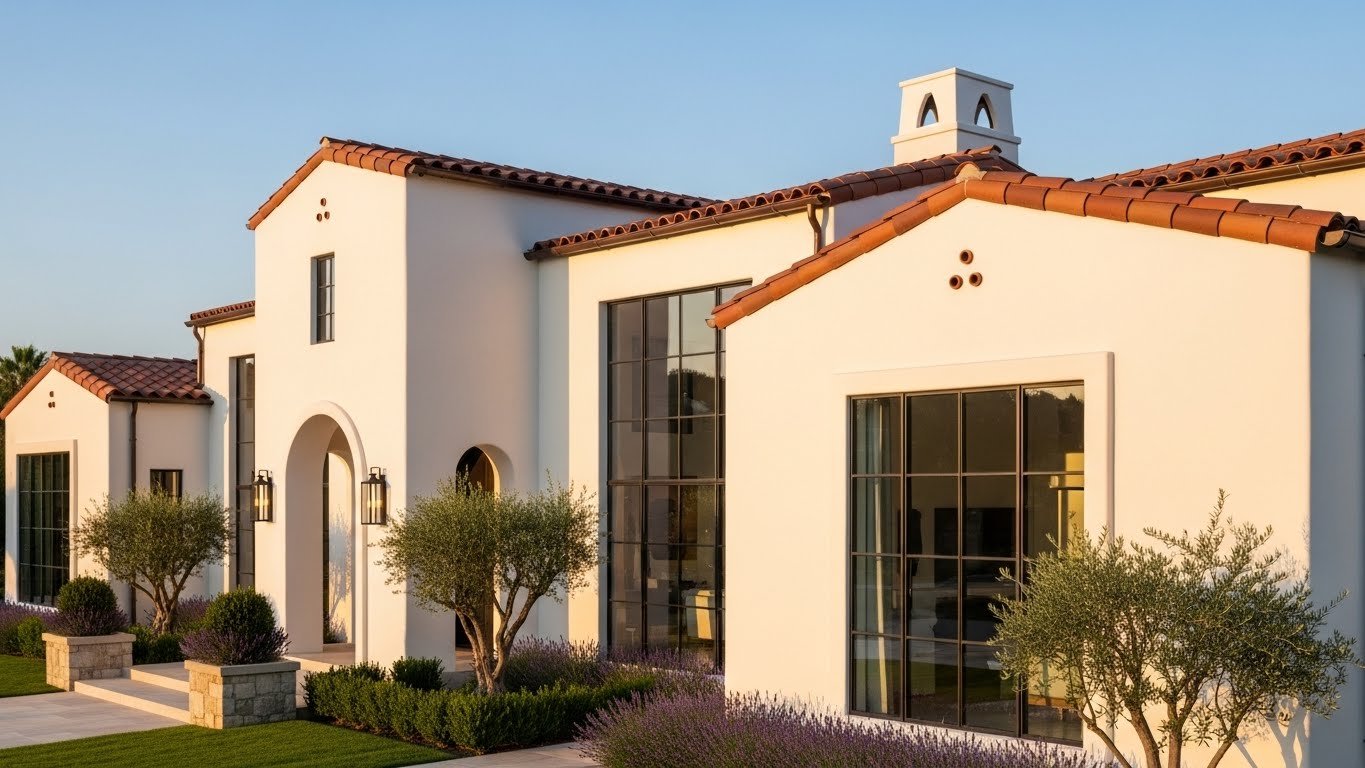
Building a modern spanish style house is like mixing old-world charm with a fresh vibe. You get the cool history of Spanish California mixed with sleek new lines. This style feels warm but looks very clean and high-end. Many people love this look for its unique handcrafted appeal. It feels like a vacation home every single day. You can find these stunning homes from Santa Barbara to Montecito. They use natural materials that stay pretty forever. In this guide, we will show you how to nail this look. We will cover every detail from the floor to the ceiling. You will learn how to blend tradition with luxury. This is the only guide you need to create your dream space.
Introduction to Spanish-Style Architecture and Interiors
A modern spanish style house is a mix of two different worlds. It takes the heavy history of Spanish Colonial and Hacienda style homes. Then it adds the simple shapes of modern architecture. This creates a space that feels grounded but not cluttered. You get the best of both worlds in one design. It is all about balance and a sense of calm.
Defining the Style
The modern spanish style house is a hybrid aesthetic. It uses traditional Mediterranean notes like red tile roofs. Then it mixes them with the clean lines of modern builds. You will see smooth white stucco next to black steel windows. This creates a contrast that looks very stylish and expensive. It is a timeless look that never goes out of style.
Historical Influence
This style is rooted in the traditions of Spain and the Colonial era. It became very popular in places like Montecito and Santa Barbara. The warm weather in California was a perfect match for this style. Designers took the look of old missions and updated them. They used local materials to build houses that breathe. This history gives the style a very soulful feeling.
The Philosophy of the Home
A Spanish home is meant to be a sanctuary for the family. It uses thick walls and courtyards to create a private retreat. This philosophy balances human comfort with the natural environment. It is about creating a place where you can relax deeply. Every design choice is made to help you feel connected to nature. It is a very intentional way to live and design.
Core Atmosphere
The core of a modern spanish style house is a warm atmosphere. It should feel inviting and grounded the moment you walk in. You achieve this by using handcrafted items and natural materials. Think of soft plaster walls and rough timber beams. These elements make a house feel like a real home. It is about the human touch in every single corner.
Essential Architectural Elements of Spanish Design
The architecture is the skeleton of a modern spanish style house. You cannot just decorate your way into this look. You have to start with the right bones to make it work. These elements are what give the style its iconic silhouette. They provide the texture and the rhythm of the space. Without these, the house is just another standard box.
Arched Doorways and Windows
Arches are the most famous part of this architectural style. They create a sense of flow and continuity between rooms. These rounded entries soften the sturdy, thick walls of the house. They make transitions feel intentional and very graceful. An arch is much more inviting than a sharp, square corner. It is a repetition that defines the whole aesthetic of the home.
The Importance of Thick Walls
Traditional Spanish homes used thick walls for natural insulation. This thermal mass keeps the house cool in the hot summer sun. In a modern spanish style house, these thick walls add a sense of luxury. They make the home feel permanent and very quiet inside. You can even build niches and alcoves into these thick walls. This adds depth and character that you cannot get in a thin wall.
Ceiling Architecture
The ceiling is often the most impactful element in the whole room. It is the fifth wall that most people forget to design correctly. A great ceiling can change the entire mood of a space instantly. It is where you can show off the history of the house.
- Painted details. Some traditional homes have hand-painted patterns on the wood beams.
- High vaulted ceilings. These maximize vertical space and make small rooms feel huge.
- Viga beams. Round timber beams that stick out and add a rustic, old-world touch.
Courtyards and Patios
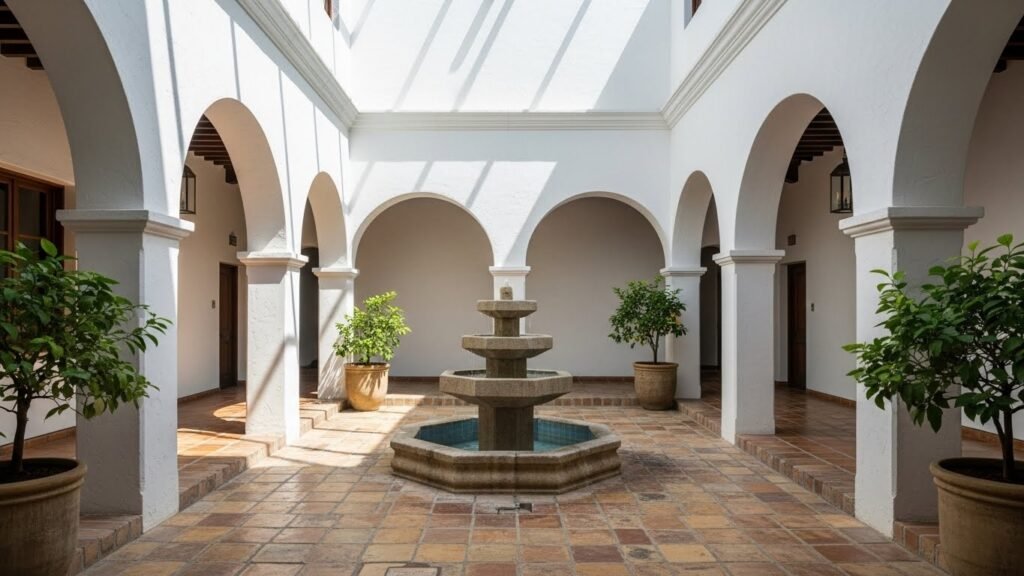
Spanish design is famous for blurring the lines between inside and outside. Interior courtyards provide a private outdoor space for the family. These patios act as an extra living room with a lot of fresh air. They often feature a central fountain or a fireplace for gatherings. This layout helps with natural ventilation and brings in plenty of light. It is the heart of the home where everyone comes together.
Evolution of the Style: From Traditional to Spanish Modern
The style has changed a lot over the last hundred years. While the roots remain the same, the execution has become much leaner. Modern homeowners want the warmth without the dark, heavy feeling of the past. This evolution has led to some very exciting new design trends. It is a way to respect history while living in the present.
Defining the Modern Aesthetic
The modern version focuses on clean lines and very simple shapes. You strip away the extra fluff and keep the soul of the house. It is about quality over quantity when it is time to decorate. Instead of dark, heavy rooms, we now see bright, airy spaces. The focus is on the beauty of the materials themselves. This makes the modern spanish style house feel very fresh and light.
Traditional vs. Modern Layouts
Traditional Spanish homes had many small, separate rooms for privacy. Modern layouts use open floor plans to help the family stay connected. You might see a kitchen that flows right into a large dining area. This suits a contemporary lifestyle where we entertain and move around. Large floor to ceiling windows are used to connect to the backyard. This makes the home feel much more spacious than the old versions.
The Integration of Contemporary Materials
A modern spanish style house mixes old rustic elements with new tech. You might see a plaster fireplace next to a glass wall. Designers use steel for window frames and door handles for a sharp look. This contrast between rough stone and smooth glass is very beautiful. It keeps the home from looking like a museum piece. It feels like a living, breathing space for a modern family.
The Coastal Spanish Sub-Genre
This version brings a beach cottagey flavor to the Hacienda style. It is inspired by places like Ibiza and Mallorca in the Mediterranean. It uses a lot of light-stained wood and breezy linen fabrics. The colors are inspired by the ocean and the white sand. It is a non-traditional way to do a beach house that feels very luxury. This style is perfect for anyone living near the coast in California.
Structural Foundation: Walls, Floors, and Surfaces
The surfaces of your home are the backdrop for everything else. In a modern spanish style house, texture is just as important as color. You want surfaces that feel hand-made and organic to the touch. This provides a grounded feel that links the home to the earth. These materials are durable and only look better as they get older.
Stucco and Plaster Wall Treatments
Stucco is the classic choice for the exterior of a Spanish home. It provides a smooth finish that reflects the sun and stays cool. On the interior, plaster walls add a soft, matte texture to every room.
- Hand-troweled textures. These create subtle waves that catch the light beautifully.
- Adobe-feel walls. These are thicker and have a more rustic, uneven appearance.
- Lime wash. This technique adds a chalky, historical look to any plain wall.
Terracotta and Saltillo Tile
Terracotta is the soul of Spanish flooring and roofing. These clay tiles come in warm colors like ochre, sienna, and rust. Saltillo tile is a specific type of handmade clay tile from Mexico. It has a lot of variation in color which makes it very interesting. These floors are practical for warm climates and feel great on bare feet. They ground the room with a deep, earthy connection.
Patterned Flooring Strategies
Floor patterns can guide the eye and add a lot of visual interest. In a modern spanish style house, the floor is a chance to be bold.
- Herringbone patterns. These create a sense of movement in hardwood or tile floors.
- Chevron layouts. A sharper version of the herringbone that feels very contemporary.
- Inlay borders. Using different tiles to create a “rug” look in an entryway.
Stone Accents
Natural stone adds a layer of rugged character to a smooth house. You can use limestone columns to frame a doorway or an arcade. River rock accents can be used on a fireplace or an exterior wall. These materials bring the textures of the landscape inside the home. They provide a nice contrast to the soft plaster and wood beams. Stone is a permanent material that adds massive value to any home.
Masterful Use of Wood and Metal
Wood and metal provide the strength and the detail in Spanish design. They add a layer of craftsmanship that feels very high-end and custom. In a modern spanish style house, these materials are used with restraint. You want them to stand out as beautiful accents rather than take over. They provide the rich, dark tones that balance the white walls.
Dark Wood Accents
Dark-stained wood is a classic way to ground a bright white room. You will see this on timber beams, door frames, and heavy furniture. This dark wood provides a strong contrast that looks very sophisticated. It prevents the room from feeling too washed out or boring. Walnut and oak are great choices for this type of deep, rich color. It adds a sense of history and permanence to a new build.
Natural vs. White Wood Ceilings
The choice of ceiling wood can change the whole scale of a room. Natural wood is more traditional and feels very warm and cozy.
- Lighter stains. These are perfect for a modern or coastal Spanish look.
- Mid-tone wood. This provides a classic feel that works with almost any furniture.
- White plank ceilings. These add texture without making the room feel shorter.
Wood Carved Furniture
Carved wood is a way to add a bit of “Old World” charm to a room. You might choose a console table with a hand-carved base for the entry. Or a large sideboard in the dining room with intricate floral patterns. These pieces act as anchors for the rest of your modern decor. They tell a story of artisanal skill and heritage. Even one piece of carved wood can change the energy of a whole space.
Wrought Iron Artistry
Wrought iron is the traditional metal used in Mediterranean architecture. It is hand-forged and has a very strong, masculine feel to it. You can use iron grilles on the windows for extra security and style. It is also perfect for stair railings, gates, and Juliet balconies. In a modern spanish style house, iron is often kept simple and thin. This gives it a contemporary edge while keeping the traditional spirit.
The Central Focal Point: Spanish Fireplaces
The fireplace is the heart of the living room in a Spanish home. It is not just for heat; it is a major architectural statement piece. Getting the design right is “fire” for your overall interior style. It provides a place for the family to gather and relax together. A great fireplace can act as a work of art on its own.
Plaster Fireplace Design
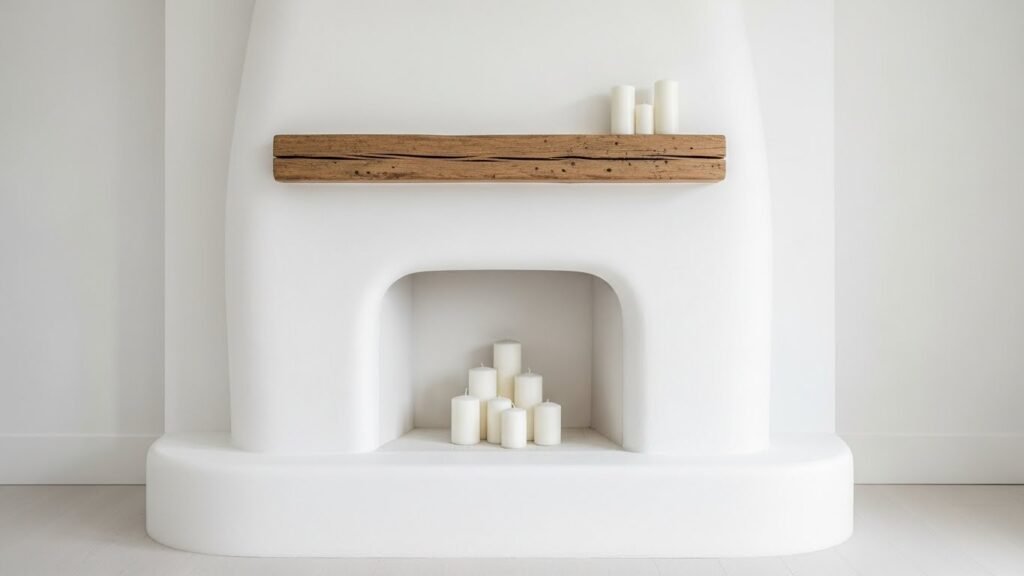
A white plaster fireplace is a hallmark of the modern Spanish look. These fireplaces are often sculptural with very soft, rounded edges. They look like they are part of the wall itself rather than a separate unit. This creates a clean and seamless look that is very popular today. You can keep it minimal or add a simple wood beam as a mantel. It is a timeless design that always looks elegant and high-end.
Fireplace Placement
In older homes, fireplaces were often tucked away in a corner of the room. In a modern spanish style house, we often see them front and center. A centered fireplace creates a symmetrical look that feels very balanced. This makes it easier to arrange your furniture around the focal point. It draws the eye as soon as you enter the living space. This placement gives the room a sense of purpose and grandness.
Stone vs. Plaster
Choosing between stone and plaster depends on the vibe you want for the home.
- Plaster. This is better for a modern, clean, and minimal look.
- Natural Stone. This is better for a rustic, rugged, or Hacienda feel.
- Mixed materials. You can use a plaster body with a stone hearth for contrast.
Mantel Styles
The mantel is where you can add a touch of personality to the fireplace. A heavy timber beam is a classic choice that adds a lot of warmth. For a more modern look, you can have a “floating” plaster shelf. Some people choose to have no mantel at all for a very sleek appearance. This keeps the focus on the organic shape of the fireplace itself. It is all about how much detail you want to show off.
Color Palettes and Materiality
Color is what ties all the different materials together in your home. For a modern spanish style house, the palette is usually very earthy. You want colors that look like they were pulled from the soil. These tones create a warm atmosphere that is very easy to live in. They make every room feel connected to the others.
The Rule of White
White is the primary color for almost every Spanish-style interior. It provides a clean canvas that makes the architectural details pop. White walls reflect the light and make the space feel much bigger. However, choosing the right shade of white is very important. You want a white that feels soft and creamy rather than blue or cold. This is the foundation of the whole Mediterranean aesthetic.
Avoiding the Hospital Look
One big fear people have is that all-white walls will feel like a hospital. You avoid this by using different textures and warm accents.
- Warm whites. Look for whites with a tiny bit of yellow or tan in them.
- Texture. Plaster or lime wash adds depth so the white doesn’t look flat.
- Contrast. Use dark wood and leather to break up the white surfaces.
Earthy Tones
The accent colors in a Spanish home are inspired by the natural world. Think of the deep red of terracotta and the orange of ochre. Sienna and beige provide mid-tones that bridge white and dark wood. You might see these colors in the rugs, pillows, or even the tile work. These tones make the house feel very grounded and connected to the earth. They bring a sense of natural beauty into every single room.
Material Contrasts
A modern spanish style house thrives on the contrast between its materials. You want a mix of hard and soft, rough and very smooth.
- Plaster and wood. The soft white wall against a dark-stained beam.
- Stone and glass. A rugged stone wall next to a clean glass window.
- Iron and linen. Heavy metal hardware paired with soft, breezy curtains.
Modernizing the Spanish Kitchen and Bath
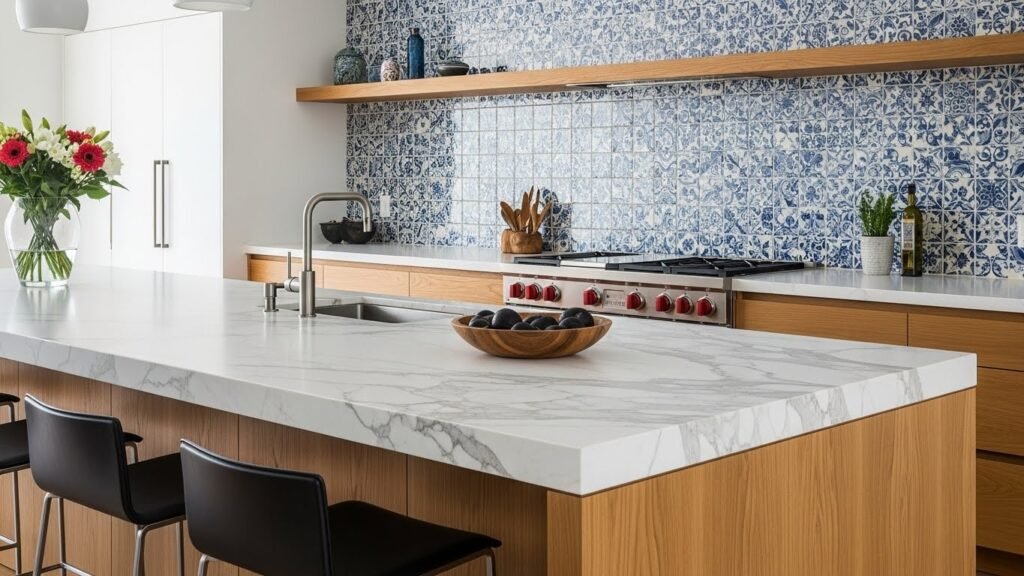
The kitchen and bathroom are where modern tech meets old style. These rooms need to be very functional but still look beautiful. In a modern spanish style house, these areas are often the most detailed. They are a chance to use beautiful tile and high-quality finishes. These spaces should feel like a luxury retreat within your own home.
Kitchen Backsplashes
The backsplash is the perfect place to use colorful Spanish tiles. You can use traditional Azulejos with blue and white patterns. Or you can go for a more modern look with a solid marble slab. Some people like to use hand-painted tiles only behind the stove as a focal point. This adds a “pop” of color without overwhelming the whole kitchen. It is a great way to show off your personal style and taste.
Cabinetry Innovation
Modern kitchens are moving away from traditional upper cabinets. This makes the kitchen feel more open and much less cluttered.
- All-lower drawers. These are much more ergonomic and hold a lot more stuff.
- Open shelving. Using thick wood beams to display your favorite pottery and ceramics.
- Inset doors. This gives the cabinets a custom, built-in look that is very high-end.
Kitchen Island Evolution
The kitchen island is the new center of the modern Spanish home. Many designers are skipping pendant lights over the island for a cleaner look. This allows the architectural details of the ceiling to be the star. The island often features a natural stone table or a thick marble countertop. It is a place for the family to gather for quick meals and conversation. This keeps the kitchen feeling like a social hub rather than just a workspace.
Bathroom Design
A Spanish bathroom should feel like a private spa at a luxury resort. You can use arched shower entries instead of standard glass doors. Floor to ceiling tile in a soft neutral color looks very sophisticated. A freestanding tub on a bed of river rocks adds a touch of nature. You can also use wrought iron sconces to provide a warm, flickering light. This creates a relaxing atmosphere where you can unwind at the end of the day.
Furniture, Art, and Decor Styling
Styling is how you put the finishing touches on your masterpiece. It is about choosing pieces that have a story and a lot of character. In a modern spanish style house, less is usually much more. You want a few high-quality pieces rather than a lot of cheap clutter. This keeps the focus on the beautiful architecture of the home.
Statement Leather Chairs
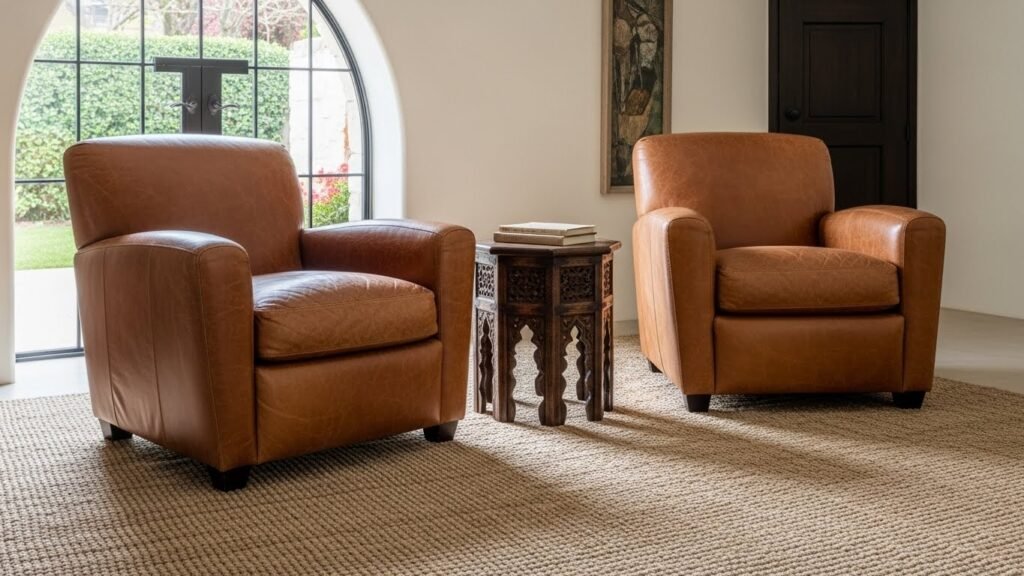
Leather is a classic material for Spanish and Hacienda interiors. A pair of statement leather chairs can anchor a whole living room. Look for rich, warm browns that will develop a patina over time. These chairs add a masculine, sturdy feel to a soft plaster room. They are also very durable and get more comfortable the more you use them. Leather is a “no-fail” choice for adding instant luxury to your space.
The Role of Artwork
Artwork is a huge part of the Spanish-California-Coastal vibe. You should think about your art early in the design process.
- Large-scale paintings. One huge piece can act as the main focal point of a room.
- Sculptures. Use pedestals to show off stone or metal sculptures in corners.
- Wall decor. Hand-painted plates or woven baskets can add a lot of texture to walls.
Spanish-Style Bookshelves
Bookshelves are a great way to add a “built-in” look to your home. Floor-to-ceiling bookshelves with arched tops look very traditional and grand. You can paint the interior of the shelves a dark color like black for a modern edge. If you don’t have the space for a built-in, use a freestanding buffet or a sideboard. This provides storage and a surface for displaying your favorite ceramics. It makes the home feel lived-in and very personal to you.
Textiles and Rugs
Textiles add the final layer of comfort and softness to a room. Rugs are especially important for grounding a large living space.
- Woven rugs. Jute, sisal, and wool rugs add a natural, organic texture.
- Patterned rugs. Traditional Mediterranean patterns can add a sense of history.
- Linen curtains. These provide a breezy, coastal feel that lets in plenty of light.
Lighting and Atmosphere
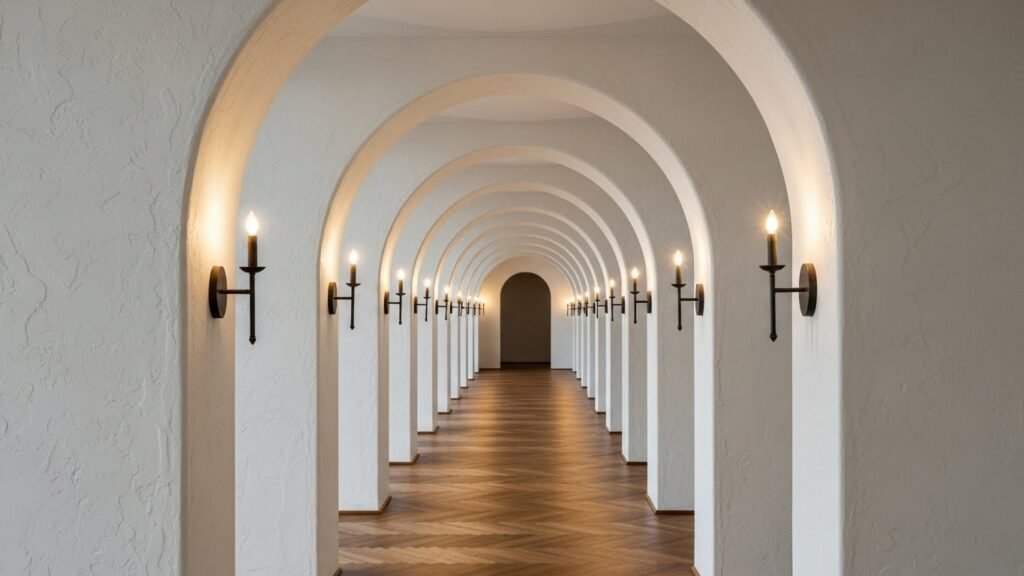
Lighting is what sets the mood for the entire house at night. You want a mix of different light sources to create a warm glow. In a modern spanish style house, lighting is also a major design element. The fixtures themselves should look like works of art. They provide the “jewelry” for your rooms and architectural spaces.
Pendant and Chandelier Selection
A great chandelier can be the crown jewel of a high-ceiling room. Wrought iron chandeliers are a classic choice for a Spanish look. You can also go modern with a large glass and brass pendant light. The key is to choose something that feels unique and high-quality. Don’t just go with the standard lights everyone else has in their homes. Look for pieces that have a handcrafted, artisanal feel to them.
Sconces and Accent Lighting
Sconces are perfect for lighting up long hallways or arched entries. They provide a soft, indirect light that feels very cozy and inviting.
- Hand-forged iron. These look like old lanterns and add a lot of charm.
- Brass and glass. A more modern take that looks very clean and polished.
- Picture lights. Use these to highlight your favorite artwork on the walls.
Natural Light Maximization
During the day, natural light is your best friend for a bright interior. Large windows and floor to ceiling glass doors are very important. Clerestory windows high up on the walls can bring in light while keeping privacy. This natural light makes the earthy tones of the house look very vibrant. It also helps the indoor plants thrive, which adds another layer of life. Good lighting makes a house feel happy and very energetic.
Technical Integration and Sustainability
A modern spanish style house is not just about looks; it is about smart living. You can use old-world wisdom to create a very efficient home. Integrating new tech can make your life much easier without ruining the style. It is about a seamless blend of the past and the future. This makes the home a better place for you and the planet.
Sustainable Features
Spanish architecture has many built-in green features from the start. Using natural materials is a great way to be more eco-conscious.
- Thermal mass. Thick walls keep the house cool naturally without much AC.
- Reclaimed wood. Using old timber for beams or flooring is very sustainable.
- Solar panels. These can be hidden on low-pitched roofs to save energy.
Smart Home Technology
You can have a high-tech home that still looks like an old villa. The key is to hide the technology so it doesn’t distract from the design.
- Subtle integration. Use hidden speakers and invisible light switches.
- Smart climate control. This helps the thick walls stay at the perfect temperature.
- Touchless innovation. Smart faucets and security systems make daily life easier.
Common Design Pitfalls and Professional Tips
Even the best designers can make mistakes with this complex style. It is all about the details and the correct proportions of things. You want to avoid the “costume” look where a house feels fake. These tips will help you stay on the right track during your project. Learning from others’ mistakes is the fastest way to get a great result.
The DIY Arch Trap
Many people try to add arches to a standard house without a plan. If an arch is not the right size or shape, it will look very weird. You need to repeat the arch in the right places for it to feel natural. It should feel like it was built into the house from day one. Don’t just stick an arched mirror on the wall and call it a day. Think about the whole architecture of the room before you start.
The Boho Confusion
There is a big difference between Spanish Modern and the “Boho” style. Boho is often very cluttered and has too many different colors and patterns. Spanish Modern is much more refined, clean, and intentional in its layout.
- Keep it simple. Don’t overdo the patterns and the “stuff” in a room.
- Focus on quality. Choose a few great pieces instead of a lot of cheap ones.
- Stick to the palette. Use earthy tones rather than bright, neon colors.
Contextual Caution
You should be careful about using this style if it doesn’t fit your area. A Spanish villa might look strange in the middle of a snowy forest. It works best in places with a lot of sun and a warm climate. If you do use it elsewhere, you might need to tone it down. Make sure the house feels like it belongs in its landscape and surroundings. This creates a sense of harmony that people will really appreciate.
Comparative Styles and Historical Context
It helps to know how this style differs from other popular looks. This prevents you from mixing up different aesthetics in a messy way. Understanding the history gives you a deeper appreciation for the design choices. It makes you a more informed and confident home designer or buyer.
Spanish vs. Mediterranean
Many people use these two terms like they are the same thing. However, they have very distinct personalities and different design rules.
- Spanish. This is more rustic and grounded with heavy wood and iron.
- Mediterranean. This is lighter and more cosmopolitan with white and blue colors.
- Region. Spanish style is more about the colonies, while Mediterranean is about Europe.
Key Variants of the Style
- Spanish Revival. A movement to bring back the old look of the California missions.
- Spanish Colonial. The original style used by settlers with thick walls and small windows.
- Hacienda Style. A large estate style with central courtyards and massive timber beams.
Conclusion: Designing a Timeless Sanctuary
Creating a modern spanish style house is a journey into history and beauty. It is about building a space that feels both old and brand new at once. You get the warmth of natural materials and the peace of clean architecture. This style provides a perfect backdrop for a happy and healthy life. It is a timeless look that your family will love for many decades to come.
Designing this way is about more than just choosing the right colors. It is about creating a sanctuary that protects and inspires you every day. By following these rules, you can avoid common mistakes and get a luxury result. Your home will feel grounded, stylish, and very uniquely your own. We hope this guide helps you bring your Spanish-style dreams to life.
| Feature | Traditional Spanish | Modern Spanish |
| Layout | Separate, private rooms | Open-concept living areas |
| Windows | Smaller, recessed windows | Large floor to ceiling glass |
| Colors | Darker, heavy earth tones | Brighter whites and neutrals |
| Metals | Heavy, ornate wrought iron | Sleek, thin black steel |
| Ceilings | Dark, heavy timber beams | Light-stained or white planks |
Frequently Asked Questions
What makes a house “Spanish Modern”?
A house is Spanish Modern when it mixes traditional elements like stucco and arches with modern clean lines. It avoids the clutter of old styles while keeping the warm, natural materials.
Is terracotta tile still in style?
Yes, terracotta is a timeless material that is very popular in high-end design today. It adds an earthy warmth that you cannot get with standard modern flooring.
How do I stop an all-white room from feeling cold?
You should use a lot of different textures like plaster, wood, and woven rugs. Using “warm” whites with a bit of cream in them also makes a huge difference.
Are arches expensive to build?
Arches do require more skill from a builder than square openings. However, they add a lot of value and character to the home that is worth the extra cost.
Can I do Spanish style in a small house?
Absolutely! The high ceilings and open layouts of the modern Spanish style are actually great for making small houses feel bigger. Focus on a few key details like a plaster fireplace or one great arch.
What are the best exterior paint colors to pair with a red terracotta roof?
Aside from the classic creamy white, modern Spanish homes look stunning in soft “greige,” muted sage green, or even a deep charcoal for a more dramatic, contemporary contrast. These colors complement the warmth of the red clay without clashing.
How do you incorporate Spanish style into a modern landscape design?
Focus on drought-tolerant plants like agave, olive trees, and lavender. Use gravel paths, stone retaining walls, and oversized terracotta pots to create a Mediterranean garden feel that requires very little water.
Can Spanish Modern design work in cold, snowy climates?
Yes, but you must prioritize high-quality insulation behind your stucco or plaster. You may also want to opt for heated flooring beneath your terracotta tiles to ensure the home stays warm during winter months.
What kind of window treatments best suit this style?
To keep the look modern and clean, use simple linen Roman shades or sheer floor-to-ceiling drapes. Avoid heavy, ornate valances or dark velvet curtains which can make the room feel dated and heavy.
How do I choose the right “warm white” for my interior walls?
Test your paint samples at different times of the day. Look for whites with yellow or red undertones rather than blue or gray. Popular choices often include shades like “Swiss Coffee” or “Alabaster” because they glow under natural sunlight.
What is the best way to mix metals in a Spanish Modern home?
You can successfully mix matte black iron with antique brass or copper. For example, use black iron for your stair railings and large light fixtures, but choose unlacquered brass for your kitchen faucets and cabinet hardware for a touch of warmth.
Are there specific types of wood species that look more “Spanish”?
White oak, walnut, and reclaimed Douglas fir are excellent choices. They provide the necessary grain texture and durability that fits the artisanal nature of Spanish architecture.
How can I make a standard 8-foot ceiling feel like a vaulted Spanish ceiling?
If you cannot raise the roof, try adding thin, light-stained wood beams or faux-plaster beams. Painting the ceiling the same warm white as the walls can also blur the boundaries and make the space feel taller.
What are “Azulejos” and how should I use them?
Azulejos are traditional tin-glazed ceramic tiles often featuring intricate geometric or floral patterns. In a modern home, use them sparingly—perhaps just as a stair riser accent or a small powder room backsplash—to avoid overwhelming the eye.
Is stucco high maintenance for the exterior?
Stucco is very durable but can develop small hairline cracks over time due to house settling. A high-quality elastomeric paint can help bridge these cracks and keep the moisture out, making it relatively low-maintenance.
What type of front door makes the best first impression?
A heavy, solid wood door with a speakeasy window or a large arched iron-and-glass door is ideal. These styles immediately signal the Spanish heritage of the home before a guest even steps inside.
How do I incorporate a TV into a Spanish living room without ruining the aesthetic?
Consider hiding the TV inside a custom-carved wood cabinet or using a “Frame TV” that displays Spanish landscape art when not in use. This keeps the focus on your plaster fireplace rather than a black screen.
What is the difference between Saltillo and Mission tile?
Saltillo tile is handmade from raw clay and air-dried, resulting in high color variation and a rustic feel. Mission tile is typically machine-pressed, making it more uniform and easier to install in modern, minimalist spaces.
Can I use wallpaper in a Spanish Modern house?
While plaster walls are the standard, you can use wallpaper in small areas like a home office or a water closet. Opt for textured grasscloth or subtle Mediterranean-inspired block prints rather than loud, modern patterns.
What are the best indoor plants for a Spanish-style interior?
Fiddle leaf figs, olive trees in large pots, and snake plants work beautifully. The greenery provides a vibrant contrast against white plaster walls and dark wood accents.
How do I choose a dining table for this style?
Look for a thick, “trestle” style wooden table with a slightly distressed finish. Pair it with modern, clean-lined chairs—perhaps in black leather or woven cane—to achieve the perfect Spanish Modern balance.
Is it okay to have carpet in a Spanish-style bedroom?
While tile or wood is more traditional, you can use a high-quality wool carpet in a neutral, sandy tone for comfort. Alternatively, use a large jute or sisal area rug over hard flooring to get the same warmth with a more authentic look.
How do I light an outdoor Spanish courtyard?
Use low-voltage copper path lights and wrought iron wall lanterns. Stringing “bistro” lights across the courtyard can also create a magical, festive atmosphere for evening gatherings.
What kind of hardware should I use for interior doors?
Avoid shiny chrome or plastic. Instead, choose heavy, sand-cast bronze or oil-rubbed bronze levers and hinges. The weight and texture of the hardware should feel substantial and handcrafted.
How do I decorate a large, blank plaster wall?
Instead of a gallery wall with many small frames, choose one oversized piece of art, a large antique tapestry, or a set of three oversized hand-woven baskets. This maintains the “grand” and uncluttered feel of the style.
