
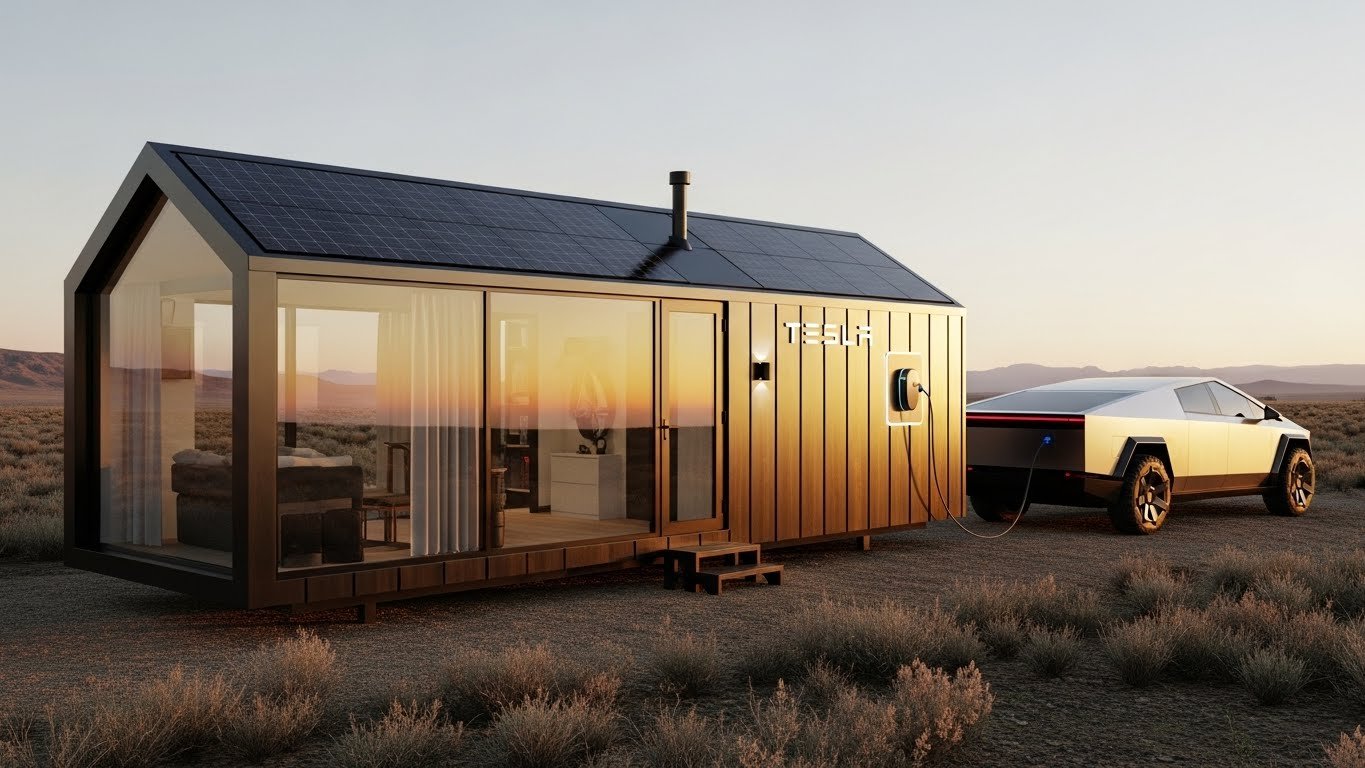
The housing revolution has taken a jaw-dropping turn as Tesla officially enters the residential market with a bold and sustainable vision. Tesla homes represent a new era of compact, self-sustaining dwellings that integrate advanced clean energy technologies into a modular footprint. By redefining how we live, these structures aim to push the boundaries of modern architecture while making green living more accessible to the masses. With a focus on energy independence and efficient design, Tesla homes are setting the stage for the future of housing in 2026 and beyond.
Introduction to the Tesla Tiny House Revolution
Tesla homes are primarily defined by their ability to function as fully solar-powered, mobile dwelling units. These homes serve as a real-time showcase for Tesla’s proprietary energy products, including advanced solar panels and Powerwall storage systems. The core objective of this initiative is to move society toward a self-sustaining, off-the-grid lifestyle without sacrificing modern comforts.
The vision for 2026 involves the mass production of these units to create a world where residential living is free from traditional utility bills. This shift is particularly disruptive because it addresses the extreme gap between high-end luxury and affordable housing. By offering a starting price point as low as $7,579, Tesla homes provide a viable alternative in a market where the average home price exceeds $420,000.
Understanding the Tesla Home Philosophy
The philosophy behind Tesla homes prioritizes innovation and intelligence over pure square footage. Instead of traditional sprawling layouts, these homes utilize a “smart” movement approach that integrates high-tech systems into every corner of the dwelling. This design choice is a direct response to global challenges such as urban crowding, skyrocketing housing costs, and the urgent need to address climate change.
Tesla applies its famous first-principles manufacturing approach to these residences, treating the house as a machine that can be optimized for performance. This means that every component, from the structural chassis to the software that manages energy flow, is designed to work in harmony. By shifting the focus to high-efficiency, all-electric systems, Tesla homes catalyze a transition away from fossil-fuel-dependent residential models.
Architecture and Design Excellence
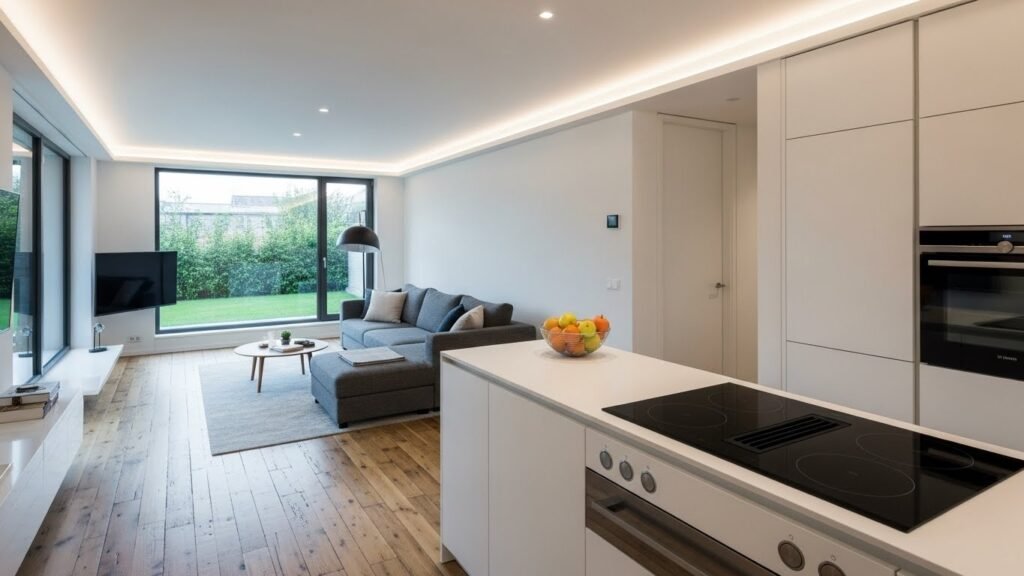
The aesthetic of Tesla homes is defined by clean lines and a minimalist modern feel that belies its compact size. To maintain a high-end atmosphere within a small footprint, the interiors feature:
- Minimalist Aesthetics: High-quality finishes and an open-concept feel inspired by SpaceX precision engineering.
- Sustainable Materials: Extensive use of reclaimed wood finishes and eco-friendly resources to reduce the overall carbon footprint.
- Space-Saving Furniture: Every inch of the interior is utilized with multi-functional elements like folding tables and retractable beds.
- Health-Conscious Features: Advanced HEPA filtration systems ensure that the indoor air quality remains at a premium level.
The interior layout typically ranges from 200 to 800 square feet, proving that luxury and livability do not require massive amounts of space.
The Role of Solar Power and Renewable Energy Integration
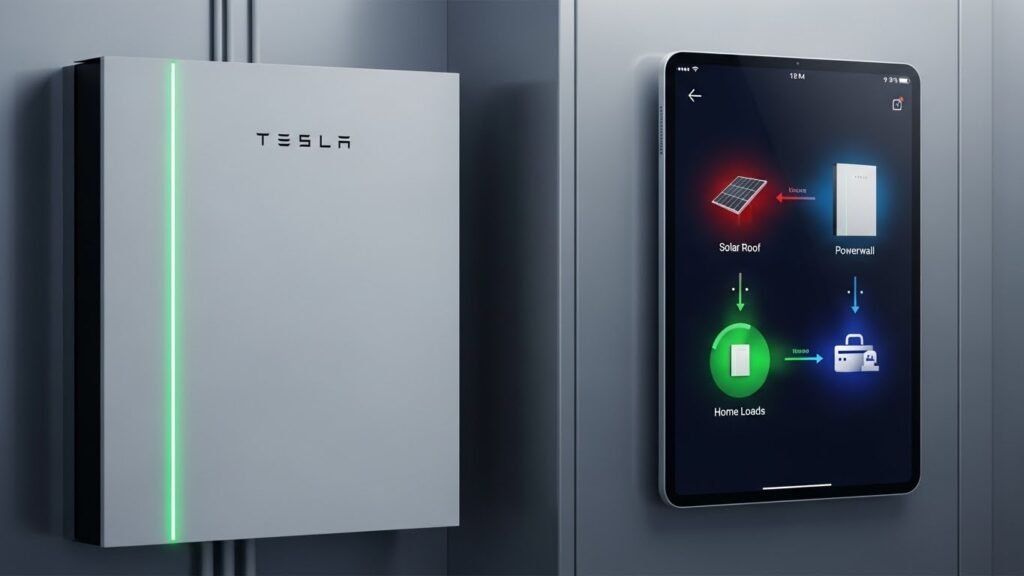
Harnessing Clean Energy with the SolarShield Roof
Tesla homes utilize glass solar tiles that are designed to be as durable as they are efficient. Unlike traditional bulky panels, these solar tiles integrate directly into the roofline to maintain a sleek aesthetic. They are engineered to be weatherproof and can withstand extreme conditions, including high-speed winds and hail.
Energy Storage and the Powerwall
The Tesla Powerwall acts as the heartbeat of the home’s energy ecosystem. This compact home battery stores excess energy generated during the day for use at night or during outages. The latest Powerwall 3 models feature integrated solar inverters, which increases system efficiency and allows the home to power large appliances like air conditioners and heaters simultaneously.
Achieving True Off-Grid Independence
By combining solar generation with large-scale battery storage, Tesla homes achieve zero dependency on traditional utilities. These units have been tested to provide 24/7 energy security, even in low-light environments. This creates a harmonious blend of high-tech lifestyle and environmental responsibility, as the homes operate with 100% electric systems and zero on-site carbon emissions.
Advanced Technology and Smart Management
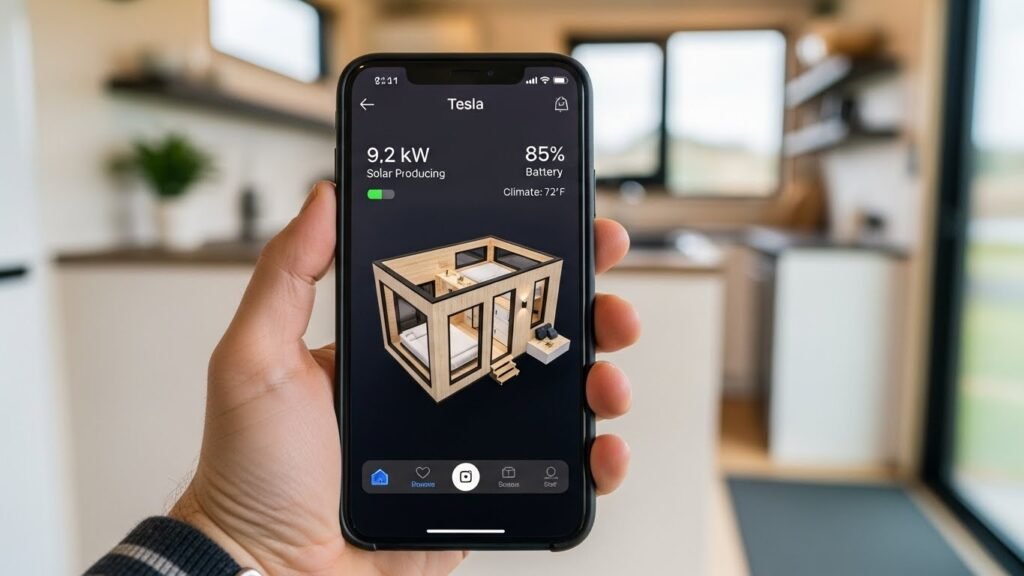
Real-Time Energy Monitoring
The entire Tesla home ecosystem is controlled via the Tesla mobile app. Homeowners can track energy generation and consumption in real-time, allowing them to optimize their usage based on weather forecasts and personal habits. The system can autonomously manage energy distribution, ensuring that the most critical functions are prioritized during periods of low generation.
AI-Powered Climate and Air Quality Control
Newer models for 2026 include AI systems that monitor and adjust airflow, humidity, and CO2 levels automatically. This ensures that the resting environment inside the tiny home is always optimized for the occupant’s health and comfort. Some units even explore atmospheric water generation, using sunshine and air humidity to produce potable water autonomously.
100% Electric Living
Tesla homes are designed to be fully electric, eliminating the need for gas or propane. This includes:
- High-Efficiency Appliances: Induction cooktops and electric heat pumps that provide both heating and cooling.
- Integrated EV Charging: A built-in Wall Connector or Mobile Connector allows residents to charge their Tesla vehicles directly from the home’s solar reserves.
Innovative Engineering and Mobility Features
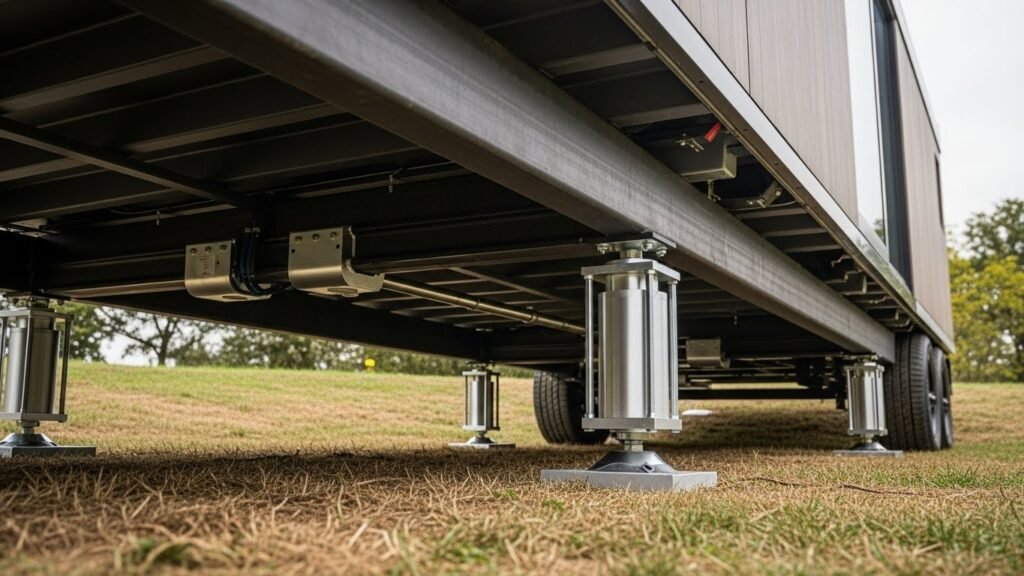
Autonomous Leveling and Foundation Systems
The 2026 Tesla homes feature advanced linear actuators built beneath the chassis. These actuators allow the house to automatically adjust itself to uneven ground, making it possible to set up a home on diverse terrains without manual leveling. The system can even compensate for ground settling or wind vibrations in real-time.
Mobility Frame Chassis
Unlike traditional prefab units, Tesla homes are built on a mobility frame that allows them to be transported easily. They are designed to move like a luxury trailer but maintain the structural integrity and insulation of a permanent residence. This portability makes them ideal for a global market where homeowners may want to change their scenery or follow job opportunities.
Modular Design and Scalability
The Benefits of FlexSpace Modules
Modular construction is at the heart of the Tesla home project, allowing for rapid assembly and significant cost savings. These modular components can be reconfigured or expanded, giving homeowners the flexibility to grow their living space as their needs change.
Versatility of Use
Tesla homes are incredibly versatile and can be utilized in several different ways:
- Permanent Residences: Affordable and sustainable options for those seeking a debt-free lifestyle.
- Accessory Dwelling Units (ADUs): Perfect as guest houses, home offices, or rental units on existing properties.
- Luxury Mobile Retreats: Serving as a high-tech alternative to traditional RVs for eco-conscious travelers.
- Tesla Villages: Communities of modular units sharing energy resources through a microgrid system.
Security and Connectivity
Tesla Sentinel Guard
Borrowing from its automotive security suite, Tesla homes include integrated AI surveillance systems. The Sentinel Guard provides 24/7 protection with remote monitoring capabilities, allowing owners to view their home’s status from anywhere in the world via their phone.
Starlink Integration
To support off-grid independence, Tesla homes are pre-wired for Starlink satellite internet. This ensures high-speed connectivity in remote locations, making these homes suitable for digital nomads and those who wish to live far from urban infrastructure without losing global access.
Regulatory and Zoning Landscape
Understanding Local Building Codes and Classifications
One of the most complex hurdles for tesla homes is how they are legally classified by local governments. In many jurisdictions, if the home remains on its chassis, it is treated as a Recreational Vehicle (RV) or a Park Model, which may limit how long you can legally occupy it on a single property.
- Zoning Bylaws: Before installation, owners must consult their local planning department. Some areas have minimum square footage requirements that a tiny home may not meet, while others specifically require an Accessory Dwelling Unit (ADU) permit.
- Building Standards: Even though they are prefabricated, these homes must often comply with state-specific codes regarding structural integrity, fire safety, and plumbing.
- The Two-Permit System: For off-site construction, you may need one permit for the factory build and a separate local building permit for the installation on your land.
Essential Certifications for Legal Residency
To ensure safety and ease the permit process, tesla homes often seek specific certifications that prove they meet national standards.
- RVIA Certification: This ensures the home meets safety and quality standards for mobile units, which is often a requirement for parking in established RV parks.
- NOAH Certification: Focused on alternative housing, this certification emphasizes energy efficiency and structural safety, often opening doors for better financing and insurance options.
- L&I Insignia: In states like Washington, an insignia from the Department of Labor & Industries is required for any factory-built tiny home intended for use as a permanent residence.
Site Preparation and Foundation Requirements
Choosing the Right Foundation Strategy
Unlike a standard house, a tesla home offers flexibility in how it is anchored to the earth. The choice of foundation affects everything from structural stability to property taxes.
- Gravel Pad Foundations: The most popular and affordable option, gravel provides excellent drainage and is relatively easy to level.
- Poured Concrete Slabs: Considered the gold standard for permanent installations, concrete slabs offer maximum stability and can last up to 100 years.
- Concrete Piers or Blocks: A middle-ground solution that elevates the home, providing easy access to plumbing and electrical hookups underneath.
Preparing the Land for Installation
The delivery of a tesla home requires meticulous site preparation to ensure the unit can be positioned and leveled without damage.
- Site Access: Owners must clear a path for the delivery truck, which may involve trimming tree branches and filling large potholes.
- Soil Reports and Frost Depth: In colder climates, foundations must be designed to account for frost depth to prevent the home from shifting during seasonal thaws.
- Utility Rough-In: Before the house arrives, trenches for water lines, septic connections (if not using composting), and electrical conduits should be prepared and inspected.
Post-Purchase Support and Warranty Details
Comprehensive Performance Guarantees
Tesla provides industry-leading warranties that cover both the structural components and the high-tech energy systems within the home.
- 25-Year Solar Warranty: The solar tiles are guaranteed to remain free from manufacturing defects for 25 years and maintain a specific power output capacity.
- 10-Year Powerwall Warranty: This covers defects in materials and guarantees that the battery will retain at least 70% of its original capacity after a decade.
- Four-Year Workmanship Warranty: Covers the labor and materials related to the actual construction and assembly of the home’s interior and shell.
Maintenance and Troubleshooting
While designed for low maintenance, the advanced nature of tesla homes requires a specific approach to care.
- Remote Diagnostics: Most issues with the energy systems can be diagnosed remotely by Tesla support, often avoiding the need for an on-site technician.
- Service Network: Tesla utilizes a nationwide network of certified installers and technicians to handle physical repairs on the Solar Roof or Powerwall systems.
- Software Updates: Like Tesla vehicles, these homes receive over-the-air firmware updates that can improve energy efficiency and add new features to the Tesla app.
Financial and Insurance Considerations
Navigating Financing Challenges
Securing a mortgage for a tiny home can be difficult because they are not always recognized as traditional real estate.
- RV and Personal Loans: Since tiny homes on wheels often depreciate like vehicles, many buyers utilize RV loans or unsecured personal loans.
- Leasing Options: In some regions, Tesla may offer leasing terms for the energy components of the home, helping to lower the initial upfront cost.
- ADU Financing: If the unit is installed as a permanent guest house on an existing property, homeowners may be able to use a Home Equity Line of Credit (HELOC).
Insuring a High-Tech Tiny Home
Standard homeowners’ insurance may not cover a mobile tesla home, requiring specialized policies.
- Inland Marine Insurance: Often used for high-value mobile property, this type of insurance can protect the home while it is in transit or temporarily parked.
- Green Home Discounts: Because of the home’s high energy efficiency and fire-resistant Solar Roof, some insurers offer premium discounts for sustainable features.
Building Your Own Tesla-Powered Sustainable Sanctuary
Incorporating Tesla Tech into Custom Builds
Enthusiasts can create their own version of a Tesla home by retrofitting existing tiny homes with the company’s energy ecosystem. By installing a Solar Roof and Powerwall, any small structure can be converted into a self-sustaining dwelling.
Designing for Autonomy
True sustainable living requires a focus on all resources, not just energy. This includes:
- Water Recycling: Utilizing greywater systems for irrigation or toilet flushing to conserve resources.
- Composting Solutions: Using waterless composting toilets to reduce the need for traditional septic systems.
- Consumption Management: Strategies for balancing luxury usage with the limits of a renewable energy budget.
Market Impact and Future Outlook
Disrupting Modern Architecture
By offering energy-independent homes at a fraction of traditional costs, Tesla is forcing the construction industry to prioritize efficiency. The $7,579 price point is specifically designed to challenge the status quo and provide a solution for those priced out of the modern real estate market.
The Decentralization of Energy
Tesla’s broader strategic vision is to turn every home into a micro-power plant. This decentralization helps stabilize the overall grid and reduces the reliance on fossil-fuel peaker plants. As the demand for ADUs and income-generating rentals grows, Tesla homes are positioned as the premier green real estate investment for 2026.
Conclusion: The Future of Tesla Homes
The Tesla home concept is more than just a small house; it is a visionary leap into an eco-friendly future where technology and daily living are perfectly harmonized. By integrating advanced energy storage, AI-driven management, and modular mobility, Tesla has created a scalable solution for the global housing crisis. As these units hit the mass market in 2026, they will undoubtedly redefine our expectations of what a modern, sustainable home should be.
Frequently Asked Questions
General Basics and Lifestyle
What is the typical lifespan of a Tesla home?
While the concept is modern, the structural integrity is designed for longevity. The steel frame chassis often carries a 50-year structural warranty, and the Tesla Solar Roof is rated for at least 25 to 30 years of performance. With proper maintenance of the Powerwall and interior systems, these homes can serve as permanent residences for several decades.
Can a family of four comfortably live in a Tesla home?
Tesla homes are designed with a “smart” philosophy that maximizes every square inch. While the 200-square-foot models are ideal for individuals or couples, modular expansion allows for larger configurations of up to 800 square feet. For a family of four, utilizing multi-functional furniture and outdoor living spaces is essential for long-term comfort.
How does the interior noise level compare to a traditional house?
Because Tesla homes utilize advanced double-wall construction and high-grade insulation (often rigid XPS foam or wood wool), they offer superior sound dampening. Even in heavy rain or high winds, the acoustic insulation maintains a quiet, peaceful interior environment compared to standard prefab or metal-clad tiny houses.
Is the Tesla home suitable for extremely cold climates?
Yes, these units are engineered with high R-value insulation and integrated thermal breaks to prevent heat transfer. Most models come equipped with a ductless mini-split heat pump that can maintain a comfortable 68°F interior temperature even when outside temperatures drop well below freezing.
Technical Specifications and Utilities
What kind of appliances are included in the standard Tesla home package?
To maintain energy efficiency, Tesla homes utilize top-tier Energy Star-rated appliances. This typically includes an induction cooktop, a high-efficiency mini-fridge or full-size refrigerator (depending on the model), and a convection microwave oven. All appliances are selected for their low energy draw to preserve battery life.
How is the water system managed in an off-grid setup?
Tesla homes often feature a hybrid water system. They can be connected to a standard municipal 3/4-inch PEX line with a pressure regulator or operate autonomously using onboard freshwater tanks. Advanced configurations may even include rain catchment systems and UV filtration for total water independence.
Does the home require a specialized sewage connection?
Most off-grid Tesla homes utilize a high-tech composting toilet or a low-flush system to minimize water waste. This eliminates the need for a traditional septic tank or sewer hookup, though the units can be configured for standard plumbing if they are being placed on a permanent foundation with existing infrastructure.
Can the Tesla Powerwall handle high-energy tools like a circular saw?
The Powerwall 3 integrated into these homes is capable of handling high-surge loads. This means you can run power tools, hair dryers, or large kitchen appliances simultaneously without tripping the system, provided the total draw does not exceed the unit’s continuous power rating.
Legal, Zoning, and Insurance
Is a Tesla home considered an RV or a real estate property?
The classification depends on your local jurisdiction and how the home is installed. If it remains on its wheels, it is often classified as a Recreational Vehicle (RV) or a Park Model. If it is placed on a permanent foundation, it may be reclassified as an Accessory Dwelling Unit (ADU) or a primary residence, which affects your property taxes.
Do I need a special driver’s license to tow a Tesla home?
Most Tesla tiny homes are designed to stay under a Gross Vehicle Weight (GVW) of 3.5 tonnes and a width of 2.55 meters. In many regions, a standard driver’s license is sufficient. However, if the home exceeds these dimensions, you may need a specialized permit or a “Convoi Exceptionnel” authorization for transport.
Will adding a Tesla home to my property increase my insurance premiums?
Adding an ADU like a Tesla home generally increases your overall property value, which can lead to a slight increase in premiums. However, many insurers offer discounts for “green” or energy-efficient structures. It is vital to notify your insurance provider to ensure the solar panels and high-tech equipment are specifically covered.
Can I park a Tesla home in any residential backyard?
Zoning laws vary significantly by city and county. While many areas are becoming “tiny house friendly” by allowing ADUs (Accessory Dwelling Units), some municipalities have minimum square footage requirements for permanent dwellings. Always consult your local Plan Local d’Urbanisme (PLU) before purchase.
Maintenance and Long-Term Care
What are the annual maintenance requirements for a Tesla home?
Maintenance is significantly lower than a traditional home. Key tasks include rotating tires (if mobile), cleaning the solar panels annually to ensure maximum efficiency, and replacing the HEPA or cabin air filters every 2 to 3 years. The electrical and solar systems are designed to be “set and forget” with remote diagnostics via the app.
How do I clean the Tesla Solar Roof tiles?
The solar glass tiles are designed to be self-cleaning to an extent through rainfall. However, in dusty or high-pollen areas, a simple rinse with a garden hose is usually sufficient. Avoid using abrasive chemicals or pressure washers, as these can damage the specialized coating on the glass.
What happens if the internet connection is lost for an extended period?
The home will continue to function and generate power without the internet. However, a consistent connection is required for the full 10-year Powerwall warranty, as it allows Tesla to send remote firmware updates and monitor battery health. Without connectivity, the performance guarantee may be limited.
Are the batteries in the home recyclable at the end of their life?
Tesla has a dedicated battery recycling program. At the end of the Powerwall’s 15-to-20-year lifespan, the lithium-ion cells can be returned to Tesla. They are then processed to recover valuable materials like cobalt, lithium, and nickel to be reused in new battery production, supporting a circular economy.
Customization and Purchasing
Can I customize the layout of my Tesla home?
Yes, the modular design allows for a degree of personalization. Owners can often choose between different finish packages, such as reclaimed wood or modern composite, and select from various “flex space” modules to prioritize either a larger kitchen, a dedicated workspace, or a bigger bathroom.
Is financing available for these homes?
Financing for tiny homes can be unique. Since they aren’t always classified as traditional real estate, some buyers use personal loans, specialized tiny house lenders, or RV loans. If the home is placed on a permanent foundation as a legal ADU, it may be possible to use a home equity line of credit (HELOC) from your primary residence.
How long does it take from order to delivery?
The timeframe typically ranges from 3 to 6 months. This period includes the modular manufacturing of the unit, the integration of the solar and battery systems, and the coordination of delivery to your site. Tesla often handles the initial permitting and utility approvals as part of the service.
Can I move the home myself with a Cybertruck?
Absolutely. The Tesla Cybertruck is engineered with a high towing capacity specifically suited for moving modular units like the Tesla tiny home. The integrated software in the Cybertruck can even help monitor the trailer’s aerodynamics and battery usage during transport.
