


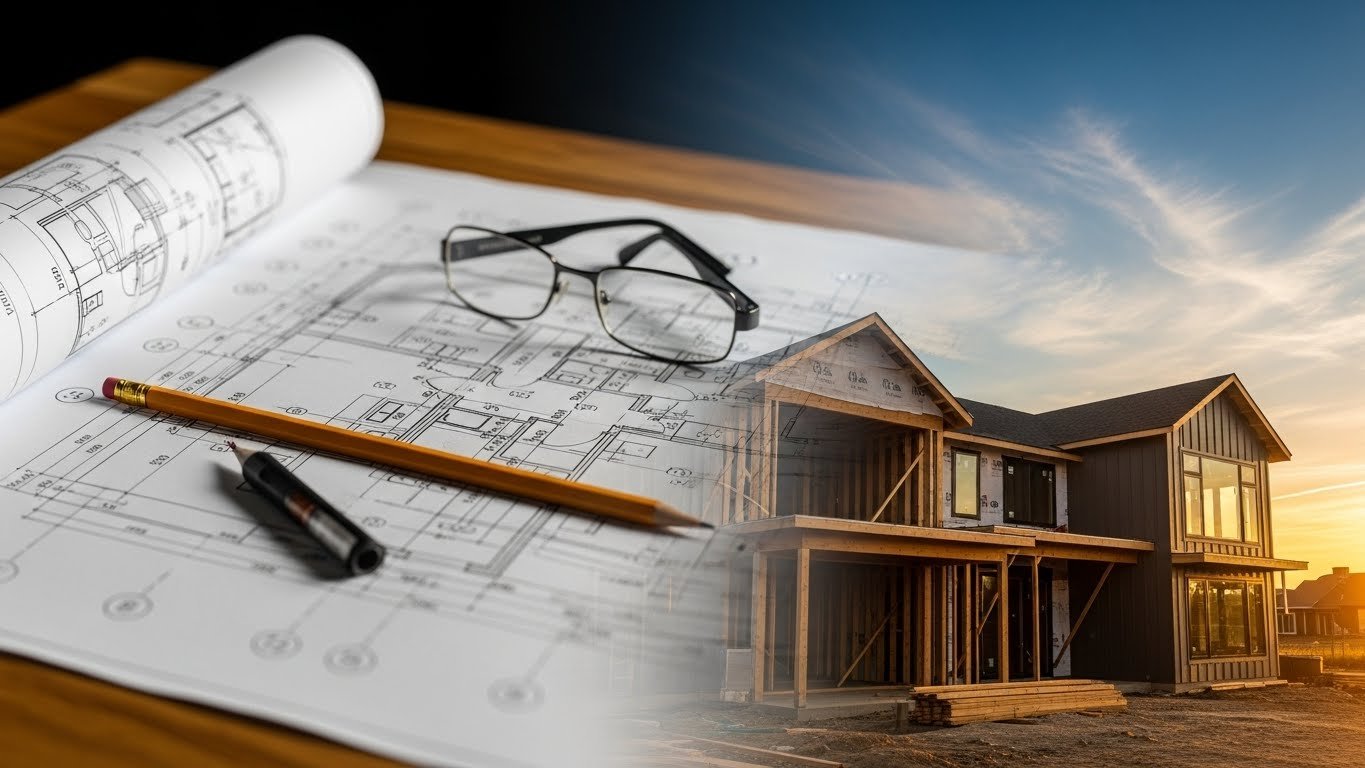
Building a house is a wild ride that changes your life forever. You are probably asking yourself exactly how long does it take to build a home before you start. Most people want to move into their dream spot as fast as possible. However, rushing a big project like this can lead to major headaches later on. Understanding the timeline helps you plan your life and your bank account. It is not just about the sticks and bricks you see go up. There is a whole lot of work that happens before the first shovel hits the dirt.
Understanding the Realistic Timeframe for Building a House
When you look at the big picture, most houses take a bit of time. You cannot just snap your fingers and have a roof over your head. It takes a village of workers and a mountain of supplies to get it done. Every project is a little bit different based on what you want.
The National Average
Building a house usually takes about six to seven months on average. This time covers the actual building work from start to finish. Some houses go up faster if they are simple and small. Others take longer if they have lots of fancy parts or custom designs. You should keep this average in mind when you start your search. It helps you set a real goal for your move-in date.
Total Project Duration
The total time for a year-long commitment is very common for new builds. You have to think about all the planning and obtaining permits first. This pre-construction phase can take a few months on its own. You might spend a lot of time just finalizing plans with your team. By the time you move in, a full year might have passed. It is better to plan for a long haul than to be surprised.
Active Construction Window
Once you finally break ground, the real show starts for everyone. The active building phase usually lasts between four to six months. This is when you see the walls go up and the roof go on. You will notice big changes every week during this specific time. It is the most exciting part of the entire construction period. Your builder will be very busy managing all the different crews.
Factors That Influence Your Build Timeline
Not every house follows the exact same schedule because of external factors. Many things can slow down or speed up your project unexpectedly. You need to know these factors so you can stay cool.
- Size and Architectural Complexity: Big houses with lots of stories take more time. A simple box is much faster to build than a complex shape.
- Level of Customization: Picking unique materials or specialized features adds extra weeks. Custom homes always take longer than standard ones.
- Geographical Location and Topography: Building on a flat lot is easier than a steep hill. Your local labor procurement also matters for the speed of work.
- Weather Conditions and Seasonal Impacts: Rain, snow, and extreme heat can stop workers in their tracks. Inclement weather is the most common reason for a delay.
- Contractor Proficiency and Resource Management: A pro builder with professional experience moves much faster. They know how to handle problem-solving when things go wrong.
- Decision-Making Efficiency: If you take a long time to pick paint, the work stops. Fast choices keep the crew moving on to the next task.
Distinguishing Between Construction Types
The way you choose to build changes your move-in date significantly. There are a few main paths you can take for your new home. Each path has its own pros and cons for your schedule.
Owner-Built Homes
These homes often take 12 months or even longer to finish. You are the one in charge of managing all the work. This usually involves a big learning curve for most regular people. You might have limited resources compared to a big building company. It is a huge task that requires a ton of your personal time.
Contractor-Built (Traditional Wood Frame)
A professional builder can usually finish a wood-framed home in nine months. They have the professional experience to keep things moving along. Their resource management is better because they have steady crews. Traditional wood-framed homes are the most common type of build today. This is a solid middle ground for speed and quality.
Production Homes
Production homes are the fastest way to get a new house. They use standardized designs that the crews know by heart. You can often move in within four to six months. These are usually found in big neighborhoods where many houses look similar. It is a very efficient way to build a lot of homes.
Custom-Built Homes
A custom home is built just for you and your family. These generally take 10 to 16 months to finish up. Some luxury homes can even take over 18 months to complete. You are dealing with unique blueprints and special custom materials. It is a slow process but you get exactly what you want.
The Pre-Construction Phase: Planning and Design
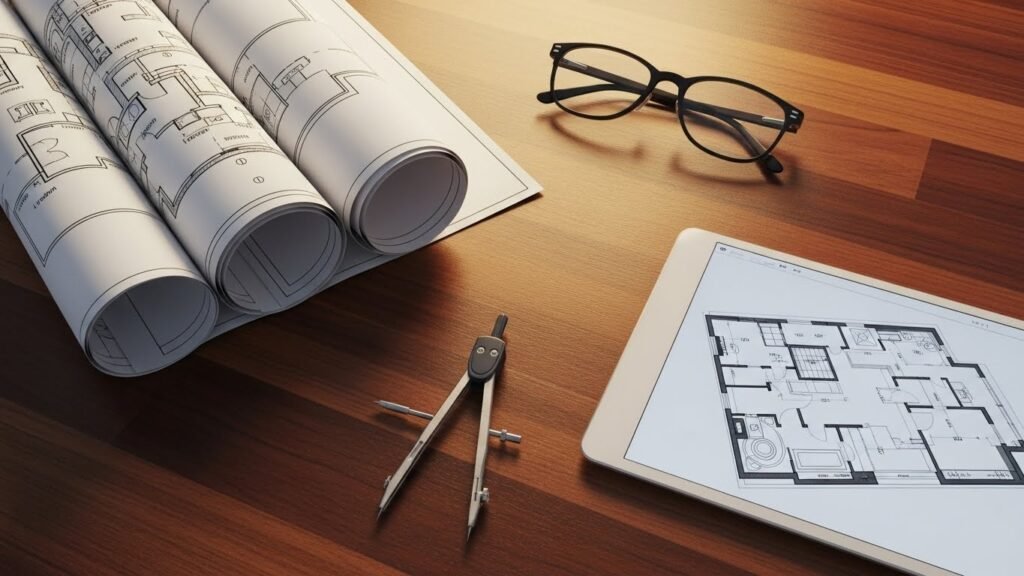
You cannot build a house without a solid plan in place. This phase is all about paperwork and making big choices. It happens before any dirt is moved on your land.
Defining Needs and Specifications
- Bedroom and Bathroom Count: Decide how many people will live there.
- Specialized Features: Think about gourmet kitchens or a media room.
- Layout Needs: Consider if you need a laundry room or a mudroom.
- Outdoor Spaces: Plan for covered patios or a big deck for summer.
Budgeting and Financial Planning
You need to talk to a financial advisor or a lender. They will help you get a mortgage pre-approval before you start. It is smart to set aside contingency funds for surprises. Building a house always costs a bit more than you think. Make sure you have the funding ready for every stage of work.
Professional Collaboration and Architectural Design
You will work with a pro to create your blueprints. This is when you pick your architectural style like contemporary or traditional. You can choose a layout that fits your daily life perfectly. Good design helps avoid structural challenges during the actual build. Your architect ensures the floor plans are safe and beautiful.
The Pre-Construction Meeting
This is a big meeting where you meet your building team. You go over all the specifications and finalizing plans together. It is your last chance to make easy changes to the design. The builder will explain the whole construction process to you. Everyone needs to be on the same page before they start.
Permitting and HOA Approvals
You have to follow all the local building codes and zoning regulations. This involves a lot of plan reviews by the city. You might also need approval from a neighborhood HOA group. Paying permit fees is just part of the game for homeowners. This step can take a few weeks or a few months.
Financial Logistics: Mortgages and Construction Loans
Money is what keeps the hammers swinging on your job site. You need to understand how the bank pays your builder. It is different than buying an old house from a seller.
Types of Construction Financing
- Construction-to-Permanent Loans: These cover the build and then turn into a mortgage.
- Stand-Alone Construction Loans: These are just for the build phase.
- Loan Approval: You need this before the builder will even start.
The Draw Schedule Explained
The bank does not give all the money at once. They pay the builder in chunks called a draw. This happens at big milestones like after the foundation is done. A bank inspector will check the work before sending the cash. It keeps the builder motivated and the project on track.
Stage 1: Site Preparation and Foundation
This is when you finally see some action on your lot. It is the foundation of everything that comes next for you.
Clearing and Excavation
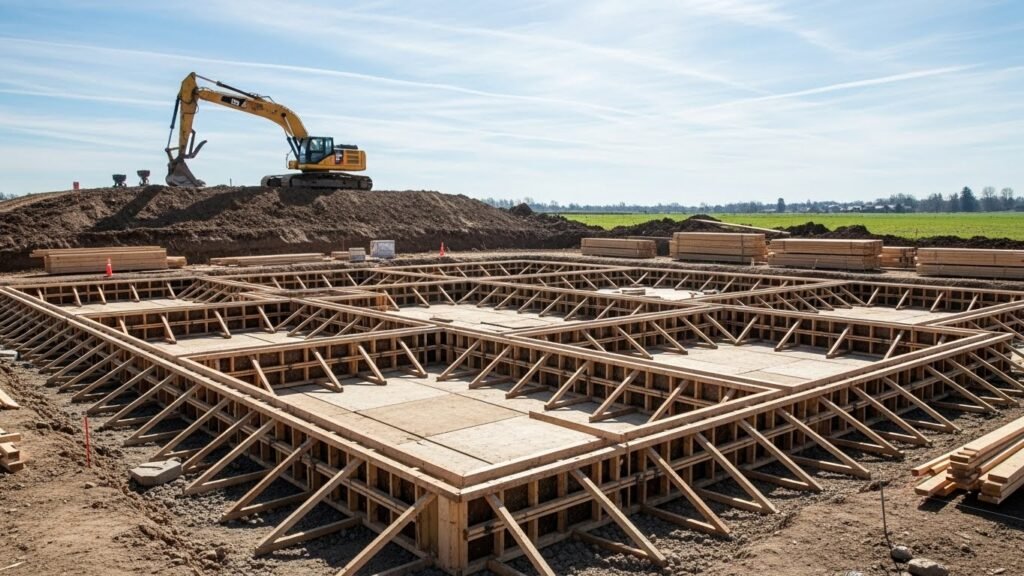
Workers will start land clearing by removing trees and big rocks. They will also handle water and sewer inspections at this time. The land is graded so water flows away from your home. This phase is quick and usually takes one to three weeks. It prepares the plot of land for the heavy work.
Soil Testing and Site Staking
A pro will test the soil to make sure it is strong. Then they do the staking out the site for the footprint. This shows exactly where the house will sit on the land. It is a very important step for your site preparation. You can finally see the size of your new home.
Foundation Installation
Now they start the excavation for the actual foundation. They might build a concrete slab, a basement, or a crawl space. Workers set the footings and pour the foundation walls. The concrete work needs time to dry and get really strong. This stage usually takes between one to four weeks to finish.
Stage 2: Framing and Structural Shell
The house finally starts to look like a real home now. This is often the most exciting part for new owners.
Building the “Bones”
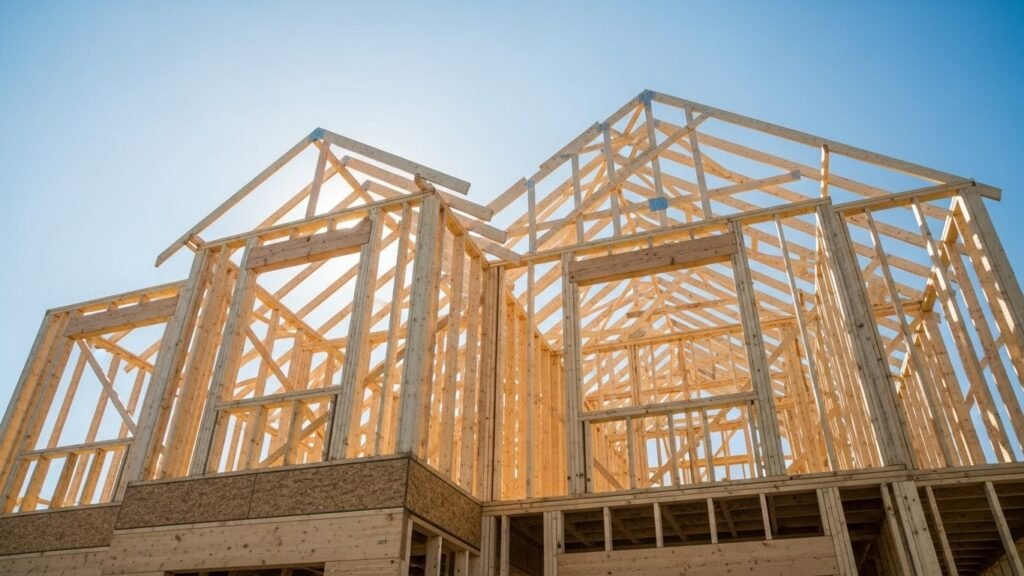
The crew builds the above grade framing with wood or steel. This includes the walls, floors, and the roof rafters. They also put on the sheathing to make the walls solid. This phase creates the bones of your future living space. Framing usually takes about two weeks for a standard house.
Making the Home “Weather Tight”
- Windows and Doors: These are installed to seal the house up.
- Roofing: The roof goes on to keep the inside dry.
- Weather Barriers: Workers apply house wrap to stop air and water.
- Air Sealants: Small gaps are filled to make the home energy-efficient.
Stage 3: Mechanical Rough-ins and Major Systems
Now the workers move inside to do the hidden work. You cannot see these parts later, but they are vital.
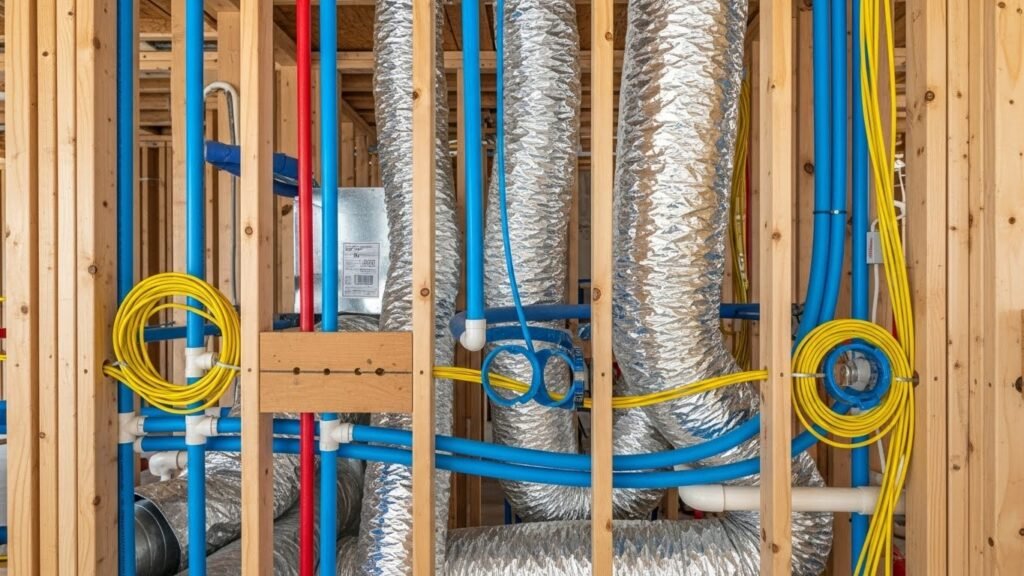
Plumbing, HVAC, and Electrical
This is when the mechanical rough-ins happen for your new home. Plumbers run pipes and electricians pull miles of electrical wiring. The HVAC team installs the furnace and all the ductwork. This work can only start once the house is weather-tight. It is the most complex part of the major systems installation.
Smart Home Integration and Low-Voltage Wiring
Many people want a home that is ready for the future. This is the time to run wires for security and Wi-Fi. You might also want to prep for an EV charger in the garage. Low-voltage wiring is much easier to do before the walls are up. It adds a lot of value and convenience to your life.
Inspections and Insulation
The city will do inspections to make sure everything is safe. Once they say okay, workers put in the insulation. They might use fiberglass, spray foam, or mineral wool. This happens in the walls, ceilings, and even the floors. This stage usually takes about four weeks to two months.
[Image showing a cross-section of a house wall with insulation, wiring, and plumbing pipes]
Stage 4: Exterior Finishes
The outside of the house gets its final look during this time. It protects your investment from the sun and the rain.
Roofing and Siding
Workers finish the roof with shingles, metal, or tile. Then they start on the siding or other exterior finishes. You might see brick, stone, or stucco going up on the walls. This part of the build takes about one to two months. It is what gives your home its great curb appeal.
Exterior Aesthetics and Durability
- Trim and Cornice: Small details that make the house look finished.
- Soffits and Gutters: These help move water away from your roof.
- Exterior Lighting: Fixtures are added so you can see at night.
- Hardscapes: This includes your driveway and any stone walkways.
Stage 5: Interior Finishes and Capturing Style
This is when the inside of the house gets beautiful. It is all about the details and the colors you picked.
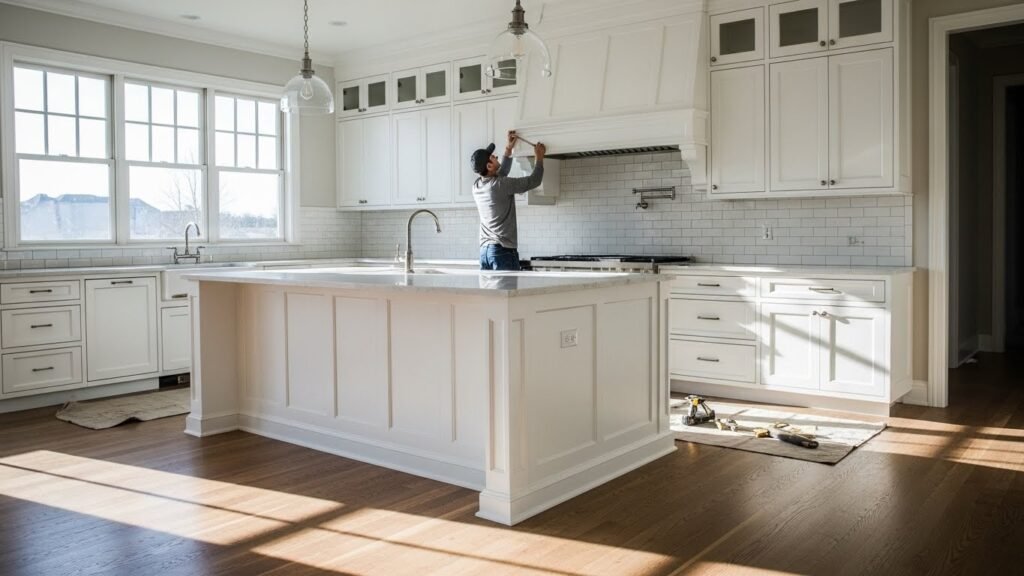
Drywall and Paint
The crew hangs the drywall and covers all the insulation. They have to do a lot of plastering and sanding to get it smooth. Once it is dry, the painting crew comes in to add color. This phase makes the house feel like real rooms for the first time. It is a messy but very rewarding part of the job.
Cabinetry and Interior Trim
The kitchen starts to take shape with the cabinetry. Workers also install the interior trim around doors and windows. They add shelving in the walk-in closets and the pantry. This phase usually takes about one to two months to finish. Your style really starts to shine through in these choices.
Flooring and Tile Work
Now the crew lays down the hardwood floors or ceramic tiles. They also do the tile work in the bathrooms and kitchen. This is when all the final caulking is done to seal gaps. You have to be careful not to scratch the new floors. The house is almost ready for you to move in.
Stage 6: Finishing Touches and Final Systems
The end is finally in sight for your big project. This phase is all about the small things that matter.
Hardware and Fixtures
- Light Fixtures: All the lamps and fans are hung up.
- Plumbing Fixtures: Faucets and showerheads are finally connected.
- Hardware: Door knobs and cabinet handles are put on.
- Outlets: Electricians finish the outlets and light switches.
Appliances and Floor Coverings
The delivery truck brings your new gourmet kitchen appliances. Workers install the oven, fridge, and the dishwasher. They also lay down any carpeting or final floor coverings. This usually happens in the last four weeks of work. The house is starting to look like a home.
Final Cleanup and Landscaping
A cleaning crew will do a deep clean of the entire interior. They remove all the dust and construction trash for you. Outside, the landscapers will put down sod and plant trees. They might also install a deck or a porch for outdoor living. Your new yard will look green and fresh for move-in day.
The Impact of Building Materials on Timeline
What you build with changes how long it takes to finish. Some materials are much faster to work with than others.
Traditional Materials (Wood, Brick, and Stone)
Wood is the most common but can be slow due to labor. Brick and stone are very strong but take a long time to lay. These traditional materials can lead to material shortages sometimes. They also require a lot of skilled labor that can be hard to find. Each one has its own impact on the construction period.
Traditional Concrete
Concrete is great for strength but can be slow to set up. You have to build forms, pour it, and then take the forms away. It adds several steps to the building process for foundations. Traditional concrete is a staple but it is not the fastest option. You have to wait for it to cure properly before moving on.
Insulated Concrete Forms (ICF) – The Modern Alternative
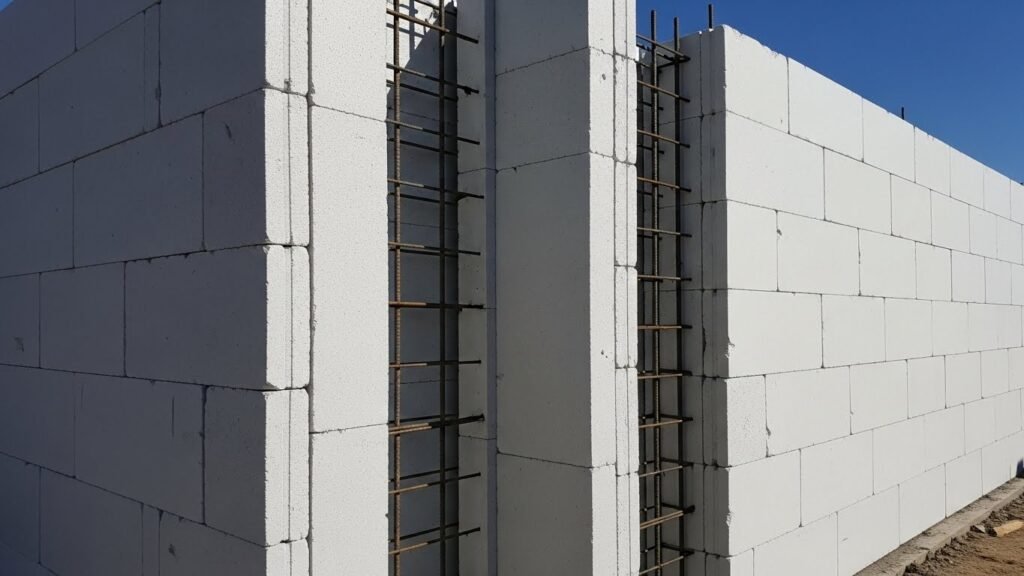
ICF construction is a much faster way to build your home. It uses stacking blocks made of foam that stay in place. This is a 6-in-1 system that does many jobs at once. It provides the structure, insulation, and even the vapor barriers. This helps you avoid many different steps and subcontractors.
Sustainability and Energy Efficiency in New Construction
Modern homes are much better for the earth and your wallet. You should think about energy efficiency from the very start.
High-Performance Building Envelopes
An airtight house keeps the heat in and the cold out. You can use Low-E glass in your windows for better insulation. This leads to big heating and cooling costs savings every year. Good air quality is also a big benefit of a tight home. It helps prevent problems like mold and rot later on.
Renewable Energy Readiness
- Solar Panels: Design your roof to face the sun for power.
- HERS Raters: These pros check how efficient your home is.
- Heat Pumps: Use high-efficiency water heating systems.
- Net-Zero Building: Aim for a home that makes its own energy.
The Final Countdown: Orienting the Homeowner
You are almost there and it is time to take charge. This is the final hand-off between you and the builder.
Final Inspections and Punch List
The builder and the city will do one last round of inspections. You will walk through and make a punch list of small flaws. This might be a scratch on a wall or a loose handle. The builder will fix these things before you officially close. It ensures your home is perfect on day one.
Homeowner Orientation Walkthrough
Your builder will give you a homeowner orientation for two hours. They will show you how the HVAC and appliances work. You will learn about the maintenance needed for your new home. They will also explain the warranty for any future issues. It is your time to ask all your final questions.
Closing and Move-In
The final step is the official closing on your new house. This is when the ownership of the home transfers to you. You get your keys and you can finally start moving in. It is the start of your journey into homeownership. Congratulations on finishing your big project!
Preparing for the Unexpected
Even the best plans can run into some trouble sometimes. You need to be ready for the unexpected delays.
Common Causes of Delays
- Supply Chain Issues: Delivery delays for custom materials can happen.
- Labor Shortages: Sometimes there aren’t enough workers for the job.
- Site Conditions: Unforeseen soil issues can pop up during excavation.
- Weather: Heavy rain or snow can stop work for a week or more.
Strategies for Success
You should always have contingency plans in place for your build. Maintaining good communication with your builder is key to success. Avoid making change orders once the work has started on site. Regular site visits help you see the builder proficiency in person. Being flexible will make the whole process much less stressful.
Post-Occupancy: What to Expect in the First Year
Your relationship with the house is just beginning now. New homes change a little bit as they get older.
The Settling Process
All new homes go through a settling process in the first year. You might see small drywall cracks as the wood dries out. This is totally normal and not a sign of a bad build. The house is just adjusting to the local climate and weight. Your builder can fix these small things during your warranty period.
The 11-Month Warranty Walkthrough
Most builders offer a one-year warranty on their craftsmanship. It is smart to do a final walkthrough at month eleven. You can point out any issues that popped up over the year. The builder will come back to make these final repairs for you. It gives you peace of mind as the warranty period ends.
Seasonal Maintenance for New Homes
You need to keep up with maintenance to protect your home. This includes cleaning gutters and changing your HVAC filters. You should also check the grading around your foundation walls. Taking care of your home helps ensure it lasts for a lifetime. It is part of the responsibility of being a new homeowner.
Final Summary of the Home Building Journey
Building your own house is a big deal that takes a lot of heart and even more patience. It is a long road from that first sketch on a napkin to the moment you turn the key in the front door. While the average build takes about seven months, you have to be ready for a year-long project. This extra time covers all the boring paperwork and planning that happens before the fun stuff starts. Knowing this helps you keep your cool when things take longer than you expected.
Your timeline depends on a lot of moving parts like the weather and how fast you can pick out your tile. Choosing a pro builder or using modern materials like ICF can really help speed things up. It is also super important to have your money sorted out early with a solid construction loan. The more you plan now, the fewer headaches you will have when the hammers start swinging. Small delays might happen, but they are just tiny bumps on the way to your forever home.
In the end, all the waiting and the tough choices are totally worth it. You are not just building a structure with four walls and a roof. You are creating a space that fits your family and your unique lifestyle perfectly. Take your time to enjoy the process and watch your dream come to life piece by piece. Once you move in and start making memories, the months of waiting will feel like a distant memory. Your new home is a huge win that you will enjoy for many years to come.
Frequently Asked Questions
What is the difference between a build time and a lead time?
Lead time refers to the period before construction starts, covering design and material ordering. Build time is strictly the duration from groundbreaking to the final inspection. Both must be added together to understand your total wait time.
Does the time of year I start building affect the speed?
Starting in late spring is usually the fastest because you avoid frozen ground and winter storms. If you start in late fall, your builder must race to get the shell enclosed before the first major snow or deep freeze.
How does the complexity of the roofline impact the schedule?
A simple gable roof can be framed in a couple of days. A complex roof with multiple gables, hips, and dormers requires intricate cutting and support, which can add weeks to the framing and roofing stages.
Can a change in local building codes delay my project?
Yes, if codes change after your plans are drawn but before permits are issued, you may have to go back to the architect. This redesign process can push your start date back by several weeks or months.
How much extra time should I plan for a basement versus a slab?
A full basement requires significantly more excavation, formwork, and curing time than a simple concrete slab. Generally, a basement adds two to three weeks to the foundation phase of the build.
Do holidays and builder vacations impact the timeline?
Most construction crews do not work on major holidays, and many take off the week between Christmas and New Year’s. You should account for about ten to fifteen “lost” workdays throughout the year due to holidays.
How does building in a rural area compare to an urban area?
Urban builds often face stricter inspections and tighter lot constraints which slow things down. However, rural builds can face delays in getting utilities like power and water lines extended to the property.
Does the type of interior flooring affect the move-in date?
Hardwood floors that need to be sanded and finished on-site require the house to be empty and dust-free for about a week. Pre-finished wood or luxury vinyl planks can be installed much faster.
Will a pool installation delay my house completion?
If the pool is being built at the same time, it can cause congestion on the lot with multiple crews. It is often best to dig the pool at the same time as the foundation to save on excavation mobilization.
How long does it take to get a Certificate of Occupancy?
Once the final inspection is passed, the local building department usually takes three to seven business days to issue the formal paperwork. You cannot legally move your furniture in until this document is in hand.
Does the size of the building company matter for speed?
Large volume builders have “priority” with subcontractors, which can keep a project moving. Smaller custom builders may offer more attention to detail but might struggle to get crews on-site during busy seasons.
How do supply chain shortages currently affect the timeline?
Shortages of specific items like electrical transformers or specialized windows can halt a project for months. Modern builders often order long-lead items the moment the contract is signed to avoid this.
What happens to the timeline if the builder goes out of business?
This is a major delay that involves legal battles and finding a “completion builder.” It can add six months to a year to the project while insurance and new contracts are sorted out.
Can I speed up the process by doing some work myself?
Usually, the opposite happens. Unless you are a professional tradesperson, “sweat equity” often takes longer and can disrupt the schedule of the professional subcontractors waiting to follow your work.
How does the appraisal process fit into the timeline?
The bank requires an appraisal of the plans and the land before the loan closes. If the appraisal comes in low, you may spend weeks renegotiating the contract or design, delaying the start.
Does the height of the ceilings affect the build time?
Yes, ceilings over ten feet or vaulted “cathedral” ceilings require specialized scaffolding and more labor-intensive drywall and painting work. This adds time to both the framing and finishing stages.
How long does the “drying out” period take for a new build?
After the house is enclosed, the lumber needs to acclimate to the indoor climate before drywall is hung. This usually takes five to ten days of running the HVAC system to stabilize moisture levels.
What is the impact of a “Design-Build” firm on the schedule?
Design-Build firms often save time because the architect and builder work for the same company. This leads to fewer errors in the blueprints and faster communication when a problem is found on-site.
How do historic district regulations affect the timeline?
Building in a historic zone requires extra layers of approval for exterior colors, windows, and materials. These board meetings usually only happen once a month, which can delay permits significantly.
Does a detached garage take longer to build than an attached one?
An attached garage is built as part of the main structure, which is more efficient. A detached garage requires its own foundation, separate utility runs, and a second mobilization of the framing crew.
