 Skip to content
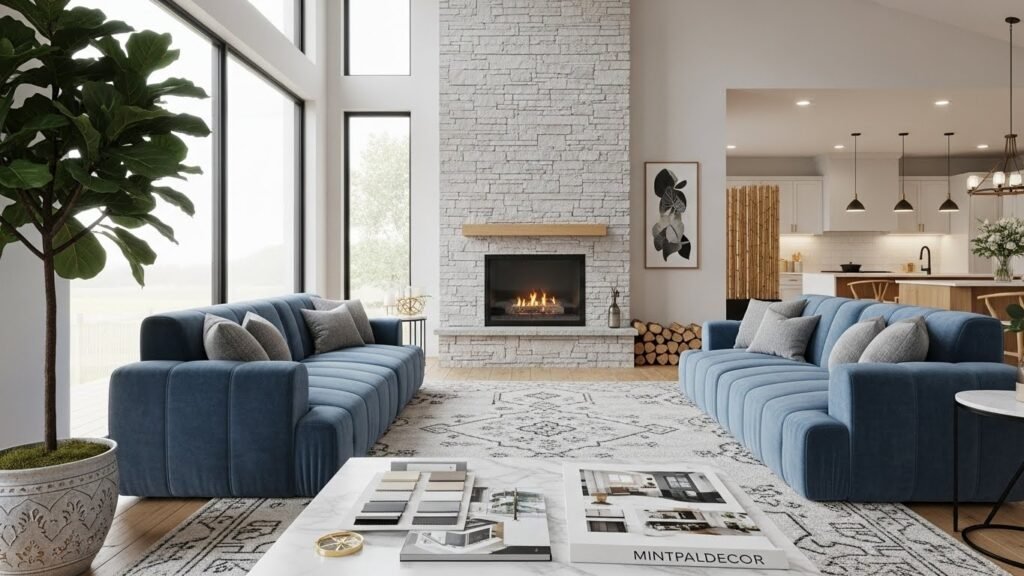
Interior design is more than just moving chairs around. It is a cool mix of art and science that changes how we live. It turns a boring room into a place that feels like home. You get to use your imagination to make a space look great and work well. This is exactly why interior design is interesting mintpaldecor for anyone who loves their home.
Professional designers use spatial planning to make every inch of a house count. They think about color theory and how light hits the floor. It is like a big puzzle that makes your life easier every day. When you get it right, your home becomes your favorite place to be.
Introduction to the World of Interior Design
The craft of interior design is about more than just picking pretty colors. It involves changing an entire environment to fit a specific purpose. You are basically an artist who works with walls and floors. It takes a lot of thought to make a room feel just right.
Defining the Craft
- Applied arts are used to create beautiful things that you can actually use in real life.
- Furniture arrangement helps people move through a room without bumping into things.
- Spatial planning ensures that a tiny room does not feel crowded or messy.
- Home improvement projects often start with a fresh design plan.
The Mainstream Shift
Interior design used to be a secret for rich people and experts. Now, everyone loves it because of home tours on the internet. You can find makeover shows on TV that show how to fix a house. This shift made it a mainstream interest for everyone. People love seeing a total home transformation happen right before their eyes.
The Concept of Space as a Story
Every house tells a story about the people who live inside of it. Your choice of decor shows what you care about and where you have been. It is a visual language that brings your personal history to life. A well-designed room reflects your personality better than any book could.
The MintPalDecor Philosophy
This philosophy is all about mixing high-end dreams with real-life needs. You want a house that looks like a magazine but still feels cozy. It bridges the gap between total imagination and practical comfort. This balance is why interior design is interesting mintpaldecor to modern homeowners.
The Unique Intersection of Art and Science
Designing a home is a perfect blend of creativity and technical rules. You have to be an artist to see the beauty. You have to be a scientist to make it safe and solid. This mix makes the job challenging and very fun.

The Artistic Vision
- Color theory helps you pick shades that look amazing together.
- Composition is how you place items to create a balanced look.
- Textures like velvet or linen add a sensory experience to the room.
- Aesthetics focus on the pure beauty and visual appeal of the space.
The Scientific Foundation
Science is used to understand how light and sound travel through a room. Designers must know about architecture and structural safety. They follow scientific principles to ensure a house is energy efficient. Using logic helps solve problems before they even start.
Ergonomics and Human Anatomy
Ergonomic furniture is built to fit the human body perfectly. It helps prevent back pain and keeps you comfortable while you work. Designers think about how high a chair should be for your desk. Good design actually protects your physical health over time.
The Physics of Light and Space
Lighting effects can make a small room look much bigger than it is. Natural light from windows creates a sense of warmth and openness. Mirrors can be placed to bounce light into dark corners. Understanding physics allows you to manipulate how a space feels to the eye.
The Psychological Power of Interior Spaces
The way a room looks can change how you feel inside. Psychology plays a huge part in professional interior design choices. It can make you feel happy, calm, or even very productive.

Emotional Impact and Mood Regulation
- Color psychology explains why blue makes you feel relaxed and calm.
- Vibrant colors like orange or yellow can give you a boost of energy.
- Lighting that is soft and warm helps you wind down after a long day.
- Mood is heavily influenced by the cleanliness and layout of your surroundings.
Sensory Choices
Textures play a big role in how we connect with a space emotionally. Touching a soft rug or a smooth stone counter feels good. These sensory experiences make a home feel more grounded and real. Designers choose materials that create a specific feeling in every room.
Creating Atmosphere
You can design a room to be an anchor for your feelings. A bedroom should always feel like a quiet sanctuary for sleep. A kitchen should feel like a bright and busy place for family. This is another reason why interior design is interesting mintpaldecor for creating a happy life.
The Connection Between Design and Well-Being
Your home environment has a direct link to your mental health. A messy or dark room can make you feel stressed out. A well-planned home can help you feel much more resilient.
Stress Reduction
- Biophilic design brings nature inside to help you relax.
- Natural elements like wood and stone reduce feelings of anxiety.
- Indoor plants clean the air and make a space feel fresh.
- Decluttering removes visual noise that can clutter your mind.
Productivity Boosts
An organized workspace helps you stay focused on your tasks. When everything has a place, you spend less time looking for stuff. Good lighting prevents your eyes from getting tired while you read. Proper design creates a space where innovativeness can really grow.
Mental Health Investment
Investing in your home is actually investing in your mental well-being. It is not just about showing off to your neighbors. It is about creating a place where you can truly recover. Many people now see great design as a necessity for a healthy lifestyle.
Environmental Psychology: How Spaces Shape Behavior
Environmental psychology looks at how your surroundings change your actions. The way you set up a room can change how you talk to people. It can even change how much you sleep or eat.
Social Interaction Design
- Seating arrangements can be set up to encourage long conversations.
- Open layouts make it easy for family members to see each other.
- Focal points like a fireplace give people a place to gather.
- Harmony in a room makes guests feel more welcome and at ease.
The Third Space Concept
The third space is a bridge between your work life and your rest life. It is a spot in your home where you can just be yourself. It helps you switch off your brain after a busy day at the office. This space is essential for maintaining a good work-life balance.
Privacy and Territoriality
Everyone needs a spot in the house that feels like theirs. Design helps create boundaries even in a small home. You can use furniture to mark out a private corner for reading. This sense of territory helps everyone in the house feel more secure.
Sensory Architecture
Sound and scent are just as important as how a room looks. Soft carpets can dampen loud noises so the house stays quiet. Good ventilation keeps the air smelling fresh and clean. Designing for all the senses makes a home feel complete and high-quality.
Interior Design as a Form of Personal Expression
Your home is like a giant canvas for your personal style. It is the best way to show the world who you are. You can pick every single piece to match your unique taste.
Reflecting Personality and Values
- Minimalist styles show that you value simplicity and order.
- Modern luxury choices might show that you enjoy high-end comfort.
- Traditional decor can show a love for history and family roots.
- Personalized elements make a house feel different from everyone else’s.
Tailoring to Lifestyle
Design should always adapt to the way you actually live your life. A family with kids needs fabrics that are very easy to clean. A young professional might want a sleek and smart home setup. Your home should work for you, not the other way around.
Authenticity in Design
Being authentic means choosing things you truly love. You don’t have to follow every single trend you see online. Authentic design creates a space that feels honest and real. This focus on truth is why interior design is interesting mintpaldecor for so many people.
The Intellectual Challenge of Problem-Solving
Designing a home is like playing a very big game of Tetris. You have to fit a lot of needs into a limited amount of space. This challenge requires a lot of smart thinking and logic.
Spatial Solutions for Small Areas
- Multi-purpose furniture like a sofa bed saves a ton of space.
- Vertical storage uses wall space to keep the floor clear.
- Light color palettes make tiny rooms feel much more open.
- Mirrors create the illusion of more square footage in a hallway.
Navigating Constraints
Sometimes you have a tiny budget or a very weird room shape. Designers see these problems as a chance to be extra creative. They find low-cost ways to make a big visual impact. Solving these design puzzles is one of the most rewarding parts of the job.
Multipurpose Innovation
Modern homes often have rooms that do more than one thing. A guest bedroom might also be your home office. Innovation in furniture allows these spaces to switch roles easily. This flexibility is a key part of modern living in the city.
Global Inspiration: Culture and History in Design
Designers look all over the world to find cool new ideas. Different cultures have different ways of making a home feel good. This global mix adds a lot of richness to modern homes.

Historical Narratives
Old styles connect us to the craftsmanship of the past. You can use vintage French style hardware to add a touch of class. Historical richness makes a new house feel like it has some soul. It brings a sense of timeless elegance to any room.
Cross-Cultural Stimulation
- Scandinavian simplicity focuses on clean lines and lots of white space.
- Moroccan accents use bold colors and intricate patterns to add heat.
- Mediterranean style uses earthy colors and stone to feel relaxed.
- Zen philosophy from Japan focuses on total harmony and simple objects.
- Industrial urbanism celebrates raw materials like brick and metal.
Cultural Sensitivity
It is important to respect the traditions you borrow from. Good design uses these influences to create something new and meaningful. It connects human experiences from different parts of the globe. This cultural mix is why interior design is interesting mintpaldecor for world travelers.
The Principles of Professional Space Planning
Space planning is the skeleton of any good interior design project. Without it, a beautiful room will still feel hard to use. It is all about making sure the layout makes sense for a human being.
The Flow of Traffic
You should be able to walk through your house without tripping over a rug. Proper planning creates clear paths between different rooms. It ensures that doors can open all the way without hitting a sofa. Good flow makes a house feel organized and peaceful.
The Golden Ratio and Rule of Thirds
Designers use math to decide where to put things on a wall. The Golden Ratio helps create a balance that looks natural to the eye. The Rule of Thirds is great for placing art or photos. These rules help you avoid making a room look lopsided or messy.
Zoning and Boundary Marking
- Rugs can be used to define a seating area in a large room.
- Smart lighting can highlight a dining table to separate it from the kitchen.
- Furniture placement can create a “wall” without actually building one.
- Textures can change to show where the living room ends and the hall begins.
Focal Points
Every room needs one thing that grabs your attention right away. It could be a large window with a great view or a big piece of art. A focal point gives the room a sense of purpose and structure. It helps the rest of the decor fall into place around it.
Staying Ahead: Ever-Changing Trends and Innovation
The world of interior design never stays the same for very long. New technology and new ideas keep things feeling fresh and exciting. There is always something new to learn or try.

The Evolution of Style
Styles change as our culture and technology move forward. We move from rustic warmth to modern luxury and back again. This evolution means you can always update your home to feel current. It keeps the hobby of home improvement fun for a long time.
Sustainability and Green Design
- Eco-friendly materials like bamboo or recycled glass are very popular now.
- Energy efficiency helps save the planet and lowers your power bills.
- Sustainable materials are built to last a lifetime so you waste less.
- Natural lighting reduces the need for electric bulbs during the day.
Biophilic Trends
Biophilic design is all about bringing the outside world into your home. You can use nature-inspired motifs on your wallpaper or rugs. This trend focuses on our deep human need to be near living things. It creates a very cooling and fresh atmosphere in the city.
Smart Homes and Technology
- AI-powered design tools let you see a room before you buy anything.
- 3D modeling creates a digital version of your house to play with.
- Augmented reality lets you “place” a virtual sofa in your real living room.
- Home automation allows you to control lights and heat with your phone.
The Economics of Interior Design
Interior design is a smart way to manage your money and property. It is not just about spending; it is about building value over time.
Increasing Property Value
A well-designed home is much easier to sell for a high price. Kitchen and bathroom renovations usually give the best return on investment. Good design makes a house look move-in ready for buyers. It is one of the best ways to build wealth through your home.
Cost-Benefit Analysis
You have to decide which items are worth a big splurge of cash. A high-quality mattress or a sturdy sofa is usually a great investment. You can save money on smaller decorative touches like candles or pillows. This balance helps you get a high-end look without going broke.
The Slow Design Movement
Slow design is about buying fewer things that are much higher quality. It is the opposite of buying “fast furniture” that breaks in a year. This approach is better for your wallet and for the environment. Quality pieces become family heirlooms that you keep forever.
Practical Interior Decoration Tips by MintPalDecor
You don’t need a huge degree to start making your home look better. Small, smart changes can make a massive difference right away.

Smart Ways to Upgrade Your Space
- Natural light can be maximized by using sheer curtains instead of heavy ones.
- Color palettes should follow the 60-30-10 rule to look balanced.
- Statement pieces like a bold rug can change the whole room’s vibe.
- Indoor plants add life and color to a boring corner for very little money.
Advanced Design Techniques
Layering your lighting creates depth and a cozy feeling at night. You should have overhead lights, task lights for reading, and soft lamps. Decluttering is the first step before you buy anything new. A clean space is the best canvas for a new design project.
Hardware Refresh
You can update your kitchen or bathroom in just one afternoon. Swapping out old cabinet handles for vintage French style ones is a great fix. New hardware can make old cabinets look expensive and modern. It is a simple DIY project that anyone can do on a weekend.
Interior Design as a Lifelong Passion
For many people, fixing up a house is a hobby that never ends. There is always a new project or a new trend to explore.
The Journey of Continuous Learning
You can always learn more about fabric textures and architectural design. Every new project teaches you something about spatial organization. The more you do it, the better your eye for beauty becomes. It is a journey that keeps your brain active and creative.
The Reward of Creativity
There is a great feeling when a room finally looks the way you imagined it. It is an intellectual and emotional reward for all your hard work. You get to live inside your own work of art every single day. That is why interior design is interesting mintpaldecor for creative souls.
Transforming the Ordinary into Extraordinary
Design takes a plain house and turns it into an extraordinary experience. It improves the quality of your daily life in ways you can see and feel. It is a beautiful combination of human contact and innovation. Every wall and every corner has the potential to be something special.
Conclusion: The Impact of Thoughtful Design
Thoughtful design touches every single part of the human experience. It combines art, science, and emotion into one big package. It changes how we work, how we rest, and how we feel about ourselves.
Summary of the Art-Science-Emotion Triad
- Art provides the beauty and visual appeal we crave.
- Science provides the structure and functionality we need to survive.
- Emotion provides the connection and warmth that makes a house a home.
Future Outlook
Interior design will keep adapting to our changing needs and new tech. We will see even more sustainable materials and smart home features in the future. But the core goal will always be to make human life better and more beautiful.
Final Thought
Your home should be your sanctuary from the busy world outside. You don’t have to change everything at once to see a difference. Try one small home tweak this week to start your journey. Why interior design is interesting mintpaldecor is because it gives you the power to change your world.
FAQs About Interior Design
Why is interior design important?
It improves the functionality, comfort, and visual appeal of where you live. It creates an environment that supports your daily life and style.
How does interior design affect mood?
Colors, lighting, and layout directly change how you feel. Soft tones and natural light promote relaxation and general happiness.
Can good design increase property value?
Yes, a well-designed interior makes a home much more attractive to buyers. It can significantly increase the resale price of your property.
Is interior design only for luxury homes?
Not at all. You can use design principles in any room, no matter how small or plain it is. It is about making the best of what you have.
What is the primary difference between an interior designer and an interior decorator?
Interior designers focus on the structural and functional aspects of a space, often working with architects and building codes. Interior decorators primarily deal with the aesthetic surface of a room, such as selecting furniture, color palettes, and fabrics to enhance visual appeal.
How does interior design improve the resale value of a property?
Well-designed interiors enhance property value by making spaces more functional and attractive to a wider pool of buyers. Professional spatial planning and modern renovations in high-impact areas like kitchens can significantly increase a home’s market price.
What are the benefits of using a digital platform for design inspiration?
Digital platforms like MintPalDecor provide expert-backed insights, shopping guides, and online consultations to help homeowners visualize contemporary trends. These tools offer a cozy corner of the internet for discovering budget-friendly DIY tips and professional standards.
Why is lighting considered one of the most important elements in a room?
Lighting influences both spatial perception and emotional impact by highlighting focal points and creating warmth. Proper lighting effects can make a room feel more uplifting, support productivity, and even influence the overall energy flow of the house.
How can I make a small room feel significantly larger without moving walls?
You can improve spatial perception by using mirrors to reflect natural light and opting for a minimalist layout. Using light color palettes and multi-purpose furniture also helps prevent a small space from feeling cluttered or cramped.
What role does color psychology play in office design?
Color psychology is used to boost productivity and concentration; for example, specific hues can foster innovativeness while others provide a sense of calm. Choosing the right color palettes can reduce stress and create a sensory experience that helps employees stay focused.
What is biophilic design and why is it currently popular?
Biophilic design integrates natural elements like indoor plants, wood, and stone to connect human surroundings with nature. This approach is popular because it improves mental health, reduces stress, and adds timeless elegance to modern living spaces.
How do textures like velvet and linen change the feel of a room?
Different fabrics and textures add depth and a sensory experience to an interior environment. For instance, velvet adds a sense of modern luxury, while linen provides a lighter, more Scandinavian simplicity to the home.
What are some eco-friendly materials I can use in home improvement?
Sustainable materials such as stone, wood, and other recycled elements help improve energy efficiency and long-term resilience. Using eco-friendly materials is a core part of contemporary trends that focus on both functionality and environmental responsibility.
How does smart home technology integrate with interior aesthetics?
Home automation and smart lighting can be hidden within the architectural design to maintain visual appeal while adding modern convenience. AI-powered design tools also allow homeowners to preview how technology will fit into their personalized elements.
What is the “Zen philosophy” in interior design?
The Zen philosophy focuses on simplicity, harmony, and the use of natural light to create a peaceful atmosphere. It emphasizes home organization and the removal of unnecessary items to support mental well-being.
How can I achieve a Mediterranean style in my own home?
To achieve this look, use earthy colors, textured stone, and a balance of indoor and outdoor elements. This style focuses on warmth, craftsmanship, and a historical richness that feels both cozy and sophisticated.
Why is an observation checklist useful before starting a renovation?
An observation checklist helps identify areas where lighting or layout need improvement before spending money on decorative touches. It ensures that furniture selection and spatial planning align with your actual lifestyle and daily use.
What makes Moroccan accents a good choice for modern interiors?
Moroccan accents bring vibrant colors and unique textures that serve as excellent statement pieces in a room. They add cultural inspiration and imagination to a space, making it feel more globally influenced and interesting.
How does furniture placement affect the energy flow of a living space?
The arrangement of furniture determines how people move through a room, which directly impacts spatial organization and comfort. Proper placement ensures the room remains functional while maintaining a sense of balance and harmony.
What is the benefit of multi-purpose furniture in modern living?
Multi-purpose furniture and vertical storage are essential for maximizing functionality in small urban homes. These pieces provide practical comfort and help maintain a minimalist aesthetic by reducing the need for excess furniture.
How can I incorporate historical richness into a contemporary home?
You can blend the old with the new by using vintage French style cabinet hardware or antique focal points. This design evolution creates a storytelling environment that feels deeply personal and timeless.
What are some quick ways to refresh a room on a budget?
Budget-friendly fixes include swapping out hardware, adding indoor plants, or changing color palettes with a fresh coat of paint. These small decorative touches can lead to a significant home transformation without a full renovation.
How does interior design support mental health and resilience?
A well-organized and aesthetically pleasing environment reduces cognitive load and promotes relaxation. By focusing on comfort and personal expression, design helps create a home that acts as a supportive sanctuary for the inhabitant.
Why is technical knowledge important for interior designers?
Designers need technical knowledge of architecture, scientific principles, and spatial organization to ensure a space is safe and efficient. This practical logic ensures that creativity and artistic expression do not compromise the structure or functionality of the home.