



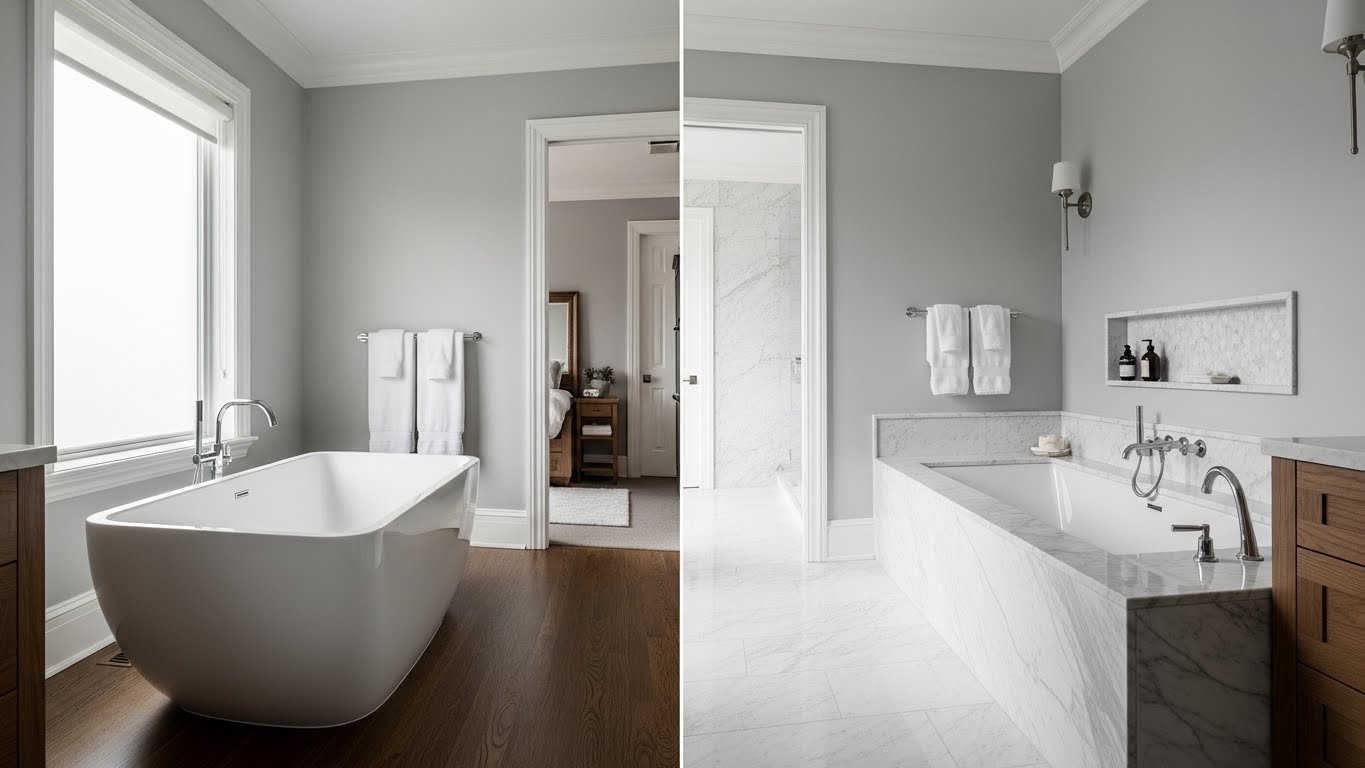
Choosing new bathtubs is a big deal for your home. You want a spot that looks cool and feels great. Most people look at the pros and cons of freestanding bath tub styles first. This choice changes how your bathroom looks and how you use it every day. We will look at every detail to help you pick the best one.
Introduction to Modern Bathtub Selection
The way we look at bathrooms has changed a lot lately. It used to be just a place to get clean quickly. Now, people want a private sanctuary to relax after a long day. Your tub is the heart of this new relaxing space.
There are two main types of tubs you will see in stores. One is the freestanding tub which stands all by itself. The other is the built-in tub which sits against your walls. Each one has a different vibe and set of rules for your house.
Your choice will affect your bathroom layout and your home value. It also changes your morning and night routine quite a bit. We want to make sure you get the right fit for your lifestyle.
The Freestanding Bathtub
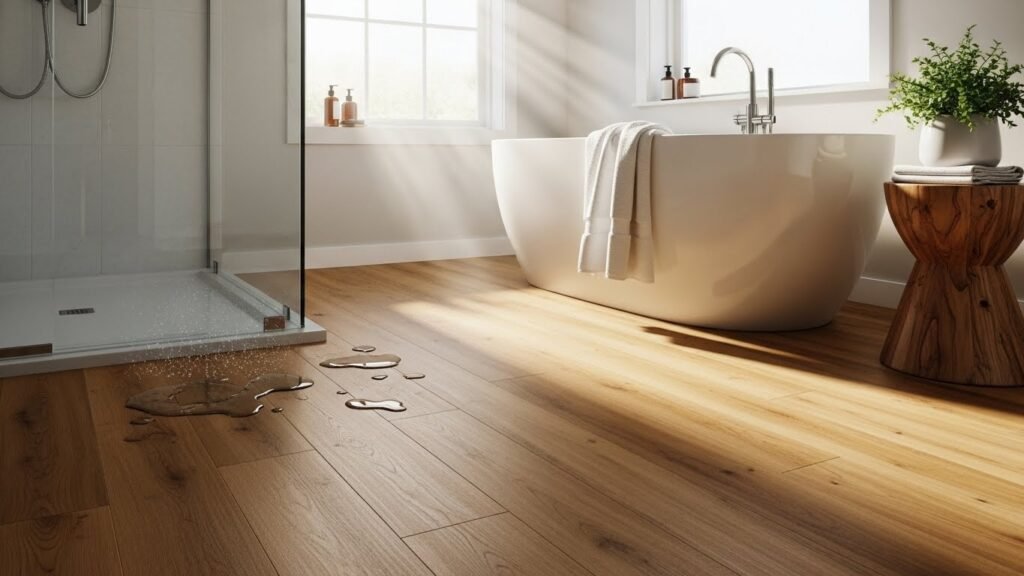
A freestanding tub is a cool fixture that is finished on all sides. It does not need to touch a wall to work. You can put it almost anywhere if you have the right plumbing. It is like a piece of furniture for your bathroom.
Pros of Freestanding Bathtubs
- Aesthetic Impact and Style: These tubs act as a major statement piece in your home. They give off a high-end spa-like luxury feel that guests will love.
- Design and Material Variety: You can find them in many shapes like oval or rectangular. They come in materials like acrylic, stone resin, or classic cast iron.
- Placement Flexibility: You can put these tubs in the middle of the room if you want. Some people put them under skylights or near windows to see the view.
- Visual Openness: These tubs make the room feel bigger because you see more floor. It opens up the square footage and makes the layout feel airy.
- Ease of Initial Placement: You usually just need a plumber to hook it up. You do not need a whole construction crew to build a wall around it.
Cons of Freestanding Bathtubs
- Price and Budgetary Impact: These tubs usually cost more money upfront. You also have to pay more for special floor-mounted hardware.
- Storage and Practicality Hurdles: There is no ledge to put your soap or shampoo bottles. You will need to buy extra caddies or small tables to hold your stuff.
- Weight and Structural Requirements: Tubs made of stone or cast iron are very heavy. You might need to reinforce your floor so it does not sag.
- Cleaning Challenges: It can be hard to reach the floor behind the tub. Dust and hair like to hide in the tight spots near the wall.
- Usage Limitations: It is hard to add a shower to a freestanding tub. They are also tricky for washing kids or pets because they are tall.
The Built-In Bathtub

A built-in tub is made to sit against a wall or in a corner. These are often called alcove or drop-in tubs. They are a classic choice for many American homes.
Pros of Built-In Bathtubs
- Space Optimization: These tubs are great for small bathrooms or standard layouts. They use corners and alcoves to save as much floor space as possible.
- Integrated Storage and Convenience: The ledge around the tub is perfect for your gear. You can keep your candles and bath products right where you need them.
- 2-in-1 Functionality: You can easily add a shower head to these tubs. This gives you a shower-tub combo that works for the whole family.
- Concealed Plumbing: All the pipes and drains stay hidden behind the walls. This gives the bathroom a very clean and organized look.
- Maintenance and Hygiene: These tubs have fewer spots where dirt can hide. You only have to clean the inside because the outside is walled in.
- Energy Efficiency and Insulation: The walls around the tub help keep the heat inside. Your bathwater will stay warm for a much longer time.
Cons of Built-In Bathtubs
- Installation Complexity: You have to build a frame and do a lot of tiling. You also need to make sure the sealing and caulking are perfect.
- Fixed Design: Once it is in, you cannot move it easily. Changing the layout later means you have to rip everything out.
- Limited Aesthetic Variety: The tub itself often looks a bit plain. The style comes more from the tiles you pick rather than the tub shape.
- Placement Restrictions: You have to anchor it to at least one or two walls. This means you cannot get too creative with where it goes.
Design and Style Considerations for Both Styles

When you look at the pros and cons of freestanding bath tub designs, you see many styles. You have to think about how the tub fits your house style. Both types have unique ways to make your bathroom look better.
Material Choices for Freestanding Tubs
- Clawfoot Tubs: These have a vintage style with little feet at the bottom.
- Pedestal Tubs: These sit on a small base for a very sculptural look.
- Acrylic and Fiberglass: These are light and easy on the budget.
- Stone and Cast Iron: These are very durable and look super expensive.
Configuration Styles for Built-In Baths
- Alcove Tubs: These are tucked between three walls and save the most space.
- Corner Tubs: These fit into a corner and often have extra room for soaking.
- Drop-In and Undermount: These are sunk into a custom deck for a clean finish.
Tap and Fixture Selection
- Freestanding Taps: You need floor-standing faucets that come up from the ground.
- Wall-Mounted Faucets: These come out of the wall and work well for alcove tubs.
- Deck-Mounted Faucets: These sit right on the ledge of a built-in tub.
Technical Factors and Installation Realities

Installing a tub is more than just picking a color. You have to think about the plumbing and the floor strength. Some tubs need a lot of extra work before they can go in.
Plumbing and Structural Requirements
- Floor Reinforcement: Heavy stone tubs might need extra support beams in the floor.
- Drain Placement: You have to make sure the drain lines up perfectly with the tub hole.
- Exposed Pipes: For freestanding tubs, the pipes might be visible, so they should look nice.
Soundproofing and Insulation
- Wall Insulation: Built-in tubs use the wall cavity to dampen the sound of splashing.
- Heat Retention: Materials like cast iron hold heat well but take a while to warm up.
- Air Gaps: Freestanding tubs can lose heat faster because air moves all around them.
Decision Matrix: Which is Best for Your Remodel?
- Size of the Space: Use a built-in tub if your bathroom is tight on square footage. Use a freestanding tub if you have a huge master suite.
- Lifestyle and Usage: Pick a built-in if you have kids or need a shower combo. Pick a freestanding tub if you want a luxury soaking spot for yourself.
- Budgeting for Hidden Costs: Remember that floor-mounted faucets for freestanding tubs cost a lot more. Built-in tubs need money for tiling and professional sealing.
- Maintenance Preferences: Choose built-in if you want to clean fast. Choose freestanding if you don’t mind mopping under and behind the tub.
Comparison of Bathtub Materials and Installation Factors
| Feature | Acrylic Tubs | Cast Iron Tubs | Stone Resin Tubs | Fiberglass Tubs |
| Lifespan | 10 to 15 years | 50 years or more | Highly durable and repairable | Less durable; prone to fading |
| Heat Retention | Good insulation | Excellent (stays warm long) | Best for long soaking | Poor heat retention |
| Weight | Lightweight; easy to move | Very heavy; needs support | Heavy; very sturdy | Most lightweight |
| Maintenance | Easy to clean | Easy but can chip | Can be sanded if scratched | Harder to keep looking new |
| Cost Range | Budget-friendly | High-end investment | Premium/Luxury price | Most affordable |
Important Cost and Installation Insights
When planning your budget, remember that the price of the tub is only one part of the total cost. You should also think about these common expenses:
- Floor Reinforcement: Heavy materials like cast iron or stone often require extra beams in your floor to prevent sagging.
- Specialized Plumbing: Freestanding tubs usually need floor-standing faucets, which are more expensive than standard wall-mounted versions.
- Rough-in Kits: You might need a specific freestanding tub drain kit to make the connection under the floor easier.
- Tiling and Sealing: Built-in tubs require a custom frame, waterproofing, and tile work, which adds to the labor cost.
- Access Panels: Repairing a leak in a built-in tub may require cutting into walls, making long-term maintenance potentially pricier than a standalone unit.
Safety and Accessibility

When choosing between bathtub styles, it is vital to consider the long-term safety of all users in your home. Both freestanding and built-in models offer different levels of accessibility depending on their design and installation.
Universal Access in Bathtub Design
- Definition of Access: Universal access refers to specific features designed to make a bathtub safer for everyone, including the elderly and those with limited mobility.
- Safety Features: This design philosophy includes incorporating low entry points, sturdy grab bars, and non-slip floor textures to prevent accidents.
Accessibility of Freestanding Tubs
- Entry Challenges: Getting in and out of a freestanding tub can be difficult because the sides are usually very high.
- Safety Modifications: Users may need to install a step or extra grab bars nearby to ensure they can enter and exit the tub safely.
- Pet Safety: Because freestanding tubs are often taller and lack a surrounding ledge, lifting a heavy pet in and out can be a physical struggle.
Accessibility of Built-In Tubs
- Ease of Use for Families: Built-in tubs are generally easier for parents to reach over when bathing children.
- Stability for Kids: The ledge of a built-in tub provides children with a secure place to hold on while getting in or out.
- Lower Profiles: Families with pets or small children often prefer the lower height of an alcove tub compared to standalone models.
Conclusion and Final Recommendations
Both tub styles have great points and some tricky parts. Thinking about the pros and cons of freestanding bath tub options is the first step. Your choice should match how you live and what you like to look at.
If you want a spa vibe, go for the freestanding model. If you want a practical family bathroom, the built-in is usually the winner. Either way, a new tub will make your home feel much better. Good luck with your bathroom renovation.
Frequently Asked Questions
What is the average lifespan of an acrylic tub versus a cast iron tub?
Acrylic tubs typically last between 10 to 15 years before they show signs of wear or dulling. Cast iron tubs are incredibly durable and can easily last 50 years or more if the porcelain finish is maintained.
Will a freestanding tub affect the resale value of my home more than a built-in?
A freestanding tub is often seen as a luxury item and can increase the “wow factor” and property value for high-end buyers. However, in a family home with only one bathroom, a built-in shower-tub combo is often preferred for its functionality.
How do I prevent mold growth around a built-in bathtub?
You must ensure high-quality caulking and sealing at the points where the tub meets the walls. Using grout that is resistant to water damage and maintaining a regular cleaning schedule will help stop mold.
Can I install a freestanding tub on an upper floor of an old house?
You can, but you must check the weight and structural support of the floor first. Many old houses require floor reinforcement to handle the weight of a stone or cast iron tub filled with water.
What is a slipper tub and how does it differ from a standard freestanding tub?
A slipper tub has one or both ends raised and sloped, resembling a shoe or slipper. This modern design offers better back support for deep soaking compared to a flat-rimmed tub.
Is it possible to add a shower curtain to a freestanding bathtub?
Yes, you can install a circular or rectangular shower curtain track that mounts to the ceiling. While it works, it can sometimes hide the aesthetic appeal and sculptural look of the tub.
How much extra space do I need around a freestanding tub for cleaning?
Most designers suggest leaving at least 4 to 6 inches of clearance between the tub and the walls. This footprint ensures you have enough room for a mop or cloth to reach every spot.
Are drop-in tubs the same as undermount tubs?
No, a drop-in tub has a visible rim that sits on top of the deck or surround. An undermount tub is installed beneath the deck so the rim is hidden, creating a sleek and modern look.
Do I need a special floor drain for a freestanding bathtub?
Yes, you often need a specific plumbing fixture called a freestanding tub drain or a “rough-in” kit. This makes it easier to connect the drain when you cannot reach under the tub during installation.
What are the best materials for heat retention?
Stone resin and cast iron are the best materials for keeping bathwater warm for long periods. Acrylic is also a good insulator, but it does not hold heat quite as long as heavy stone.
Can a freestanding tub be placed against a wall?
Yes, this is often called a “back-to-wall” installation which saves floor space while keeping the look of a standalone tub. It helps with layout flexibility in bathrooms that aren’t large enough for a center placement.
What are the main differences between porcelain and stone resin tubs?
Porcelain is a coating usually applied to steel or iron and can chip over time. Stone resin is a solid composite material that is very durable and can be sanded down if it gets scratched.
How difficult is it to repair a leak in a built-in tub?
It can be difficult because the plumbing is hidden behind tiling and the surround. You may need to cut an access panel into the wall or remove tiles to fix the water damage.
Does the height of a freestanding tub make it harder for pets?
Yes, because freestanding tubs are often taller and have no ledge, lifting a heavy dog in and out can be a struggle. Families with pets often prefer the lower height of an alcove tub.
Are there any specific floor-standing faucet considerations?
You must ensure the plumbing for the floor-standing faucet is installed before the tiling is finished. These fixtures also require a very sturdy mounting to avoid wobbling over time.
Can I use a rolling caddie with a built-in tub?
While built-in tubs have ledges, a rolling caddie can still be helpful if the deck space is narrow. However, they are more common with freestanding tubs where storage is missing.
How do I choose between a clawfoot and a pedestal base?
Clawfoot tubs offer a vintage style that is perfect for Victorian or classic homes. Pedestal tubs have a more modern design and provide a solid, sculptural base for the tub.
Is a fiberglass tub a good investment?
Fiberglass is the most budget-friendly option, but it is less durable than acrylic or stone. It is more likely to crack or fade, which might lower the resale value over time.
What is universal access in bathtub design?
Universal access refers to features that make a tub safer for everyone, including the elderly and those with mobility issues. This includes low entry points, grab bars, and non-slip floors.
Can a skylight cause issues for a freestanding tub?
While placing a tub under a skylight offers a great view, direct sun can sometimes cause acrylic tubs to fade or yellow over many years. It is important to consider the longevity of materials when planning your layout.

