 Skip to content
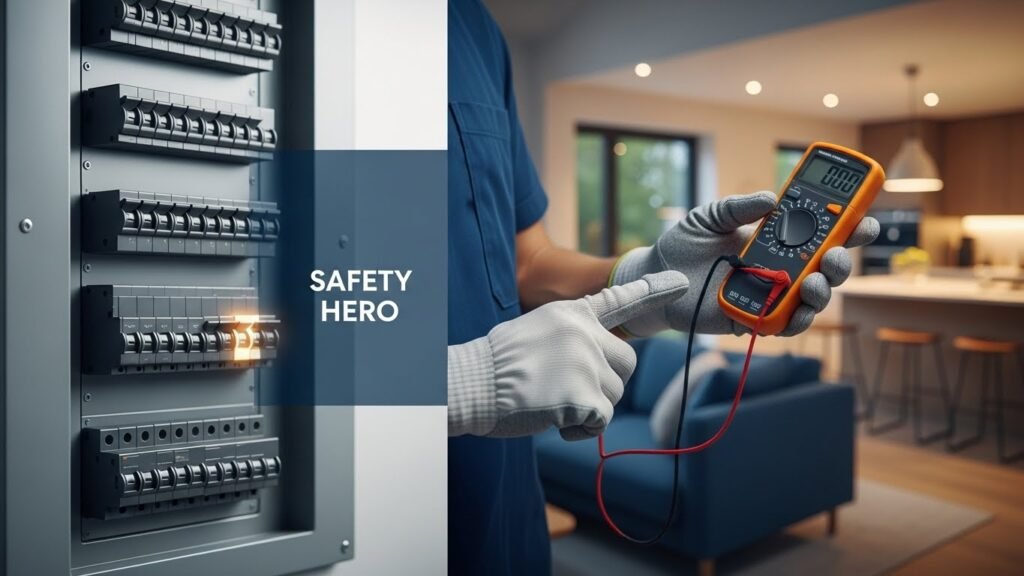
Have you ever been right in the middle of a movie and suddenly the power cuts out? You go to the garage and find a switch flipped the wrong way. It is a total bummer when you have to wonder why does my breaker keep tripping every single time you use the toaster. Most folks think a tripped breaker is just a pesky annoyance that ruins their night. In reality, that little switch is a hero that keeps your house from catching fire. This guide will help you figure out what is going on with your power. We will look at the common reasons for these electrical hiccups and how to fix them for good.
Understanding the Role of Your Circuit Breaker

Your circuit breaker is like a bodyguard for your home wires. It sits inside that gray metal box and watches the electricity coming in from the utility grid. Its main job is to stop the flow of power if things get too crazy or dangerous. Without these switches, your wires could get so hot they would melt your walls.
The Home’s Silent Guardian
The breaker panel is the brain of your home electrical system. Every room has its own path for power called a circuit. The breaker stands at the start of that path to keep things safe. It is always listening for problems you cannot see. It acts as a shield between the massive power grid and your sensitive electronics.
The Goal of Tripping
When a breaker trips, it is actually doing exactly what it was made to do. The goal is to stop heat from building up in your walls. High heat causes electrical fires which are super scary and fast. Tripping also saves your expensive gear from getting fried by a big surge. It is much cheaper to flip a switch than to buy a new fridge.
How it Works
Breakers have internal sensing mechanisms that feel the heat and current. They are built to handle a specific amount of power called amperage. If the electricity goes over a predetermined limit, the internal spring snaps the switch shut. This break in the connection stops the current flow immediately. It is a simple mechanical fix for a complex electrical problem.
Identifying a Tripped Breaker

Before you can fix the problem, you have to find it. Most people open their service panel and feel a bit lost with all those switches. It is not always obvious which one gave up the ghost. You need to know what to look for so you are not guessing in the dark.
Recognizing the Physical Signs
A tripped breaker usually does not flip all the way to the off side. It usually hangs out right in the middle of the on and off positions. You might notice it feels a bit loose or springy if you touch it. Some modern breakers are fancy and have a little window that turns red or orange when they trip.
- Check the alignment of all the switches in the row.
- Look for a red flag or a light on the breaker face.
- Feel for a switch that is not pushed firmly to one side.
- Listen for a pop sound that happened right when the power died.
Partial Power Loss
If your kitchen lights go out but the living room is fine, you have a partial power loss. This is a huge clue that only one circuit is having a bad day. Each breaker handles a specific area or a group of outlets. If the whole house is dark, the problem is likely with the main breaker or the city grid. Knowing which outlets are dead helps you find the “mystery circuits” causing the trouble.
Differentiating Between a Trip and a Blackout
Sometimes it is hard to tell if your house is broken or if the whole neighborhood is out. Look out your window to see if the streetlights are on or if your neighbors have lights. If the houses next door are glowing, then you definitely have a tripped breaker or a blown fuse. Check your digital clocks on ovens or microwaves to see if they are blank. If only one part of the house is dark, your breaker is the culprit.
Comparison of Common Home Circuit Breakers
| Breaker Type | What it Protects Against | Best Used For | Where You’ll Find It |
| Standard Single-Pole | Overloads and short circuits. | Small appliances, lights, and outlets. | Bedrooms, living rooms, and hallways. |
| Standard Double-Pole | Overloads and short circuits on 240-volt lines. | High-wattage appliances that need more juice. | Dryers, electric ranges, and AC units. |
| GFCI Breaker | Ground faults and moisture-related shorts. | Areas where water and electricity might mix. | Kitchens, bathrooms, and garages. |
| AFCI Breaker | Arc faults caused by loose or damaged wires. | Preventing electrical fires in the walls. | Bedrooms and main living areas. |
| CAFCI Breaker | Both low-level and high-level arc faults. | The highest level of fire protection. | Modern homes built to the latest codes. |
Important Tips for Your Breakers
- Standard breakers are the most common and usually handle 15 or 20 amps.
- Double-pole breakers take up two slots in your panel because they handle more voltage.
- GFCI breakers are super sensitive and trip fast to prevent you from getting a shock.
- AFCI breakers look for tiny sparks that happen when a wire is frayed or a connection is loose.
- Test buttons are found on GFCI and AFCI breakers; you should press them once a month to make sure they still work.
Common Signs Your Breaker Needs a Look
- The switch feels hot to the touch when you go to reset it.
- A burning smell is coming from the electrical panel box.
- Visible scorch marks appear on the breaker or the wires inside the panel.
- The breaker won’t stay on even after you have unplugged everything in the room.
Primary Causes of Circuit Breaker Tripping

There are a handful of usual suspects when it comes to power failures. Understanding these will help you answer why does my breaker keep tripping without losing your mind. Most of these issues are easy to spot if you know where to look.
Circuit Overload
This is the number one reason people lose power in a specific room. An overload happens when you try to pull more juice than the wires can handle. Think of it like a water pipe that is too small for a fire hose. The wires get hot, the breaker feels it, and it shuts down to stay safe.
- Overused outlets are a common sign of a looming overload.
- Dimming lights happen when a big motor starts up and steals power.
- Warm outlet covers mean the electricity is struggling to move.
- Buzzing sounds coming from the wall are a major red flag.
Short Circuits
A short circuit is a bit more dangerous than a simple overload. This happens when a hot wire touches a neutral wire directly. This creates a low-resistance path that lets a massive amount of power rush through. It creates a sudden electrical surge that can cause big sparks. If your breaker trips the second you turn it back on, you likely have a short.
Ground Faults
Ground faults are like short circuits but the power goes to the ground instead. This happens if a hot wire touches the metal junction box or a ground wire. These are super common in places with moisture like your bathroom or kitchen. Water intrusion is a great conductor and can pull power out of the wires easily. This is why we use GFCI outlets to stop shocks before they happen.
Arc Faults
Arc faults are sneaky and very dangerous for your home. This happens when electricity jumps or “arcs” between loose connections or damaged wires. It creates intense heat that can ignite wood or insulation inside your walls. Modern homes use AFCI breakers to catch these tiny sparks that regular breakers miss. If you have an older home, you might have brittle insulation that causes these arcs.
Faulty or Failing Appliances
Sometimes your house is fine but your stuff is broken. A faulty motor in a vacuum or a bad heating element in a toaster can trip the system. If your breaker only pops when you use the blender, the blender is probably junk. Old refrigerators and washing machines often develop bad windings that pull too much current.
- Frayed power cords can cause tiny shorts that trip breakers.
- Burnt smells coming from a tool or appliance are bad news.
- Hard starting motors in AC units strain the whole circuit.
- Old heaters often have internal shorts that cause safety trips.
Bad or Aging Wiring
If your home is an old-timer, your wiring might be tired. Aluminum wiring from the 70s is famous for getting loose and causing heat. Over time, the insulation on wires can get crunchy and fall off, leaving bare conductors. Rodents also love to chew on wires in the attic which leads to mystery trips.
Troubleshooting and Immediate Fixes

You do not always need to call a pro right away. There are some simple steps you can take to get the lights back on. Just remember to be careful and never force a switch that does not want to move.
The Isolation Test
The best way to find the problem is to play detective. Unplug every single thing on the circuit that died. This includes lamps, chargers, and big appliances. Reset the breaker and see if it stays on while the room is empty. Then, plug things back in one at a time until the power cuts again.
- Check every outlet in the room for hidden plugs.
- Inspect the cords for any signs of melting or damage.
- Reset the switch firmly to ensure it is fully engaged.
- Note the device that caused the trip for repair or replacement.
The Proper Reset Sequence
You cannot just flick the switch back to on and expect it to work. Most breakers need to be cleared first. You have to push the switch all the way to the off position until you hear a click. Then, push it firmly back to the on position. Always stand to the side of the panel when you do this just in case of an arc flash.
Redistributing the Load
If your kitchen keeps dying, you might have too much stuff on one line. Move your coffee maker or toaster to a different wall that is on a different circuit. Stop daisy-chaining power strips and extension cords together. This creates too much resistance and heat buildup. Spreading the electrical load around is the easiest way to stop trips.
How to Test a GFCI Outlet
Most modern homes have GFCI outlets in kitchens, bathrooms, and garages. You can recognize them by the two small buttons in the middle: one labeled “Test” and one labeled “Reset”.
- Plug in a small light like a nightlight or a lamp so you can see when the power goes out.
- Turn the light on to make sure the outlet is currently working.
- Press the Test button on the face of the outlet.
- Listen for a click sound as the Reset button pops out.
- Watch the light go off to confirm that the outlet has successfully cut the power.
- Press the Reset button firmly until it clicks back into place to turn the power back on.
How to Test a GFCI Circuit Breaker
Sometimes, the GFCI protection is located right at your main electrical panel instead of the outlet. These breakers look different because they have a colorful test button on them.
- Locate the GFCI breaker in your service panel.
- Look for the button which is usually yellow, white, or blue.
- Push the test button firmly.
- Watch the switch handle flip to the “Trip” or “Off” position.
- Check the power in the rooms that breaker handles to ensure it is actually off.
- Reset the breaker by flipping it all the way to “Off” and then back to “On”.
Why Testing Matters
If you press the test button and nothing happens, or if the power stays on, your protection is broken. A faulty GFCI will not protect you from a ground fault or a shock if a hair dryer drops in a sink.
- Test once a month to ensure the internal sensing mechanisms are still working.
- Replace old units if the buttons get stuck or feel “mushy”.
- Check after storms because a big power surge can sometimes fry the sensitive parts inside.
- Call a professional if a GFCI outlet trips constantly even when nothing is plugged in.
Regularly checking these devices is one of the easiest ways to prevent electrocution hazards in your home.
Understanding the Simple GFCI Trip
A GFCI trip is usually a quick fix that happens when the safety sensor sees a small change in power. This is very common in kitchens where moisture from cooking or cleaning is present.
- Check the outlet button to see if the reset tab has popped out.
- Listen for a single click when you try to reset the outlet.
- Look for water near the sink or on the counter that might have triggered the sensor.
- Resetting is easy and the power should stay on once you push the button back in.
- Specific appliances like a coffee maker might be the only things that stop working.
Spotting a Serious Short Circuit
A short circuit is much more intense because it involves a massive surge of electricity. This happens when a live wire touches a neutral wire, creating a dangerous path for the power.
- The breaker flips instantly at the main electrical panel rather than just at the outlet.
- A loud pop or bang often happens right at the moment the power dies.
- Burn marks or discoloration might appear around the outlet or the plug.
- A burning smell like melting plastic or ozone is a major warning sign.
- The breaker won’t reset and will snap back to the off position immediately if the short is still there.
Quick Comparison Table
| Feature | Simple GFCI Trip | Serious Short Circuit |
| Location | Happens at the outlet. | Happens at the main panel. |
| Resetting | Stays on after one click. | Snaps back to “Off” immediately. |
| Physical Signs | No visible damage. | Scorch marks or smoke. |
| Danger Level | Low; usually just moisture. | High; fire or shock risk. |
If you ever see sparks or smell smoke, don’t try to fix it yourself. Turn off the main power and call a professional electrician to check for damaged wires or loose connections inside your walls.
When to Call a Licensed Electrician

Some jobs are just too big or dangerous for a DIY fix. Electricity is not something to mess with if you are not trained. If you see signs of fire or serious damage, get a professional electrician on the phone fast.
Signs of Physical Danger
If you see smoke or smell something like burning plastic, get out and call for help. Scorch marks or discoloration around an outlet mean things are getting way too hot. If you hear a loud crackling sound or a constant humming from the panel, that is a major emergency. Never touch exposed wires or wires that look like they have melted plastic on them.
Recurring Issues
If you keep asking why does my breaker keep tripping every week, you have a deep problem. A breaker that trips for no reason is a sign of a failing breaker or bad wiring. If the switch feels hot to the touch, it is struggling to handle the current. Don’t keep resetting it because you might be ignoring a fire risk.
Infrastructure Upgrades (The “Heavy-Up”)
Modern life uses way more power than homes did thirty years ago. If you have a 100-amp service, you might need a “heavy-up” to 200 amps. This involves a full electrical upgrade of your service panel and wires. It is a big job but it makes your home much safer and ready for new tech.
- Panel replacement is needed if yours is over 20 years old.
- Dedicated circuits should be added for HVAC systems and dryers.
- GFCI and AFCI upgrades are required by the National Electrical Code now.
- Corroded wires in the panel must be cleaned or replaced.
Preventive Maintenance and Long-Term Safety
The best way to deal with a tripped breaker is to stop it from happening. A little bit of care goes a long way in keeping your home safe and powered up.
Regular Inspections
Get a pro to look at your residential electrical system every few years. They can find loose connections in junction boxes that you would never see. They check for rust, corrosion, and signs of pests in your walls. An electrical inspection can save you thousands in emergency repairs later.
Enhancing Home Safety
Use surge protectors for your computers and TVs to handle electrical spikes. Make sure your outdoor outlets have proper covers to prevent water damage. If you live in an area with lots of lightning strikes, consider a whole-house stabilizer. These tools help keep the voltage steady so your breakers don’t have to work so hard.
Creating an Electrical Map
Take an hour to label every switch in your distribution panel correctly. Knowing exactly which outlets go to which breaker makes troubleshooting a breeze. Write it down on a piece of paper and tape it to the inside of the panel door. This helps you understand your electrical demand so you don’t overload a room by accident.
Conclusion
Understanding why your circuit breaker keeps tripping is the first step toward maintaining a safe and functional home. While it may feel like a pesky annoyance when your power cuts out in the middle of a movie, that little switch is a hero acting as a bodyguard for your home’s wires. It is designed to stop the flow of electricity before wires get so hot they could melt your walls or cause a fire. By learning to identify the physical signs of a trip and differentiating it from a neighborhood blackout, you can quickly address electrical hiccups.
Most issues stem from common suspects like circuit overloads, short circuits, or ground faults. In many cases, simple troubleshooting steps like the isolation test or redistributing your electrical load can get your lights back on without professional help. Regularly testing your GFCI and AFCI devices is another easy way to ensure your family stays protected from shocks and arc faults.
However, safety should always be your top priority. If you encounter burning smells, visible scorch marks, or a breaker that refuses to stay on, these are major red flags that require a licensed electrician. For those living in older homes, investing in an infrastructure upgrade like a “heavy-up” can ensure your system is ready for the high power demands of modern life. By staying proactive with regular inspections and keeping an accurate map of your electrical panel, you can stop trips before they happen and enjoy a safer, more reliable home.
Frequently Asked Questions
Can a light bulb cause a breaker to trip?
Yes, when a light bulb burns out, the filament can snap and touch other internal parts, causing a brief short circuit. This sudden surge of electricity triggers the breaker to shut off power for safety.
Is it normal for a breaker to feel slightly warm?
It is common for a breaker to feel slightly warm when it is under a heavy load, as the flow of current naturally creates some heat. However, if the breaker is hot to the touch or smells like burning plastic, you should turn it off and call a professional electrician immediately.
How do I know if my breaker itself is broken?
If a breaker trips immediately after being reset with nothing plugged in, or if the switch feels loose and won’t click into place, it is likely a failing breaker. A breaker that is over 20 years old may also suffer from a weak internal sensing mechanism.
What is the difference between a fuse and a breaker?
A fuse contains a metal wire that melts when too much power flows through it, requiring a full replacement once it blows. A circuit breaker is a mechanical switch that can be reset and reused multiple times after a trip.
Why does my breaker trip when it rains?
Moisture from heavy rain can enter outdoor outlets or light fixtures, causing a ground fault. Water intrusion creates a path for electricity to leak to the ground, which triggers the safety mechanism to trip.
Can a surge protector prevent my breaker from tripping?
Surge protectors are designed to save your electronics from voltage spikes, but they do not stop a circuit from overloading. If you plug too many high-wattage appliances into a surge protector, it can still cause a tripped breaker.
What is a “mystery circuit” in a home?
A mystery circuit refers to an outlet or light that stays on even when you think you have turned off the correct breaker. This often happens in older homes where the electrical panel is not labeled correctly.
Can a humming sound from the panel be fixed without a pro?
A humming sound usually points to a loose connection or a breaker that is struggling to trip under a high load. This is a fire hazard and requires a professional inspection to tighten connections or replace hardware.
Why does the AC trip the breaker when it first starts up?
An air conditioner requires a huge burst of power, or “starting amperage,” to get the compressor moving. If the capacitor is failing or the motor is “hard starting,” the demand becomes too high and trips the breaker.
What does a “Hard Start Kit” do for an HVAC system?
A hard start kit helps an AC compressor start up faster and more efficiently, reducing the initial power surge. This can stop a breaker from tripping every time the cooling system kicks in.
Is aluminum wiring dangerous in older homes?
Aluminum wiring can be risky because it expands and contracts more than copper, which leads to loose connections over time. These loose spots cause heat buildup and arcing, which are major causes of tripped breakers and fires.
Can a faulty wall switch cause a trip?
Yes, if the internal parts of a light switch wear out or break, they can cause a short circuit or an arc fault. If the breaker trips only when you flip a specific switch, the switch itself likely needs to be replaced.
Does a tripped breaker mean I have a power surge?
Not necessarily, as most trips are caused by overloads or ground faults rather than external power surges from the city. However, a lightning strike or a transformer failure can cause a massive surge that trips the main breaker.
What is reverse polarity?
Reverse polarity happens when the hot and neutral wires are connected to the wrong terminals on an outlet. While it might not trip a breaker immediately, it is an electrocution hazard and can cause electronic equipment to malfunction.
Why do my lights flicker before the breaker trips?
Flickering lights are a sign that the circuit is struggling with a heavy load or has a loose wire. When the voltage drop becomes too significant, the breaker trips to protect the system.
Can a power strip be a fire hazard?
Yes, “daisy-chaining” or plugging one power strip into another creates too much resistance and heat. This often leads to an overloaded circuit and can melt the plastic casing of the strips.
What is a distribution panel?
A distribution panel is another name for your main service panel or breaker box. It is the central hub that divides the main power supply into smaller individual circuits throughout your house.
Why is there rust inside my electrical panel?
Rust is a sign of water damage, often caused by moisture traveling down the main service cable into the box. Corrosion prevents breakers from working correctly and can lead to dangerous overheating.
Can rodents really cause my breaker to trip?
Yes, mice and rats often chew on wire insulation in attics and crawlspaces, leaving bare conductors. This leads to short circuits or arc faults that will trip your breakers unexpectedly.
How often should I have an electrical inspection?
It is recommended to have a professional electrical inspection every 3 to 5 years. If your home is older than 40 years, regular checks are even more important to catch brittle insulation or outdated wiring.