


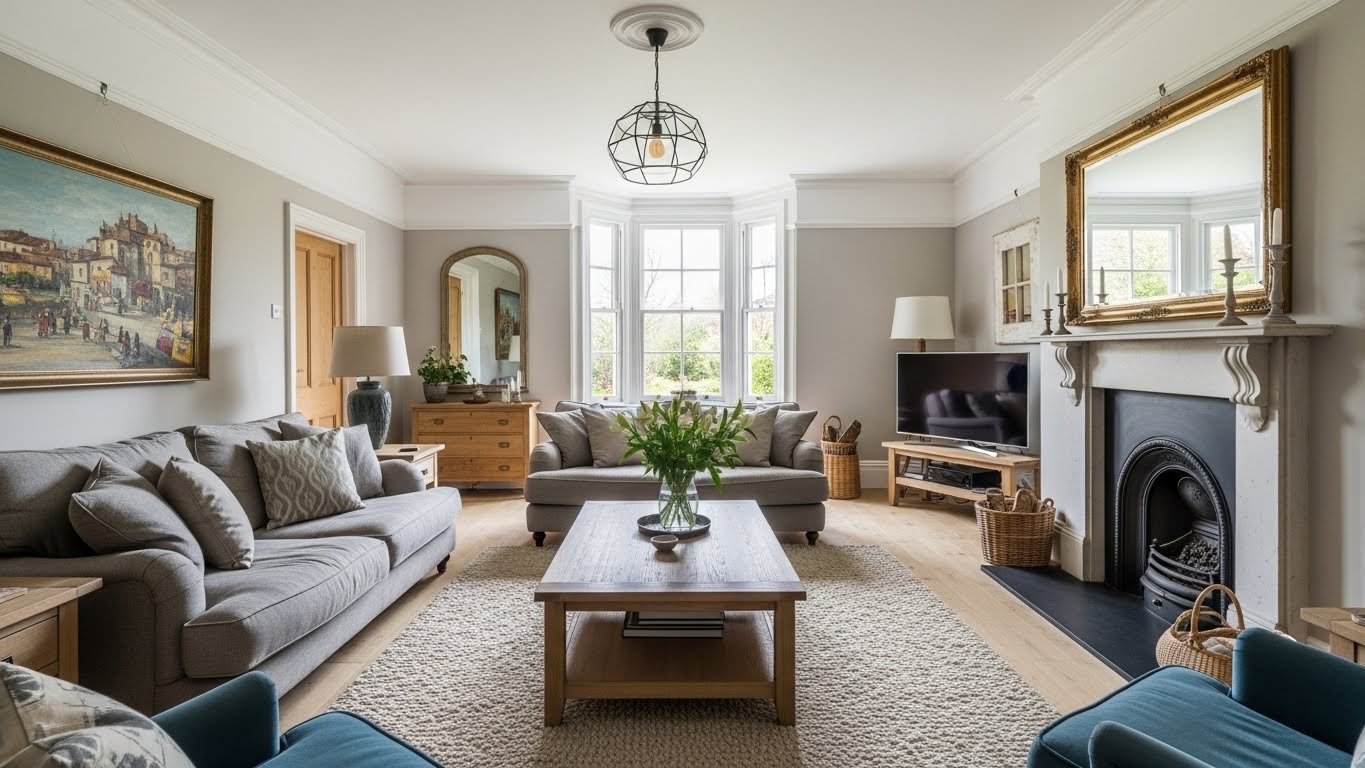
Are you tired of tripping over your coffee table? Many people struggle with a tricky living room layout. Your house might have weird walls or tiny corners. This guide will help you fix those common design headaches. We will show you how to make your space look awesome. You can have a room that is both pretty and easy to move in. Let’s dive into making your home the best spot on the block.
Introduction to Strategic Living Room Design
A great living room layout starts with a solid plan. Every house is like a special snowflake with its own quirks. You might have a fireplace that sits in a weird spot. Or maybe your windows are just too big for your couch. Good design helps you balance these features with your favorite furniture. It makes your daily life feel much smoother and more relaxed.
You first need to decide what your room is for. Is it a spot for loud movie nights with friends? Or do you want a quiet place to read a book? Maybe you need a spot for the kids to play. Defining the primary purpose helps you pick the right furniture configuration. This foundation ensures your home feels intentional and not just messy.
Strategic design is all about fixing those annoying layout problems. We can turn those difficult corners into your favorite parts of the house. You don’t need to be an expert to get it right. Just follow these simple steps to master your space. Your living room layout will soon be the envy of all your neighbors.
Identifying and Overcoming Common Layout Obstacles
Architectural disruptions can really mess with your living room layout. A large fireplace is beautiful but takes up a lot of wall space. Radiators and bay windows can also limit where you put your sectional sofa. You have to work around these things instead of fighting them. It takes a bit of clever thinking to make everything fit just right.
Entry points are another big challenge for a good floor plan. If your room has four doors, it feels like a hallway. You have to manage the traffic flow so people don’t walk through your conversation area. Clear walkways are a must for a happy home. You want at least 30 inches of clearance to walk comfortably.
Window placement can be a total double-edged sword. You love the natural light, but it eats up space for a credenza. Sometimes you have to float your furniture in the middle of the room. This gives your pieces some breathing room and looks very modern. It also keeps your views of the outdoors open and clear.
- Fireplaces: These often act as a natural focal point for the room.
- Bay Windows: Use these for a cozy reading nook or extra plants.
- Radiators: Keep your fabric furniture a few inches away for safety.
- Doorways: Map out where people walk to avoid blocking the room flow.
- High Ceilings: Use tall floor lamps to draw the eye upward.
The Core Layout Configurations: Time-Tested Seating Arrangements
Maximum Seating for Large Focal Points
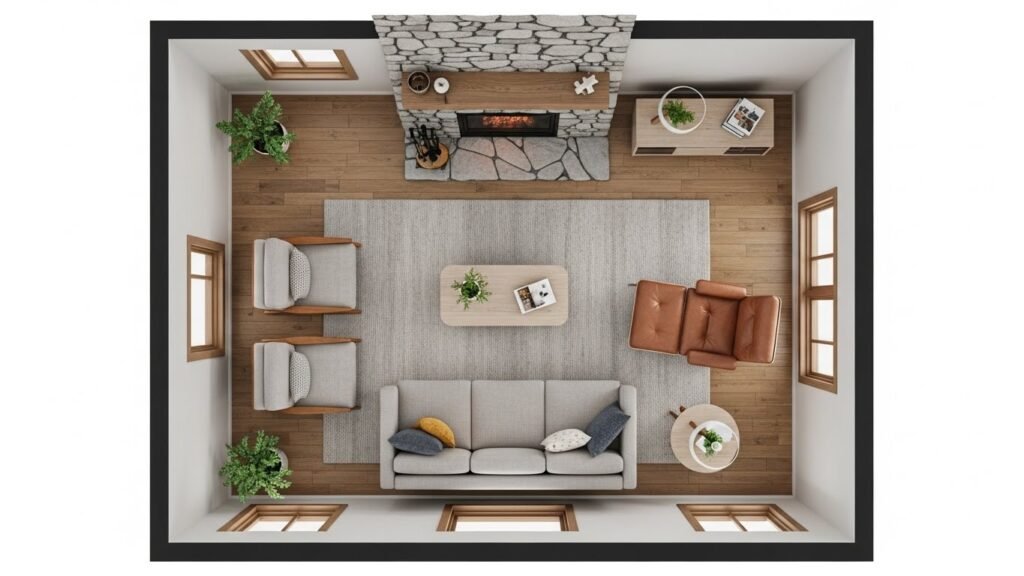
The maximum seating layout is perfect for big families. This setup uses one large sofa and a pair of matching accent chairs. You also add one lone lounge chair to fill out the space. It works best when you have one clear focal point like a TV. This furniture configuration makes the room feel full but not messy.
You can modify this plan if your room is a bit smaller. Just take away one or two of the accent chairs. You can use a small ottoman instead to save on space. It still gives you extra spots to sit when guests come over. This keeps your living room layout flexible and easy to change.
- Sofa: Place this directly across from your main focal point.
- Matching Chairs: These usually sit side-by-side on one side of the rug.
- Side Tables: Put these next to every seat so people can set down drinks.
- Coffee Table: Pick a large one that everyone can reach easily.
The Conversation-First Configuration
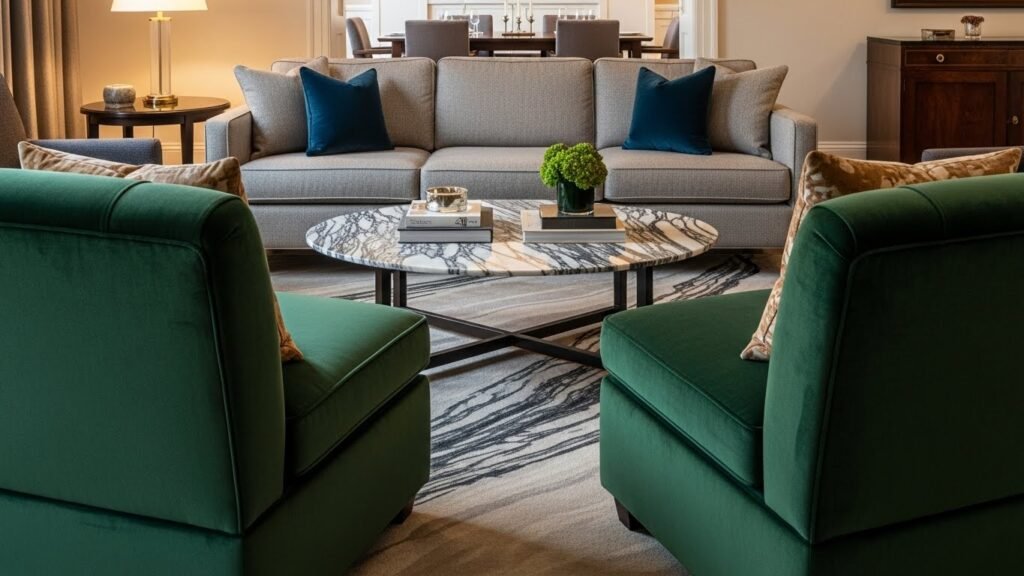
This living room layout is all about talking with your friends. You place two chairs directly across from your sofa. This setup prioritizes social time over watching the big screen. It feels very welcoming and cozy for anyone who visits. It is a great choice for a formal sitting room.
Make sure you choose chairs with a low profile for this look. You don’t want tall backs to block the view of the rest of the house. It keeps the perspective open and makes the room feel larger. This arrangement also works well in an open plan house. It helps define the seating area without using heavy walls.
The Symmetrical Double Sofa Layout
If you want a fancy look, try the symmetrical double sofa layout. You put two identical sofas facing each other. This creates a very balanced and formal feeling in the room. It is perfect for a long room that needs to look grand. This setup is a classic in traditional interior design.
You can add matching armchairs at the ends to complete the circle. This creates a perfect spot for game nights or wine with friends. Use an organic shape for the coffee table to soften the straight lines. It adds a bit of movement to a very structured floor plan. This balance makes the space feel very professional.
The Modern Sectional Strategy
A sectional sofa is the ultimate choice for a comfy living room layout. It provides tons of seating for the whole crew. You can use the chaise end to act as a divider in an open room. This helps tell people where the living area stops and the kitchen starts. It is a smart way to use space optimization.
Don’t forget to add a few accent chairs to the mix. Place them at a diagonal to keep the conversation circle closed. Make sure you have enough breathing room so the space doesn’t feel cramped. A mix of leather and velvet fabrics can make this setup look very high-end. It is a great way to show off your personal style.
The Small Living Room Essentials
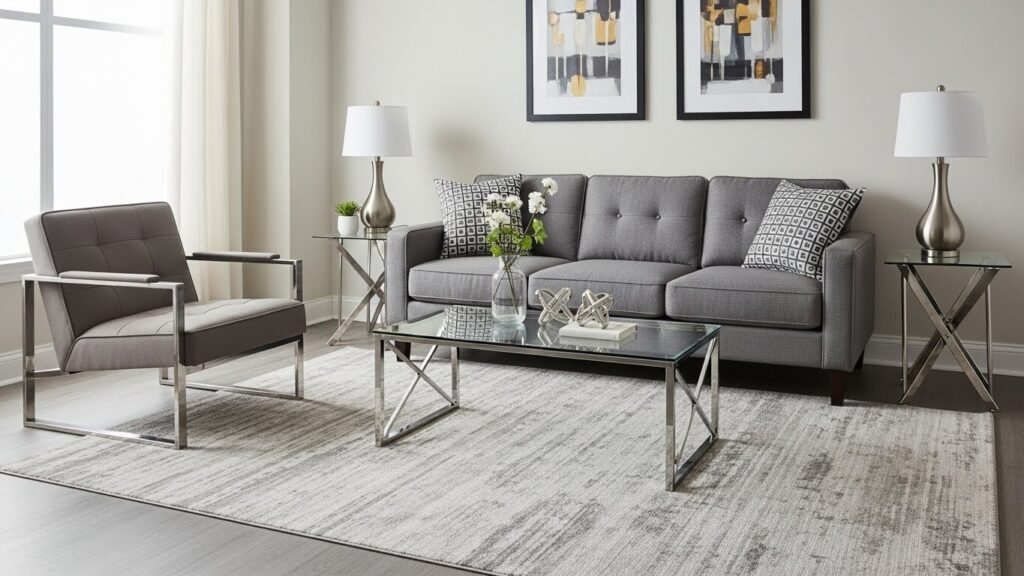
Living in a tiny apartment means you need a smart living room layout. You should stick to a standard sofa and maybe one small chair. Don’t be afraid of normal-sized furniture in a small space. Sometimes tiny furniture makes a small room look even more cluttered. It is all about finding the right scale and proportions.
Try to limit the number of side tables you use. One or two is usually plenty for a small furniture arrangement. Use a rug that is large enough to fit all the front legs of your furniture. This tricks the eye into thinking the floor is much wider. It creates a sense of harmony in a tight spot.
Step-by-Step Guide: Arranging Materials in the Maximum Seating Layout
The maximum seating layout is a fantastic choice for big families who need a room that is both beautiful and functional. By following these steps, you can arrange your furniture and materials to create a high-end look that feels personal and unique.
Step 1: Position the Anchor Piece
- Place the Sofa: Position your largest sofa directly across from your main focal point, such as a TV or fireplace.
- Check the Clearance: Ensure the back of the sofa is not pushed against the wall like a police lineup; leave a few inches for breathing room.
- Establish Flow: Verify that there are at least 30 to 36 inches of space around the sofa for easy movement.
Step 2: Add the Contrasting Seating
- Set the Matching Chairs: Place your pair of matching accent chairs side-by-side on one side of the rug.
- Mix Your Fabrics: If your sofa is a smooth leather, choose these chairs in a soft velvet or textured fabric to create a rich feel.
- Angle the Lone Chair: Place the final lone lounge chair at a diagonal to break up the square lines of the room and make it feel more organic.
Step 3: Layer in the Surfaces and Metals
- Centralize the Coffee Table: Place a large coffee table within 14 to 18 inches of the seating so everyone can reach it.
- Vary the Shapes: If your sofa and chairs have straight lines, use an organic or round coffee table to add movement to the floor plan.
- Distribute Side Tables: Put side tables next to every seat, mixing wood and metal finishes to avoid looking like a furniture store ad.
Step 4: Ground the Space with Textures
- Anchor with a Rug: Use a rug large enough so that all the front legs of your furniture sit on top of it.
- Create Zones: Ensure the rug clearly defines the seating area, which helps trick the eye into thinking the floor is wider.
- Check Focal Alignment: Confirm the rug is centered with your main focal point to give the eye a place to rest.
Step 5: Finalize with Strategic Lighting
- Set Ambient Light: Use a large hanging light fixture in the center to provide the main glow for the whole configuration.
- Add Task Lighting: Place tall floor lamps near the lounge chairs to draw the eye upward and provide light for reading.
- Mix Metal Finishes: Don’t be afraid to mix brass wall sconces with furniture that has black metal legs for a more professional look.
Mastering Long and Narrow Living Rooms
The Zoning Technique
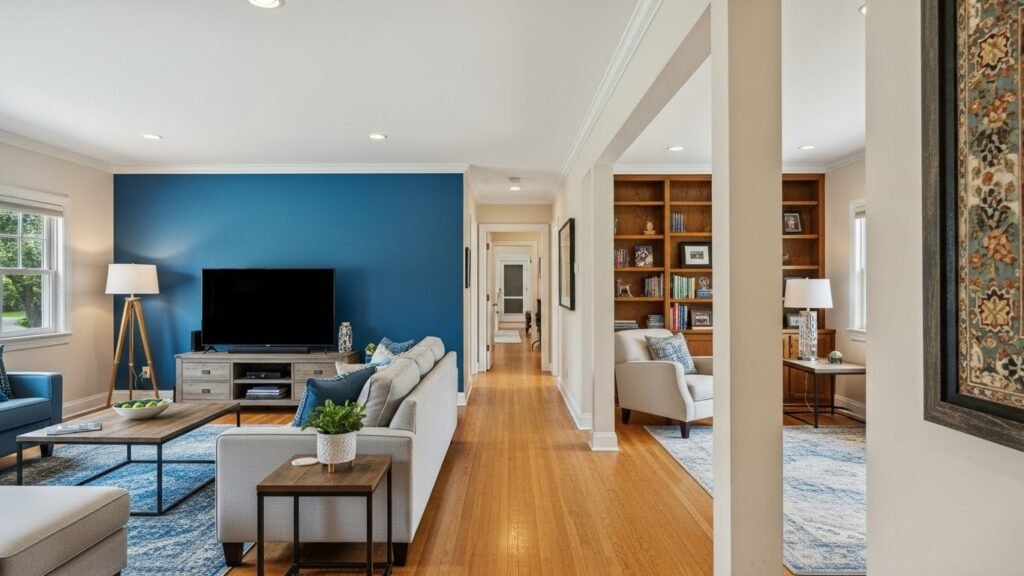
A narrow living room can feel like a tunnel if you aren’t careful. The best fix is to create different functional zones. Use two separate area rugs to define these different spots. You might have a media zone at one end and a reading nook at the other. This breaks up the long space and makes it feel much more useful.
Zoning also helps manage the traffic flow in an elongated space. It creates clear walkways so people don’t bump into the coffee table. You want to keep the center of the room as open as possible. This prevents the room from feeling like a cramped corridor. It is a key part of functional design for tricky houses.
- Media Zone: Put your TV and sofa here for relaxing.
- Reading Nook: Add a comfortable armchair and a floor lamp.
- Home Office: A small desk can fit perfectly at one end of the room.
- Dining Area: A slim table can turn half the room into a eating spot.
Creative Solutions for Narrow Dimensions
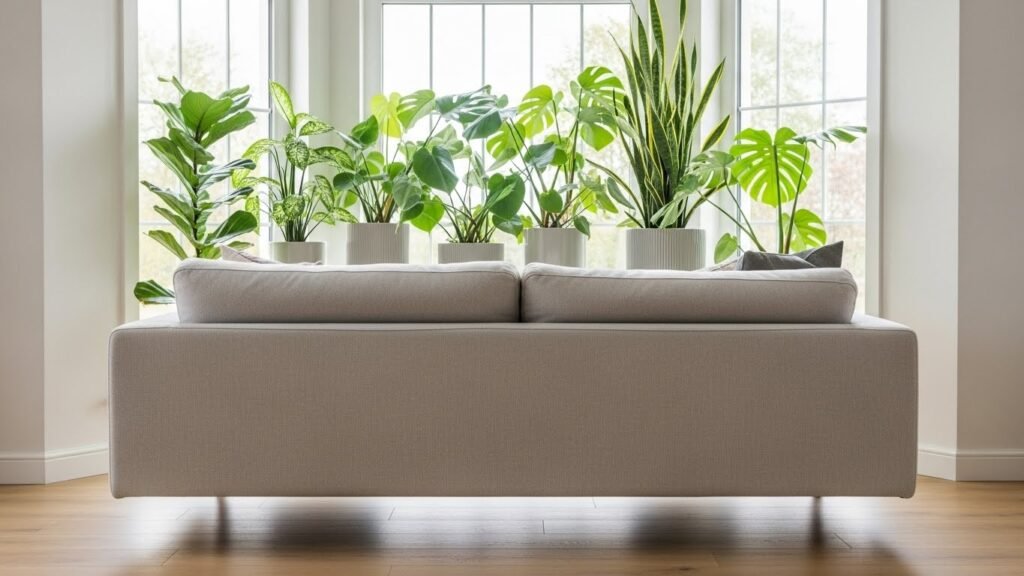
Floating furniture is a game-changer for a narrow living room layout. Don’t push every piece against the walls like a police lineup. Pulling the sofa toward the center makes the room feel wider. It leaves space behind the furniture for people to walk. This is a pro tip that many people miss when styling their homes.
You can also use a TV lift cabinet to save on visual weight. This hides the big black screen when you aren’t using it. It keeps the focus on your decor and beautiful wall art. Another clever trick is the “greenhouse” strategy. Put your sofa in front of a window and fill the gap with tall plants.
Step-by-Step Guide: Using the Zoning Technique in Long, Narrow Rooms
If your living room feels more like a bowling alley than a cozy retreat, the zoning technique is your best friend. This method breaks up a long “tunnel” by creating distinct areas for different activities. Follow these steps to transform your narrow space into a multi-functional masterpiece.
Step 1: Divide and Conquer the Floor Plan
- Identify Two Primary Zones: Decide how the room will be used. Common pairings include a media zone for TV at one end and a dining or reading nook at the other.
- Leave a Buffer Zone: Ensure there is a small gap of open floor space between the two zones. This prevents the room from looking like one cluttered mess.
- Map the Walkway: Keep a straight or slightly curved path clear from one end of the room to the other to avoid a “maze” feeling.
Step 2: Anchor Each Spot with Rugs
- Select Two Separate Rugs: Use two different area rugs to act as the “islands” for your furniture. They do not have to match, but they should share at least one color to feel related.
- Measure for Width: In a narrow room, make sure the rugs are wide enough so they don’t look like runners. This tricks the eye into seeing the room as wider than it is.
- Center Each Zone: Position each rug so it feels like its own independent room within the larger space.
Step 3: Arrange Furniture to Break the “Tunnel”
- Float the Main Sofa: Do not push the sofa against the long wall. Instead, place it perpendicular to the long walls or pull it a few inches toward the center.
- Use Back-to-Back Placement: If you have a sofa and a desk (or a dining bench), place them back-to-back. This creates a physical “wall” between your two zones without blocking light.
- Avoid the “Lineup”: Ensure not all your heavy furniture is sitting on the same side of the room, which can make the space feel lopsided.
Step 4: Add Vertical Interest and Focus
- Create Focal Points: Give each zone its own reason to exist. One zone might focus on a TV wall, while the other focuses on a large piece of art or a bookshelf.
- Use Tall Elements: In a narrow room, use tall floor lamps or a slim tree (like the “greenhouse” strategy) to draw the eye up. This makes the narrow dimensions feel less cramped.
- Scale Down the Coffee Table: Choose a slim or oval coffee table for the seating zone to keep the walking path as wide as possible.
Step 5: Layer Lighting for Each Zone
- Individualize the Light: Each zone should have its own light source. A pendant light can mark the dining zone, while a cozy floor lamp defines the reading area.
- Use Wall Sconces: To save floor space in a tight configuration, mount lights on the walls. This keeps the walkways clear while providing a warm glow.
- Balance the Glow: Make sure both ends of the long room are lit equally so one side doesn’t feel like a “dark cave” compared to the other.
Essential Modification and Customization Strategies
Adjusting for Room Size and Shape
Your living room layout should change as your needs change. You can always add or remove accent chairs based on the crowd. If you have a big party, pull in some benches or stools. For a quiet night, keep things simple with just the sofa. Flexibility is the secret to a house that really works for you.
Try placing your chairs at a diagonal for a more organic feel. This breaks up the boring square lines of most rooms. It makes the furniture configuration feel more relaxed and friendly. You can also swap out a heavy coffee table for a light ottoman. This gives you a place to kick up your feet and extra seating.
Mixing Materials and Styles
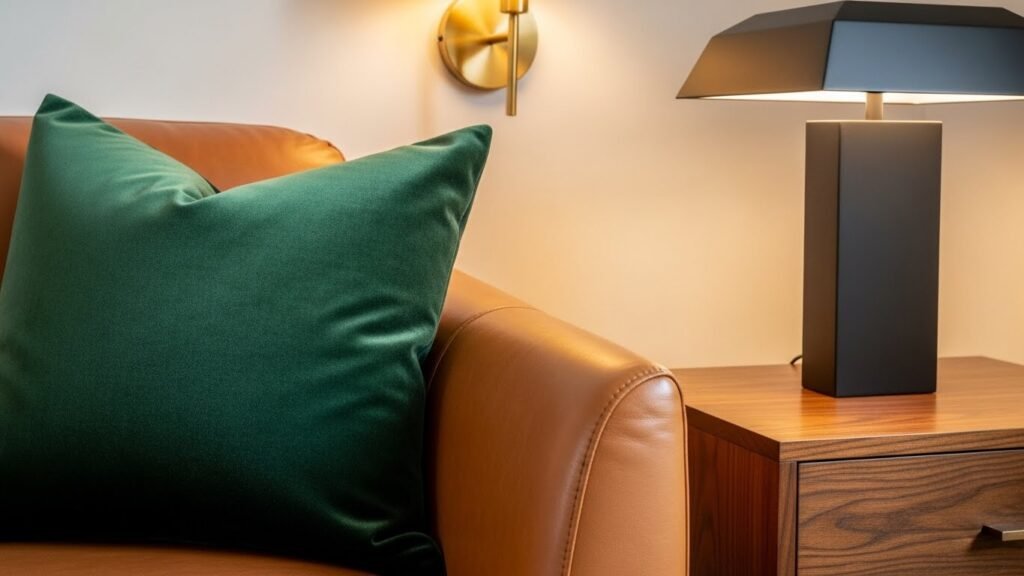
Don’t let your living room layout look like a furniture store ad. Mix up your materials to keep things interesting. If you have a leather sofa, try some fabric or velvet chairs. Use a mix of wood and metal for your side tables. This eclectic style makes your home feel unique and personal.
- Fabrics: Mix smooth leathers with soft velvets for a rich feel.
- Table Shapes: Use a round coffee table with square side tables.
- Lighting: Combine ambient light from the ceiling with task lighting from lamps.
- Metals: Don’t be afraid to mix brass wall sconces with black metal legs.
Essential Shopping List for Mixing Materials and Textures
To avoid making your home look like a generic furniture store ad, you should focus on mixing different textures, finishes, and shapes. This eclectic approach creates a space that feels unique and personal. Use the following list to help you select the right elements for a high-end furniture configuration.
- Sofa Fabrics: If you choose a smooth leather sofa, look for accent chairs in soft velvet or fabric to provide a rich, tactile feel.
- Table Finishes: Combine various hard surfaces by selecting side tables made of wood and metal.
- Furniture Shapes: Pair a large, organic-shaped or round coffee table with square or rectangular side tables to add movement to the floor plan.
- Metals: Do not be afraid to mix different metal finishes, such as pairing brass wall sconces with furniture that has black metal legs.
- Accent Seating: Look for unique lounge chairs that contrast with your main sofa in both material and style.
- Soft Goods: Incorporate rugs with enough texture to anchor the seating zone and define the area.
- Lighting Fixtures: Select a variety of light sources, including metal floor lamps, ceramic table lamps, and glass pendant lights to layer your ambient and task lighting.
- Functional Accessories: Consider swapping a heavy wood coffee table for a light fabric or leather ottoman to add extra seating and a place to rest your feet.
Comparison of Lighting Fixtures for Every Living Room Layout
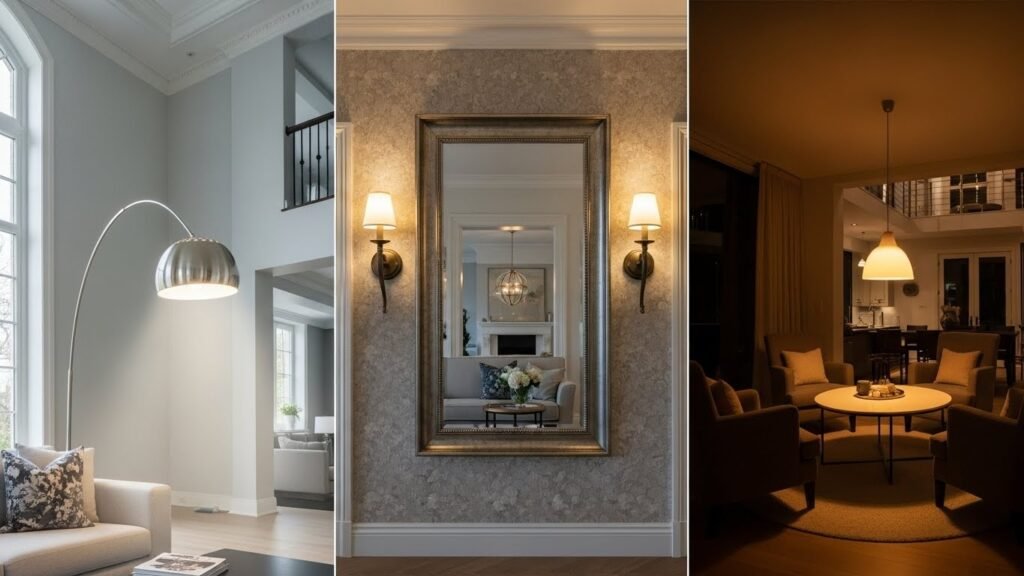
Picking the right lights depends a lot on the shape of your room. A long living room needs different light than a tiny square one. You want to use lights that help with your specific room orientation. Below is a simple table to help you match your fixtures to your floor plan.
| Room Shape | Best Lighting Fixture | Why It Works |
| Narrow Living Room | Wall Sconces | These save floor space and stop the “tunnel effect.” |
| Open Plan Space | Hanging Light Fixture | Helps with zoning by marking the central seating area. |
| Small Spaces | Exposed Leg Floor Lamps | Keeps the look light and provides plenty of breathing room. |
| High Ceilings | Arc Floor Lamps | Adds vertical interest and fills the upper negative space. |
| Low Ceilings | Flush Mounts | Provides ambient light without eating up your ceiling height. |
Ambient Lighting: This provides the main glow for your whole furniture configuration.- Symmetry: Use a pair of lamps on side tables to create a balanced look.
- Eye Level: Ensure your lamp shades sit at a height that doesn’t blind you.
- Natural Light: Use mirrors to bounce sun around and fix a dark room orientation.
- Task Lighting: Place these near your reading nook or home office zone.
Expert Strategies for Professional Results
Navigating Multiple Focal Points
Some rooms have a fireplace on one wall and a TV on another. This can make your living room layout feel very confusing. The best solution is to use swivel chairs in the middle. This allows people to turn toward the fire or the screen easily. It gives you the best of both worlds without any stress.
If your room has no natural focal point, you have to make one. Use a large piece of art or a gallery wall to draw the eye. A beautiful rug can also act as the center of your seating arrangement. You want to give the eye a place to rest as soon as you walk in. This makes the space feel balanced and well-designed.
Perfecting the Proportions
Scale and proportion are the hardest parts of any floor plan. You want your furniture to fit the size of the room perfectly. If you have high ceilings, use tall bookshelves to fill the vertical space. For low ceilings, stick to low-profile furniture to make the room feel taller. It is all about creating a sense of harmony.
Always remember to leave enough negative space in your living room layout. You don’t need to fill every single inch with stuff. Breathing room makes a home feel peaceful and clean. It allows the beautiful lines of your furniture to really shine. This is the mark of a truly professional interior designer.
| Feature | Recommended Clearance | Why it Matters |
| Main Walkways | 30 – 36 inches | Easy movement through the house |
| Coffee Table Distance | 14 – 18 inches | Enough space for legs but easy to reach |
| Rug Size | All front legs on rug | Anchors the furniture and defines the zone |
| TV Mounting Height | Eye level when sitting | Prevents neck strain and looks better |
Visual Summary of Strategic Living Room Layouts
A successful living room layout balances the unique architectural features of your home with your daily needs. Whether you are dealing with a long, narrow space or a compact apartment, these configurations help create a room that is both beautiful and functional.
Maximum Seating Layout
- Best For: Large families and rooms with a single focal point like a TV.
- The Setup: One large sofa placed directly across from the focal point.
- The Chairs: A pair of matching chairs sits side-by-side, complemented by one lone lounge chair to fill the space.
- Small Space Hack: Remove one or two accent chairs and use a small ottoman to save space while keeping extra seating.
Conversation-First Layout
- Best For: Formal sitting rooms and social gatherings.
- The Setup: Two chairs are placed directly across from the sofa.
- Design Secret: Use low-profile chairs to ensure the view of the rest of the house is not blocked.
- The Benefit: This arrangement defines the seating area in open-plan homes without the need for walls.
Symmetrical Double Sofa Layout
- Best For: Long rooms where you want a grand, traditional, and professional feel.
- The Setup: Two identical sofas face each other directly.
- The Flow: An organic-shaped coffee table is used to soften the straight, structured lines of the sofas.
- Completion: Matching armchairs can be added at the ends to create a full circle for game nights.
Modern Sectional Strategy
- Best For: Space optimization and comfort for a large crew.
- The Setup: A large sectional sofa, using the chaise end as a divider in open-concept spaces.
- Traffic Flow: Accent chairs should be placed at a diagonal to close the conversation circle without making the room feel cramped.
- Style Tip: Mixing leather and velvet fabrics can elevate this setup to a high-end look.
Small Living Room Essentials
- Best For: Tiny apartments and tight floor plans.
- The Setup: Stick to a standard-sized sofa and one small chair rather than many tiny pieces.
- The Rug: Use a rug large enough for the front legs of all furniture to sit on, which makes the floor feel wider.
- The Limits: Reduce the number of side tables to one or two to maintain breathing room.
Zoning for Narrow Rooms
- Best For: Long, tunnel-like spaces that need to serve multiple purposes.
- The Strategy: Use two separate area rugs to define different functional spots.
- Media Zone: One end is dedicated to a TV and sofa for relaxing.
- Flex Zones: The other end can host a reading nook, a small home office desk, or a slim dining table.
Quick Measurement Checklist for Your New Layout
Before you start moving heavy furniture, use this checklist to ensure your chosen configuration fits perfectly in your room. Proper measuring is the key to a professional-looking space that remains easy to navigate.
- Define the Purpose: Decide if your room is primarily for movie nights, reading, or kid-friendly play before selecting a layout.
- Identify Focal Points: Locate your main focal point, such as a fireplace or TV, to orient your sofa correctly.
- Map Walkways: Mark the paths people take to move through the house to ensure you leave 30 to 36 inches of clear space.
- Measure Window Clearance: If placing a sofa in front of a window, plan for a few inches of breathing room for the “greenhouse” effect.
- Check Seating Distance: Ensure your coffee table is placed 14 to 18 inches away from your seating for comfort and accessibility.
- Verify TV Height: Plan to mount or place your TV at eye level when sitting to prevent neck strain.
- Size Your Rug: Choose a rug large enough to fit at least the front legs of all furniture pieces to anchor the zone.
- Leave Negative Space: Ensure you aren’t filling every inch of the floor; “breathing room” is essential for a peaceful home.
- Test the Scale: Match your furniture height to your ceiling; use low-profile pieces for low ceilings and tall items for high ceilings.
- Plan for Flexibility: If your room has multiple focal points, check if you have space for swivel chairs to rotate between them.
Conclusion: Achieving a Cohesive and Relatable Space
Creating a great living room layout takes a little bit of patience. Don’t be afraid to move your furniture around several times. Sometimes you have to see a setup in person to know if it works. Trust your gut and focus on what makes you feel comfortable in your home.
Remember that your house should serve you and your family. It is okay to break some “rules” if it makes your daily life better. A home that is lived-in and loved is always more beautiful than a perfect museum. Keep these tips in mind, and you will have a space you can be proud of.
Now go ahead and try one of these configurations today. Whether you have a tiny apartment or a big farmhouse, these ideas will work for you. Your dream living room layout is just a few moves away. Happy decorating, and enjoy your fresh new space!
Frequently Asked Questions About Living Room Layouts
How do I choose the right rug size for my seating area?
You should select a rug that is large enough to fit at least the front legs of all your main furniture pieces. This helps to anchor the furniture and define the specific zone within the room.
What is the best way to handle a room with too many doors?
You should map out where people naturally walk to avoid blocking the room flow with furniture. To manage heavy traffic flow, ensure your conversation area is set apart so people do not walk directly through it.
How far should my coffee table be from my sofa?
A recommended clearance of 14 to 18 inches between the coffee table and the sofa allows for enough leg room while keeping the table easy to reach.
What can I do if my living room has no natural focal point?
If your room lacks a natural feature like a fireplace, you can create one using a large piece of art or a gallery wall. A beautiful rug can also serve as the center of your seating arrangement to give the eye a place to rest.
How do I arrange furniture in a room with a fireplace and a TV on different walls?
The best solution for navigating multiple focal points is to use swivel chairs in the middle of the layout. This allows people to easily turn toward the screen or the fire without moving heavy furniture.
Should I push all my furniture against the walls in a narrow room?
No, you should avoid pushing every piece against the walls like a police lineup. Pulling the sofa toward the center of the room makes the space feel wider and leaves room for people to walk behind it.
How much space do I need for main walkways?
For comfortable movement through the house, you should maintain 30 to 36 inches of clearance for your main walkways.
At what height should I mount my TV?
A TV should be mounted at eye level when you are sitting down. This height looks better in the room and prevents neck strain during long movie nights.
How do I make a small living room feel larger?
Using a rug large enough to fit all front legs of the furniture tricks the eye into thinking the floor is wider. Additionally, using low-profile furniture can help the room feel taller by leaving more open perspective.
What is the best layout for a long, rectangular room?
The zoning technique is highly effective for long rooms, where you use separate area rugs to define different functional spots like a media zone or a reading nook.
How can I use a sectional sofa as a room divider?
In an open plan house, you can use the chaise end of a sectional to act as a physical divider. This clearly shows where the living area ends and another space, like the kitchen, begins.
What is the greenhouse strategy for furniture placement?
The greenhouse strategy involves putting your sofa in front of a window and filling the gap behind it with tall plants.
How do I handle furniture placement around radiators?
For safety, you should keep your fabric furniture a few inches away from radiators. This also helps ensure the heat can circulate properly throughout the room.
What are the benefits of a symmetrical double sofa layout?
A symmetrical layout, where two identical sofas face each other, creates a very balanced and formal feeling. It is a classic choice for traditional interior design and works well for hosting game nights.
How do I fill vertical space if I have high ceilings?
To draw the eye upward and fill empty vertical space, you can use tall floor lamps or tall bookshelves.
Is it okay to use standard-sized furniture in a tiny apartment?
Yes, you should not be afraid of normal-sized furniture because tiny pieces can sometimes make a small room look more cluttered. It is more important to find the right scale and proportions for the space.
How can I make my furniture arrangement feel more relaxed?
Placing your chairs at a diagonal rather than straight lines can break up boring square layouts and make the configuration feel more organic and friendly.
Why is “negative space” important in a living room?
Negative space, or breathing room, is essential because you do not need to fill every inch of the room with stuff. It allows the lines of your furniture to shine and makes the home feel peaceful.
How do I mix different materials without the room looking messy?
Mixing materials like leather, velvet, wood, and metal makes your home feel unique rather than like a furniture store ad. Try combining a leather sofa with velvet chairs or mixing metal and wood side tables.
What should I do if my furniture layout feels “off” after I move it?
You should be patient and not be afraid to move your furniture around several times. Sometimes you have to see a setup in person to know if it truly serves your family’s needs.
