 Skip to content
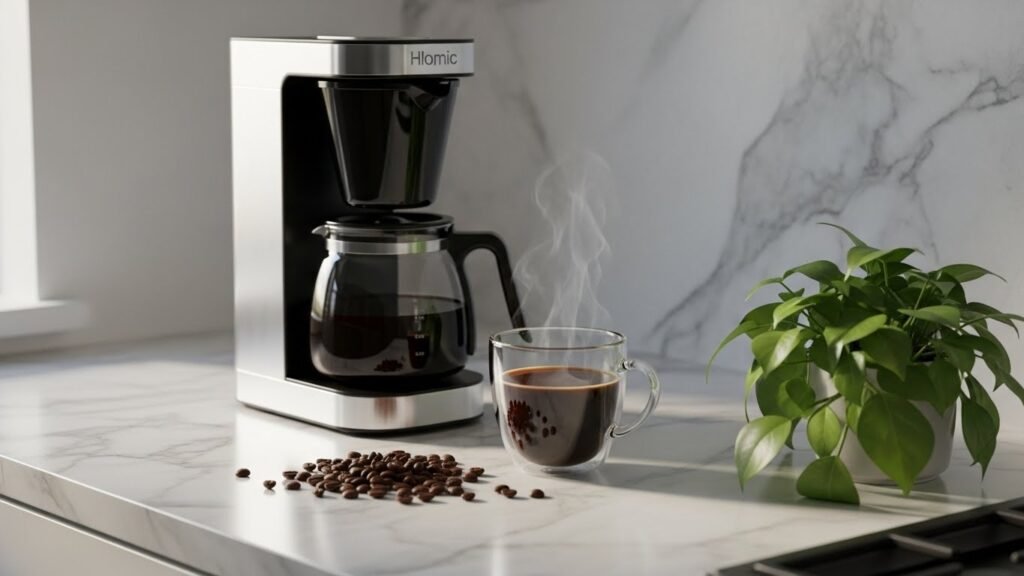
Drinking coffee is a huge part of our daily lives. Most of us cannot even start the day without a hot cup of joe. But have you ever thought about what is inside your machine? Many regular coffee makers use cheap parts that can mess with your health. Choosing a non toxic coffee maker is a total game-changer for your body and your taste buds. This guide will help you find the best gear for a clean brew.
Understanding the Hidden Dangers in Traditional Coffee Makers
Most people just look at the price tag when buying a coffee machine. We often forget that heat and water can change how materials behave. Traditional machines are packed with plastic parts that touch your water and coffee. When these parts get hot, they can start to break down. This leads to a process where chemicals move from the machine into your drink.
The Reality of Plastic Leaching
Plastic leaching is a real bummer for health-conscious folks. When plastic gets hot, it releases tiny particles and chemicals into the liquid. Coffee is also quite acidic, which makes the leaching even worse. You might not taste it at first, but your body definitely notices it. Over time, drinking these chemicals every single day can really add up.
The Brew Path Concept
To find a safe machine, you have to look at the brew path. The brew path is every spot where water or coffee touches the machine. It starts at the water tank where you pour the fresh water. Then it goes through the internal tubes and the heating element. Finally, it hits the filter basket and the carafe where your coffee sits. You want this entire path to be made of safe, non-reactive materials.
Toxic Materials to Avoid in Coffee Makers

Not all materials are created equal when it comes to food safety. Some common materials used in cheap appliances are known to be pretty bad for us. Knowing what to avoid is the first step toward a cleaner lifestyle. Here are the main troublemakers you should watch out for when shopping.
- BPA (Bisphenol A): This is a chemical found in many hard plastics that can act like hormones in your body. It is known as an endocrine disruptor and is linked to various health issues.
- Phthalates: These are plasticizers that make materials more flexible but can shed into hot liquids. They might cause damage to your liver and reproductive system over long periods.
- PFAS (Forever Chemicals): These are often found in non-stick coatings and parts that resist water. They are called forever chemicals because they stay in the environment and your body for a long time.
- Aluminum Corrosion: Acidic coffee can cause aluminum to break down and leak into your brew. This can leave a weird metallic taste and raises concerns about brain health.
- Lead and Cadmium: These heavy metals can hide in the solder of old machines or in the shiny glazes of cheap ceramics.
Key Standards for Selecting a Non Toxic Coffee Maker
Finding a non toxic coffee maker can feel like a lot of work. However, there are some easy shortcuts to help you pick the right one. You can look for specific materials and stamps of approval from experts. This ensures your machine is built to keep you safe and healthy.
Toxicologist-Approved Materials
Expert medical toxicologists suggest sticking to the “big three” materials for safety. These materials are non-reactive, which means they do not change when they touch hot, acidic coffee.
- Borosilicate Glass: This type of glass is super strong and handles big temperature changes without breaking.
- Stainless Steel: Look for food-grade steel like 18/8 or 18/10 because it is very durable and won’t rust or leach.
- Porcelain and Ceramic: These are classic choices that are naturally free of chemicals as long as the glaze is lead-free.
Certifications to Look For
If you are not an expert on materials, you can trust the pros. Specific certifications show that a machine has been tested for safety and performance.
- SCA (Specialty Coffee Association): This means the machine brews at the right temperature for the best flavor and safety.
- NSF (National Sanitation Foundation): This stamp means the machine meets high standards for health and clean construction.
- FDA Approved: This is a basic level of safety showing the materials are okay for food contact.
BPA-Free vs. Plastic-Free
You will see “BPA-free” on a lot of boxes lately. While this is better than old-school plastic, it is not always perfect. BPA-free plastics can still have other chemicals that might leach into your drink. The gold standard is a plastic-free brew path. This means the hot water and coffee never touch plastic at all.
Manual Non-Toxic Brewing Methods

If you want the most control over your safety, go manual. Manual brewers are often much simpler than electric ones. They usually have fewer parts, which means fewer chances for toxins to hide. Most manual methods are naturally free of plastic and heavy metals.
French Press: The Stainless Steel and Glass Standard
The French press is a favorite for many because it is so simple. It is basically just a jar with a plunger. Since there are no hidden tubes, you can see exactly what your coffee is touching.
- Why it is safe: Most are made of just glass and steel, so there is no plastic tubing inside.
- Espro P7: This model is a top pick because it uses double-walled steel to keep coffee hot without extra chemicals.
- Bodum Glass: This is a classic choice made from safe borosilicate glass that does not affect the flavor.
Pour-Over: Simplicity and Purity
Pour-over brewing is like a science experiment for your kitchen. You slowly pour hot water over coffee grounds in a filter. It is a very clean way to brew because the equipment is usually one solid piece.
- Porcelain and Ceramic: The Melitta Porcelain Pour-Over is a great budget pick that is totally plastic-free.
- Glass and Steel: These materials make sure you only taste the coffee beans and not the machine.
Moka Pots and Percolators
Moka pots are great if you like strong, espresso-style coffee. They sit right on your stove and use steam pressure. Many older ones were made of aluminum, but the new ones are much safer.
- Bialetti Venus: This is a stainless steel version of the classic Italian pot, making it much safer than old aluminum ones.
- Stainless Steel Percolators: These are tough machines that use no plastic and can last a lifetime.
The Aeropress Evolution
The Aeropress is a modern legend in the coffee world. It is fast and makes a very smooth cup. While the original is plastic, the company has made huge steps in safety.
- Aeropress Premium: This new version uses glass and stainless steel for a totally non toxic coffee maker experience.
- Aeropress Original: Even the plastic version is made from high-quality, BPA-free Tritan that is very stable.
High-Performance Electric and Automatic Non-Toxic Coffee Makers
Sometimes you just want to push a button and walk away. Modern technology has finally caught up with our health needs. There are now electric machines that prioritize safety just as much as convenience. These machines are perfect for busy mornings when you need a full pot.
Premium Drip Coffee Machines
Drip machines are the backbone of the American kitchen. The best ones now use high-end materials for the internal parts. You don’t have to settle for a cheap, smelly plastic machine anymore.
- Aarke Drip Coffee Maker: This machine is a beauty made of glass and steel with a professional-grade boiler.
- Technivorm Moccamaster: This one is handmade and uses safe, BPA-free plastics and a copper heating element.
- OXO Brew 8-Cup: This is a great middle-ground choice that is easy to use and very safe for the price.
Innovations in Espresso Machines
Espresso machines are complicated, which makes finding a non toxic coffee maker version a bit tricky. They need a lot of pressure, which often requires specific seals and gaskets. However, some brands are leading the way in reducing plastic.
- La Pavoni Professional: This is a manual lever machine made of brass and steel that looks like a piece of art.
- Ciarra BloomBox: This machine uses a stainless steel water tank and glass water lines to keep things clean.
- NCT Technology: This system helps control the heat perfectly so you get a great crema without leaching.
Detailed Features of the Best Non-Toxic Models

What makes these machines different from the ones at the big-box store? It comes down to the engineering inside. The best brands rethink every single part of the machine. They swap out cheap materials for medical-grade or food-safe alternatives.
Innovative Component Engineering
The internals of a non toxic coffee maker are where the real magic happens. High-end brands focus on the parts you can’t see but that matter the most.
- Stainless Steel Water Tanks: Using steel instead of plastic for the tank removes a major source of leaching.
- Glass Water Lines: Using hand-blown glass tubes ensures the hot water stays pure on its way to the coffee.
- Pure Aluminum Heating: Some brands use pure aluminum for heat, but keep it away from the coffee path to prevent corrosion.
- Natural Coffee Technology: This helps the coffee bloom properly, which brings out the best flavor and oils.
Portability and Hygiene
A non toxic coffee maker isn’t just for your kitchen counter. You can take your healthy habits on the road with you. New designs are making it easier to keep your gear clean and safe anywhere.
- Mini Filter Machines: These are small, battery-powered units that are perfect for camping or the office.
- Detachable Brew Heads: Being able to take the machine apart makes it much easier to clean out mold and old oils.
- Magnetic Covers: These keep the brewing area clean and free of dust when you are not using the machine.
Expert Medical and Toxicological Advice
- Leaching Triggers: Medical toxicologist Kelly Johnson-Arbor emphasizes that chemicals in coffee maker plastics leach specifically when they are exposed to heat.
- Fertility Concerns: These substances have been linked by the FDA to long-term health consequences, including reduced fertility.
- The Takeout Risk: Experts recommend removing black plastic lids from takeout coffee cups, as the heat from the coffee triggers chemical leaching directly into the drink.
- Material Hierarchy: Toxicologists advise prioritizing brew paths made of high-quality stainless steel and borosilicate glass to avoid plastic contact entirely.
Advanced Technical Specifications of Top Models
- Aarke Drip Coffee Maker: This machine features a professional-grade boiler that automatically adjusts brewing temperature based on the number of cups being made.
- Technivorm Moccamaster: It is handmade in the Netherlands and features a modular design with recyclable parts, making it easier to repair than replace.
- OXO Brew 8-Cup: This model is capable of brewing a full carafe of coffee in under six minutes.
- La Pavoni Professional: This manual machine is built with a brass brew tank and food-safe stainless steel heating elements.
- Aeropress Material Safety: The Aeropress Original is made from Tritan, which is FDA and EU-approved for food contact and free of both BPA and phthalates.
- Ciarra BloomBox Pink Mini: This specific variant is battery-powered for portability and includes a dust-proof magnetic cover for better hygiene.
Performance and Quality Benchmarks
- SCA Golden Cup Standard: The Aarke and OXO models both meet this specific industry benchmark for optimal flavor extraction and temperature.
- Crema Production: During testing, both the Aeropress and the Ciarra BloomBox produced a light crema, which is a rich intensity usually difficult for non-espresso machines to achieve.
- Temperature Control Systems: The Ciarra models utilize a specific Natural Coffee Technology (NCT) system and a pre-soak mode to extract full oils and flavor.
Sourcing and Routine Optimization
- Safe Bean Sourcing: Expert barista advice suggests buying organic, fair-trade beans in bulk from retailers like Target to ensure they are grown without pesticides.
- Filter Chemistry: When selecting paper filters, it is important to look for unbleached, chemical-free, or oxygen-whitened options to avoid leaching from the filter itself.
- Accessory Materials: Users should avoid stirring their brew with black plastic kitchen utensils, opting instead for bamboo scoops or steel stirrers.
- Safe Travel Gear: For coffee on the go, experts suggest using travel mugs that are ceramic-lined or steel-lined to avoid PFAS-filled flasks.
The Non-Toxic Coffee Maker Buyer’s Checklist
Material Safety (The “Hot Zone”)
- Verify the Brew Path: Ensure all parts that touch hot water or coffee are made of borosilicate glass, stainless steel, or porcelain.
- Avoid Polycarbonate Plastics: Check that the machine does not use plastics that contain BPA or phthalates, which can act as endocrine disruptors.
- Check for PFAS-Free Coatings: Avoid any internal components or carafes with non-stick coatings that may contain “forever chemicals”.
- Confirm Metal Quality: Look for 18/8 or 18/10 food-grade stainless steel to prevent metallic leaching and rust.
- Eliminate Aluminum Contact: Opt for stainless steel or glass heating paths rather than traditional aluminum to avoid corrosion and off-tastes.
Certifications and Performance Standards
- SCA Certification: Look for the Specialty Coffee Association (SCA) “Golden Cup” seal to ensure the machine maintains the perfect brewing temperature for both safety and flavor.
- NSF Approval: Seek National Sanitation Foundation (NSF) marks, which confirm the machine meets strict public health standards for construction.
- Temperature Control: Choose machines with precise temperature regulation (like NCT) to prevent over-extraction and chemical breakdown of materials.
- Modular Design: Prioritize machines with replaceable or recyclable parts, such as the Technivorm Moccamaster, to ensure long-term sustainability and repairability.
Hygiene and Maintenance
- Detachable Brew Head: Ensure the brew head can be removed for deep cleaning to prevent mold and bacterial buildup.
- Ease of Descaling: Confirm the machine can be cleaned using natural agents like vinegar or citric acid without damaging internal seals.
- Hygienic Covers: For portable or single-serve machines, look for features like magnetic, dust-proof covers to keep the brewing area clean.
Safe Brewing Accessories
- Unbleached Filters: Use paper filters that are labeled as unbleached or oxygen-whitened to avoid chlorine leaching.
- Non-Plastic Scoops: Swap out plastic measuring spoons for those made of bamboo, wood, or stainless steel.
- Safe Water Reservoir: If the machine has a water tank, ensure it is made of stainless steel or glass rather than clear plastic.
Non-Toxic Comparison: Aarke vs. Technivorm Moccamaster

Aarke Drip Coffee Maker: The Luxury Choice
- Safety Profile: This model excels by using a brew journey crafted almost entirely from stainless steel and glass.
- Smart Brewing: Its boiler adjusts temperatures based on the volume of water, ensuring safety and flavor consistency whether you brew 2 or 10 cups.
- Maintenance: The glass carafe is dishwasher-safe, making it easy to remove residue without harsh chemicals.
- Design Focus: It is built as a statement piece for permanent countertop placement due to its large size and premium finish.
Technivorm Moccamaster KBGV Select: The Sustainable Choice
- Longevity: This machine is handmade in the Netherlands and is famous for lasting decades due to its modular construction.
- Clean Materials: While it uses some plastic, every component is strictly BPA, BPS, BPF, and phthalate-free.
- Warranty Support: It comes with a 5-year warranty, reflecting its high build quality and reliable safety standards.
- Versatility: It includes a selector switch to optimize the brew for either a half-carafe or a full-carafe.
Which One Should You Choose?
- Choose the Aarke if you want a minimalist, “ultra-premium” look and want to minimize plastic contact as much as possible with a glass and steel path.
- Choose the Moccamaster if you value sustainability, repairability, and a retro design that is proven to last a lifetime.
Manual Non-Toxic Comparison: Espro P7 vs. Glass Pour-Over
Espro P7 French Press: The Durable Powerhouse
- Safety Profile: The Espro P7 is constructed from premium 18/8 stainless steel. Unlike traditional French presses that may have plastic lids or plungers, the P7 focuses on metal-to-metal contact. It is entirely BPA, BPS, and phthalate-free.
- The “Grit-Free” Innovation: Traditional French presses often leave “sludge” at the bottom of the cup. The P7 uses a patented dual-filter system that is much finer than standard mesh, trapping grit while allowing healthy coffee oils through.
- Thermal Performance: Because it is vacuum-insulated, it doesn’t just brew coffee; it stores it. This is the best non-toxic option for someone who likes to sip multiple cups over an hour without the coffee getting cold or “stewed” on a hot plate.
Glass Pour-Over: The Purest Flavor Experience
- Safety Profile: Borosilicate glass is the ultimate non-toxic material. It is completely non-porous and non-reactive, meaning it will never absorb odors, bacteria, or leach chemicals into your brew, regardless of how hot the water is.
- Chemical-Free Filtration: When paired with unbleached, oxygen-whitened paper filters, the pour-over method offers the “cleanest” cup of coffee possible. It removes cafestol (a molecule found in coffee oils that can raise cholesterol) more effectively than metal filters.
- The Ritual of Brewing: Pour-over is a manual craft. You control the water flow and temperature precisely. It is the preferred method for coffee purists who want to taste the specific “terroir” or origin notes of expensive, mold-free organic beans.
Which One Should You Choose?
- Choose the Espro P7 if you want a “buy it for life” product that is rugged, keeps your coffee hot for a long time, and provides a rich, heavy mouthfeel. It is perfect for those who want a reliable, plastic-free morning routine with zero risk of breakage.
- Choose a Glass Pour-Over if you prioritize the absolute purity of glass and enjoy a lighter, cleaner-tasting cup of coffee. It is the best choice for those who are highly sensitive to taste and want the most hygienic material available.
Maintaining the integrity of your non-toxic coffee gear is just as important as the purchase itself. Over time, coffee oils can turn rancid and mineral deposits can trap bacteria. Using harsh chemical cleaners defeats the purpose of owning a non-toxic brewer.
Below is a step-by-step guide to naturally seasoning and maintaining your manual brewers.
How to Season and Clean Manual Brewers Naturally
Seasoning Your New Non-Toxic Brewer
“Seasoning” isn’t about building up a layer of old coffee (which is actually unhygienic); it is about removing manufacturing residues, dust, and “factory smells” before the first use.
- The Initial Deep Rinse: For both stainless steel (Espro P7) and glass (Pour-Over), start by rinsing all components with very hot filtered water.
- The Vinegar Soak: Fill the vessel with a 1:1 mixture of white vinegar and warm filtered water. Let it sit for 10 minutes. This neutralizes any metallic or “new” smells from the manufacturing process.
- The Sacrificial Brew: Many experts recommend doing one “throw-away” brew. Use a small amount of old or cheap organic grounds and brew as normal, then discard. This ensures any microscopic particles are flushed out of the filters.
Daily Cleaning for Glass and Stainless Steel
To prevent the buildup of bitter oils and mold, follow these steps after every single use.
- Immediate Grounds Removal: Never leave wet grounds in your French press or pour-over for hours. This creates a damp environment perfect for mold growth.
- Hot Water Rinse: Immediately rinse the vessel and the filter assembly with hot water.
- Mild Natural Soap: Use a plant-based, fragrance-free dish soap. Avoid conventional soaps with synthetic fragrances, as porous materials (like some gaskets or even specialized ceramics) can absorb these scents, which then leach into your next cup.
- Air Dry Completely: Wipe down with a clean linen cloth or leave upside down on a drying rack to ensure no moisture stays trapped in the filter meshes.
Weekly Deep-Cleaning and Descaling
Even with daily rinsing, minerals from water (limescale) and stubborn oils can accumulate.
- The Citric Acid Bath: Once a week, soak your stainless steel filters and glass vessels in a solution of 1 tablespoon of citric acid powder per liter of hot water. This is safer and more effective than vinegar for removing hard water spots.
- Gasket Maintenance: If your brewer has silicone gaskets (like the Espro P7), remove them once a week. Clean the grooves where they sit with a soft brush to ensure no coffee silt is trapped, which can harbor bacteria.
- Polishing Stainless Steel: To keep your 18/8 stainless steel looking new without using toxic metal polishes, use a paste made of baking soda and a few drops of water. Rub gently and rinse thoroughly.
Avoiding Common Maintenance Mistakes
- No Abrasive Scrubbers: Never use steel wool on stainless steel or glass. It creates micro-scratches where bacteria and oils can hide, making the machine harder to keep “clean” over time.
- Skip the Dishwasher for Gaskets: While glass and steel are often dishwasher-safe, the high heat and harsh chemicals in dishwasher pods can cause silicone seals to degrade and potentially leach. Hand-wash these small parts.
- Use Filtered Water Only: Using tap water with high chlorine or heavy metal content will require you to descale more often and can eventually pit the surface of stainless steel.
Top Rated Mold-Free and Organic Coffee Brands
Purity Coffee: The Health-First Pioneer
Purity Coffee is widely considered the gold standard for health-conscious drinkers. They are one of the few brands that source beans specifically for their antioxidant levels and lack of contaminants.
- Lab Testing: Every batch is tested for over 60 different types of mold, mycotoxins, and pesticides.
- Specialty Grade: They only use the top 1% of beans available worldwide, ensuring a defect-free cup.
- Roast Profile: They use a specialized roasting protocol to maximize chlorogenic acids (antioxidants) while minimizing acrylamide (a toxin that can form during high-heat roasting).
Kion Coffee: The Performance Choice
Founded by health expert Ben Greenfield, Kion is designed for those who use coffee as a performance tool. It is crafted to give you a clean energy boost without the “jitters” or stomach upset often caused by low-quality beans.
- Sourcing: They source 100% organic Arabica beans from high-altitude farms in Central and South America.
- Toxin-Free: Each batch is third-party lab-tested for yeast, mold, and mycotoxins.
- Flavor Profile: Known for a balanced, medium roast with notes of sweet apple, roasted nuts, and milk chocolate.
Lifeboost Coffee: The Low-Acid Specialist
If you have a sensitive stomach but still want a non-toxic brew, Lifeboost is an excellent option. They grow their coffee in the shade at high altitudes in Nicaragua.
- Strict Standards: Their beans are single-origin, shade-grown, and bird-friendly.
- Testing: They test for 470 different toxins, including heavy metals, pesticides, and molds.
- Stomach-Friendly: Because the beans are naturally low-acid, they are much gentler on the digestive lining than standard commercial coffee.
Bulletproof Coffee: The Original Clean Coffee
The brand that popularized the “clean coffee” movement, Bulletproof remains a reliable source for those looking to avoid brain fog caused by mold.
- Proprietary Process: They use a specific “Direct Harvest” process that significantly reduces the opportunity for mold growth during the drying phase.
- Quality Control: They maintain a strict supply chain that avoids the common practice of mixing high-quality beans with lower-quality “filler” beans.
Tips for Maintaining Bean Purity at Home
- Buy Whole Bean Only: Pre-ground coffee has more surface area exposed to the air, which leads to rapid oxidation and an increased risk of moisture/mold absorption.
- Check the Roast Date: Non-toxic coffee should be fresh. Look for beans roasted within the last 2-4 weeks for the highest antioxidant count.
- Use an Airtight Glass Canister: Store your beans in a dark, cool place in a glass container with a vacuum seal to keep them inert and fresh.
- Water Quality Matters: Use a high-quality water filter (like a Berkey or a reverse osmosis system) to ensure you aren’t introducing heavy metals or chlorine into your organic beans.
The Holistic Non-Toxic Coffee Routine

Buying a non toxic coffee maker is a great start, but it’s only half the battle. What you put into the machine matters just as much as the machine itself. A truly healthy coffee routine looks at the whole picture. From the beans to the water, every choice adds up.
Selecting Mold-Free and Organic Coffee Beans
Coffee beans can actually grow mold if they are not handled correctly. This mold can produce toxins called mycotoxins that can make you feel foggy or tired.
- Certified Organic: This ensures the beans were grown without nasty pesticides or chemicals.
- Mycotoxin-Free: Look for brands that specifically test their beans for mold and toxins.
- Purity and Kion: These are two brands that are famous for their high safety standards and clean beans.
- Whole Beans: Buy whole beans and grind them yourself to keep them fresh and mold-free.
Essential Plastic-Free Accessories
Don’t ruin your clean brew by using cheap accessories. Even small things like filters and spoons can introduce toxins into your cup.
- Unbleached Filters: Choose brown paper filters that haven’t been treated with chlorine bleach.
- Stainless Steel Filters: These are reusable and ensure no chemicals touch your coffee at all.
- Safe Stirrers: Use spoons made of wood, glass, or stainless steel instead of plastic stir sticks.
- Filtered Water: Using a good water filter helps remove heavy metals and chlorine before you brew.
Safe Storage and Travel
How you store and carry your coffee is also very important. You want to keep the flavor in and the toxins out.
- Glass Containers: Use airtight glass jars to keep your beans fresh and away from plastic smells.
- Steel Travel Mugs: Avoid travel cups with plastic linings; choose full stainless steel or ceramic instead.
Maintenance and Longevity

A non toxic coffee maker is often an investment, so you want it to last. Keeping it clean is the best way to ensure it stays safe for years. Luckily, safe materials like glass and steel are usually very easy to maintain.
Cleaning Without Harsh Chemicals
You don’t need toxic cleaners to keep your machine in top shape. Natural solutions are often just as effective and much safer for you.
- Vinegar and Water: A simple mix of white vinegar and water can help remove mineral buildup inside the machine.
- Citric Acid: This is a natural way to descale your machine without using industrial chemicals.
- Regular Rinsing: Rinsing out the brew head after every use stops old oils from turning rancid.
- Modular Parts: Machines like the Moccamaster can be repaired easily, so you don’t have to throw them away.
Summary: Buying Guide and Final Recommendations
Switching to a non toxic coffee maker is one of the best things you can do for your health. It might seem like a lot of info, but it gets easier once you know what to look for. Focus on the materials that touch your coffee and you will be just fine.
The 80/20 Rule in Coffee Safety
You don’t have to be perfect to see big benefits. Focus on the 80%—the parts that touch hot water and coffee. If the buttons or the legs are plastic, it’s usually not a big deal. Just try to keep the “hot zones” as clean as possible.
Choosing by Lifestyle
Every coffee lover has different needs. Pick the machine that fits how you live your life.
- For Busy Families: Go with a high-capacity drip machine like the Aarke or Technivorm.
- For the Solo Drinker: A porcelain pour-over or a glass Aeropress is perfect for a single cup.
- For the Espresso Fan: Look into the La Pavoni or the Ciarra BloomBox for a cleaner shot.
- For the Traveler: The Aeropress or a small manual French press is your best bet for the road.
Final Thoughts on a Healthy Brew
Your morning coffee should be a source of joy and energy, not a source of toxins. By choosing a non toxic coffee maker, you are taking control of your health. You will likely notice that your coffee even tastes better when it’s brewed in glass or steel. Start small, pick a safe method, and enjoy the peace of mind that comes with a clean cup.
Frequently Asked Questions
What are the health risks associated with drinking coffee from a plastic machine?
Medical experts warn that when plastic is exposed to hot, acidic coffee, it can leach chemicals like BPA and phthalates into your drink. These substances are known as endocrine disruptors and have been linked by the FDA to reduced fertility and long-term hormonal issues.
Does a BPA-free label mean a coffee maker is completely safe?
Not necessarily, because a BPA-free label only means the specific chemical Bisphenol A is absent. These plastics can still contain other chemicals like BPS or phthalates that may leach when heated, so a plastic-free brew path is always the safest choice.
Why is borosilicate glass better than regular glass for coffee makers?
Borosilicate glass is preferred because it has high thermal stability and resistance to thermal shock. This means it can handle rapid temperature changes from boiling water without cracking or releasing toxins into your coffee.
Can the heating element in a coffee maker be toxic?
Yes, some machines use heating elements with non-stick coatings that contain PFAS or “forever chemicals”. To avoid this, look for machines with pure aluminum or stainless steel heating elements that are separated from the water path.
What is the most non-toxic material for a coffee water tank?
Stainless steel and borosilicate glass are the top choices for water tanks because they are non-reactive and do not leach chemicals even after long-term contact with water.
Is aluminum in a Moka pot dangerous?
Traditional aluminum Moka pots can corrode over time when exposed to acidic coffee, leading to metallic leaching. It is safer to use a stainless steel Moka pot, like the Bialetti Venus, which is more durable and non-reactive.
Are the gaskets and O-rings in coffee makers toxic?
Most modern high-quality machines use food-grade silicone gaskets which are generally considered safe and heat-resistant. However, some very cheap machines may use lower-quality rubbers that can break down over time.
How do I know if my coffee maker has a plastic-free brew path?
A plastic-free brew path means the hot water and coffee only touch glass, stainless steel, ceramic, or silicone from start to finish. You should check the manufacturer’s specifications for the internal tubing and filter basket materials.
Are paper filters a source of toxins in coffee?
White paper filters are often bleached with chlorine, which can leave trace chemicals in your coffee. It is better to use unbleached brown paper filters or reusable stainless steel filters to keep your ritual clean.
Can coffee makers grow mold internally?
Yes, the warm and damp environment inside coffee machines is a breeding ground for mold and bacteria. Choosing a machine with a detachable brew head makes it much easier to clean and prevent mold growth.
What is the Golden Cup standard and why does it matter for safety?
The Golden Cup standard is a certification from the SCA that ensures a machine brews at the precise temperature (around 200°F) for proper extraction. Correct temperature control prevents the over-extraction of bitter compounds and helps ensure the machine operates within safe thermal limits.
Does coffee acidity increase chemical leaching?
Yes, coffee is naturally acidic, and this acidity can accelerate the breakdown of certain plastics and metals like aluminum. This is why using non-reactive materials like glass and 18/8 stainless steel is so important for coffee gear.
Are the black plastic lids on coffee cups toxic?
Many experts suggest removing black plastic lids from hot coffee cups because the steam and heat cause chemicals to leach directly into the liquid you sip.
What should I look for in a non-toxic espresso machine?
Look for machines with brass or stainless steel boilers and minimal internal plastic tubing. Machines like the La Pavoni Professional are favored because they rely on heavy-duty metal construction rather than plastic components.
Is it safe to use a dishwasher for coffee maker parts?
Glass carafes and stainless steel parts are usually dishwasher-safe, but you should check the manual. However, avoid putting plastic parts in the dishwasher as high heat and harsh detergents can speed up the degradation of the material.
Why are mycotoxins in coffee a concern?
Mycotoxins are toxic compounds produced by mold that can grow on low-quality coffee beans. Drinking coffee contaminated with mycotoxins can cause inflammation and other health issues, so buying lab-tested, mold-free beans is recommended.
How can I descale my coffee maker without toxic chemicals?
You can use a natural solution of white vinegar and water or citric acid powder to remove mineral buildup. These methods are effective and do not leave behind the harsh chemical residues found in some commercial descalers.
Are ceramic coffee makers always lead-free?
Not always, as some cheap ceramic glazes can contain lead or cadmium. It is important to buy from reputable brands that specifically state their ceramics are lead-free and food-safe.
What is the benefit of a modular coffee maker design?
Modular designs, like those from Technivorm, allow you to replace specific parts if they break rather than throwing away the whole machine. This is better for the environment and ensures you can maintain a clean, safe machine for decades.
Does grinding beans fresh impact coffee toxicity?
Grinding fresh reduces the surface area exposed to moisture and air, which helps prevent the growth of mold and keep the healthy oils intact.