



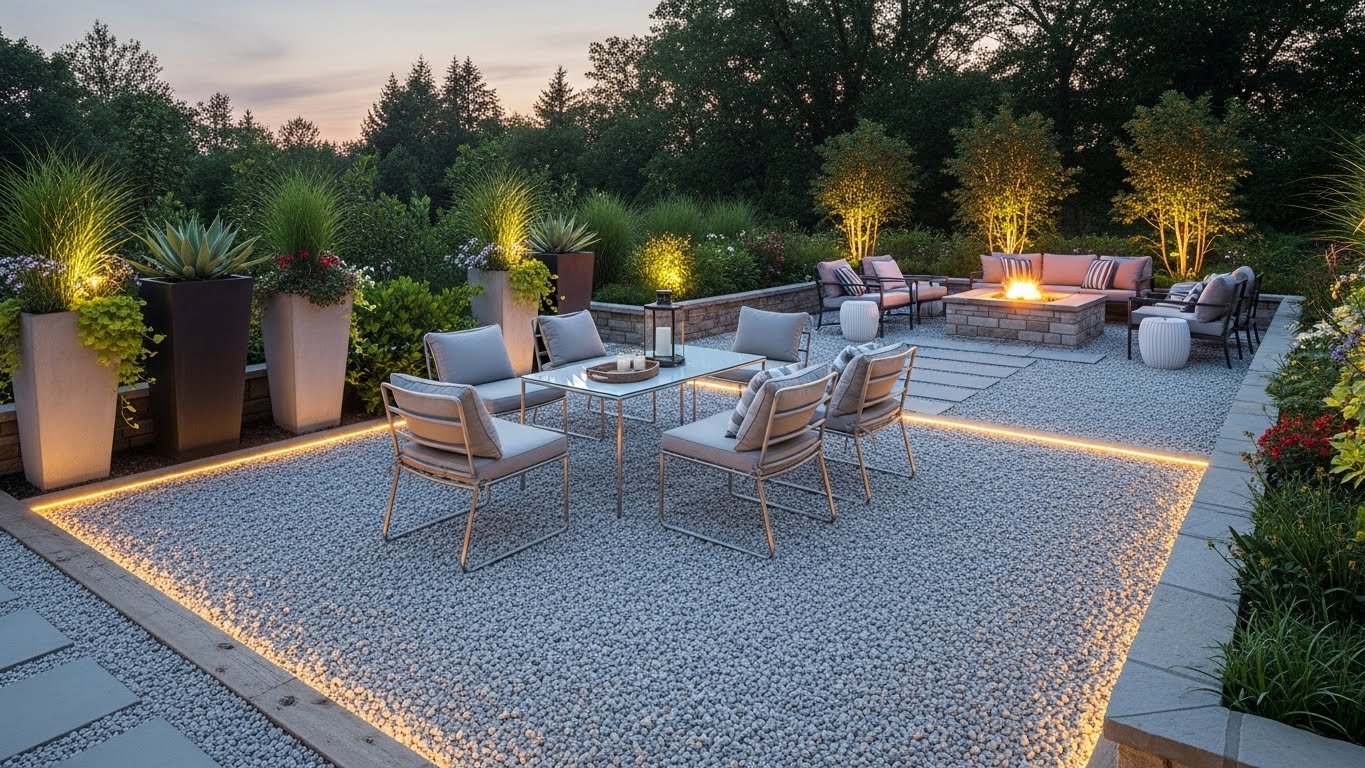
Gravel patios have become a popular choice for homeowners looking to enhance their outdoor spaces with a natural, low-maintenance option. Whether you’re creating a peaceful retreat or an entertaining area, gravel offers flexibility and affordability without sacrificing style. This guide will explore various gravel patio ideas that cater to different aesthetic preferences and budgets, helping you design the perfect outdoor oasis. From rustic garden patios to modern minimalist designs, gravel can transform any outdoor area into a welcoming, functional space.
Gravel patios are cost-effective, easy to install, and provide endless possibilities for creativity. In this article, we will dive into essential tips for designing a gravel patio, choosing the right gravel, installation steps, and ways to maintain the surface for long-term durability. Whether you’re a DIY enthusiast or planning a professional installation, this article will cover everything you need to know.
Gravel Patio Basics
What is a Gravel Patio?
A gravel patio is an outdoor living space constructed using loose stones. These patios are designed to provide a solid surface for outdoor activities, such as dining, lounging, or entertaining, while maintaining a natural, rustic, or modern aesthetic. Gravel patios are highly versatile, offering a range of options for materials, textures, and design styles.
Benefits of Gravel Patios
- Cost-effective: Gravel patios are much cheaper than concrete or stone options.
- Easy installation: The installation process is straightforward, especially for DIYers, requiring fewer specialized tools.
- Low maintenance: Gravel patios need minimal care. Occasional raking and top-ups of gravel keep them looking fresh.
- Durability: Gravel surfaces are durable and resilient against harsh weather conditions.
- Drainage: Gravel patios help with water runoff, reducing water pooling and erosion around your home.
Types of Gravel Used for Patios
Gravel comes in various types, each offering unique characteristics. The right choice depends on your desired aesthetic and the functionality of your patio.
- Pea Gravel: Small, rounded stones, ideal for smooth walking surfaces and creating a relaxed, natural feel.
- Decomposed Granite: Finer particles that form a stable, compact base layer beneath gravel.
- Crushed Stone: Coarser gravel, perfect for rustic, natural designs or areas with heavy foot traffic.
- River Rock: Smooth, larger stones that add texture but are less comfortable to walk on.
Gravel Patio Design Ideas
Modern Minimalist Gravel Patio
A modern minimalist gravel patio focuses on simplicity and clean lines. Using neutral-colored gravel, such as pale gray gravel, creates a bright and fresh aesthetic. To keep the space uncluttered:
- Use metal or glass-top tables with sleek, simple designs.
- Incorporate large planters filled with tall grasses or small trees to add greenery.
- Opt for subtle lighting, such as flat LED lights along the patio’s edges, to create a soft glow at night.
- Add minimal outdoor decor, such as a single piece of outdoor art or a small water feature, to keep the design clean yet inviting.
Rustic Garden Gravel Patio

For those looking to blend the patio with a more organic or earthy outdoor environment, a rustic garden gravel patio is the way to go. To achieve a rustic feel:
- Choose warm-toned gravel such as tan gravel or reddish-brown gravel to create an inviting atmosphere.
- Introduce wooden elements, such as a wooden pergola, rocking chairs, or wooden benches for rustic seating.
- Surround the patio with wildflowers, native plants, or a container garden to integrate the patio with your garden.
- Incorporate vintage-inspired decor, such as lantern lights and vintage planters, for a touch of charm.
Industrial Outdoor Gravel Patio

An industrial outdoor gravel patio is perfect for those who prefer a more contemporary, urban style. To create an industrial vibe:
- Choose dark-colored gravel, such as charcoal or deep gray gravel, to create a modern, urban feel.
- Use metal furniture, such as iron chairs and reclaimed wood tables, to add to the industrial aesthetic.
- Consider concrete planters and succulent plants to keep the design in line with the industrial theme.
- Add a concrete fire pit as a focal point and consider using exposed-bulb string lights for ambient lighting.
Scandinavian Gravel Patio

The Scandinavian design style is known for its simplicity and functionality. A Scandinavian gravel patio emphasizes light colors and natural materials. To achieve this look:
- Opt for light-colored gravel, such as pale gray or white gravel, for a bright and airy feel.
- Use light wood furniture, such as wicker chairs and simple wooden tables, to complement the gravel.
- Add neutral cushions and hanging chairs for comfort and style.
- Introduce lanterns or string lights to create a cozy atmosphere at night.
Zen-Inspired Gravel Patio

A Zen-inspired gravel patio is designed for relaxation and tranquility. This style is perfect for those who want a peaceful retreat. To create a Zen garden:
- Choose smooth, fine gravel for an even surface that promotes calmness.
- Incorporate bamboo, stone, or wood elements to evoke a natural, minimalist vibe.
- Add a water feature, such as a small fountain or pond, for a soothing sound.
- Surround the patio with low-maintenance plants, such as bonsai trees, succulents, and ferns.
DIY Gravel Patio Installation Tips

Planning Your Gravel Patio
Before you begin the installation, it’s essential to plan the layout and design of your gravel patio. Consider these steps:
- Measure the space to determine the size and shape of the patio.
- Consider the functionality of the patio and how much traffic the area will get.
- Decide on the type of gravel, color, and design elements, such as stepping stones, pavers, or garden borders.
Excavation and Base Preparation
Proper excavation is critical for creating a stable foundation for your gravel patio. Here’s how to prepare the ground:
- Excavate the area to a depth of 3 to 6 inches depending on the size of your patio.
- Use a level to ensure the ground is even, and slope the surface slightly away from your home for water drainage.
- Lay a weed barrier or landscape fabric over the exposed soil to prevent weed growth while allowing water to drain.
Gravel Layering and Edging
Once the base is ready, follow these steps:
- Spread a base layer of decomposed granite or crushed stone to create a solid foundation.
- Top it with a layer of your chosen gravel type, ensuring an even surface.
- Install edging around the patio to contain the gravel. You can use materials like wood, steel, or stone to create clean, defined borders.
Gravel Patio Furniture and Accessories
Choosing Outdoor Furniture for Gravel Patios
Furniture selection for your gravel patio should be practical and stylish. Consider these options:
- Metal chairs and glass-top tables are ideal for minimalist designs.
- Wooden or wicker seating can be used for rustic and Scandinavian-inspired designs.
- DIY furniture such as pallet seating and cinder-block planters can be a great way to add personal touches to the patio.
Lighting and Accessories
The right lighting can enhance the ambiance of your gravel patio:
- Install flat LED lights along the patio’s edges to create a subtle glow.
- Use lanterns or string lights for a soft, romantic effect.
- Add outdoor art or a water feature to give the space personality and charm.
Advanced Gravel Patio Design Concepts
Mixed Material Gravel Patio
One way to elevate your gravel patio is by incorporating other materials into the design. A mixed material patio can create a striking contrast between gravel and other surfaces. For example:
- Combine gravel with flagstone or pavers to create paths or accents within the patio.
- Use gravel for the patio surface and integrate stone or concrete pavers as stepping stones or a decorative border.
- The combination of gravel and wood or gravel and concrete can also provide an industrial, modern look while maintaining the natural aesthetic.
- Recycled materials, like broken tiles or reclaimed wood, can be incorporated into the patio design for a sustainable, eco-friendly solution.
Gravel and Greenery Balance
One of the best features of gravel patios is how they blend seamlessly with nature. To create a harmonious balance:
- Add low-maintenance plants: Consider planting succulents, ornamental grasses, or even small trees around the edges of the patio.
- Create plant beds or flower borders using the natural texture and color of gravel to complement vibrant greenery.
- Container gardens work well on gravel patios, offering the option to move plants around as needed.
- Incorporate mulch or stone pebbles to fill gaps between plants and prevent weed growth while maintaining the aesthetic appeal.
Permeable Gravel Patio Design
A permeable gravel patio is an eco-friendly option that not only provides a visually appealing surface but also offers practical benefits:
- Permeable gravel allows water to flow through the surface, reducing the risk of water runoff.
- This design is ideal for sustainable landscaping, as it helps to prevent soil erosion and promotes groundwater recharge.
- You can achieve a permeable surface by choosing smaller gravel or using a gravel stabilizing grid to keep the stones in place.
- This design is especially useful for areas with heavy rainfall or for those looking to maintain a green patio that helps manage water more efficiently.
Budget-Friendly Gravel Patio Ideas
Cost-Effective Gravel Options
Gravel patios don’t have to break the bank. Here are some budget-friendly gravel ideas:
- Pea gravel is one of the most affordable options and provides a smooth, comfortable surface.
- Crushed stone and decomposed granite are relatively inexpensive and create a sturdy, durable surface.
- Recycled gravel is another cost-effective option, often available from local suppliers. This helps you save money and repurpose materials for a more sustainable design.
DIY Gravel Patio Installation for Savings
Building a gravel patio yourself is one of the best ways to keep costs low. Here are some tips for saving money during the installation process:
- Excavation: Renting a mini-excavator can make digging out your patio space easier and more affordable than hiring a professional to do the work.
- Gravel sourcing: Look for local suppliers that offer gravel at a lower cost, or even consider sourcing gravel from construction sites that offer leftover materials.
- Recycled materials: Use second-hand furniture, upcycled furniture, and reclaimed wood for seating, planters, and other patio accessories.
Incorporating Edging on a Budget
Instead of opting for expensive materials for edging, consider these more affordable options:
- Wooden edging can be sourced from treated lumber or repurposed wood.
- Plastic or rubber edging is an inexpensive, low-maintenance option that keeps gravel contained.
- Stone edging can be collected from local quarries or construction sites to save on costs.
Furniture and Decor on a Budget
For a stylish yet affordable outdoor space, choose budget-friendly furniture and decor options:
- DIY furniture: Repurpose wooden pallets for seating, tables, and even garden planters.
- Cinder-block planters are a cheap alternative to expensive stone or ceramic planters.
- Upcycled furniture: Search for second-hand furniture and restore it with a coat of paint for a fresh look.
- Minimalist decor: Stick with simple outdoor accessories like string lights, lanterns, or outdoor rugs that add character without excessive cost.
Gravel Patio Maintenance and Upkeep

Raking and Gravel Redistribution
Regular maintenance ensures that your gravel patio stays functional and visually appealing. Here’s how to maintain a balanced, smooth surface:
- Rake gravel regularly to keep the surface even and distribute the stones evenly. This prevents gravel from collecting in certain areas or spilling over edges.
- Redistribute gravel around areas that have been disturbed by foot traffic or weather conditions.
Seasonal Gravel Care
Your gravel patio will require different care during different seasons. Consider the following steps:
- Spring: After the winter thaw, clear away debris such as fallen leaves or twigs. Check for any displaced gravel and add more if necessary.
- Summer: In hotter months, use a weed barrier or eco-friendly weed killer to prevent weeds from sprouting through the gravel.
- Fall: Before the colder months, rake the gravel to remove leaves and ensure the patio remains smooth.
- Winter: If you live in an area with snow, shovel carefully to avoid damaging the gravel. A snow blower works best for larger areas.
Weed Control
Although gravel patios are naturally resistant to weeds, they may still appear from time to time. Here’s how to deal with them:
- Use weed killers made specifically for gravel surfaces. Always choose an eco-friendly or non-toxic option to maintain a sustainable environment.
- Manual weed removal: Regularly check for weeds growing between gravel pieces and pull them out by hand to prevent further spread.
Replenishing Gravel
Over time, your gravel patio may lose some stones due to foot traffic or weather conditions. Here’s how to keep your patio looking fresh:
- Replenish gravel every season, adding a thin layer of fresh gravel to fill in low spots or areas where gravel has eroded.
- Choose a similar color and texture to maintain the visual consistency of the patio.
Gravel Patio Furniture and Accessories
Choosing Outdoor Furniture
The right furniture can elevate your gravel patio’s aesthetic while ensuring comfort. Consider these options:
- Metal or wicker chairs paired with a glass-top table work well for a minimalist, modern patio.
- Wooden benches and recycled plastic chairs create a rustic or Scandinavian look while adding comfort.
- DIY furniture: Build your own seating area using pallets or cinder-blocks for an eco-friendly option.
Lighting and Accessories
Lighting and accessories can transform your gravel patio, making it functional even after dark:
- String lights: Create a cozy atmosphere with soft, warm lighting.
- Lantern lights and solar-powered lights are cost-effective options that add a vintage charm.
- Consider adding a fire pit to your patio for a focal point that can also provide warmth during cooler evenings.
Enhancing the Aesthetic Appeal of Your Gravel Patio
Integrating Greenery with Gravel Patios
Gravel patios blend beautifully with plants and landscaping features, creating a natural, inviting environment. Here’s how you can integrate greenery effectively:
- Plant borders: Surround your gravel patio with flower beds, shrubs, or climbing plants like ivy or wisteria. These plants can soften the edges of your patio, making the gravel feel more cohesive with the rest of your garden.
- Container gardens: Use decorative pots or planters for flowers, herbs, or small trees. Consider circular planters with bright-colored blooms that pop against the neutral gravel tones.
- Vertical gardening: If space is limited, vertical gardens can bring greenery to your patio without taking up too much room. Use hanging planters or wall-mounted containers for a compact garden.
Contrast with Larger Stones

While gravel alone is an excellent choice for creating a smooth walking surface, mixing it with larger stones adds a bold visual contrast:
- Stepping stones: Integrating flagstone or paver stones as stepping stones within the gravel surface adds texture and breaks up the monotony of gravel.
- Stone borders: Use stone edging to define the edges of your gravel patio. This prevents the gravel from spilling out and adds a neat, defined boundary to the space.
- Stone fire pits: A stone fire pit or fireplace can be the centerpiece of your gravel patio, adding warmth and a cozy atmosphere to your outdoor space.
Creating a Focal Point with Water Features
Water features enhance the ambiance of your gravel patio, turning it into a serene retreat. Here are some ideas for incorporating water elements:
- Fountains: A small stone fountain or tiered water feature can add movement and sound to your patio, helping to create a tranquil environment.
- Ponds: If space allows, create a small pond or water garden surrounded by gravel. Add plants like water lilies and lotus to complete the look.
- Birdbaths: A simple birdbath can also serve as a water feature, attracting local wildlife and adding charm to your gravel patio.
Gravel Patio for Small Spaces
A gravel patio is an excellent option for small yards or limited outdoor spaces. Here’s how to maximize space while maintaining functionality:
Compact Patio Design Ideas
- Foldable furniture: Use compact, foldable furniture, like metal bistro tables and stackable chairs, to maximize space without overcrowding.
- Minimalist layout: Keep the design simple with a small round or square gravel patio that accommodates a couple of chairs and a table. Avoid overdecorating to maintain a clean, open feel.
- Vertical elements: Incorporate vertical planters or a green wall to add greenery without taking up floor space.
Multi-Use Gravel Patios
If your space is versatile, a multi-functional gravel patio can serve different purposes:
- Outdoor dining area: Create a gravel patio with space for a dining table and chairs, perfect for family meals or entertaining guests.
- Relaxation space: A lounge area with comfortable seating, such as outdoor cushions, hammocks, or swings, provides a spot to relax.
- Barbecue corner: If you enjoy outdoor cooking, designate part of your gravel patio as a grill station or barbecue corner for weekend cookouts.
Maximize Vertical Space
For gravel patios in smaller areas, consider adding vertical elements that provide both utility and style:
- Pergola or trellis: Install a wooden pergola or a metal trellis over part of the patio. Climbing plants like roses or honeysuckle can add beauty and shade.
- Hanging baskets: Hang flower baskets or planters from the walls or ceiling to keep plants off the ground while maintaining a lush garden feel.
Sustainable Gravel Patio Ideas
If you’re aiming to create an eco-friendly gravel patio, consider these sustainable practices:
Using Recycled Materials
- Recycled gravel: Opt for recycled gravel sourced from construction waste or local quarries. This helps reduce environmental impact while saving costs.
- Recycled furniture: Incorporate upcycled or second-hand furniture into your patio design. You can repurpose old chairs, tables, or even create your own furniture from wood pallets.
- Eco-friendly lighting: Use solar-powered lights or LED lanterns that consume less energy while providing beautiful illumination.
Permeable Gravel for Water Conservation
- Permeable gravel is an excellent choice for water conservation as it allows rainwater to filter through the surface, reducing runoff and helping maintain groundwater levels. This is particularly beneficial in areas prone to drought or with water conservation concerns.
Native Plants for Low Water Usage
Incorporate native plants into your gravel patio design for a low-maintenance, eco-friendly garden:
- Drought-tolerant plants like lavender, succulents, and cacti thrive in gravel patios without requiring excessive watering.
- Wildflowers: Planting wildflowers native to your area not only adds color and variety but also supports local wildlife like pollinators.
Gravel Patio Furniture and Decor
Outdoor Furniture for Every Style
Choosing the right furniture will ensure that your gravel patio is both comfortable and stylish:
- Metal and glass: For a modern minimalist look, choose sleek metal chairs with glass-top tables.
- Rustic wooden furniture: Opt for wooden benches, wooden rocking chairs, or even a wooden picnic table for a more rustic or traditional patio.
- Wicker furniture: Light wicker chairs or wicker tables work perfectly in a Scandinavian or rustic garden setting.
Decorative Elements
The right decorative touches can elevate your gravel patio:
- String lights: Hang string lights across the patio to add a warm, inviting atmosphere in the evenings.
- Planters: Use ceramic pots, stone planters, or recycled containers to display plants around the patio. Choose large planters to make a bold statement.
- Outdoor rugs: Place a rug in the center of the gravel patio to create a cozy, defined area for seating or dining.
Custom Gravel Patio Shapes and Layouts
Creative Gravel Layouts
The shape and layout of your gravel patio can make a significant impact on how the space feels and functions. Whether you want to create defined areas or keep things more open, there are several ways to structure your gravel patio.
- Circular layouts: Create a round or oval gravel patio to soften sharp angles in your yard. This design is ideal for smaller spaces, as it feels less constricted.
- Rectangular or square layouts: For larger patios, rectangular shapes work well with longer seating areas or dining setups. These layouts can also provide a more modern, organized feel.
- Free-form design: If you want a natural, flowing look, go for a free-form gravel patio design that curves around your garden or fits around existing features like trees or flower beds.
Multi-Level Gravel Patios
Adding elevation changes to your gravel patio can enhance its design and functionality:
- Terraced gravel patios: Create multiple levels with gravel, ideal for sloped yards. Each level can serve a different function, such as a dining area, lounging space, or fire pit.
- Raised gravel platforms: A raised gravel area can provide a more intimate setting or help you define separate zones within your outdoor space, offering better views of your garden or surrounding landscape.
Creating Distinct Zones
Gravel patios are perfect for creating distinct zones or functional spaces within a larger yard. Consider dividing your patio into areas dedicated to different activities:
- Dining zone: Use larger pavers or a different color of gravel to create a separate dining area.
- Lounge zone: Add comfortable seating with pillows, a coffee table, and perhaps a fire pit for relaxation.
- Gardening area: Include a container garden or designated garden beds around the edges of the patio for a green touch.
Enhancing the Functionality of Your Gravel Patio
Outdoor Kitchen or Barbecue Area
A gravel patio can easily accommodate an outdoor kitchen or barbecue area, making it perfect for entertaining guests. Here’s how to set it up:
- Grill zone: Dedicate a portion of your gravel patio to a built-in grill or a portable barbecue. Add counter space or bar stools to create a functional cooking and eating area.
- Bar area: Install a bar counter made of durable materials like concrete, stone, or reclaimed wood. Use metal or wicker stools for seating around the bar.
Fire Pit and Outdoor Heating
Adding a fire pit or other heating features to your gravel patio is an excellent way to enjoy your space year-round, even during colder months.
- Built-in fire pits: Opt for a stone or concrete fire pit as the focal point of your gravel patio. Surround the pit with comfortable seating to create a cozy gathering space.
- Portable heaters: For more flexibility, use propane or electric heaters placed strategically around the patio to ensure warmth during chilly evenings.
- Fireplace: If you’re looking for a more luxurious option, consider installing an outdoor fireplace surrounded by gravel for a sophisticated and functional feature.
Seating and Lounging Areas
Maximizing comfort is key when designing a gravel patio, so make sure to incorporate seating and lounging areas that encourage relaxation:
- Built-in benches: Construct wooden or stone benches into the edges of the patio for additional seating.
- Swing chairs: Install hanging swing chairs or hammocks for a laid-back, leisurely atmosphere.
- Modular seating: Use modular seating that can be moved around the patio to suit different occasions, such as lounging with friends or hosting a dinner party.
Gravel Patio Lighting Ideas

Subtle Ambient Lighting
Lighting can significantly affect the mood and functionality of your gravel patio, especially in the evening. Here’s how to use light creatively:
- Solar-powered lights: Use solar lights along the edges of the patio for a soft, eco-friendly glow.
- Fairy lights: Hang fairy lights or string lights from overhead trees or structures to create a magical atmosphere.
- Pathway lights: Install path lights leading to your gravel patio to illuminate walkways without overwhelming the space.
Statement Lighting
If you’re looking for more dramatic lighting, consider these options:
- Outdoor chandeliers: Hang an outdoor chandelier over a dining area or lounge space for a bold statement piece.
- Lanterns: Use outdoor lanterns with candles or battery-operated lights to create a warm, inviting ambiance.
- Spotlights: Place spotlights around your gravel patio to highlight features like plants, sculptures, or architectural elements.
Upgrading Your Gravel Patio with Landscaping Features
Edging and Borders for Gravel Patios
Edging and borders can transform the look of your gravel patio, giving it a polished, cohesive appearance. Some options include:
- Stone or brick edging: Use stone or brick to create a clean boundary for your gravel patio, preventing the gravel from spilling over into other parts of your yard.
- Wooden or steel edging: For a more contemporary look, use wood or steel to create sleek, defined edges. These materials can be painted or treated to match your patio’s design.
Decorative Gravel Features
Incorporating decorative elements into your gravel patio can take it to the next level. Consider these features:
- Gravel mosaics: Create a mosaic design within the gravel using different colored stones or pebbles. This can serve as a focal point for your patio.
- Sculptures and statues: Place decorative sculptures or garden statues in the gravel for visual interest.
- Stepping stones: Add stepping stones or pavers throughout the gravel for added functionality and texture.
Upgrading Your Gravel Patio Over Time
Adding New Features
Over time, you might want to upgrade or enhance your gravel patio to keep it fresh and relevant to your evolving needs. Here are a few options:
- Built-in seating: Consider installing stone or wooden benches around the perimeter of your gravel patio. This adds both functionality and style, while also creating a designated sitting area.
- Outdoor kitchens: If you’ve had a gravel patio for some time and want to start using the space for entertaining, add a built-in grill or outdoor kitchen. This upgrade can make the space more functional for hosting outdoor meals.
- Fire pits and fireplaces: As your needs evolve, a fire pit or outdoor fireplace can become a central feature of the patio, extending the usability of the space into colder months.
Refreshing the Gravel Design
Over time, gravel may lose some of its charm due to wear and weather conditions. Here’s how to refresh the design:
- Mix up the gravel: If your gravel has lost its color or texture, consider mixing in a new type of gravel to refresh the look. A new color palette or texture can completely transform the space without requiring a full overhaul.
- Add new plants or garden features: If the plants around your patio have grown old, replace them with new species. Consider planting seasonal flowers or adding vertical gardens to increase greenery without sacrificing space.
Upcycled Furniture and Accessories
As trends change and wear and tear takes its toll on patio furniture, consider upcycling or repurposing old pieces:
- Pallet furniture: Wooden pallets can be turned into benches, tables, or even planters. This adds an eco-friendly touch while keeping costs low.
- Recycled materials: Incorporating recycled glass for planters or reclaimed wood for benches helps create a more sustainable and personalized look.
Final Touches for Your Gravel Patio
Outdoor Art and Decorative Features
To make your gravel patio unique and inviting, consider adding some decorative touches:
- Outdoor sculptures: Adding a sculpture or small garden statue can serve as a focal point and reflect your style.
- Wind chimes or hanging decor: Wind chimes or hanging lanterns can add a soft, musical element to your patio, especially when the wind blows.
Patio Accessories for Comfort
Comfort is key to enjoying your gravel patio, and these additions can help:
- Outdoor cushions: Add comfortable cushions and throw pillows to your seating areas to enhance the relaxation factor.
- Rugs: If you want to introduce a touch of warmth and comfort, place a weather-resistant outdoor rug in the center of your gravel patio.
Landscaping Surrounding the Gravel Patio
The area around your gravel patio plays a huge role in its overall appeal. Landscaping can enhance the gravel’s aesthetic and create a seamless transition between your patio and garden:
- Plant beds: Surround your gravel patio with flower beds or shrubs to soften the boundary and integrate the patio into the garden.
- Climbing plants: Add a trellis with climbing plants like vines, roses, or clematis for a lush, green atmosphere.
- Lighting features: Install outdoor lights around your plants or along pathways to highlight landscaping elements and create ambiance.
FAQs about Gravel Patios
What is the best type of gravel for a patio?
The best type of gravel for a patio depends on the look and feel you’re going for. Pea gravel is often a popular choice due to its smooth texture and comfortable walking surface. Decomposed granite works well as a solid base layer, while crushed stone provides a more rustic and textured surface. River rock is a decorative option but might not be as comfortable for walking. For durability, a mix of different gravel sizes is often recommended.
Can gravel patios be used for driveways?
Yes, gravel patios can also be used for driveways. However, for a driveway, you’ll want to use larger gravel like crushed stone or pea gravel. This ensures the surface can handle the weight of vehicles and withstands more wear and tear. Additionally, a stabilizing grid can be used to hold the gravel in place and prevent shifting under pressure.
How do you prevent weeds from growing in a gravel patio?
To prevent weeds, it’s important to install a weed barrier or landscape fabric underneath the gravel. This acts as a physical barrier to weed growth while still allowing water to flow through. You can also apply eco-friendly weed killers on the surface or manually remove any weeds that appear. Regular maintenance, such as raking and replenishing gravel, helps keep weeds at bay.
Can I install a gravel patio on a sloped surface?
Yes, a gravel patio can be installed on a sloped surface. In fact, creating a gravel patio on a slope can add character and visual interest to your outdoor space. You may need to create terraces or steps to ensure the gravel stays in place and prevents shifting. Proper drainage is essential to ensure water flows away from the area and does not pool.
How do I calculate how much gravel I need for my patio?
To calculate how much gravel you need for your patio, measure the area’s length, width, and desired depth (typically 3 to 6 inches). Multiply these measurements to get the total cubic feet. Then, divide that by 27 (the number of cubic feet in one cubic yard). This will give you the amount of gravel in cubic yards needed for your project. Make sure to order a little extra to account for settling and compaction.
Is a gravel patio good for pets?
Yes, a gravel patio can be a great option for pet owners. It provides a permeable surface that helps with drainage and is relatively easy to clean. However, ensure that the gravel size is comfortable for your pet. Smaller, smoother pebbles like pea gravel are gentler on pet paws, while larger stones may be harder for them to walk on.
Can I add a gravel patio to my garden?
Absolutely! A gravel patio works well in gardens, especially when you want to create a separate space for relaxation, dining, or entertaining. You can integrate it seamlessly into your garden by adding garden beds, planters, or flower borders around the edges. The versatility of gravel allows it to blend naturally with any landscape style, from rustic to modern.
How long will a gravel patio last?
With proper installation and maintenance, a gravel patio can last for many years. Gravel is a durable material that withstands weather conditions, but raking and replenishing gravel regularly will extend its lifespan. The longevity of the patio also depends on factors like the type of gravel used, the amount of traffic it receives, and whether proper drainage is maintained.
Are gravel patios difficult to install?
Gravel patios are relatively easy to install, especially for DIY enthusiasts. The process involves excavating the area, laying a weed barrier, spreading the gravel, and adding edging to keep everything in place. The most labor-intensive part is the excavation, but with the right tools, it can be done efficiently. For a more professional finish or complex design, you may consider hiring a landscaper.
Can I use gravel for a patio in cold climates?
Yes, gravel patios can work well in cold climates, especially if you use a stabilizing grid or compacted base to prevent gravel from shifting during freeze and thaw cycles. The permeability of gravel allows water to drain through the surface, reducing the risk of ice or puddles that may form in more traditional patios. However, it’s important to ensure that your gravel patio is properly graded to ensure drainage and avoid water buildup.
How do I keep my gravel patio looking fresh?
To keep your gravel patio looking fresh and tidy:
- Rake the gravel regularly to level it and redistribute it evenly.
- Weed regularly and apply weed barriers or eco-friendly herbicides as needed.
- Replenish the gravel once a year to fill in low spots or areas where gravel has worn down.
- Clean up debris like leaves and dirt, especially after storms or during the fall.
What are some design ideas for a gravel patio?
Here are a few design ideas to inspire your gravel patio:
- Modern minimalist: Use light-colored gravel, sleek metal furniture, and minimal decorations.
- Rustic garden: Opt for warm-toned gravel, wooden furniture, and vintage decor like lanterns and planters.
- Industrial style: Go for dark gravel, metal furniture, and a concrete fire pit.
- Zen garden: Use smooth gravel, bamboo, and water features to create a peaceful atmosphere.
- Multi-level patio: Incorporate different elevations or terraces to define separate zones for dining, relaxing, and gardening.
Can I add lighting to my gravel patio?
Yes, adding lighting to your gravel patio can enhance its beauty and functionality, especially in the evening. Consider solar-powered lights, string lights, or landscape spotlights to illuminate the patio and create a welcoming atmosphere. Place lights around the edges, on stepping stones, or near plants to highlight features and provide ambient lighting.
How often should I add gravel to my patio?
It’s a good idea to add gravel every 1-2 years, depending on the level of foot traffic and weather conditions. Over time, gravel can shift, wear down, or become compacted. By replenishing it, you can maintain a smooth, even surface and keep the patio looking fresh.

